 English EN


Gelatin sheet vs powder what science says in 2026
Gelatin sheet offers chefs better clarity, smooth texture, and consistent results than powdered gelatin, making it the top choice for desserts in 2026.
More
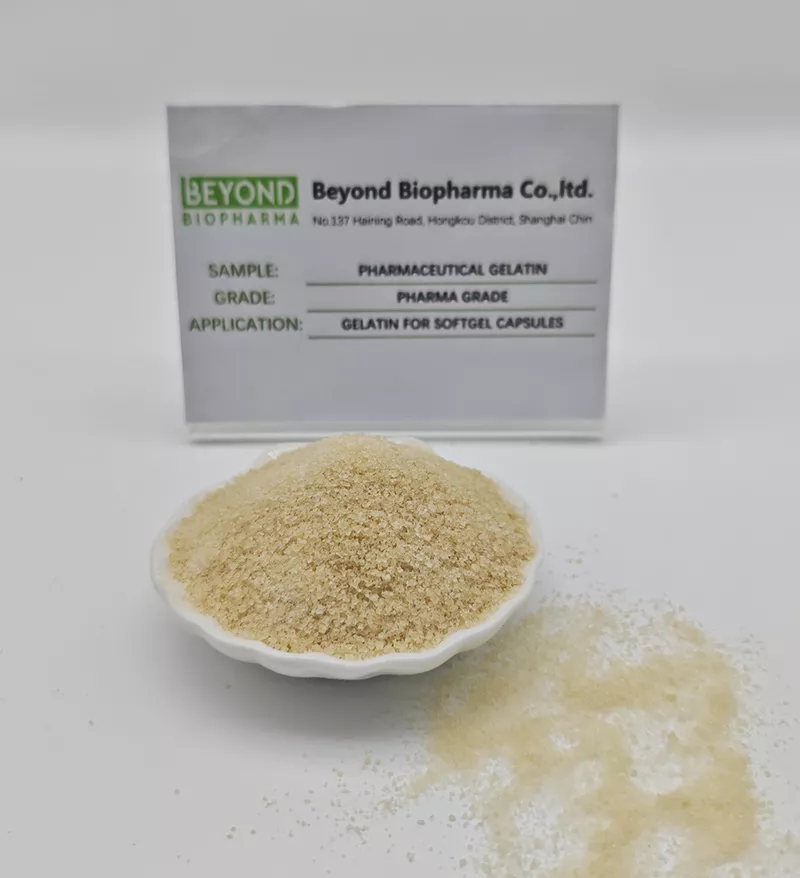
For overseas buyers sourcing gelatin and collagen peptides, batch consistency is a top priority. One of the most frequent questions we hear from purchasing managers and product developers is how to accurately replace sheet gelatin with powder without altering gel strength, texture, or solubility. This guide breaks down the conversion using standard industry parameters, so you can scale formulations confidently.
A standard sheet of gelatin (often called leaf gelatin) typically weighs between 2 g and 5 g, depending on the brand and bloom strength. The most common sheet weight in commercial kitchens and labs is 2.5 g per sheet, with a bloom of around 160–200 g. To convert one sheet of gelatin to powder, you need to match the bloom strength. For a 2.5 g sheet at 160 bloom, the equivalent powdered gelatin weight is approximately 2.5 g of powder at the same bloom. If your powder has a different bloom value, adjust using the formula: powder weight = sheet weight × (sheet bloom ÷ powder bloom).
Bloom strength is the standard measure of gel firmness, expressed in grams. A higher bloom number means a firmer gel. When converting sheet to powder, using the same bloom ensures identical texture. For example, if your sheet gelatin is 200 bloom and your powder is 250 bloom, you need less powder. The conversion formula is: required powder weight = sheet weight × (sheet bloom ÷ powder bloom). For a 2.5 g sheet at 200 bloom, using 250 bloom powder: 2.5 × (200 ÷ 250) = 2.0 g of powder. Always check the COA for exact bloom values.
Follow these steps for a reliable substitution:
For most applications, a 1:1 weight substitution works if bloom values are similar. Always test a small batch first.
The table below lists common industry specifications. Note: these are typical ranges; final values per COA or sample.
| Parameter | Edible Gelatin | Collagen Peptides | Plant Protein Peptides |
|---|---|---|---|
| Bloom (g) | 50–300 (pharma/gummies: 150–260) | N/A (no gel strength) | N/A |
| Viscosity (mPa·s) | 2.0–5.5 | N/A | N/A |
| Mesh size | 8–60 | 20–80 | 40–100 |
| Moisture (%) | ≤14 | ≤8 | ≤10 |
| Protein (%) | ≥85 | ≥90 | 80–90 |
| Molecular weight (Da) | N/A | 2,000–5,000 (fish: lower) | Typically <5,000 |
These ranges are generic industry references. For precise specs, request a COA from your supplier.
Choosing the right gelatin or collagen peptide depends on your end product. Here is a breakdown by industry:
Based in Shanghai, China, Beyond Biopharma is a manufacturer specializing in collagen peptides, gelatin, and plant protein peptides. With over 10 years in the food-ingredient industry, we export to 50+ countries. Our facility produces approximately 3,000 MT/year of collagen and 5,000 MT/year of gelatin, using fully automatic production lines, GMP clean workshops, and stainless-steel sealed piping with automated temperature and pH control. We hold ISO 9001, US FDA registration, and GMP certification. Select products carry Halal and Kosher certifications (e.g., fish gelatin), and our bovine bone gelatin is BSE-free. Our in-house lab conducts heavy-metal and microbiological testing, supported by a dedicated QA/QC team. We offer three grades—food, pharmaceutical, and cosmetic—and provide free samples and formulation support.
Q: Can I use powdered gelatin directly in hot liquid without blooming?
A: No. Blooming (hydrating in cold water) prevents clumping and ensures even dissolution. Always bloom powdered gelatin in 3–5 times its weight of cold water for 10–15 minutes before heating.
Q: What is the difference between sheet and powdered gelatin in terms of solubility?
A: Sheet gelatin dissolves more slowly but produces a clearer gel. Powdered gelatin dissolves faster but may trap air bubbles. Both require proper hydration for best results.
Q: How do I adjust the conversion if my sheet gelatin bloom is unknown?
A: Assume a standard bloom of 160–200 g for most commercial sheets. Weigh one sheet (typically 2.5 g) and use a 1:1 weight ratio with 160–200 bloom powder. Test a small batch to confirm texture.
Q: Is fish gelatin a good substitute for bovine or porcine gelatin?
A: Yes, fish gelatin is an alternative with similar bloom ranges. It is often used in kosher and halal formulations. Note that fish gelatin may have a lower melting point and different setting time.
Q: What certifications should I look for when sourcing gelatin for pharmaceutical use?
A: For pharmaceutical applications, ensure the supplier provides ISO 9001, GMP certification, and BSE-free documentation. Third-party testing for heavy metals and microbiological contaminants is essential.
Q: Can plant protein peptides replace gelatin in gummy formulations?
A: Plant protein peptides do not form a gel like gelatin. For vegan gummies, use pectin, agar, or modified starches. Plant protein peptides work well in powdered supplements and beverages.
To ensure the right product for your formulation, please provide the following details when contacting us: your application (food, pharma, or cosmetic), required grade, target quantity or MOQ, desired specifications (bloom, mesh, molecular weight, certifications), and destination country. Our team will send free samples and a tailored quote. We support custom bulk supply and formulation/OEM. Reach out to Beyond Biopharma for reliable, consistent gelatin and collagen peptides that meet your quality standards.

We provide you with comprehensive foreign trade solutions to help enterprises achieve global development
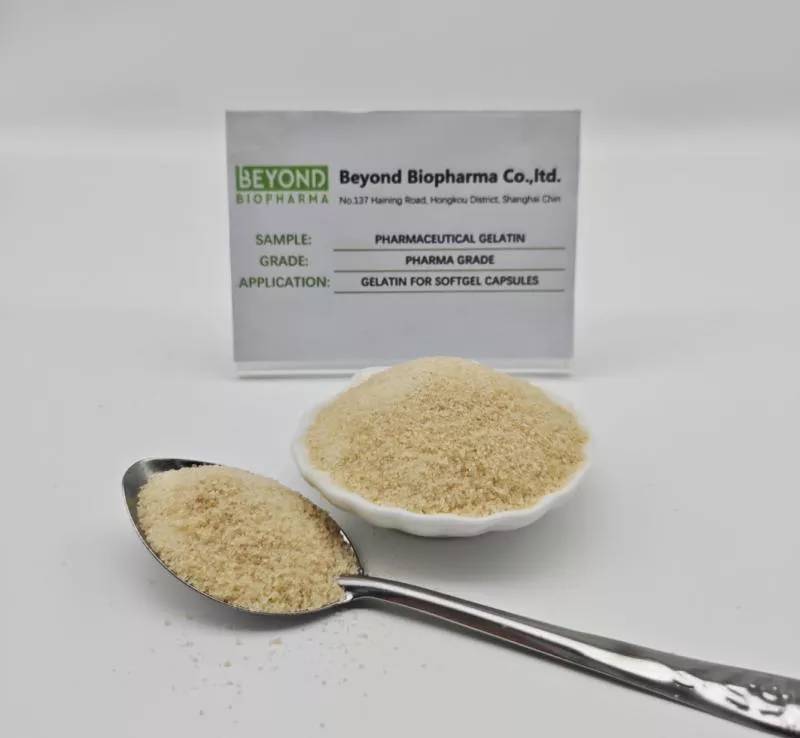
Softgel encapsulation demands a gelatin with unique physical attributes to perform optimally during the high-speed manufacturing process
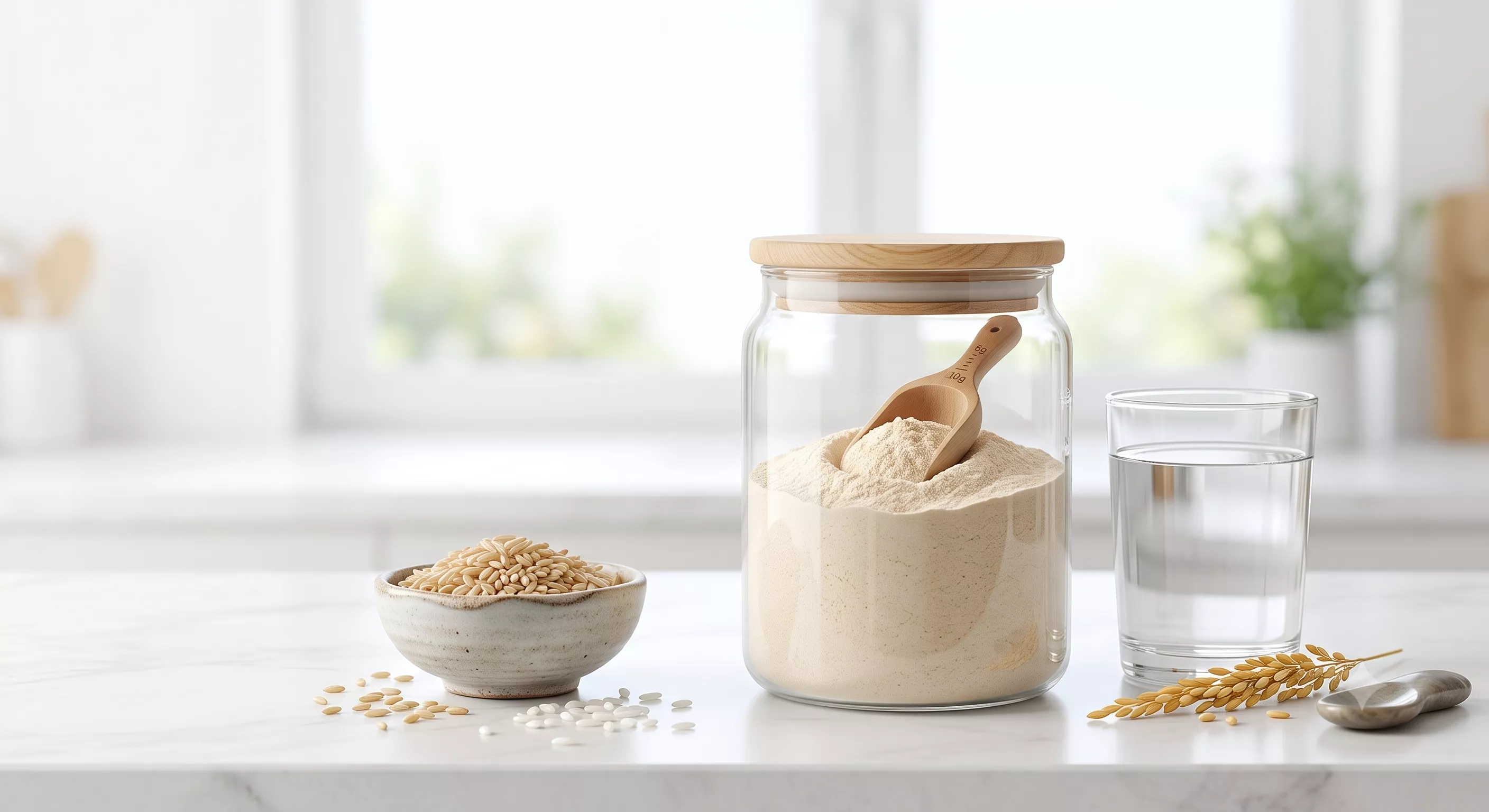
Source ultra-pure, 100% water-soluble wholesale hydrolyzed rice protein peptide in bulk. Over 85% molecules under 1000 Da. Ideal for infant nutrition, clean-label sports formulas, and sensitive skincare.
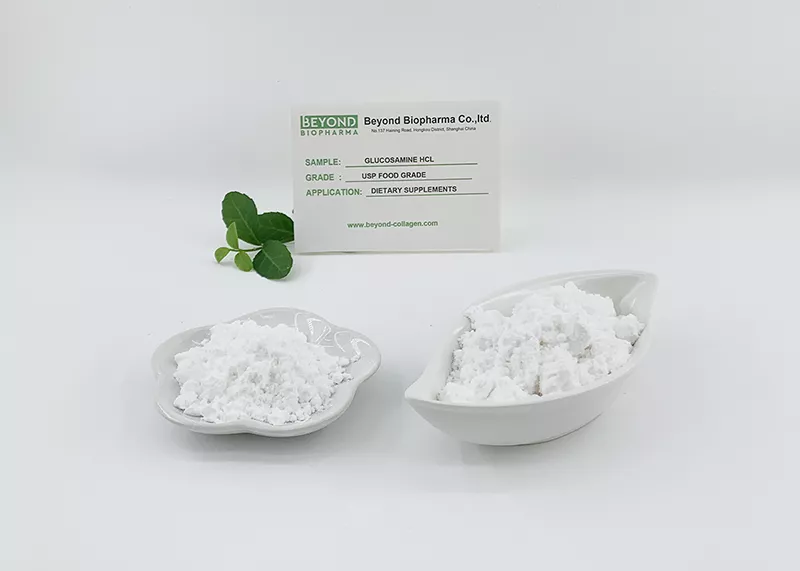
The Purest Plant-Based Joint Support Solution
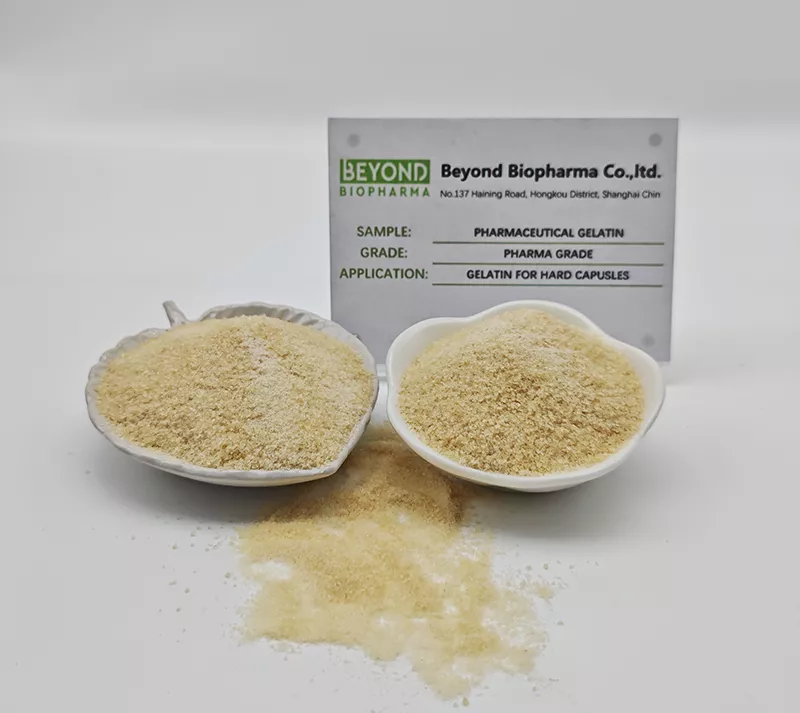
The high-strength and rapid-setting characteristics of Bovine Bone Gelatin ensure it forms a stable, uniform, and durable shell that preserves the integrity of the active pharmaceutical ingredient (API).
Select the most popular foreign trade service products to meet your diverse needs
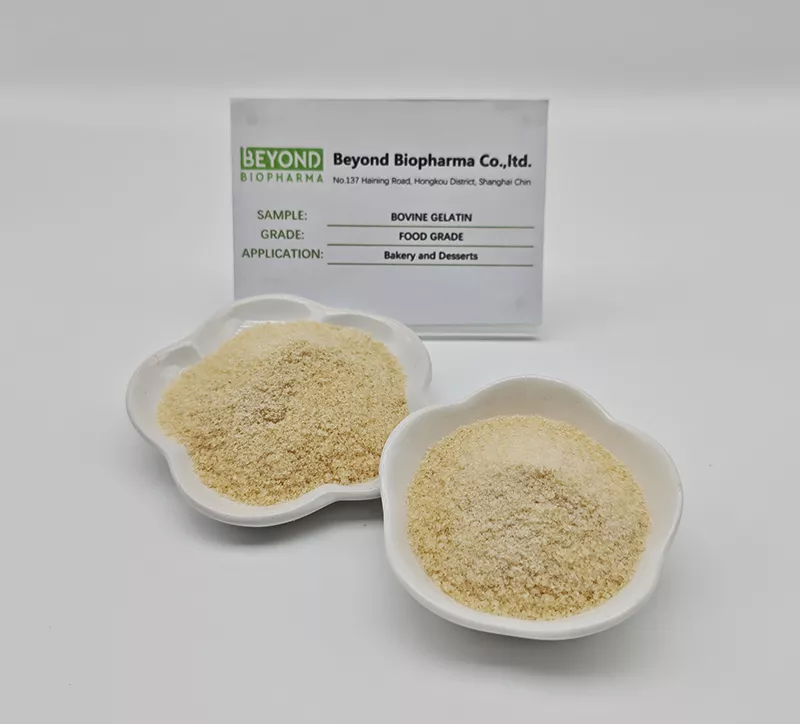
20 years experiences, 5000 ton/year capacity, Sustained supply with stable quality
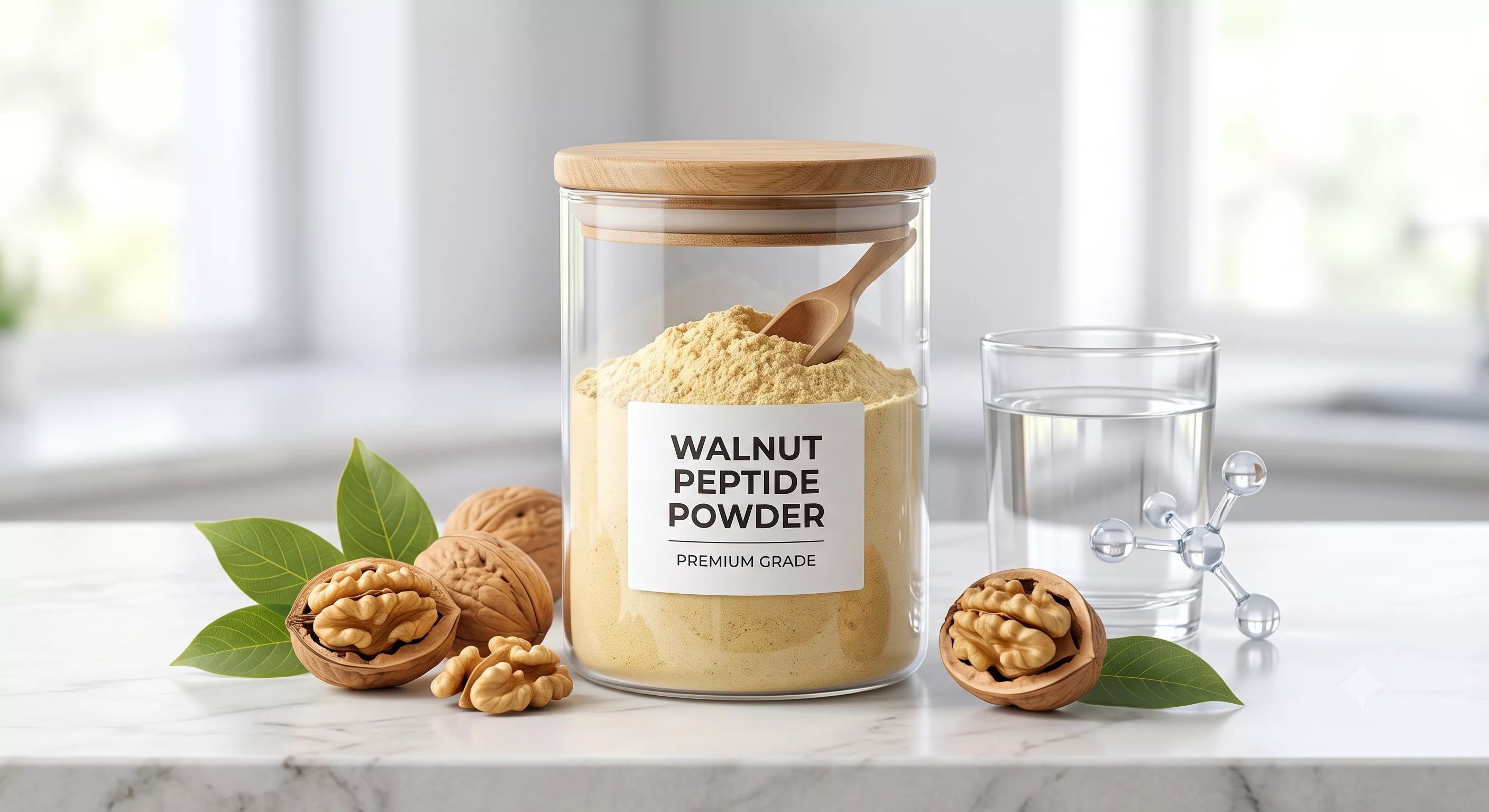
Source wholesale hydrolyzed walnut protein peptide powder in bulk. Over 85% low-molecular-weight oligopeptides rich in Glutamic Acid. Perfect for cognitive formulas and sleep aid supplements.
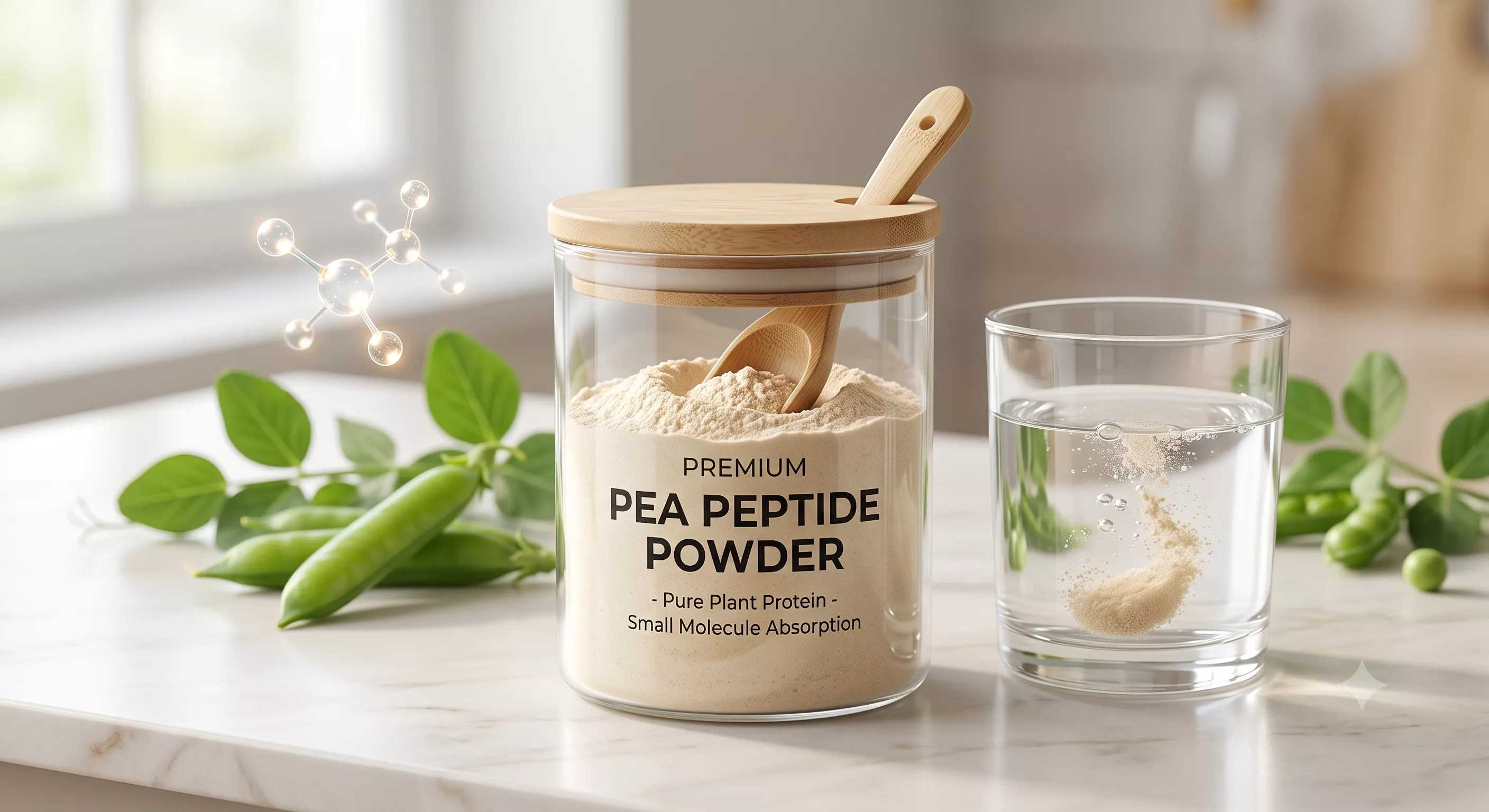
Source high-purity, hypoallergenic hydrolyzed pea peptide powder in bulk. Complete water solubility, rich in BCAAs, ideal for vegan recovery formulas.
Tel:+86 21 65010906
Cell/Whatsapp/Wechat:
+86 13482884055
+86 18657345785
Email: sales@beyondbiopharma.com





User Comments
Service Experience Sharing from Real Customers
Megan
Home BakerAs someone who's been using sheet gelatin for years, I was skeptical about switching to powder. This conversion guide was a lifesaver! The measurements were spot-on for my panna cotta. It's so much easier to measure precisely now. Only took off one star because I wish there was a tip for blooming – had to figure that part out myself.
Leo
BartenderHonestly, game-changer for cocktail syrups and澄清澄清. I work at a craft cocktail bar and we ran out of sheets mid-shift last week. Found this powder equivalent chart online, tried it with our house-made raspberry foam... worked perfectly! No one noticed the difference. Super practical for busy environments.
Chloe
Culinary StudentFor beginners like me, sheets were confusing – like, how do I measure a 'sheet'? Powder is so much more straightforward. This 1 sheet to powder ratio post saved my pastry final. My professor actually asked where I got the conversion because my Bavarian cream set better than some classmates'. Definitely bookmarking this.
Raj
Food Product DeveloperFrom an R&D perspective, the consistency of powder vs sheets is a major plus for scaling recipes. Used the conversion for a new gummy supplement line and it eliminated batch variation we had with sheets. Minor note: the conversion might vary slightly by brand, so always test first. But overall, this made my workflow way more efficient.