 English EN


Bovine gelatin pros and cons everyone should know
Bovine gelatin offers strong gelling and health benefits but has dietary, ethical, and allergen concerns. Compare bovine gelatin to other gelatin options here.
More
If you are a purchasing manager or product developer looking for reliable coating solutions, you have likely encountered the term gelatin powder to leaves. This refers to the use of gelatin powder as a film-forming agent applied to leaf-like surfaces or substrates in food and supplement manufacturing. The core challenge buyers face is ensuring batch consistency, solubility, and certification compliance while meeting specific texture and performance requirements. Understanding how gelatin powder behaves in coating applications is the first step toward selecting the right raw material for your product line.
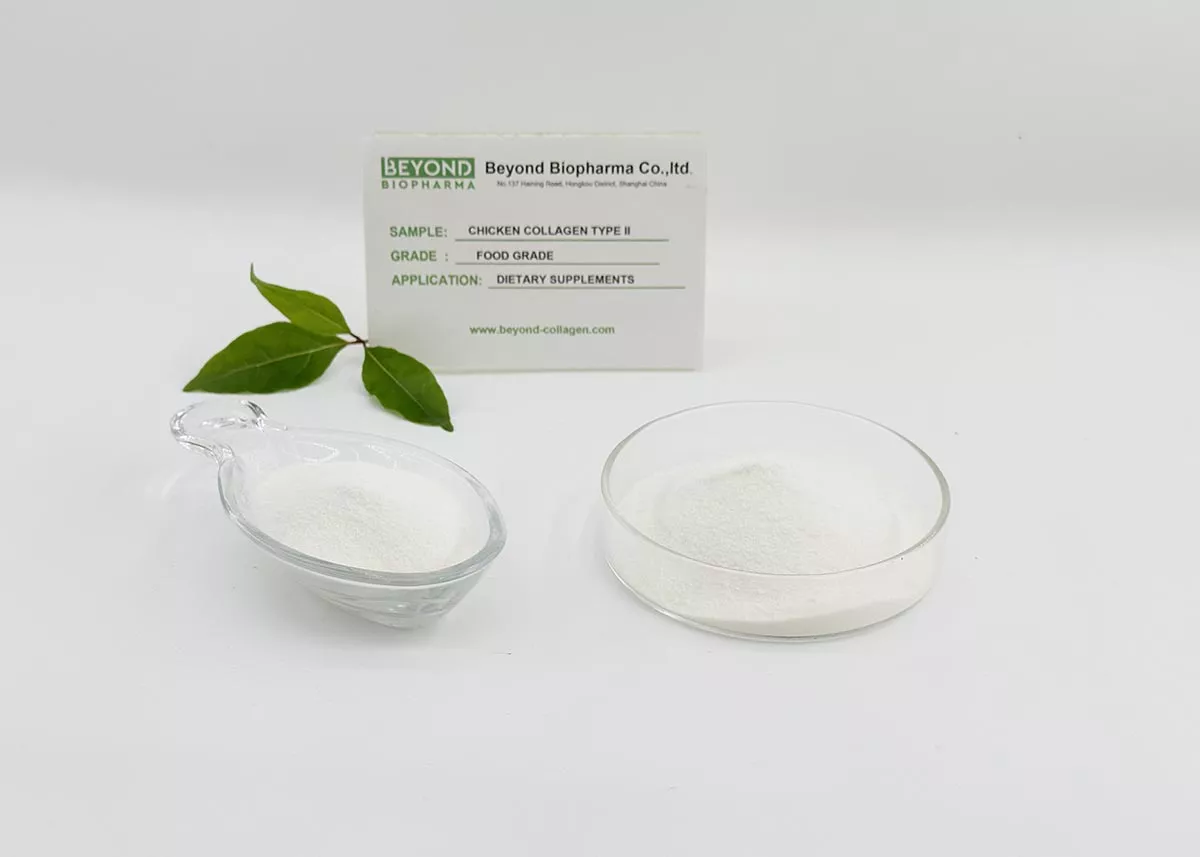
Gelatin powder is derived from collagen through controlled hydrolysis. When dissolved in warm water and cooled, it forms a thermoreversible gel. This property makes it ideal for coating leaves, fruits, or other substrates in food processing. The coating process typically involves spraying or dipping the substrate into a gelatin solution, which then sets upon cooling, creating a thin, uniform layer.
The key parameters that determine performance include bloom strength (gel firmness), viscosity, and molecular weight. For leaf coatings, a bloom range of 150–260 g is commonly used, as it provides sufficient film strength without becoming brittle. Viscosity typically falls between 2.0 and 5.5 mPa·s, ensuring even coverage and adhesion. These are typical industry ranges; final values should be verified per Certificate of Analysis (COA) and sample testing.
When sourcing gelatin powder for leaf coating or similar applications, buyers should evaluate the following parameters. The table below summarizes common spec ranges for edible and pharmaceutical grades.
| Parameter | Typical Range (Industry Standard) | Notes |
|---|---|---|
| Bloom Strength | 50–300 g (common: 150–260 g) | Higher bloom = firmer gel; adjust based on coating thickness |
| Viscosity | 2.0–5.5 mPa·s | Affects flow and coverage uniformity |
| Mesh Size | 8–60 mesh | Finer mesh dissolves faster |
| Moisture | ≤14% | Critical for shelf life and microbial stability |
| Protein Content | ≥90% (collagen peptides) | Indicates purity and hydrolysis degree |
Note: All values above represent typical industry ranges. For your specific application, always request a COA and conduct sample trials. Beyond Biopharma provides free samples and formulation support to help you match the right spec to your process.
Gelatin powder is versatile across multiple industries. Here is how it performs in different coating scenarios:
Beyond Biopharma is a Shanghai, China–based manufacturer specializing in collagen peptides, gelatin, and plant protein peptides. With over 10 years in the food-ingredient industry, we export to 50+ countries. Our facility has an annual capacity of approximately 3,000 MT for collagen and 5,000 MT for gelatin. We operate a fully automatic production line with GMP clean workshops, stainless-steel sealed piping, and automated temperature/pH control.
Our certifications include ISO 9001, US FDA registration, and GMP compliance. Select products carry Halal and Kosher certification (e.g., fish gelatin). Bovine bone gelatin is BSE-free. We maintain an in-house lab for heavy-metal and microbiological testing, supported by a dedicated QA/QC team. We offer three grades—food, pharmaceutical, and cosmetic—and provide free samples along with formulation and selection support.
A bloom of 150–260 g is generally recommended for leaf coatings. Lower bloom provides a softer film, while higher bloom yields a firmer, more durable coating. Always test with your specific substrate and process conditions.
Standard gelatin is animal-derived. For vegan coatings, consider plant protein peptides (pea, rice, or soy) as alternatives. They offer similar film-forming properties and are allergen-free. Beyond Biopharma supplies plant protein peptides suitable for clean-label products.
Request a Certificate of Analysis (COA) for each batch. Key parameters to monitor include bloom, viscosity, moisture, and microbiological counts. Work with suppliers who have in-house QA/QC labs and automated production controls, like Beyond Biopharma.
Common certifications include ISO 9001, FDA registration, Halal, Kosher, and BSE-free status for bovine products. Depending on your target market, you may also need organic or non-GMO verification. Always verify with your supplier.
Yes, fish gelatin is an excellent alternative, especially for clean-label or kosher/halal applications. It typically has a lower melting point and may require process adjustments. Beyond Biopharma offers Halal and Kosher verified fish gelatin for such uses.
When stored in a cool, dry place below 25°C and away from moisture, gelatin powder typically has a shelf life of 2–3 years. Always check the manufacturer’s expiration date and storage recommendations on the packaging.
To get started with sourcing the right gelatin powder to leaves coating solution, please provide the following details in your inquiry:
Beyond Biopharma offers free samples and formulation support to help you evaluate the product before committing to bulk orders. Our team can guide you through spec matching and process optimization. Contact us today to discuss your coating project and receive a tailored quote.

We provide you with comprehensive foreign trade solutions to help enterprises achieve global development
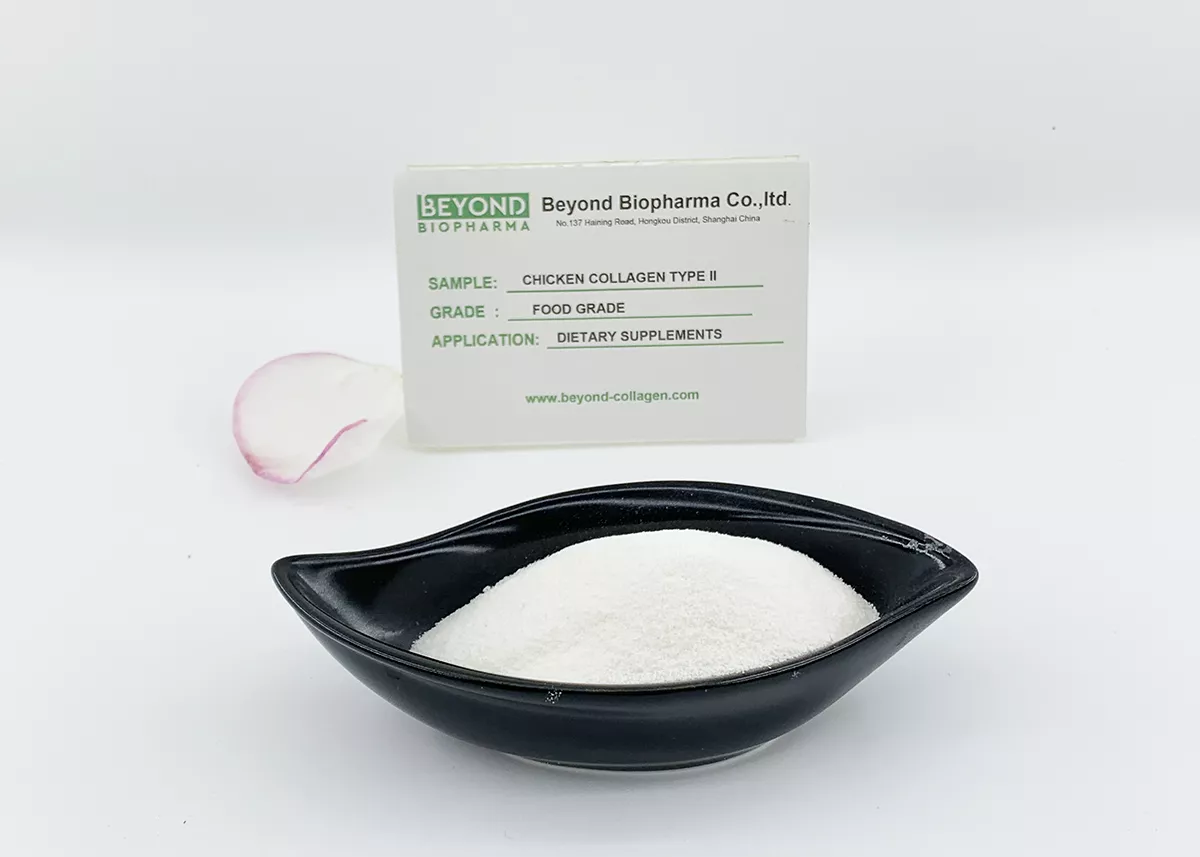
BEYOND BIOPHARMA is a specialized manufacturer of high-quality Undenatured Collagen Type II. Utilizing low-temperature, non-enzymatic extraction methods, our Undenatured Collagen Type II retains its native, triple-helix structure, essential for modulating the immune system's response to joint health and providing superior support for mobility, flexibility, and overall joint comfort.
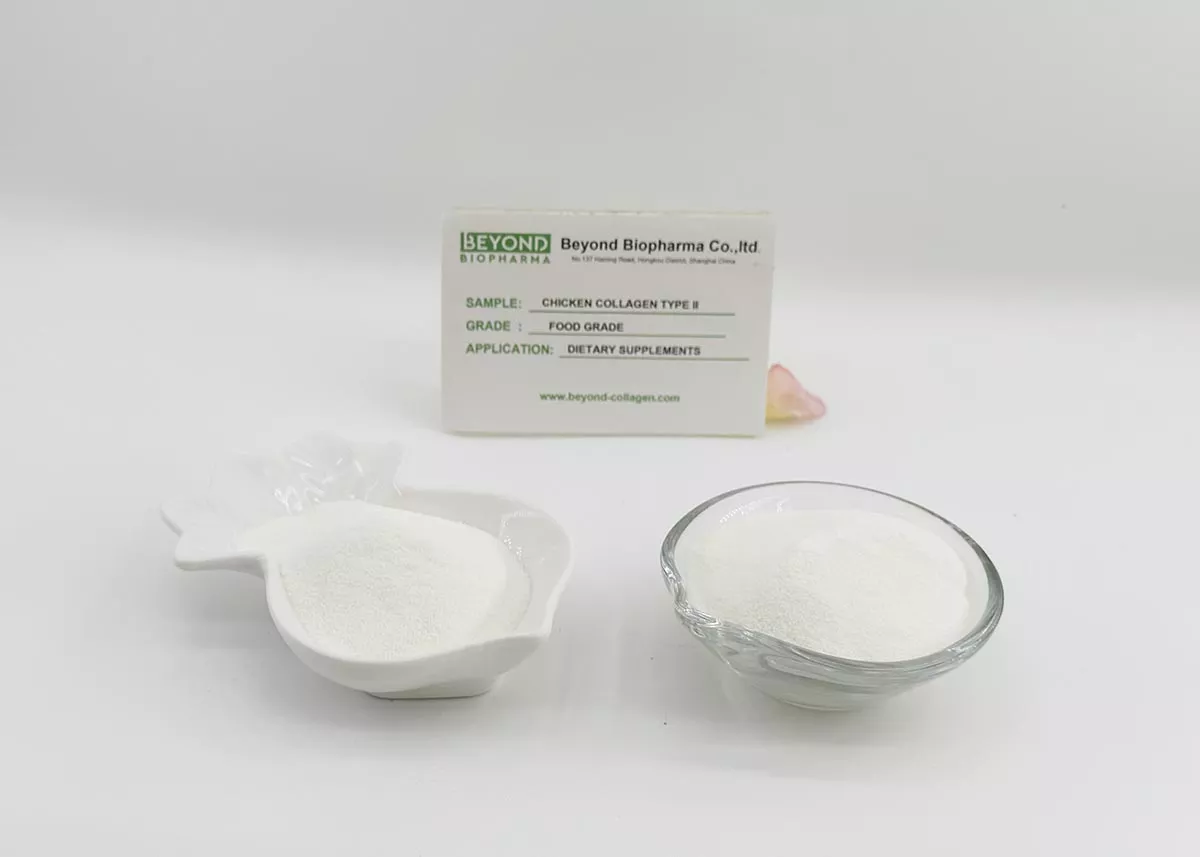
BEYOND BIOPHARMA is a specialized manufacturer of highly purified Hydrolyzed Collagen Type II. Through advanced enzymatic hydrolysis, we create low-molecular-weight collagen peptides that are highly bioavailable, offering foundational nutritional support for cartilage repair, joint function, and skin health. Our product is designed for rapid absorption and maximum efficacy in oral supplements.
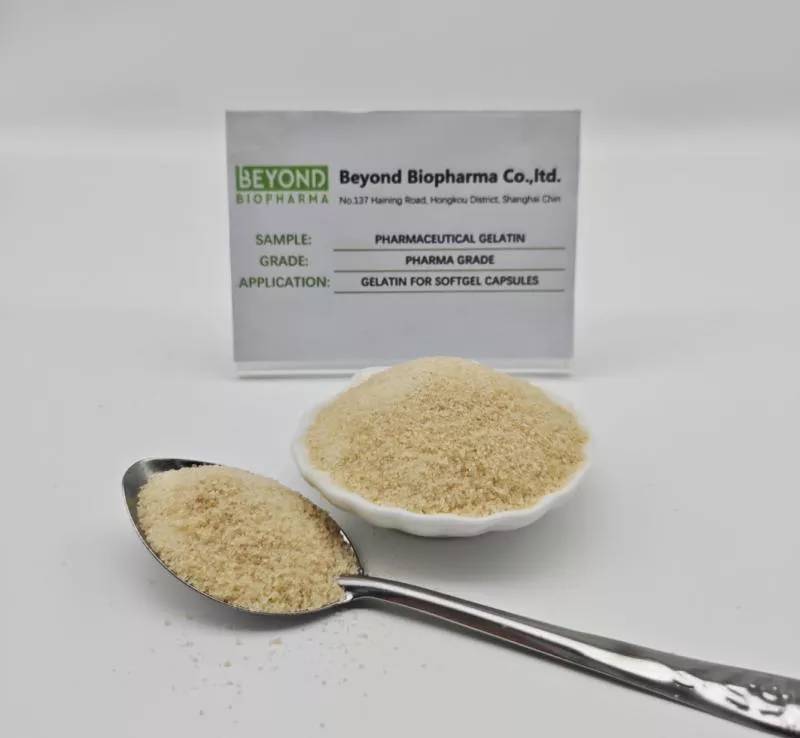
Softgel encapsulation demands a gelatin with unique physical attributes to perform optimally during the high-speed manufacturing process
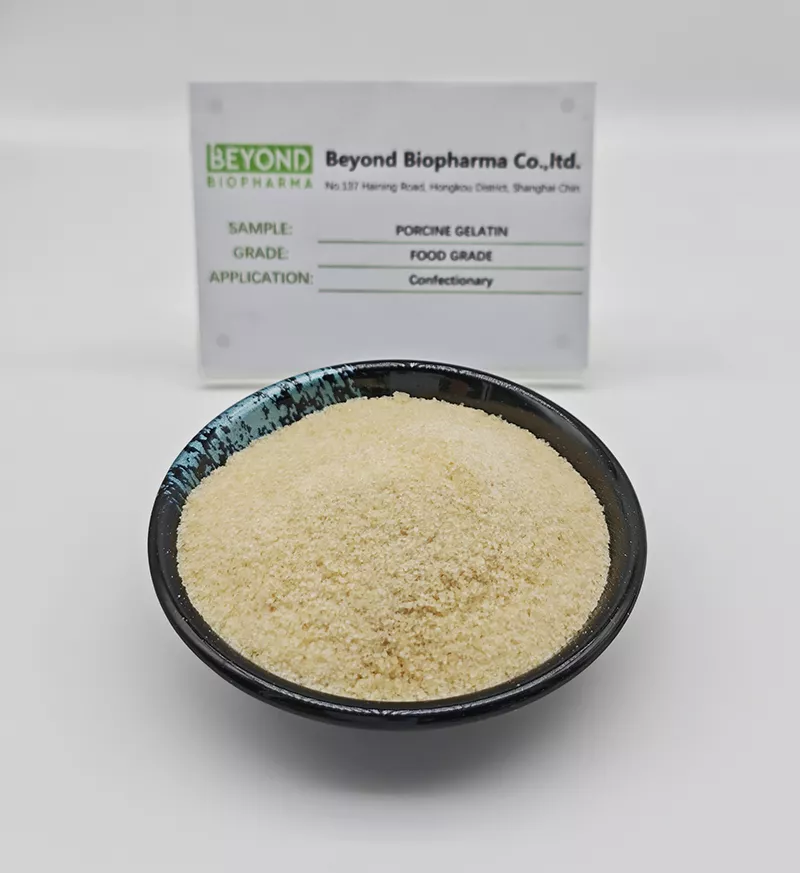
Food-grade porcine gelatin is a highly versatile and cost-effective natural protein derived from the collagen found in pig skin and bones. It is a premier gelling agent known for its exceptional clarity, neutral taste, and thermal reversibility.
Select the most popular foreign trade service products to meet your diverse needs
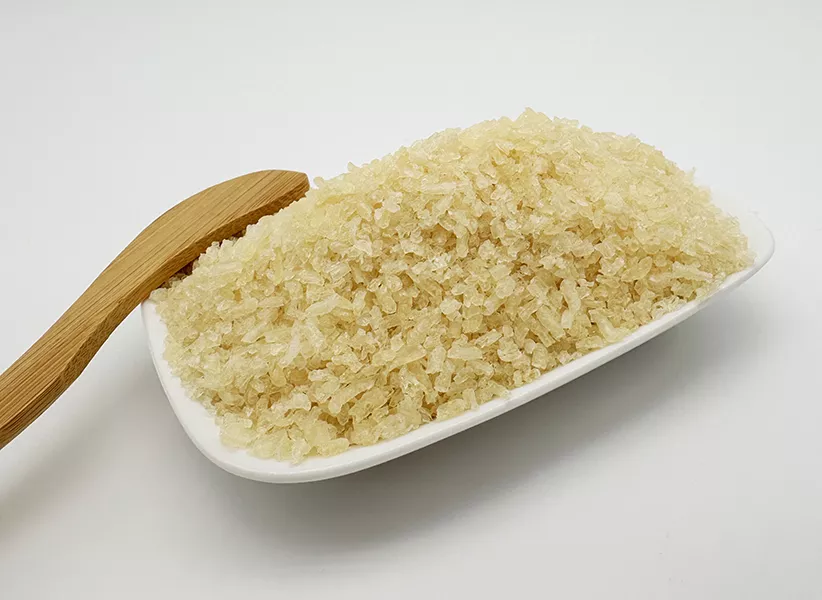
Our Bovine Hides Gelatin is engineered for versatility and compliance, ensuring performance across various applications.
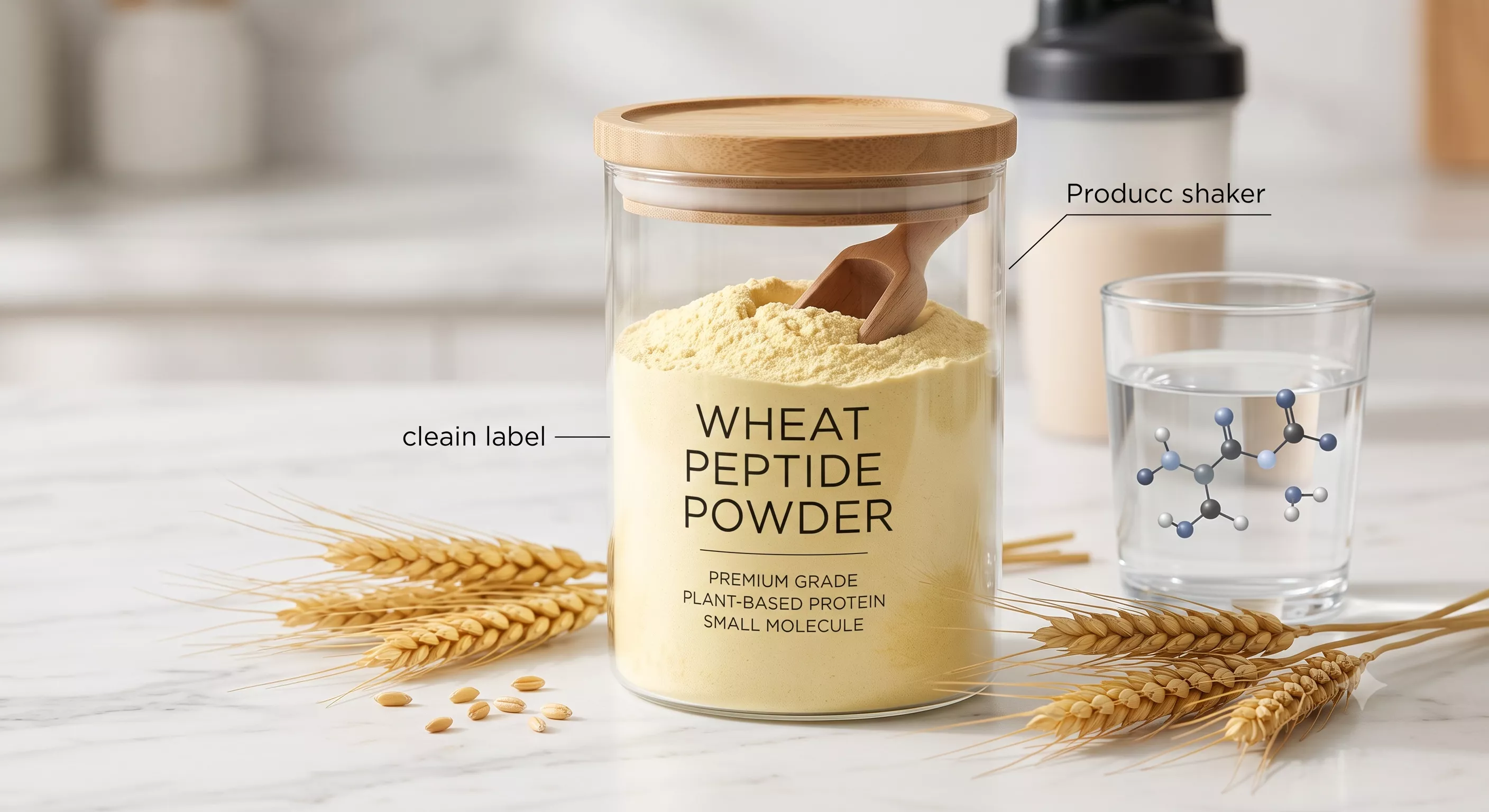
Source ultra-pure, high-solubility wholesale hydrolyzed wheat gluten peptide in bulk. Rich in plant-bound Glutamine ($\ge 25\%$) for muscle recovery and gut barrier health.
Food-grade porcine gelatin is a highly versatile and cost-effective natural protein derived from the collagen found in pig skin and bones. It is a premier gelling agent known for its exceptional clarity, neutral taste, and thermal reversibility.
Tel:+86 21 65010906
Cell/Whatsapp/Wechat:
+86 13482884055
+86 18657345785
Email: sales@beyondbiopharma.com





User Comments
Service Experience Sharing from Real Customers
Megan
Pastry ChefAs someone who's worked with gelatin for years, I was skeptical about a leaf alternative. This powder actually sets beautifully for my panna cotta and gives a cleaner flavor than traditional sheets. It took a bit of trial and error to get the conversion right (1 tsp powder ≈ 4 leaves for my recipes), but now it's my go-to. The packaging keeps it from clumping, which is a huge plus in a humid kitchen.
Leo
Home BakerTotal game-changer for my hobby! I used to struggle with gelatin leaves melting unevenly or leaving a weird texture. This powder dissolves so smoothly in cold water first, then blends perfectly into my fruit glazes and mousses. No more lumpy cheesecakes! The conversion chart on the website was spot-on. My only wish is that it came in a smaller size for occasional bakers like me.
Chloe
Science TeacherBought this for a classroom experiment on polymers and ended up using it at home too. The kids loved seeing how the powder hydrates and sets compared to leaves. At home, I've used it for homemade marshmallows and it works like a charm—way less fussy than dealing with sheets. It doesn't have that faint animal-product smell some gelatins do. Knocking off one star because the scoop included is a bit too large for precise small batches.
Raj
Food Product DeveloperWe've been testing this for six months in our R&D lab as a potential switch from leaf gelatin. The consistency batch-to-batch is impressive, and it's more cost-effective at scale. It behaves predictably in both acidic fruit applications and neutral dairy bases. Our sensory panel actually preferred the mouthfeel in gummies made with this powder. This might just become our standard. Seriously good stuff.