 English EN


Porcine gelatin always protects vaccines from harm
Porcine gelatin stabilizes vaccines, ensuring safety and effectiveness. Most people tolerate it well, with rare allergic reactions and strict quality controls.
More
Gelatin is a versatile ingredient found in everything from gummy candies and marshmallows to yogurt and pharmaceutical capsules. For overseas buyers, sourcing consistent, high-quality gelatin—whether bovine, porcine, or fish-based—can be a challenge due to batch variability, odor issues, and certification requirements. This guide breaks down common food products containing gelatin, explains how it works, and offers practical selection advice for procurement and R&D teams.
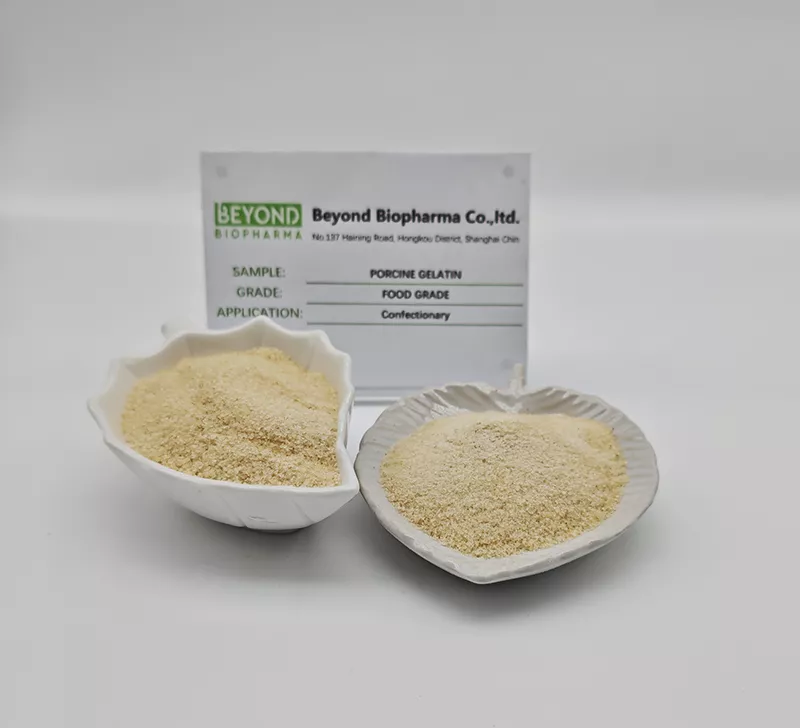
Gelatin is a protein derived from collagen, typically sourced from bovine hides, porcine skin, or fish scales. It acts as a gelling agent, stabilizer, and thickener in countless food products. The key property is its gel strength, measured in Bloom (typically 50–300 g for edible grades), which determines texture. For example, gummy candies often use 150–260 Bloom gelatin to achieve a chewy, elastic bite, while marshmallows rely on lower Bloom for a soft, airy structure. Beyond texture, gelatin improves mouthfeel and clarity in broths, desserts, and confections.
Gelatin production involves partial hydrolysis of collagen through acid or alkaline processing, followed by extraction, filtration, and drying. The molecular weight of the resulting peptides influences solubility and gelation. For food applications, gelatin typically has a viscosity of 2.0–5.5 mPa·s and a mesh size of 8–60. Quality markers include low odor, high clarity, and consistent Bloom values. Enzymatic hydrolysis can further break down gelatin into collagen peptides (molecular weight 2,000–5,000 Da), which are soluble in cold water and used in beverages and supplements. Plant-based alternatives like Plant Protein Peptide offer vegan options but lack the same gelation properties.
Below is a table of common parameter ranges for edible gelatin. Note: These are typical industry ranges; final values should be confirmed per Certificate of Analysis (COA) and sample.
| Parameter | Typical Range | Common Applications |
|---|---|---|
| Bloom (gel strength) | 50–300 g | Gummies (150–260 Bloom), marshmallows (lower Bloom) |
| Viscosity | 2.0–5.5 mPa·s | Softgels, confectionery |
| Mesh size | 8–60 mesh | Powdered gelatin for dry mixes |
| Moisture | ≤14% | All food grades |
For collagen peptides, molecular weight typically ranges from 2,000–5,000 Da, with protein content ≥90%. Fish collagen peptides often have lower molecular weight for faster absorption. Plant protein peptides (e.g., pea, rice, soy) offer protein levels of 80–90% and molecular weight below 5,000 Da, but allergen profiles vary by source.
Gelatin appears in a wide range of food and nutraceutical products. Here are key categories:
For example, Edible Gelatin from bovine or porcine sources is ideal for gummies, while Pharmaceutical Gelatin meets stricter purity standards for capsule production.
Selection depends on your application and target market. For food manufacturers, consider Bloom, source (bovine, porcine, fish), and certifications like Halal or Kosher. For gummies and softgels, high-bloom gelatin (200–260 Bloom) provides firmness, while lower Bloom suits marshmallows. For nutraceutical applications, ultra-high-viscosity gelatin ensures encapsulation stability. Plant-based formulations may require Undenatured Collagen Type II for joint health or Plant Protein Peptide for vegan alternatives. Always request samples to test solubility, odor, and gelation under your process conditions.
Beyond Biopharma is a Shanghai-based manufacturer with over 10 years of experience in the food-ingredient industry, exporting to 50+ countries. Our facility produces approximately 3,000 MT/year of collagen and 5,000 MT/year of gelatin, using fully automatic production lines and GMP clean workshops. We hold ISO 9001 and US FDA registration, with select products carrying Halal or Kosher certification. Our bovine bone gelatin is BSE-free, and our in-house lab conducts heavy-metal and microbiological testing. We offer three grades—food, pharmaceutical, and cosmetic—and provide free samples and formulation support. Whether you need Edible Gelatin for confectionery or Pharmaceutical Gelatin for capsules, we deliver consistent quality.
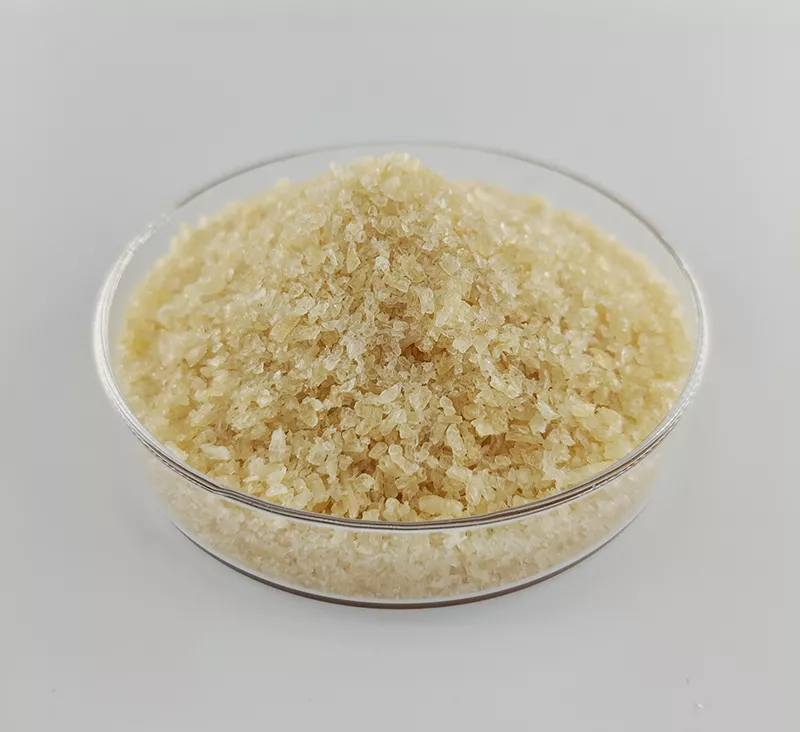
No, traditional gelatin is animal-derived. For vegan formulations, consider plant-based alternatives like agar-agar or Plant Protein Peptide from pea or rice sources.
Gelatin forms a gel when cooled, while collagen peptides are hydrolyzed for cold-water solubility. Both come from collagen but serve different functions—gelatin for texture, peptides for easy incorporation into beverages.
Request a COA for each batch, focusing on Bloom, viscosity, and microbiological specs. Work with suppliers like Beyond Biopharma that use automated temperature and pH control.
Yes, select fish and bovine gelatins carry Halal or Kosher certification. Beyond Biopharma offers certified options for these markets.
Typically 2–3 years when stored in a cool, dry place. Moisture content below 14% prevents microbial growth and maintains gel strength.
Consider dietary restrictions, allergen concerns, and desired texture. Fish gelatin has lower melting point and is suitable for softgels; bovine offers high Bloom for firm gels; porcine is common in gummies.
To get started with your gelatin sourcing, please provide the following details: your intended application (food, pharmaceutical, or cosmetic), required grade, estimated quantity or MOQ, target specifications (Bloom, mesh, molecular weight, certifications), and destination country. Beyond Biopharma will send free samples and a tailored quote to match your needs. Contact our team today to ensure your next product launch meets quality and compliance standards.

We provide you with comprehensive foreign trade solutions to help enterprises achieve global development
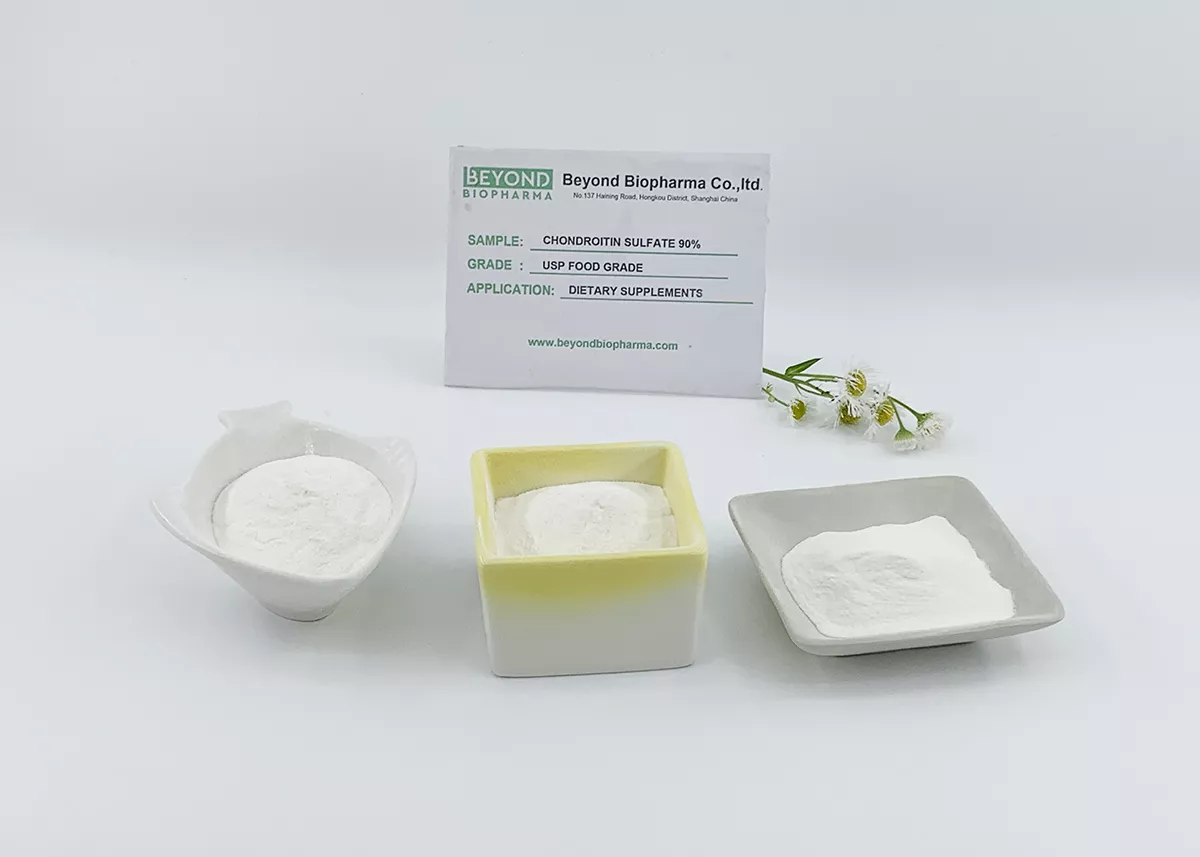
High Purity and Efficacy for Joint Health Formulations
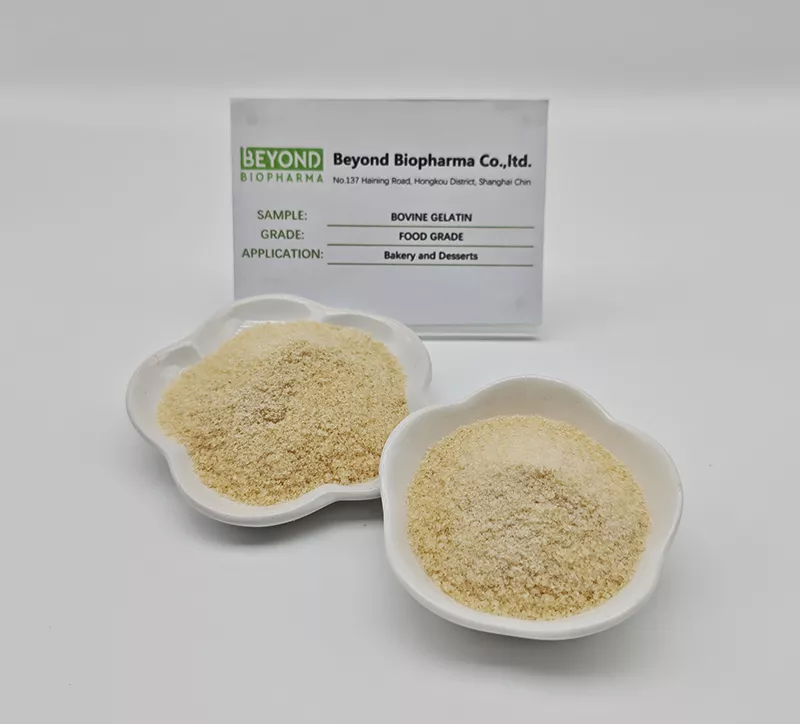
20 years experiences, 5000 ton/year capacity, Sustained supply with stable quality
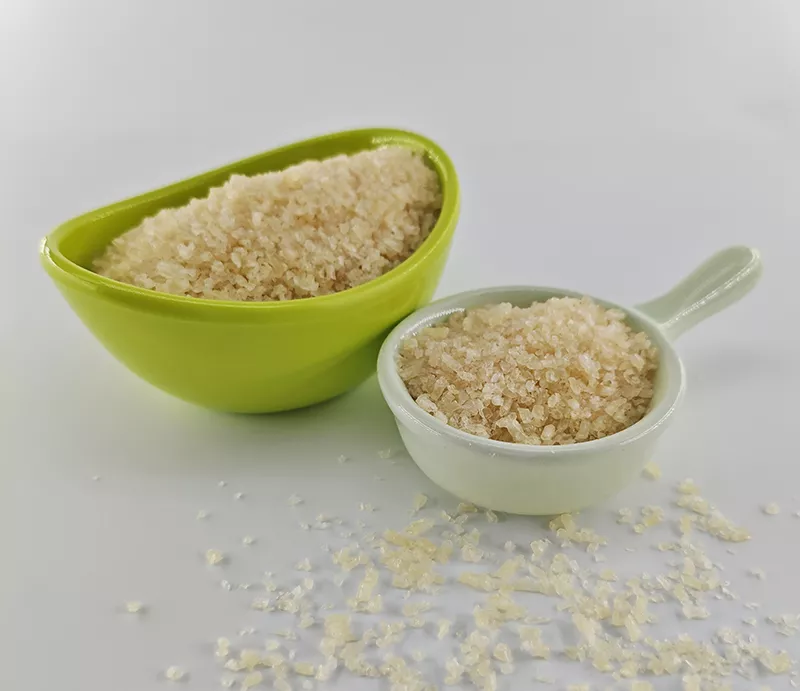
Stability, Swallowing Enhancement, and Controlled Release
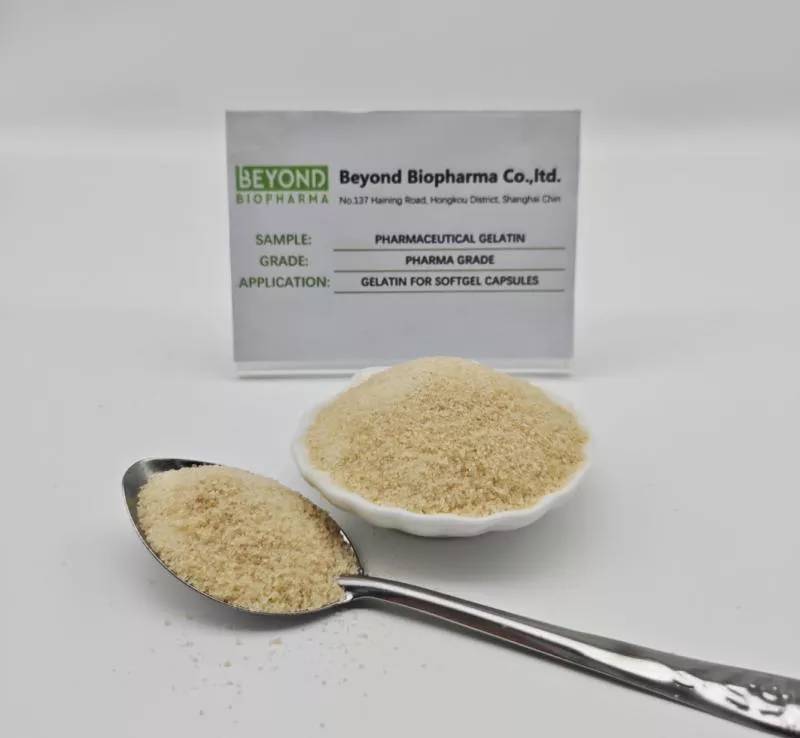
Softgel encapsulation demands a gelatin with unique physical attributes to perform optimally during the high-speed manufacturing process
Select the most popular foreign trade service products to meet your diverse needs
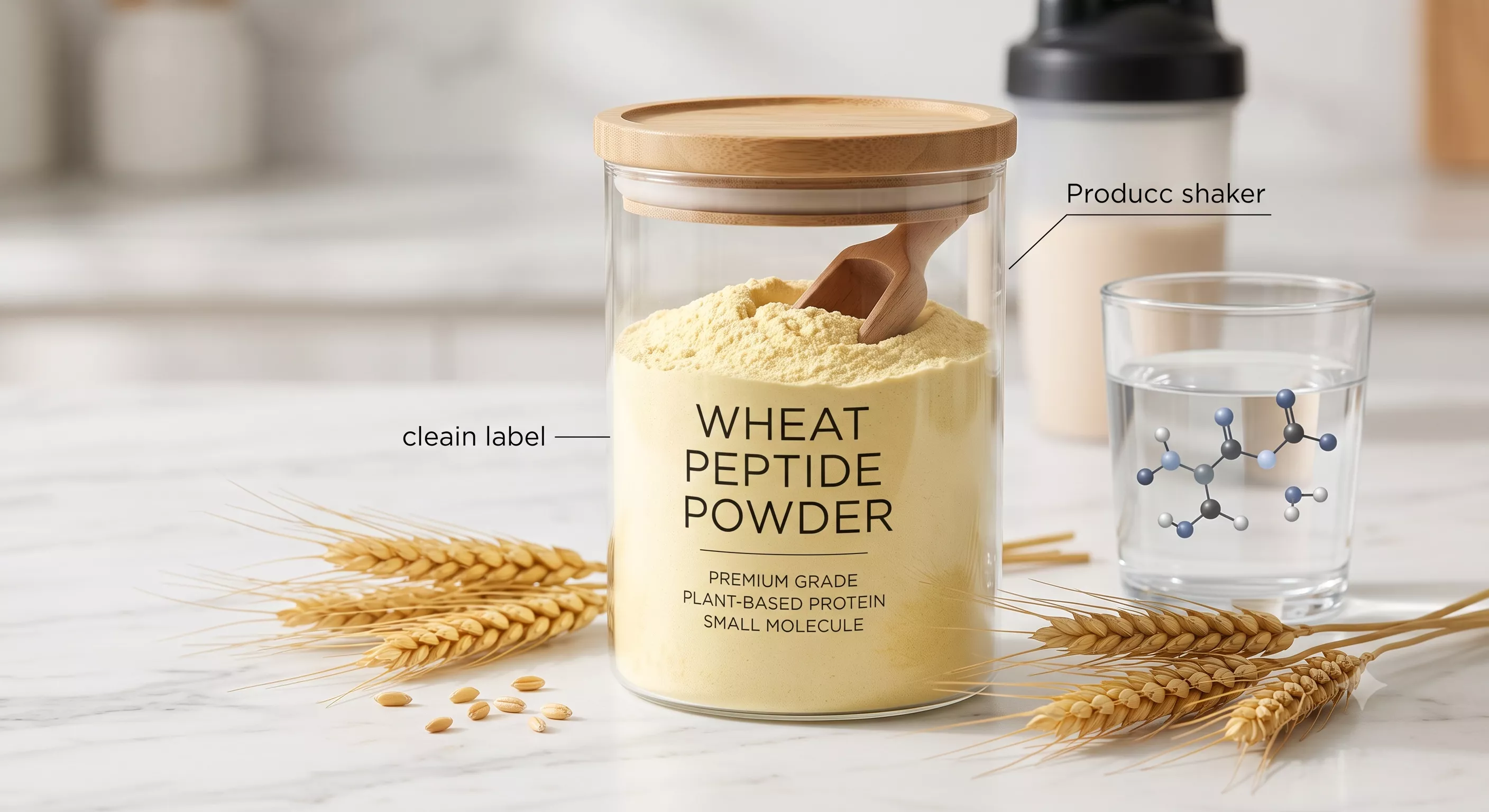
Source ultra-pure, high-solubility wholesale hydrolyzed wheat gluten peptide in bulk. Rich in plant-bound Glutamine ($\ge 25\%$) for muscle recovery and gut barrier health.
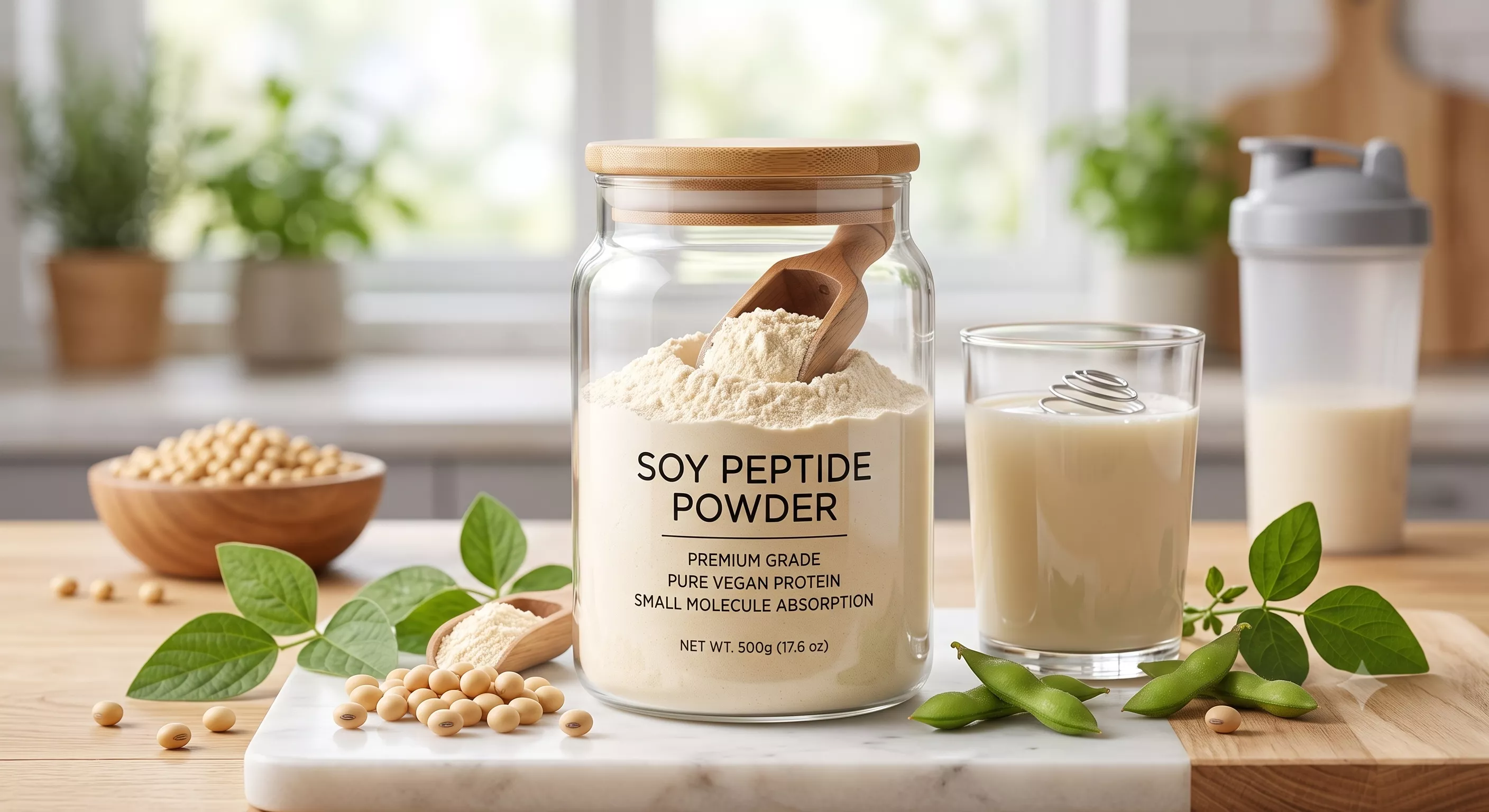
Source ultra-pure, non-GMO hydrolyzed soybean oligopeptide powder in bulk. Complete water solubility, over 80% peptides under 1000 Da. Ideal for sports nutrition and immune recovery formulas.
20 years experiences, 5000 ton/year capacity, Sustained supply with stable quality
Tel:+86 21 65010906
Cell/Whatsapp/Wechat:
+86 13482884055
+86 18657345785
Email: sales@beyondbiopharma.com





User Comments
Service Experience Sharing from Real Customers
Megan
Graphic DesignerI've been trying to find a gummy vitamin that doesn't taste like chalk or fall apart. These actually hold their shape and have a great fruity flavor! As someone who works long hours at a desk, having these on hand is a game-changer for my energy levels. My only wish is that they came in a bigger jar!
Leo
Construction SupervisorHonestly, I bought these protein bars for the site because they were on sale. Didn't expect much, but the guys love 'em. They're chewy but not tough, and don't melt in the truck. Keeps us going through the afternoon slump. Knocking off one star because the chocolate coating can get a bit messy in the heat.
Chloe
Pediatric NurseFinding snacks for my kids that are somewhat healthy and that they'll actually eat is a constant battle. These jelly cups are a lifesaver! They're wobbly and fun, the sugar content is reasonable, and I feel better knowing there's a bit of protein from the gelatin. Huge win in our house.
Raj
Software EngineerAs a vegetarian, I'm always checking labels. This marshmallow brand uses plant-based colors/flavors with gelatin, which works for me. Perfect for late-night coding sessions with hot chocolate – they melt just right. Texture is spot on: soft and pillowy, not rubbery. Would be 5 stars if they were a bit less sweet.