 English EN


Bovine gelatin pros and cons everyone should know
Bovine gelatin offers strong gelling and health benefits but has dietary, ethical, and allergen concerns. Compare bovine gelatin to other gelatin options here.
More
Gelatin food additive is a multifunctional ingredient derived from animal collagen, widely used in gummies, dairy, confectionery, and pharmaceutical capsules. For overseas buyers, sourcing consistent quality gelatin with reliable certifications—such as Halal, Kosher, or BSE-free—remains a top priority. This article covers how gelatin is produced, its key specifications, applications across industries, and what to look for when choosing a supplier like Beyond Biopharma, a Shanghai-based manufacturer with over a decade of experience.
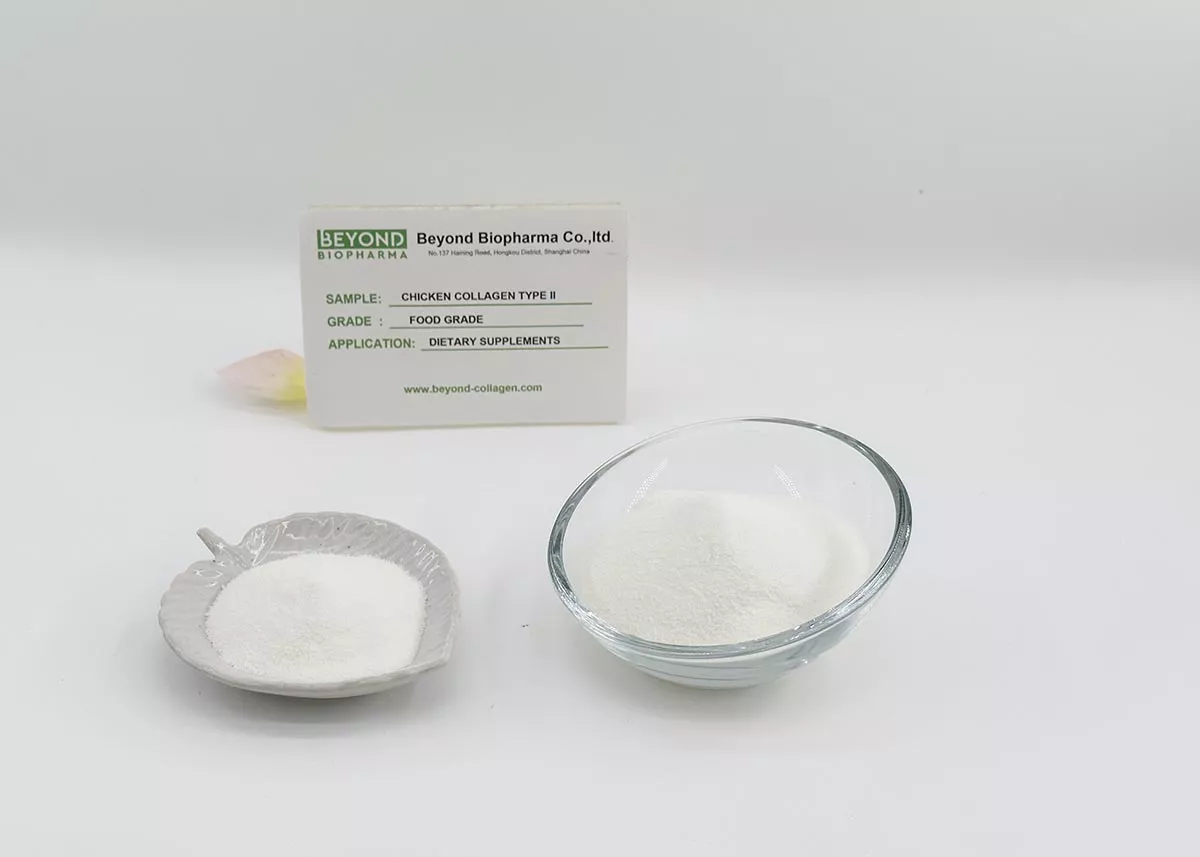
Gelatin is obtained through partial hydrolysis of collagen from animal hides, bones, or fish skins. The process involves acid or alkaline pretreatment, followed by hot water extraction, filtration, concentration, and drying. This yields a protein-rich powder or granules that dissolve in warm water and form a gel upon cooling. The key quality markers include bloom strength (gel firmness), viscosity, and mesh size. For pharmaceutical and nutraceutical applications, enzymatic hydrolysis can further break down gelatin into collagen peptides with lower molecular weight for better absorption.
When sourcing gelatin, buyers often request specific parameters depending on the end use. Below is a table of common industry ranges. Note that these are typical industry ranges; final values per COA or sample may vary by supplier.
| Parameter | Typical Range | Notes |
|---|---|---|
| Bloom (g) | 50–300 | Pharma/gummies often 150–260 Bloom |
| Viscosity (mPa·s) | 2.0–5.5 | Affects gel texture and film formation |
| Mesh size | 8–60 | Coarser for slow dissolution, finer for instant |
| Moisture | ≤14% | Standard for shelf stability |
| Protein content | ≥90% | For collagen peptides, often higher |
Gelatin serves multiple roles across food, pharmaceutical, and nutraceutical sectors. Its gelling, thickening, and stabilizing properties make it indispensable. Here are the primary applications and selection guidance:
Beyond Biopharma, based in Shanghai, China, has over 10 years of experience in the food-ingredient industry. Our products are exported to more than 50 countries. We operate a fully automatic production line with GMP clean workshops, stainless-steel sealed piping, and automated temperature/pH control. Our annual capacity is approximately 3,000 MT for collagen and 5,000 MT for gelatin. We hold ISO 9001 certification, are US FDA registered, and select products carry Halal or Kosher certifications. Our bovine bone gelatin is BSE-free, and we maintain an in-house lab for heavy-metal and microbiological testing with a dedicated QA/QC team. We offer three grades—food, pharmaceutical, and cosmetic—and provide free samples along with formulation and selection support.
For buyers requiring Halal-certified ingredients, fish gelatin is a popular alternative. Beyond Biopharma offers fish gelatin that is Halal and Kosher certified. Additionally, plant protein peptides (from pea, rice, or soy) provide vegan-friendly options with good solubility and protein content. These alternatives are compatible with mainstream formulations and can replace bovine or porcine gelatin in many applications.
Q1: Is gelatin food additive safe for consumption?
Yes, gelatin is generally recognized as safe (GRAS) by regulatory bodies including the FDA and EFSA. It is a natural protein derived from collagen and has a long history of use in food and pharmaceuticals.
Q2: What is the difference between gelatin and collagen peptides?
Gelatin has higher molecular weight and forms a gel, while collagen peptides are hydrolyzed to smaller fragments (2,000–5,000 Da) for better solubility and absorption. Both are derived from collagen but serve different functional roles.
Q3: Can gelatin be used in vegan products?
Traditional gelatin is animal-derived. For vegan formulations, plant protein peptides (pea, rice, soy) are suitable alternatives that provide similar textural benefits without animal origin.
Q4: How do I choose the right bloom strength for my application?
For gummy candies and soft gels, a bloom of 200–260 is typical. For hard capsules, 150–220 bloom works well. Lower bloom (50–150) is used for mousses and dairy products. Always consult your supplier for specific recommendations.
Q5: What certifications should I look for when sourcing gelatin?
Key certifications include ISO 9001, FDA registration, Halal, Kosher, and BSE-free status. Beyond Biopharma provides these certifications for select products, ensuring compliance with global standards.
Q6: How is gelatin food additive tested for quality?
In-house labs test for heavy metals, microbiological contaminants, bloom strength, viscosity, and moisture. Third-party COAs are also available upon request. Beyond Biopharma has a dedicated QA/QC team for rigorous testing.
To get started, please provide your application, required grade (food, pharmaceutical, or cosmetic), quantity or MOQ, target specifications (bloom, mesh, molecular weight, certifications), and destination country. Beyond Biopharma will send free samples and a competitive quote. Our team is ready to support your sourcing needs with reliable quality and timely delivery. Contact us today to discuss your gelatin food additive requirements.

We provide you with comprehensive foreign trade solutions to help enterprises achieve global development
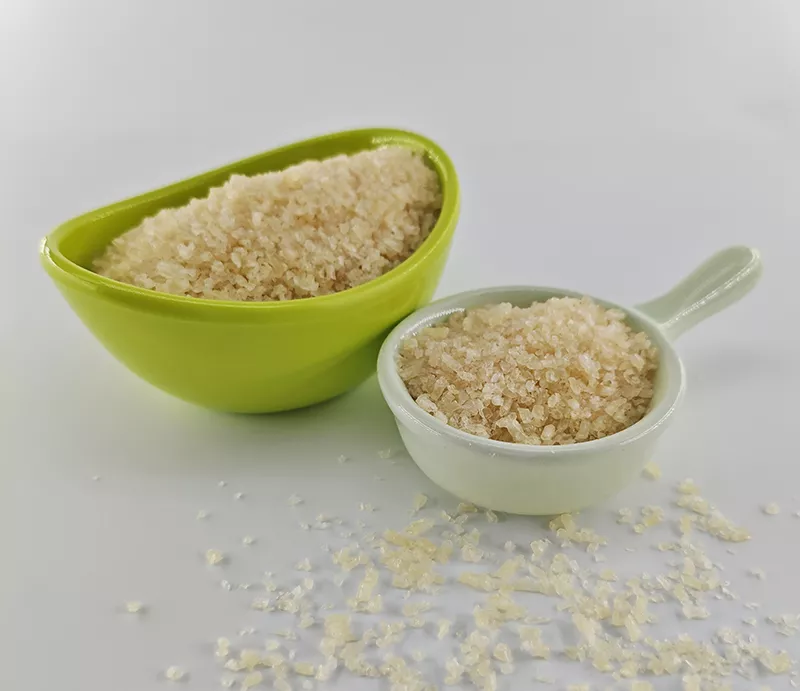
Stability, Swallowing Enhancement, and Controlled Release
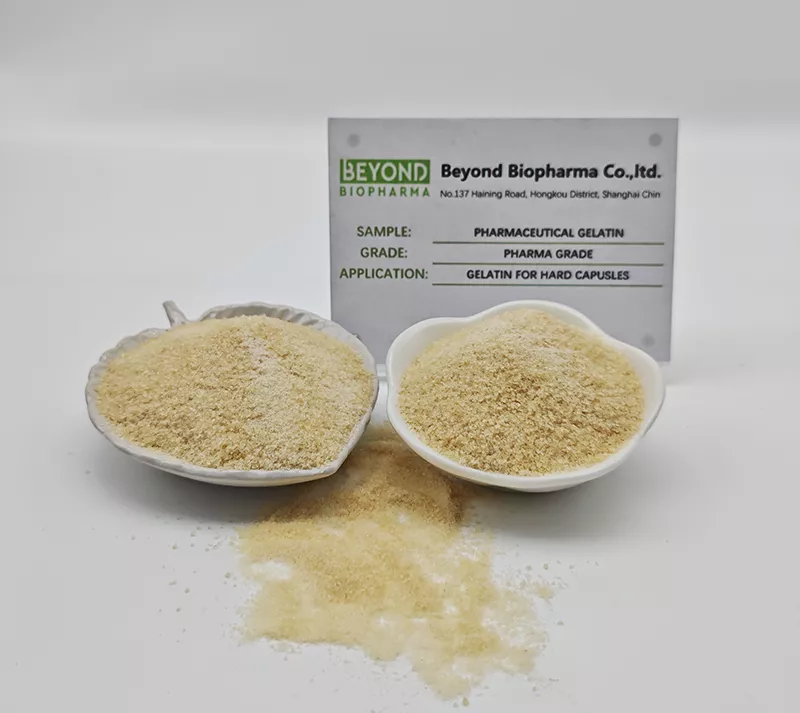
The high-strength and rapid-setting characteristics of Bovine Bone Gelatin ensure it forms a stable, uniform, and durable shell that preserves the integrity of the active pharmaceutical ingredient (API).
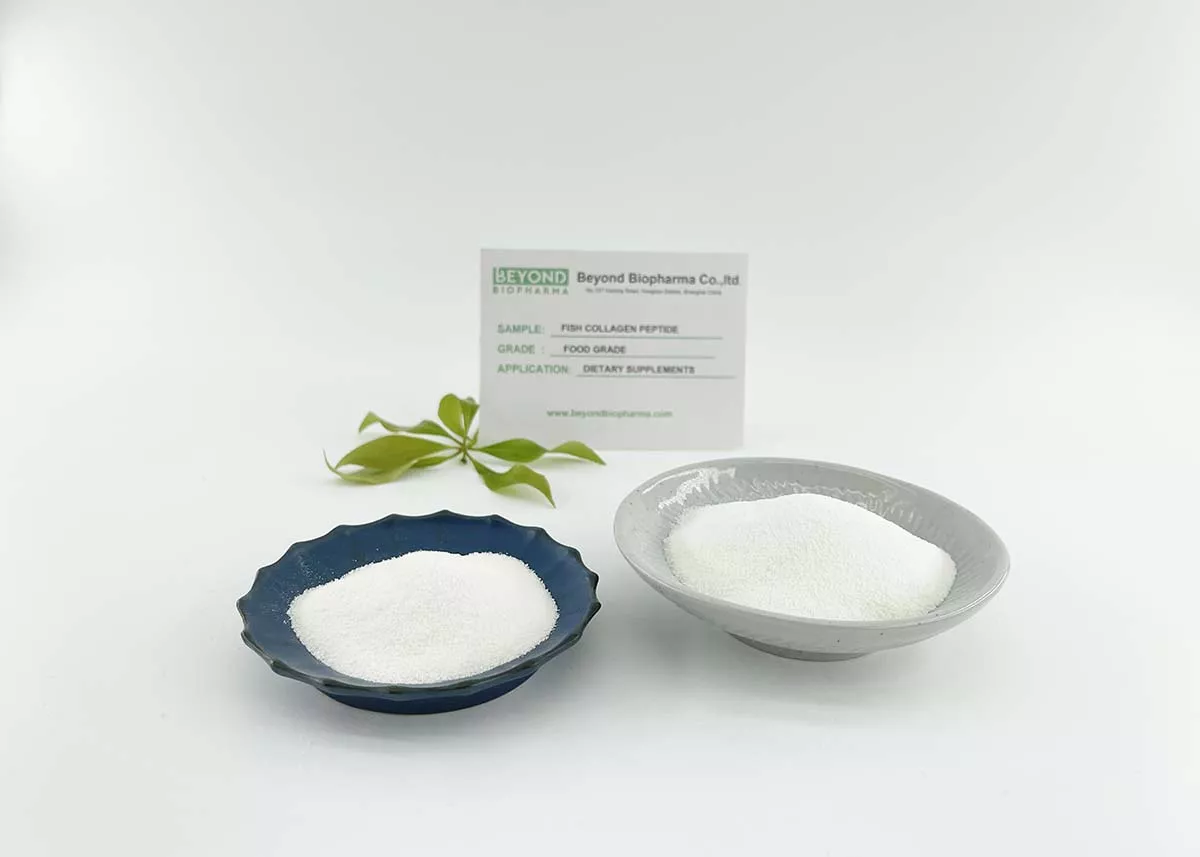
Premium marine-sourced collagen peptides with >90% protein content and low molecular weight (1000-3000 Da) for superior bioavailability. Sustainably sourced, neutral taste, and fully soluble—ideal for nutricosmetics and functional foods.
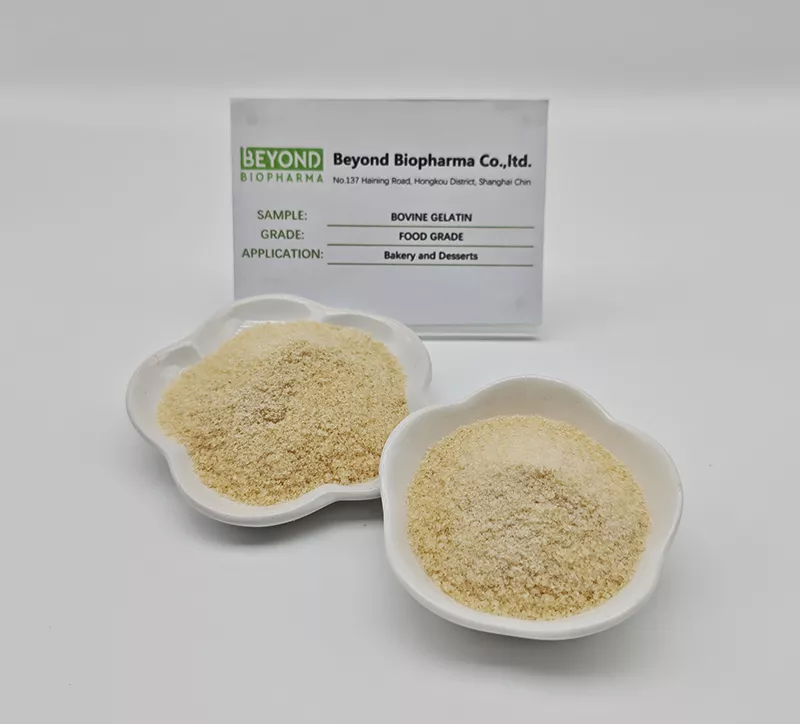
20 years experiences, 5000 ton/year capacity, Sustained supply with stable quality
Select the most popular foreign trade service products to meet your diverse needs
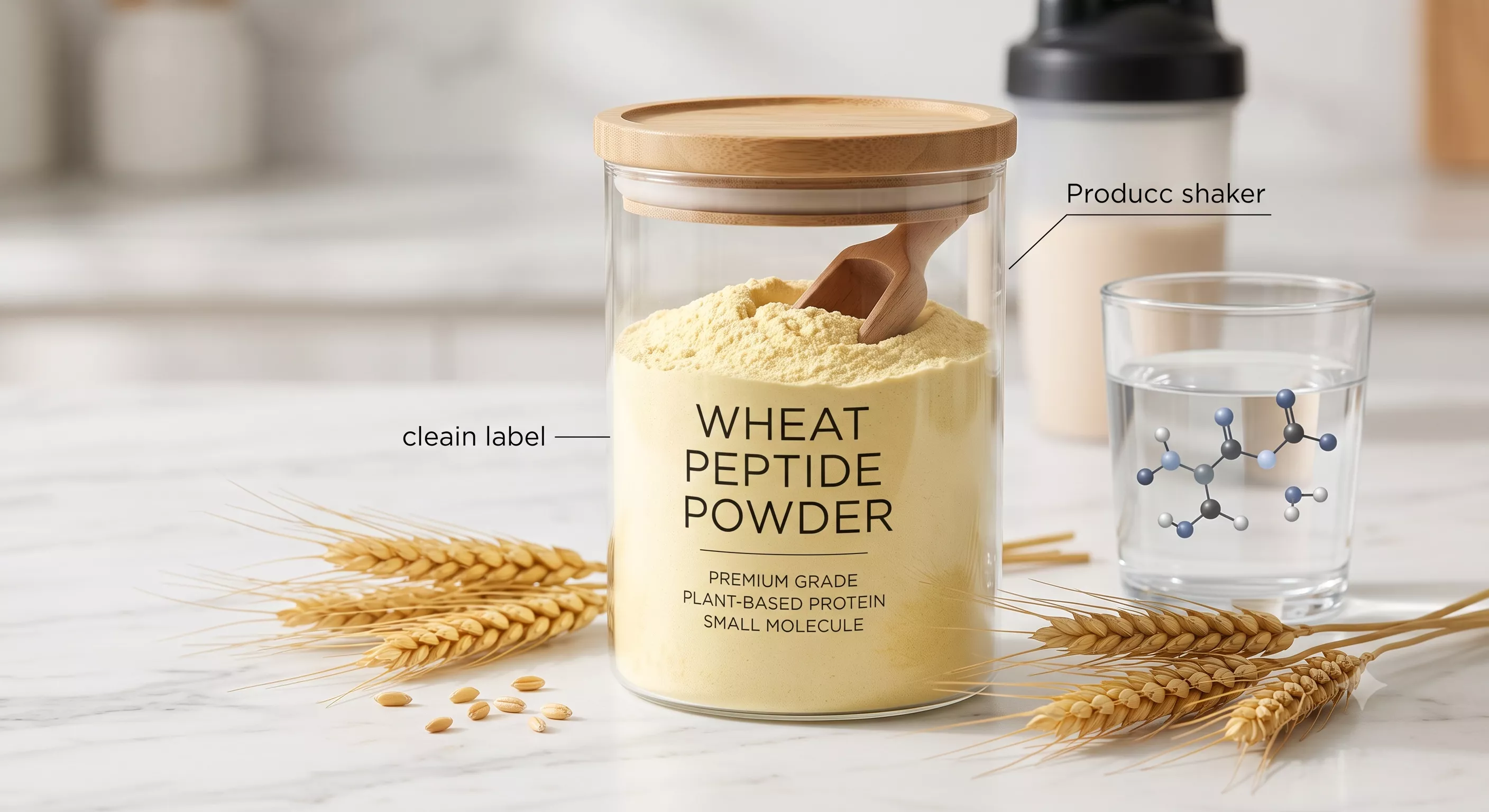
Source ultra-pure, high-solubility wholesale hydrolyzed wheat gluten peptide in bulk. Rich in plant-bound Glutamine ($\ge 25\%$) for muscle recovery and gut barrier health.
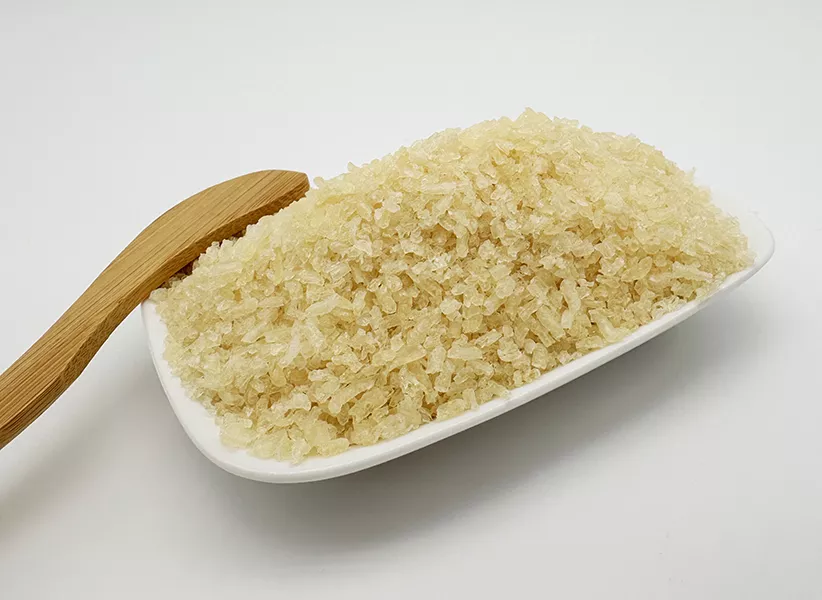
Our Bovine Hides Gelatin is engineered for versatility and compliance, ensuring performance across various applications.
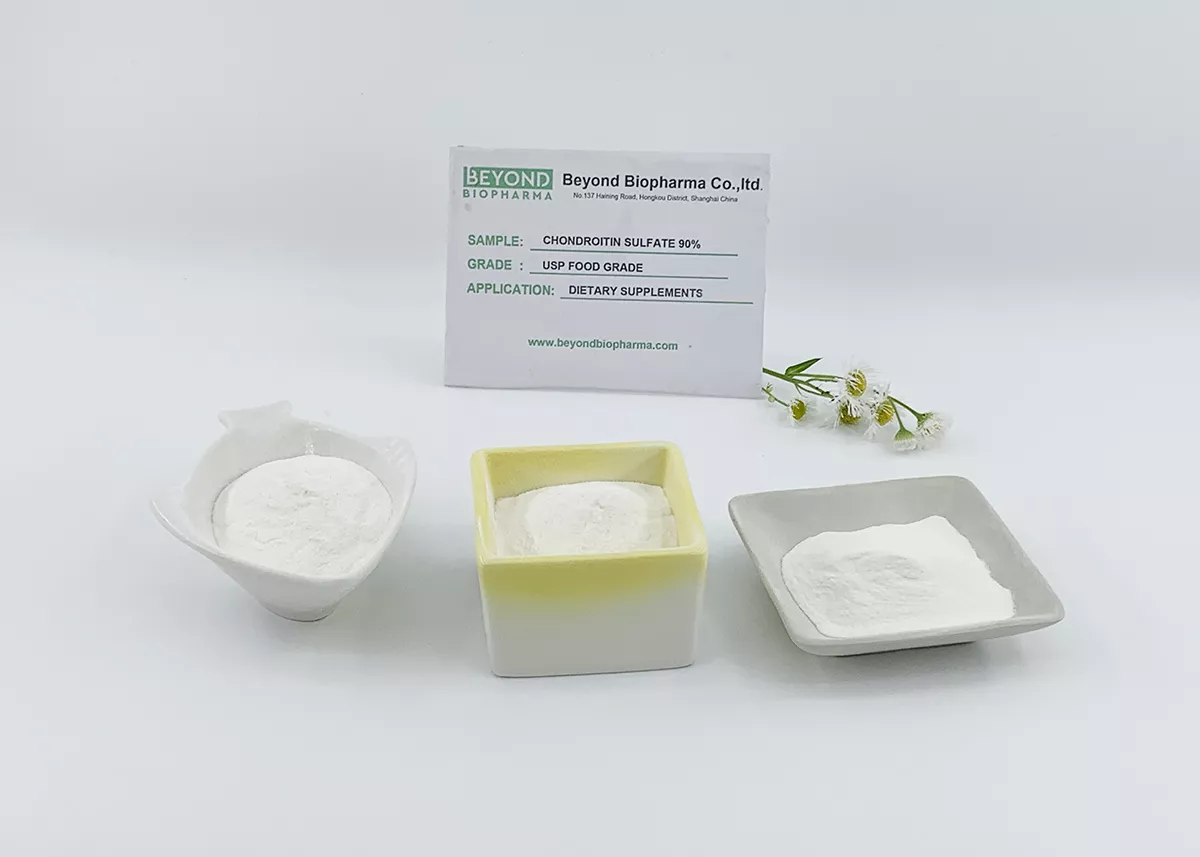
High Purity and Efficacy for Joint Health Formulations
Tel:+86 21 65010906
Cell/Whatsapp/Wechat:
+86 13482884055
+86 18657345785
Email: sales@beyondbiopharma.com





User Comments
Service Experience Sharing from Real Customers
Megan
Pastry ChefAs someone who's been baking professionally for 8 years, I'm picky about ingredients. This gelatin is a game-changer for my panna cottas and marshmallows – sets perfectly every time, no weird aftertaste. My customers have noticed the improved texture!
Leo
Home Cook & Food BloggerOkay, I'll admit I was skeptical at first because I usually avoid additives. But after testing this in homemade gummy bears with my kids, I'm converted. It dissolves so easily compared to others I've tried. Minus one star because the packaging could be clearer for beginners.
Sam
Research TechnicianWe use this in our lab for capsule prototypes, but I started trying it at home for sugar-free jellies. The consistency is incredibly reliable – exactly what you need when you're experimenting. From lab bench to kitchen, it hasn't failed me once.
Chloe
Small Business OwnerRunning a small-batch artisan yogurt business means every ingredient counts. This gelatin gives our Greek yogurt the perfect creamy stability without compromising the clean-label feel we're known for. It's a bit pricier than some bulk options, but the quality justifies it for our scale.