What Are the Top Gelatin Food Sources? A Complete Guide

Beyond Biopharma | May-11-2026

Gelatin is derived primarily from animal collagen found in bones, skin, and connective tissues, making traditional sources such as beef and pork by-products the most concentrated options. Common culinary sources like Jell-O, marshmallows, and gummy candies provide gelatin in processed forms, though often with added sugars and artificial ingredients. For those seeking higher collagen intake, homemade broths and stocks simmered from animal bones and joints offer a nutrient-dense way to extract gelatin naturally. Plant-based alternatives such as agar-agar and pectin mimic gelatin's texture but lack the same amino acid profile, offering limited collagen-related benefits. When comparing supplemental gelatin powders to whole food sources, supplements provide a more concentrated and bioavailable dose of collagen peptides, which may be more effective for targeted health outcomes like joint support and skin elasticity, while food sources contribute additional nutrients and culinary versatility.

Animal-Based Gelatin Sources: Bones, Skin, and Connective Tissues

Gelatin is derived primarily from animal by-products, specifically the collagen-rich parts of mammals and fish. The most common sources include bovine (cow) and porcine (pig) bones, hides, and connective tissues, as well as fish skin and scales. These materials are processed through boiling or acid/alkaline treatment to extract gelatin, which is then dried and ground into powder or sheet form.

Bovine Bones and Hides

Bovine sources are among the most widely used for gelatin production. Cow bones and hides contain high levels of Type I collagen, which yields a strong, high-bloom gelatin ideal for hard capsules and confectionery. The rendering process involves cleaning, crushing, and treating the bones with acid to remove minerals, followed by a hot water extraction. The resulting gelatin is neutral in flavor and highly versatile.

Applications include:

  • Hard capsule shells for pharmaceuticals and supplements
  • Gummy candies and marshmallows
  • Meat glazes and aspics

For high-quality bovine gelatin suitable for capsule production, explore high bloom gelatin for hard capsules.

Porcine Skin and Bones

Pig skin is a major source of gelatin, particularly in Europe and Asia. It yields a lower-bloom gelatin compared to bovine sources, making it softer and more suitable for desserts and dairy products. Porcine bones also contribute to gelatin production, often used in combination with skin to achieve desired gel strength. The extraction process is similar to bovine, involving acid hydrolysis to break down collagen fibers.

Common uses include:

  • Jelly desserts and puddings
  • Yogurt and cream fillings
  • Soft confectionery items

Fish Skin and Scales

Fish-derived gelatin is gaining popularity due to its acceptance in kosher and halal diets, as well as its lower melting point. Fish skin and scales are rich in Type I collagen, but the gelatin produced is typically lower in bloom strength and more heat-sensitive. This makes it ideal for applications requiring quick melting in the mouth, such as soft capsules and certain cosmetic formulations. The extraction process uses milder temperatures to preserve the delicate collagen structure.

Key applications:

  • Softgel capsules for oils and liquid ingredients
  • Skin health supplements
  • Micro-encapsulation of flavors and nutrients

For specialized applications, consider fish collagen peptide for skin health supplements or gelatin for micro-encapsulation.

Connective Tissues and Cartilage

Connective tissues such as tendons, ligaments, and cartilage also serve as gelatin sources. These tissues contain a mix of Type I and Type II collagen, with cartilage being particularly rich in Type II. Gelatin from these sources is often used in joint health products. The extraction process is more intensive, often requiring enzymatic treatment to break down the dense collagen matrix. The resulting gelatin has a unique amino acid profile that supports joint function and mobility.

Typical uses:

  • Joint health supplements
  • Bone broth powders
  • Functional food ingredients

Explore hydrolyzed collagen type II powder for comprehensive joint and undenatured collagen type II for joint comfort.

Common Culinary Gelatin Sources: Jell-O, Marshmallows, and Gummy Candies

Gelatin is a versatile ingredient derived from collagen, commonly found in many everyday foods. Among the most popular culinary sources are Jell-O, marshmallows, and gummy candies, which rely on gelatin for their unique textures.

Jell-O, a well-known dessert, uses gelatin to create its wobbly, jelly-like consistency. It is often flavored and colored, making it a favorite for snacks and salads. Marshmallows achieve their soft, airy structure through gelatin, which stabilizes the sugar foam during production. Gummy candies, from bears to worms, owe their chewy resilience to gelatin, providing a satisfying bite.

These sources highlight gelatin's role in food science, offering both functional and sensory benefits. Whether enjoyed as a treat or used in recipes, understanding these common sources helps consumers identify gelatin in their diet.

Gelatin-Rich Broths and Stocks: How to Maximize Collagen Extraction

Slow-simmered broths and stocks are among the most traditional and effective sources of dietary gelatin. When animal bones, connective tissues, and skin are gently cooked for extended periods, collagen breaks down into gelatin, yielding a nutrient-dense liquid that supports joint health, skin elasticity, and gut function. The key to maximizing collagen extraction lies in the balance of time, temperature, and acidity.

Key Factors for Optimal Extraction

To obtain a broth rich in gelatin, use a mix of marrow bones, knuckles, and chicken feet, which are high in collagen. Simmer the ingredients at a low temperature (180-200°F) for 12 to 48 hours. A small amount of vinegar or lemon juice helps draw out minerals and collagen from the bones. Avoid rapid boiling, which can cause the gelatin to break down and result in a cloudy, less nutritious stock.

Comparison of Common Broth Types

Broth Type Key Ingredients Simmer Time Gelatin Content
Beef Bone Broth Marrow bones, knuckles, oxtail 24-48 hours Very High
Chicken Stock Chicken feet, backs, wings 12-24 hours High
Fish Stock Fish heads, bones, skin 1-2 hours Moderate
Pork Broth Pork trotters, neck bones 12-24 hours High

Note: Gelatin content varies based on ingredient quality and cooking time. For maximum collagen extraction, always use a variety of connective tissue-rich cuts and maintain a gentle simmer.

Tips for Enhancing Gelatin Yield

Start with cold water to slowly heat the bones, which helps draw out more collagen. Add vegetables like carrots, celery, and onions for flavor, but avoid adding salt until the end, as it can interfere with extraction. After cooking, strain the broth and refrigerate; a properly extracted broth will form a firm, jelly-like consistency when chilled. This gelatin-rich base can be used as a foundation for soups, stews, or consumed on its own.

For those looking to supplement their diet with concentrated collagen, high-quality gelatin powders and capsules offer a convenient alternative. Fish collagen peptides are particularly rich in Type I collagen, which is ideal for skin health. High bloom gelatin is often used in culinary applications for its strong gelling properties. Additionally, bovine collagen peptides are an excellent choice for energy bars and functional foods.

Whether you choose traditional broths or modern collagen supplements, consistent intake of gelatin can support your body's natural connective tissue repair. Undenatured type II collagen has been clinically studied for joint comfort, while gelatin for micro-encapsulation offers unique industrial benefits.

Plant-Based Alternatives: Can You Get Gelatin-Like Benefits Without Animal Products?

For those following a vegan or vegetarian lifestyle, traditional gelatin derived from animal collagen is off the table. However, several plant-based ingredients can mimic the gelling, thickening, and texturizing properties of gelatin, offering similar functional benefits in cooking and potential health advantages.

Key Plant-Based Gelling Agents

Agar-Agar: Derived from red algae, agar-agar is a powerful gelling agent that sets firmer than gelatin and works well in desserts, jellies, and vegan panna cotta. It requires boiling to activate and sets at room temperature.

Carrageenan: Extracted from Irish moss or other seaweeds, carrageenan is commonly used to thicken plant-based milks, puddings, and gummy candies. It provides a creamy, soft gel texture similar to gelatin.

Pectin: Found naturally in fruits, pectin is ideal for making jams, jellies, and fruit-based desserts. It requires sugar and acid to gel, offering a bright, fruit-forward texture.

Nutritional and Health Considerations

While plant-based alternatives do not provide the same collagen protein profile as animal-derived gelatin, many offer unique health benefits. Agar-agar is rich in fiber and may support digestion, while carrageenan contains minerals like calcium and magnesium. Pectin is known for its prebiotic properties and ability to help regulate blood sugar levels.

For those specifically seeking skin, joint, or bone support typically associated with collagen, plant-based options may not directly replace gelatin’s amino acid profile. However, ingredients like seaweed extracts and certain gums can still contribute to overall wellness through their unique nutrient content.

How to Use Plant-Based Gels in Everyday Cooking

Substituting gelatin with plant-based alternatives is straightforward with a few adjustments. Agar-agar typically uses a 1:1 ratio by weight but requires boiling for full activation. Carrageenan works best in cold or warm liquids, while pectin needs specific conditions. Experimenting with these ingredients opens up a wide range of vegan-friendly desserts, sauces, and even savory dishes.

Ultimately, while plant-based alternatives cannot replicate the exact molecular structure of animal gelatin, they offer versatile, healthful, and ethical options for achieving similar textures and culinary results. Whether you are vegan, vegetarian, or simply exploring new ingredients, these natural gelling agents provide excellent functionality and nutritional value.

Supplemental Gelatin vs. Food Sources: Which Is More Effective for Health?

Gelatin is a protein derived from collagen, commonly obtained from animal bones, skin, and connective tissues. While both supplemental gelatin and gelatin-rich foods provide amino acids like glycine and proline, their effectiveness depends on bioavailability, dosage, and individual health goals.

Supplemental Gelatin

Supplements like hydrolyzed collagen peptides or gelatin powders are processed for higher absorption. They offer a concentrated dose of amino acids, making them ideal for targeted benefits such as joint support, skin elasticity, and gut health. Products such as hydrolyzed collagen type II powder and undenatured collagen type II are clinically studied for joint comfort. For skin health, fish collagen peptide is a popular option.

Food Sources of Gelatin

Natural food sources include bone broth, chicken skin, pork skin, and fish bones. These foods provide gelatin in a whole-food matrix, which may offer additional nutrients like minerals and fats. However, the gelatin content can vary widely, and cooking methods affect its availability. For consistent results, standardized forms like standardized gelatin sheets or high bloom gelatin for hard capsules are used in food manufacturing.

Bioavailability and Absorption

Supplemental gelatin, especially hydrolyzed forms, is broken down into smaller peptides, allowing for faster absorption into the bloodstream. Food-based gelatin requires digestion, which may reduce the immediate availability of amino acids. For those seeking rapid results, supplements like bovine collagen peptide provide a practical solution.

Dosage and Convenience

Supplements allow precise dosing, typically 5-15 grams per day, while food sources require larger volumes to match. For example, a cup of bone broth may contain only 2-3 grams of gelatin. For those needing higher intake, products like food grade hyaluronic acid powder or gelatin for micro-encapsulation offer versatile options.

Which Is More Effective?

For general health maintenance, food sources are beneficial as part of a balanced diet. For therapeutic or targeted outcomes—such as joint repair, skin anti-aging, or gut healing—supplemental gelatin is often more effective due to its higher concentration and better absorption. Bovine chondroitin sulfate sodium is another ingredient often paired with gelatin for joint health.

Ultimately, the choice depends on your health objectives. Combining both food sources and high-quality supplements may offer the most comprehensive benefits.

Summary & Key Takeaways

Animal-Based Gelatin Sources

Bones, skin, and connective tissues from cows, pigs, and fish provide the most concentrated natural gelatin. Slow-simmering these parts yields collagen-rich broths that support joints, skin, and gut health.

Common Culinary Gelatin Sources

Jell-O, marshmallows, and gummy candies are popular processed foods made with gelatin. While convenient, they often contain high sugar and artificial additives, making them less ideal for daily health purposes.

Gelatin-Rich Broths & Stocks

Maximizing collagen extraction requires long, gentle simmering (12–48 hours) with added acid like vinegar. Chicken feet, beef knuckles, and fish heads yield the highest gelatin content.

Plant-Based Alternatives

Agar-agar, carrageenan, and pectin mimic gelatin’s texture but lack collagen’s unique amino acid profile. They offer gelling properties without animal products but do not provide the same joint or skin benefits.

Supplemental Gelatin vs. Food Sources

Whole-food sources like bone broth offer a broader nutrient matrix, while hydrolyzed gelatin supplements provide a more convenient, concentrated dose. Both can be effective; consistency and personal preference matter most.

Ultimately, the best gelatin source depends on your dietary preferences, health goals, and lifestyle. For maximum collagen intake, prioritize animal-based broths and cuts; if you avoid animal products, focus on plant gums for texture but adjust expectations regarding nutritional benefits.

What Are the Top Gelatin Food Sources? A Complete Guide
Gelatin is found naturally in animal bones, skin, and connective tissues. Common food sources include bone broth, pork skin, chicken feet, and fish scales. These ingredients are used to make stocks, jellied dishes, and desserts. Gelatin from these sources provides collagen that supports joint, skin, and gut health.
Animal-Based Gelatin Sources: Bones, Skin, and Connective Tissues
Animal-based gelatin is extracted from collagen-rich parts like beef bones, pork skin, and chicken cartilage. These tissues are simmered to release gelatin, which thickens when cooled. Traditional preparations like aspic, head cheese, and homemade broth are concentrated sources. These are the most bioavailable forms of gelatin for human consumption.
Common Culinary Gelatin Sources: Jell-O, Marshmallows, and Gummy Candies
Many desserts and candies contain gelatin. Jell-O, marshmallows, gummy bears, and fruit snacks are popular examples. These products use processed gelatin as a gelling agent. While they provide gelatin, they also contain added sugar, artificial flavors, and colors. For health purposes, plain gelatin or homemade versions are better choices.
Gelatin-Rich Broths and Stocks: How to Maximize Collagen Extraction
To maximize collagen extraction, use a mix of bones with joints, skin, and feet. Simmer for 12–24 hours with a splash of vinegar to help release minerals. Chicken feet, beef knuckles, and fish heads yield the most gelatin. The broth should gel firmly when chilled, indicating high gelatin content. Slow cooking at low heat preserves nutrients.
Plant-Based Alternatives: Can You Get Gelatin-Like Benefits Without Animal Products?
Plant-based alternatives like agar-agar, carrageenan, and pectin mimic gelatin’s texture but lack collagen. They come from seaweed or fruit pectin and are suitable for vegans. However, they do not provide the same amino acid profile (glycine, proline) found in animal gelatin. For collagen-like benefits, plant-based diets must rely on boosting natural collagen synthesis through vitamin C and silica.
Supplemental Gelatin vs. Food Sources: Which Is More Effective for Health?
Gelatin supplements (powder or capsules) are convenient and provide a concentrated dose of collagen peptides. Food sources like bone broth offer additional nutrients (calcium, magnesium). Studies suggest both improve skin elasticity and joint health. Food sources may be more sustainable and provide synergistic benefits, while supplements offer precise dosing. Choosing depends on lifestyle and dietary preferences.
Post time: May-11-2026 athuor:James

James

Marketing Specialist, Shanghai Beyond Biopharma
As a dedicated professional in the collagen industry, I explore the limitless potential of bioactive peptides and gelatin applications. Backed by Beyond Biopharma's R&D expertise, I share insights on hydrolyzed collagen, manufacturing processes, and industry trends to help you find high-quality ingredient solutions in the health and nutrition market.

Related Products

We provide you with comprehensive foreign trade solutions to help enterprises achieve global development
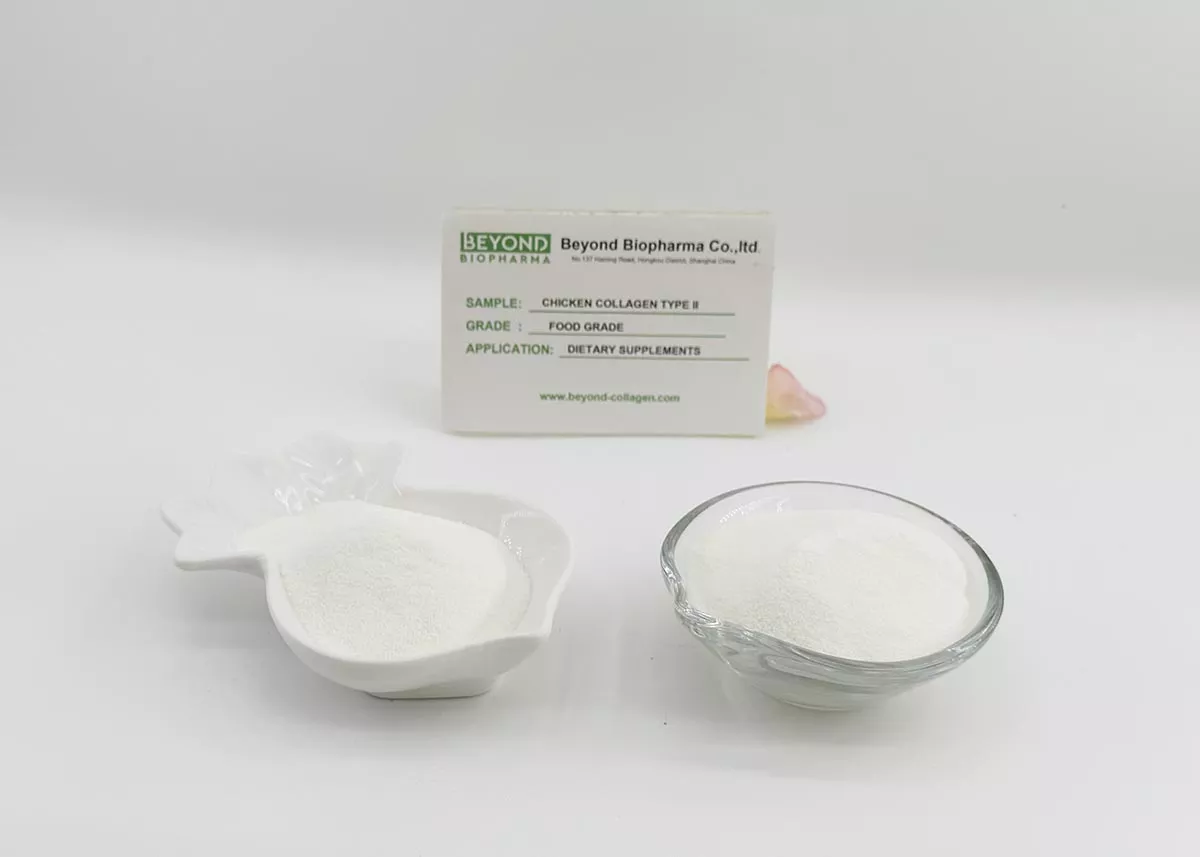
Food Grade Hyaluronic Acid (HA) Powder

High Molecular Weight for Superior Joint, Skin, and Eye Health.

Joint health Ingredients

Certified High Bloom Bovine Hides Gelatin for Consistent Food & Pharma Quality

Our Bovine Hides Gelatin is engineered for versatility and compliance, ensuring performance across various applications.
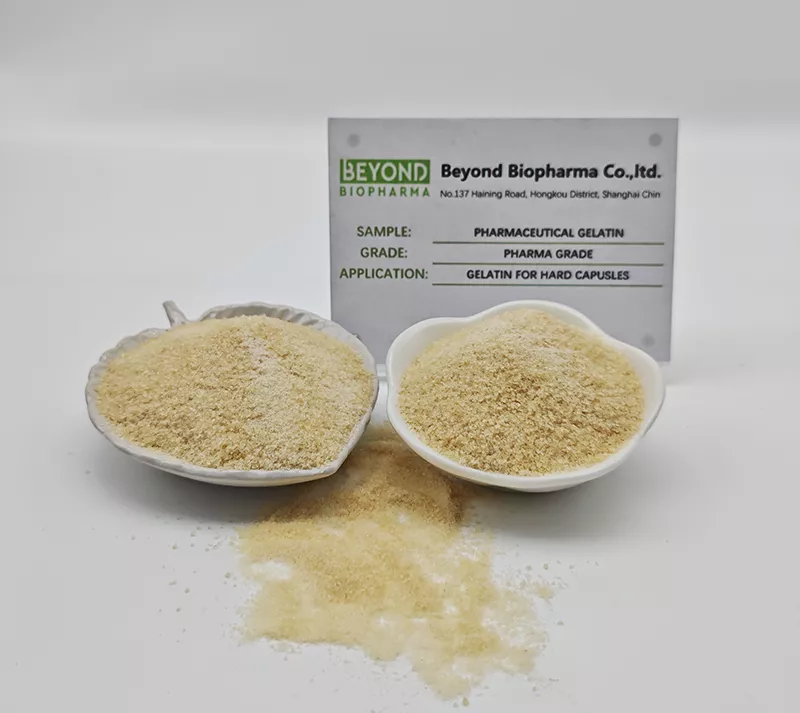
Pharmeceutical Gelatin

Halal and Kosher Verified Fish Gelatin for Clean Label Foods

Fish Gelatin for foods is increasingly recognized as the premium alternative to traditional mammalian sources, meeting the growing global demand for clean-label ingredients that align with diverse dietary and religious requirements. Derived from the skin and scales of fish like cod and tilapia, fish gelatin offers unique functional benefits that make it an exceptional gelling, stabilizing, and texturizing agent.

Edible Gelatin

Standardized Gelatin Sheets for Consistent Gels

Our Gelatin Sheets are produced to precise standards, ensuring consistency and reliability across different Bloom grades (Silver being the most common professional choice).

Edible Gelatin

User Comments

Service Experience Sharing from Real Customers

5.0

As someone who bakes for a living, finding quality gelatin sources matters. I've tried many brands, but the grass-fed beef gelatin I got here is a game-changer for my panna cottas – sets perfectly every time without any weird aftertaste. My customers actually noticed the improvement!

5.0

Never thought I'd care about gelatin until my nutritionist recommended it for joint health. The fish-based capsules are easy to take and don't upset my stomach like some supplements do. Knocked off one star because the packaging could be more eco-friendly, but the product itself is solid.

5.0

Honestly, I was just looking for halal gelatin for my kids' desserts and stumbled upon this site. The clarity and texture it gives to our homemade gummies is fantastic – my picky 7-year-old actually asks for them now. Plus, knowing the source is certified gives me peace of mind.

5.0

I work in a food testing lab, so I'm pretty critical about purity. Ordered the pork skin gelatin out of curiosity – the bloom strength matched the specs exactly. Used it to make marshmallows last weekend and they turned out surprisingly professional. Shipping took a bit long, though.

CONTACT

Your Name:*

Country:*

Company:*

Email:*

Phone (with Country Code)*

Message:*

contact

Tel:+86 21 65010906

Cell/Whatsapp/Wechat:
+86 13482884055
+86 18657345785

Email: sales@beyondbiopharma.com

Copyright© 2026 Beyond Biopharma Privacy Policy