What Are the Best Food Sources of Gelatin? A Complete Guide

By Beyond Biopharma May-29-2026

This complete guide explores the best food sources of gelatin, from traditional animal-based options like bone broth, pork skin, and collagen-rich cuts to effective plant-based alternatives such as agar‑agar and pectin. Understanding gelatin's unique role in supporting joint health, skin elasticity, and digestive function is essential for making informed dietary choices. The article delves into practical cooking methods that maximize gelatin extraction, including slow‑simmering techniques and acidic enhancements, while comparing the bioavailability and nutritional profiles of different sources. Whether you follow an omnivorous or vegan lifestyle, this guide provides clear, actionable insights to help you incorporate gelatin‑rich foods into your daily meals. By highlighting both classic and modern approaches, readers will learn how to optimize their intake for better wellness outcomes, backed by a thorough look at how each source performs in terms of absorption and overall nutrient density.

Understanding Gelatin: What It Is and Why It Matters for Your Health

Gelatin is a protein derived from collagen, a structural protein found in animal bones, skin, and connective tissues. When heated and processed, collagen transforms into gelatin, a versatile ingredient used in food, pharmaceuticals, and cosmetics. Its unique amino acid profile—rich in glycine, proline, and hydroxyproline—supports joint health, skin elasticity, digestion, and bone strength. Unlike many other proteins, gelatin is low in calories and carbohydrates, making it a valuable addition to a balanced diet.

The health benefits of gelatin are backed by both traditional use and modern research. It helps improve gut health by supporting the mucosal lining of the digestive tract, reduces joint pain by providing building blocks for cartilage repair, and promotes youthful skin by boosting collagen production. Additionally, gelatin may aid in sleep quality and cognitive function due to its glycine content. For those following a keto or paleo lifestyle, gelatin is an excellent source of protein that complements whole-food diets.

Incorporating gelatin into your daily routine is simple. It can be added to soups, broths, smoothies, desserts, and even coffee. However, not all gelatin sources are equal—quality varies based on animal source, processing methods, and purity. Understanding these differences helps you choose the best option for your health goals, whether you prioritize skin health, joint support, or digestive wellness.

The Science Behind Gelatin’s Health Benefits

Gelatin’s amino acid composition directly influences its physiological effects. Glycine, the most abundant amino acid in gelatin, plays a critical role in detoxification, collagen synthesis, and neurotransmission. Proline and hydroxyproline are essential for maintaining the structural integrity of connective tissues, skin, and blood vessels. Scientific studies have shown that regular gelatin consumption can reduce inflammation, improve wound healing, and support metabolic health.

For athletes and active individuals, gelatin may enhance recovery by reducing exercise-induced joint discomfort. A 2017 study published in the Journal of the International Society of Sports Nutrition found that gelatin supplementation combined with vitamin C improved collagen synthesis and reduced joint pain in athletes. Similarly, research on gelatin’s role in gut health indicates that it can strengthen the intestinal barrier, potentially benefiting those with leaky gut syndrome or inflammatory bowel conditions.

When choosing a gelatin product, look for high-quality, grass-fed, or BSE-free options to avoid contaminants. Products like pharmaceutical-grade bovine bone gelatin ensure purity and potency. For those seeking specific health outcomes, such as improved skin elasticity or joint support, selecting the right type of gelatin—whether from bovine, porcine, or fish sources—can make a significant difference.

Top Dietary Sources of Gelatin

Gelatin is naturally present in many animal-based foods, especially those containing connective tissue. Bone broth, made by simmering animal bones and joints, is one of the richest sources. Homemade bone broth from beef, chicken, or fish provides a concentrated dose of gelatin along with minerals like calcium and magnesium. Other traditional sources include pork skin, chicken feet, and oxtail—ingredients often used in soups and stews across various cuisines.

For those seeking convenient options, powdered gelatin and gelatin sheets are widely available. These can be incorporated into recipes for gummies, panna cotta, marshmallows, or as a thickener for sauces. Products like standardized gelatin sheets for consistent gels offer precise control over texture and consistency. Additionally, collagen peptides—a hydrolyzed form of gelatin—dissolve easily in cold liquids and are popular in protein shakes and coffee.

It’s important to note that plant-based alternatives do not contain gelatin, as it is exclusively animal-derived. For vegetarians and vegans, agar-agar or pectin can mimic some textural properties but lack the unique amino acid profile. If you consume gelatin for health reasons, prioritize sources with minimal processing and no added sugars or artificial ingredients.

How to Choose the Best Gelatin for Your Needs

Selecting the right gelatin depends on your intended use and health objectives. For culinary applications, such as making jellies or gummies, food-grade porcine gelatin offers excellent clarity and gelling strength. For pharmaceutical or supplement use, high bloom gelatin for hard capsules ensures consistent quality and bioavailability. If you are focused on skin health, fish collagen peptide for skin health supplements provides a marine-derived option rich in type I collagen.

For those with dietary restrictions, bovine gelatin is often preferred for its neutral flavor and high gelling capacity. Edible bovine gelatin for food applications is versatile and widely used in both home and commercial kitchens. Meanwhile, bovine collagen peptide for energy bar products offers a convenient way to boost protein content without altering taste or texture.

Always check the label for bloom strength, purity, and source. Premium options like premium pharmaceutical gelatin for tablet coating meet strict quality standards for safety and efficacy. Whether you are adding gelatin to your diet for therapeutic reasons or culinary creativity, understanding these variables ensures you get the most benefit from this remarkable protein.

Top Animal-Based Sources: Bone Broth, Pork Skin, and Cuts Rich in Collagen

Bone broth is one of the most concentrated natural sources of gelatin, made by simmering animal bones and connective tissues for an extended period. This slow cooking process extracts collagen, which breaks down into gelatin, providing a rich source of amino acids like glycine and proline. Regular consumption of bone broth may support joint health, skin elasticity, and gut integrity.

Pork skin, often used in dishes like pork rinds or added to stews, is exceptionally high in collagen and gelatin. When cooked, pork skin releases a large amount of gelatin, giving a thick, silky texture to soups and broths. It is a traditional ingredient in many cuisines for improving skin health and adding natural thickening properties.

Cuts of meat rich in connective tissue, such as oxtail, shanks, and chicken feet, are excellent sources of gelatin. These tougher cuts require slow cooking to break down the collagen into gelatin, resulting in flavorful, nutrient-dense meals. They are ideal for making hearty stews, soups, and braised dishes that support collagen production in the body.

These animal-based sources offer a natural way to increase gelatin intake, supporting overall wellness through diet. Incorporating bone broth, pork skin, and collagen-rich meat cuts into your meals can provide essential nutrients for skin, joints, and digestion.

Plant-Based Alternatives: Agar-Agar, Pectin, and Other Vegan Gelling Agents

For those seeking gelatin-free options, several plant-based gelling agents provide similar texture and functionality. Below is a comparison of the most common vegan alternatives used in cooking and food manufacturing.

Agent Source Gelling Strength Best Used In
Agar-Agar Red algae Very high (firm, brittle gel) Jellies, puddings, fruit desserts
Pectin Fruit (apple, citrus) Medium (soft, spreadable gel) Jams, marmalades, fruit glazes
Carrageenan Red seaweed Variable (soft to firm, elastic) Dairy alternatives, desserts, puddings
Guar Gum Guar beans Low (thickener, not true gel) Sauces, ice cream, gluten-free baking
Xanthan Gum Fermented sugar Low (viscous, stabilizer) Salad dressings, beverages, gluten-free dough

Agar-agar is derived from red algae and sets at room temperature, making it a popular choice for firm vegan jellies and desserts. Pectin, naturally found in fruits, requires sugar and acid to gel and is ideal for traditional jams and fruit preserves. Carrageenan, extracted from seaweed, is often used in plant-based milks and creamy desserts to achieve a smooth, elastic texture. For thickening rather than gelling, guar gum and xanthan gum serve as effective stabilizers in sauces, baked goods, and dairy-free products. Each alternative offers unique properties that can be matched to specific culinary or commercial needs.

For more information on gelatin-based ingredients and their applications, explore our product range: Food Grade Porcine Gelatin, Edible Bovine Gelatin, and High Bloom Gelatin.

How to Maximize Gelatin Intake Through Cooking and Food Preparation

gelatin cooking preparation

Gelatin is a protein derived from collagen, commonly found in animal bones, skin, and connective tissues. To maximize its intake through cooking, focus on slow-simmering methods that extract collagen-rich compounds.

1. Make Homemade Bone Broth – Simmer chicken, beef, or fish bones with vegetables for 12–24 hours. Add a splash of vinegar to help release gelatin. Strain and use as a base for soups, stews, or drink it warm.

2. Use Gelatin Powder in Sauces and Gravies – Dissolve unflavored gelatin powder in cold water, then stir into hot sauces, gravies, or pan drippings. This thickens textures and boosts protein content without altering flavor.

3. Prepare Gelatin-Rich Desserts – Create homemade gummies, panna cotta, or jellies using high-quality gelatin. Combine with fruit juice or puree for natural sweetness and added nutrients.

4. Incorporate Into Smoothies and Beverages – Blend a tablespoon of gelatin powder into warm smoothies, coffee, or tea. Ensure the liquid is not boiling to preserve gelatin’s gelling properties.

5. Cook Tough Cuts of Meat Slowly – Braising or slow-cooking meat with skin and connective tissue (like oxtail, pork shoulder, or chicken feet) breaks down collagen into gelatin, enriching the dish naturally.

6. Add to Homemade Marshmallows or Chewy Snacks – Whip gelatin with sugar syrup to create fluffy marshmallows or chewy fruit snacks. This is a fun way to increase gelatin intake, especially for children.

7. Use Gelatin in Dairy-Free Yogurt or Puddings – Mix gelatin into coconut milk, almond milk, or other plant-based milks to create a thick, creamy texture similar to dairy yogurt or pudding.

8. Freeze Gelatin-Infused Ice Cubes – Prepare gelatin water (lightly sweetened or flavored) and freeze into cubes. Add these to drinks or smoothies for a subtle collagen boost.

9. Marinate Meats with Gelatin-Rich Ingredients – Use bone broth or gelatin powder in marinades. The gelatin helps tenderize meat and adds a savory depth when cooked.

10. Store and Reheat Properly – Gelatin-rich foods can be refrigerated for several days or frozen. Reheat gently to avoid breaking down the protein structure, preserving its benefits.

By integrating these techniques into your daily cooking, you can significantly increase your gelatin consumption, supporting joint health, skin elasticity, and digestion.

Learn more about high-quality gelatin sources

Comparing Bioavailability and Nutritional Profiles of Different Gelatin Sources

Bioavailability and nutritional content vary significantly across gelatin sources, influencing their effectiveness for specific health goals. Understanding these differences helps in selecting the optimal type for dietary or therapeutic use.

Bovine Gelatin

Derived from cow hides and bones, bovine gelatin offers a rich amino acid profile, particularly high in glycine and proline. Its bioavailability is moderate, with good digestibility when hydrolyzed. This source is widely used in capsules and food products due to its neutral taste and consistent gelling properties.

Learn about edible bovine gelatin applications

Porcine Gelatin

Porcine gelatin, sourced from pig skin, is highly bioavailable and commonly used in gummies and jellies. It contains a balanced ratio of amino acids, with slightly lower glycine content than bovine gelatin. Its rapid absorption makes it a popular choice for confectionery and softgel capsules.

Explore porcine gelatin for gummies

Fish Collagen Peptide

Fish-derived collagen peptides exhibit superior bioavailability due to their low molecular weight, allowing for efficient absorption. Rich in hydroxyproline and glycine, they support skin health and joint function. This source is ideal for supplements targeting collagen synthesis.

Discover fish collagen peptide benefits

Pharmaceutical Grade Gelatin

Pharmaceutical grade gelatin, often bovine or porcine, undergoes rigorous processing to ensure high purity and consistent bioavailability. It is designed for hard capsules and tablet coating, offering reliable dissolution and amino acid delivery. This source is preferred for medical and nutraceutical applications.

View pharmaceutical grade gelatin options

Hydrolyzed Collagen vs. Standard Gelatin

Hydrolyzed collagen (collagen peptides) has higher bioavailability than standard gelatin because enzymatic breakdown creates smaller peptides that are easily absorbed. Standard gelatin requires stomach acid for partial digestion, resulting in slower amino acid release. For rapid uptake, hydrolyzed forms are superior.

Compare collagen peptide products
Key Takeaways
Understanding Gelatin: What It Is and Why It Matters for Your Health
Gelatin is a protein derived from collagen, essential for joint, skin, and gut health. Its unique amino acid profile supports tissue repair and reduces inflammation, making it a valuable addition to a balanced diet.
Top Animal-Based Sources: Bone Broth, Pork Skin, and Cuts Rich in Collagen
Bone broth, pork skin, chicken feet, and collagen-rich cuts like oxtail provide the most concentrated natural gelatin. Slow simmering extracts maximum collagen, yielding a nutrient-dense, bioavailable form.
Plant-Based Alternatives: Agar-Agar, Pectin, and Other Vegan Gelling Agents
Agar-agar, pectin, carrageenan, and konjac offer vegan gelling properties. While they mimic texture, they lack gelatin’s collagen-specific amino acids; choose fortified options if protein quality is a concern.
How to Maximize Gelatin Intake Through Cooking and Food Preparation
Simmer bones, skin, or connective tissue for 12–48 hours with acidic ingredients (vinegar, lemon) to break down collagen. Use homemade stocks, braises, and gelatin-rich desserts to boost daily intake naturally.
Comparing Bioavailability and Nutritional Profiles of Different Gelatin Sources
Animal-based gelatin offers complete collagen peptides with high bioavailability. Plant gums provide texture but no collagen. For optimal health, prioritize animal sources or supplement with hydrolyzed collagen peptides.
Final thought: Whether you choose traditional animal-based gelatin or plant-based alternatives, consistency matters. Incorporate a variety of gelling foods into your weekly meals to support connective tissue, digestion, and overall vitality.
What Are the Best Food Sources of Gelatin? A Complete Guide
Top sources include bone broth, pork skin, and collagen-rich cuts like chicken feet or oxtail. These provide the most natural gelatin content for cooking and health.
Understanding Gelatin: What It Is and Why It Matters for Your Health
Gelatin is derived from animal collagen and supports joint, skin, and gut health. It’s a protein that becomes gel-like when mixed with liquid and cooled.
Top Animal-Based Sources: Bone Broth, Pork Skin, and Cuts Rich in Collagen
Bone broth simmered for 12–24 hours, pork skin (cracklings), and collagen-dense cuts like beef shank or chicken wings are excellent animal-based options.
Plant-Based Alternatives: Agar-Agar, Pectin, and Other Vegan Gelling Agents
Agar-agar (from seaweed), pectin (from fruits), and carrageenan are vegan substitutes. They gel differently and may not replicate the exact texture of gelatin.
How to Maximize Gelatin Intake Through Cooking and Food Preparation
Slow-cook collagen-rich cuts, use vinegar in broths to extract more gelatin, and include skin-on meats. Chilling broths helps concentrate the gelatin.
Post time: May-29-2026 athuor:Mr. Zhang

Mr. Zhang

Industry Solution Designer
Extensive heat exchanger solution design experience across multiple industries, including the oil and gas industry and the chemical industry.

Related Products

We provide you with comprehensive foreign trade solutions to help enterprises achieve global development
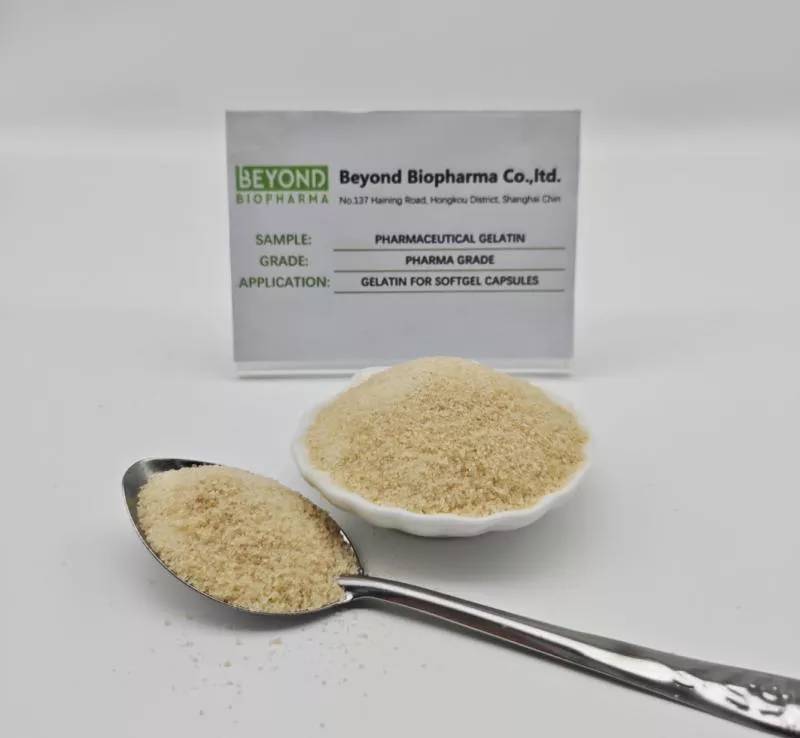
Ultra-High Viscosity Gelatin for Softgel Capsules

Softgel encapsulation demands a gelatin with unique physical attributes to perform optimally during the high-speed manufacturing process
Pharmeceutical Gelatin

Bovine Collagen Peptide for Energy Bar Products

Manufacturer of bovine collagen peptide, shipping in containers all around the world

Collagen Peptide

Undenatured Collagen Type II for Joint Comfort and Mobility

BEYOND BIOPHARMA is a specialized manufacturer of high-quality Undenatured Collagen Type II. Utilizing low-temperature, non-enzymatic extraction methods, our Undenatured Collagen Type II retains its native, triple-helix structure, essential for modulating the immune system's response to joint health and providing superior support for mobility, flexibility, and overall joint comfort.
Collagen Peptide

Premium Vegan Glucosamine Hydrochloride (HCl)

The Purest Plant-Based Joint Support Solution

Joint health Ingredients

User Comments

Service Experience Sharing from Real Customers

5.0

As someone who makes desserts for a living, I'm always checking labels. This bone broth powder is a game-changer for my panna cotta! It's pure, high-quality gelatin from grass-fed beef bones, and it sets perfectly every time. No weird aftertaste like some brands. My customers notice the difference.

5.0

Never thought I'd be researching gelatin sources, but here I am! Recovering from a knee injury, my physio suggested collagen. Found these pork skin gelatin capsules. They're easy to take, and I swear my joints feel less creaky after a month. Plus, knowing it's from a reputable source puts my mind at ease.

5.0

Okay, deep dive into gummy vitamins for my kids led me here. I wanted something natural. These fish-derived gelatin sheets are what I use now to make homemade fruit snacks. It's a bit of work, but totally worth it. They melt smoothly, and I control the sugar. Kids love them!

5.0

Geeky hobbyist cook here. Was experimenting with molecular gastronomy and needed a specific gel strength. This bovine hide gelatin was recommended on a forum. It's super consistent for my technical recipes, which I appreciate. Knocked off a star because the packaging could be better—it's not very resealable.

CONTACT

Your Name:*

Country:*

Company:*

Email:*

Phone (with Country Code)*

Message:*

contact

Tel:+86 21 65010906

Cell/Whatsapp/Wechat:
+86 13482884055
+86 18657345785

Email: sales@beyondbiopharma.com

Copyright© 2026 Beyond Biopharma Privacy Policy