Understanding Chondroitin Sodium and Its Role in Modern Supplement Formulations
Article Summary: Sourcing high-quality chondroitin sodium for joint health supplements comes with real challenges—batch consistency, odor control, solubility, and certification barriers. This article breaks down how chondroitin sodium is produced, its key specification parameters, and how to select the right grade for your nutraceutical or pharmaceutical application. We also explore why Beyond Biopharma, a Shanghai-based manufacturer with over a decade of experience, stands as a reliable partner for bulk supply of this critical ingredient.
If you are a purchasing manager or product developer working on joint health formulations, you know that chondroitin sodium is a cornerstone ingredient. But finding a supplier who delivers consistent quality, meets regulatory standards, and understands your application needs is not always straightforward. This guide covers everything you need to know about this ingredient—from its production process to practical selection advice.
What Exactly Is Chondroitin Sodium?
Chondroitin sodium, also known as chondroitin sulfate sodium, is a sulfated glycosaminoglycan naturally found in animal cartilage. It is a key structural component of connective tissue, helping to maintain joint resilience and cushioning. In the supplement industry, it is widely used to support joint comfort, mobility, and cartilage health—often paired with glucosamine and hyaluronic acid.
For overseas buyers, the main sourcing pain points include batch-to-batch consistency, the presence of fishy or unpleasant odors, solubility in liquid formulations, and navigating certification requirements like Halal, Kosher, or BSE-free status. A reliable supplier addresses all these concerns upfront.
How Is Chondroitin Sodium Produced?
The production of chondroitin sodium typically begins with bovine or porcine cartilage. The raw material undergoes a series of steps including enzymatic hydrolysis, alkaline extraction, purification, and drying. The goal is to isolate the chondroitin sulfate molecules while preserving their structural integrity and bioactivity.
Quality markers during production include controlled molecular weight, low protein residue, and minimal heavy metal contamination. At Beyond Biopharma, the entire process runs in a GMP clean workshop with automated temperature and pH control, using stainless-steel sealed piping. This ensures a clean, consistent product that meets pharmaceutical-grade standards.
What Are the Key Specifications for Chondroitin Sodium?
When evaluating chondroitin sodium for your formulation, you will encounter several technical parameters. Below is a table of common specifications. Please note these are typical industry ranges; final values should be confirmed per Certificate of Analysis (COA) or sample.
| Parameter |
Typical Range |
Notes |
| Assay (Chondroitin Sulfate) |
≥ 90% (HPLC) |
Higher purity for pharma grade |
| Molecular Weight |
10,000 – 50,000 Da |
Affects absorption and viscosity |
| Protein Content |
≤ 6% |
Lower is better for purity |
| Heavy Metals |
≤ 10 ppm |
Meets USP/EP limits |
| Loss on Drying |
≤ 10% |
Indicates moisture content |
| pH (1% solution) |
5.5 – 7.5 |
Neutral range preferred |
Typical industry range; final values per COA / sample.
What Are the Main Applications of Chondroitin Sodium?
Chondroitin sodium is used across several supplement and pharmaceutical formats. Here is a breakdown of common applications and selection guidance:
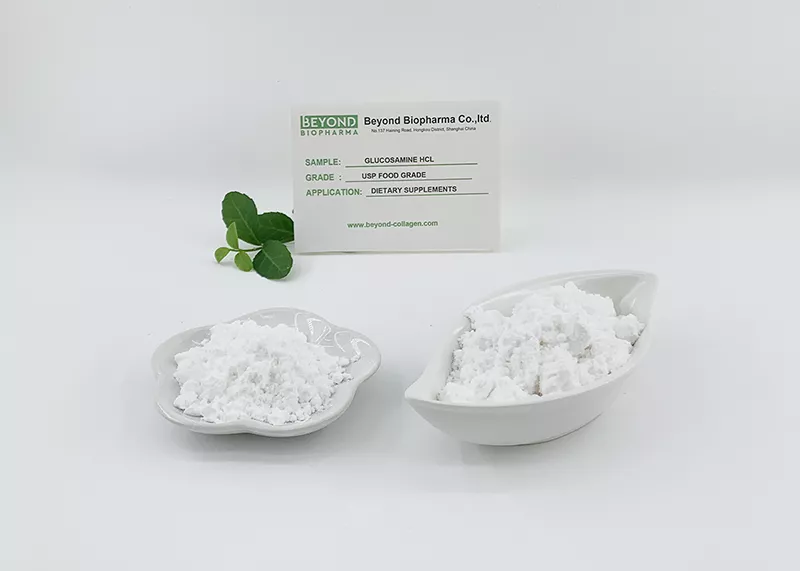
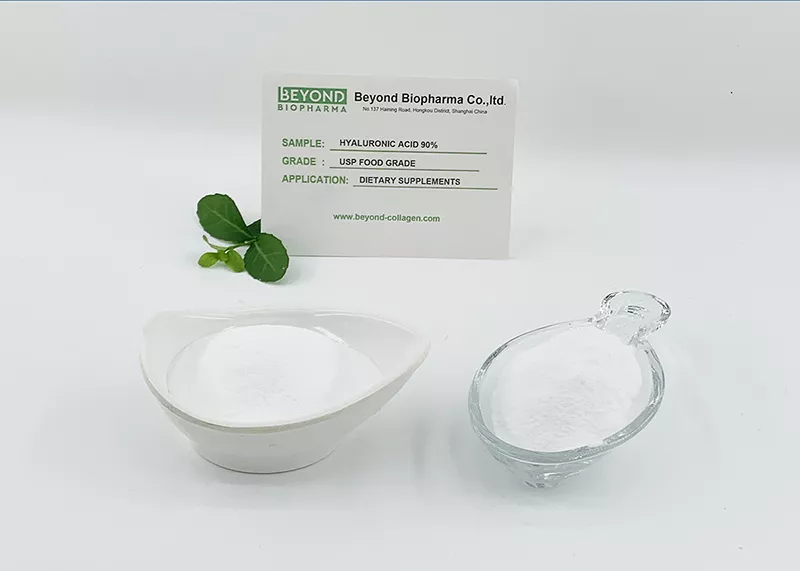
- Joint Health Capsules & Tablets: The most common format. Look for pharmaceutical-grade chondroitin sodium with high assay and low heavy metals. Often combined with glucosamine HCl and hyaluronic acid for synergistic effects.
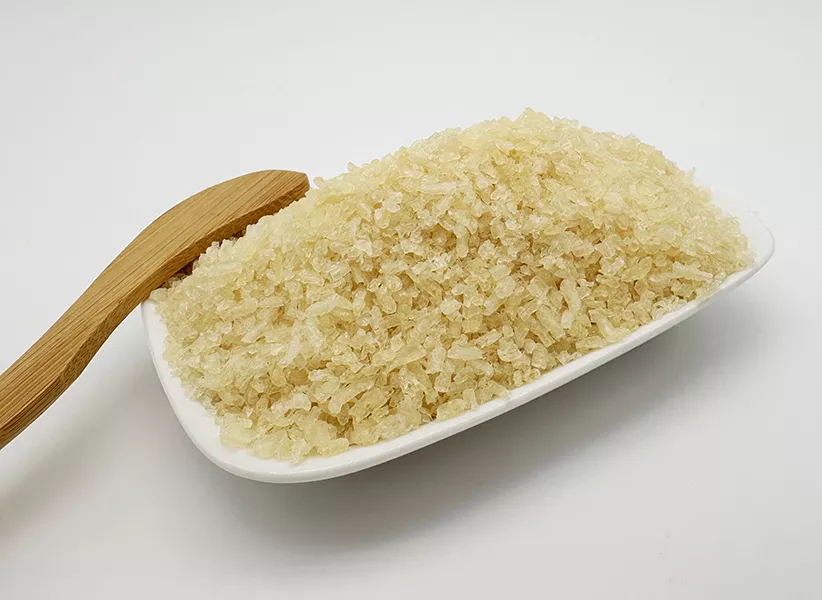
- Gummies & Softgels: Requires good solubility and minimal odor. Bovine or porcine sources work well. Ensure the ingredient is compatible with gelatin or plant-based gelling agents.
- Sports Nutrition Powders: Needs to dissolve quickly without clumping. Micronized or low-molecular-weight versions are preferred.
- Beauty-from-Within: Often paired with collagen peptides. Fish collagen peptide is a popular companion for skin and joint dual-benefit products.
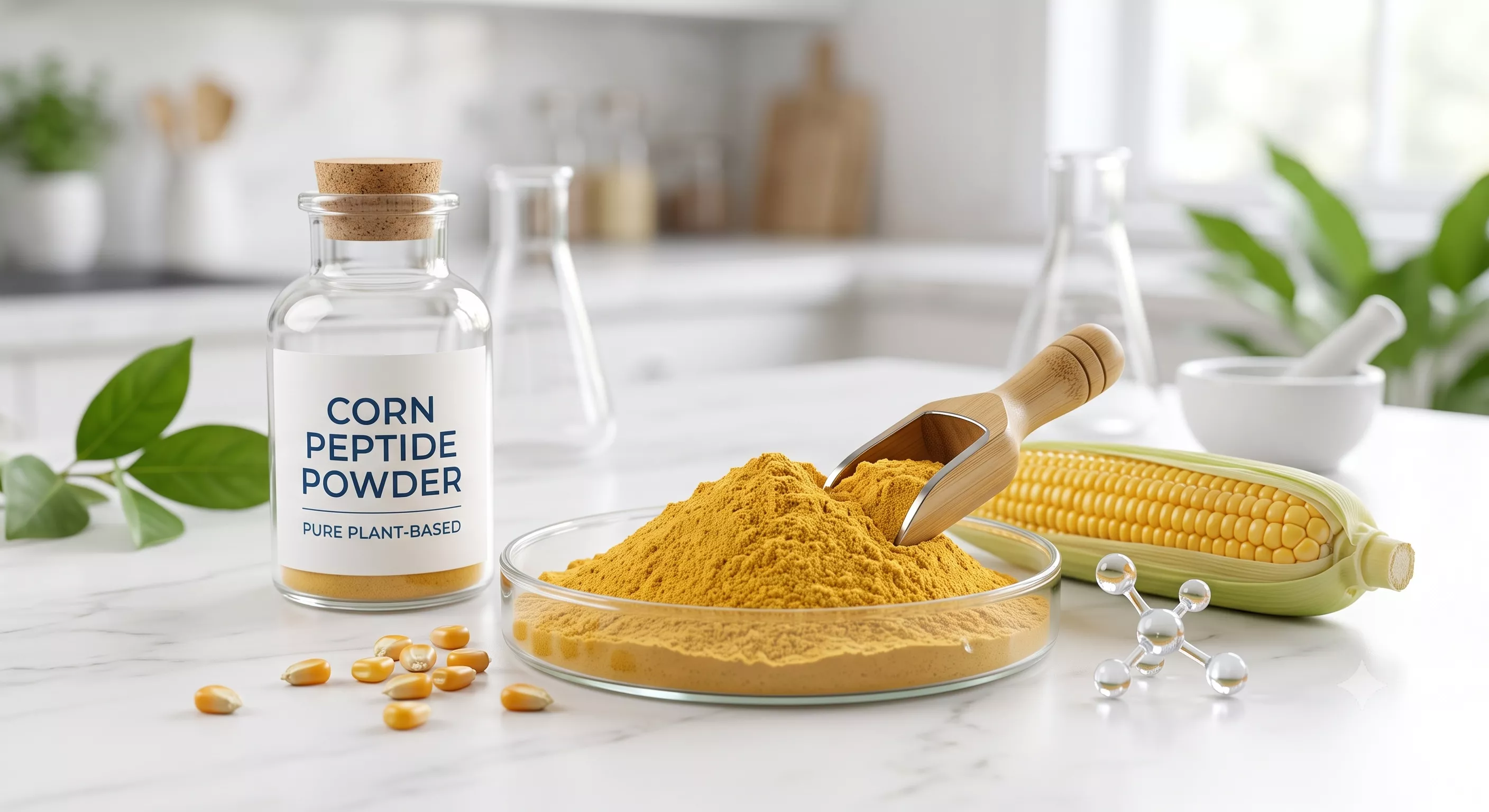
- Vegan & Plant-Based Formulations: While traditional chondroitin is animal-derived, some buyers seek plant-based alternatives. For these, consider vegan glucosamine HCl or plant protein peptides as complementary ingredients.
Why Choose Beyond Biopharma for Chondroitin Sodium?
Beyond Biopharma is a Shanghai-based manufacturer with over 10 years of experience in the food-ingredient industry. Our products are exported to more than 50 countries. We operate a fully automatic production line with a GMP clean workshop, stainless-steel sealed piping, and automated temperature/pH control systems.
Our facility has an annual capacity of approximately 3,000 MT for collagen and 5,000 MT for gelatin. We hold ISO 9001 certification, are US FDA registered, and maintain a GMP clean workshop. Select products carry Halal and Kosher certifications. Our bovine bone gelatin is BSE-free, and we have an in-house lab for heavy-metal and microbiological testing with a dedicated QA/QC team.
Our product lines include pharmaceutical gelatin, edible gelatin, collagen peptides, undenatured collagen type II, and plant protein peptides. For joint health specifically, we offer bovine chondroitin sulfate sodium, glucosamine HCl, and food-grade hyaluronic acid powder. We provide free samples and formulation support across three grades: food, pharmaceutical, and cosmetic.
Frequently Asked Questions About Chondroitin Sodium
Q: What is the difference between chondroitin sulfate and chondroitin sodium?
A: Chondroitin sodium is the sodium salt form of chondroitin sulfate. It is the most common commercial form because it offers better stability and solubility compared to the free acid form. Both refer to the same active compound.
Q: Is chondroitin sodium suitable for vegan formulations?
A: Traditional chondroitin sodium is derived from animal cartilage (bovine or porcine), so it is not vegan. For plant-based products, consider using vegan glucosamine HCl or plant protein peptides as alternative joint support ingredients.
Q: What certifications should I look for when sourcing chondroitin sodium?
A: Key certifications include ISO 9001, GMP, Halal, Kosher, and BSE-free status for bovine sources. Also ensure the supplier provides a Certificate of Analysis (COA) for each batch covering assay, heavy metals, and microbiological purity.
Q: How do I test the quality of a chondroitin sodium sample?
A: Request a COA and test for assay (HPLC), molecular weight, protein content, heavy metals, and solubility. A simple solubility test in water at room temperature can indicate quality—good product dissolves clear with minimal residue.
Q: Can chondroitin sodium be used in gummy supplements?
A: Yes, but you need to ensure the ingredient has low odor and good compatibility with the gelling system. Bovine or porcine chondroitin sodium works well with gelatin-based gummies. For vegan gummies, consider alternative joint health ingredients.
Q: What is the typical shelf life of chondroitin sodium?
A: When stored in a cool, dry place away from direct sunlight, chondroitin sodium typically has a shelf life of 2 to 3 years. Always check the expiration date on the COA or product label.
Request a Quote or Free Sample
If you are evaluating chondroitin sodium for your next product, we invite you to reach out to Beyond Biopharma. To help us serve you best, please provide the following details in your inquiry:
- Your intended application (food, pharmaceutical, cosmetic, or nutraceutical)
- Required grade (food, pharmaceutical, or cosmetic)
- Estimated quantity or minimum order quantity (MOQ)
- Target specifications (assay, molecular weight, certifications needed)
- Destination country for shipping
We will send you free samples along with a competitive quote. Our team is ready to support your formulation needs with technical data and selection guidance. Contact us today to start the conversation.

 English EN








User Comments
Service Experience Sharing from Real Customers
Ethan
CrossFit CoachI’ve been dealing with a cranky left knee for years from all the box jumps and heavy squats. Started taking this chondroitin sodium about six weeks ago, and honestly? The stiffness is way down. I can actually do burpees without that grinding feeling. Not a miracle cure, but it’s making a real difference in my daily training.
Maya
Veterinary TechnicianMy 12-year-old golden retriever, Max, has been struggling to get up the stairs. My vet suggested trying a chondroitin supplement for humans, so I started giving him a tiny dose. Within a month he’s jumping onto the couch again. Obviously I can’t give him a full review of my own joints, but for canine mobility? Solid stuff.
Liam
Software EngineerI’m 34 and sit at a desk for 10 hours a day—my lower back and wrists are basically angry all the time. Tried this chondroitin sodium for two months. Not gonna lie, I didn’t feel any huge change. Maybe it helps if you’re older or have real cartilage damage, but for me it was just okay. Might work better with glucosamine.
Priya
Physical TherapistI recommend this to my post-op knee replacement patients as part of their recovery stack. I’ve been taking it myself for a year after a meniscus tear, and the pain level dropped from a 6 to a 2. It’s not a quick fix, but consistent use helps keep the inflammation in check. Legit product.