 English EN


How to Read a Plant Protein Peptide COA: 12 Specs That Actually Matter
Read a plant protein peptide COA accurately by checking 12 key specs, including HPLC purity, mass match, net peptide content, moisture, and contaminants.
More
If you are sourcing bovine chondroitin sulfate for joint health formulations, you already know the challenges: ensuring batch-to-batch consistency, managing odor and solubility issues, and navigating certification requirements like BSE-free status or Halal compliance. Bovine chondroitin sulfate is a sulfated glycosaminoglycan extracted from bovine cartilage, primarily tracheal rings. It is a key structural component of cartilage and synovial fluid, helping maintain elasticity and cushioning in joints. For supplement brands and pharmaceutical excipient buyers, understanding its production process, quality markers, and application fit is essential for making informed sourcing decisions.
The production of bovine chondroitin sulfate involves several controlled steps to ensure purity and bioactivity. First, bovine tracheal cartilage is cleaned, defatted, and dried. It then undergoes enzymatic hydrolysis or alkaline extraction to release the chondroitin sulfate chains. The resulting solution is filtered, purified (often through ion-exchange or ethanol precipitation), and spray-dried into a fine powder. Key quality indicators include protein content, sulfate group density, and molecular weight distribution. A well-controlled process minimizes off-odors and ensures high solubility in water, which is critical for liquid formulations and softgel applications.
When evaluating suppliers, you will encounter a range of specifications. The table below summarizes common industry parameters. Note that these are typical ranges; final values should be confirmed via Certificate of Analysis (COA) and sample testing.
| Parameter | Typical Range (Industry Standard) |
|---|---|
| Assay (Chondroitin Sulfate) | ≥ 90% (by HPLC) |
| Protein Content | ≤ 6% |
| Loss on Drying | ≤ 10% |
| pH (1% solution) | 5.5 – 7.5 |
| Heavy Metals | ≤ 10 ppm |
| Microbiological (TAMC) | ≤ 1000 CFU/g |
*Typical industry range; final values per COA / sample.
Bovine chondroitin sulfate is used across multiple nutraceutical and pharmaceutical applications. Here is how to choose the right grade:
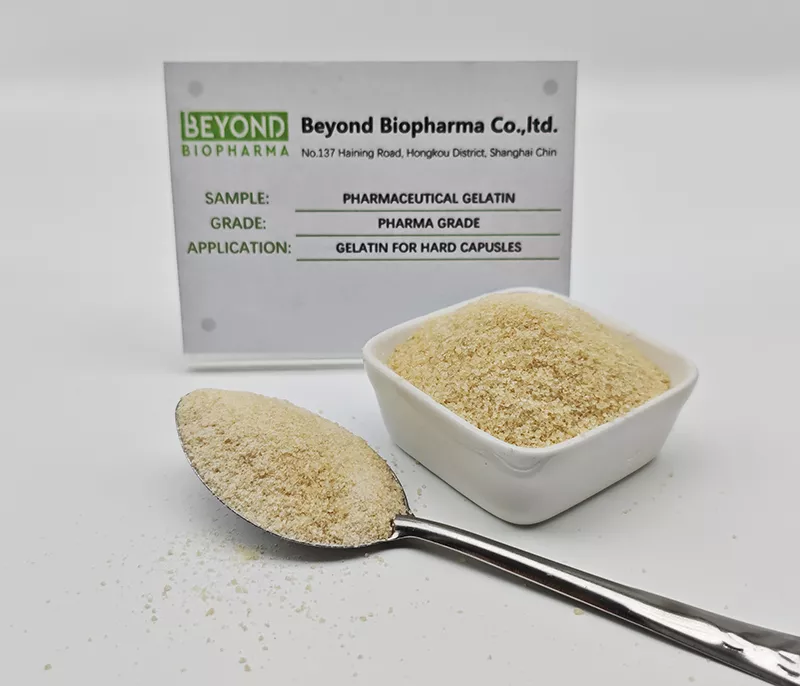
Beyond Biopharma is a Shanghai-based manufacturer with over 10 years of experience in the food-ingredient industry. Our products are exported to more than 50 countries. We operate fully automatic production lines in GMP clean workshops, with stainless-steel sealed piping and automated temperature/pH control. Our annual capacity is approximately 3,000 MT for collagen and 5,000 MT for gelatin. We hold ISO 9001 certification, are US FDA registered, and our bovine bone gelatin is BSE-free. Select products carry Halal or Kosher certification (e.g., fish gelatin). Our in-house lab conducts heavy-metal and microbiological testing, supported by a dedicated QA/QC team. We offer three grades—food, pharmaceutical, and cosmetic—and provide free samples along with formulation and selection support.
Q: Is bovine chondroitin sulfate safe for people with shellfish allergies?
A: Yes, bovine chondroitin sulfate is derived from cattle, not shellfish. It is a suitable alternative for individuals with shellfish allergies who cannot take shark- or shellfish-derived chondroitin.
Q: What is the typical molecular weight of bovine chondroitin sulfate?
A: The molecular weight typically ranges from 10,000 to 50,000 Da, depending on the extraction and hydrolysis process. Lower molecular weight fractions may offer better absorption but are less common in standard grades.
Q: Can bovine chondroitin sulfate be used in vegan or plant-based formulations?
A: No, because it is an animal-derived ingredient. For vegan formulations, consider plant-based alternatives such as plant protein peptide or synthetic chondroitin sulfate, though availability and efficacy may vary.
Q: What certifications should I look for when sourcing bovine chondroitin sulfate?
A: Key certifications include BSE-free status, Halal, Kosher, and ISO 9001. For pharmaceutical use, ensure the supplier follows GMP guidelines and provides a full COA with heavy-metal and microbiological data.
Q: How does bovine chondroitin sulfate compare to shark-derived chondroitin?
A: Both are effective, but bovine chondroitin sulfate is often preferred for its lower cost and more consistent supply chain. Shark-derived chondroitin may have higher environmental concerns and variability in quality.
Q: What is the recommended dosage for bovine chondroitin sulfate in supplements?
A: Typical dosages range from 400 mg to 1,200 mg per day, often split into two doses. Always follow regulatory guidelines in your target market and consult a healthcare professional for specific formulations.
If you are looking for a reliable supplier of bovine chondroitin sulfate for your joint health, nutraceutical, or pharmaceutical applications, contact Beyond Biopharma. Please provide your intended application, required grade (food / pharmaceutical / cosmetic), estimated quantity or MOQ, target specifications (e.g., assay, protein content, mesh size, certifications needed), and destination country. We will send free samples and a competitive quote tailored to your needs.

We provide you with comprehensive foreign trade solutions to help enterprises achieve global development
The High-Performance Barrier for Core Material Protection and Controlled Release.
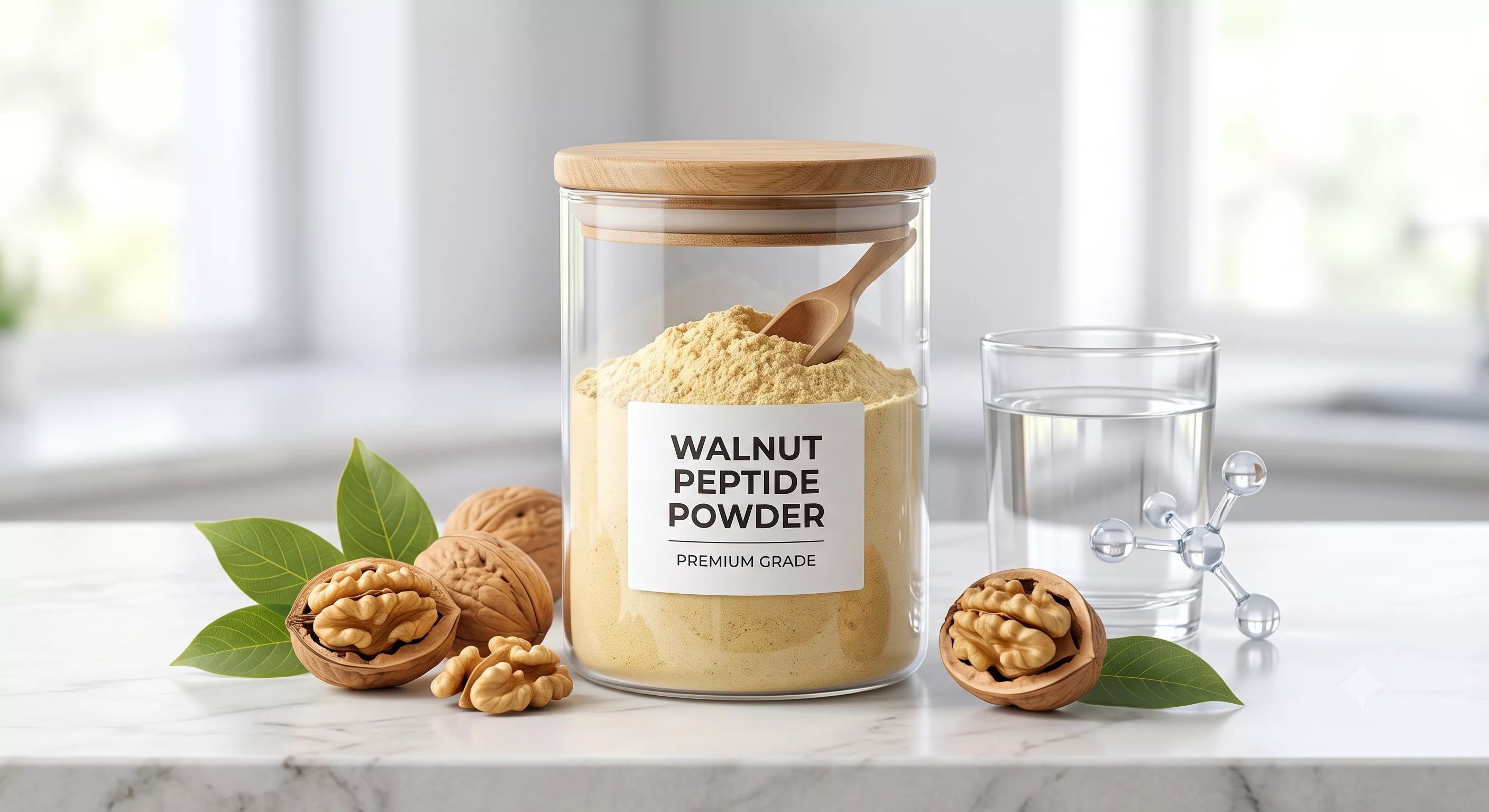
Source wholesale hydrolyzed walnut protein peptide powder in bulk. Over 85% low-molecular-weight oligopeptides rich in Glutamic Acid. Perfect for cognitive formulas and sleep aid supplements.
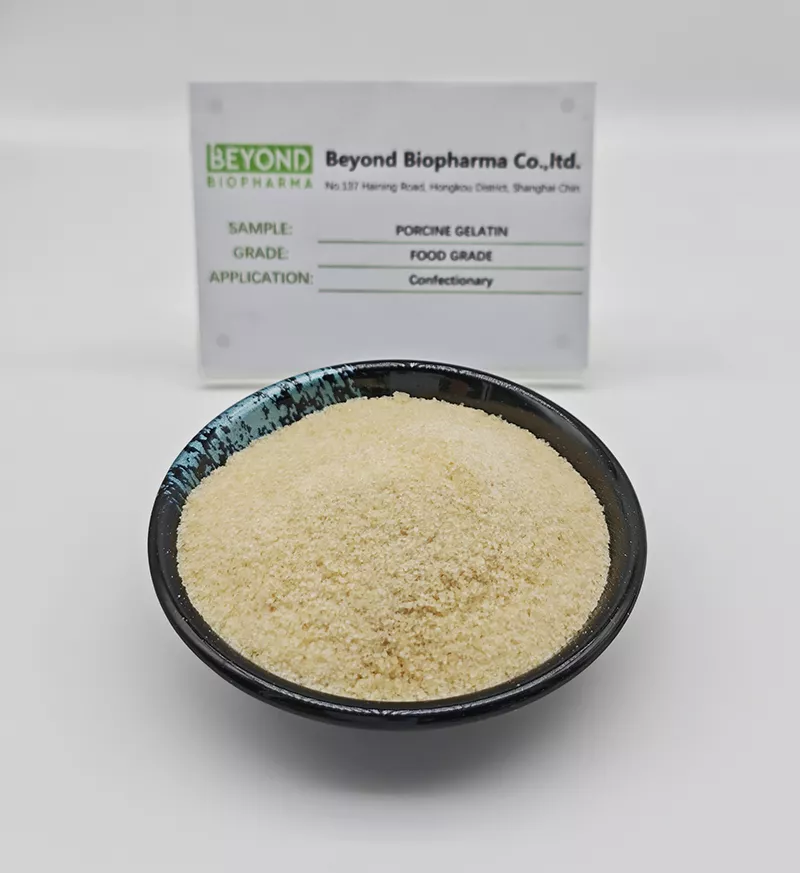
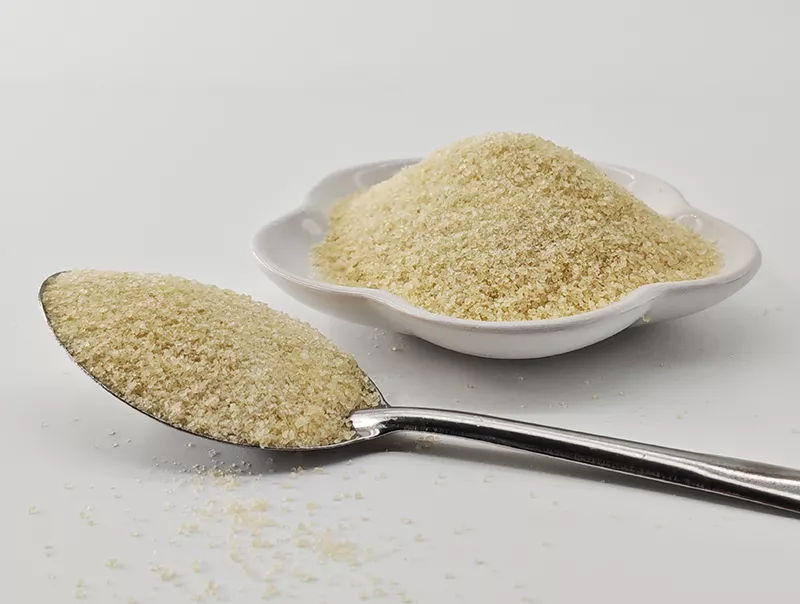
Food-grade porcine gelatin is a highly versatile and cost-effective natural protein derived from the collagen found in pig skin and bones. It is a premier gelling agent known for its exceptional clarity, neutral taste, and thermal reversibility.
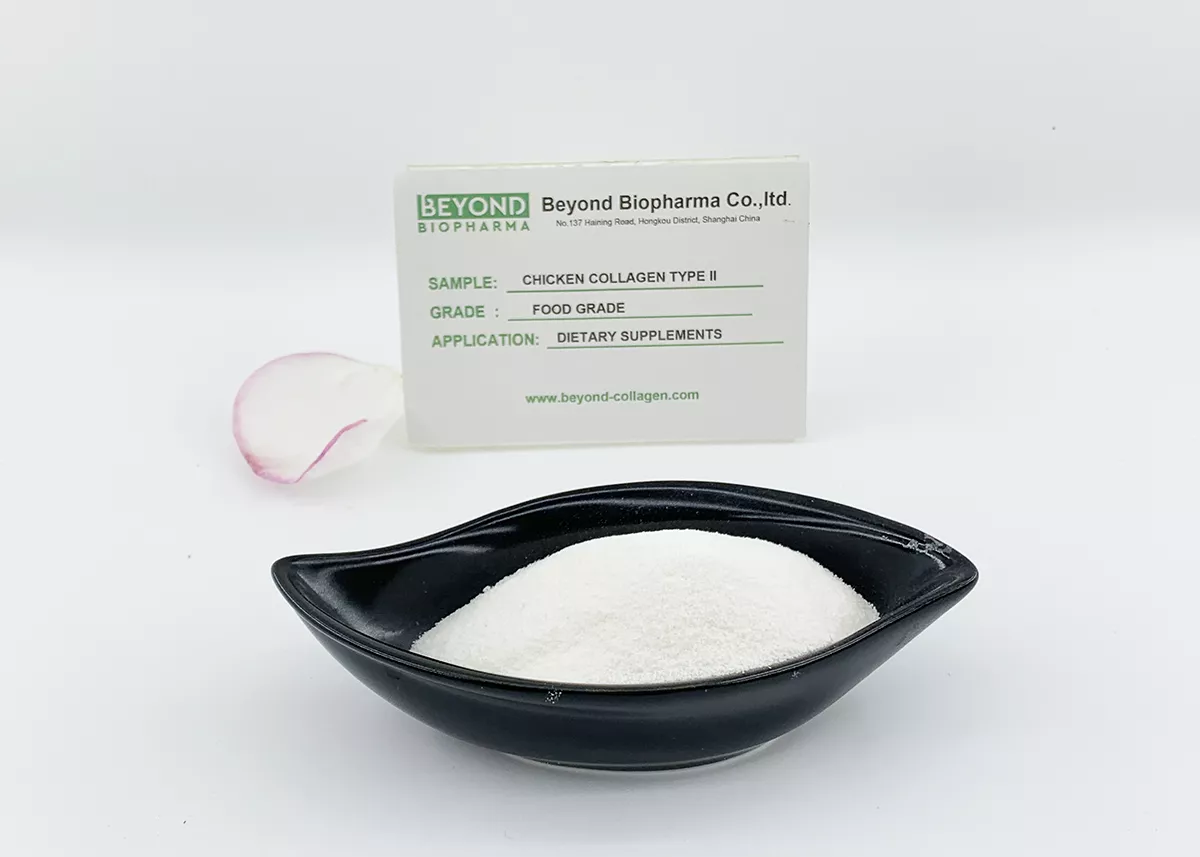
BEYOND BIOPHARMA is a specialized manufacturer of high-quality Undenatured Collagen Type II. Utilizing low-temperature, non-enzymatic extraction methods, our Undenatured Collagen Type II retains its native, triple-helix structure, essential for modulating the immune system's response to joint health and providing superior support for mobility, flexibility, and overall joint comfort.
Select the most popular foreign trade service products to meet your diverse needs
Source wholesale hydrolyzed walnut protein peptide powder in bulk. Over 85% low-molecular-weight oligopeptides rich in Glutamic Acid. Perfect for cognitive formulas and sleep aid supplements.
Food-grade porcine gelatin is a highly versatile and cost-effective natural protein derived from the collagen found in pig skin and bones. It is a premier gelling agent known for its exceptional clarity, neutral taste, and thermal reversibility.
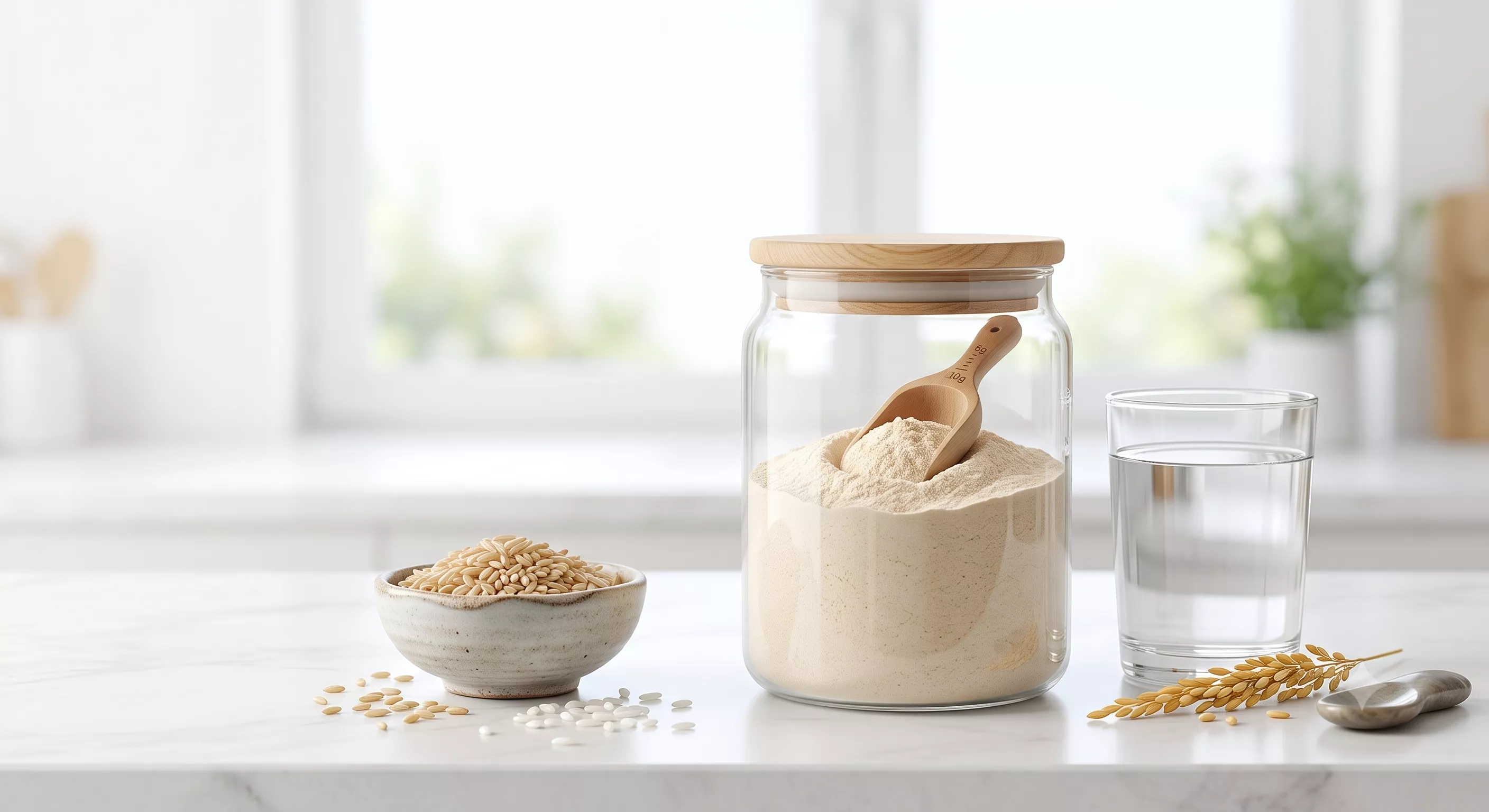
Source ultra-pure, 100% water-soluble wholesale hydrolyzed rice protein peptide in bulk. Over 85% molecules under 1000 Da. Ideal for infant nutrition, clean-label sports formulas, and sensitive skincare.
Tel:+86 21 65010906
Cell/Whatsapp/Wechat:
+86 13482884055
+86 18657345785
Email: sales@beyondbiopharma.com





User Comments
Service Experience Sharing from Real Customers
Liam
Physical TherapistThis bovine chondroitin sulfate has been a game-changer for my patients with joint discomfort. The purity is evident, and I've noticed improved mobility outcomes. Highly recommend for clinical use.
Emma
Senior Formulation ScientistAs a formulator, I require high-quality raw materials. This bovine chondroitin sulfate consistently meets our specs for viscosity and sulfate content. Reliable sourcing and great for our supplement line.
Noah
Veterinary SurgeonI've incorporated this into post-operative care for large animals, especially dogs. The results in supporting cartilage repair are impressive. Excellent product from a trusted supplier.
Olivia
Purchasing ManagerSourcing for our health brand, we've found this bovine chondroitin sulfate to be superior in terms of certification and batch consistency. Customer feedback on our joint support formulas has been overwhelmingly positive.