What is Glucosamine Hydrochloride Sigma? High-Purity Research Grade Explained
Article Summary: This article provides a clear, research-backed overview of glucosamine hydrochloride (HCl) — often referenced alongside the Sigma-Aldrich standard for high-purity research grade material. We explain what it is, how it works, its typical specifications, and how procurement and R&D teams can source reliable bulk supplies for joint health, nutraceutical, and pharmaceutical applications. The focus is on practical selection guidance and quality assurance, with a look at how Beyond Biopharma supports global buyers with consistent, certified ingredients.
For overseas purchasing managers and product developers sourcing glucosamine hydrochloride for joint health supplements or pharmaceutical excipients, one recurring pain point is batch-to-batch consistency and verifying the purity of raw materials. When you see a reference to "Sigma" grade in lab settings, it typically denotes a high-purity research standard that many buyers use as a benchmark. But what does that mean for commercial-scale procurement? In this guide, we break down the science, the specs, and the sourcing strategy for glucosamine HCl, helping you make informed decisions without the marketing fluff.
What Exactly Is Glucosamine Hydrochloride and How Is It Produced?
Glucosamine hydrochloride (HCl) is a naturally occurring amino sugar derived from the shells of shellfish, such as shrimp and crabs. It is a key building block for glycosaminoglycans, which are essential for maintaining healthy cartilage and joint function. In industrial production, chitin from crustacean shells undergoes hydrolysis — typically using hydrochloric acid — to break down into glucosamine, which is then purified and crystallized into a fine, white powder. The resulting glucosamine HCl is highly soluble in water and has a high bioavailability, making it a preferred form for oral supplements and pharmaceutical formulations.
The term "Sigma" in "glucosamine hydrochloride Sigma" refers to a purity standard often associated with Sigma-Aldrich, a major supplier of research-grade chemicals. For bulk buyers, this means looking for material that meets or exceeds 99% purity, with tight control over residual solvents, heavy metals, and microbial limits. While Sigma-grade is a reference point, many commercial suppliers, including Beyond Biopharma, offer glucosamine HCl that meets comparable pharmacopoeial standards (USP, EP) suitable for food, nutraceutical, and pharmaceutical use.
How Does Glucosamine HCl Work in Joint Health and Other Applications?
Glucosamine HCl is widely recognized for its role in supporting joint health. It stimulates the production of glycosaminoglycans and proteoglycans, which are critical components of cartilage matrix. By providing the raw materials needed for cartilage repair and maintenance, it helps reduce joint discomfort and improve mobility, especially in individuals with osteoarthritis. Clinical studies typically use dosages of 1,500 mg per day, often in combination with chondroitin sulfate and hyaluronic acid for synergistic effects.
Beyond joint health, glucosamine HCl is also used in cosmetic formulations for skin hydration and anti-aging, as it supports the synthesis of hyaluronic acid. In the pharmaceutical industry, it serves as an excipient or active ingredient in controlled-release formulations. Its high solubility and stability make it a versatile ingredient for hard capsules, tablets, and powder blends.
What Are the Typical Specifications for High-Purity Glucosamine HCl?
When sourcing glucosamine HCl, buyers should expect the following typical industry parameters. Note: these are generic ranges; final values should always be confirmed via Certificate of Analysis (COA) for each batch.
| Parameter |
Typical Range / Value |
| Assay (Purity) |
≥ 99% (HPLC) |
| Appearance |
White or almost white crystalline powder |
| Solubility |
Freely soluble in water |
| pH (1% solution) |
3.0 – 5.0 |
| Loss on Drying |
≤ 1.0% |
| Residue on Ignition |
≤ 0.5% |
| Heavy Metals (as Pb) |
≤ 10 ppm |
| Microbial Limits |
TAMC ≤ 1000 CFU/g, TYMC ≤ 100 CFU/g, no Salmonella or E. coli |
*Typical industry range; final values per COA / sample.
What Are the Key Applications and How to Select the Right Grade?
Glucosamine HCl is available in food-grade, pharmaceutical-grade, and cosmetic-grade variants. Here is a quick selection guide based on common industry applications:
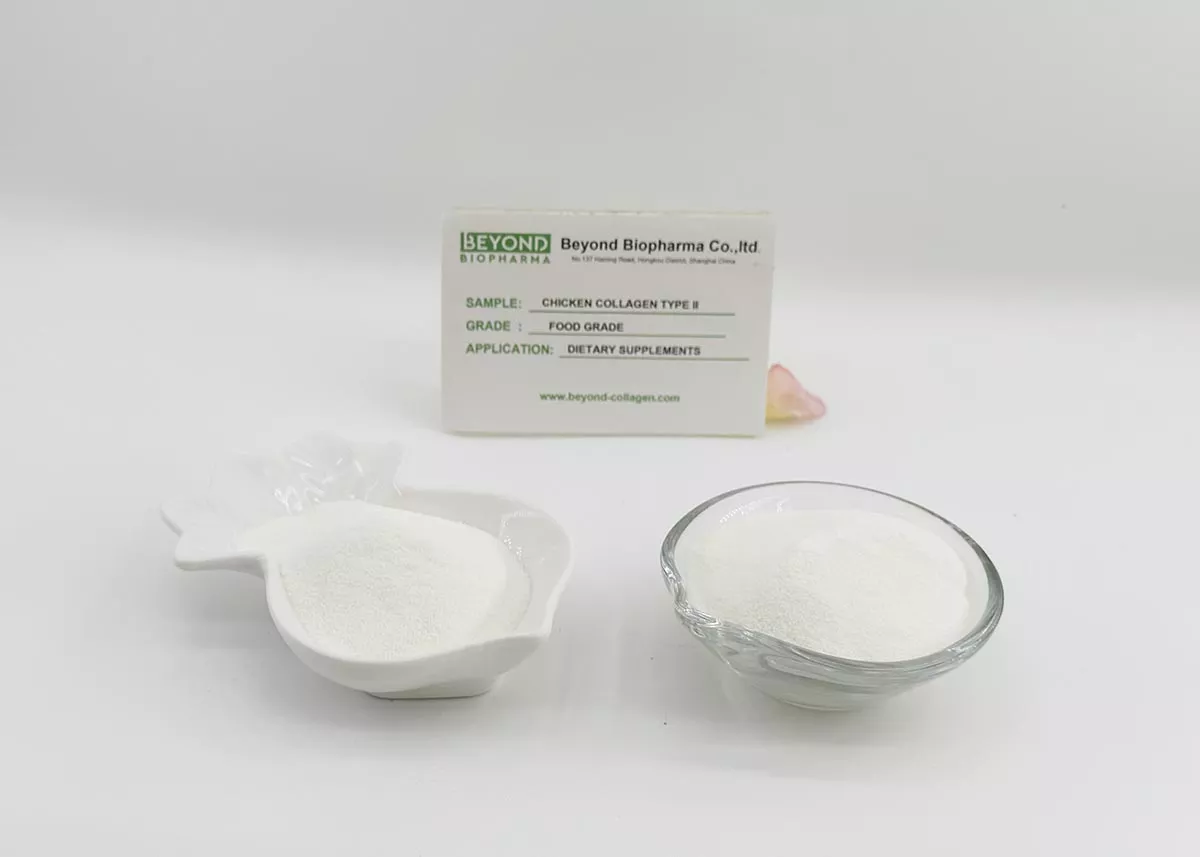
- Joint Health Supplements: Food-grade or pharmaceutical-grade glucosamine HCl is ideal. Often combined with Undenatured Collagen Type II and hydrolyzed collagen type II for comprehensive joint support. Look for high purity and low heavy metal content.
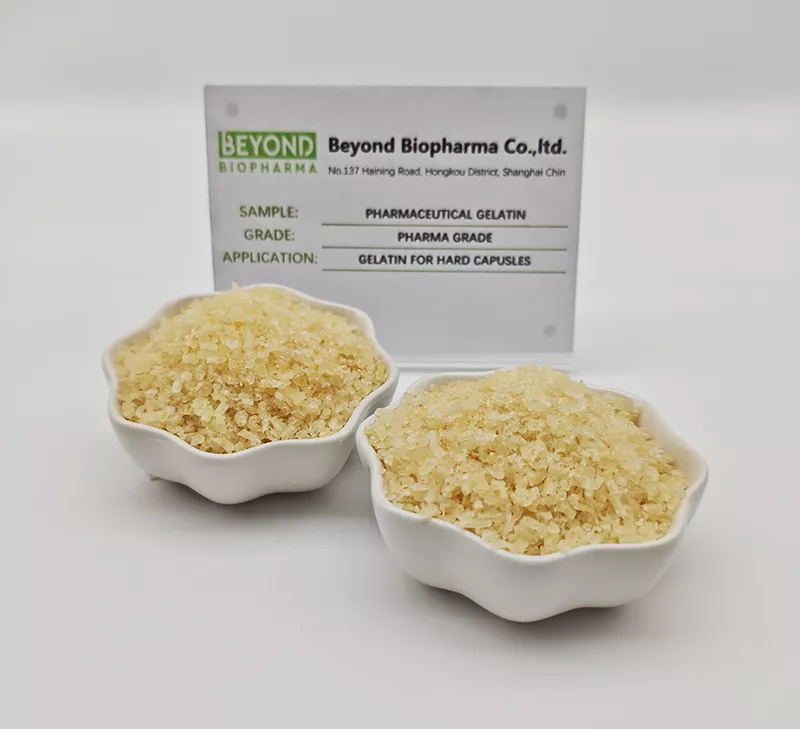
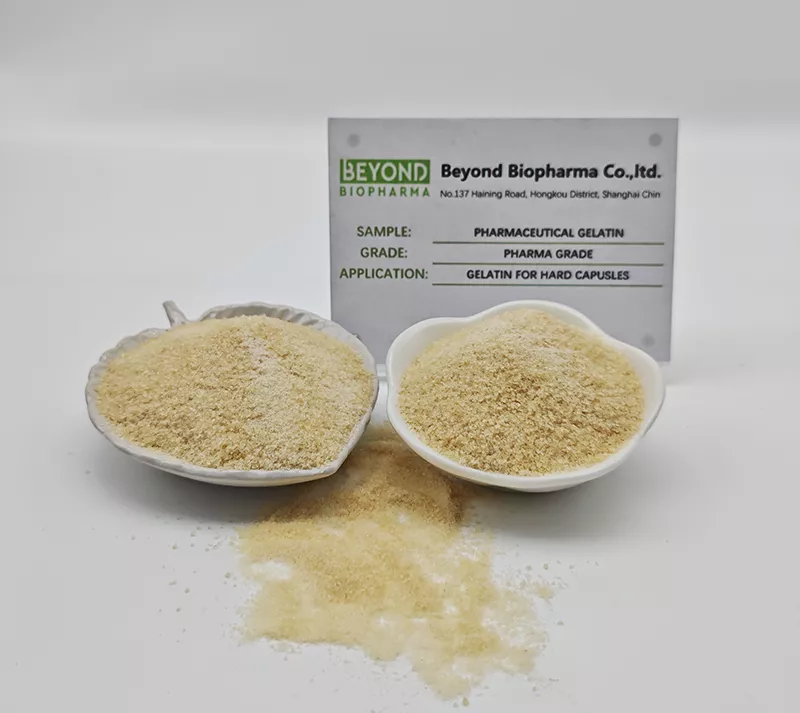
- Pharmaceutical Formulations: Pharmaceutical-grade is required for hard capsules and tablets. It must meet USP or EP standards. Consider high-bloom gelatin for hard capsules as a compatible encapsulation material.
- Cosmetic & Skincare: Cosmetic-grade glucosamine HCl is used in anti-aging creams and serums. It should be free of allergens and have high solubility.
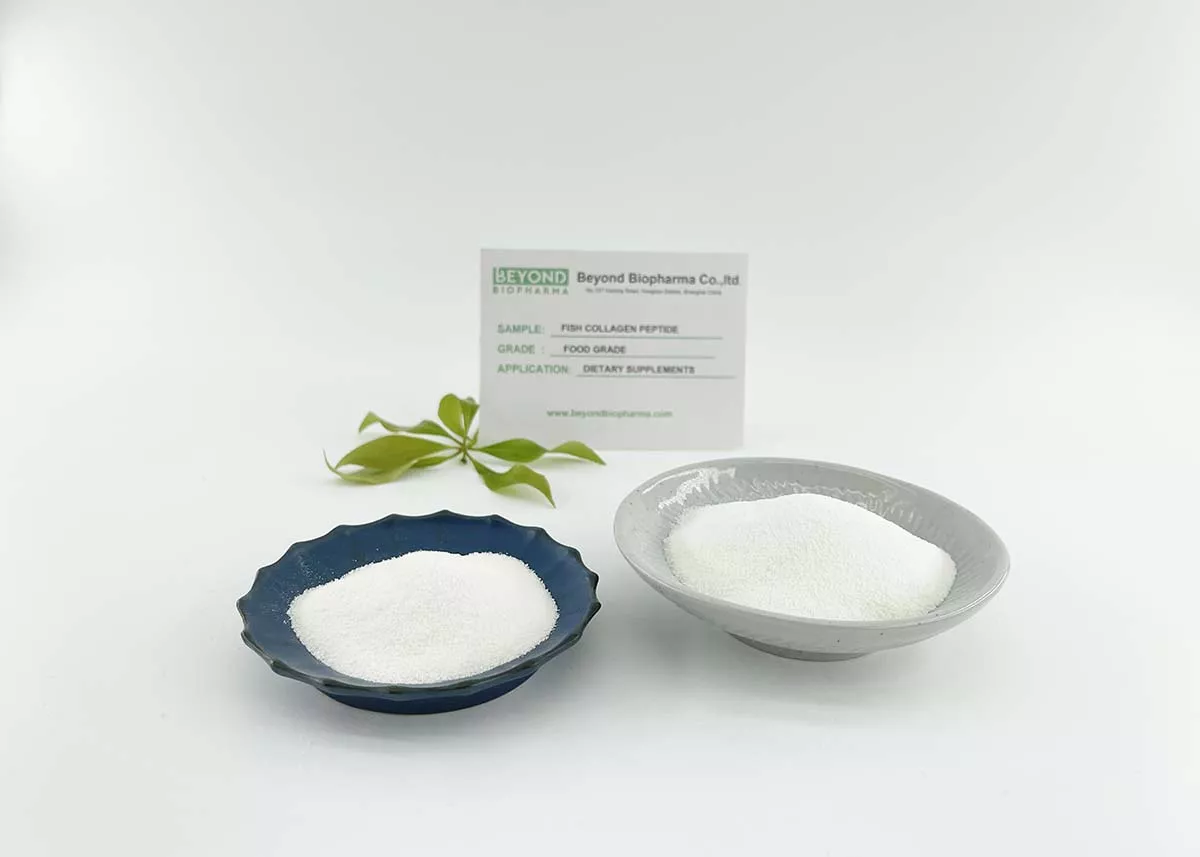
- Sports Nutrition: Powder blends and ready-to-mix sachets benefit from the high solubility and neutral taste of glucosamine HCl. Pair with Fish Collagen Peptide for a dual-action joint and skin health product.
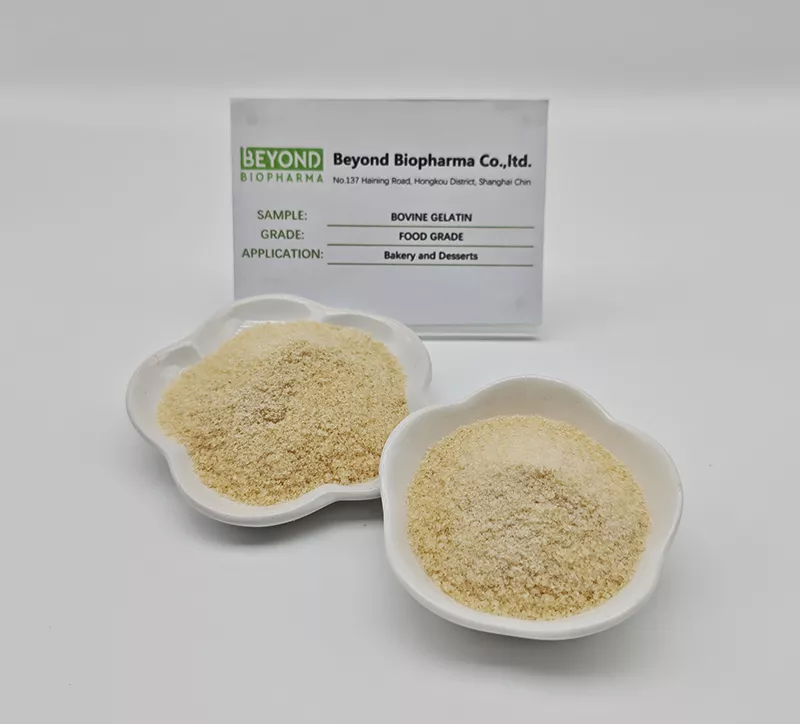
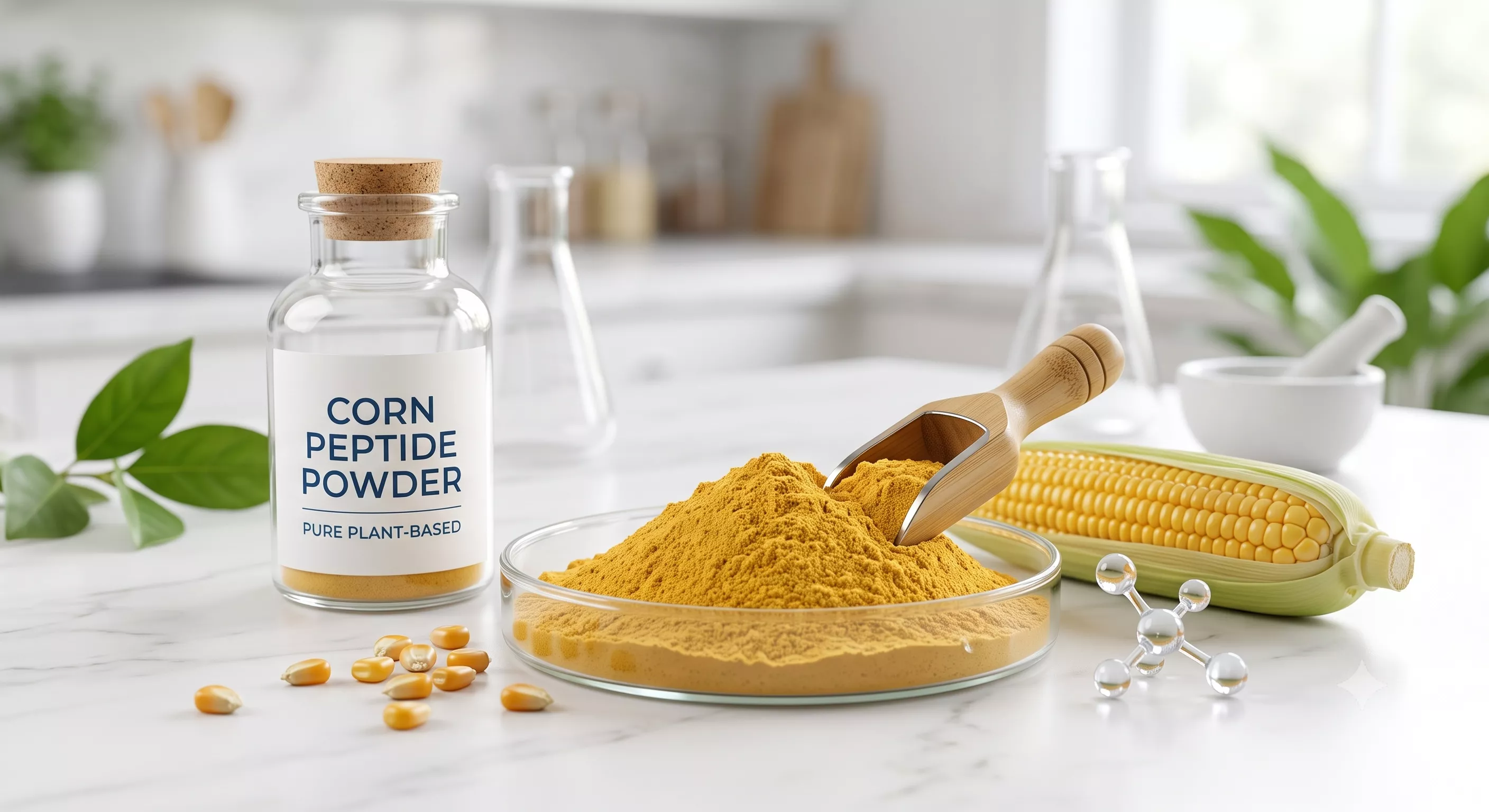
- Vegan & Allergen-Free Formulations: While traditional glucosamine HCl is shellfish-derived, some suppliers offer fermentation-based alternatives. For plant-based products, consider Bovine Collagen Peptide or plant protein peptides as complementary ingredients.
Why Choose Beyond Biopharma for Your Glucosamine HCl Supply?
Beyond Biopharma, based in Shanghai, China, is a manufacturer with over 10 years of experience in the food-ingredient industry. Our products are exported to more than 50 countries. We operate a fully automatic production line with GMP clean workshops, stainless-steel sealed piping, and automated temperature/pH control. Our annual capacity is approximately 3,000 MT for collagen and 5,000 MT for gelatin, and we also supply high-purity glucosamine HCl as part of our Joint Health Ingredients line.
We hold ISO 9001 certification, are US FDA registered, and maintain a GMP clean workshop. Select products carry Halal or Kosher certifications. Our in-house lab conducts rigorous heavy-metal and microbiological testing, supported by a dedicated QA/QC team. We offer three grades — food, pharmaceutical, and cosmetic — and provide free samples along with formulation and selection support. Whether you need bulk supply or custom packaging, we can meet your requirements with consistent quality.
Frequently Asked Questions About Glucosamine Hydrochloride
Q: Is glucosamine hydrochloride the same as glucosamine sulfate?
A: No. Glucosamine HCl contains a chloride salt, while glucosamine sulfate contains a sulfate salt. The HCl form is more stable, has higher purity (often ≥99%), and is more soluble in water. Both are used for joint health, but the HCl form is preferred in many supplement formulations due to its better absorption profile.
Q: What does "Sigma grade" mean for glucosamine HCl?
A: "Sigma grade" is a reference to the high-purity standards set by Sigma-Aldrich for research chemicals. It typically indicates ≥99% purity, low endotoxins, and strict control over impurities. For commercial buyers, it is a benchmark, but many suppliers like Beyond Biopharma offer material that meets or exceeds these standards for food and pharma use.
Q: Can glucosamine HCl be used in vegan formulations?
A: Traditional glucosamine HCl is derived from shellfish, so it is not vegan. However, fermentation-based glucosamine (from corn or wheat) is available as a vegan alternative. When sourcing, always check the raw material origin and request a vegan certificate if needed.
Q: What is the typical dosage for glucosamine HCl in supplements?
A: The most common dosage is 1,500 mg per day, often taken in divided doses (e.g., 500 mg three times daily). It is frequently combined with chondroitin sulfate (1,200 mg) and hyaluronic acid for enhanced joint support. Always follow the recommended dosage on the product label.
Q: How should I store glucosamine HCl powder?
A: Store in a cool, dry place away from direct sunlight and moisture. Keep the container tightly sealed. Under proper conditions, the shelf life is typically 2–3 years. Always refer to the COA for specific storage recommendations.
Q: Does glucosamine HCl have any known allergens?
A: Yes, because it is derived from shellfish, it can cause allergic reactions in individuals with shellfish allergies. For such cases, fermentation-based glucosamine is a suitable alternative. Always label products clearly and provide allergen information on the COA.
Request a Quote and Free Samples for Your Next Project
If you are evaluating glucosamine hydrochloride for your next formulation or bulk procurement, we invite you to reach out to Beyond Biopharma. To help us provide the most accurate quote and sample, please include the following details in your inquiry:
- Your intended application (e.g., joint health supplement, pharmaceutical capsule, cosmetic cream)
- Required grade (food, pharmaceutical, or cosmetic)
- Estimated quantity and minimum order quantity (MOQ)
- Target specifications (purity, particle size, heavy metal limits)
- Destination country for shipping
We will send you free samples and a competitive quote tailored to your needs. Our team is ready to support you with formulation advice and documentation, including COA, MSDS, and allergen statements. Contact Beyond Biopharma today to start a reliable partnership.

 English EN








User Comments
Service Experience Sharing from Real Customers
Megan
Research AssistantBeen using this glucosamine HCl for our osteoarthritis mouse model studies for 8 months now. The purity is consistently excellent – our HPLC results match the spec sheet every time. Sigma's batch-to-batch reliability saves us so much troubleshooting time in the lab. The only minor gripe is the container seal can be a bit tough to open with gloves on!
Leo
Quality Control AnalystSwitched to this from another supplier last quarter. The solubility in our formulations is noticeably better, which sped up our production line. Documentation is thorough, which our audits appreciate. Lost one star because the last shipment had some clumping (humidity issue maybe), but their support replaced it promptly.
Raj
VeterinarianI recommend this to clients for canine joint support protocols. The hydrochloride form seems better tolerated than sulfate in sensitive dogs. Been ordering through our clinic's wholesale account for 3 years – zero quality complaints. Wish the bulk pricing was a tad lower for pet owners, but you get what you pay for.
Chloe
PhD CandidateFirst time using Sigma's glucosamine HCl for my chondrocyte culture experiments. The powder dissolved perfectly in warm PBS without any gunk leftover. My positive controls are showing expected results, which tells me the compound is active. As a grad student on a tight budget, I do wish there were smaller unit sizes for pilot studies though.