 English EN


Essential buyer checklist for bulk plant peptide MOQ, lead time, and Incoterms
Bulk plant peptide MOQ ranges from 10 kg to 25 kg, with 1-6 week lead times. Selecting DDP Incoterms protects high-solubility hydrolysates from moisture.
More
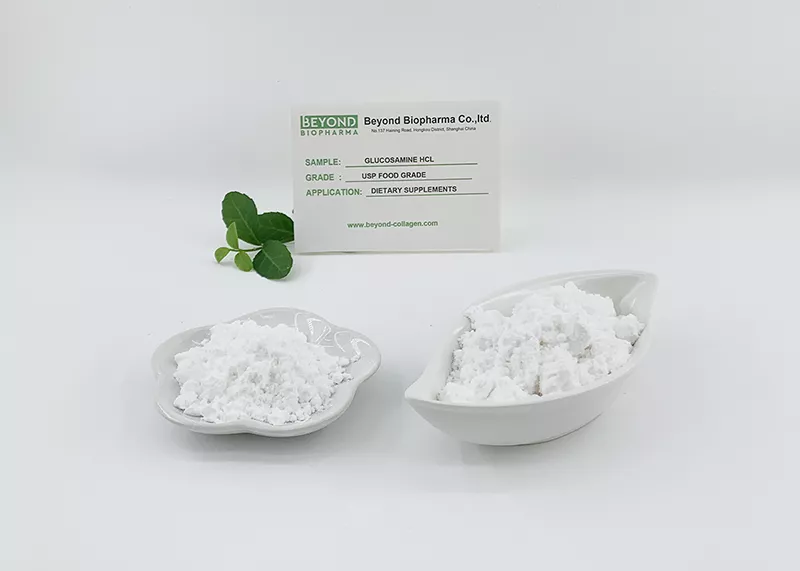
If you are in the business of formulating joint health supplements, you have likely come across glucosamine hydrochloride as a key active ingredient. Unlike its sulfate counterpart, glucosamine HCl offers a higher concentration of glucosamine per gram — typically around 83% versus 62% for glucosamine sulfate — making it a popular choice for manufacturers aiming for potency without the bulk. But before you place a bulk order, there are several technical and commercial factors to consider. This guide walks you through the essentials, from production methods to application-specific recommendations, so you can make an informed sourcing decision.
Glucosamine hydrochloride is a naturally occurring amino sugar derived from the shells of shellfish, such as shrimp, crab, and lobster. It is a key building block for cartilage and joint fluid. For supplement manufacturers, the purity of glucosamine HCl directly impacts product efficacy and label claims. A typical high-quality batch should contain no less than 99% glucosamine HCl on a dry basis, with heavy metals like lead, arsenic, and mercury kept well below regulatory limits (e.g.,
The production process typically begins with chitin extraction from shellfish shells. The chitin is then deacetylated to chitosan, followed by acid hydrolysis using hydrochloric acid to yield glucosamine HCl. Key quality control points during manufacturing include:
A reliable supplier will have a fully automatic production line with GMP clean workshop and in-house lab testing at every stage. Beyond Biopharma, for example, operates a 3,000 MT/year collagen and 5,000 MT/year gelatin facility with stainless-steel sealed piping and automated temperature/pH control, ensuring batch-to-batch consistency for their glucosamine hydrochloride and other joint health ingredients.
When evaluating a supplier, ask for the following parameters. These are typical industry ranges; final values should be confirmed per COA or sample.
| Parameter | Typical Range | Notes |
|---|---|---|
| Assay (Glucosamine HCl) | ≥ 99% (dry basis) | Higher purity means less filler needed in formulations. |
| Heavy Metals | Lead ≤ 1 ppm, Arsenic ≤ 1 ppm, Mercury ≤ 0.1 ppm | Compliance with USP/EP limits is standard. |
| Loss on Drying | ≤ 1.0% | Low moisture ensures stability and longer shelf life. |
| Residue on Ignition | ≤ 0.5% | Indicates low inorganic impurities. |
| Particle Size (Mesh) | 80–100 mesh (standard); custom available | Finer mesh for better blend uniformity in capsules. |
| Microbiological | Total Plate Count ≤ 1,000 CFU/g; Yeast & Mold ≤ 100 CFU/g | No E. coli, Salmonella, or Staphylococcus aureus. |
Note: These are typical industry ranges; final values per COA / sample.
Glucosamine HCl is used across multiple supplement formats. Here is how to choose the right grade for your product:
Beyond Biopharma, based in Shanghai, China, has over 10 years of experience in the food-ingredient industry, exporting to more than 50 countries. Our production facility features fully automatic lines, GMP clean workshops, stainless-steel sealed piping, and automated temperature/pH control. We hold ISO 9001, US FDA registration, and select products carry Halal or Kosher certifications. Our in-house lab conducts heavy-metal and microbiological testing, supported by a dedicated QA/QC team. We offer three grades — food, pharmaceutical, and cosmetic — and provide free samples along with formulation and selection support. Whether you need glucosamine HCl, bovine collagen peptide, or pharmaceutical-grade bovine bone gelatin for hard capsules, we can meet your bulk supply and custom formulation needs.
Glucosamine HCl contains about 83% pure glucosamine, while glucosamine sulfate contains roughly 62% due to the sulfate salt. HCl is more concentrated, so you need less material to achieve the same dose. It is also more stable and has a longer shelf life.
Standard glucosamine HCl is derived from shellfish, so it is not vegan. However, some suppliers offer a vegan version produced through fermentation. Always verify the source and request allergen documentation if you are targeting a vegan or allergen-free market.
Key certifications include ISO 9001, GMP, and US FDA registration. If exporting to Muslim or Jewish markets, Halal or Kosher certification is essential. Also, request a BSE-free certificate if the product involves any animal-derived components.
Always request a Certificate of Analysis (COA) from the supplier. Key parameters to check include assay (≥99%), heavy metals (lead, arsenic, mercury), loss on drying (≤1%), and microbiological counts. A reputable supplier will provide this without hesitation.
Yes, it is commonly blended with chondroitin sulfate, hyaluronic acid, and collagen peptides for synergistic effects. Beyond Biopharma offers a full range of joint health ingredients including undenatured collagen type II and bovine chondroitin sulfate sodium.
MOQs vary by supplier, but 100–500 kg is common for first orders. Beyond Biopharma offers flexible quantities and free samples for evaluation. Contact us with your target specs and application to receive a quote.
Ready to source high-quality glucosamine hydrochloride for your next product line? Tell us your application, required grade (food, pharmaceutical, or cosmetic), estimated quantity or MOQ, target specifications (mesh size, purity, certifications), and destination country. Beyond Biopharma will send you free samples and a competitive quote. Contact our team today to start the conversation.

We provide you with comprehensive foreign trade solutions to help enterprises achieve global development
The Purest Plant-Based Joint Support Solution
Fish Gelatin for foods is increasingly recognized as the premium alternative to traditional mammalian sources, meeting the growing global demand for clean-label ingredients that align with diverse dietary and religious requirements. Derived from the skin and scales of fish like cod and tilapia, fish gelatin offers unique functional benefits that make it an exceptional gelling, stabilizing, and texturizing agent.
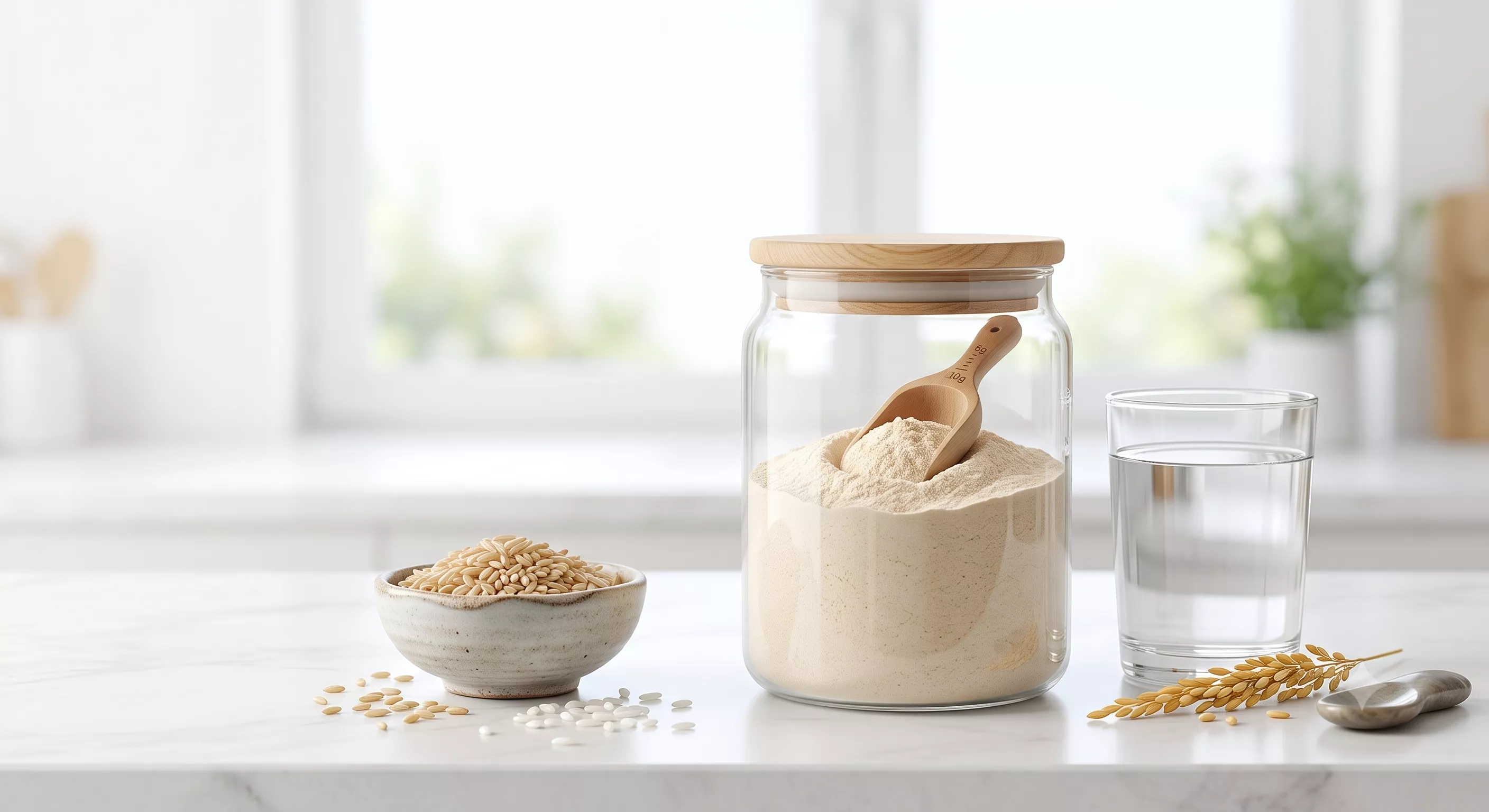
Source ultra-pure, 100% water-soluble wholesale hydrolyzed rice protein peptide in bulk. Over 85% molecules under 1000 Da. Ideal for infant nutrition, clean-label sports formulas, and sensitive skincare.
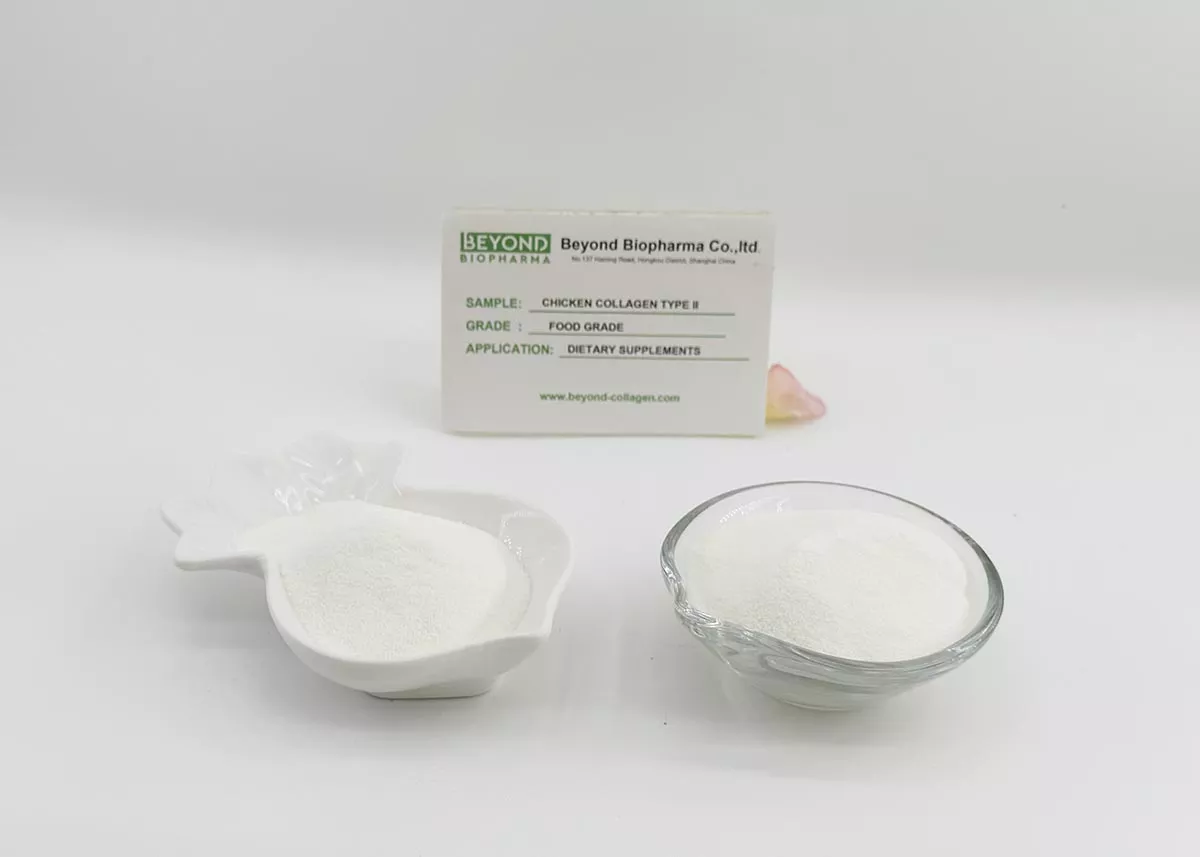
BEYOND BIOPHARMA is a specialized manufacturer of highly purified Hydrolyzed Collagen Type II. Through advanced enzymatic hydrolysis, we create low-molecular-weight collagen peptides that are highly bioavailable, offering foundational nutritional support for cartilage repair, joint function, and skin health. Our product is designed for rapid absorption and maximum efficacy in oral supplements.
Select the most popular foreign trade service products to meet your diverse needs
Source ultra-pure, 100% water-soluble wholesale hydrolyzed rice protein peptide in bulk. Over 85% molecules under 1000 Da. Ideal for infant nutrition, clean-label sports formulas, and sensitive skincare.
BEYOND BIOPHARMA is a specialized manufacturer of highly purified Hydrolyzed Collagen Type II. Through advanced enzymatic hydrolysis, we create low-molecular-weight collagen peptides that are highly bioavailable, offering foundational nutritional support for cartilage repair, joint function, and skin health. Our product is designed for rapid absorption and maximum efficacy in oral supplements.
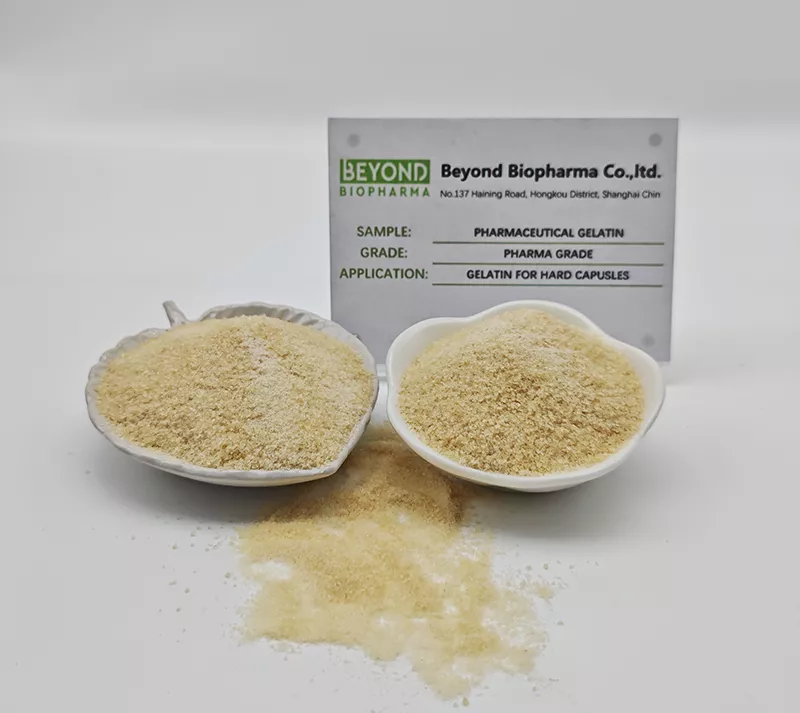
The high-strength and rapid-setting characteristics of Bovine Bone Gelatin ensure it forms a stable, uniform, and durable shell that preserves the integrity of the active pharmaceutical ingredient (API).
Tel:+86 21 65010906
Cell/Whatsapp/Wechat:
+86 13482884055
+86 18657345785
Email: sales@beyondbiopharma.com





User Comments
Service Experience Sharing from Real Customers
Megan
Physical TherapistI've been recommending glucosamine supplements for years, but this hydrochloride form is a game-changer for my active patients. Saw reduced joint stiffness in just three weeks – and that's coming from someone who's skeptical of most OTC products. The purity seems higher than other brands I've tried.
Leo
Construction SupervisorMy knees used to ache like crazy after long days on site. Started taking these about two months back and I can actually climb ladders without wincing now. Not a miracle cure, but it takes the edge off enough that I can keep up with the crew. Wish I'd found it sooner.
Chloe
Dog TrainerBought this for my senior Labrador initially, but after reading the label I decided to try it myself for my arthritis. Huge difference in finger joint mobility – I can fasten leashes and treat pouches without struggling now. No stomach upset either, which I’ve had with other formulas.
Raj
Software DeveloperAs someone who sits 10 hours a day, my back and hips were always stiff. This doesn't make pain vanish magically, but combined with stretching, I feel more... lubricated? That's the best way to describe it. Bottle lasts a solid two months with daily use.