
EN
Ever wonder why there are so many joint health ingredients on the market? Glucosamine, chondroitin, and collagen each play a unique role in joint health. Some help reduce joint pain, while others work to improve joint health by supporting cartilage or reducing inflammation. You might see these joint health ingredients in everything from capsules to drinks. Check out how widespread joint issues are:
Statistic | Value |
|---|---|
Global impact of OA | > 300 million people |
Estimated global prevalence | > 500 million people (7%) |
Regions with underreported cases | Sub-Saharan Africa, Central America, South America |
Choosing the right joint health supplement matters. Collagen helps prevent bone loss, while glucosamine works to improve joint function. Side effects can differ, too. Trusted brands like Beyond Biopharma offer high-quality joint health ingredients, such as Bovine Chondroitin Sulfate Sodium, to help you find the best supplement for your needs. With the right knowledge, you can make choices that support your joints for years.
Glucosamine is a natural compound found in your body. It’s an amino monosaccharide that helps build glycosaminoglycans, which are important for cartilage and synovial fluid. You might hear about articular cartilage when people talk about joint health. Glucosamine plays a big part in keeping articular cartilage strong and flexible. Chondrocytes use glucosamine to make proteoglycans, which are key for healthy cartilage. If you’re dealing with osteoarthritis, you may notice that your cartilage breaks down faster. Glucosamine helps slow this process.
Glucosamine is a normal part of cartilage and synovial fluid.
It supports the synthesis of articular cartilage and joint fluid.
It stimulates chondrocytes to build proteoglycans.
Many people turn to glucosamine supplements for joint health. Clinical studies show that glucosamine can help reduce pain and improve function, especially for osteoarthritis. It’s often used as a treatment for joint discomfort. Here’s a quick look at some research:
Study | Dosage | Duration | Participants | Key Findings |
|---|---|---|---|---|
Pavelka et al. 2002 | GlcN·S 1500 mg | 3 years | 202 | No significant joint space loss; 20%-25% improvement in scores. |
Bruyere et al. 2004 | GlcN·S 1500 mg | 3 years | 319 | Pain reduction and function improvement. |
Cochrane Review | N/A | N/A | N/A | Pain reduction and better physical function. |
Glucosamine is often combined with collagen or chondroitin for even better results.
You’ll find glucosamine supplements in many forms. Most come from shellfish, but vegetarian options are available. The three main types are:
Glucosamine sulfate
Glucosamine hydrochloride
N-acetyl glucosamine
Check out the market share for each form:
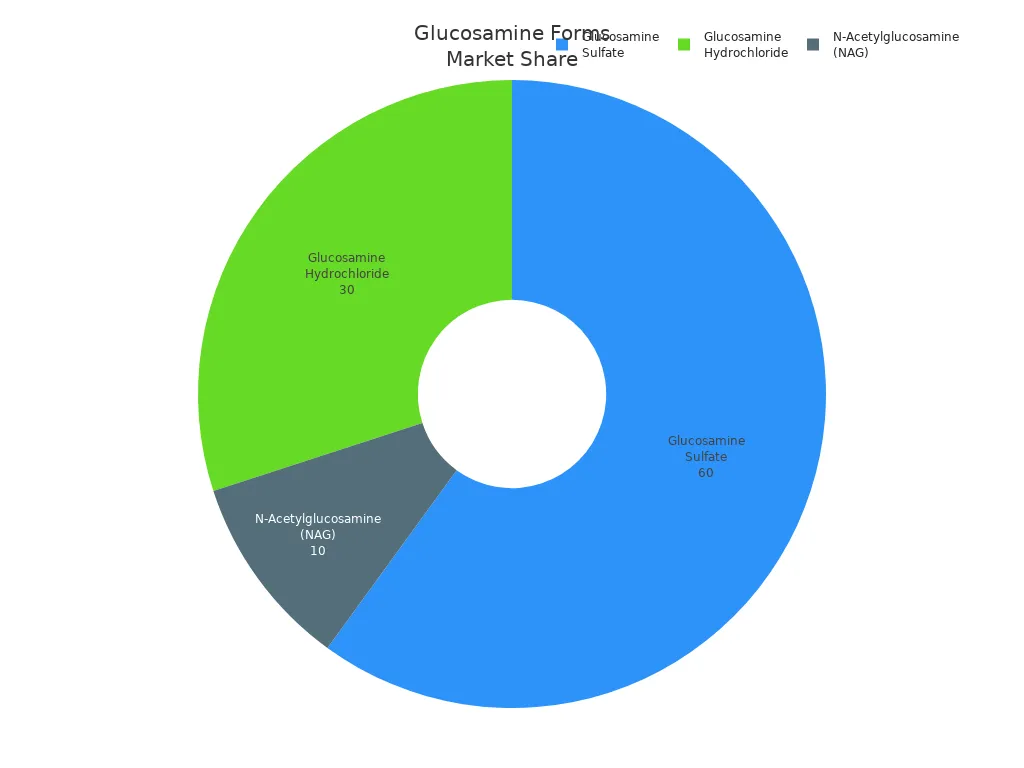
Form | Market Share | Notes |
|---|---|---|
Glucosamine Sulfate | ~60% | Most commonly used for joint health |
Glucosamine Hydrochloride | ~30% | Less expensive option |
N-Acetylglucosamine (NAG) | ~10% | Specialized for skin health benefits |
Glucosamine is usually safe, but some people notice mild side effects. You might feel a bit of stomach upset, headaches, or drowsiness. If you have a shellfish allergy, look for vegetarian glucosamine supplements. Pregnant or breastfeeding women should talk to their doctor before using any supplement. Kids under 18 haven’t been studied with glucosamine. People with severe liver or kidney disease should check with their healthcare provider. Sometimes, glucosamine can slightly raise blood sugar in people with diabetes.
Tip: Always consult your healthcare provider before starting new supplements, especially if you have health concerns.
Chondroitin is a natural compound found in the body’s cartilage. It consists of long chains of sugars, mainly D-glucuronic acid and N-acetyl-D-galactosamine. These chains help cartilage resist compression and keep joints moving smoothly. Chondroitin sulfate is especially important for maintaining tissue integrity in the extracellular matrix. You might hear about chondroitin when people talk about knee osteoarthritis or joint health supplements. It works alongside collagen to support joint structure.
Many people use chondroitin to help with knee osteoarthritis and other joint issues. It provides building blocks for cartilage repair and blocks enzymes that break down cartilage. Chondroitin also boosts hyaluronic acid levels, which helps lubricate joints. Studies show that chondroitin can relieve osteoarthritis symptoms and slow the progression of joint damage.
Study Description | Findings | Conclusion |
|---|---|---|
85 participants with knee osteoarthritis, 6-month trial | 69% improvement in chondroitin group vs. 32% in placebo | Chondroitin relieves osteoarthritis symptoms |
Maximum walking speed comparison | Improvement in chondroitin group, no change in placebo | Chondroitin may prevent worsening of arthritis |
119 participants over 3 years | 8.8% severe joint damage in chondroitin group vs. 30% in placebo | Chondroitin slows osteoarthritis progression |
Note: Chondroitin is often combined with collagen in supplements for even better joint health support.
Chondroitin comes from animal cartilage, such as cow, shark, and bird cartilage. Manufacturers use cartilage from ears, noses, and tracheas to make chondroitin sulfate. You’ll usually find it in pill form, but it can also be added to capsules, tablets, or functional foods. Beyond Biopharma’s Bovine Chondroitin Sulfate Sodium stands out as a premium ingredient. It offers high purity, safety, GMP compliance, traceability, and excellent bioavailability. The raw materials are sourced from clinically healthy bovine hides, ensuring quality and safety for joint health products.
Most people tolerate chondroitin well, but some may experience mild side effects. These can include nausea, diarrhea, constipation, stomach pain, gas, bloating, hair loss, or puffy eyelids. Rarely, people notice irregular heartbeats or swelling in their legs. Chondroitin may not be suitable for those with allergies to chondroitin, glucosamine, or shellfish. People taking warfarin, those with asthma, diabetes, high blood pressure, high cholesterol, prostate cancer, or blood clotting disorders should consult a doctor before using chondroitin. Pregnant or breastfeeding women should also seek medical advice.
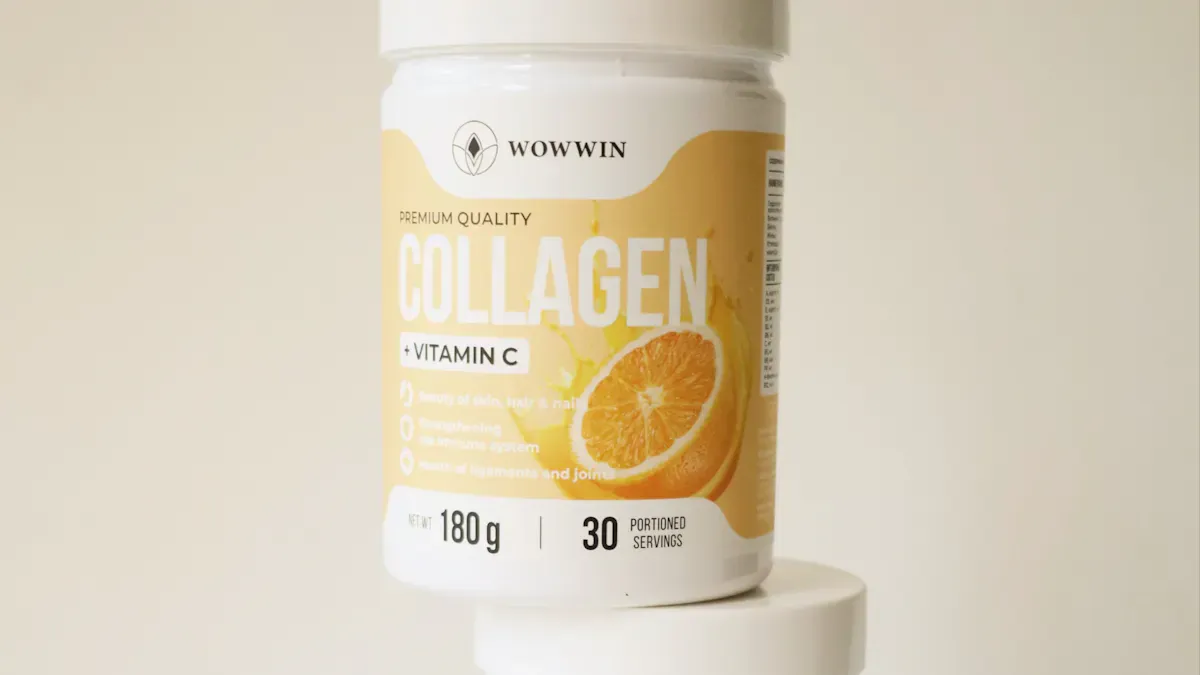
Collagen is the most abundant protein in your body. It acts like the glue that holds everything together. You can find it in your skin, bones, tendons, and especially in your joints. In fact, collagen makes up about 60% of the dry weight of adult articular cartilage. This flexible tissue covers the ends of your bones and lets your joints move smoothly. When cartilage gets damaged, you might feel pain or notice swelling in your joints. Collagen is made from amino acids like glycine, proline, and hydroxyproline. These form a strong triple-helix structure that gives support and helps repair tissues. There are 28 types of collagen, but type II is the main one in cartilage around your joints. This type is key to maintain cartilage health and keep your joints working well.
Collagen is found in connective tissues, skin, tendons, bones, and cartilage.
Type II collagen is crucial for joint integrity and function.
Collagen provides structure and helps with tissue repair.
People often turn to collagen when they want to support joint health. Collagen helps keep your joints flexible and strong. It also supports the repair of cartilage, which can help reduce pain and improve movement. Many studies show that collagen supplements can make a real difference.
Clinical trials have shown that people who take collagen supplements often report less joint pain and better mobility. Some studies even found that collagen is more effective than a placebo for improving joint function and increasing cartilage volume, especially in post-menopausal women.
If you want to keep your joints healthy as you age or after an injury, collagen is more effective than many other options for supporting joint health.
You can get collagen from different foods and supplements. Here’s a quick look at where it comes from:
Source Type | Description |
|---|---|
Animal Sources | Found in the skin and joints of meat and fish. |
Gelatin | Cooked collagen, found in foods like gelatin desserts. |
Bone Broth | Contains gelatin, believed to support collagen levels. |
Plant Sources | Plants don’t have collagen, but some foods help your body make it. |
There are several types of collagen supplements. Type I comes from bovine or marine sources and is common in the body. Type II, which supports joint cartilage, usually comes from chickens. Type III is often found with Type I and helps with skin and muscle repair. To help your body make collagen, eat foods rich in protein, vitamin C, zinc, and copper.
Most people can take collagen without problems. Some might notice a strange taste in their mouth or mild digestive issues like feeling full or heartburn. People with kidney problems should be careful and stick to the recommended dose. Sometimes, supplements have extra ingredients that could cause allergies or other side effects. It’s important to check the source and purity of any collagen supplement you choose. If you have allergies or health concerns, talk to your doctor before starting new supplements.
Tip: Always look for supplements that are tested for quality and safety to protect your health and your joints.
When you look at collagen vs glucosamine, you’ll notice they work in different ways to support your joints. Here’s a simple breakdown:
Glucosamine helps your body make glycosaminoglycans (GAGs). These are important for keeping cartilage strong and healthy. Glucosamine also slows down the enzymes that break down cartilage, which can help slow joint damage.
Collagen gives your body the amino acids and peptides it needs to repair cartilage. When you take collagen, your body absorbs these peptides, and they help rebuild cartilage and other connective tissues.
Both collagen and glucosamine play a role in joint health, but they do it in their own unique ways. Glucosamine boosts your body’s natural repair process by helping make GAGs and stopping cartilage breakdown. Collagen acts as the building blocks for new cartilage, with its peptides collecting in the joint to keep it strong.
If you’re wondering about the difference between collagen and glucosamine, think of glucosamine as the helper that keeps your cartilage from breaking down, while collagen is the builder that helps repair and strengthen it.
Let’s talk about how well these two work. Many people ask about glucosamine vs collagen and which one is better for joint pain and movement. Here’s what research says:
Studies show that collagen has a clear benefit for joint comfort, both for people with osteoarthritis and those without. Some research even says glucosamine works no better than a dummy pill for knee or hip arthritis.
Collagen seems to have a stronger effect on reducing pain and improving how well you move, especially if you take it for a long time.
Both glucosamine and collagen can help your joints, but collagen may give you more noticeable results for pain and movement.
You can see the results from reviews and studies in this table:
Treatment | Effect on Joint Health |
|---|---|
Collagen | Positive effects on osteoporosis and osteoarthritis, improving symptoms, bone mineral density, and alleviating pain. |
Glucosamine | No significant efficacy demonstrated in similar contexts. |
So, when you compare collagen vs glucosamine, collagen often comes out ahead for joint pain and mobility.
Choosing between glucosamine vs collagen depends on your needs and goals. Here are some tips to help you decide:
If you want to protect your cartilage and slow down joint damage, glucosamine might be a good choice.
If you’re looking to rebuild cartilage, improve joint strength, or reduce pain, collagen could be the better option.
Some people use both together for extra support, since they work in different ways.
Tip: Always talk to your doctor before starting any new supplement, especially if you have health conditions or take other medications.
In the end, the best supplement for you depends on your body and what you want to achieve. The difference between collagen and glucosamine is in how they work and what results you want. If you’re looking for stronger support for pain and movement, collagen may be the way to go. If you want to help your body protect its cartilage, glucosamine is worth considering. Many people find that combining both gives them the best results for joint health.

Have you ever wondered if combining different joint health ingredients can make a bigger impact? Many people find that using collagen and glucosamine together gives their joints extra support. Collagen helps rebuild cartilage, while glucosamine protects it from breaking down. Chondroitin works alongside both, boosting the effect and helping your joints stay flexible.
Check out this table showing how these ingredients work together:
Evidence Description | Findings |
|---|---|
Effects of glucosamine and chondroitin sulfate on cartilage metabolism in OA | Justifies the use of these compounds in OA patients |
Collagen hydrolysate absorption and effects | May lead to increased mobility and significant pain relief |
Anti-inflammatory action of glucosamine and chondroitin | Can reduce collagen degradation in osteoarthritis |
The MOVES trial showed that glucosamine and chondroitin can relieve knee pain and swelling, working as well as some prescription medicines but with fewer side effects.
Here are some practical tips for combining these joint health ingredients:
Try pairing collagen, glucosamine, and chondroitin for a well-rounded approach.
Some people add turmeric or omega-3s for even more support.
Always follow the directions on your supplements.
Safety matters when you mix joint health ingredients. Glucosamine, chondroitin, and collagen are usually safe, but you should watch for possible interactions. Some supplements may affect blood sugar or interact with medications like blood thinners.
Interaction | Effect |
|---|---|
Blood thinners (e.g., warfarin) | Increased risk of bleeding |
NSAIDs (e.g., ibuprofen) | Enhanced anti-inflammatory activity |
Acetaminophen | Diminished effectiveness |
Talk to your healthcare provider before starting any new supplements.
Watch for side effects like stomach upset or allergic reactions.
If you take medicine for diabetes or blood clotting, check with your doctor first.
Tip: Keep track of how your joints feel after starting a new supplement. If you notice any changes, let your doctor know.
Combining collagen, glucosamine, and chondroitin can help your joints, but safety comes first. Make sure you use high-quality products and follow expert advice.
Picking the right joint health supplement can feel overwhelming, but it gets easier when you know what to look for. Everyone’s body is different, so your choice should fit your needs. Here are some things to keep in mind:
Ingredients: Look for trusted options like glucosamine, chondroitin, and collagen. These are well-known for supporting joint health.
Formulation: Do you prefer chewables, powders, or liquids? Choose a form that fits your lifestyle.
Quality: Always pick products from reputable brands that use third-party testing. This helps make sure you get what’s on the label.
Endorsements: Some supplements have endorsements from experts or veterinarians, which can boost your confidence in the product.
Personalization: Think about your age, activity level, and medical history. For example, athletes might need more collagen, while older adults may benefit from glucosamine.
Safety: If you take medications or have health conditions, talk to your doctor first.
Tip: Your needs may change over time. What works for you now might not be the best choice later, so check in with your healthcare provider regularly.
When it comes to joint health, Beyond Biopharma stands out for its commitment to quality, safety, and innovation. Here’s what makes their products a smart choice:
Advanced ingredients like BioCell Collagen and UC-II® undenatured type II collagen, both known for supporting joint comfort and flexibility.
Strict quality assurance and GMP-compliant manufacturing processes, so you can trust the safety and purity of every batch.
Innovative technology, such as the BioOptimized™ process, which helps your body absorb collagen more easily.
Certifications like NSF and FDA NDI notification, showing a dedication to meeting top safety standards.
Beyond Biopharma’s focus on traceability and high-quality sourcing means you get reliable joint health support every time. Remember, it’s always wise to consult your healthcare professional before starting any new supplements, especially if you have health concerns or take other medications.
Note: Your joint health journey is personal. The right supplement can make a big difference, so take your time and choose wisely.
Choosing the right joint health solution starts with understanding how collagen, glucosamine, and chondroitin differ. Collagen shows a positive effect on joint pain and joint comfort, while glucosamine and chondroitin may not offer significant pain relief. For joint pain relief, collagen stands out for improving joint comfort. Here’s some practical advice:
Consult a healthcare professional before starting supplements.
Look for quality brands with clear batch numbers.
Check ingredients and allergens.
Research reviews for joint pain support.
Everyone’s joint needs are unique, so take time to find what works best for you.
You can take joint health supplements with meals or as directed on the label. Many people find it easier to remember if they take them with breakfast or dinner.
Yes, you can take these together. They work in different ways to support your joints. Many joint health products combine them for better results.
Most people notice changes after 4 to 8 weeks. Some may feel relief sooner, while others need more time. Consistency is key.
Most adults can use joint health supplements safely. If you have allergies, take medications, or have health conditions, talk to your doctor first.
A healthy diet helps, but some people still choose collagen supplements for extra support. Supplements can make it easier to get enough for joint health.


Tel:+86 21 65010906
Cell/Whatsapp/Wechat:
+86 13482884055
+86 18657345785
Email: sales@beyondbiopharma.com





 English EN


