What is Glucosamine Hydrochloride? Benefits, Uses, and How It Works
Article Summary: Glucosamine hydrochloride (Glucosamine HCl) is a key ingredient for joint health supplements and pharmaceutical formulations. This article explains what it is, how it works, its typical specifications, and how to source it reliably. For overseas purchasing managers and R&D teams, we cover batch consistency, solubility, and certification considerations. We also discuss how Beyond Biopharma, a Shanghai-based manufacturer, supplies this ingredient alongside complementary joint health ingredients like bovine chondroitin sulfate and hyaluronic acid.
When sourcing glucosamine hydrochloride for your nutraceutical or pharmaceutical product line, the main pain points are often batch-to-batch consistency, solubility in finished formulations, and meeting specific certification requirements (Halal, Kosher, BSE-free). Glucosamine hydrochloride is a naturally occurring amino sugar derived from shellfish shells, widely used to support joint cartilage health and reduce osteoarthritis discomfort. It is one of the most researched joint health ingredients globally.
How Does Glucosamine Hydrochloride Work?
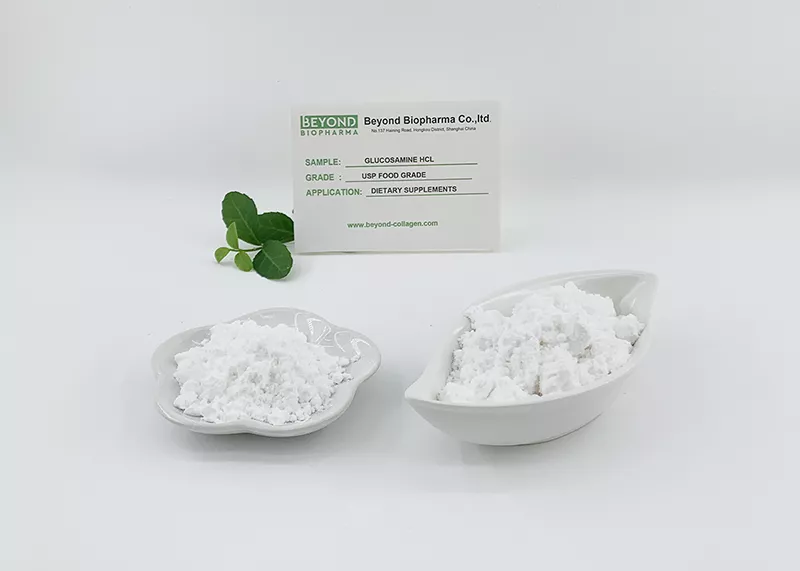
Glucosamine HCl is produced through the enzymatic hydrolysis of chitin from crustacean shells. The process removes proteins and minerals, leaving a pure, water-soluble hydrochloride salt form. This form has higher bioavailability compared to glucosamine sulfate because it contains no additional sodium or potassium salts, making it a preferred choice for many supplement brands.
In the body, glucosamine hydrochloride serves as a building block for glycosaminoglycans, which are essential components of joint cartilage. It helps stimulate the production of collagen and proteoglycans, maintaining cartilage structure and reducing joint degradation. Typical molecular weight for glucosamine HCl is around 215 Da, allowing for rapid absorption in the gastrointestinal tract.
What Are the Typical Specifications of Glucosamine Hydrochloride?
Below is a table of common parameter ranges for glucosamine hydrochloride. These are typical industry ranges; final values should be confirmed per Certificate of Analysis (COA) and sample.
| Parameter |
Typical Range |
Notes |
| Assay (Glucosamine HCl) |
98.0% – 102.0% |
On dry basis |
| Molecular Weight |
~215.63 Da |
Consistent across grades |
| pH (1% solution) |
3.0 – 5.0 |
Acidic, water-soluble |
| Loss on Drying |
≤ 1.0% |
Moisture content |
| Heavy Metals |
≤ 10 ppm |
Compliant with USP/EP |
| Residual Solvents |
Complies with ICH Q3C |
Typically none detected |
| Microbiological |
TAMC
| No Salmonella, E. coli |
Note: Typical industry range; final values per COA / sample.
What Are the Main Applications of Glucosamine Hydrochloride?
Glucosamine hydrochloride is used across several industries. Here is a breakdown by application with selection guidance:
- Joint Health Supplements: The most common use. Often combined with bovine chondroitin sulfate sodium and food-grade hyaluronic acid powder for comprehensive joint support. Typical dosage: 500–1500 mg per day.
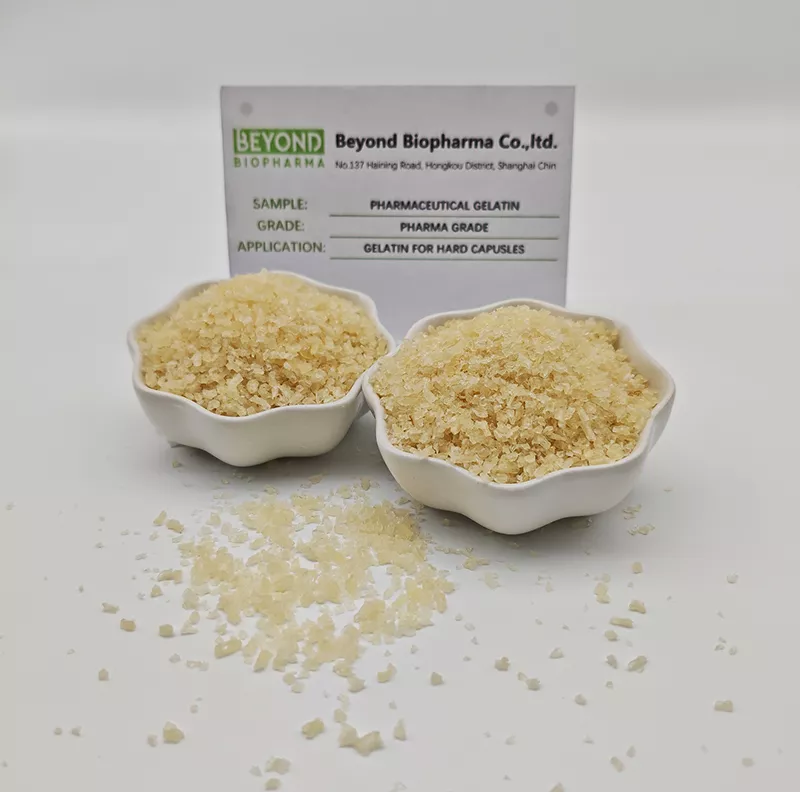
- Pharmaceutical Excipients: Used in hard capsule formulations where consistent particle size and flowability are critical. Compatible with pharmaceutical grade bovine bone gelatin for hard capsules.
- Nutraceutical & Functional Foods: Added to gummies, powders, and ready-to-drink mixes. Requires good solubility and neutral taste profile.
- Veterinary & Pet Supplements: Increasing demand for joint health in animal nutrition, using similar specifications as human grade.
Why Choose Beyond Biopharma for Glucosamine Hydrochloride?
Beyond Biopharma is a Shanghai, China-based manufacturer specializing in collagen peptides, gelatin, and plant protein peptides, with over 10 years of experience in the food-ingredient industry. Our products are exported to more than 50 countries. We operate a fully automatic production line with GMP clean workshops, stainless-steel sealed piping, and automated temperature/pH control. Our facility has an annual capacity of approximately 3,000 MT for collagen and 5,000 MT for gelatin.
We hold ISO 9001 certification, are US FDA registered, and maintain GMP clean workshop standards. Select products carry Halal and Kosher certifications (e.g., fish gelatin). Our bovine bone gelatin is BSE-free. We have an in-house laboratory for heavy-metal and microbiological testing, with a dedicated QA/QC team. We offer three grades: food, pharmaceutical, and cosmetic. Free samples and formulation support are available.
Our product lines include edible bovine gelatin for food applications, fish collagen peptide for skin health supplements, and premium vegan glucosamine hydrochloride HCl for plant-based formulations. We also supply bovine chondroitin sulfate sodium, food-grade hyaluronic acid powder, and undenatured collagen type II for joint health applications.
Frequently Asked Questions About Glucosamine Hydrochloride
Is glucosamine hydrochloride the same as glucosamine sulfate?
No. Glucosamine hydrochloride has a higher glucosamine content per gram (about 83% vs. 65% for sulfate) and contains no sodium or potassium. It is often preferred for people on low-sodium diets and for formulations requiring a smaller tablet or capsule size.
What is the typical dosage of glucosamine HCl for joint health?
The most common dosage is 1,500 mg per day, often divided into two or three doses. Clinical studies typically use 1,500 mg daily for osteoarthritis support. Always consult a healthcare professional for specific recommendations.
Can glucosamine hydrochloride be used in vegan formulations?
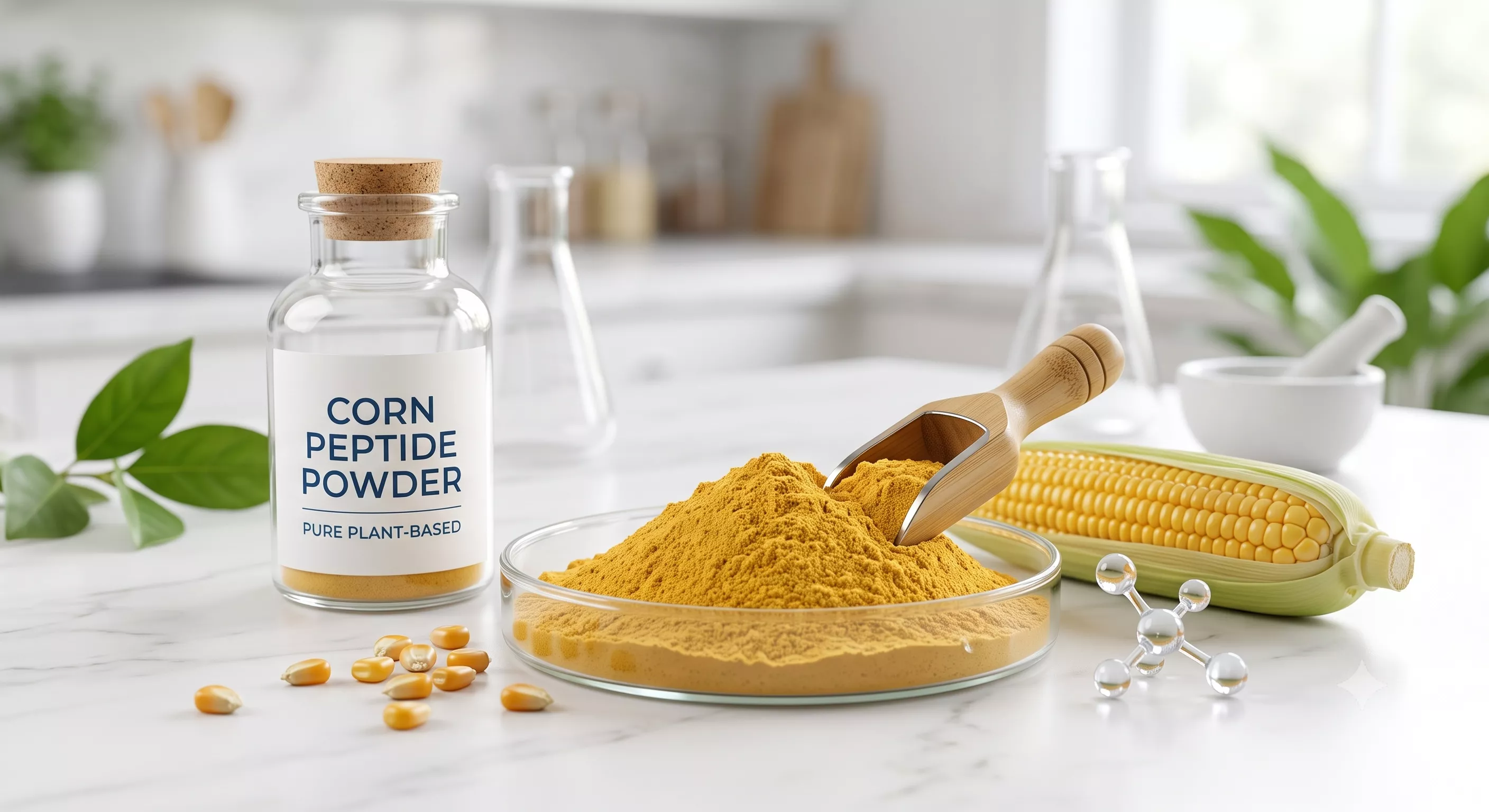
Standard glucosamine HCl is derived from shellfish, so it is not vegan. However, Beyond Biopharma offers a premium vegan glucosamine hydrochloride HCl sourced from fermented corn, suitable for plant-based and allergen-free formulations.
What certifications should I look for when sourcing glucosamine HCl?
Key certifications include ISO 9001, GMP, Halal, Kosher, and BSE-free documentation. For pharmaceutical use, USP or EP compliance is essential. Always request a COA and third-party lab reports for heavy metals and microbiological purity.
How should glucosamine hydrochloride be stored?
Store in a cool, dry place below 25°C (77°F), away from direct sunlight and moisture. Keep the container tightly sealed. Under proper conditions, the shelf life is typically 2–3 years from the manufacturing date.
What is the difference between glucosamine HCl and glucosamine sulfate for joint health?
Both are effective, but glucosamine HCl has a higher purity and is more concentrated. Glucosamine sulfate often contains potassium or sodium chloride as a stabilizer. Some studies suggest sulfate may be better absorbed, but HCl is more versatile for formulation due to its neutral taste and lower sodium content.
Request a Quote for Glucosamine Hydrochloride
If you are sourcing glucosamine hydrochloride for your next project, we invite you to contact Beyond Biopharma. To help us serve you best, please provide the following information:
- Your application (food supplement, pharmaceutical, veterinary, etc.)
- Required grade (food, pharmaceutical, or cosmetic)
- Quantity and MOQ requirements
- Target specifications (assay, pH, particle size, certifications)
- Destination country for shipping
We offer free samples and formulation support. Our team will provide a competitive quote and a Certificate of Analysis for your evaluation. Glucosamine hydrochloride is a foundational ingredient for joint health, and with the right supplier, you can ensure consistent quality and reliable supply for your global customers.

 English EN








User Comments
Service Experience Sharing from Real Customers
Megan
Physical TherapistAs someone who works with athletes daily, I was skeptical about glucosamine supplements until I tried this hydrochloride form. After 6 weeks of consistent use, my own knee stiffness from years of running has noticeably improved. It doesn't feel like a miracle cure, but it's made a real difference in my daily comfort. I appreciate that the formula is pure without unnecessary additives.
Leo
Construction SupervisorMy knees were killing me after 20 years on job sites. My doctor mentioned glucosamine, so I picked this hydrochloride version after reading the label – seemed more absorbable. Been taking it for 3 months now, and honestly, the morning creakiness is way better. I'm not 100% pain-free (let's be real), but I can climb ladders without wincing. One star off because the capsules are a bit large to swallow.
Chloe
Yoga InstructorI've tried several glucosamine brands over the years for joint support, and this hydrochloride formula is by far the most effective for me. I noticed less clicking in my hips during deep poses within about a month. It's become a staple in my wellness routine alongside my practice. The fact that it's derived from shellfish is clearly stated, which I respect for transparency.
Ryan
Retail ManagerI'm on my feet 10 hours a day, and my ankles used to ache constantly. A coworker recommended I look into glucosamine hydrochloride – had no idea what it was before. Started taking this about two months ago. The improvement is subtle but definite; it's more like I notice the pain less often. It's not instant relief, but it feels like it's helping my joints cope with the long shifts. Would recommend giving it a fair 8-week trial.