Understanding Glucosamine: What It Is and How It Supports Joint Function
Article Summary: This article provides a professional, data-driven overview of glucosamine, a key joint health ingredient. It covers the definition of glucosamine, its working principle in supporting cartilage and joint function, typical product specifications, and application guidance for food, nutraceutical, and pharmaceutical buyers. Sourcing challenges such as batch consistency, allergen requirements, and certification barriers are addressed. The article also introduces Beyond Biopharma as a reliable B2B manufacturer of glucosamine HCl and complementary joint health ingredients, with a focus on quality, capacity, and global export experience.
For overseas purchasing managers and product developers in the supplement and pharmaceutical industries, sourcing a consistent, high-purity glucosamine ingredient is often a challenge. Common pain points include batch-to-batch variability, unpleasant odor or fishy smell, solubility issues, and navigating complex certification barriers such as allergen-free or vegan requirements. Understanding what glucosamine is and how it works is the first step to making an informed sourcing decision.
What Is Glucosamine and How Does It Support Joint Function?
Glucosamine is a naturally occurring amino sugar that is a key building block of cartilage, the flexible tissue that cushions joints. It is commonly sourced from shellfish shells (chitin) or produced synthetically for use in dietary supplements. In the body, glucosamine stimulates the production of glycosaminoglycans and proteoglycans, which are essential for maintaining cartilage structure and joint lubrication. By supporting the repair and maintenance of cartilage, glucosamine helps reduce joint discomfort and improve mobility, making it a cornerstone ingredient in joint health formulations.
How Is Glucosamine Produced and What Are Its Key Features?
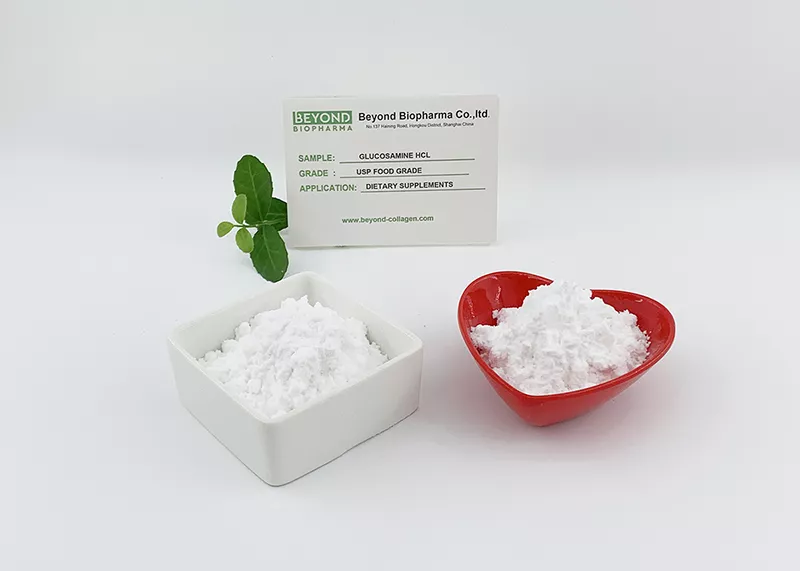
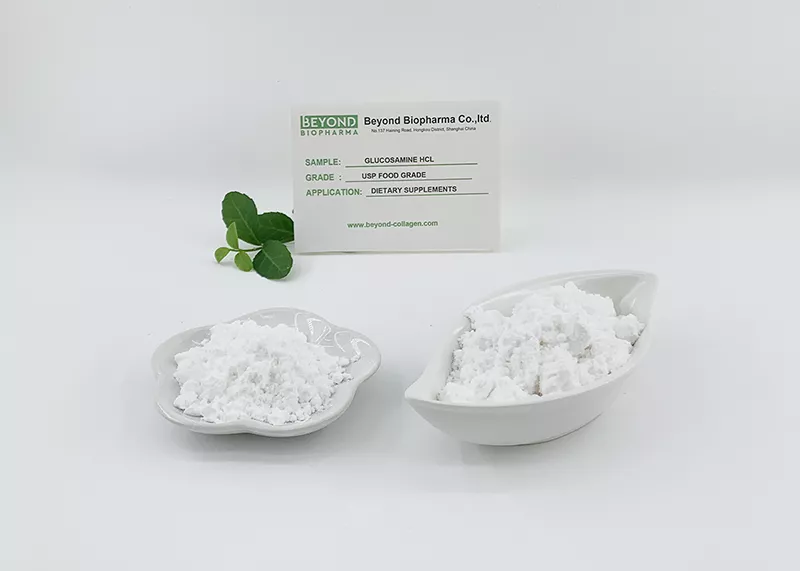
Glucosamine is typically produced through the enzymatic hydrolysis or acid hydrolysis of chitin from shellfish exoskeletons. The resulting glucosamine hydrochloride (HCl) or glucosamine sulfate is then purified and processed into a fine powder. Key quality markers include high purity (typically ≥99%), low moisture content, and excellent solubility. For buyers, common specifications to evaluate include assay percentage, particle size, and heavy metal limits. Below is a table of typical parameter ranges for glucosamine HCl:
| Parameter |
Typical Range |
Notes |
| Assay (Glucosamine HCl) |
≥99% |
Typical industry range; final values per COA / sample. |
| Particle Size |
80–200 mesh |
Typical industry range; final values per COA / sample. |
| Moisture |
≤1.0% |
Typical industry range; final values per COA / sample. |
| Heavy Metals (as Pb) |
≤10 ppm |
Typical industry range; final values per COA / sample. |
Note: These are generic industry parameters. Always request a Certificate of Analysis (COA) and samples for your specific application.
What Are the Applications and Recommended Solutions for Glucosamine?
Glucosamine is widely used across multiple industries. Here is selection guidance by application:
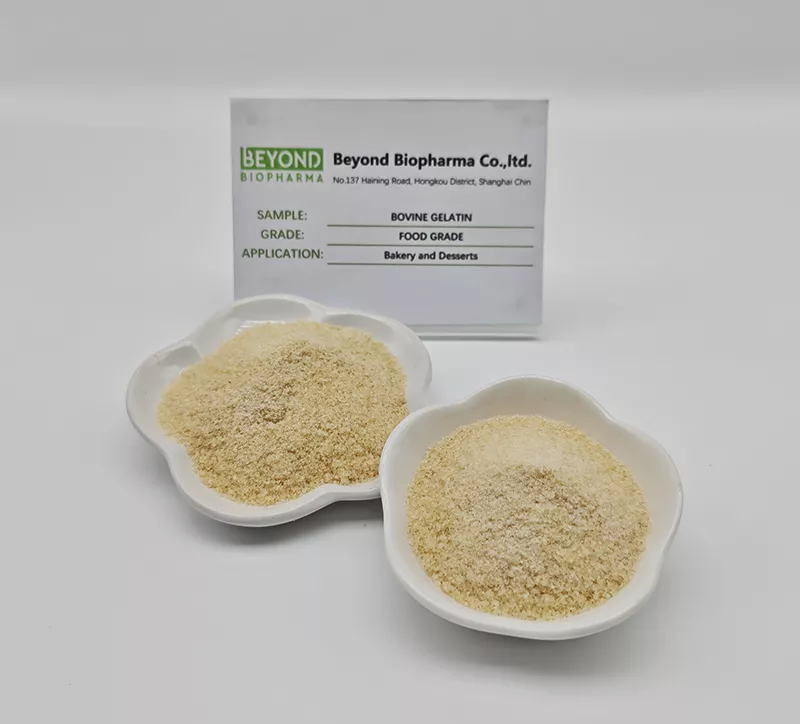
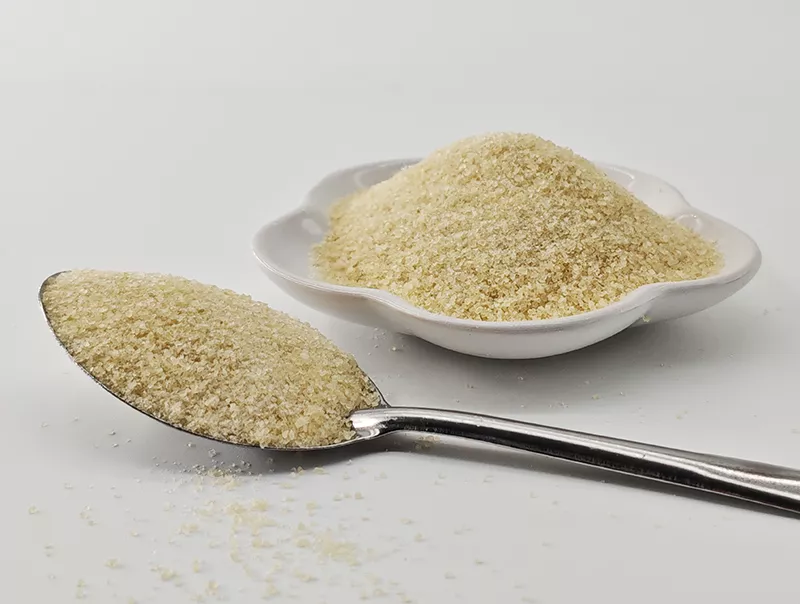
- Food & Gummies/Softgels: Glucosamine HCl is commonly used in gummy supplements and softgel capsules. For gummies, ensure the ingredient is compatible with gelatin or pectin bases. Beyond Biopharma offers food-grade porcine gelatin for gummy applications.
- Hard & Soft Capsules: For capsule formulations, glucosamine powder should have consistent particle size for uniform filling. Pharmaceutical-grade bovine bone gelatin is a reliable option for hard capsules.
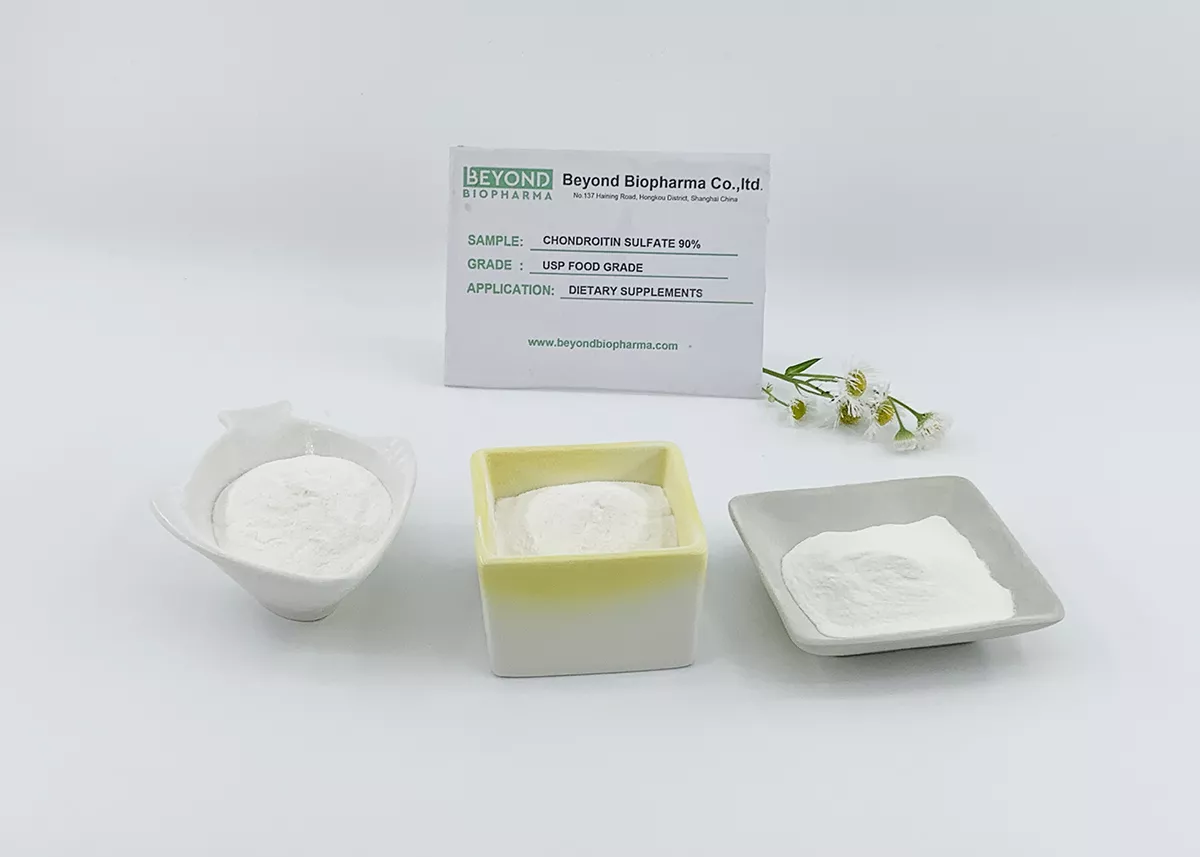
- Sports Nutrition & Joint Health: Glucosamine is often combined with chondroitin and hyaluronic acid for comprehensive joint support. Beyond Biopharma supplies bovine chondroitin sulfate sodium and food-grade hyaluronic acid powder.
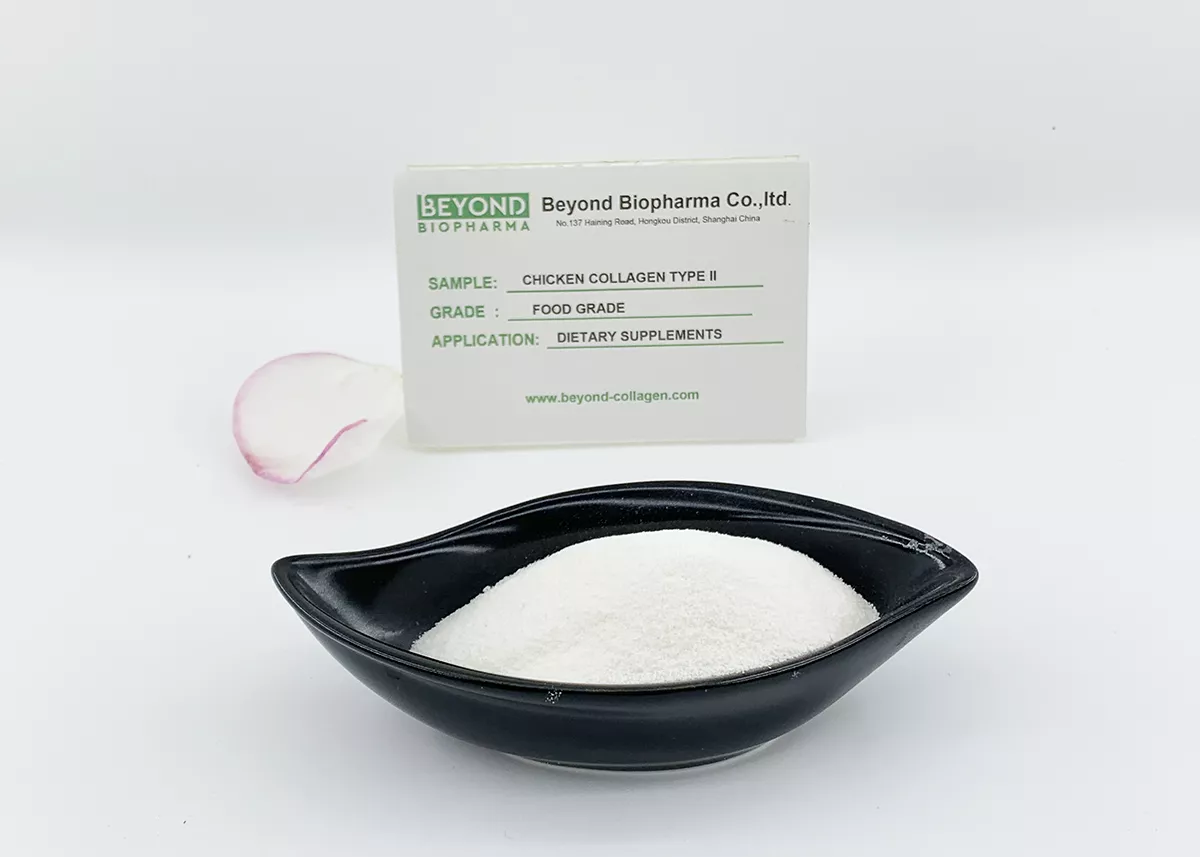
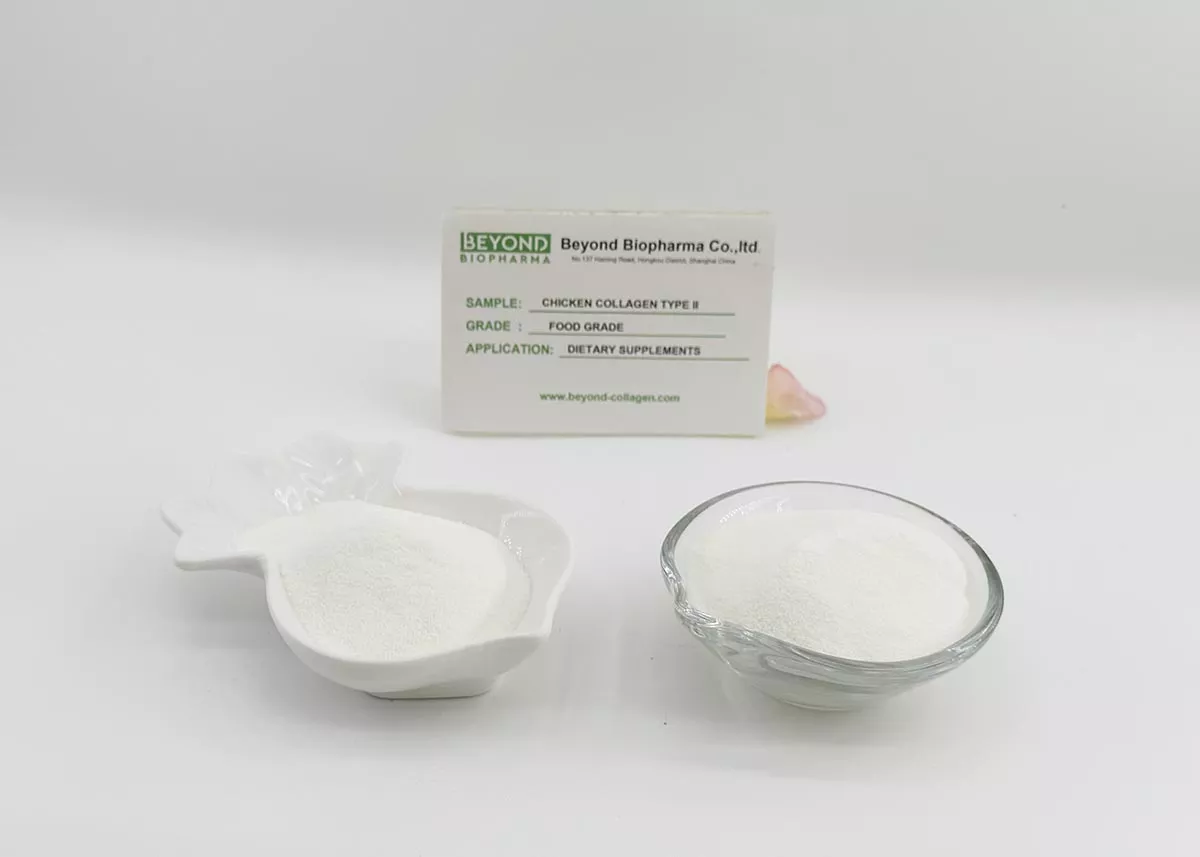
- Beauty-from-Within: For skin and joint formulations, glucosamine can be paired with collagen peptides. Bovine collagen peptide is a popular choice for its high solubility and neutral taste.
- Plant-Based & Vegan Formulations: For vegan or allergen-free products, synthetic glucosamine HCl is available. Beyond Biopharma offers premium vegan glucosamine hydrochloride HCl to meet these requirements.
Why Choose Beyond Biopharma for Your Glucosamine Sourcing?
Beyond Biopharma is a Shanghai, China–based manufacturer with over 10 years of experience in the food-ingredient industry. Our products are exported to more than 50 countries. We operate a fully automatic production line with a GMP clean workshop, stainless-steel sealed piping, and automated temperature/pH control. Our annual capacity is approximately 3,000 MT for collagen and 5,000 MT for gelatin. We hold ISO 9001 certification, are US FDA registered, and select products carry Halal or Kosher certification. Our in-house lab conducts heavy-metal and microbiological testing, supported by a dedicated QA/QC team. We offer free samples and formulation support across three grades: food, pharmaceutical, and cosmetic.
Frequently Asked Questions About Glucosamine
Q: What is the difference between glucosamine HCl and glucosamine sulfate?
A: Glucosamine HCl has a higher purity (typically ≥99%) and is more stable, while glucosamine sulfate often contains salt (e.g., potassium chloride) and may have lower glucosamine content per gram. HCl is preferred for precise dosing.
Q: Is glucosamine suitable for vegans?
A: Standard glucosamine is derived from shellfish, but synthetic glucosamine HCl is available and is suitable for vegan and allergen-free formulations. Beyond Biopharma offers a vegan-grade option.
Q: What certifications should I look for when sourcing glucosamine?
A: Key certifications include ISO 9001, FDA registration, Halal, and Kosher. For pharmaceutical use, GMP compliance is essential. Always request a COA for heavy metals and microbiological safety.
Q: How should glucosamine be stored to maintain stability?
A: Store glucosamine in a cool, dry place away from direct sunlight and moisture. Keep containers tightly sealed. Proper storage ensures a shelf life of up to 2–3 years.
Q: Can glucosamine be combined with other joint health ingredients?
A: Yes, glucosamine is often paired with chondroitin sulfate, hyaluronic acid, and collagen for synergistic joint support. Beyond Biopharma supplies these complementary ingredients.
Q: What is the typical dosage of glucosamine in supplements?
A: Common dosages range from 1,000 to 1,500 mg per day, often divided into two or three doses. Always follow regulatory guidelines for your target market.
Request a Quote for Glucosamine and Joint Health Ingredients
If you are sourcing glucosamine or other joint health ingredients for your next formulation, we invite you to contact Beyond Biopharma. Please provide your application, required grade (food, pharmaceutical, or cosmetic), quantity/MOQ, target specifications (e.g., particle size, purity, certifications), and destination country. We will send you free samples and a competitive quote. Our team is ready to support your product development with high-quality ingredients and reliable supply.
In summary, understanding the properties and applications of glucosamine is essential for making informed sourcing decisions. Whether you need a standard grade or a vegan-certified option, Beyond Biopharma offers consistent quality, global export experience, and dedicated support to meet your joint health ingredient needs.

 English EN








User Comments
Service Experience Sharing from Real Customers
Ethan
High School Track CoachStarted taking this glucosamine about three months ago after my knees started complaining during morning runs. Honestly, I was skeptical, but the difference is night and day. I can push my sprinters again without that grinding feeling. Just wish I’d started sooner.
Liam
Aircraft MechanicBeen on my feet all day on concrete hangar floors for 20 years. My right hip was getting so stiff I could barely bend to check landing gear. A buddy recommended this stuff. Not a miracle cure, but I’ve definitely got more range of motion now and way less morning ache. Worth a try.
Sophie
Veterinary TechnicianI actually bought this for my old Labrador, but after reading the label I figured why not try it for my own creaky wrists? I spend all day lifting heavy animals and restraining dogs. Three weeks in and the clicking sound in my left wrist is gone. My dog is also moving better, so double win.
Marcus
Freelance Graphic DesignerI sit hunched over a tablet for 10 hours a day, so my fingers and neck are basically one big knot. Got this hoping it would help with the joint stiffness in my hands. It’s subtle—I don’t feel like a new man, but I do notice I’m not cracking my knuckles as much. Might need to give it another month.