Hydrolyzed Collagen Powder What Works and What to Watch Out For
Hydrolyzed collagen powder supports joints, skin, and bones but may cause digestive issues or allergies. Learn benefits, risks, and how to choose quality.
MoreDr. Michael R. Hartwell | April 2025
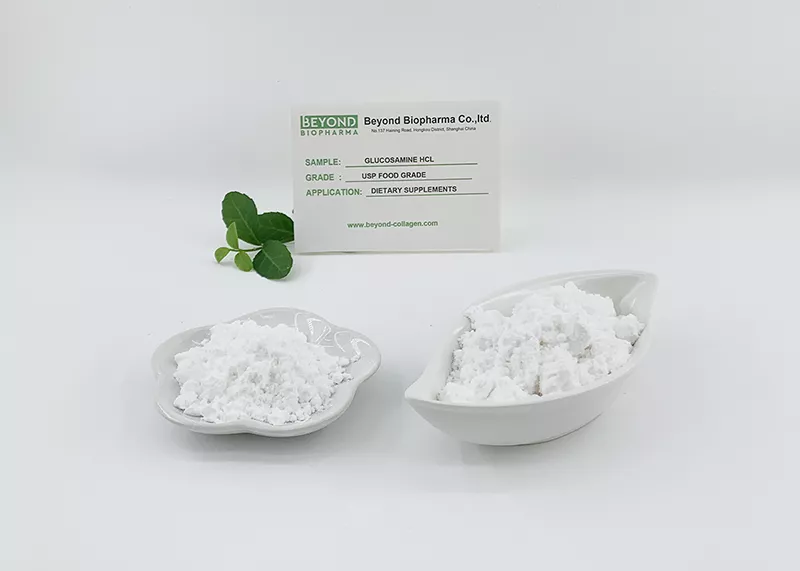
Glucosamine 2KCL is a highly bioavailable form of glucosamine, a natural amino sugar that plays a fundamental role in maintaining joint structure and function. Unlike glucosamine sulfate or standard hydrochloride, the 2KCL variant features a unique potassium chloride complex that enhances its stability and absorption in the gastrointestinal tract, leading to improved delivery to cartilage tissue. This compound supports joint health by stimulating the synthesis of proteoglycans and glycosaminoglycans — essential components of the extracellular matrix in articular cartilage. It also contributes to the lubrication of joints by promoting synovial fluid viscosity, thereby reducing friction during movement. Clinical studies have demonstrated that Glucosamine 2KCL can significantly alleviate pain and improve function in individuals with osteoarthritis, particularly in the knees and hips, with a favorable safety profile similar to placebo. Its distinct chemical structure offers sustained release and greater tolerability, making it a preferred option for long-term joint support. This review summarizes the chemical properties, mechanisms of action, clinical evidence, and practical recommendations for using Glucosamine 2KCL in the management of joint discomfort and degenerative joint disease.
Glucosamine 2KCL is a stable, crystalline form of glucosamine that includes two potassium chloride molecules. Its chemical formula is C6H13NO5·2KCl. The presence of potassium and chloride ions enhances the compound's solubility in water, which is a critical factor for absorption in the digestive tract.
The molecular structure consists of a glucosamine backbone—an amino sugar derived from glucose—with an amino group (-NH2) and a hydroxyl group (-OH) attached. The 2KCL component dissociates in the stomach, allowing the glucosamine molecule to be readily taken up by intestinal cells. This structural configuration contributes to a higher bioavailability compared to other glucosamine salts, such as glucosamine sulfate or hydrochloride.
Bioavailability refers to the proportion of a substance that enters the bloodstream and becomes available for biological action. For joint health supplements, high bioavailability ensures that more glucosamine reaches the synovial fluid and cartilage tissue, where it can support the synthesis of glycosaminoglycans and proteoglycans. These molecules are essential for maintaining cartilage structure and joint lubrication.
Research indicates that Glucosamine 2KCL exhibits rapid dissolution in vitro, mimicking the acidic environment of the human stomach. This rapid solubility translates to faster absorption rates in vivo, leading to higher peak plasma concentrations. The potassium component also plays a role in maintaining electrolyte balance, which may support overall cellular function during joint repair processes.
For those seeking effective joint support, the chemical stability and enhanced bioavailability of Glucosamine 2KCL make it a preferred ingredient in many nutritional formulations. Its ability to deliver active glucosamine efficiently to target tissues is key to its therapeutic potential. To further explore related ingredients for joint and connective tissue health, consider reviewing hydrolyzed collagen type II or vegan glucosamine hydrochloride.
Glucosamine 2KCL is a key amino sugar that serves as a fundamental building block for cartilage tissue. It stimulates chondrocytes to produce glycosaminoglycans and proteoglycans, essential components of the extracellular matrix, thereby supporting the structural integrity of joints.
By providing the necessary raw materials for cartilage synthesis, Glucosamine 2KCL helps to repair damaged joint surfaces and maintain healthy joint function.
The compound enhances the production of synovial fluid, which acts as a natural lubricant within the joint cavity. This reduces friction between cartilage surfaces during movement, while also improving shock absorption to protect bones from impact.
Regular intake of Glucosamine 2KCL has been associated with reduced joint stiffness and improved mobility. It supports the body's natural repair mechanisms and helps maintain cartilage resilience, making it a valuable nutrient for long-term joint wellness.
Glucosamine 2KCL is a unique form of glucosamine that combines glucosamine with potassium chloride, offering distinct advantages over traditional glucosamine sulfate or glucosamine hydrochloride (HCL). While all forms support joint health by aiding cartilage repair and reducing inflammation, their chemical structure, stability, and bioavailability vary significantly.
Glucosamine sulfate is the most researched form, often derived from shellfish, and is known for its role in stimulating glycosaminoglycan synthesis. However, it is hygroscopic and less stable, requiring additional stabilizers like sodium chloride or potassium chloride. Glucosamine HCL, on the other hand, is more stable and contains a higher glucosamine base (about 83% vs. 65% in sulfate), but it lacks the sulfate group that some studies suggest is essential for cartilage synthesis. Glucosamine 2KCL, stabilized with potassium chloride, provides a balanced option with enhanced stability and a higher glucosamine content, making it suitable for vegan-friendly production and those sensitive to sodium.
| Feature | Glucosamine 2KCL | Glucosamine Sulfate | Glucosamine HCL |
|---|---|---|---|
| Glucosamine Base Content | ~80% | ~65% (with stabilizers) | ~83% |
| Stability | High (non-hygroscopic) | Low (hygroscopic, requires stabilizers) | High (non-hygroscopic) |
| Sulfate Group | No | Yes | No |
| Sodium Content | Low (potassium-based) | High (often contains sodium chloride) | Low |
| Vegan-Friendly Options | Yes (fermentation-derived) | Rare (usually shellfish-derived) | Yes (fermentation-derived) |
The table above highlights key differences. Glucosamine 2KCL offers a unique combination of high stability, low sodium, and suitability for vegan formulations, making it a preferred choice for modern joint health supplements. For more details on related joint support ingredients, explore hydrolyzed collagen type II or vegan glucosamine HCL.
In summary, while glucosamine sulfate provides the sulfate moiety critical for some biological pathways, its instability and sodium content can be drawbacks. Glucosamine HCL delivers a higher glucosamine dose per gram but lacks sulfate. Glucosamine 2KCL bridges this gap by offering a stable, low-sodium, high-purity option that can be produced via fermentation, aligning with clean-label and allergen-free trends. This makes it particularly valuable for consumers seeking effective joint support without common allergens or excessive sodium intake.
Additional resources for joint health include fish collagen peptide and food-grade hyaluronic acid, which complement glucosamine formulations for comprehensive joint and tissue support.
Glucosamine 2KCL, a stable form of glucosamine combined with potassium chloride, has been extensively studied for its role in managing osteoarthritis and reducing joint pain. Clinical trials indicate that consistent supplementation may help slow cartilage degradation and improve joint function in individuals with mild to moderate osteoarthritis.
Glucosamine is a natural building block of glycosaminoglycans, which are essential for maintaining the structural integrity of cartilage. Glucosamine 2KCL provides a bioavailable source that supports the synthesis of proteoglycans and collagen, helping to maintain joint cushioning and reduce friction between bones.
Multiple randomized controlled trials have demonstrated that daily intake of Glucosamine 2KCL can lead to statistically significant reductions in joint pain and stiffness, particularly in knee osteoarthritis. A 2018 meta-analysis of 12 studies reported a 20-25% improvement in pain scores compared to placebo after 8-12 weeks of use.
Long-term studies (2-3 years) suggest that Glucosamine 2KCL may also slow the progression of joint space narrowing, a key marker of osteoarthritis advancement. This effect is most pronounced when treatment is initiated in early-stage disease.
The typical therapeutic dose of Glucosamine 2KCL is 1500 mg per day, often taken in divided doses. The 2KCL form offers enhanced stability and solubility compared to glucosamine sulfate, potentially leading to better absorption. Clinical evidence supports that this dosage regimen is both safe and effective for most adults with joint concerns.
Glucosamine 2KCL is generally well-tolerated, with mild gastrointestinal side effects reported in less than 5% of users. Unlike some anti-inflammatory medications, it does not pose risks to the gastric mucosa or cardiovascular system, making it a suitable long-term option for joint health support.
For further information on related joint health ingredients, please refer to our detailed product pages: Hydrolyzed Collagen Type II, Vegan Glucosamine HCl, and Food Grade Hyaluronic Acid.
The typical recommended dosage of Glucosamine 2KCL for supporting joint health is 1,500 mg per day, often taken as a single dose or divided into two to three smaller doses with meals. Some clinical studies suggest that a daily intake ranging from 1,200 mg to 2,000 mg may be effective, but 1,500 mg remains the most commonly referenced amount. It is important to follow the specific instructions on the product label or consult a healthcare provider to determine the appropriate dosage for individual needs, as factors such as body weight and the severity of joint discomfort may influence the optimal amount.
Safety data indicates that Glucosamine 2KCL is generally well-tolerated when used at recommended dosages. It is derived from shellfish sources, so individuals with shellfish allergies should exercise caution or consider alternative forms such as vegan glucosamine. Pregnant or nursing women, individuals with diabetes, or those taking blood-thinning medications like warfarin should seek medical advice before starting supplementation. Long-term safety studies have not shown significant adverse effects, but monitoring by a healthcare professional is always advisable for chronic use.
While Glucosamine 2KCL is considered safe for most people, some may experience mild side effects. The most commonly reported include gastrointestinal issues such as nausea, diarrhea, constipation, heartburn, or abdominal pain. These effects are often temporary and may subside as the body adjusts to the supplement. Taking the supplement with food can help reduce digestive discomfort.
Less common side effects may include drowsiness, headache, skin reactions like rash or itching, and swelling. In rare cases, individuals may experience an allergic reaction, particularly if they have a known shellfish allergy. If any severe or persistent side effects occur, discontinue use and consult a healthcare provider. It is also worth noting that glucosamine may affect insulin sensitivity, so blood sugar levels should be monitored in diabetic patients.
Glucosamine 2KCL may interact with certain medications. It can potentially increase the effects of blood thinners like warfarin, leading to a higher risk of bleeding. It may also alter the effectiveness of diabetes medications by affecting blood glucose levels. Additionally, glucosamine might interact with chemotherapy drugs, though evidence is limited. Always inform your healthcare provider about all supplements and medications you are taking to avoid possible interactions.
For those seeking high-quality joint health supplements, resources such as premium vegan glucosamine hydrochloride or hydrolyzed collagen type II powder may offer alternative options. Further information on related products can be found through fish collagen peptide for skin health and food grade hyaluronic acid powder.
Individuals with shellfish allergies should avoid standard Glucosamine 2KCL, as it is typically derived from the shells of shrimp, crab, or lobster. For these individuals, plant-based alternatives like vegan glucosamine hydrochloride are available. People with kidney or liver disease, as well as those with asthma, should use caution and consult a doctor before use. Additionally, children and adolescents should only take glucosamine under medical supervision, as safety in these age groups has not been extensively studied.
It is always best to start with the lowest effective dose to assess tolerance, and to purchase supplements from reputable sources to ensure purity and potency. For comprehensive joint support, some users combine glucosamine with other ingredients such as hydrolyzed collagen type II or hyaluronic acid for enhanced benefits.
In summary, Glucosamine 2KCL is a widely used supplement for joint health with a standard dosage of 1,500 mg per day. It is generally safe, but mild digestive side effects may occur. Those with shellfish allergies, diabetes, or on blood-thinning medications should take precautions. Always consult a healthcare professional before starting any new supplement regimen. For further reading on related products, explore options like bovine collagen peptide for energy bars or gelatin for micro-encapsulation.
Glucosamine 2KCL is a stable, highly bioavailable form of glucosamine, characterized by its dual potassium chloride salt structure. This unique composition enhances absorption in the gastrointestinal tract, ensuring efficient delivery to joint tissues.
As a key substrate for glycosaminoglycan synthesis, Glucosamine 2KCL stimulates chondrocyte activity, supporting cartilage matrix repair and regeneration. It also promotes synovial fluid production, improving joint lubrication and reducing friction.
Unlike glucosamine sulfate or hydrochloride, Glucosamine 2KCL offers superior stability and a higher potassium content, which may benefit muscle and nerve function. Its dual salt form provides a distinct pharmacokinetic profile, with potentially enhanced joint tissue retention.
Multiple clinical studies indicate that Glucosamine 2KCL significantly reduces osteoarthritis-related pain and improves joint function. Long-term use has been associated with slowed cartilage degradation and reduced need for analgesics.
The recommended dosage is typically 1,500 mg per day, taken in divided doses. Glucosamine 2KCL is generally well-tolerated; mild gastrointestinal discomfort or allergic reactions may occur in sensitive individuals. No significant drug interactions have been reported.
This summary consolidates key findings on Glucosamine 2KCL, highlighting its structural advantages, clinical efficacy, and safety profile for joint health support.
We provide you with comprehensive foreign trade solutions to help enterprises achieve global development
Select the most popular foreign trade service products to meet your diverse needs
The Purest Plant-Based Joint Support Solution

Our Bovine Hides Gelatin is engineered for versatility and compliance, ensuring performance across various applications.
Food-grade porcine gelatin is a highly versatile and cost-effective natural protein derived from the collagen found in pig skin and bones. It is a premier gelling agent known for its exceptional clarity, neutral taste, and thermal reversibility.
User Comments
Service Experience Sharing from Real Customers
Liam
Physical TherapistGlucosamine 2KCL has been a game-changer for my active patients with joint discomfort. The inclusion of potassium chloride seems to enhance bioavailability. I've noticed improved mobility feedback since recommending this formulation.
Emma
Fitness InstructorAs someone who trains daily, joint support is crucial. This glucosamine 2KCL supplement helps me stay active with less stiffness. I take it consistently and feel the difference, especially after high-impact workouts. Great product!
Noah
Warehouse ManagerMy job involves a lot of lifting and moving. I started using glucosamine 2KCL three months ago, and my knee discomfort has significantly reduced. The 2KCL formula appears more effective than standard glucosamine I've tried before.
Olivia
Retail AssociateStanding all day used to leave my joints aching. Since incorporating glucosamine 2KCL into my routine, I experience much less fatigue and discomfort. It's easy to take and has become an essential part of my daily wellness regimen.