 English EN


Fish Gelatin vs Bovine and Pork Gelatin What Sets Them Apart
Fish gelatin differs from bovine and pork gelatin in melting point, texture, and dietary suitability, making it ideal for soft desserts and special diets.
More
Sourcing a consistent, high-purity glucosamine hydrochloride batch can be a real headache for procurement managers and product developers. Issues like batch-to-batch inconsistency, off-odor, poor solubility, and lack of necessary certifications (Halal, Kosher, allergen-free) often delay product launches and increase costs. Glucosamine Hydrochloride is a stable, water-soluble salt form of glucosamine, commonly derived from shellfish chitin, used to support joint health and cartilage maintenance. It is a preferred raw material for dietary supplements, pharmaceutical formulations, and functional foods.
The production of glucosamine hydrochloride typically involves the enzymatic or acid hydrolysis of chitin extracted from shrimp or crab shells. The process removes proteins and minerals, then converts chitin into glucosamine, which is further purified and crystallized into a hydrochloride salt form. This yields a white, free-flowing powder with high solubility and stability.
In the body, glucosamine HCl is a key building block for glycosaminoglycans, which are essential for forming and repairing joint cartilage. It helps stimulate the production of collagen and proteoglycans, supporting joint lubrication and reducing inflammation. Unlike glucosamine sulfate, the HCl form does not contain sulfate and is often preferred for individuals with sulfate sensitivity. Typical industry molecular weight ranges for glucosamine HCl are around 179.2 Da (monomer), with purity levels above 99%.
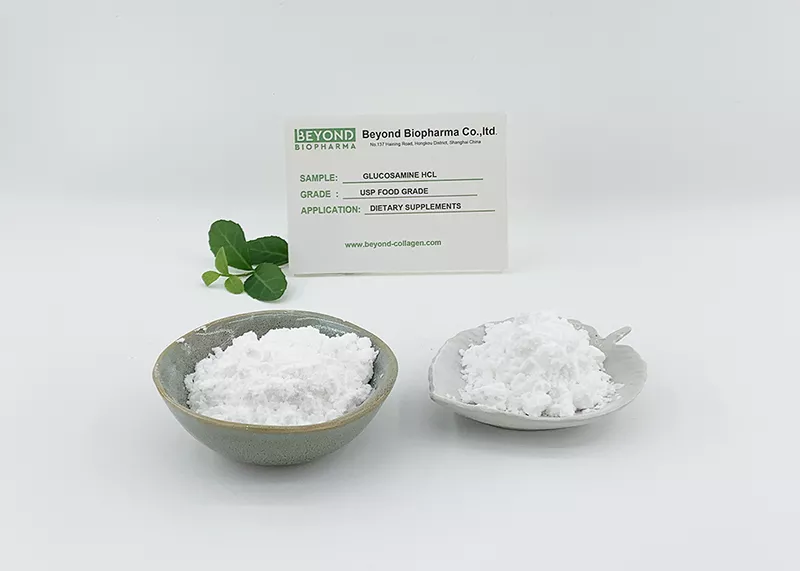
When evaluating glucosamine hydrochloride for your supply chain, focus on these common parameters. The table below lists typical industry ranges; final values should always be confirmed via Certificate of Analysis (COA) and sample testing.
| Parameter | Typical Industry Range | Notes |
|---|---|---|
| Assay (Purity) | ≥ 99% | HPLC method; high purity ensures efficacy. |
| Molecular Weight | ~179.2 Da (monomer) | Consistent with pharmacopoeia standards. |
| pH (1% solution) | 3.0 – 5.0 | Acidic nature; stable in dry form. |
| Loss on Drying | ≤ 1.0% | Low moisture ensures shelf stability. |
| Heavy Metals | ≤ 10 ppm | Compliant with food/pharma limits. |
| Solubility | Freely soluble in water | Clear solution; no visible residue. |
| Mesh Size | 80 – 100 mesh | Standard for encapsulation and blending. |
Note: These are typical industry ranges; final values per COA and sample. Always request a sample for your specific application.
Glucosamine hydrochloride is used across multiple industries. Choosing the right grade depends on your target market and regulatory requirements. Below is a selection guide:
Beyond Biopharma, based in Shanghai, China, is a reliable B2B manufacturer with over 10 years of experience in the food-ingredient industry. Our products are exported to more than 50 countries, and we support custom bulk supply, formulation, and OEM services.
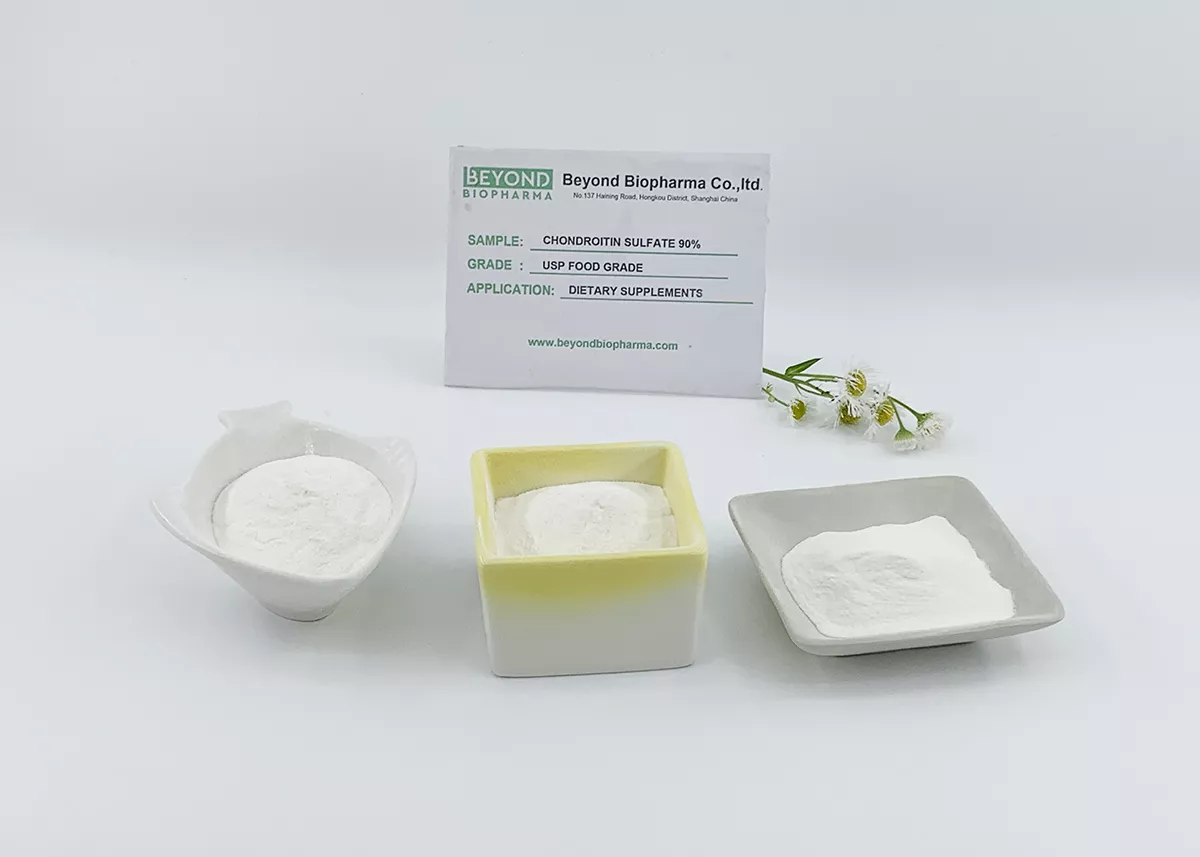
Q: What is the difference between glucosamine hydrochloride and glucosamine sulfate?
A: Glucosamine HCl contains a chloride molecule and is more concentrated (about 83% glucosamine base) compared to glucosamine sulfate (about 62% base). The HCl form is more stable, has better solubility, and is preferred for individuals with sulfate sensitivity or those taking higher doses.
Q: Is glucosamine hydrochloride suitable for vegans?
A: Standard glucosamine HCl is derived from shellfish chitin, making it unsuitable for vegans. However, Beyond Biopharma offers a premium vegan glucosamine hydrochloride sourced from non-animal origins, ideal for plant-based and allergen-free formulations.
Q: What certifications should I look for when sourcing glucosamine HCl?
A: Key certifications include ISO 9001, FDA registration, Halal, Kosher, and non-GMO verification. For pharmaceutical use, ensure compliance with USP or EP pharmacopoeia standards. Always request a COA for heavy metals, microbial limits, and purity.
Q: How should glucosamine hydrochloride be stored?
A: Store in a cool, dry place below 25°C (77°F) in a tightly sealed container away from direct sunlight and moisture. Proper storage ensures a shelf life of at least 24 months. Avoid exposure to high humidity to prevent caking.
Q: Can glucosamine HCl be used in combination with other joint health ingredients?
A: Yes, it is commonly paired with chondroitin sulfate, hyaluronic acid, and collagen peptides for synergistic effects. Beyond Biopharma supplies all these ingredients, allowing you to source multiple components from one manufacturer.
Q: What is the typical dosage for glucosamine hydrochloride in supplements?
A: Typical dosages range from 1,000 mg to 1,500 mg per day, often divided into two or three doses. Always follow local regulatory guidelines and consult a healthcare professional for specific recommendations.
Ready to source high-quality glucosamine hydrochloride for your next project? Contact Beyond Biopharma with the following details so we can provide a tailored quote and free sample:
We will send you a free sample, product COA, and a competitive quote within 48 hours. Our team is ready to support your formulation and sourcing needs with reliable, consistent glucosamine hydrochloride supply.

We provide you with comprehensive foreign trade solutions to help enterprises achieve global development
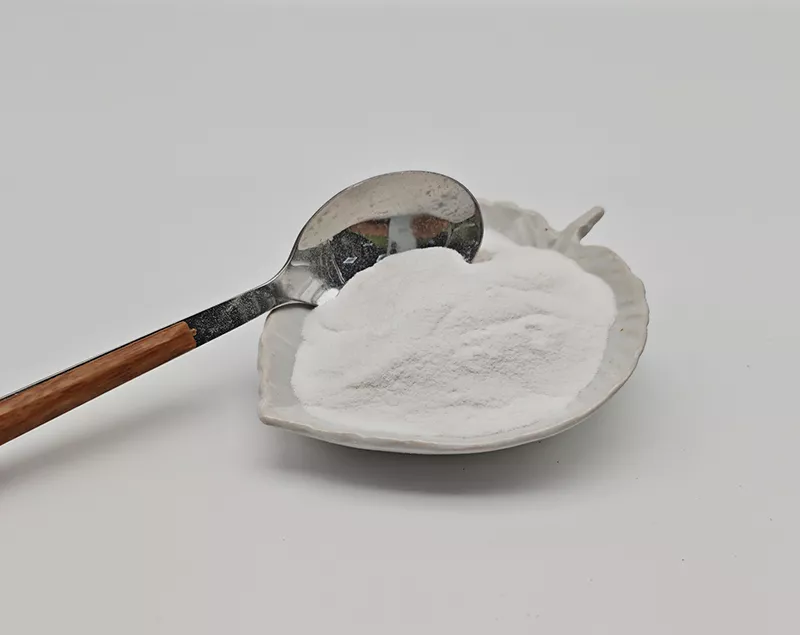
Fish Gelatin for foods is increasingly recognized as the premium alternative to traditional mammalian sources, meeting the growing global demand for clean-label ingredients that align with diverse dietary and religious requirements. Derived from the skin and scales of fish like cod and tilapia, fish gelatin offers unique functional benefits that make it an exceptional gelling, stabilizing, and texturizing agent.
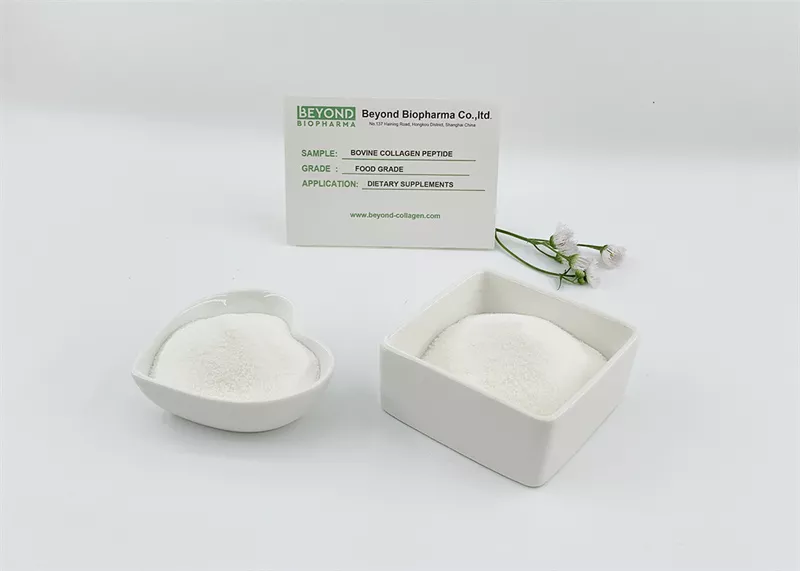
Manufacturer of bovine collagen peptide, shipping in containers all around the world
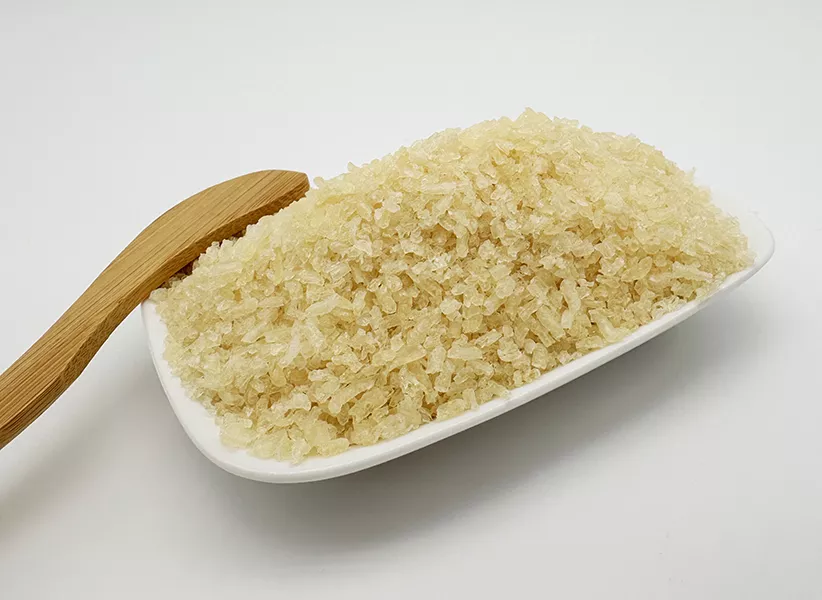
Our Bovine Hides Gelatin is engineered for versatility and compliance, ensuring performance across various applications.
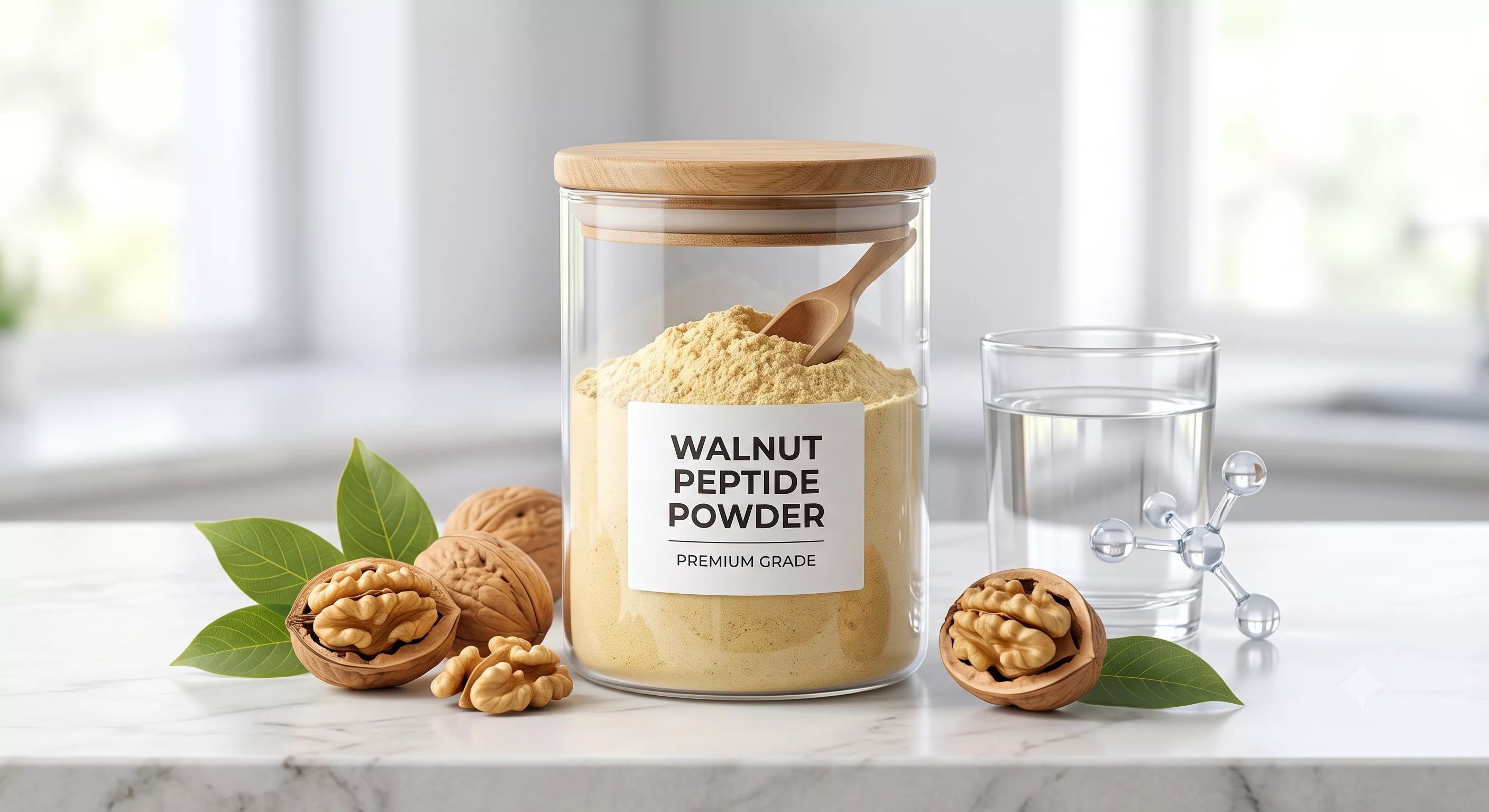
Source wholesale hydrolyzed walnut protein peptide powder in bulk. Over 85% low-molecular-weight oligopeptides rich in Glutamic Acid. Perfect for cognitive formulas and sleep aid supplements.
Select the most popular foreign trade service products to meet your diverse needs
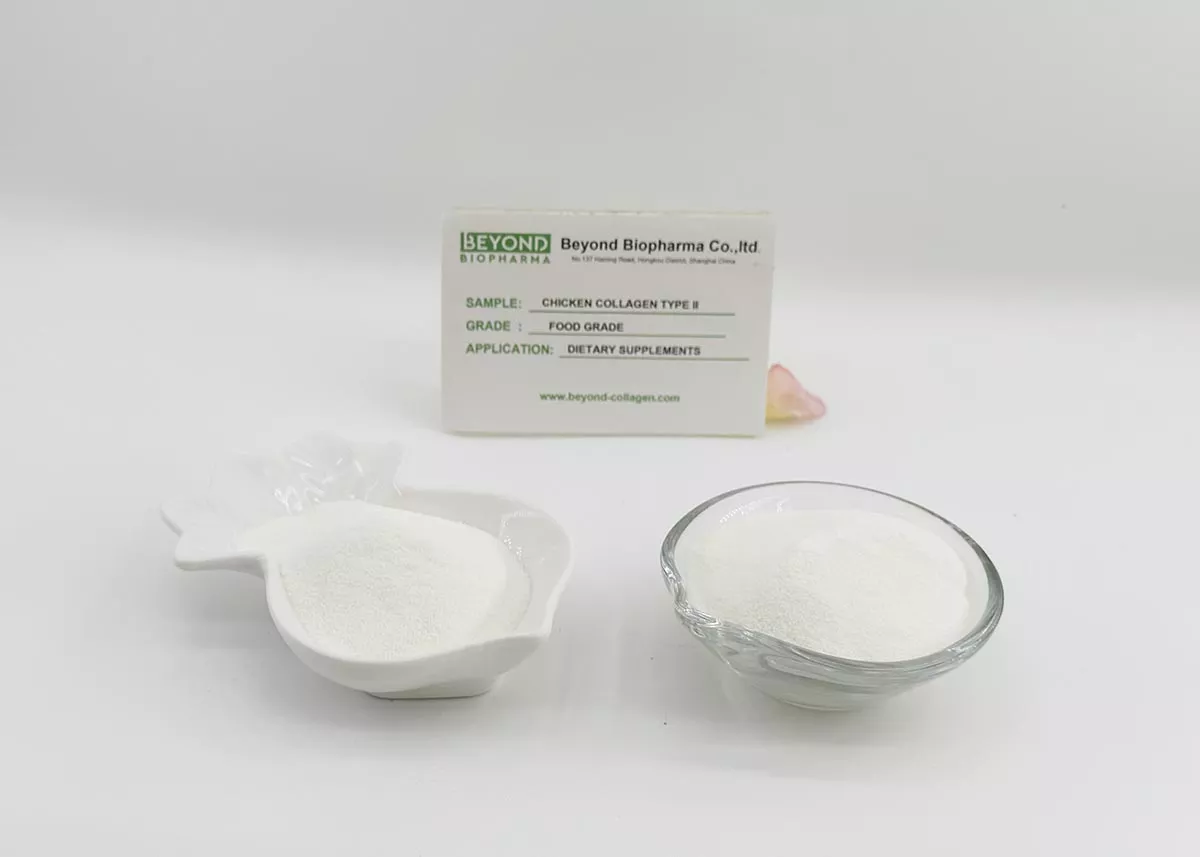
BEYOND BIOPHARMA is a specialized manufacturer of highly purified Hydrolyzed Collagen Type II. Through advanced enzymatic hydrolysis, we create low-molecular-weight collagen peptides that are highly bioavailable, offering foundational nutritional support for cartilage repair, joint function, and skin health. Our product is designed for rapid absorption and maximum efficacy in oral supplements.
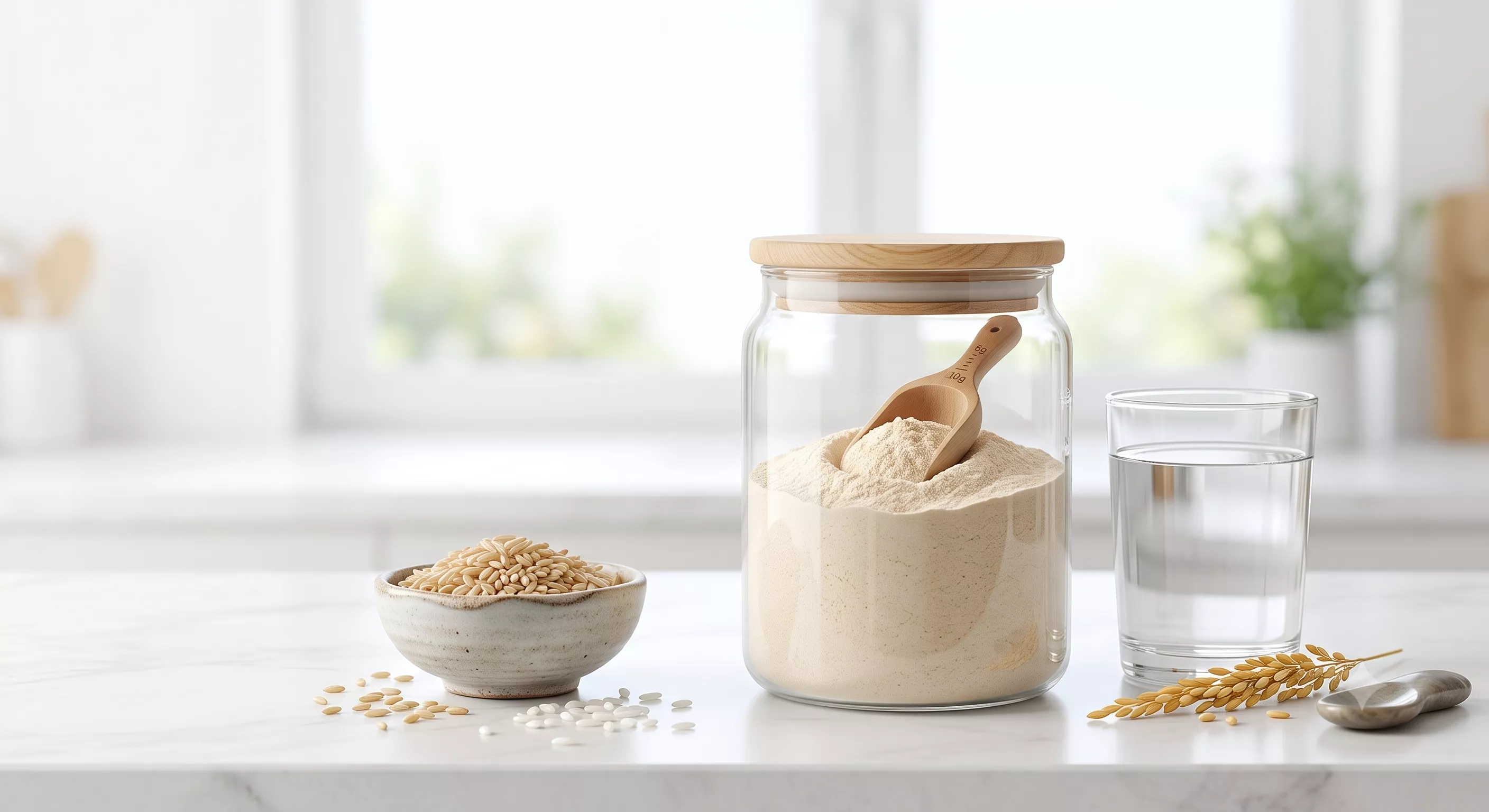
Source ultra-pure, 100% water-soluble wholesale hydrolyzed rice protein peptide in bulk. Over 85% molecules under 1000 Da. Ideal for infant nutrition, clean-label sports formulas, and sensitive skincare.
Manufacturer of bovine collagen peptide, shipping in containers all around the world
Tel:+86 21 65010906
Cell/Whatsapp/Wechat:
+86 13482884055
+86 18657345785
Email: sales@beyondbiopharma.com





User Comments
Service Experience Sharing from Real Customers
Megan
Physical TherapistI've been recommending glucosamine HCl to my patients with mild osteoarthritis for years. The hydrochloride form seems to absorb better than sulfate for some. This brand is consistently pure – no fillers that upset sensitive stomachs. It's not a miracle cure, but combined with exercise, it genuinely helps maintain joint comfort. Wiki actually has a decent breakdown of the science behind it.
Leo
Construction SupervisorMy knees were shot after 20 years on job sites. Started taking this about 8 months ago after reading up on Wiki – wanted to understand the difference between HCl and others. The stiffness in the morning is way down. I can actually climb ladders without wincing every time. It's a staple in my daily routine now. Simple, effective, no nonsense.
Chloe
Graphic DesignerAs someone who sits all day but hikes on weekends, my hips get cranky. I was skeptical, but the Wiki page helped clarify the hydrochloride form is often more concentrated. I've noticed a real difference in recovery time after long hikes – less of that 'creaky' feeling. The only reason it's not a 5 is the capsules are a bit large to swallow.
Raj
Retired TeacherAfter my doctor mentioned glucosamine, I fell down a Wikipedia rabbit hole comparing sources. Settled on HCl for its purity. Been taking it for my arthritic hands for 6 months. The improvement is subtle but real – I can write letters and garden longer without pain. It's a relief to find something that works without a prescription. Feels good to be an informed consumer.