
EN
Gelatin is one of those quietly essential ingredients that shows up in everything from gummy vitamins and marshmallows to hard capsules and collagen supplements. If you are sourcing edible or pharmaceutical-grade gelatin for your brand, the manufacturer you choose affects your product quality, regulatory compliance, and supply reliability. This guide walks through ten healthy gelatin manufacturers worth knowing, what each does well, and how to evaluate them against your own production needs.
Gelatin is a protein derived from collagen, typically from bovine or porcine sources. Its functional properties — gelling, thickening, stabilizing, and film-forming — depend heavily on the source material, extraction process, and grade. Food-grade gelatin and pharmaceutical-grade gelatin are not interchangeable, and even within food-grade, bloom strength and viscosity can vary significantly between suppliers.
For buyers, this means the cheapest quote is rarely the best deal. A manufacturer with consistent bloom values, documented traceability, and capacity to scale with your orders will save you far more in reformulation headaches and batch rejections than a low unit price ever will. The ten manufacturers below represent a cross-section of the global gelatin supply landscape, from large integrated producers to specialized collagen and gelatin suppliers.
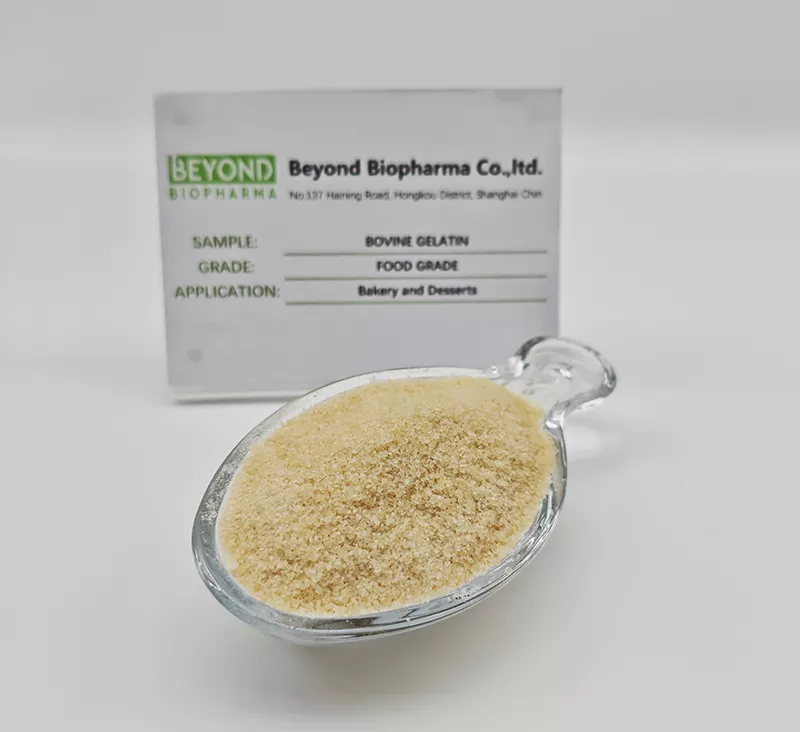
Beyond Biopharma is a Shanghai-based manufacturer and supplier of collagen bulk powder and gelatin for the food, beverage, nutritional supplement, and pharmaceutical industries. The company brings over 20 years of experience in collagen and biopolymer production, with an edible bovine gelatin capacity of 5,000 tons per year. That capacity matters for brands that need sustained supply without switching manufacturers mid-growth.
Their edible bovine gelatin is produced to USP standard appearance requirements, and the company also offers customized gelatin solutions — including bloom strength adjustments, particle size specifications, and premix formulations — for customers with specific application needs. Beyond Biopharma's technical services cover formula development, stability testing, sensory improvement, and application testing across different dosage forms, which is useful if you are developing a new gummy, capsule, or functional food product and need formulation support alongside raw material supply.
The company also produces hydrolyzed fish collagen peptide, fish collagen tripeptide, hydrolyzed bovine collagen peptide, hydrolyzed chicken collagen type II, and undenatured type II chicken collagen. For brands building products that sit at the intersection of gelatin and collagen — such as Joint & Bone Health supplements — having a single supplier for both ingredient categories simplifies procurement and quality auditing.
Their OEM/ODM services include customized premix solutions, semi-finished product processing, and flexible production capacity for different market stages. For a brand launching its first gelatin-based product, this reduces the complexity of sourcing multiple ingredients from multiple vendors.
Gelita is one of the largest gelatin manufacturers in the world, headquartered in Germany, with production facilities across Europe, the Americas, and Asia. The company offers a broad portfolio of gelatin and collagen peptides for food, pharmaceutical, and technical applications. Gelita is known for its investment in research and development, particularly in collagen peptide science, and its products are supported by published clinical studies in areas like joint health and skin elasticity.
For buyers, Gelita's scale means reliable supply and consistent quality, though minimum order quantities and pricing may be less flexible for smaller brands. Their pharmaceutical-grade gelatin is widely used in capsule manufacturing, and their edible gelatin covers confectionery, dairy, and dessert applications.
Rousselot, part of the Darling Ingredients group, is a global gelatin and collagen peptide producer with facilities in Europe, South America, and Asia. The company has a strong presence in both edible and pharmaceutical gelatin, and its collagen peptides are used in nutritional supplements and functional foods. Rousselot emphasizes traceability and has invested in documentation systems that support regulatory submissions in multiple markets.
Their gelatin grades cover a range of bloom strengths and viscosities, and they offer application-specific solutions for gummies, capsules, and dairy products. Like Gelita, Rousselot operates at a scale that suits large-volume buyers, though they also work with mid-sized brands through their distribution network.
Nitta Gelatin is a Japanese manufacturer with a long history in gelatin and collagen production. The company is known for its pharmaceutical-grade gelatin, which is used in capsule and tablet manufacturing, as well as its edible gelatin for confectionery and food applications. Nitta Gelatin has production facilities in Japan, the United States, and other regions, and it maintains strict quality control standards that appeal to pharmaceutical and nutraceutical buyers.
Their collagen peptides are also used in sports nutrition and joint health products. For brands targeting Asian markets or requiring Japanese-quality manufacturing standards, Nitta Gelatin is a strong candidate.
Weishardt is a French gelatin and collagen peptide manufacturer with a focus on high-quality edible and pharmaceutical gelatin. The company operates production sites in France and has a reputation for consistent product quality and technical support. Weishardt's gelatin is used in confectionery, dairy, meat processing, and capsule manufacturing.
Their collagen peptides are marketed for joint health, skin health, and sports nutrition applications. Weishardt is a mid-sized player compared to Gelita and Rousselot, which can mean more flexibility on order sizes and customization for smaller brands.
Trobas Gelatine, based in the Netherlands, is a gelatin manufacturer that focuses on edible gelatin for the food industry. The company produces gelatin from bovine and porcine sources and offers a range of bloom strengths for different applications. Trobas is known for its customer-oriented approach and flexibility in serving mid-sized food manufacturers.
Their gelatin is used in gummies, marshmallows, desserts, and dairy products. For food brands in Europe looking for a regional supplier with shorter lead times, Trobas is worth considering.
Sterling Gelatin, based in India, is one of the larger gelatin manufacturers in Asia. The company produces edible and pharmaceutical gelatin from bovine and porcine sources, with a focus on serving customers in India, Southeast Asia, and the Middle East. Sterling Gelatin offers a range of bloom strengths and particle sizes, and their pharmaceutical gelatin is used in capsule manufacturing.
For brands sourcing from Asia, Sterling Gelatin provides a cost-competitive option with regional supply chain advantages. Their documentation and quality systems have improved in recent years, though buyers should still conduct their own audits.
PB Gelatins, part of the Tessenderlo Group, is a global gelatin manufacturer with production facilities in Europe and the Americas. The company offers edible, pharmaceutical, and technical gelatin, with applications ranging from confectionery and dairy to capsules and photographic film. PB Gelatins is known for its consistent quality and broad product range.
Their pharmaceutical gelatin meets USP and EP standards, and they provide comprehensive documentation for regulatory submissions. For brands needing a reliable European supplier with global reach, PB Gelatins is a solid choice.
Cda Gelatin, based in France, is a smaller gelatin manufacturer that specializes in edible gelatin for the food industry. The company produces gelatin from porcine and bovine sources and offers customized bloom strengths and particle sizes. Cda Gelatin is known for its flexibility and willingness to work with smaller orders and custom specifications.
For artisanal food producers or brands developing niche products, Cda Gelatin's smaller scale can be an advantage. Their gelatin is used in confectionery, desserts, and meat processing.
Lapi Gelatine, based in Italy, is a gelatin manufacturer with a focus on edible gelatin for the food industry. The company produces gelatin from bovine and porcine sources and offers a range of bloom strengths for confectionery, dairy, and dessert applications. Lapi Gelatine is known for its technical support and application expertise, particularly in gummy and marshmallow production.
For food brands in Southern Europe, Lapi Gelatine offers a regional supply option with shorter lead times and personalized service.
Choosing a gelatin manufacturer is not just about comparing price per kilogram. Here are the factors that matter most in a sourcing decision:
Bloom strength consistency. Bloom strength affects gel formation, texture, and mouthfeel. A manufacturer that can consistently deliver the bloom strength you specify — batch after batch — saves you from reformulating and re-testing. Ask for batch-specific COAs and check the variance across multiple lots.
Source traceability and documentation. Gelatin is an animal-derived ingredient, so traceability from raw material to finished powder is essential for regulatory compliance and brand trust. Look for manufacturers that provide TSE/BSE-free declarations, origin certificates, and allergen statements as standard practice, not as special requests.
Grade suitability. Food-grade gelatin and pharmaceutical-grade gelatin have different purity requirements and documentation needs. If you are producing capsules, you need a supplier with a proven pharmaceutical-grade track record. If you are making gummies, food-grade gelatin with the right bloom and viscosity is sufficient.
Capacity and lead time. A manufacturer with 5,000 tons per year of capacity, like Beyond Biopharma, can handle volume growth without disrupting supply. Smaller manufacturers may offer more flexibility on order size but could struggle to scale with you. Ask about lead times at different order volumes and whether they have buffer stock for repeat customers.
Technical support and customization. Some manufacturers offer only standard grades, while others provide application testing, formula development, and custom premix solutions. If you are developing a new product or reformulating an existing one, the manufacturer's technical team can be as important as the raw material itself. Beyond Biopharma, for example, offers sensory improvement and stability testing services that help brands reduce development risk.
Regulatory support for your target markets. If you sell in multiple countries, you need a manufacturer whose documentation meets the requirements of each market. USP, EP, Halal, Kosher, and clean-label certifications all matter depending on your customer base. Confirm upfront which certifications the manufacturer holds and whether they can provide the specific documents your regulatory team needs.
Gelatin and collagen peptides come from the same raw material — collagen — but they are processed differently and serve different functions. Gelatin is partially hydrolyzed collagen that forms a gel when dissolved in hot water and cooled. It is used for its gelling, thickening, and stabilizing properties in foods and capsules. Collagen peptides are more extensively hydrolyzed, breaking the protein into smaller peptides that dissolve in cold water and do not gel. They are used as nutritional ingredients in supplements and functional foods.
For brands developing joint health or bone health products, collagen peptides are typically the ingredient of choice because of their bioavailability and clinical evidence base. For brands developing gummies, marshmallows, or capsules, gelatin is the functional ingredient. Some manufacturers, like Beyond Biopharma, produce both, which allows brands to source gelatin and collagen peptides from a single supplier. If your product line spans both categories — for example, a gummy multivitamin with collagen and a joint health capsule — consolidating suppliers can simplify quality auditing and procurement. You can explore related ingredient categories like Plant Protein Peptides Applications if you are also developing plant-based or hybrid formulations.
What is the difference between edible and pharmaceutical gelatin? Pharmaceutical gelatin has stricter purity requirements, tighter bloom and viscosity specifications, and more comprehensive documentation. It is used in capsule shells and tablet coatings. Edible gelatin is used in food applications and has a broader specification range.
Can I get custom bloom strengths? Many manufacturers offer custom bloom strengths, but the range and minimum order quantities vary. Ask your supplier what bloom strengths they can produce and whether customization affects lead time.
How do I verify a manufacturer's quality claims? Request COAs for recent batches, ask for third-party test results if available, and consider an audit or sample testing before committing to a large order. Reputable manufacturers welcome this process.
What lead times should I expect? Lead times depend on order volume, customization requirements, and the manufacturer's current production schedule. Standard grades from stock may ship in days to weeks, while custom specifications can take longer. Always confirm lead time in writing before placing an order.
The right gelatin manufacturer is the one that matches your quality requirements, order volume, technical support needs, and target markets. Large global players like Gelita and Rousselot offer scale and research depth. Regional manufacturers like Trobas and Lapi offer flexibility and shorter lead times. And integrated suppliers like Beyond Biopharma offer both gelatin and collagen peptides with customization and OEM/ODM support, which can be valuable for brands building a portfolio of gelatin-based and collagen-based products.
Whichever manufacturer you choose, do the groundwork: request samples, review documentation, ask about capacity and lead times, and test the material in your actual formulation before scaling up. A few weeks of diligence at the sourcing stage can save months of reformulation later.


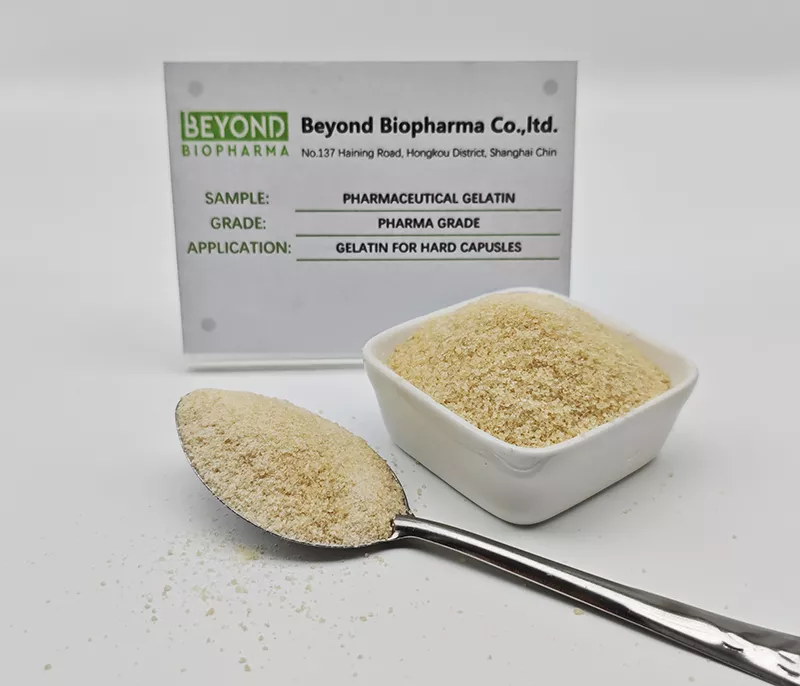
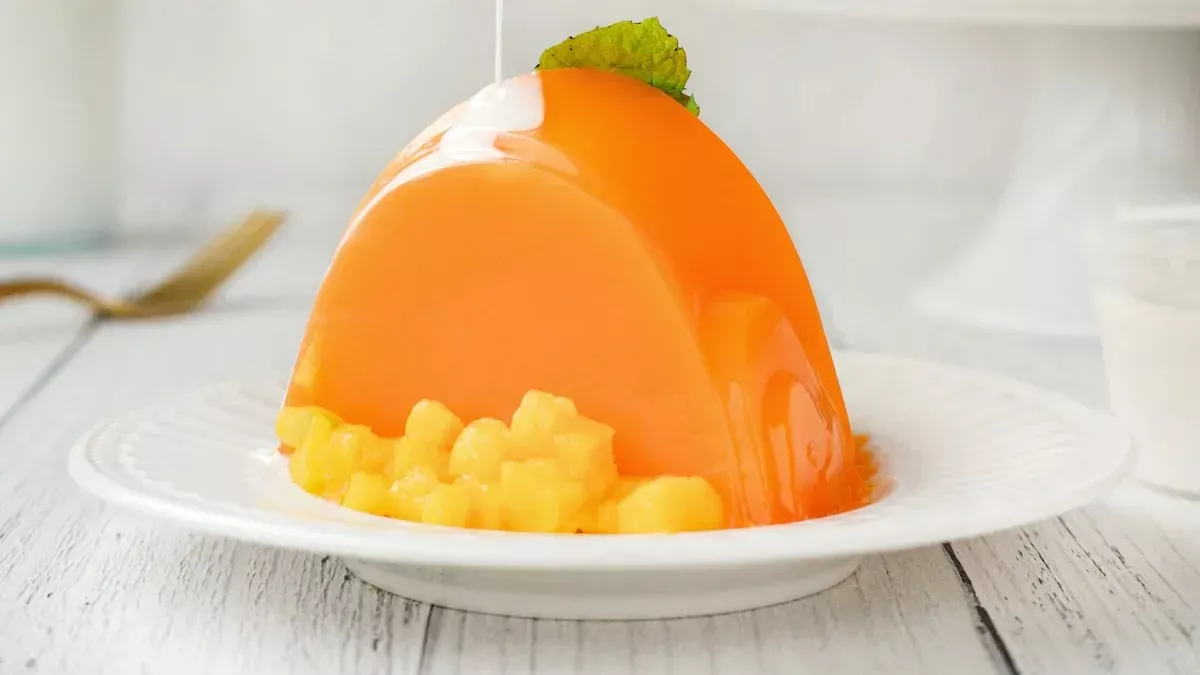
A practical guide to professional edible gelatin for dessert production. It explains what food-grade gelatin is, how Bloom strength and viscosity shape texture in gummies, puddings, mousses, yogurt, and ice cream, and which specifications to check before buying. The article also covers common dessert applications, formulation tips for silky smooth results, and sourcing considerations including traceability, certifications, and customization.
Tel:+86 21 65010906
Cell/Whatsapp/Wechat:
+86 13482884055
+86 18657345785
Email: sales@beyondbiopharma.com





 English EN


