
EN
Bioactive plant peptides are short chains of amino acids from plants that show strong health-promoting effects. They play key roles in antioxidant defense, ACE-inhibition, and immune modulation. Recent studies highlight their impact on blood pressure, diabetes, cholesterol, and immune function:
Description | |
|---|---|
Antioxidant | Scavenges free radicals and boosts antioxidant enzymes |
ACE-Inhibitory | Helps regulate blood pressure |
Immunomodulatory | Supports immune responses |
The global market for plant-based peptide products grows at 9.3% each year. Beyond Biopharma’s Plant Protein Peptide offers innovative solutions for modern nutrition.
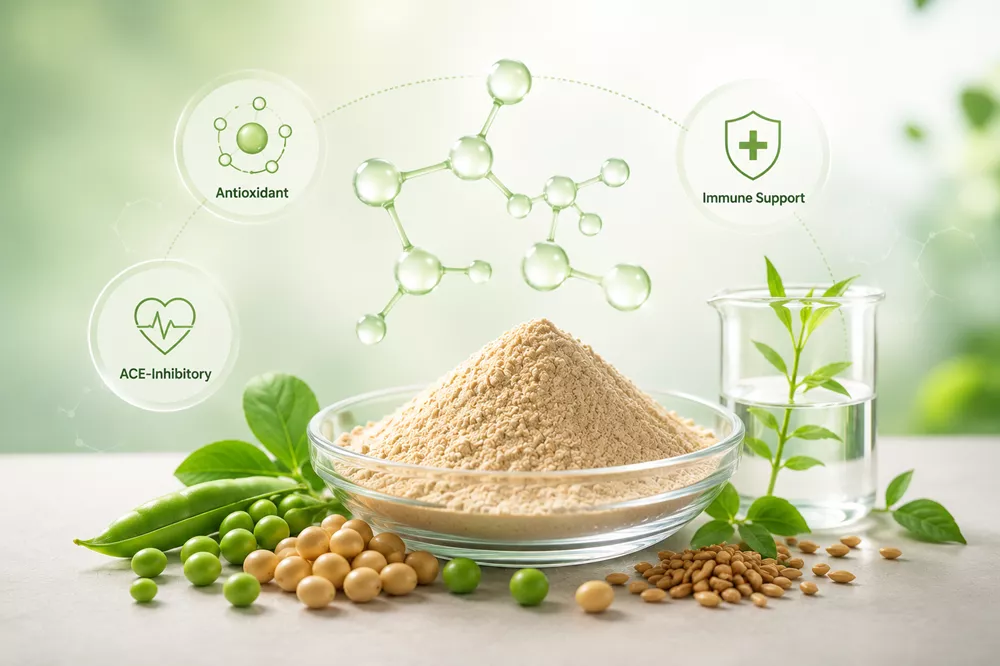
Bioactive plant peptides are short chains of amino acids that come from plant proteins. Scientists release these peptides during processes like enzymatic hydrolysis, fermentation, or digestion. These peptides usually have a low molecular weight, often ranging from 1,000 to 3,000 Daltons. Their structure allows them to act as specific protein fragments with health-promoting properties. Many researchers have found that bioactive plant peptides can show antioxidant, antihypertensive, antimicrobial, and immunomodulatory activities. These properties make them valuable for supporting health and preventing chronic diseases.
Bioactive peptides are specific protein fragments.
They are released during enzymatic hydrolysis, fermentation, or gastrointestinal digestion of food proteins.
They exhibit health-promoting properties such as antihypertensive, antioxidant, antimicrobial, and immunomodulatory activities.
Sources include dairy, meat, legumes, cereals, and oilseeds.
Many plants serve as rich sources of bioactive plant peptides. Pea protein stands out for its favorable amino acid composition and low allergenic potential. Soy protein provides a complete essential amino acid profile and is widely used in functional foods. Rice protein offers easy digestibility and is suitable for hypoallergenic products. Corn protein, produced through controlled hydrolysis, remains stable under acidic conditions and works well in beverages. Specialty plant proteins like hemp, pumpkin seed, and wheat are gaining popularity in premium health markets.
The production of bioactive plant peptides involves several steps:
Raw Material Selection and Inspection
Targeted Enzymatic Hydrolysis
Enzyme Inactivation
Decolorization and Deodorization
Filtration
Concentration
High-Temperature Sterilization
Precision Spray Drying
Manufacturers use these steps to break down native plant proteins into smaller peptides. This process ensures the peptides have the right size and properties for health benefits and easy absorption.
Bioavailability and absorption play a crucial role in the effectiveness of bioactive plant peptides. When people consume these peptides, their bodies must absorb them efficiently to gain health benefits. Scientists face challenges with limited bioavailability of bioactive food components, which can make it hard to set effective dietary recommendations. Innovative approaches, such as using exosomes, nanoparticles, and prebiotic fibers, help enhance absorption and bioavailability of phytochemicals.
Evidence Type | Description |
|---|---|
Limited bioavailability of bioactive food components poses challenges in establishing effective dietary recommendations. | |
Innovative Approaches | Use of exosomes, nanoparticles, and prebiotic fibers to enhance absorption and bioavailability of phytochemicals. |
Transdisciplinary Research | Collaboration among diverse scientific fields to address the mechanisms of action of dietary bioactive compounds. |
Researchers continue to study how bioactive plant peptides move through the digestive system and reach target tissues. Improved bioavailability means these peptides can deliver their health-promoting effects more effectively.
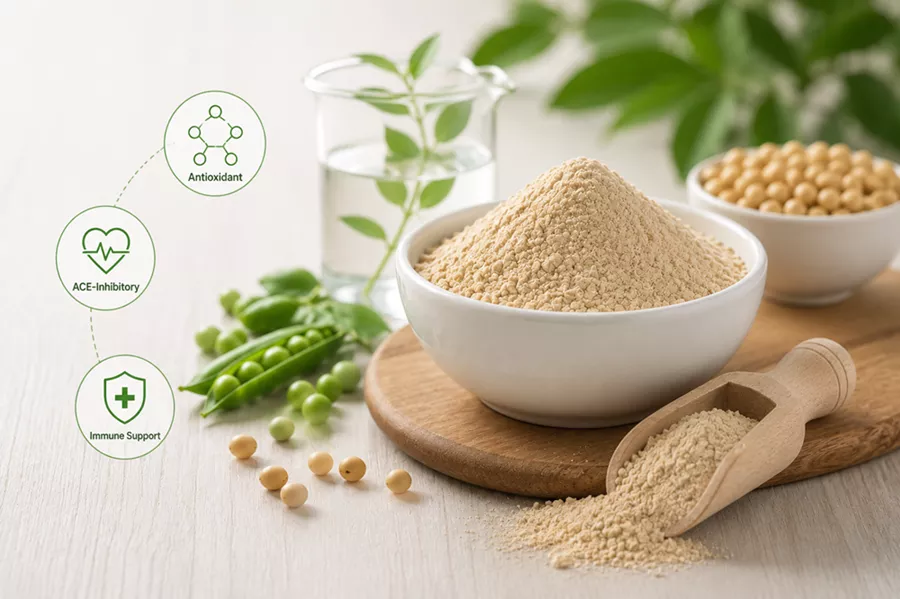
Bioactive plant peptides help protect cells from damage caused by free radicals. These peptides act by scavenging harmful molecules that can lead to oxidative stress. Scientists have found that peptides from soy protein isolate can reduce oxidative stress in animal models. They control levels of cytokines and chemokines, which play a role in inflammation. By managing these molecules, the peptides reverse tissue damage linked to oxidative stress.
Researchers also discovered that bioactive plant peptides regulate the Nrf2 signaling pathway. This pathway helps maintain the balance of oxidation and reduction inside cells. When the Nrf2 pathway activates, it increases the expression of genes that defend against oxidative stress. As a result, cells become more resistant to damage from free radicals. These peptides are safe and easy for the body to absorb, making them promising for treating diseases related to oxidative stress.
Peptides scavenge free radicals.
They regulate inflammation by controlling cytokines and chemokines.
They activate the Nrf2 pathway to boost antioxidant defenses.
Antioxidant activity from bioactive plant peptides supports the body in many ways. Studies show that resveratrol, a plant compound, reduces oxidative stress linked to neurodegenerative disorders and cancer. It protects nerve cells from damage caused by β-amyloid peptides and oxidative stress. Resveratrol also induces heme oxygenase-1, which shields primary neuronal cells from harm. In stroke models, resveratrol limits the size of damaged areas, showing its protective effects during periods of low blood flow. Scientists observed that resveratrol corrects cognitive problems in rats caused by oxidative stress.
These findings highlight the importance of bioactive plant peptides in disease prevention. Their antioxidant properties help protect cells, reduce inflammation, and support brain health. People who include these peptides in their diets may lower their risk of chronic diseases related to oxidative stress.
Tip: Antioxidant-rich foods, including those with bioactive plant peptides, can help maintain overall health and protect against cell damage.
Angiotensin-converting enzyme (ACE) plays a central role in controlling blood pressure. ACE converts angiotensin I into angiotensin II, which causes blood vessels to narrow and raises blood pressure. Plant peptides can block ACE activity by binding to its active sites. These peptides form strong hydrogen bonds and other interactions that prevent ACE from working. As a result, blood vessels relax and blood pressure drops.
Scientists have studied the structure of ACE-inhibitory peptides. The following table shows how different peptide sequences interact with ACE:
Peptide Sequence | Structural Features | ACE-Inhibitory Activity Description |
|---|---|---|
Trp-Pro-Glu-Arg-Pro-Pro-Gln-Ile-Pro | Hydrophobic amino acids (Trp and Pro) | Hydrophobic content increases ACE-inhibitory activity |
Val-Ser-Gly-Ala-Gly-Arg-Tyr | Aliphatic and hydrophobic residues at N-terminus, basic arginine, aromatic tyrosine | Structure enhances ACE-inhibitory activity |
Tyr-Ser-Lys | Forms strong hydrogen bonds with ACE active sites | Molecular docking studies show strong interactions with ACE |
Clinical trials have tested the effects of ACE-inhibitory plant peptides on blood pressure. The table below summarizes results from several studies:
Study Location | Peptide | BP Reduction (mm Hg) | Population Characteristics |
|---|---|---|---|
Japan | VPP, IPP | Hypertensive populations | |
Finland | VPP, IPP | Significant reductions | Hypertensive populations |
Netherlands | VPP, IPP | No significant reduction | Hypertensive individuals |
Denmark | VPP, IPP | No significant reduction | Hypertensive individuals |
Asia | VPP, IPP | Pronounced effects | Hypertensive individuals |
Caucasian | IPP | Significant reduction | Stage-1 hypertension |
General | Milk tripeptides | Lowered SBP, total cholesterol | Hypertensive, hypercholesterolemic patients |
Small trial | Pea protein hydrolysate | Reduced SBP by 5-7 | Limited sample size (n=7) |
Sardine-derived | VY | Mixed results | Varies by study |
Note: VPP and IPP are common ACE-inhibitory peptides found in plant and dairy sources.
Bioactive plant peptides offer important benefits for heart health. Peptides from oats and other plant sources can inhibit ACE, which helps lower blood pressure. This effect supports cardiovascular health and reduces the risk of heart disease. Unlike synthetic ACE inhibitors, food-derived peptides do not cause side effects such as dry cough or potassium retention. People who consume these peptides may experience improved blood pressure and cholesterol levels. Researchers continue to explore how plant peptides can help prevent cardiovascular problems and support overall wellness.
Tip: Including foods rich in ACE-inhibitory peptides may help maintain healthy blood pressure and protect the heart.
Bioactive plant peptides play a key role in supporting the immune system. These peptides interact with immune cells and help regulate their activity. They can stimulate the production of antibodies, which defend the body against harmful invaders. Some peptides also increase the activity of natural killer cells. These cells attack viruses and abnormal cells. By influencing these immune responses, plant peptides help the body respond quickly to infections.
Researchers have found that certain plant peptides can balance the immune system. They may reduce inflammation by controlling the release of signaling molecules called cytokines. This balance helps prevent the immune system from overreacting, which can lead to chronic inflammation or autoimmune problems. Many scientists believe that regular intake of these peptides can strengthen the body's natural defenses.
Bioactive plant peptides show promise in preventing several diseases. Studies highlight their ability to:
Induce apoptosis, which means they help trigger the death of cancer cells and slow tumor growth.
Improve lipid metabolism, which supports cardiovascular health and helps manage cholesterol levels.
Enhance immune defenses, making the body more effective at fighting off malignancies.
Some plant peptides, such as those from soy and lupine, have gained attention for their anticancer properties. These peptides may block the growth of cancer cells and support healthy cell function. Other research suggests that plant peptides can help maintain strong bones by supporting bone cell activity and mineral balance.
Note: Including foods rich in plant peptides may help protect against cancer, heart disease, and bone loss.
Scientists continue to explore how these peptides work in the body. Early results suggest that bioactive plant peptides could become important tools for disease prevention and overall wellness.
Plant peptides show a wide range of biological activities because of their unique structures. Scientists describe these peptides as short chains of amino acids, usually between two and twenty residues. The sequence and arrangement of these amino acids determine how the peptide interacts with cells and enzymes. Hydrophobic amino acids, such as leucine and phenylalanine, often appear in active peptides. These residues help the peptide bind to cell membranes or enzymes.
Secondary structures, like alpha helices or beta sheets, also play a role. These shapes allow the peptide to fit into specific sites on enzymes or receptors. Net charge affects how the peptide moves through the body. Peptides with a positive charge can interact with negatively charged cell surfaces. Aromatic residues, such as tryptophan and tyrosine, add stability and enhance biological functions.
Note: Scientists use controlled enzymatic hydrolysis to produce peptides with desired structural features. This process ensures high bioactivity and easy absorption.
Several structural traits influence the bioactivity of plant peptides. Researchers highlight the following key features:
High abundance in sustainable plant sources, such as pea, soy, rice, and wheat.
Low allergenic potential, making them suitable for sensitive individuals.
Enrichment in hydrophobic and aromatic residues, which improves stability and function.
Amino acid composition, which determines the peptide’s ability to scavenge free radicals or inhibit enzymes.
Secondary structure, which affects how the peptide interacts with biological targets.
Net charge, which influences absorption and cellular interactions.
Hydrophobicity, which helps the peptide cross cell membranes and reach target tissues.
Structural Feature | Impact on Bioactivity |
|---|---|
Hydrophobic residues | Enhance enzyme inhibition and stability |
Aromatic residues | Improve antioxidant activity |
Net charge | Affect absorption and cell interaction |
Amino acid composition | Determine specific biological effects |
Plant peptides with these features show strong antioxidant, ACE-inhibitory, and immunomodulatory activities. Manufacturers select and design peptides based on these traits to maximize health benefits.
Food scientists and manufacturers use bioactive plant peptides to create innovative functional foods and beverages. These peptides offer health benefits that go beyond basic nutrition. Many products now include them for their antioxidant, antihypertensive, and immune-boosting properties. People can find these peptides in protein bars, ready-to-drink shakes, and high-protein snacks. They also appear in clear beverages, such as protein waters and instant mixes, because they dissolve easily and do not leave a gritty texture.
Key applications in functional foods and beverages include:
Supporting antioxidant defenses to protect cells from damage.
Helping manage blood pressure through ACE-inhibitory effects.
Aiding in blood sugar control, which benefits those at risk for diabetes.
Enhancing immune function for better overall health.
Replacing synthetic additives in foods, making products more natural.
Improving the flavor and aroma of foods, which increases consumer appeal.
Extending the shelf life of fermented foods like cheese and beer.
Food companies value these peptides for their ability to improve both nutrition and taste. Their versatility allows for use in a wide range of plant-based and vegan products.
Bioactive plant peptides play an important role in dietary supplements and clinical nutrition. Health professionals recommend these peptides for people who need extra support, such as athletes, seniors, or those recovering from illness. Supplements containing these peptides can help with muscle recovery, immune support, and healthy aging.
Some benefits of plant peptide supplements include:
Providing antibacterial and antioxidative effects that support the body’s defenses.
Regulating metabolic pathways, which helps maintain healthy cholesterol and blood sugar levels.
Interacting with gut microbiota to improve digestion and nutrient absorption.
Strengthening the gut barrier, which protects against harmful substances.
Supporting specialized healthcare needs, such as meal replacements for seniors or patients with chronic diseases.
Researchers continue to study how these peptides can prevent chronic diseases and improve quality of life. Interdisciplinary teams work together to optimize their use in clinical settings.
Beyond Biopharma’s Plant Protein Peptide stands out as a leading example of innovation in plant-based nutrition. The company uses premium sources such as pea, soy, rice, and wheat to produce its peptides. Controlled enzymatic hydrolysis breaks down these plant proteins into small, highly bioavailable peptides. This process ensures that the peptides range from 1,000 to 3,000 Daltons, which supports rapid absorption and effective delivery of health benefits.
Key features of Beyond Biopharma’s Plant Protein Peptide:
Complete amino acid profile, including branched-chain amino acids for muscle repair.
100% water solubility, making it ideal for clear beverages and instant mixes.
Neutral, debittered taste that blends well with a variety of foods and drinks.
High bioavailability and gentle digestibility, suitable for all age groups.
Allergen-conscious, sugar-free, and vegan-friendly formulation.
Clean-label appeal, meeting the demands of health-conscious consumers.
Manufacturers can use this peptide in sports nutrition products, clinical nutrition formulas, and plant-based foods. Its stability across a wide pH range and lack of gritty residue make it a top choice for clear protein waters and fortified snacks. Beyond Biopharma’s commitment to sustainability and quality ensures that their Plant Protein Peptide meets the needs of modern food, beverage, and nutraceutical industries.
Tip: Choosing products with Beyond Biopharma’s Plant Protein Peptide can help support a healthy lifestyle while meeting dietary preferences for clean, vegan, and allergen-free nutrition.
Scientists face several challenges when studying bioactive plant peptides. Many peptides show promising effects in laboratory tests, but their activity in the human body can differ. Researchers struggle to measure how well these peptides survive digestion and reach target tissues. Some peptides break down before they can deliver health benefits. The complexity of plant protein sources adds another layer of difficulty. Each plant contains unique peptide sequences, which makes standardization hard. Clinical trials often use small sample sizes, limiting the strength of their conclusions. Regulatory approval for new peptide-based products requires extensive safety and efficacy data. Scientists must also address the cost and scalability of production methods.
Note: Researchers continue to improve extraction and purification techniques to increase peptide stability and bioavailability.
Plant peptide science offers many opportunities for future study and product development. Market growth continues as consumers seek natural, sustainable ingredients and clean-label nutrition. Advances in extraction technology improve the purity and stability of peptides. Nutraceuticals represent a major growth channel, especially for immunity, metabolic health, and cognitive support. Cosmetics companies use plant peptides as alternatives to synthetic actives for anti-aging and moisturizing. Pharmaceutical applications expand as clinical validation for therapeutic peptides increases. Regional demand rises in Asia-Pacific and Latin America, driven by health-conscious populations. Encapsulation technology enables controlled-release forms, which enhance product effectiveness.
Area of Innovation | Description |
|---|---|
Market Growth | Driven by preference for natural, sustainable ingredients and clean-label nutrition. |
Nutraceuticals | Major growth channel for immunity, metabolic health, and cognitive support. |
Extraction Tech | Advances improving stability, purity, and bioavailability of peptides. |
Cosmetics | Adoption of plant peptides as alternatives to synthetic actives for anti-aging and moisturizing. |
Pharmaceuticals | Increased usage as clinical validation for therapeutic peptides grows. |
Regional Demand | Rising health-conscious populations in Asia-Pacific and Latin America. |
Encapsulation Tech | Innovations in controlled-release forms expected to drive market growth. |
Researchers explore several promising directions:
Peptide-based carriers for gene therapy, improving safety and efficacy.
AI-assisted synthesis for optimized peptide pathways, reducing development time and costs.
Market potential in health management and anti-aging skincare.
Scientists expect continued innovation in plant peptide science. New technologies and interdisciplinary research will help overcome current limitations and unlock new health benefits.
Bioactive plant peptides offer powerful health benefits. They help regulate blood pressure, fight oxidative stress, and support immune function. Recent studies show these peptides act safely as nutraceuticals for hypertension. Their practical value in modern nutrition includes anti-inflammatory, antioxidant, and antihypertensive effects:
Mechanism | Description |
|---|---|
Anti-inflammatory | Inhibit inflammation pathways for heart and gut health |
Antioxidant | Combat oxidative stress linked to chronic diseases |
Antihypertensive | Lower blood pressure with high ACE inhibitory activity |
Consumers can choose plant peptide-enriched foods and supplements, such as Beyond Biopharma’s Plant Protein Peptide, for muscle recovery and healthy aging. New research and AI-driven innovations continue to expand their applications.
Bioactive plant peptides are short chains of amino acids from plants. They show health benefits such as antioxidant, ACE-inhibitory, and immune-supporting effects. Scientists produce them through enzymatic hydrolysis of plant proteins.
Plant peptides can inhibit ACE, which helps lower blood pressure. This action supports cardiovascular health and reduces the risk of heart disease. Many studies confirm their effectiveness in managing hypertension.
Yes. Beyond Biopharma’s Plant Protein Peptide uses only plant sources like pea, soy, rice, and wheat. The product is vegan-friendly, allergen-conscious, and free from animal ingredients.
Athletes benefit from plant protein peptides because they contain branched-chain amino acids. These amino acids help with muscle repair and recovery after exercise. The peptides absorb quickly and support performance.
Beyond Biopharma’s Plant Protein Peptide offers high bioavailability, neutral taste, and 100% water solubility. It works well in clear beverages, sports nutrition, and clinical products. The formulation meets clean-label and vegan standards.




Tel:+86 21 65010906
Cell/Whatsapp/Wechat:
+86 13482884055
+86 18657345785
Email: sales@beyondbiopharma.com





 English EN


