 English EN


Bovine gelatin pros and cons everyone should know
Bovine gelatin offers strong gelling and health benefits but has dietary, ethical, and allergen concerns. Compare bovine gelatin to other gelatin options here.
More
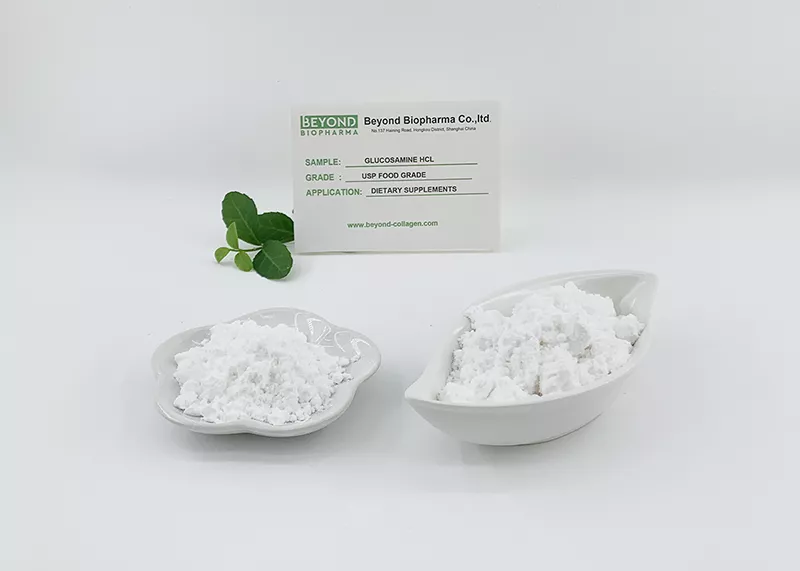
Gelatin powder and sheets are two common forms of the same ingredient, but they differ in handling and hydration requirements. The conversion factor is based on bloom strength and weight: 1 sheet of gelatin (typically 2 g, 200 bloom) equals approximately 2 g of gelatin powder of the same bloom. However, if your powder has a different bloom value, you must adjust the weight to match the gel strength. This matters because using the wrong conversion can lead to inconsistent texture in gummies, capsules, or desserts. For overseas buyers, batch consistency and certification compliance are critical, and a reliable conversion method helps avoid costly rework.
Gelatin works by forming a thermoreversible gel when dissolved in warm water and then cooled. The process involves enzymatic hydrolysis of collagen, which breaks down the protein into smaller peptides. For food-grade porcine gelatin, bloom values typically range from 50 to 300 g, with higher bloom providing firmer gels. In gummies and jellies, a bloom of 200–260 is common. For hard capsules, pharmaceutical-grade gelatin requires higher viscosity and consistent gel strength. The molecular weight of collagen peptides, which is around 2,000–5,000 Da for standard products, affects absorption and solubility. Lower molecular weight fish collagen peptides absorb faster, making them ideal for beauty-from-within applications.
Below is a table of common gelatin and collagen peptide parameters. Note that these are typical industry ranges; final values should be confirmed per Certificate of Analysis (COA) or sample.
| Parameter | Edible Gelatin | Collagen Peptides | Plant Protein Peptides |
|---|---|---|---|
| Bloom (g) | 50–300 (typical; pharma/gummies 150–260) | N/A | N/A |
| Viscosity (mPa·s) | 2.0–5.5 | N/A | N/A |
| Mesh | 8–60 | N/A | N/A |
| Moisture (%) | ≤14 | ≤8 | ≤10 |
| Protein (%) | ≥85 | ≥90 | 80–90 |
| Molecular Weight (Da) | N/A | 2,000–5,000 (fish lower) |
*Typical industry range; final values per COA or sample.
Selecting the right gelatin or collagen peptide depends on your end product. Here is guidance by industry:
Beyond Biopharma is a Shanghai, China–based manufacturer specializing in collagen peptides, gelatin, and plant protein peptides. With over 10 years in the food-ingredient industry, we export to 50+ countries. Our facility has an annual capacity of approximately 3,000 MT for collagen and 5,000 MT for gelatin, supported by fully automatic production lines, GMP clean workshops, and stainless-steel sealed piping with automated temperature and pH control. We hold ISO 9001 and US FDA registration, and select products carry Halal or Kosher certifications. Our bovine bone gelatin is BSE-free, and our in-house lab conducts heavy-metal and microbiological testing with a dedicated QA/QC team. We offer three grades (food, pharmaceutical, cosmetic) and provide free samples along with formulation and selection support.
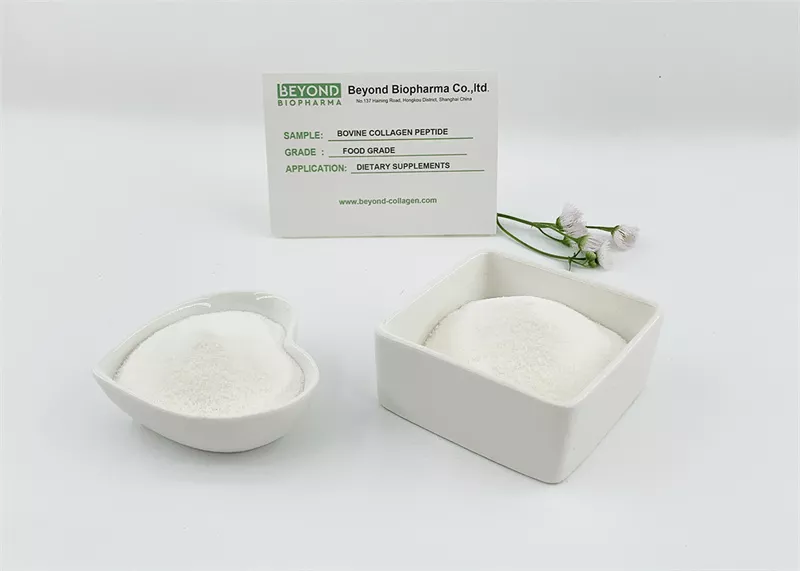
A: The standard ratio is 1 sheet (2 g, 200 bloom) equals 2 g of powder with the same bloom. If your powder has a different bloom, adjust weight proportionally: for example, 250 bloom powder requires about 1.6 g to match a 2 g sheet.
A: Sheets are soaked in cold water for 5–10 minutes until soft, then squeezed and dissolved in warm liquid (40–60°C). Powder is sprinkled onto cold water (1:5 ratio) and allowed to bloom for 5–10 minutes before heating.
A: Yes, but you must adjust the weight based on bloom strength. For gummies, a bloom of 200–260 is recommended. Using powder allows better control over mesh size and dissolution rate.
A: For pharmaceutical use, look for ISO 9001, US FDA registration, and GMP compliance. For food and nutraceutical applications, Halal, Kosher, and BSE-free certifications are important. Always request a COA for each batch.
A: Higher bloom (e.g., 250–300) creates firmer gels, ideal for hard capsules and firm gummies. Lower bloom (50–150) is used for soft gels and mousses. Matching bloom to application ensures consistent texture and performance.
A: Both forms typically have a shelf life of 2–3 years when stored in a cool, dry place below 25°C with low humidity. Always check the manufacturer’s expiration date and COA for storage recommendations.
To ensure you get the right gelatin or collagen peptide for your application, please provide the following details when contacting us: your specific application (e.g., gummies, hard capsules, sports nutrition), required grade (food, pharmaceutical, or cosmetic), estimated quantity or MOQ, target specifications (bloom, mesh, molecular weight, certifications), and destination country. Beyond Biopharma offers free samples and formulation support to help you optimize your product. Our team will work with you to match the exact parameters needed for your production line. Contact us today to start the conversion process with confidence.

We provide you with comprehensive foreign trade solutions to help enterprises achieve global development
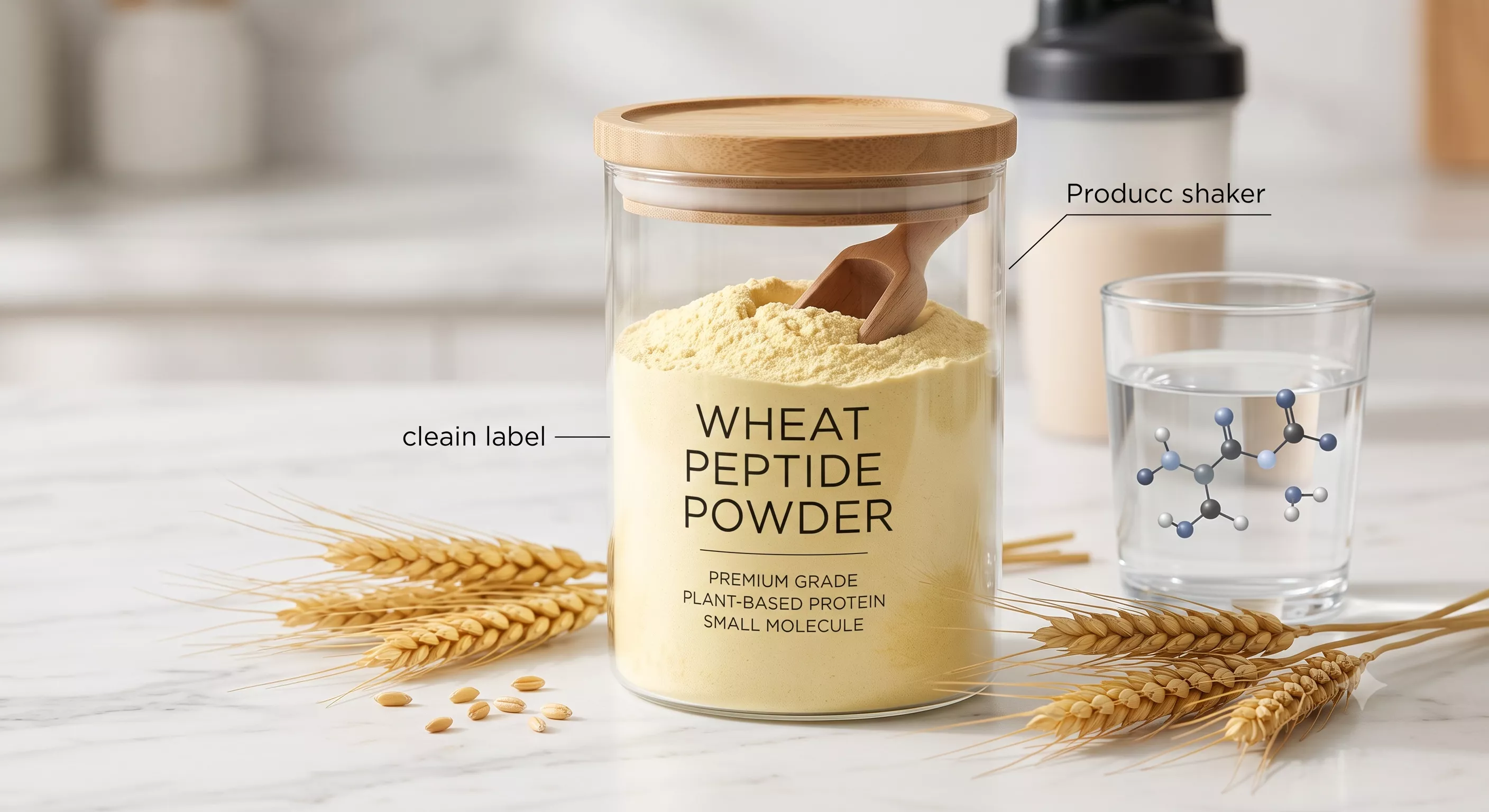
Source ultra-pure, high-solubility wholesale hydrolyzed wheat gluten peptide in bulk. Rich in plant-bound Glutamine ($\ge 25\%$) for muscle recovery and gut barrier health.
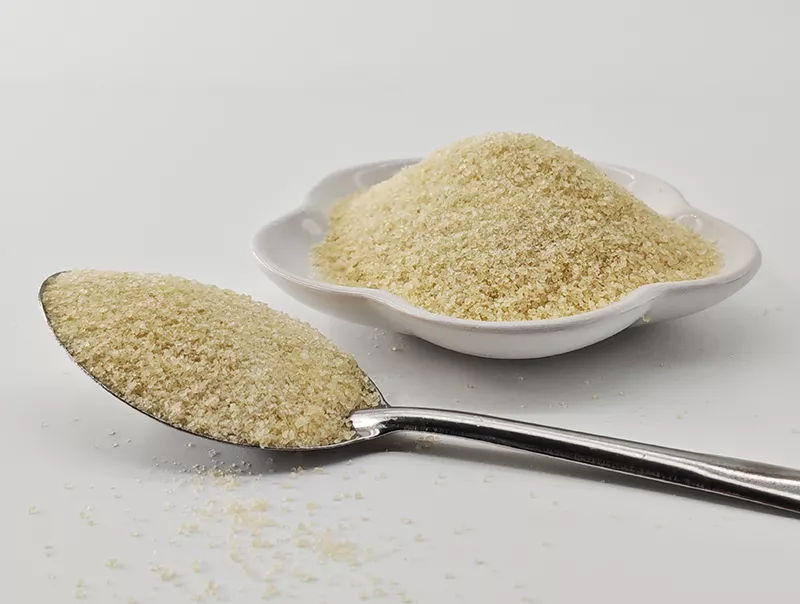
The High-Performance Barrier for Core Material Protection and Controlled Release.
The Purest Plant-Based Joint Support Solution
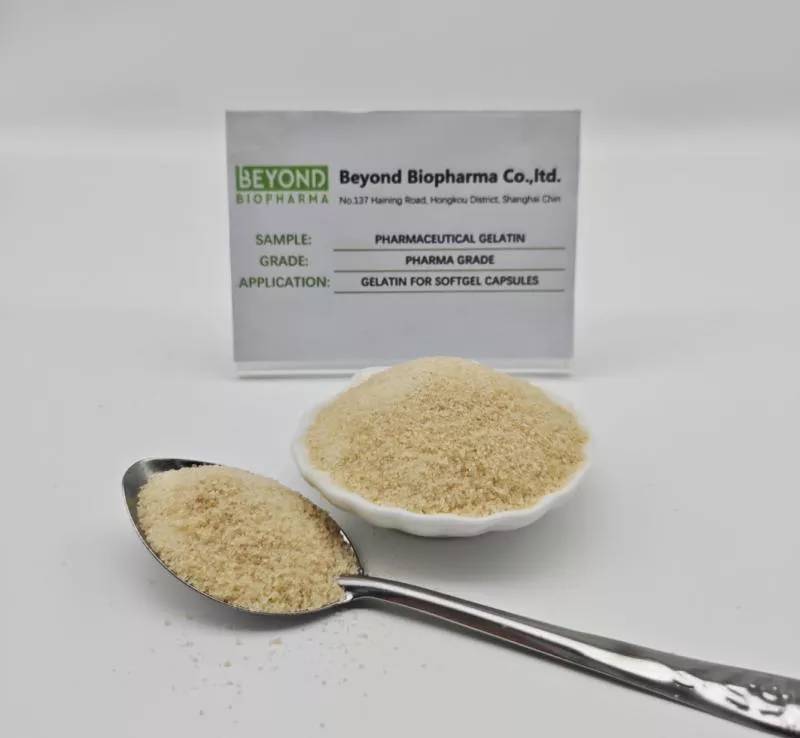
Softgel encapsulation demands a gelatin with unique physical attributes to perform optimally during the high-speed manufacturing process
Select the most popular foreign trade service products to meet your diverse needs
Source ultra-pure, high-solubility wholesale hydrolyzed wheat gluten peptide in bulk. Rich in plant-bound Glutamine ($\ge 25\%$) for muscle recovery and gut barrier health.
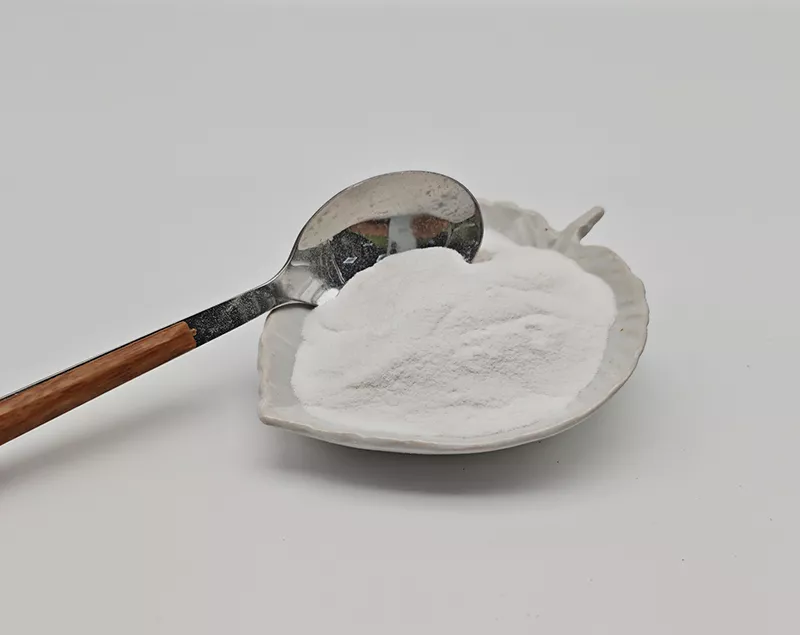
Fish Gelatin for foods is increasingly recognized as the premium alternative to traditional mammalian sources, meeting the growing global demand for clean-label ingredients that align with diverse dietary and religious requirements. Derived from the skin and scales of fish like cod and tilapia, fish gelatin offers unique functional benefits that make it an exceptional gelling, stabilizing, and texturizing agent.
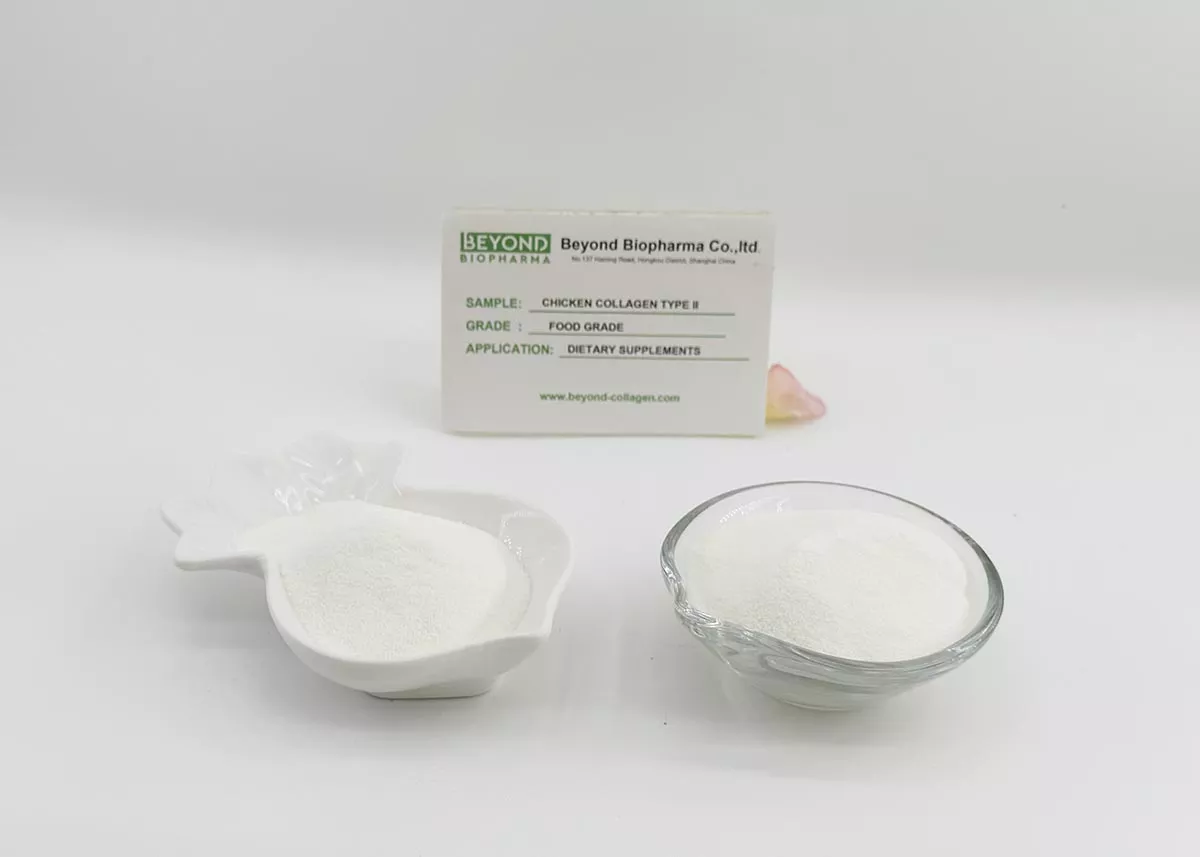
BEYOND BIOPHARMA is a specialized manufacturer of highly purified Hydrolyzed Collagen Type II. Through advanced enzymatic hydrolysis, we create low-molecular-weight collagen peptides that are highly bioavailable, offering foundational nutritional support for cartilage repair, joint function, and skin health. Our product is designed for rapid absorption and maximum efficacy in oral supplements.
Tel:+86 21 65010906
Cell/Whatsapp/Wechat:
+86 13482884055
+86 18657345785
Email: sales@beyondbiopharma.com





User Comments
Service Experience Sharing from Real Customers
Megan
Home BakerAs someone who's always struggled with gelatin measurements, this conversion guide saved my panna cotta! I used to eyeball it and ended up with rubbery desserts. Now my textures are perfect every time. The leaf-to-powder ratio chart is taped to my fridge!
Leo
Culinary StudentMy instructor mentioned leaf gelatin once but our kitchen only stocks powder. Found this conversion table during finals week - legit thought it was some ancient chef secret. Worked like a charm for my charlotte russe, though I wish they'd included more regional variations (silver vs. bronze leaves).
Raj
Food Product DeveloperWe're reformulating a marshmallow line to use leaf gelatin for cleaner labeling. This conversion tool saved us weeks of trial and error in the lab. The moisture content adjustment tip was something even our senior chemist hadn't considered. Boss is thrilled with the cost projections.
Chloe
YouTube Content CreatorAlmost messed up my vintage dessert series because the 1920s recipe called for 'sheets of gelatin' - who even has that? Googled in panic mid-filming and found this. Viewers never knew I almost had a kitchen meltdown! One star off because the mobile site loads slow when my hands are covered in egg whites.