 English EN


Gelatin sheet vs powder what science says in 2026
Gelatin sheet offers chefs better clarity, smooth texture, and consistent results than powdered gelatin, making it the top choice for desserts in 2026.
More
For buyers sourcing gelatin for gummies, softgels, or confectionery, the sheet-to-powder conversion ratio is a practical pain point. Knowing that 1 sheet of gelatin (typically 200 Bloom) equals about 3 grams of powder gelatin (200 Bloom) helps maintain batch consistency and avoid texture failures. This guide covers the correct conversion ratio, how bloom strength and viscosity affect results, and how to select the right grade for your application.
The correct sheet to powder gelatin conversion ratio depends on bloom strength. For standard 200 Bloom gelatin, one sheet (about 2.5–3 g) equals roughly 3 g of powder gelatin. If your sheet is 160 Bloom, use about 2.5 g powder per sheet. This ratio ensures consistent gel strength in gummies, panna cotta, or capsule shells. Always check the bloom value on your COA—mismatched bloom leads to rubbery or weak gels.
Bloom strength measures gel firmness. Higher bloom (e.g., 250) means stronger gel per gram. For conversion, if you replace 200 Bloom powder with 250 Bloom sheets, reduce sheet weight by about 20%. Conversely, lower bloom requires more material. For pharmaceutical or nutraceutical applications, precise bloom matching is critical. Beyond Biopharma offers high-bloom gelatin for hard capsules with consistent bloom values per batch.
| Parameter | Typical Industry Range | Notes |
|---|---|---|
| Bloom (g) | 50–300 | Pharma/gummies often 150–260 Bloom |
| Viscosity (mPa·s) | 2.0–5.5 | Affects coating and capsule shell thickness |
| Mesh size | 8–60 | Finer mesh dissolves faster |
| Moisture (%) | ≤14 | Standard for shelf stability |
*Typical industry range; final values per COA / sample.
For food applications like gummies or marshmallows, use the ratio: 1 sheet (200 Bloom) = 3 g powder (200 Bloom). For softgel capsules, ultra-high viscosity gelatin is preferred. Beyond Biopharma supplies ultra-high-viscosity gelatin for softgel capsules with consistent bloom and viscosity. For plant-based or vegan formulations, consider plant protein peptides as an alternative—Beyond Biopharma offers pea, rice, and soy hydrolyzed peptides for allergen-free applications.
Incorrect conversion leads to texture defects—soft gels that weep, hard capsules that crack, or gummies that are too chewy. For pharmaceutical excipient buyers, batch consistency is non-negotiable. Beyond Biopharma’s gelatin is produced in a GMP clean workshop with automated temperature and pH control, ensuring every batch meets spec. Our in-house lab tests heavy metals and microbiology, so you get reliable results every time.
Buyers often assume all sheets are equal weight. Standard sheets vary from 2–4 g. Always weigh your sheets. Another mistake is ignoring bloom—using 250 Bloom sheets with 200 Bloom powder without adjustment. For joint health or beauty supplements, collagen peptides are often used instead of gelatin. Beyond Biopharma’s fish collagen peptide for skin health supplements offers low molecular weight for fast absorption.
Beyond Biopharma is a Shanghai-based manufacturer with over 10 years of experience. We produce approximately 3,000 MT/year of collagen and 5,000 MT/year of gelatin. Our facility features fully automatic production lines, GMP clean workshops, and stainless-steel sealed piping. We are ISO 9001 certified, US FDA registered, and offer Halal/Kosher options (e.g., fish gelatin). Our bovine bone gelatin is BSE-free. We support three grades—food, pharmaceutical, and cosmetic—and provide free samples and formulation support. Our product lines include hydrolyzed collagen type II powder for joint health and food-grade hyaluronic acid powder.
Yes, but you must convert correctly. For 200 Bloom, 1 sheet (3 g) equals 3 g powder. Soak sheets in cold water for 5–10 minutes, then dissolve. Adjust liquid ratio to avoid excess water.
Check the bloom on your COA. For 160 Bloom sheets, use about 2.5 g powder per sheet. For 250 Bloom, use about 3.5 g powder. Always verify with a lab test for critical applications.
Pharmaceutical gelatin often has higher bloom (200–260). Use the same ratio: 1 sheet (200 Bloom) = 3 g powder. For softgels, viscosity matters more—Beyond Biopharma offers ultra-high-viscosity gelatin for consistent shell formation.
Collagen peptides do not gel like gelatin because they are hydrolyzed. For gummy texture, use gelatin. Collagen peptides are better for beverages or capsules. Beyond Biopharma supplies both, with fish collagen tripeptide for fast absorption.
Request a COA from your supplier. Match bloom, viscosity, and mesh size. Beyond Biopharma provides detailed specs per batch, and our QA team can help you calibrate your recipe.
Yes, agar-agar or pectin are common. For protein-based vegan options, Beyond Biopharma offers plant protein peptides (pea, rice, soy) with good solubility and allergen-free profiles. These do not gel like gelatin but work in nutraceutical powders.
Ready to source consistent sheet to powder gelatin conversion? Contact Beyond Biopharma with your application (food, pharma, or cosmetic), required grade, quantity/MOQ, target specs (bloom, mesh, molecular weight, certifications), and destination country. We will send free samples and a tailored quote. Our team supports custom bulk supply and formulation/OEM. Reach out today to ensure your next batch meets spec.

We provide you with comprehensive foreign trade solutions to help enterprises achieve global development
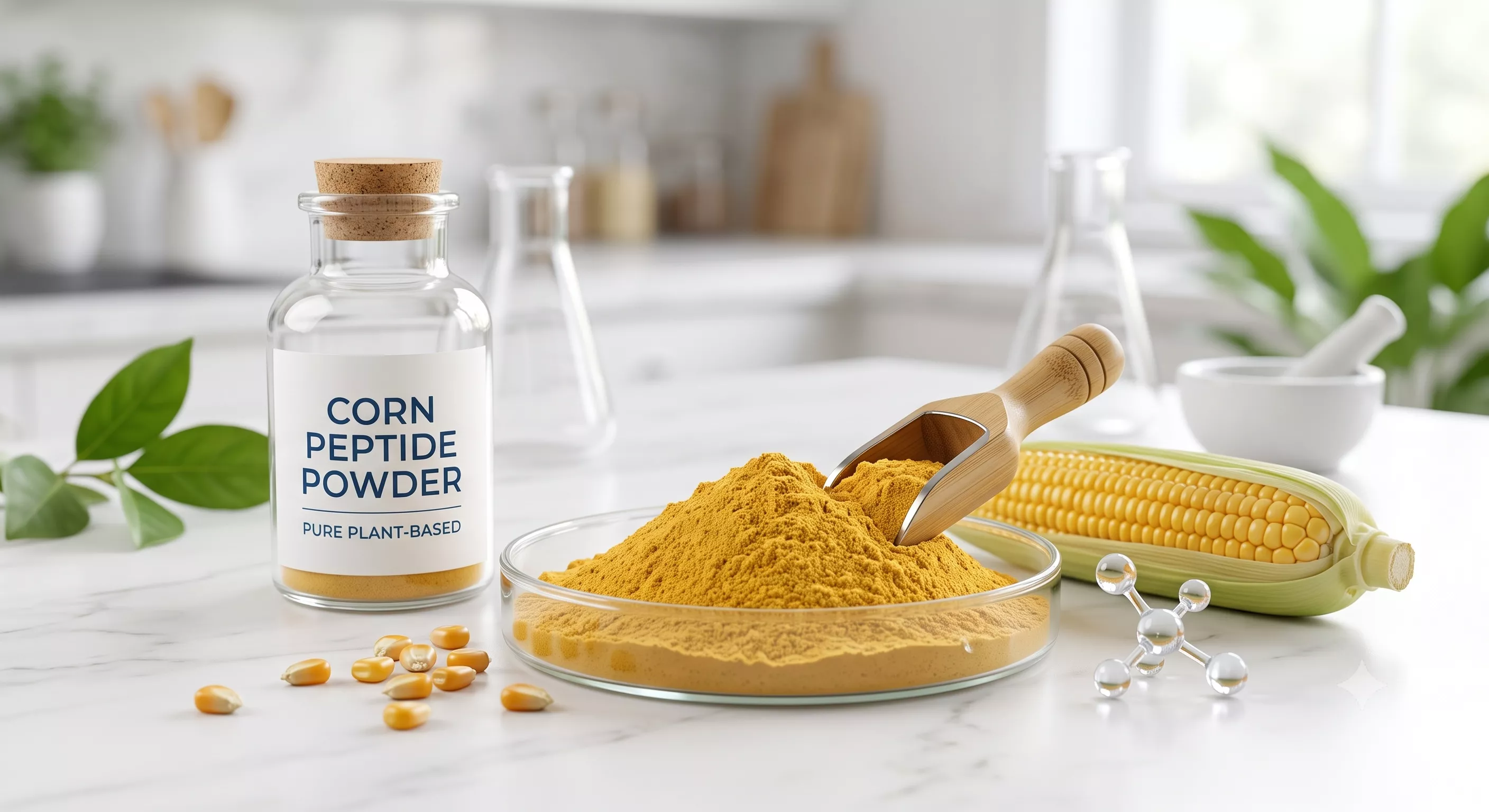
Source high-purity wholesale hydrolyzed corn protein peptide powder in bulk. Over 85% oligopeptides under 1000 Da. Rich in Alanine and Leucine for liver support and sobriety formulas.
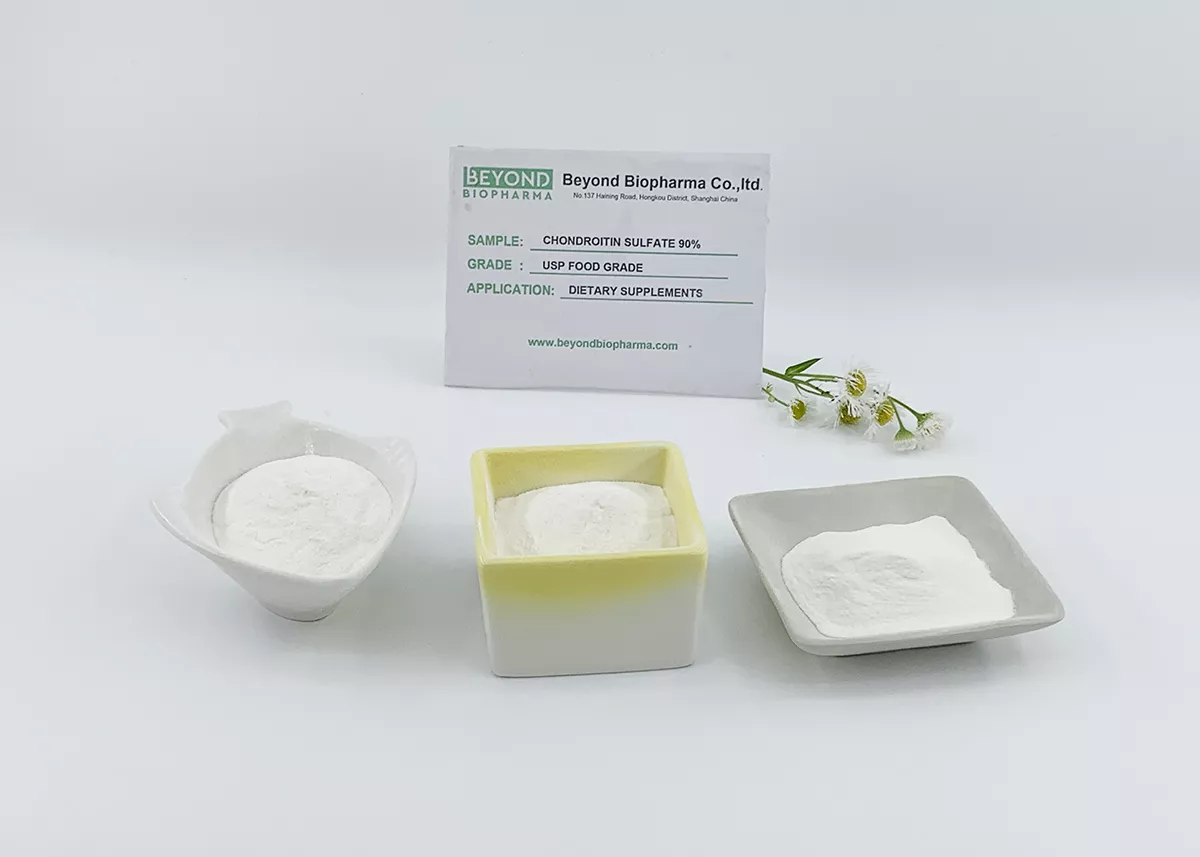
High Purity and Efficacy for Joint Health Formulations
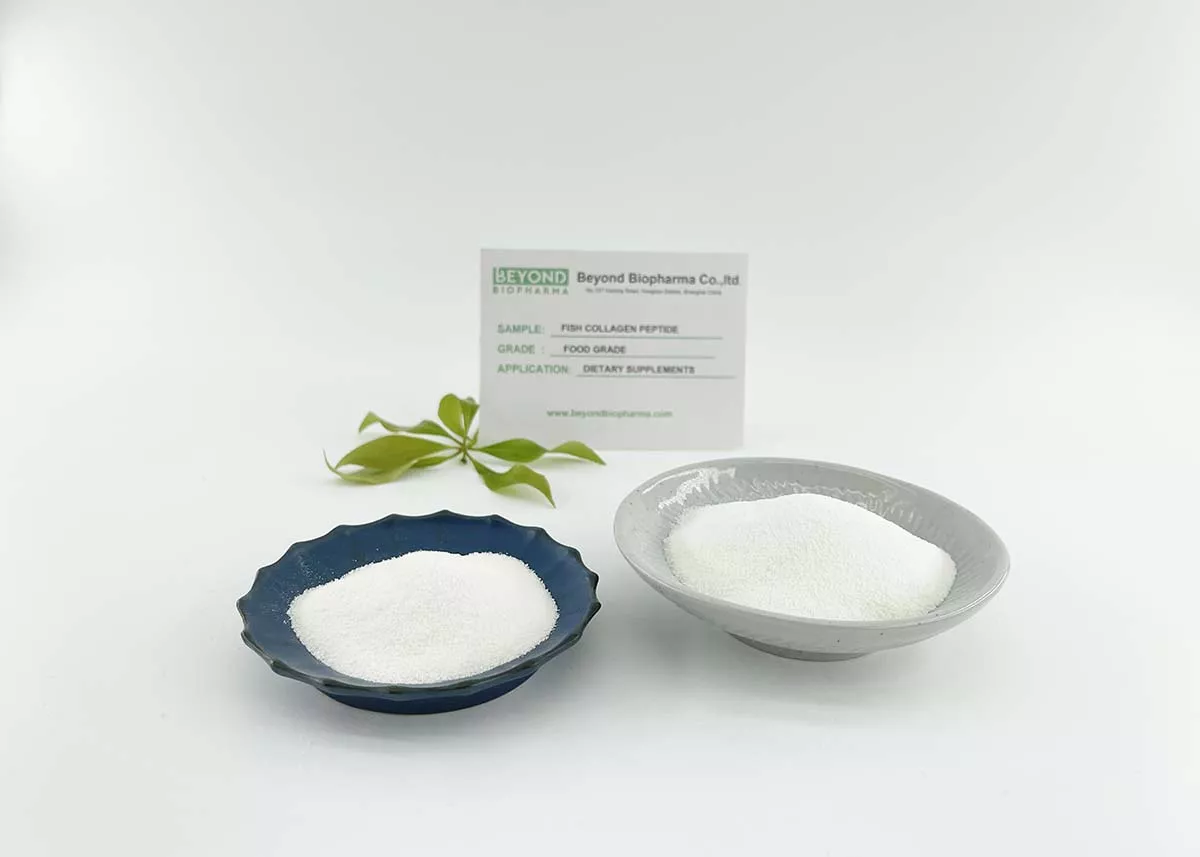
Premium marine-sourced collagen peptides with >90% protein content and low molecular weight (1000-3000 Da) for superior bioavailability. Sustainably sourced, neutral taste, and fully soluble—ideal for nutricosmetics and functional foods.
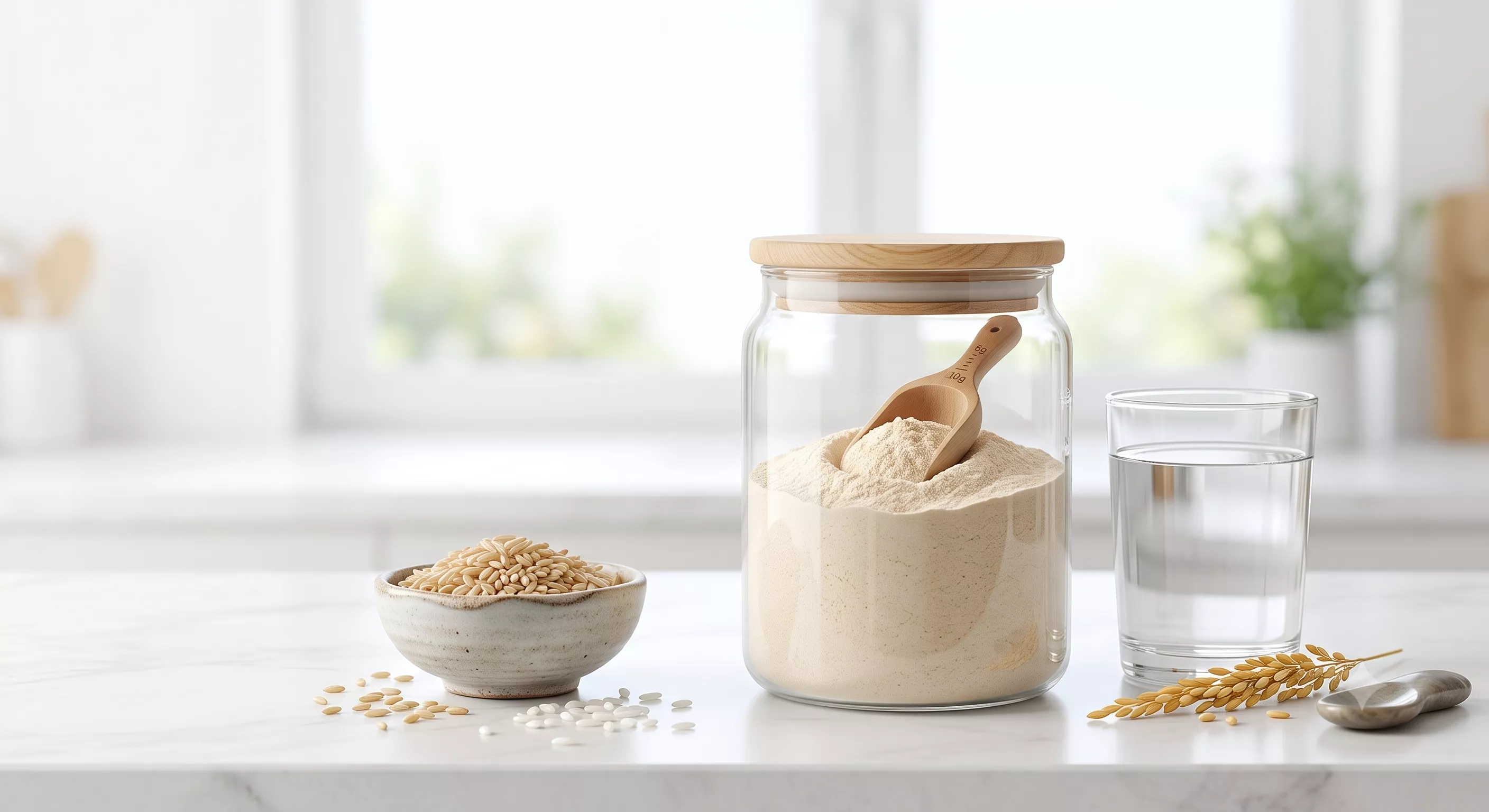
Source ultra-pure, 100% water-soluble wholesale hydrolyzed rice protein peptide in bulk. Over 85% molecules under 1000 Da. Ideal for infant nutrition, clean-label sports formulas, and sensitive skincare.
Select the most popular foreign trade service products to meet your diverse needs
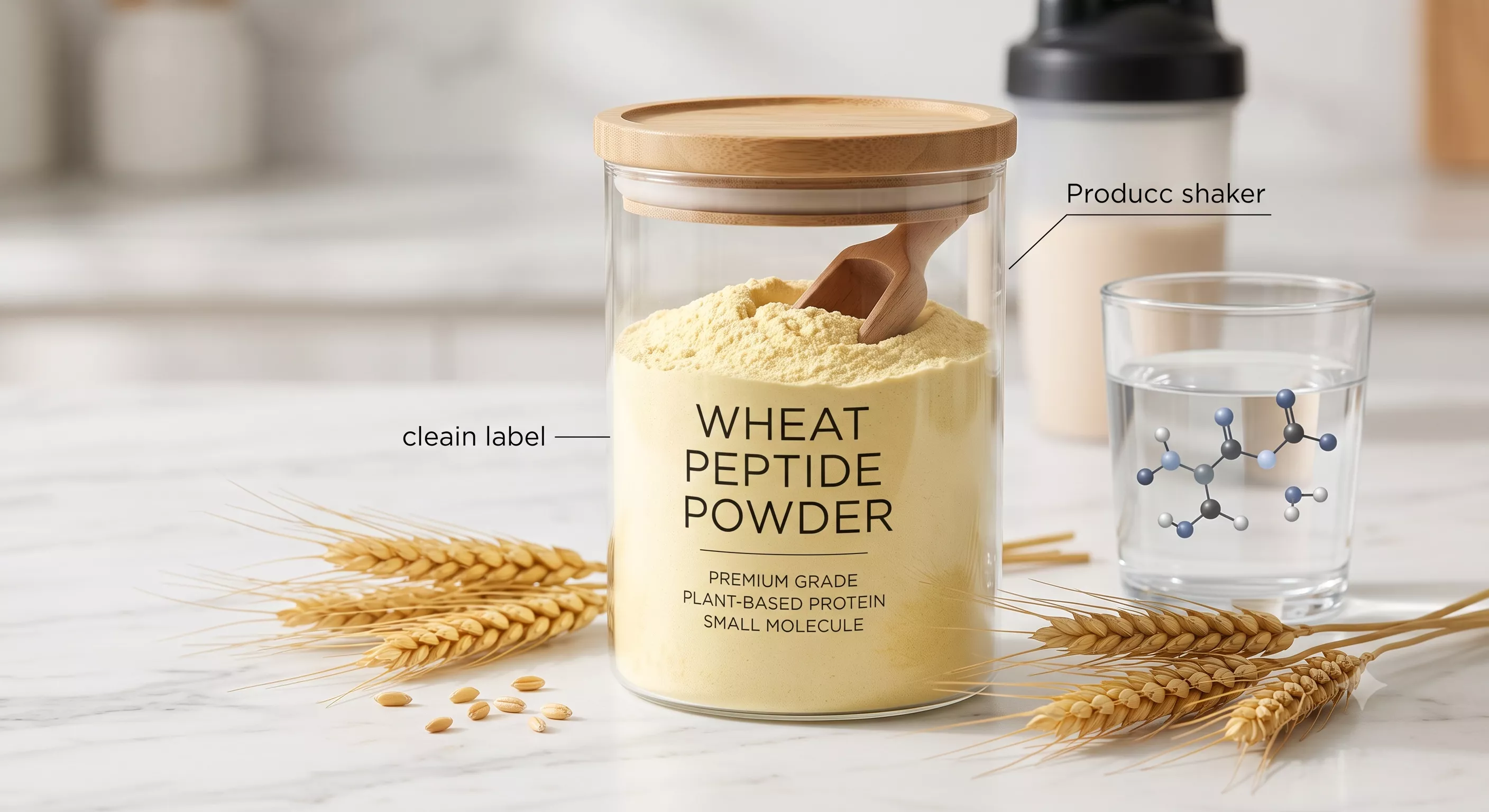
Source ultra-pure, high-solubility wholesale hydrolyzed wheat gluten peptide in bulk. Rich in plant-bound Glutamine ($\ge 25\%$) for muscle recovery and gut barrier health.
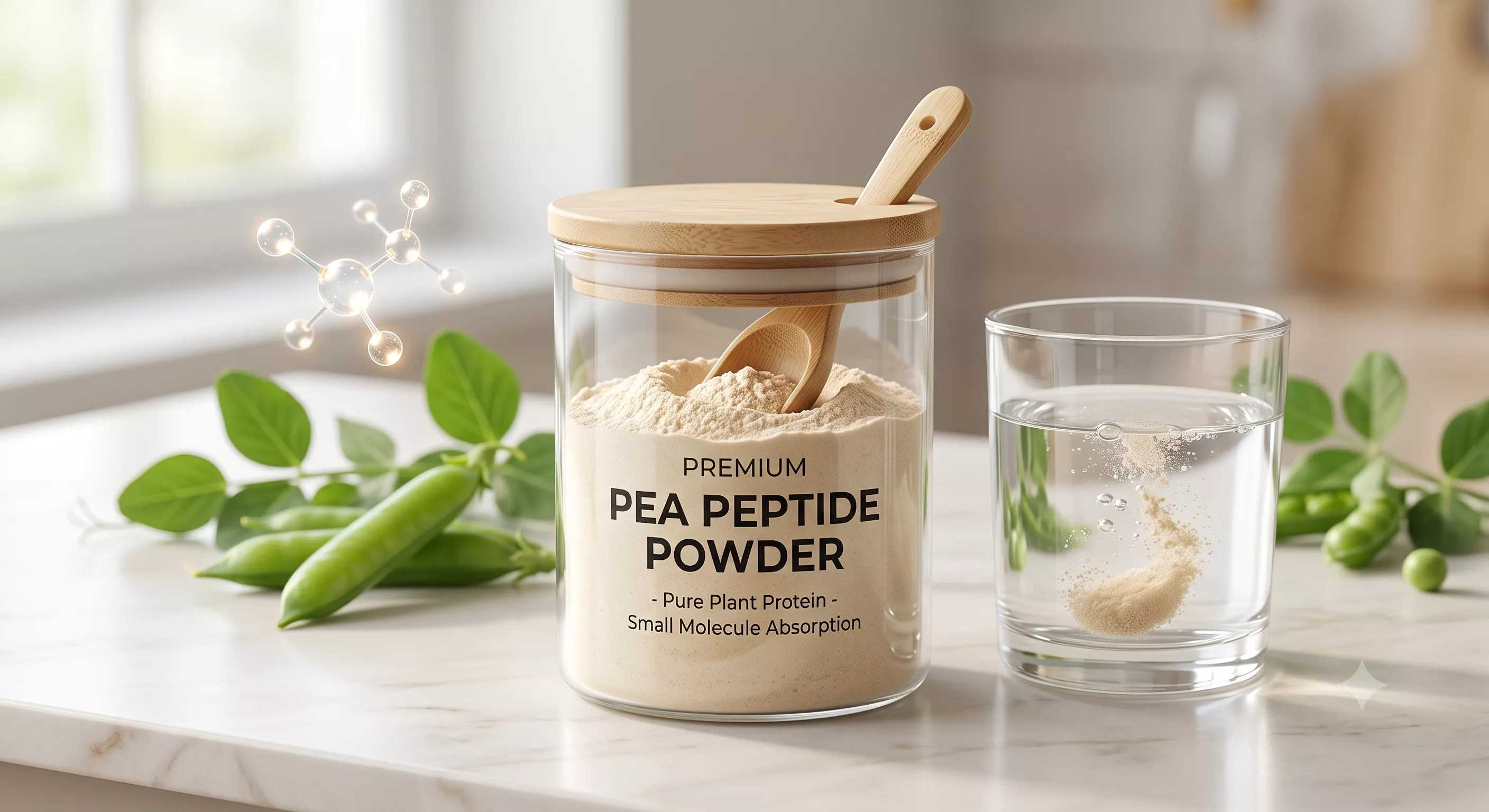
Source high-purity, hypoallergenic hydrolyzed pea peptide powder in bulk. Complete water solubility, rich in BCAAs, ideal for vegan recovery formulas.
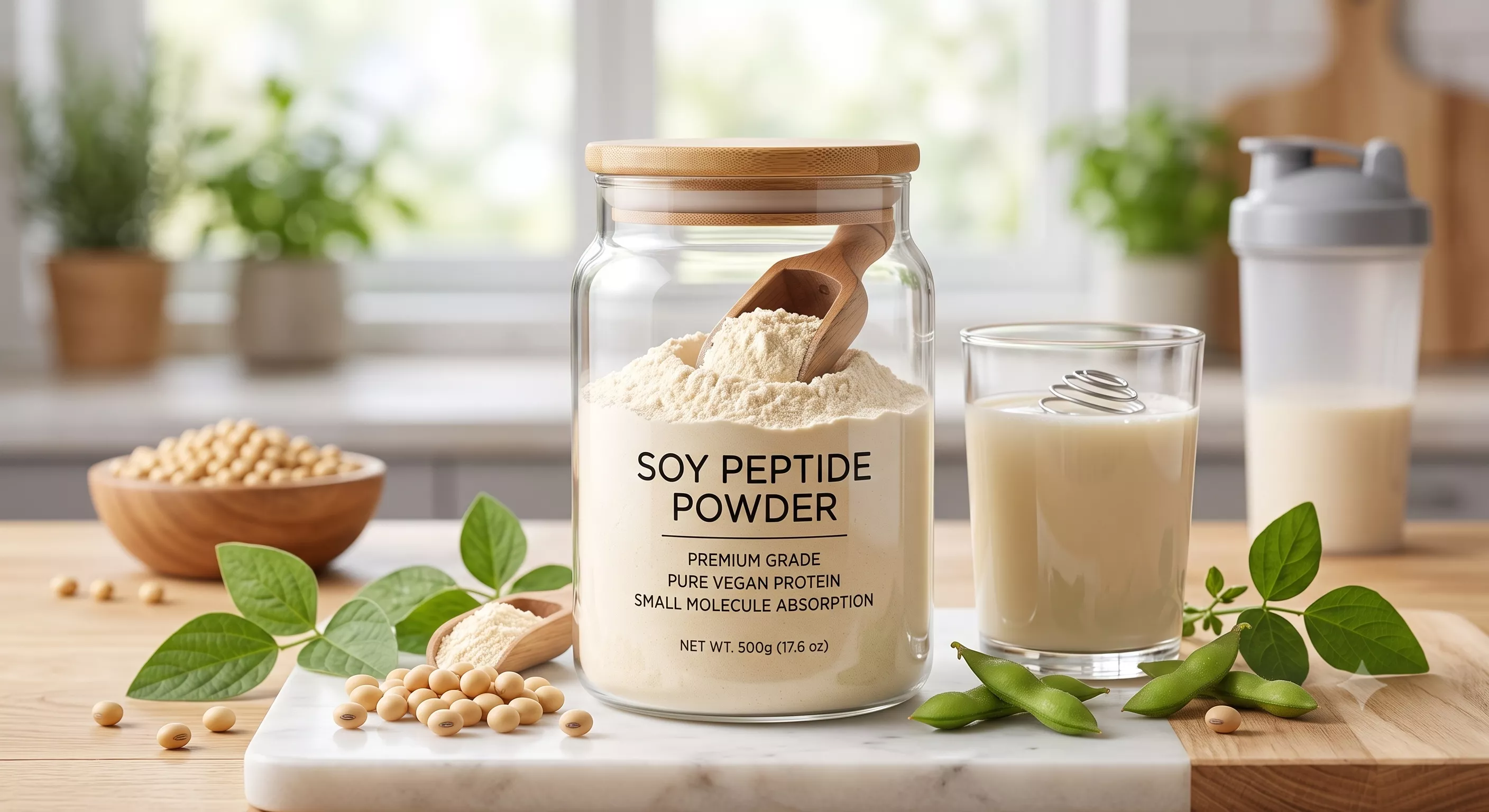
Source ultra-pure, non-GMO hydrolyzed soybean oligopeptide powder in bulk. Complete water solubility, over 80% peptides under 1000 Da. Ideal for sports nutrition and immune recovery formulas.
Tel:+86 21 65010906
Cell/Whatsapp/Wechat:
+86 13482884055
+86 18657345785
Email: sales@beyondbiopharma.com





User Comments
Service Experience Sharing from Real Customers
Megan
Pastry ChefAs someone who's been baking professionally for 8 years, I've always struggled with sheet gelatin measurements in old European recipes. This conversion guide was a lifesaver for my latest patisserie menu. Finally got my panna cotta to set perfectly without that rubbery texture! The powder equivalents are spot-on.
Leo
Home CookHonestly, I almost gave up on making marshmallows from my grandma's handwritten recipe because it called for '2 sheets of gelatin.' Who even has that? Found this conversion table while desperately Googling at 10 PM. Worked like a charm, though I wish there was a bit more explanation about bloom strengths for different brands.
Rebecca
Food Science StudentUsing this for my university lab project on hydrocolloids. The precision here is way better than the vague approximations my textbook provides. Saved me from botching three experimental batches of gummy gels. Professor even asked where I got the reference!
Carlos
Catering ManagerWe switched to powder gelatin for cost reasons, but all our signature mousses were developed with sheet gelatin. This conversion chart helped us retool 15 recipes without losing quality. One star off because the humidity factor isn't mentioned—had to adjust slightly in our kitchen during rainy season.