 English EN


Gelatin sheet vs powder what science says in 2026
Gelatin sheet offers chefs better clarity, smooth texture, and consistent results than powdered gelatin, making it the top choice for desserts in 2026.
More
Sourcing gelatin for gummies, capsules, or confectionery often hits a snag: recipes call for sheets, but suppliers quote in powder bloom strength. The correct powder gelatin to sheet conversion ratio is not a single number—it depends on the bloom value of the powder and the weight of the sheet. This guide gives you the exact formula, industry-standard conversion tables, and practical selection advice for food, pharmaceutical, and nutraceutical buyers. Whether you are a purchasing manager or a product developer, understanding this ratio helps you maintain batch consistency and avoid costly trial-and-error.
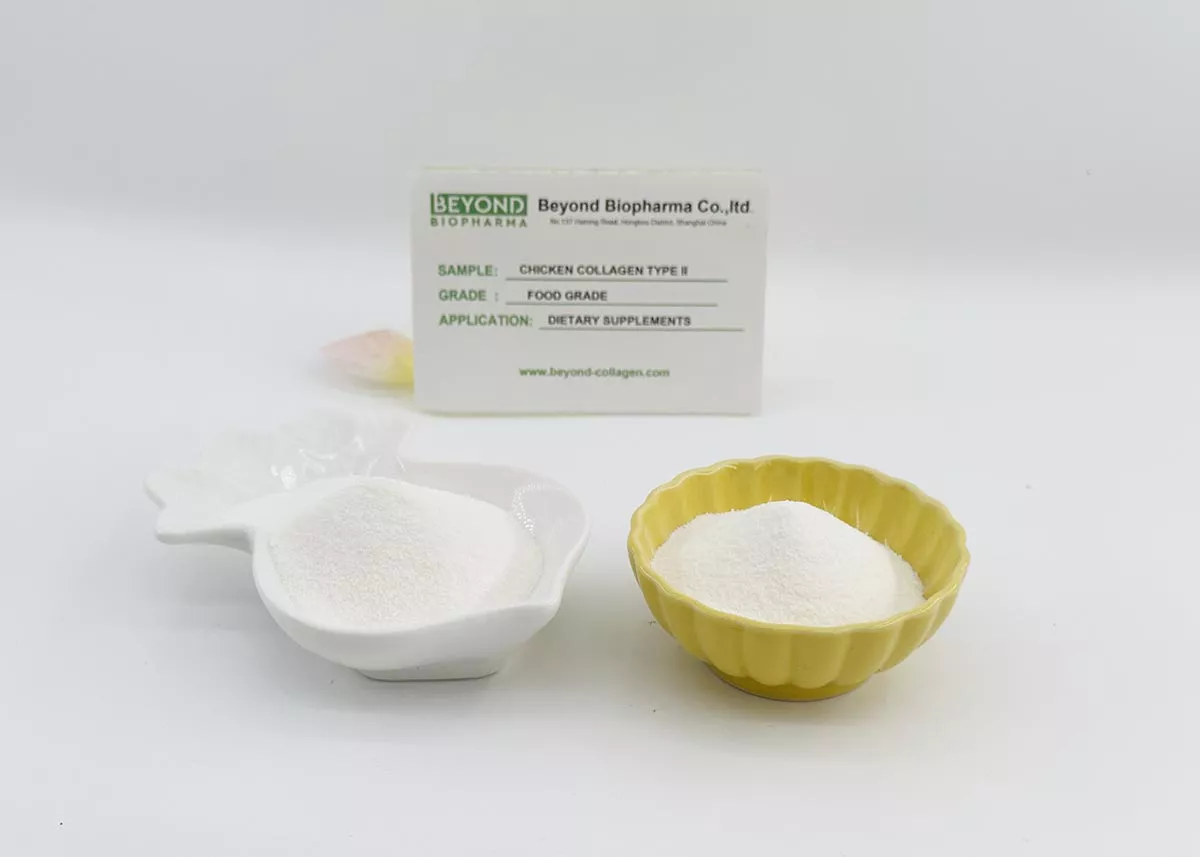
The powder gelatin to sheet conversion ratio is the weight equivalence between powdered gelatin and sheet (leaf) gelatin for the same gelling power. Sheets are standardized by bloom strength—typically 200–250 bloom for gold, silver, bronze, or platinum grades—while powder is sold by bloom value (e.g., 150–300 bloom). The rule of thumb: 1 sheet of 200-bloom gelatin (about 2 g) equals roughly 2 g of 200-bloom powder. But if your powder is 250 bloom or 150 bloom, the weight changes. The formula is: Powder weight = Sheet weight × (Sheet bloom ÷ Powder bloom). For example, a 2 g silver sheet (200 bloom) replaced with 250-bloom powder needs 2 × (200 ÷ 250) = 1.6 g of powder.
For overseas buyers sourcing Edible Gelatin or Pharmaceutical Gelatin, batch consistency is everything. Using the wrong conversion ratio leads to gummies that are too soft or hard capsules that crack. The ratio ensures that the gel strength (measured in bloom grams) stays constant across formats. This is critical when switching from sheet-based R&D to powder-based production. A mismatch can also affect solubility, setting time, and final texture. Always request a Certificate of Analysis (COA) for both bloom and viscosity to confirm the conversion.
Gelatin is derived from collagen through partial hydrolysis. The raw material—bovine hide, bone, porcine skin, or fish skin—is cleaned, acid- or alkali-treated, extracted with hot water, filtered, concentrated, and dried. For powder, the dried gelatin is milled to a specific mesh size (typically 8–60 mesh). For sheets, the gelatin solution is cast into thin films and dried. Key parameters that affect conversion include:
Note: These are typical industry ranges; final values per COA/sample.
Below is a comparison of common specifications for powder and sheet gelatin. Use this as a reference when requesting quotes or samples.
| Parameter | Powder Gelatin (Typical Range) | Sheet Gelatin (Typical Range) |
|---|---|---|
| Bloom (g) | 50–300 (common: 150–260) | 200–250 (silver, gold, platinum) |
| Viscosity (mPa·s) | 2.0–5.5 | Not typically specified; sheet weight standardized |
| Mesh size | 8–60 | N/A (sheet thickness ~2–3 mm) |
| Moisture | ≤14% | ≤14% |
| Weight per sheet | N/A | ~2 g (varies by brand; check spec) |
Note: These are typical industry ranges; final values per COA/sample.
The powder gelatin to sheet conversion ratio is used across multiple industries. Here is how to apply it by application:
For gummies, a bloom of 200–260 is typical. If your recipe uses 10 g of 200-bloom sheets, and you have 250-bloom powder, use 10 × (200 ÷ 250) = 8 g of powder. This ensures the same chewiness. For Food Grade Porcine Gelatin, always verify the bloom on the COA.
Hard capsules require high-bloom gelatin (typically 250–300 bloom) for shell strength. Softgels need ultra-high-viscosity gelatin. The conversion ratio is less common here because sheets are rarely used in capsule production, but for R&D scale-up, the same formula applies. For Pharmaceutical Gelatin, request a sample to test dissolution and hardness.
Collagen peptides (e.g., Fish Collagen Peptide) are not gelatin—they do not gel. But for gelatin-based protein gummies or joint health chews, the conversion ratio ensures consistent texture. For Undenatured Collagen Type II, which is used for joint mobility, gelatin is often added as a gelling agent; use the ratio to match your target bloom.
Gelatin is animal-derived. For vegan alternatives, consider Plant Protein Peptide or hydrocolloids like agar-agar. The conversion ratio does not apply directly; instead, compare gel strength (bloom equivalent) using a texture analyzer. Agar typically has a higher gel strength than gelatin, so use about 0.5–1% agar for every 1% gelatin in a recipe.
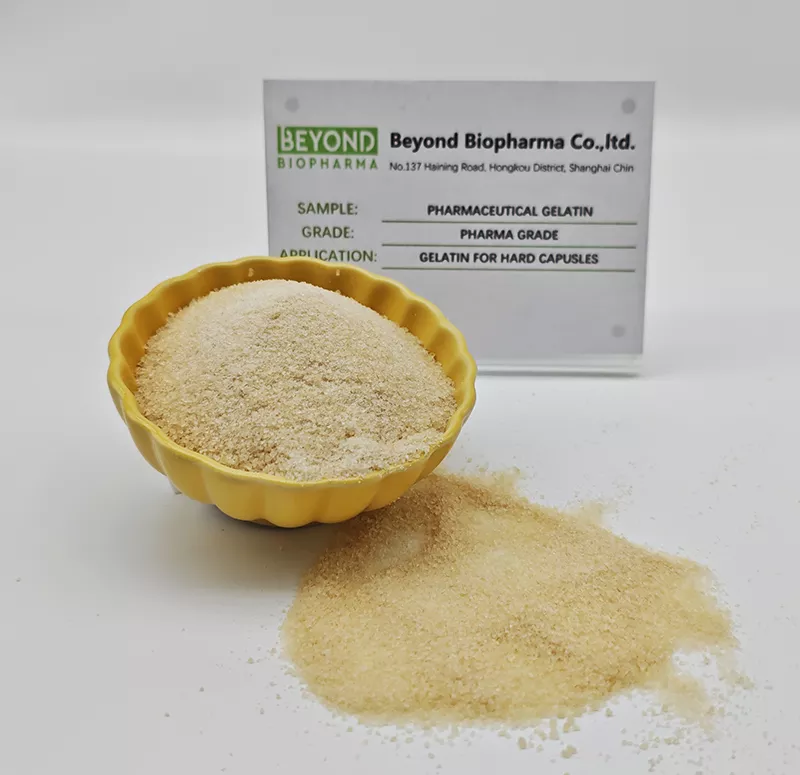
Beyond Biopharma is a Shanghai, China–based manufacturer specializing in collagen peptides, gelatin, and plant protein peptides for B2B buyers. With over 10 years in the food-ingredient industry, we export to 50+ countries. Our facility has an annual capacity of approximately 3,000 MT for collagen and 5,000 MT for gelatin. We operate a fully automatic production line with GMP clean workshops, stainless-steel sealed piping, and automated temperature/pH control. Our certifications include ISO 9001, US FDA registration, and GMP clean workshop compliance. Select products carry Halal and Kosher certification (e.g., fish gelatin). Our bovine bone gelatin is BSE-free. We maintain an in-house lab for heavy-metal and microbiological testing, supported by a dedicated QA/QC team. We offer three grades: food, pharmaceutical, and cosmetic. Free samples and formulation support are available upon request.
Most commercial gelatin sheets weigh about 2 g each, but this varies by brand and grade. Silver sheets (200 bloom) are typically 2 g, while gold sheets (250 bloom) may be slightly lighter. Always check the manufacturer's specification sheet for exact weight per sheet.
No. The ratio depends on bloom strength. Bovine, porcine, and fish gelatin have different bloom ranges. For example, fish gelatin often has a lower bloom (150–200) compared to bovine (200–300). Adjust the formula using the bloom values from the COA.
Use the formula: Powder weight = Sheet weight × (Sheet bloom ÷ Powder bloom). For example, if a recipe calls for 10 g of 200-bloom sheets and your powder is 160 bloom, you need 10 × (200 ÷ 160) = 12.5 g of powder. This ensures the same gel strength.
Neither is inherently better. Sheets are easier to weigh and dissolve without clumping, making them popular in small-batch production. Powder is more cost-effective for large-scale manufacturing and offers a wider range of bloom and mesh options. Choose based on your production scale and equipment.
Request a COA for both the sheet and powder gelatin. Compare bloom, viscosity, and moisture. Perform a small-scale test using the conversion formula. Adjust hydration time (powder may need 10–15 minutes in cold water) and temperature (do not exceed 60°C to avoid degrading the gelatin).
Yes. Higher bloom gelatin sets faster and forms a firmer gel. When converting, if you use a higher bloom powder than the sheet, the setting time may decrease. Monitor the cooling rate and adjust your process accordingly. Typical setting time for 200-bloom gelatin is 2–4 hours at 4°C.
Ready to source consistent, high-quality gelatin for your next formulation? Contact Beyond Biopharma with the following details so we can send you free samples and a tailored quote:
Our team will match your requirements with the right product—whether it is Edible Gelatin, Pharmaceutical Gelatin, or Fish Collagen Peptide. We support custom bulk supply and formulation/OEM. The correct powder gelatin to sheet conversion ratio is just the start—let us help you get it right from the first batch.

We provide you with comprehensive foreign trade solutions to help enterprises achieve global development
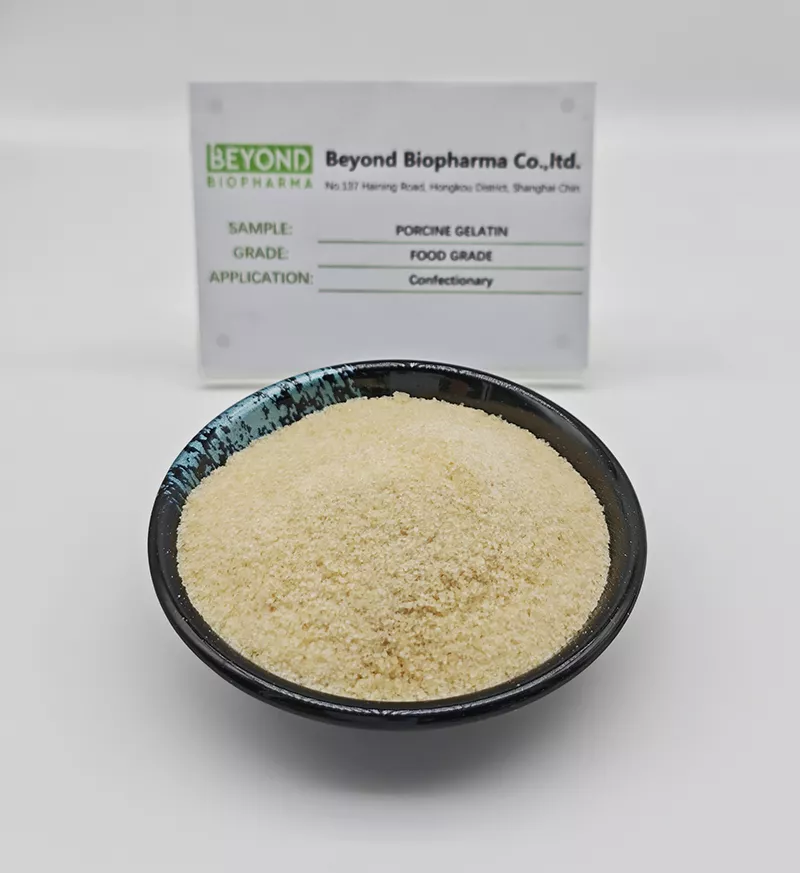
Food-grade porcine gelatin is a highly versatile and cost-effective natural protein derived from the collagen found in pig skin and bones. It is a premier gelling agent known for its exceptional clarity, neutral taste, and thermal reversibility.
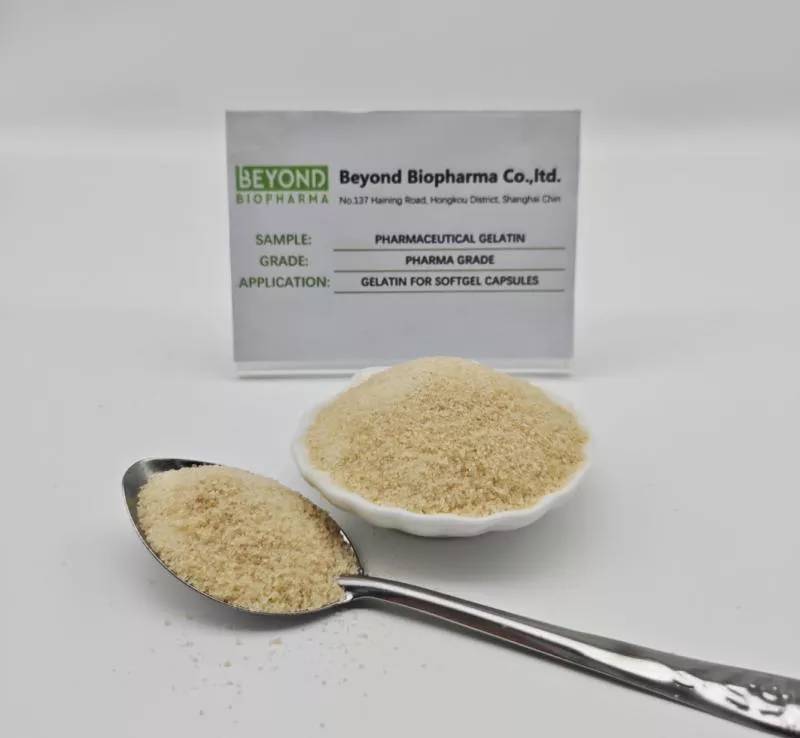
Softgel encapsulation demands a gelatin with unique physical attributes to perform optimally during the high-speed manufacturing process
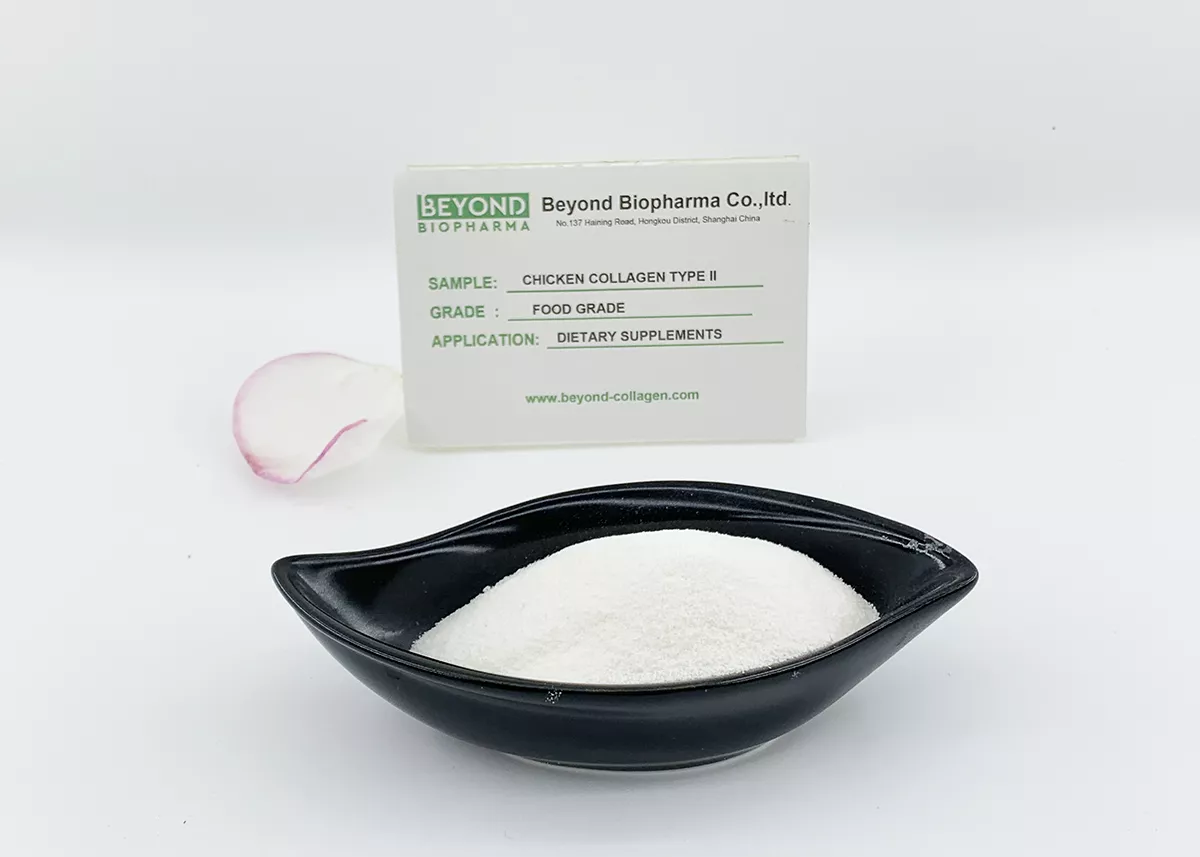
BEYOND BIOPHARMA is a specialized manufacturer of high-quality Undenatured Collagen Type II. Utilizing low-temperature, non-enzymatic extraction methods, our Undenatured Collagen Type II retains its native, triple-helix structure, essential for modulating the immune system's response to joint health and providing superior support for mobility, flexibility, and overall joint comfort.
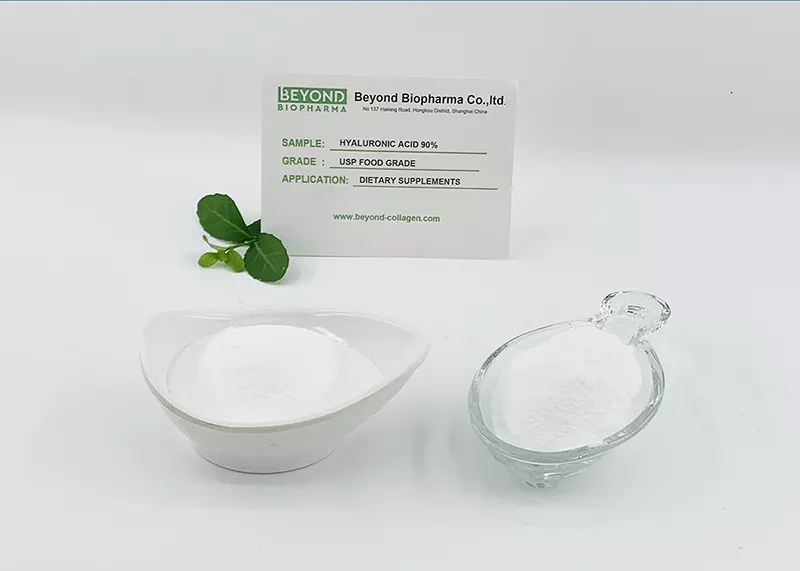
High Molecular Weight for Superior Joint, Skin, and Eye Health.
Select the most popular foreign trade service products to meet your diverse needs
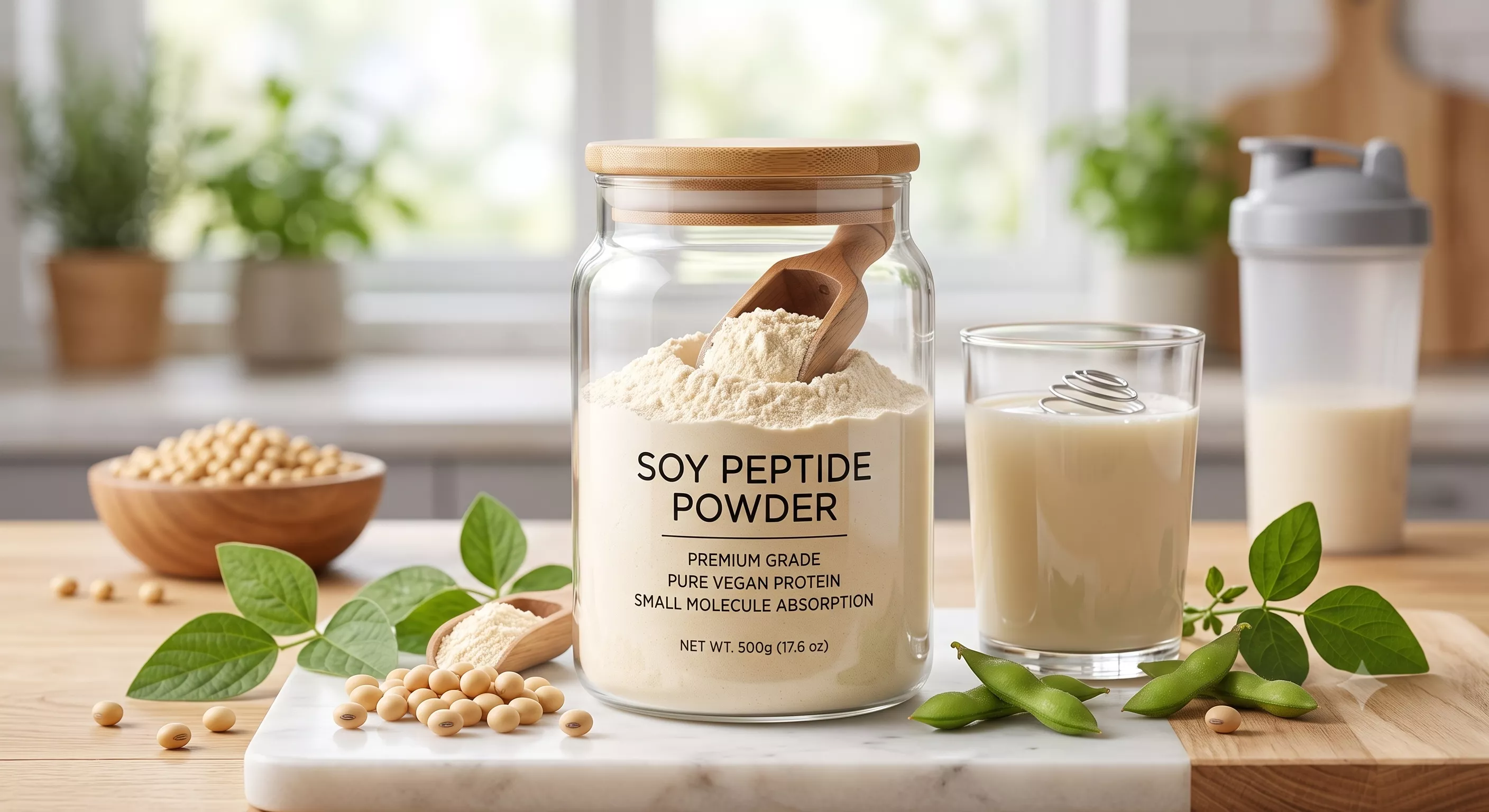
Source ultra-pure, non-GMO hydrolyzed soybean oligopeptide powder in bulk. Complete water solubility, over 80% peptides under 1000 Da. Ideal for sports nutrition and immune recovery formulas.
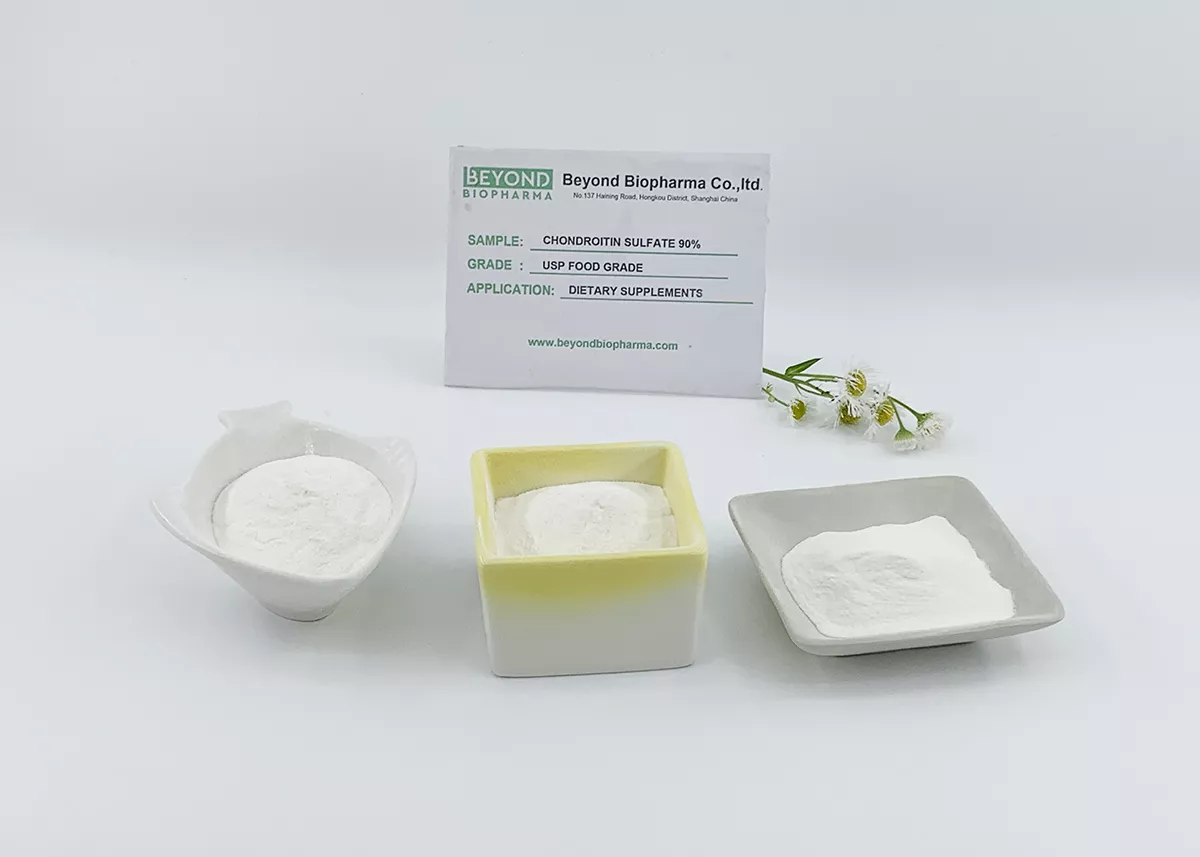
High Purity and Efficacy for Joint Health Formulations
High Molecular Weight for Superior Joint, Skin, and Eye Health.
Tel:+86 21 65010906
Cell/Whatsapp/Wechat:
+86 13482884055
+86 18657345785
Email: sales@beyondbiopharma.com





User Comments
Service Experience Sharing from Real Customers
Megan
Pastry ChefAs someone who's been baking professionally for 8 years, I've always used sheet gelatin out of habit. This conversion guide was a game-changer! The tip about bloom strength differences between powder and sheets saved my latest panna cotta batch. Finally, I can confidently buy the more affordable powder without guessing. Feels like unlocking a kitchen secret!
Leo
Home CookHonestly, I was totally lost trying to adapt my grandma's recipe that called for sheets. The chart here made it simple—no fancy math needed. My marshmallows turned out perfect on the first try! Minus one star because I wish there were more examples for different brands, but overall this saved my holiday baking.
Rebecca
Food Science StudentFor my thesis project on texture modifiers, this was the clearest practical explanation I've found online. Most academic papers assume you already know the conversions. The note about adjusting for pH levels? Brilliant detail most sites skip. Shared this with my entire lab group!
Derek
Culinary InstructorI've been teaching professional kitchens for 15 years, and I still learned something new here—specifically the part about how different powder brands vary in density. I'm updating my curriculum to include this resource. The real-world troubleshooting examples mirror exactly what students ask in class. Spot on!