 English EN


Bovine gelatin pros and cons everyone should know
Bovine gelatin offers strong gelling and health benefits but has dietary, ethical, and allergen concerns. Compare bovine gelatin to other gelatin options here.
More
If you have ever found yourself with a recipe calling for gelatin leaves but only have powder on hand, you are not alone. Many chefs and bakers face this exact situation. The key to a successful swap lies in understanding how to convert gelatin leaves to powder accurately. This is not just about weight; it is about bloom strength, hydration ratios, and application behavior. For overseas buyers sourcing gelatin for food, nutraceutical, or pharmaceutical use, mastering this conversion ensures product consistency and reduces costly trial-and-error.
Gelatin is a versatile gelling agent derived from collagen. It comes in two primary physical forms: sheets (leaves) and powder. While leaves are popular in fine dining for their clarity and gentle melting point, powder is more common in industrial settings due to its ease of measurement and storage. The conversion is straightforward once you know the bloom strength of your gelatin. Most leaf gelatin is sold as bronze, silver, gold, or platinum grades, each with a specific bloom range. Powder gelatin typically has a bloom value printed on the label. Matching these values is the first step to a reliable substitution.
The most common conversion rule is that one standard gelatin leaf (about 2 grams, 200 bloom) equals approximately 1 teaspoon (2.8 to 3 grams) of powdered gelatin. However, this ratio depends on the bloom strength of both forms. A 200-bloom leaf is roughly equivalent to 200-bloom powder. If your powder has a different bloom, adjust accordingly. For example, a 160-bloom powder will require slightly more weight to achieve the same gel strength. Always check the manufacturer's specification sheet. For bulk buyers, Beyond Biopharma provides detailed COA (Certificate of Analysis) for every batch of edible gelatin, including bloom and viscosity data, so you can match your recipe requirements precisely.
Bloom strength measures the firmness of a gelatin gel. It is the most critical factor when converting between leaf and powder. A higher bloom number means a firmer gel. If you substitute a lower bloom gelatin for a higher one without adjusting the weight, your final product will be softer. Conversely, using a higher bloom gelatin will yield a stiffer texture. For standard recipes, a 200-bloom gelatin is typical. If you are using a 250-bloom gelatin, reduce the weight by about 20% to match the gel strength of a 200-bloom leaf. This is especially important in applications like gummies, where texture is a key quality attribute. For pharmaceutical-grade applications, such as hard capsules, viscosity and bloom are tightly controlled. Beyond Biopharma offers pharmaceutical gelatin with consistent bloom ranges suitable for encapsulation.
Follow these steps for a reliable conversion:
Understanding standard gelatin parameters helps you select the right product for your application. The table below shows typical industry ranges. Note that these are generic values; final specifications should be confirmed with the supplier's COA or sample.
| Parameter | Typical Range | Notes |
|---|---|---|
| Bloom (g) | 50 – 300 | Pharma/gummies often use 150-260 Bloom |
| Viscosity (mPa·s) | 2.0 – 5.5 | Measured at 6.67% solution, 60°C |
| Mesh size | 8 – 60 | Affects dissolution speed |
| Moisture | ≤14% | Higher moisture reduces shelf life |
Typical industry range; final values per COA / sample.
Different industries have unique requirements for gelatin. Here is how to choose the right form and grade:
Beyond Biopharma is a Shanghai-based manufacturer with over 10 years of experience in the food-ingredient industry. Our products are exported to more than 50 countries. We operate a fully automatic production line with GMP clean workshops, stainless-steel sealed piping, and automated temperature and pH control. Our annual capacity is approximately 3,000 MT for collagen and 5,000 MT for gelatin. We hold ISO 9001 certification, are US FDA registered, and select products carry Halal or Kosher certification. Our bovine bone gelatin is BSE-free. We have an in-house laboratory for heavy-metal and microbiological testing, supported by a dedicated QA/QC team. We offer free samples and formulation support across three grades: food, pharmaceutical, and cosmetic.
No. Powdered gelatin must be bloomed in cold water first. If added directly to a hot liquid, it will form clumps and not dissolve evenly. Blooming ensures smooth hydration and consistent gel strength.
Using a higher bloom than required will make the gel too firm, while a lower bloom will result in a softer set. For critical applications like gummies or capsules, always match the bloom to your recipe or adjust the weight accordingly.
High-quality gelatin from both forms should be neutral in taste and odor. Poor-quality gelatin may have a fishy or unpleasant smell. Beyond Biopharma's gelatin undergoes strict odor and taste testing to ensure a clean profile.
Yes, but you must use pharmaceutical-grade gelatin that meets USP/EP standards. The conversion principle is the same, but the bloom and viscosity specifications are more critical for capsule production. Always request a COA from your supplier.
Store gelatin powder in a cool, dry place away from direct sunlight. Keep the container tightly sealed to prevent moisture absorption. Properly stored, gelatin powder can last up to two years.
Yes. Beyond Biopharma provides free samples for evaluation. You can test the bloom, solubility, and gel strength in your specific application before placing a bulk order.
If you are looking for a reliable supplier of gelatin or collagen peptides, we invite you to contact us. To help us serve you better, please provide the following information in your inquiry:
With this information, Beyond Biopharma can send you free samples and a competitive quote. Our team is ready to support your formulation and sourcing needs. Understanding how to convert gelatin leaves to powder is just the first step. Partnering with a manufacturer that offers consistent quality, transparent specifications, and global logistics ensures your products perform as expected every time.

We provide you with comprehensive foreign trade solutions to help enterprises achieve global development
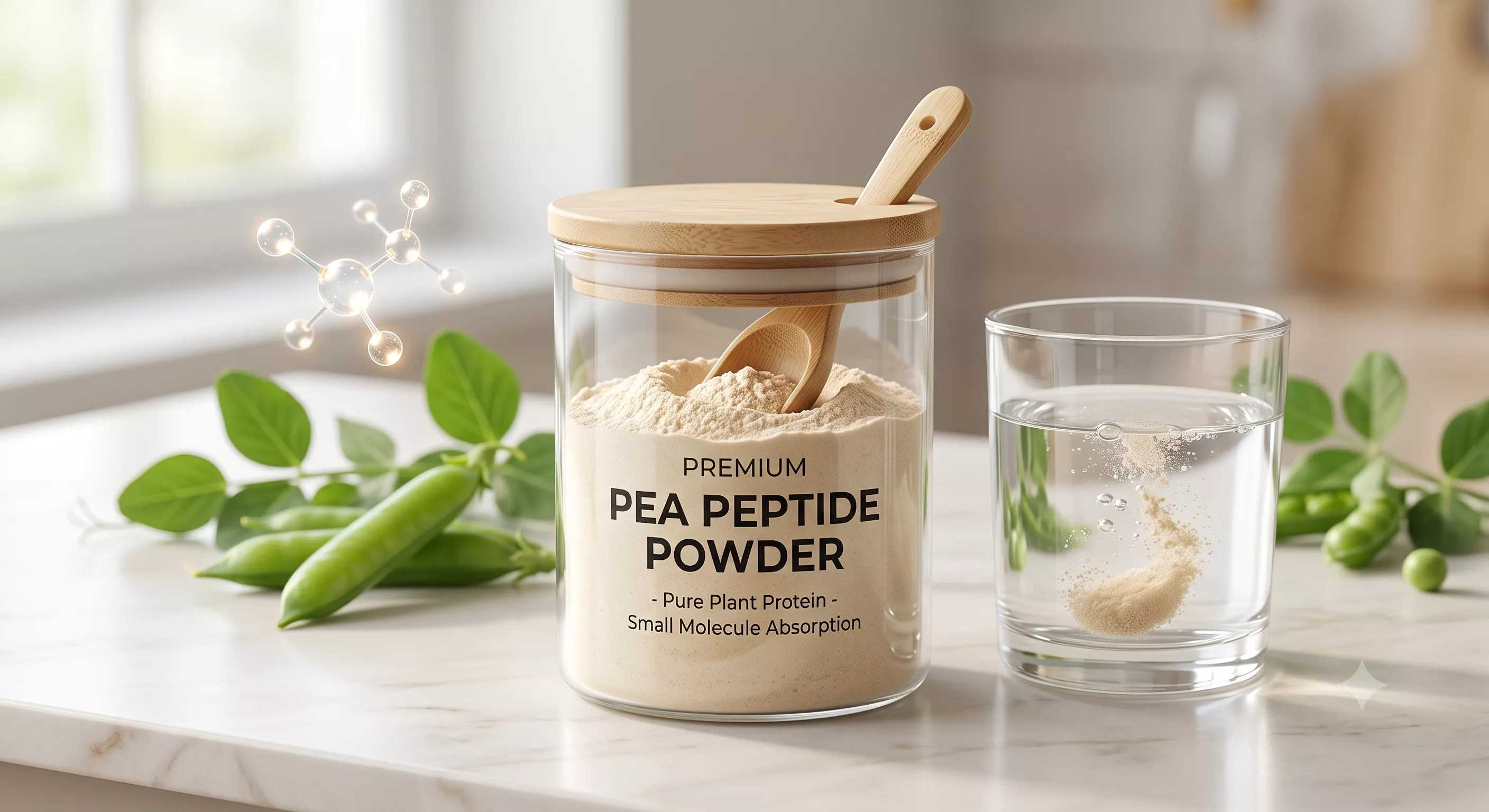
Source high-purity, hypoallergenic hydrolyzed pea peptide powder in bulk. Complete water solubility, rich in BCAAs, ideal for vegan recovery formulas.
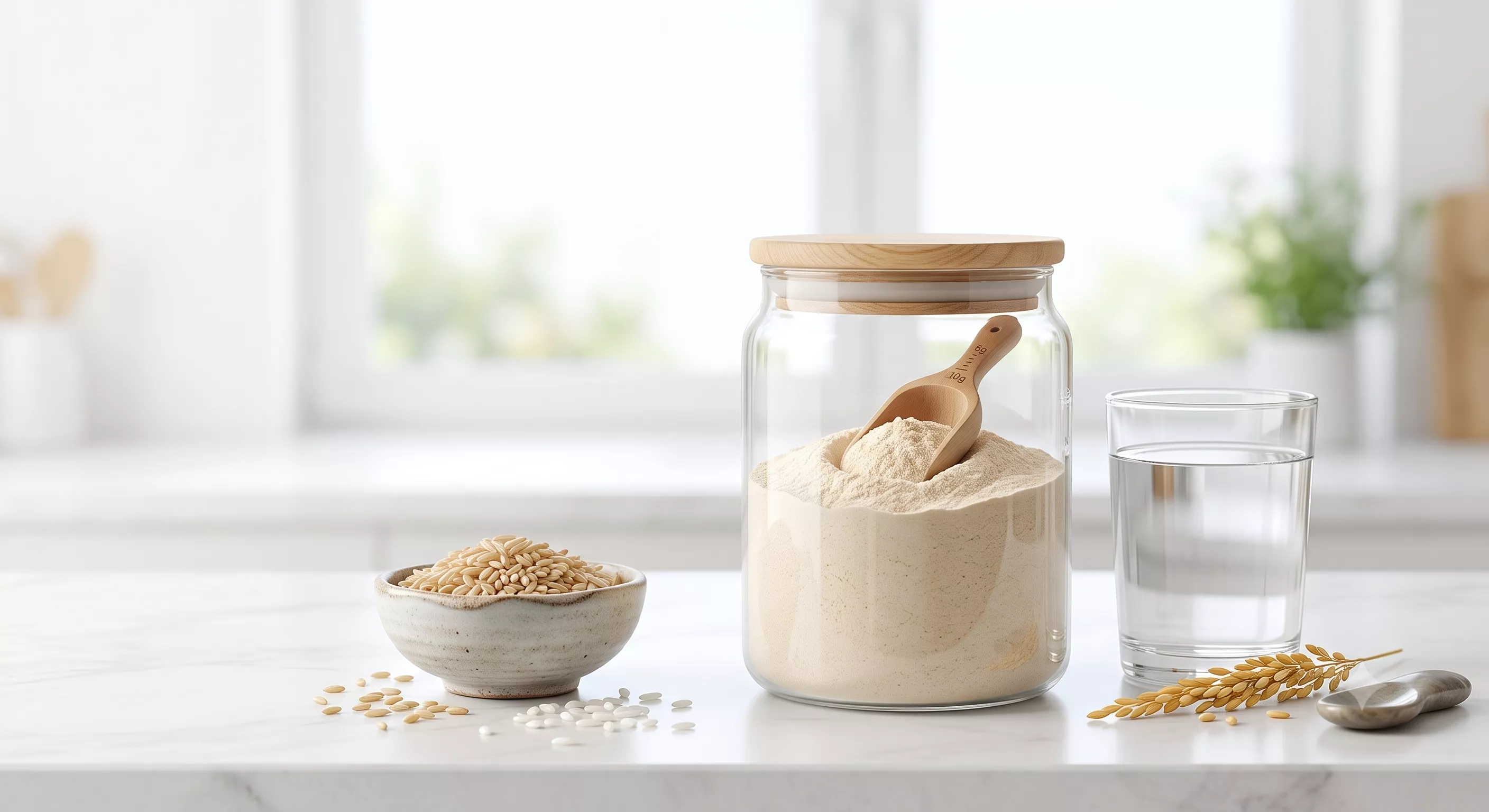
Source ultra-pure, 100% water-soluble wholesale hydrolyzed rice protein peptide in bulk. Over 85% molecules under 1000 Da. Ideal for infant nutrition, clean-label sports formulas, and sensitive skincare.
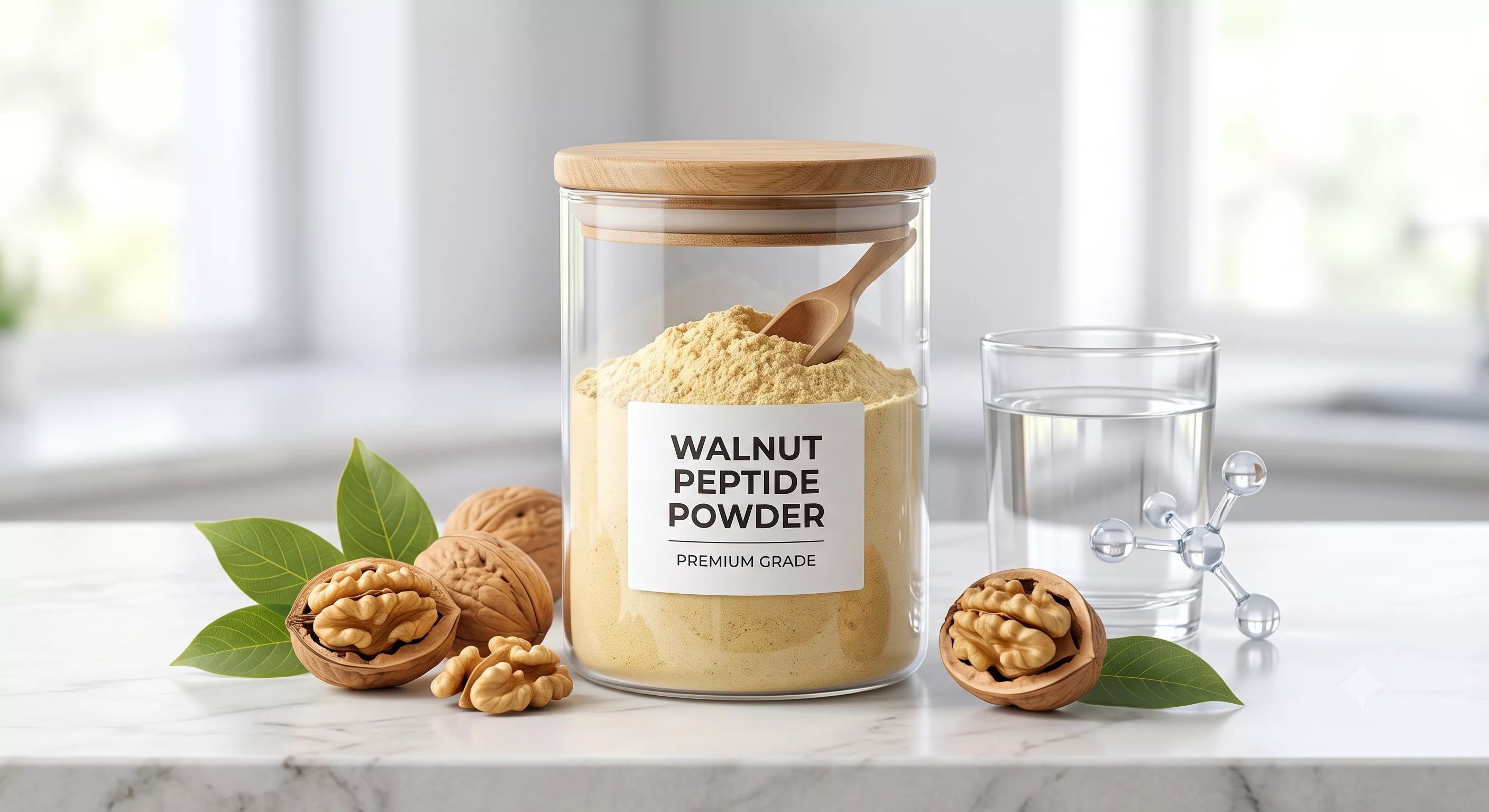
Source wholesale hydrolyzed walnut protein peptide powder in bulk. Over 85% low-molecular-weight oligopeptides rich in Glutamic Acid. Perfect for cognitive formulas and sleep aid supplements.
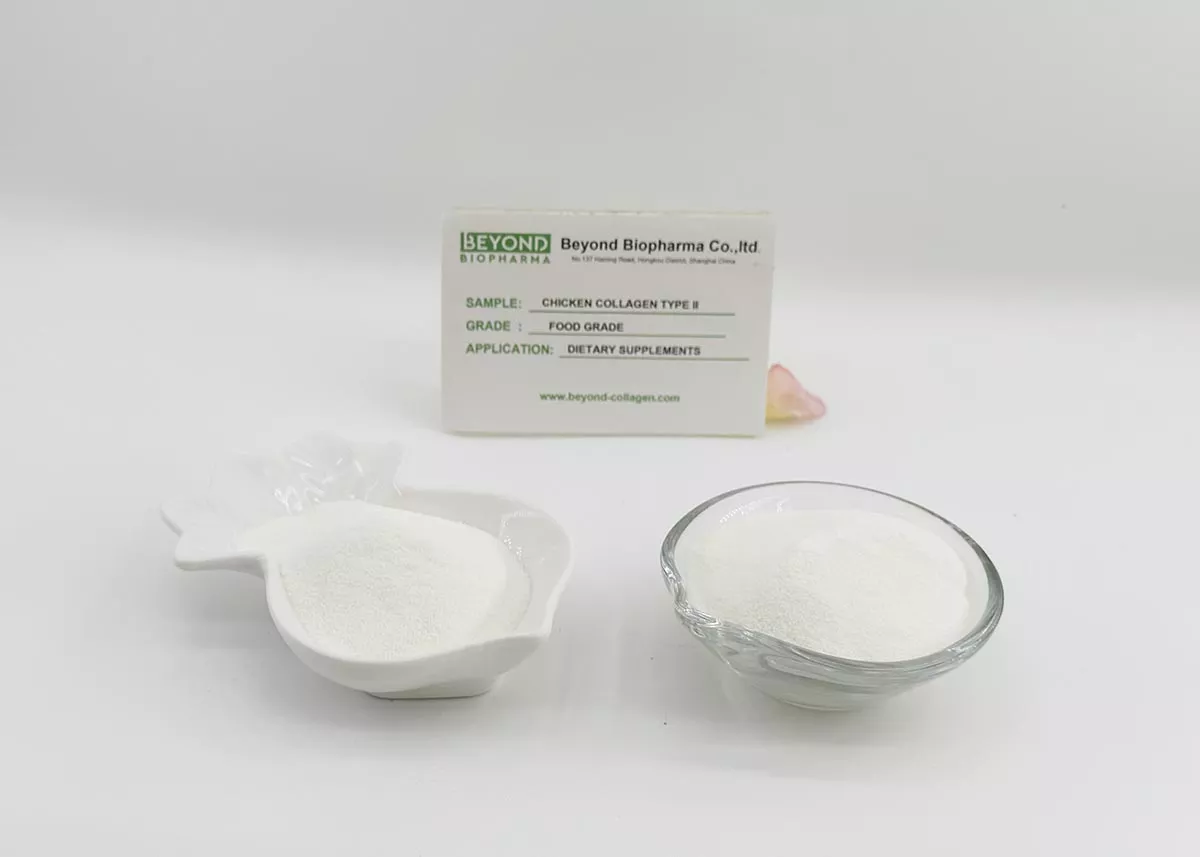
BEYOND BIOPHARMA is a specialized manufacturer of highly purified Hydrolyzed Collagen Type II. Through advanced enzymatic hydrolysis, we create low-molecular-weight collagen peptides that are highly bioavailable, offering foundational nutritional support for cartilage repair, joint function, and skin health. Our product is designed for rapid absorption and maximum efficacy in oral supplements.
Select the most popular foreign trade service products to meet your diverse needs
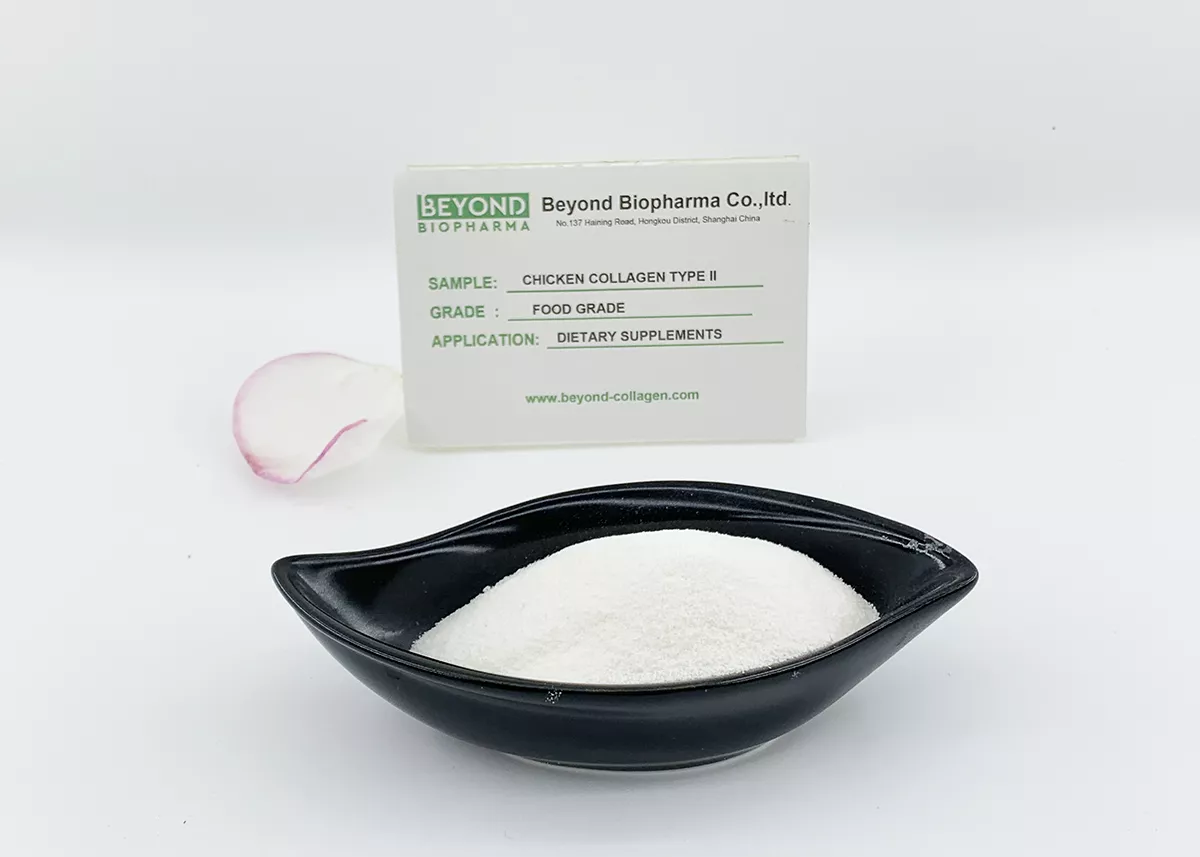
BEYOND BIOPHARMA is a specialized manufacturer of high-quality Undenatured Collagen Type II. Utilizing low-temperature, non-enzymatic extraction methods, our Undenatured Collagen Type II retains its native, triple-helix structure, essential for modulating the immune system's response to joint health and providing superior support for mobility, flexibility, and overall joint comfort.
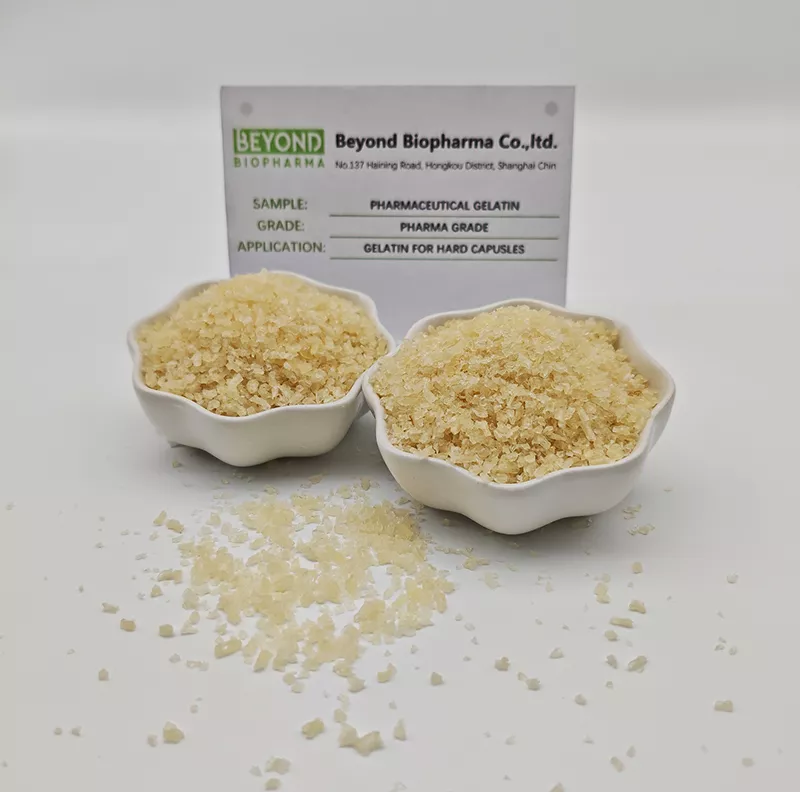
Precision, Purity, and Optimal Machinability
20 years experiences, 5000 ton/year capacity, Sustained supply with stable quality
Tel:+86 21 65010906
Cell/Whatsapp/Wechat:
+86 13482884055
+86 18657345785
Email: sales@beyondbiopharma.com





User Comments
Service Experience Sharing from Real Customers
Megan
Home BakerAs someone who's always used sheet gelatin in my French patisserie recipes, I was skeptical about switching to powder. This conversion guide was a lifesaver! The table was clear, and the tip about blooming powder in cold water first made all the difference. My panna cotta set perfectly—no rubbery texture. Finally, I can use what's available locally without guesswork.
Leo
Culinary StudentJust used this for my pastry arts final project. The leaf-to-powder ratio saved me when the specialty shop ran out of sheets. I knocked off one star because I wish it mentioned that different powder brands can vary slightly in strength. Still, my champagne gelee turned out fantastic, and the instructor didn't even notice the substitution!
Rebecca
Food Product DeveloperIn our test kitchen, we often reformulate recipes for mass production where powdered gelatin is more practical. This conversion chart matched our internal lab data almost exactly. It's rare to find publicly available info that's this accurate. Shared it with my whole team—saves us so much trial and error when scaling up desserts for manufacturing.
Tom
Home CookHonestly, I didn't even know there was a difference between leaf and powder gelatin until my recipe failed twice. Found this guide while desperately Googling at 10 PM. The explanation about bloom strength finally made sense of why my mousse was soupy. Followed the 1:3/4 leaf-to-powder tip and it worked like magic. My dinner party was saved!