 English EN


Gelatin sheet vs powder what science says in 2026
Gelatin sheet offers chefs better clarity, smooth texture, and consistent results than powdered gelatin, making it the top choice for desserts in 2026.
More
Converting sheet gelatin to powder is a common task for professional bakers and chefs who need consistent gel strength across different formats. This guide provides a precise conversion ratio, explains bloom values, and offers practical tips for sourcing reliable gelatin ingredients for your food applications.
If you have ever opened a recipe calling for sheet gelatin but only have powdered gelatin on hand, you know the frustration of guessing the right amount. The key is understanding bloom strength — the measure of gel firmness. Sheet gelatin typically comes in bloom values of 160–250, while powdered gelatin ranges from 200 to 260 bloom. Without a correct conversion, your mousse may not set, or your panna cotta could turn rubbery. This article walks you through the exact math, the science behind it, and how to choose the right gelatin for your bakery or kitchen.
The most widely accepted conversion is: 1 sheet of gelatin (typically 2 g per sheet, 200 bloom) equals approximately 1 teaspoon (about 2.8 g) of powdered gelatin. However, this ratio depends on the bloom strength of both forms. For example, if your sheet gelatin is 160 bloom and your powder is 250 bloom, you need to adjust the weight to achieve the same gel firmness.
A simple formula: Weight of powder = (Bloom of sheet ÷ Bloom of powder) × Weight of sheet. For instance, to replace 10 g of 200-bloom sheet with 250-bloom powder: (200 ÷ 250) × 10 g = 8 g of powder. Always check the bloom value on your ingredient label. If you are sourcing gelatin for commercial production, request a Certificate of Analysis (COA) to confirm bloom and viscosity. For bulk buyers, Beyond Biopharma offers Edible Gelatin with consistent bloom ranges from 50 to 300 g, suitable for gummies, jellies, and confections.
Bloom strength is the force required to depress a standard plunger into a 6.67% gelatin gel after 17 hours at 10°C. Higher bloom means a firmer gel. Sheet gelatin is often sold in three grades: bronze (160 bloom), silver (200 bloom), and gold (250 bloom). Powdered gelatin typically falls between 200 and 260 bloom. If you use a higher-bloom powder than the recipe expects, you need less weight. Conversely, lower-bloom powder requires more.
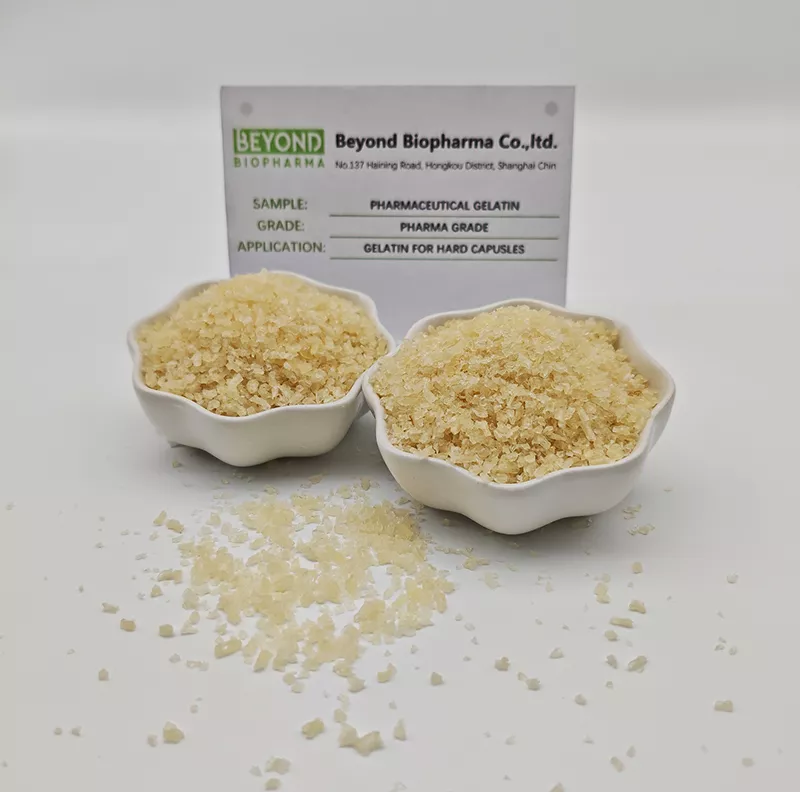
For example, a classic panna cotta recipe using 4 sheets of silver gelatin (200 bloom, 2 g each) can be made with 7 g of 250-bloom powder. The difference may seem small, but in delicate desserts, it matters. For pharmaceutical or nutraceutical applications, precision is even more critical. Beyond Biopharma supplies Pharmaceutical Gelatin with ultra-high viscosity for softgels and hard capsules, ensuring batch-to-batch consistency.
Understanding the technical specs helps you choose the right product. Below are common industry ranges for edible and pharmaceutical gelatin. Note: these are typical industry ranges; final values per COA / sample.
| Parameter | Edible Gelatin | Pharmaceutical Gelatin |
|---|---|---|
| Bloom (g) | 50–300 (common: 150–260 for gummies) | 150–260 (hard capsules: 200–250) |
| Viscosity (mPa·s) | 2.0–5.5 | 3.0–6.0 (softgels: higher viscosity) |
| Mesh size | 8–60 | 8–40 |
| Moisture | ≤14% | ≤12% |
For collagen peptides, molecular weight typically ranges from 2,000 to 5,000 Da, with fish collagen on the lower end for faster absorption. Protein content is ≥90%. Plant protein peptides from pea, rice, or soy sources have protein levels around 80–90% and molecular weight commonly below 5,000 Da. Always verify with your supplier.
Different industries require specific gelatin grades and bloom values. Here is a selection guide:
Beyond Biopharma is a Shanghai, China–based manufacturer with over 10 years of experience in the food-ingredient industry. We export to more than 50 countries. Our facility produces approximately 3,000 MT of collagen and 5,000 MT of gelatin per year, using a fully automatic production line with GMP clean workshops, stainless-steel sealed piping, and automated temperature and pH control.
We hold ISO 9001 certification, are US FDA registered, and maintain GMP clean workshops. Select products carry Halal or Kosher certification (e.g., fish gelatin). Our bovine bone gelatin is BSE-free. An in-house lab performs heavy-metal and microbiological testing, supported by a dedicated QA/QC team. We offer three grades: food, pharmaceutical, and cosmetic. Free samples and formulation support are available.
Q: Can I substitute sheet gelatin with powder in any recipe?
Yes, but you must adjust the weight based on bloom strength. Use the formula provided above. For best results, dissolve powder in cold water first (blooming) before heating.
Q: What is the shelf life of powdered gelatin?
Typically 2–3 years when stored in a cool, dry place away from moisture. Always check the COA for specific expiration dates.
Q: How do I bloom powdered gelatin correctly?
Sprinkle the powder over cold water (about 5 times the weight of gelatin) and let it sit for 5–10 minutes. Then gently heat to dissolve. Do not boil.
Q: Is fish gelatin a good alternative for kosher or halal diets?
Yes, fish gelatin is acceptable in many kosher and halal diets. Beyond Biopharma offers Kosher and Halal certified fish gelatin.
Q: What bloom strength is best for gummies?
For standard gummies, 200–250 bloom is common. Higher bloom gives a firmer bite. Test with your specific recipe.
Q: Can I use collagen peptides instead of gelatin for thickening?
Collagen peptides do not gel because they are fully hydrolyzed. They are used for nutrition, not for setting desserts.
Ready to source high-quality gelatin or collagen peptides for your next product? Contact Beyond Biopharma with the following details: your application (food, pharmaceutical, or cosmetic), required grade, target bloom or molecular weight, quantity or MOQ, any certifications needed (Halal, Kosher, BSE-free), and destination country. We will send free samples and a competitive quote. Our team supports custom bulk supply and formulation/OEM. Let us help you achieve consistent results with every batch.
Converting sheet gelatin to powder does not have to be a guessing game. With the right bloom adjustment and a reliable supplier like Beyond Biopharma, you can maintain product quality and streamline your production. Reach out today to discuss your ingredient requirements.

We provide you with comprehensive foreign trade solutions to help enterprises achieve global development
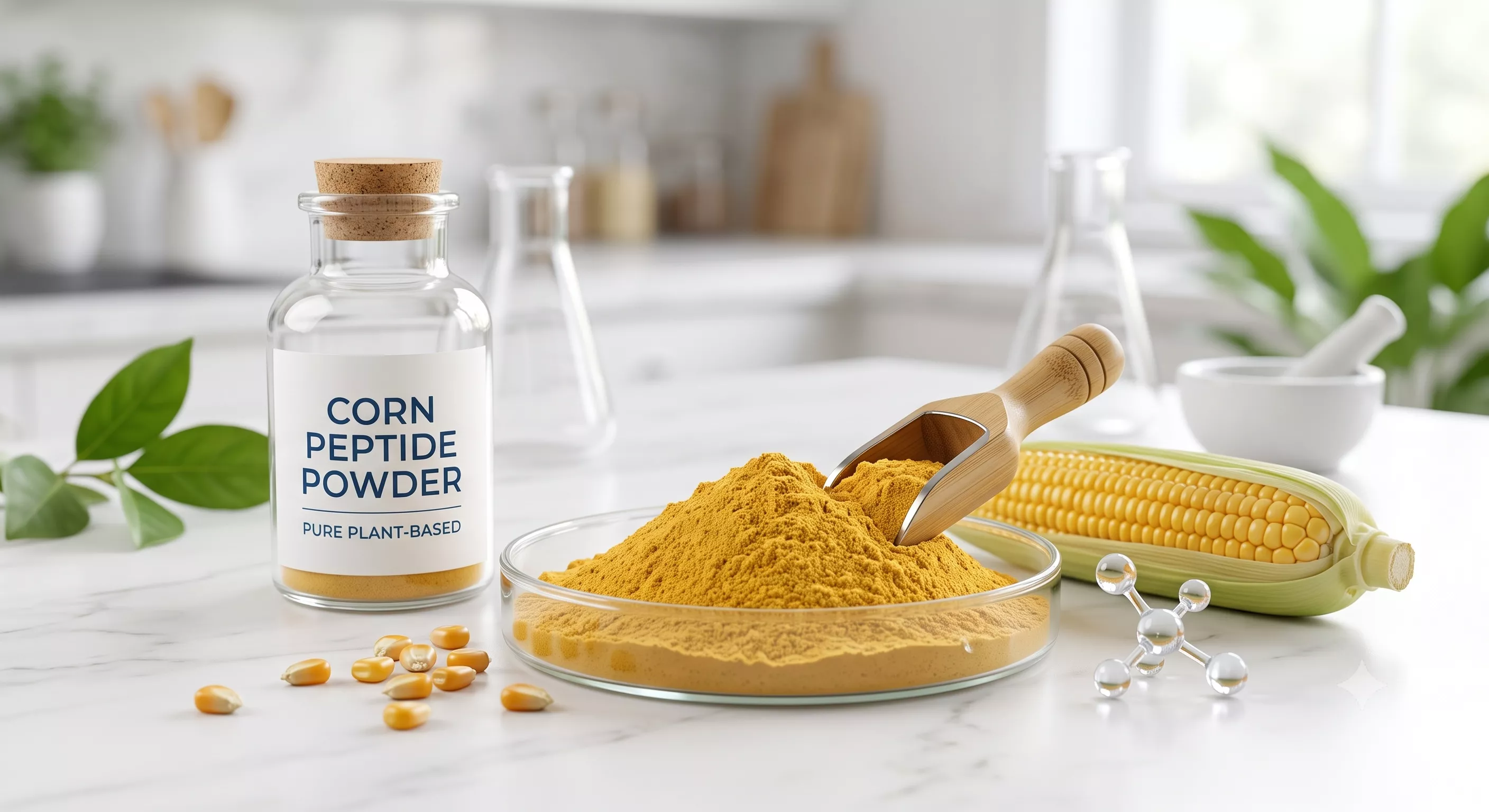
Source high-purity wholesale hydrolyzed corn protein peptide powder in bulk. Over 85% oligopeptides under 1000 Da. Rich in Alanine and Leucine for liver support and sobriety formulas.
High Purity and Efficacy for Joint Health Formulations
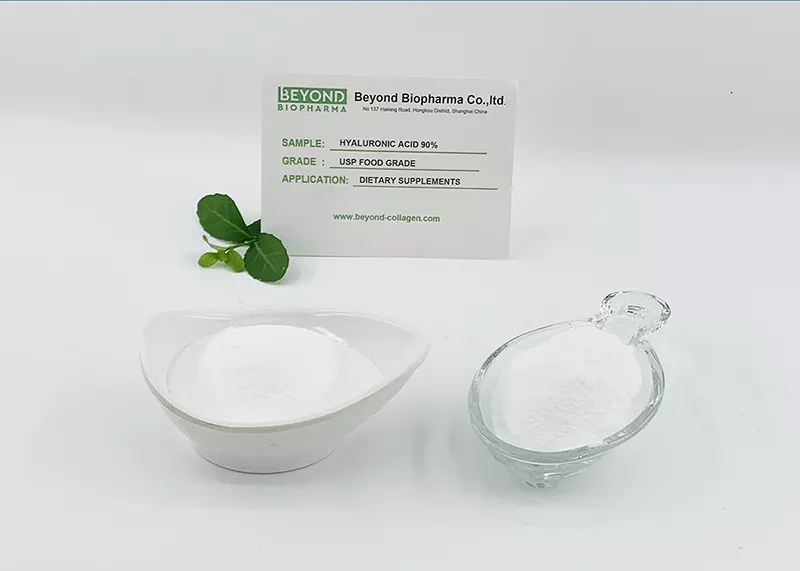
High Molecular Weight for Superior Joint, Skin, and Eye Health.
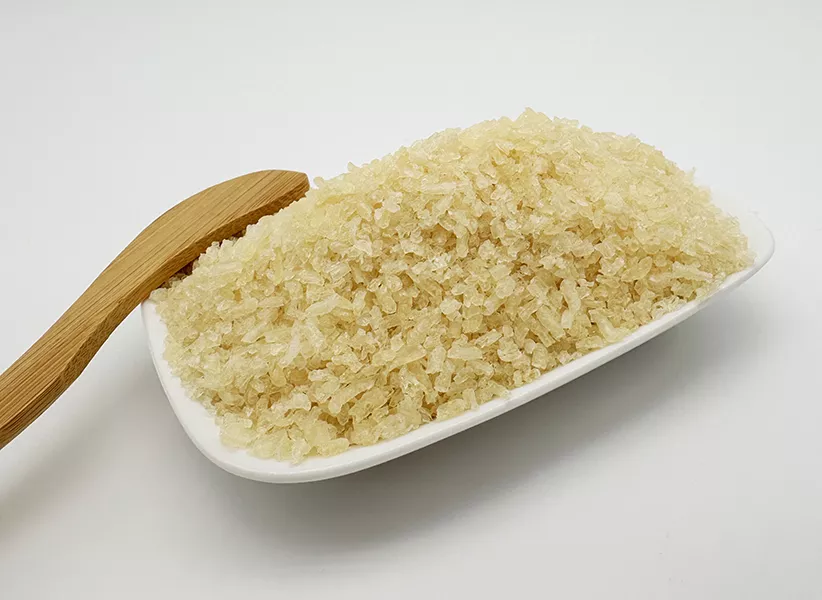
Our Bovine Hides Gelatin is engineered for versatility and compliance, ensuring performance across various applications.
Select the most popular foreign trade service products to meet your diverse needs
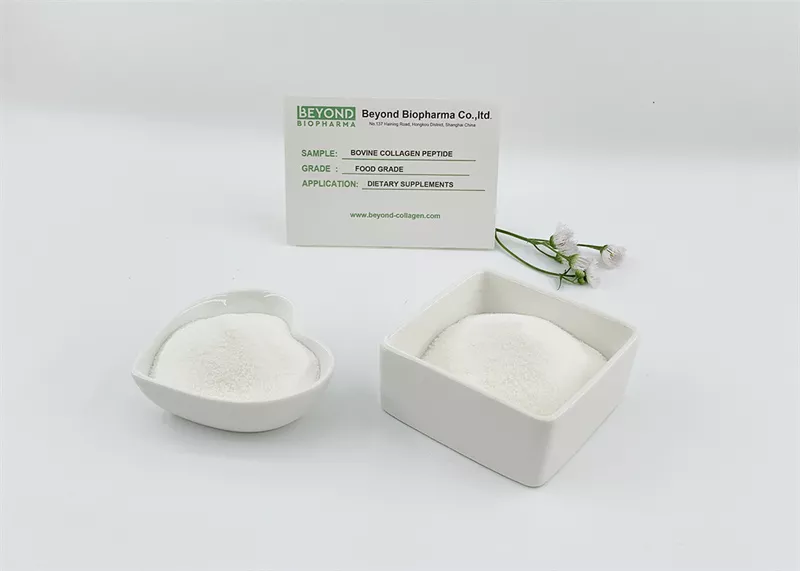
Manufacturer of bovine collagen peptide, shipping in containers all around the world
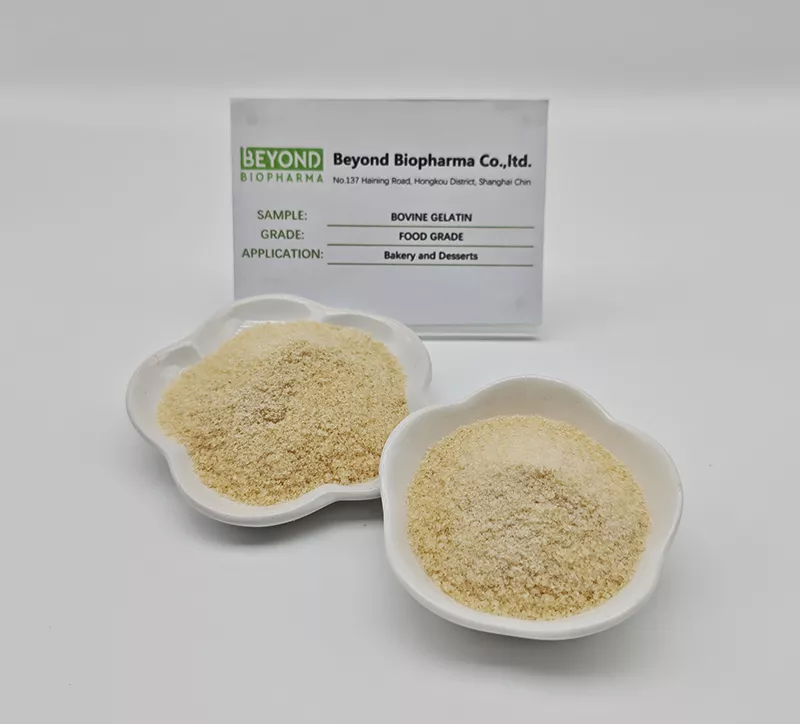
20 years experiences, 5000 ton/year capacity, Sustained supply with stable quality
Precision, Purity, and Optimal Machinability
Tel:+86 21 65010906
Cell/Whatsapp/Wechat:
+86 13482884055
+86 18657345785
Email: sales@beyondbiopharma.com





User Comments
Service Experience Sharing from Real Customers
Megan
Pastry ChefI've been using sheet gelatin for years in my bakery, but switching to the powder version using their conversion chart was a game-changer. No more guessing how many sheets equal a teaspoon – it's precise and my panna cotta sets perfectly every single time. The blog post explained it in a way that even my new apprentice could understand.
Leo
Home BrewerAs a hobbyist trying to clarify my craft beers, I was totally lost on gelatin amounts. Stumbled upon this guide while searching 'sheet to powder gelatin'. The real-world examples, especially the part about adjusting for different Bloom strengths, saved me from ruining a whole batch. One star off because I wish they had a quick-print PDF cheat sheet!
Chloe
Food Science StudentThis was the clearest, most practical resource I found for my lab project on gelling agents. Other sites just gave a dry ratio, but here they explained why the conversion isn't always 1:1, factoring in moisture and brand differences. Shared it with my whole study group – it made our reports way stronger. Felt like insider knowledge from a pro.
Raj
Culinary InstructorFinally, a resource that doesn't talk down to people! I've linked to this page from my online cooking course. The analogy comparing sheet gelatin to 'pre-soaked' powder was brilliant – it instantly clicked for my students who are visual learners. The comment section where the author answered specific brand questions (like Silver vs. Gold) shows they really know their stuff.