 English EN


Bovine gelatin pros and cons everyone should know
Bovine gelatin offers strong gelling and health benefits but has dietary, ethical, and allergen concerns. Compare bovine gelatin to other gelatin options here.
More
Converting gelatin sheets to powder is a common challenge for bakers and food manufacturers who need consistent gel strength and texture. This guide explains the precise conversion ratios, handling techniques, and how to select the right gelatin grade for your application, whether you are working with edible gelatin for desserts or pharmaceutical gelatin for capsules. Understanding the bloom value and mesh size ensures your final product meets quality standards every time.
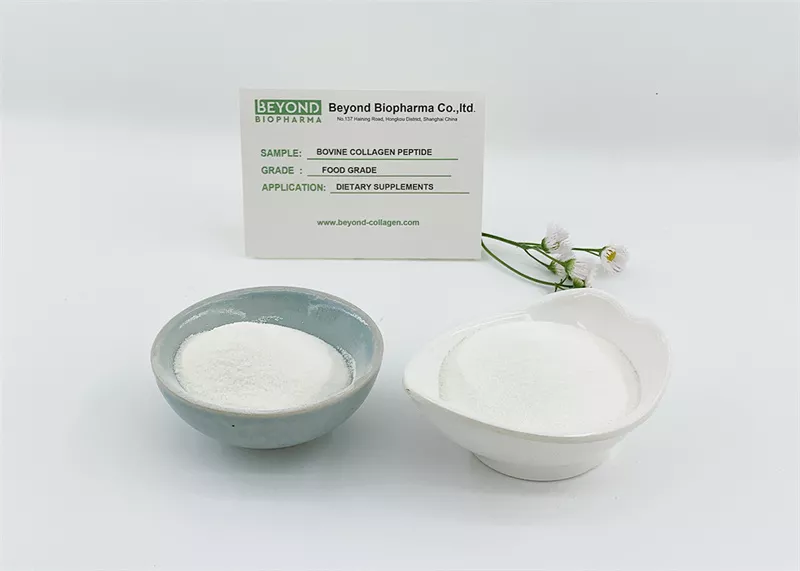
The most reliable conversion ratio is based on bloom strength, not weight alone. One standard gelatin sheet (typically 2-3 grams, 200 bloom) equals about 1 teaspoon of powdered gelatin (approximately 3 grams). For precise results, always check the bloom value on your product's Certificate of Analysis (COA). A common industry rule: 1 sheet (200 bloom) = 2.5 to 3 grams of powder. This ratio works for most edible gelatin used in desserts, mousses, and confections.
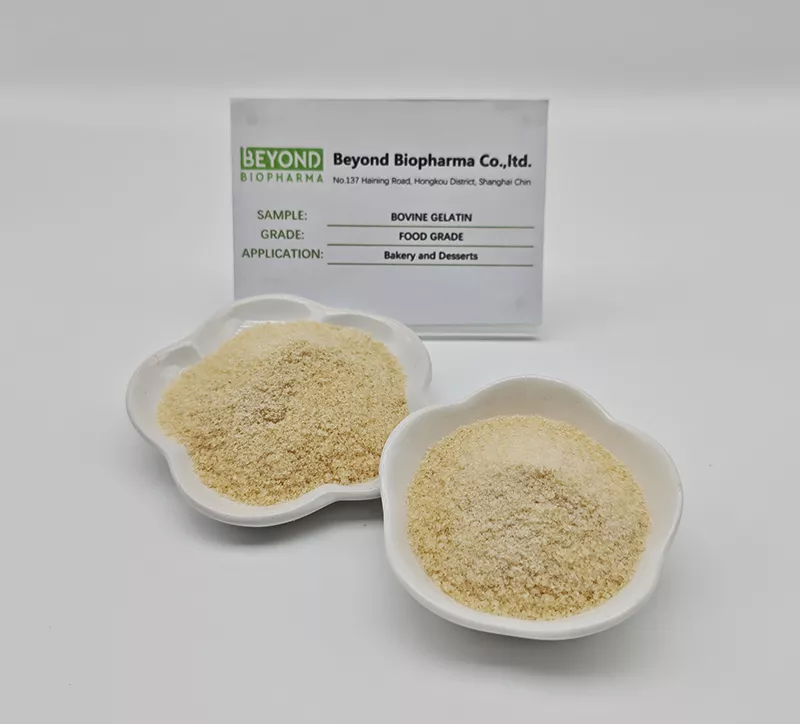
Bloom strength measures the gel firmness. Higher bloom values (e.g., 250-300) create firmer gels with less gelatin. When converting, you must match the bloom of your sheet to the powder. For example, a 250-bloom sheet has more gelling power than a 150-bloom sheet. If your recipe calls for 200-bloom powder but you have 250-bloom sheets, reduce the amount by about 20%. Always refer to the supplier's spec sheet. Beyond Biopharma's edible bovine gelatin is available in multiple bloom grades to match your exact needs.
Follow these steps for accurate conversion:
This method ensures your gel sets correctly, avoiding weak or rubbery textures. For industrial applications, always test a small batch first.
Understanding spec ranges helps you choose the right product. Below are common industry parameters (typical industry range; final values per COA / sample):
| Parameter | Edible Gelatin | Pharmaceutical Gelatin |
|---|---|---|
| Bloom (g) | 50-300 | 150-260 (capsules) |
| Viscosity (mPa·s) | 2.0-5.5 | 2.5-5.0 |
| Mesh size | 8-60 | 20-40 |
| Moisture (%) | ≤14 | ≤12 |
For collagen peptides, molecular weight typically ranges from 2,000 to 5,000 Da, with protein content ≥90%. Plant protein peptides offer 80-90% protein and good solubility. These are typical industry ranges; final values per COA / sample.
Choosing the right gelatin form depends on your application:
Beyond Biopharma, based in Shanghai, China, has over 10 years of experience in the food-ingredient industry. Our products are exported to more than 50 countries. We operate a fully automatic production line with GMP clean workshops, stainless-steel sealed piping, and automated temperature/pH control. Our annual capacity is approximately 3,000 MT for collagen and 5,000 MT for gelatin. We hold ISO 9001, US FDA registration, and select products carry Halal and Kosher certifications. Our bovine bone gelatin is BSE-free. Each batch is tested in our in-house lab for heavy metals and microbiology. We offer three grades: food, pharmaceutical, and cosmetic. Free samples and formulation support are available. Our product lines include bovine chondroitin sulfate sodium, glucosamine HCl, and food-grade hyaluronic acid powder for joint health applications.
Q: Can I substitute gelatin sheets with powder in any recipe?
A: Yes, but you must adjust for bloom strength and hydration. Sheets are pre-hydrated differently than powder. Always bloom powder in cold water for 5-10 minutes before dissolving. Test a small batch to confirm texture.
Q: What is the difference between 200-bloom and 250-bloom gelatin?
A: Higher bloom means firmer gel. A 250-bloom gelatin requires less product to achieve the same firmness as a 200-bloom. When converting, reduce the amount by about 20% if switching to higher bloom.
Q: How do I store gelatin sheets and powder?
A: Store both in a cool, dry place below 25°C, away from moisture and strong odors. Sheets should be kept in an airtight container. Powder has a longer shelf life if sealed properly. Check the expiration date on the package.
Q: Is fish gelatin a good alternative to bovine or porcine gelatin?
A: Yes, fish gelatin is an excellent alternative for kosher and halal applications. It has a lower melting point and is suitable for soft gels and desserts. Beyond Biopharma offers fish gelatin with Halal certification.
Q: What certifications should I look for when sourcing gelatin?
A: Key certifications include ISO 9001, FDA registration, Halal, Kosher, and BSE-free status for bovine products. Always request a COA for each batch to verify bloom, viscosity, and microbiological purity.
Q: Can I use gelatin powder for vegan formulations?
A: No, gelatin is animal-derived. For vegan formulations, use plant protein peptides such as pea, rice, or soy protein hydrolysates. Beyond Biopharma supplies plant-based options that are allergen-free and vegan-friendly.
To ensure you get the right gelatin for your application, please provide the following details when contacting Beyond Biopharma: your specific application (food, pharmaceutical, or cosmetic), required grade, quantity or MOQ, target specifications (bloom, mesh, molecular weight, certifications), and destination country. We will send free samples and a competitive quote. Our team offers formulation and selection support to help you achieve consistent results. Converting gelatin sheets to powder is straightforward with the right guidance, and we are here to assist.

We provide you with comprehensive foreign trade solutions to help enterprises achieve global development
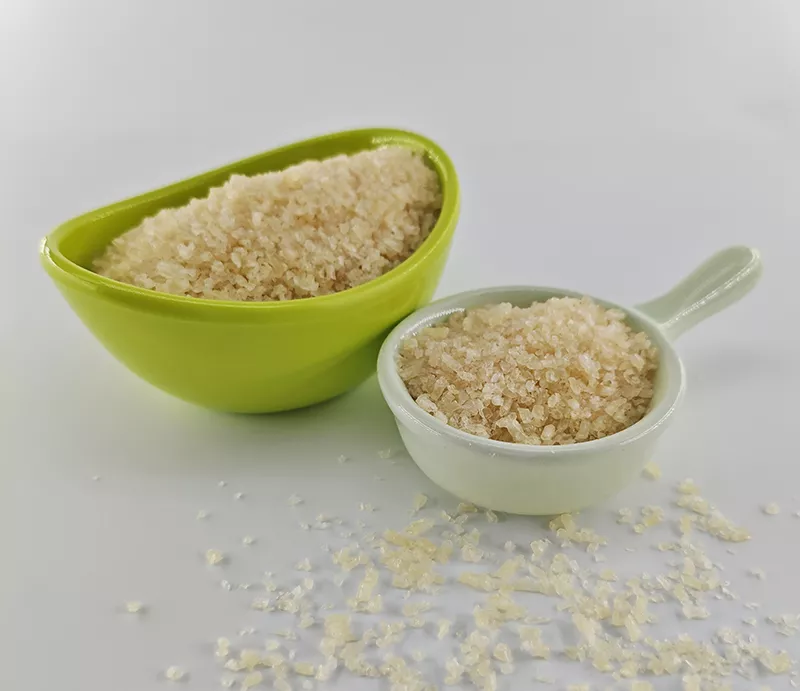
Stability, Swallowing Enhancement, and Controlled Release
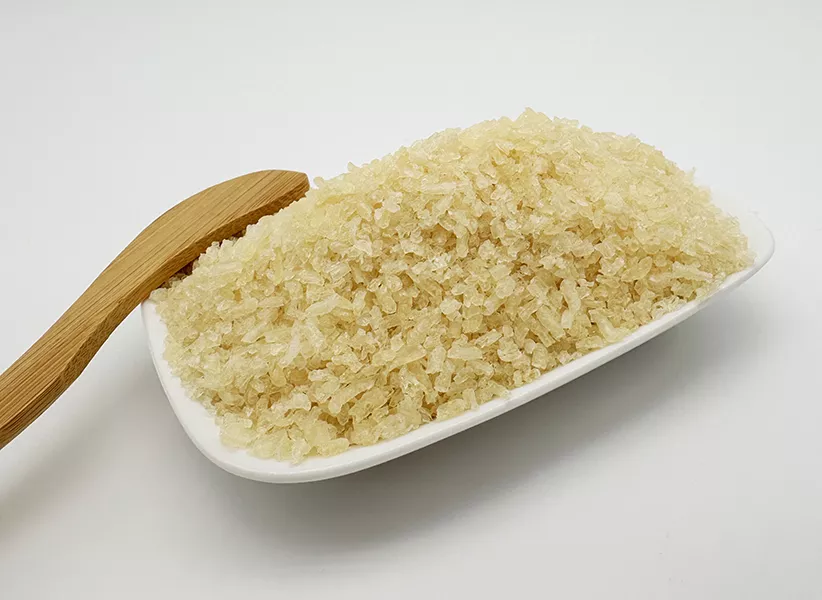
Our Bovine Hides Gelatin is engineered for versatility and compliance, ensuring performance across various applications.
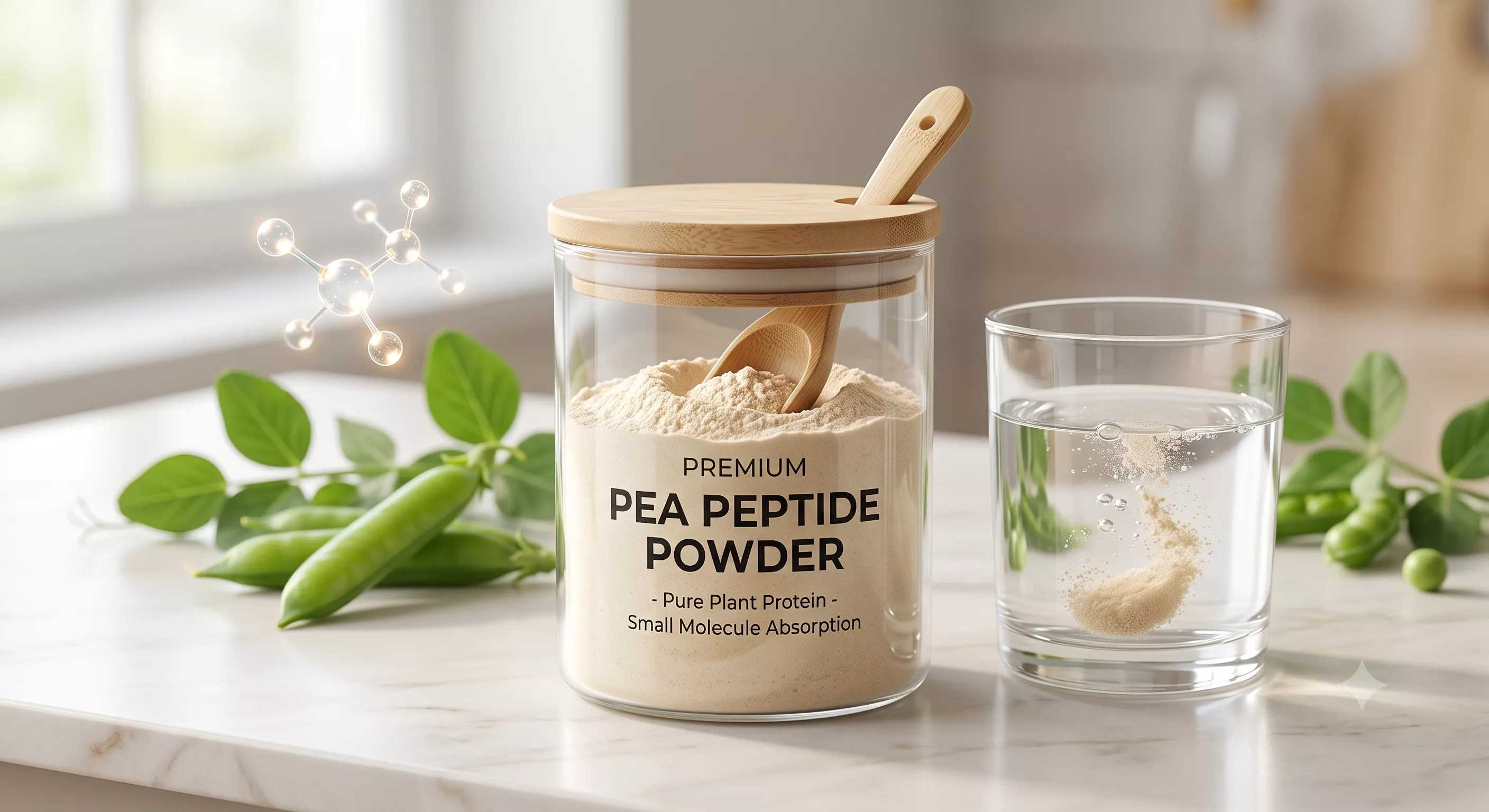
Source high-purity, hypoallergenic hydrolyzed pea peptide powder in bulk. Complete water solubility, rich in BCAAs, ideal for vegan recovery formulas.
20 years experiences, 5000 ton/year capacity, Sustained supply with stable quality
Select the most popular foreign trade service products to meet your diverse needs
20 years experiences, 5000 ton/year capacity, Sustained supply with stable quality
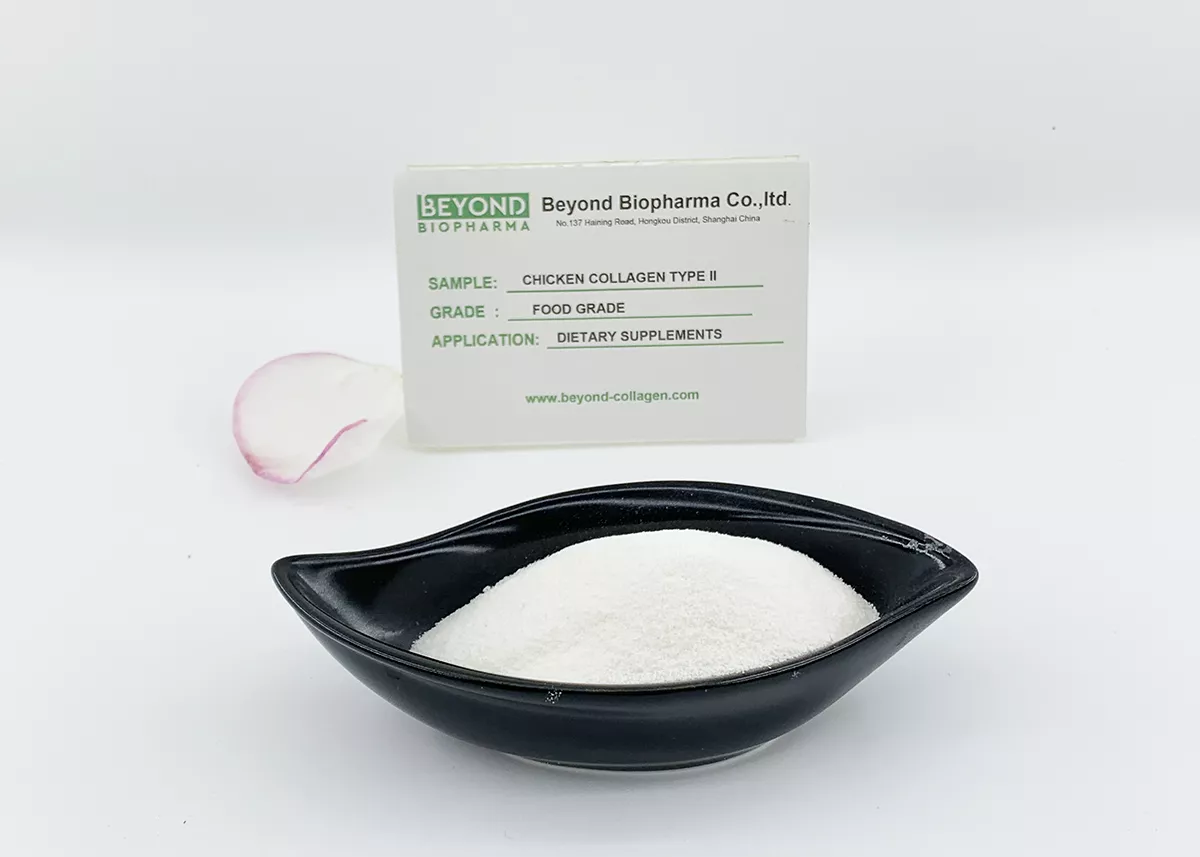
BEYOND BIOPHARMA is a specialized manufacturer of high-quality Undenatured Collagen Type II. Utilizing low-temperature, non-enzymatic extraction methods, our Undenatured Collagen Type II retains its native, triple-helix structure, essential for modulating the immune system's response to joint health and providing superior support for mobility, flexibility, and overall joint comfort.
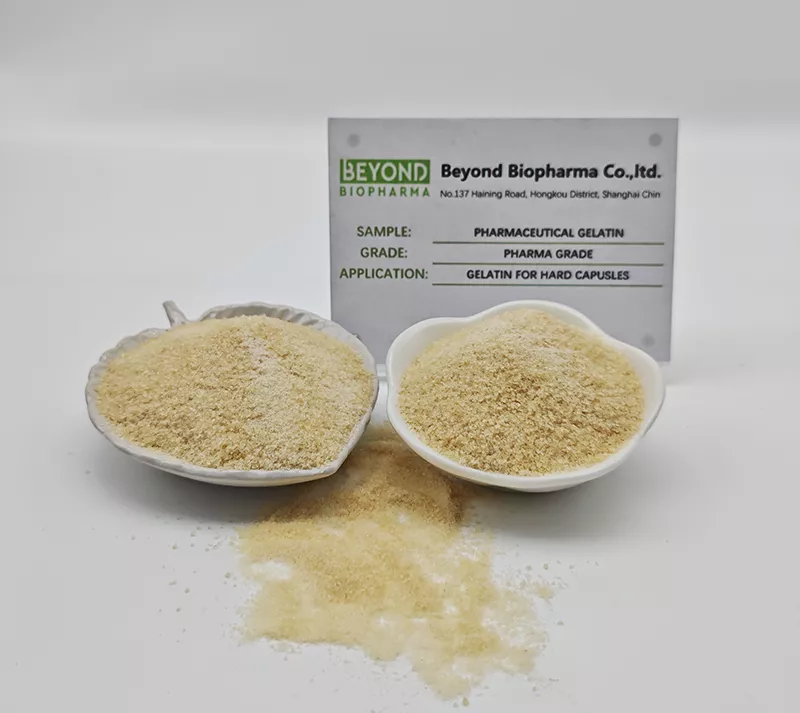
The high-strength and rapid-setting characteristics of Bovine Bone Gelatin ensure it forms a stable, uniform, and durable shell that preserves the integrity of the active pharmaceutical ingredient (API).
Tel:+86 21 65010906
Cell/Whatsapp/Wechat:
+86 13482884055
+86 18657345785
Email: sales@beyondbiopharma.com





User Comments
Service Experience Sharing from Real Customers
Megan
Pastry ChefAs someone who's worked in French patisseries for years, I was skeptical about switching from sheets to powder. This conversion guide was a lifesaver! The weight-to-volume ratios are spot-on, and the tip about bloom time differences saved my panna cotta. Finally, a resource that doesn't talk down to professionals.
Leo
Home BakerTotal game-changer for my hobby! I could only find powdered gelatin locally, and all my fancy dessert recipes called for sheets. The conversion chart was easy to follow, though I wish there was a bit more troubleshooting for humid days. My marshmallows finally set perfectly!
Raj
Food Science StudentUsed this for my lab report on hydrocolloids. The chemical purity comparison between sheet and powder forms was exactly what my professor wanted. Much clearer than my textbook's vague 'equivalent amounts' note. Bookmarked for future reference!
Chloe
Catering ManagerAfter our supplier discontinued sheets, panic ensued in our kitchen. This guide saved our wedding season! The bulk conversion calculator helped us adjust 200-serving recipes in minutes. The note about adjusting for acidic fruit recipes was genius - no more wobbly champagne gelees.