 English EN


How Are Collagen Peptides Applied In Modern Industries
Collagen peptides are applied in food, pharma, cosmetics, and eco-materials, supporting joint health, skin, and sustainable industrial solutions.
More
Anti-inflammatory peptides are bioactive protein fragments that help regulate the body's inflammatory response, supporting cellular balance and overall wellness. For overseas buyers in the food, supplement, and pharmaceutical industries, sourcing consistent, high-quality anti-inflammatory peptides is critical. This article explores how these peptides work, their key specifications, and practical selection guidance for your formulations.
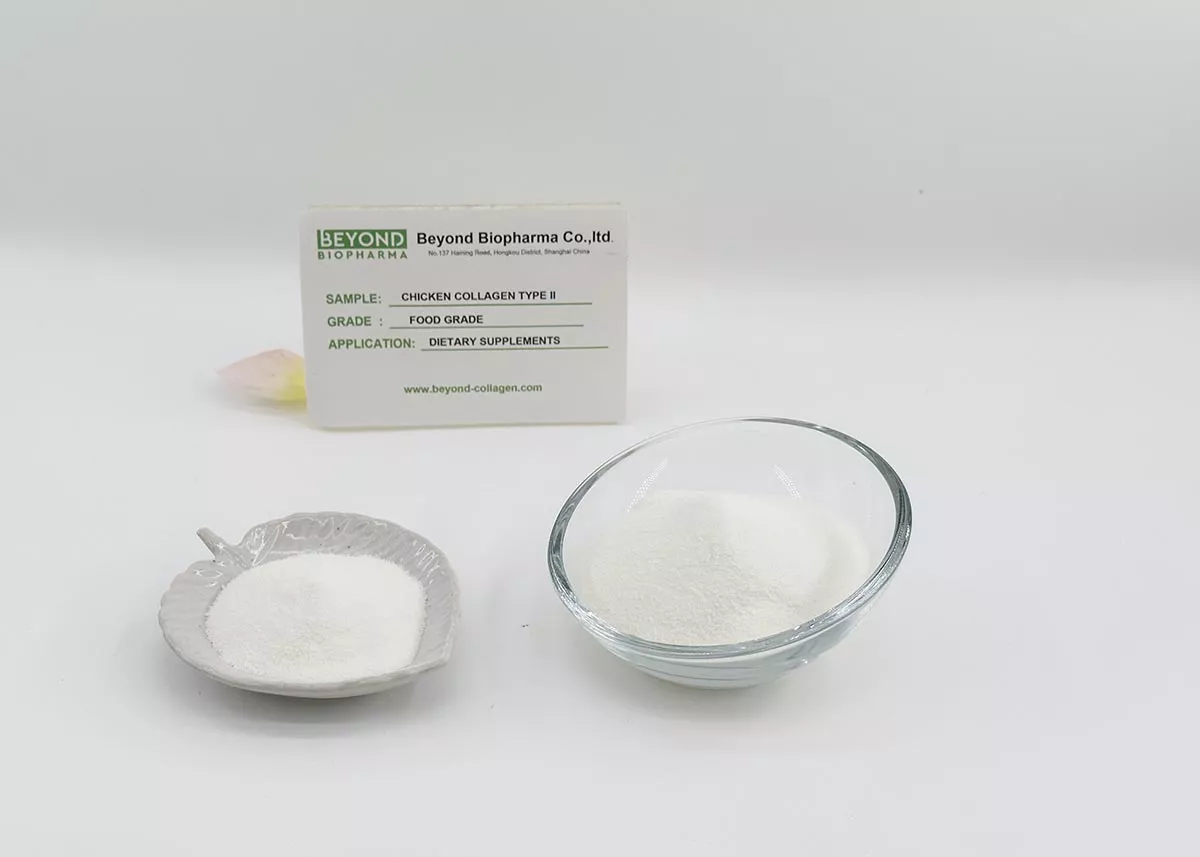
Anti-inflammatory peptides are short chains of amino acids derived from hydrolyzed proteins such as collagen, gelatin, or plant proteins. They work by modulating cytokine production and reducing oxidative stress, helping to maintain cellular balance. For purchasing managers and R&D teams, common sourcing pain points include batch-to-batch consistency, off-odors (fishy smell), poor solubility, certification barriers, and allergen or vegan requirements. Choosing the right supplier ensures you avoid these pitfalls.
The production of anti-inflammatory peptides typically involves enzymatic hydrolysis of protein sources. For collagen peptides, raw materials like bovine hide or fish skin undergo controlled hydrolysis to break down large protein chains into smaller bioactive peptides. Key factors influencing performance include molecular weight, amino acid profile, and degree of hydrolysis. Lower molecular weight peptides (around 2,000–5,000 Da) are generally absorbed faster, making them more effective for anti-inflammatory applications. Gelatin, with its bloom strength (typically 50–300 g) and viscosity (2.0–5.5 mPa·s), is often used in gummies and softgels for joint health. Plant protein peptides, such as pea or rice hydrolysates, offer allergen-free alternatives for vegan formulations.
When evaluating anti-inflammatory peptides, buyers should focus on the following specifications. The table below summarizes common industry ranges. Note: These are typical industry ranges; final values per COA and sample.
| Parameter | Typical Industry Range | Notes |
|---|---|---|
| Molecular Weight (Collagen Peptides) | 2,000–5,000 Da | Fish collagen typically lower, faster absorption |
| Protein Content (Collagen Peptides) | ≥90% | High solubility and low odor are quality markers |
| Bloom Strength (Edible Gelatin) | 50–300 g | Pharma/gummies often 150–260 Bloom |
| Viscosity (Gelatin) | 2.0–5.5 mPa·s | Affects gel texture and mouthfeel |
| Mesh Size (Gelatin) | 8–60 | Finer mesh for faster dissolution |
| Moisture (Gelatin) | ≤14% | Standard industry requirement |
| Protein Content (Plant Protein Peptides) | 80–90% | Molecular weight commonly |
Anti-inflammatory peptides are used across multiple industries. Here is selection guidance by application:
Beyond Biopharma, based in Shanghai, China, is a manufacturer specializing in collagen peptides, gelatin, and plant protein peptides. With over 10 years of experience in the food-ingredient industry, we export to more than 50 countries. Our facility has an annual capacity of approximately 3,000 MT for collagen and 5,000 MT for gelatin. We operate a fully automatic production line with GMP clean workshops, stainless-steel sealed piping, and automated temperature and pH control. Our certifications include ISO 9001, US FDA registration, and select products carry Halal or Kosher certification (e.g., fish gelatin). Bovine bone gelatin is BSE-free. We have an in-house lab for heavy-metal and microbiological testing, supported by a dedicated QA/QC team. We offer three grades (food, pharmaceutical, cosmetic) and provide free samples and formulation support.
Q1: What is the difference between collagen peptides and gelatin for anti-inflammatory use?
Collagen peptides are hydrolyzed into smaller chains (2,000–5,000 Da) for faster absorption, making them ideal for anti-inflammatory supplements. Gelatin has higher molecular weight and forms gels, better suited for capsules and gummies.
Q2: How do I ensure batch consistency when sourcing anti-inflammatory peptides?
Request a Certificate of Analysis (COA) for each batch. Look for suppliers with in-house QA/QC labs and automated production lines, like Beyond Biopharma, to minimize variability.
Q3: Are plant-based anti-inflammatory peptides as effective as animal-derived ones?
Yes, plant protein peptides (pea, rice, soy) offer comparable anti-inflammatory benefits and are suitable for vegan and allergen-free formulations. Their efficacy depends on molecular weight and amino acid profile.
Q4: What certifications should I look for in anti-inflammatory peptide suppliers?
Key certifications include ISO 9001, US FDA registration, and Halal/Kosher for specific markets. For bovine products, ensure BSE-free certification. Beyond Biopharma holds these certifications.
Q5: How do I test the solubility and odor of collagen peptide samples?
Dissolve the sample in warm water (40–50°C) at a 10% concentration. High-quality peptides should dissolve completely with minimal residue and have a neutral or mild odor. Request free samples from your supplier.
Q6: Can anti-inflammatory peptides be used in combination with other joint health ingredients?
Yes, combining collagen peptides with chondroitin, glucosamine, or hyaluronic acid can enhance joint health benefits. Beyond Biopharma offers these ingredients for comprehensive formulations.
Ready to source high-quality anti-inflammatory peptides for your next formulation? Contact Beyond Biopharma with the following details: your application (food, pharma, or cosmetic), required grade, quantity or MOQ, target specifications (bloom, mesh, molecular weight, certifications), and destination country. We will provide free samples and a competitive quote. Our team offers formulation and selection support to ensure you get the right product for your needs.
Anti-inflammatory peptides are a cornerstone of modern nutraceutical and pharmaceutical formulations. By partnering with a reliable manufacturer like Beyond Biopharma, you can ensure product consistency, regulatory compliance, and optimal performance in your applications.

We provide you with comprehensive foreign trade solutions to help enterprises achieve global development
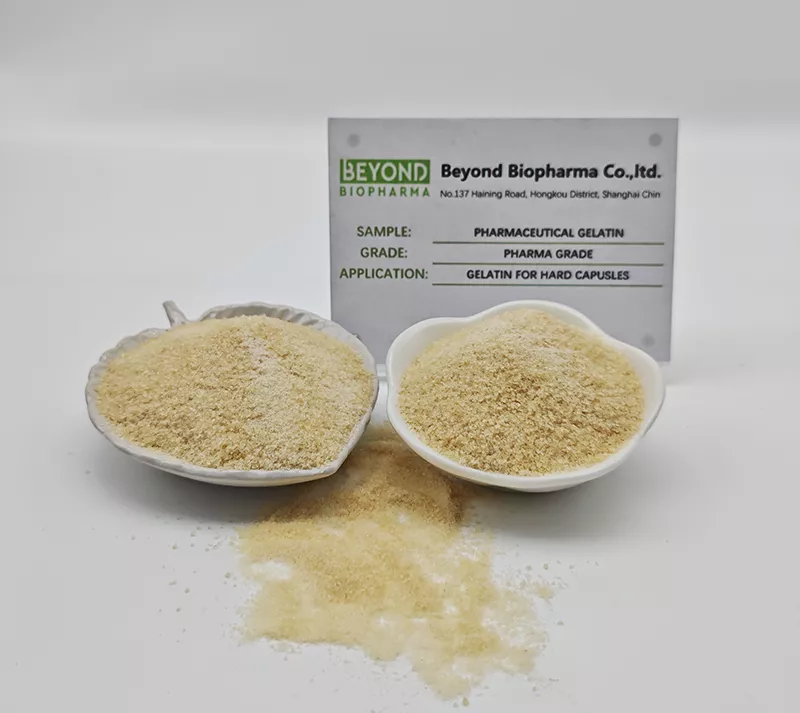
The high-strength and rapid-setting characteristics of Bovine Bone Gelatin ensure it forms a stable, uniform, and durable shell that preserves the integrity of the active pharmaceutical ingredient (API).
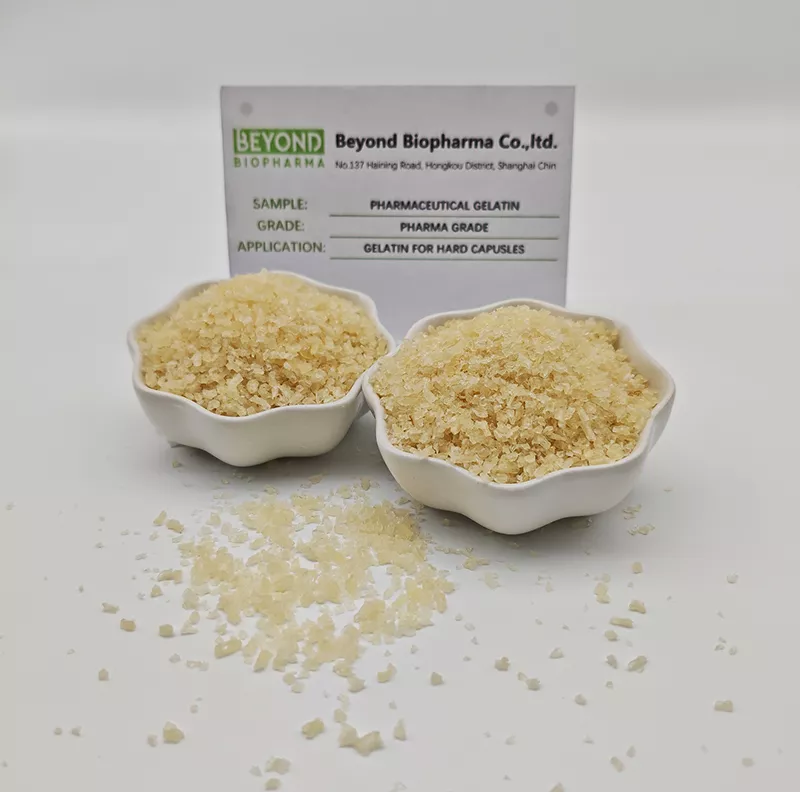
Precision, Purity, and Optimal Machinability
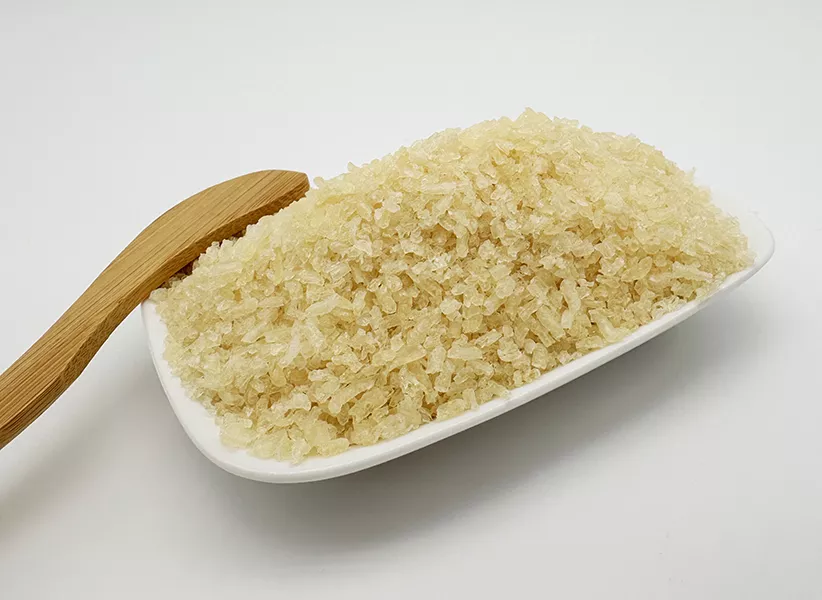
Our Bovine Hides Gelatin is engineered for versatility and compliance, ensuring performance across various applications.
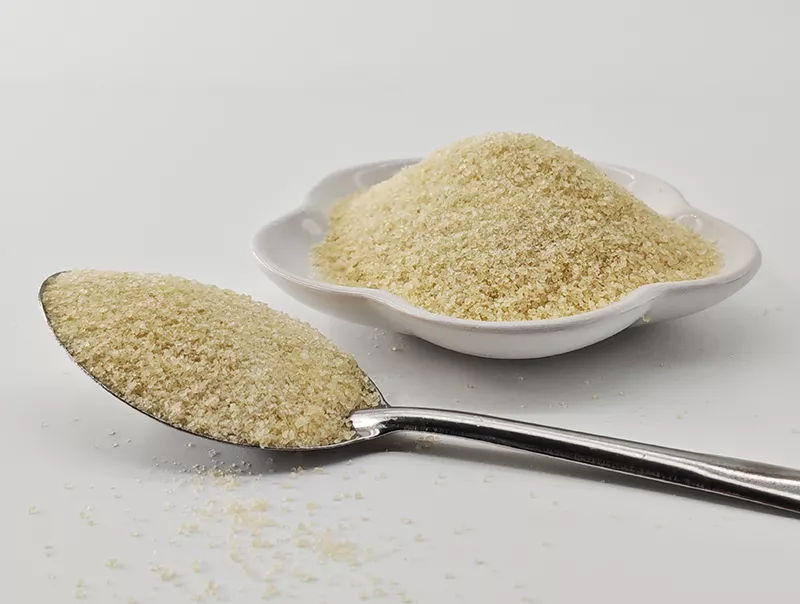
The High-Performance Barrier for Core Material Protection and Controlled Release.
Select the most popular foreign trade service products to meet your diverse needs
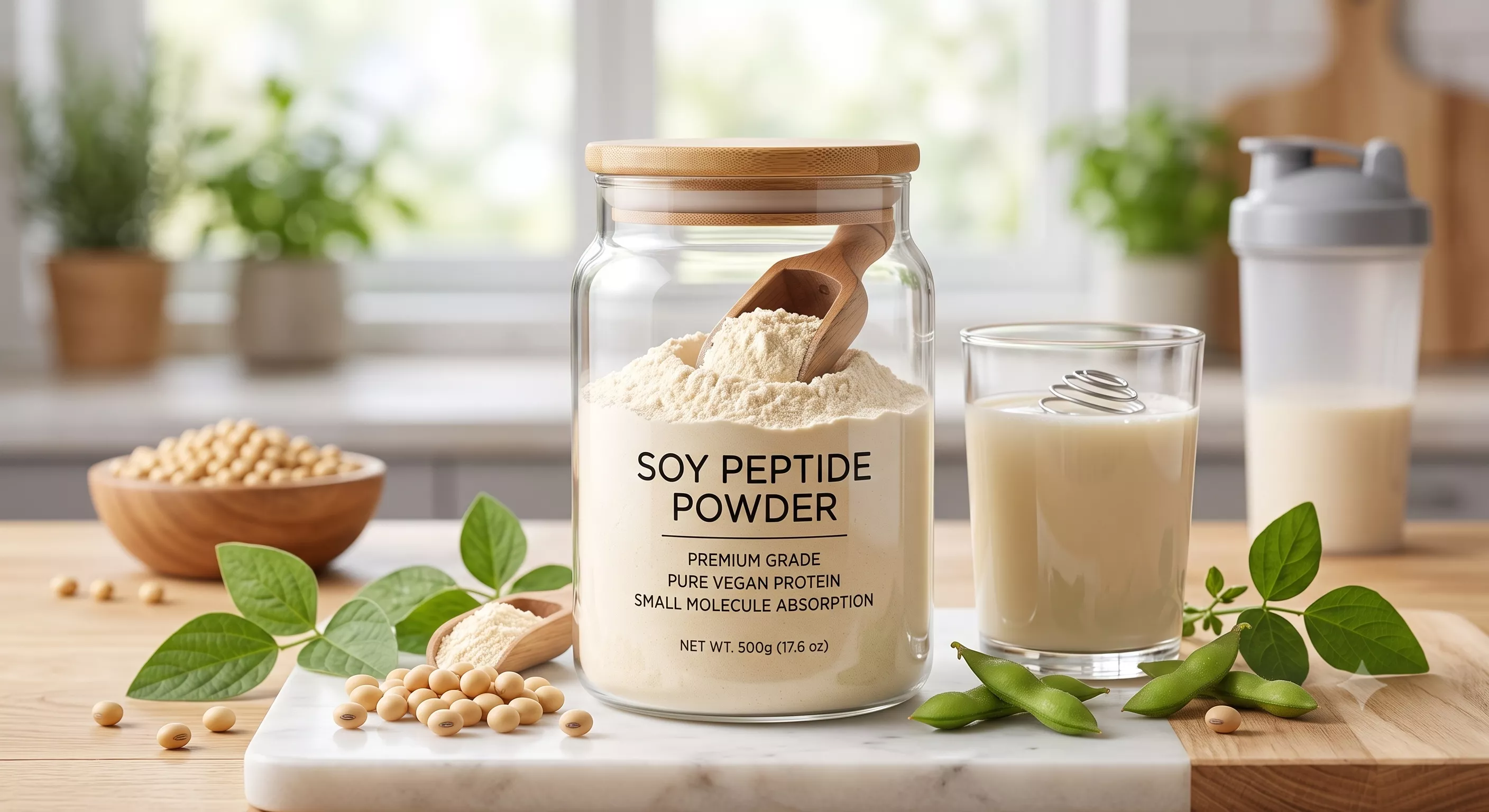
Source ultra-pure, non-GMO hydrolyzed soybean oligopeptide powder in bulk. Complete water solubility, over 80% peptides under 1000 Da. Ideal for sports nutrition and immune recovery formulas.
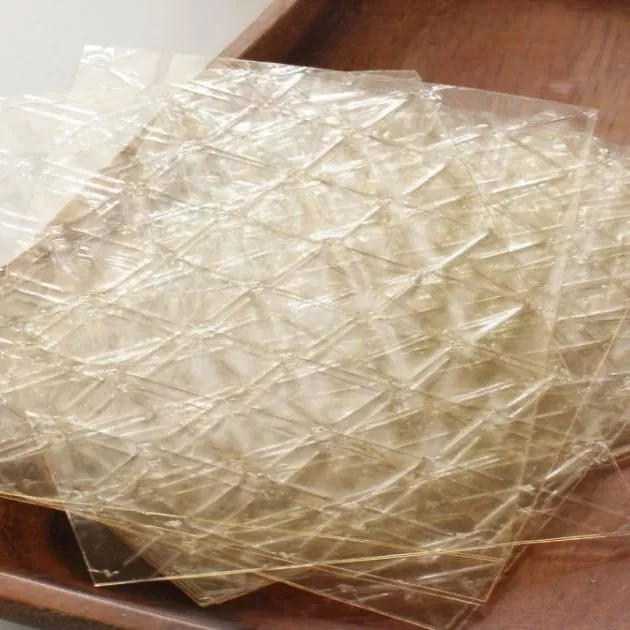
Our Gelatin Sheets are produced to precise standards, ensuring consistency and reliability across different Bloom grades (Silver being the most common professional choice).
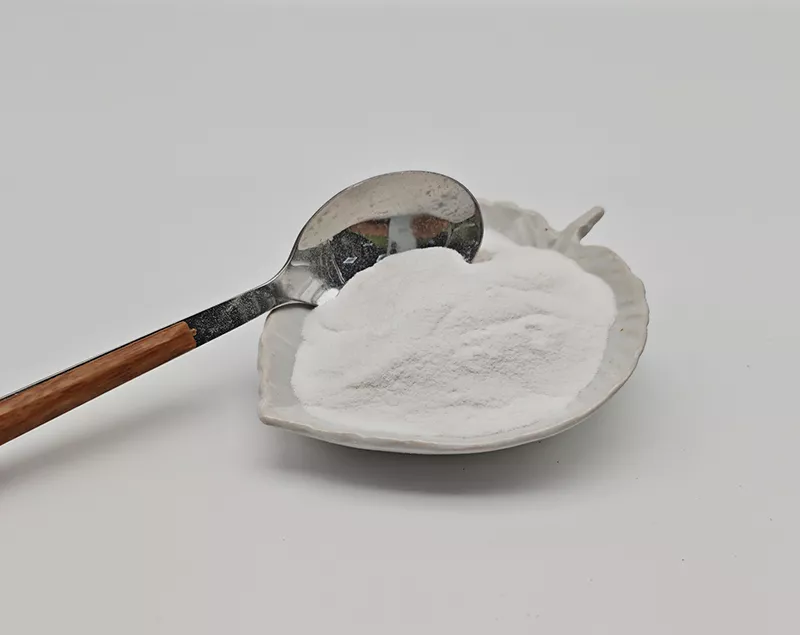
Fish Gelatin for foods is increasingly recognized as the premium alternative to traditional mammalian sources, meeting the growing global demand for clean-label ingredients that align with diverse dietary and religious requirements. Derived from the skin and scales of fish like cod and tilapia, fish gelatin offers unique functional benefits that make it an exceptional gelling, stabilizing, and texturizing agent.
Tel:+86 21 65010906
Cell/Whatsapp/Wechat:
+86 13482884055
+86 18657345785
Email: sales@beyondbiopharma.com





User Comments
Service Experience Sharing from Real Customers
Liam
Registered NurseI've been using these anti-inflammatory peptides on a stubborn post-surgical patient for about three weeks now. The reduction in swelling is honestly night and day compared to our old protocol. No irritation at the application site, which is a huge win for sensitive skin. Definitely adding this to my standard wound care kit.
Elena
Fitness Coach & NutritionistHad a nasty flare-up in my knee after a heavy squat cycle. Tried these peptides as a topical alternative to popping ibuprofen all day. Took about 4 days to really feel the difference, but the joint stiffness faded without any gut issues. Only downside is the smell—kinda funky, like old gym socks. But results speak for themselves.
Raj
Senior Research ScientistI was skeptical about commercial peptide blends, but the purity and stability here are impressive. Ran a quick in-vitro assay on macrophage activation—significant downregulation of TNF-α without cytotoxicity. For a non-prescription product, this is surprisingly robust. Will be recommending it to colleagues in inflammation studies.
Maya
EstheticianI've been incorporating these into my anti-aging facials for clients with rosacea and acne redness. It works well for some, but I've had two clients develop a mild stinging sensation on broken skin. Not a dealbreaker, but I'd suggest patch testing first. The calming effect on general redness is solid though—about a 7 out of 10.