 English EN


How Are Collagen Peptides Applied In Modern Industries
Collagen peptides are applied in food, pharma, cosmetics, and eco-materials, supporting joint health, skin, and sustainable industrial solutions.
More
For overseas purchasing managers and R&D teams sourcing functional ingredients, nutraceutical peptides represent a critical category bridging food science and therapeutic nutrition. These bioactive protein fragments, derived from collagen, gelatin, or plant sources, offer targeted health benefits—from joint support and skin elasticity to muscle recovery. Yet, sourcing challenges like batch consistency, solubility, off-odors, and certification barriers remain real pain points. This guide provides a pragmatic overview of what nutraceutical peptides are, how they work, and how to select the right grade for your application, with a focus on reliable supply from Beyond Biopharma.
Nutraceutical peptides are short chains of amino acids produced through enzymatic hydrolysis of larger proteins. Unlike whole proteins, these peptides have a lower molecular weight, typically ranging from 2,000 to 5,000 Daltons, which allows for faster absorption and targeted bioactivity. They are not drugs but functional ingredients added to foods, supplements, and medical nutrition products to support specific physiological functions. Common sources include bovine or fish collagen, gelatin, and plant proteins like pea or rice. The key advantage is their ability to deliver measurable benefits—such as stimulating collagen synthesis or reducing joint inflammation—without requiring a pharmaceutical label.
The production process directly impacts peptide quality and functionality. Raw materials—bovine hide, fish skin, or plant protein isolates—undergo controlled enzymatic hydrolysis at specific temperatures and pH levels. This breaks down long protein chains into smaller peptides. Key parameters include the enzyme type, hydrolysis time, and molecular weight cutoff. For collagen peptides, lower molecular weight (e.g., fish collagen tripeptide around 2,000 Da) correlates with faster absorption and higher bioavailability. Gelatin, a partially hydrolyzed form, retains gel strength (measured in Bloom) and is used in capsules and gummies. Plant protein peptides require careful processing to remove anti-nutritional factors and ensure solubility. A fully automatic production line with stainless-steel sealed piping and automated temperature/pH control, like that used by Beyond Biopharma, ensures batch-to-batch consistency and minimizes contamination risks.
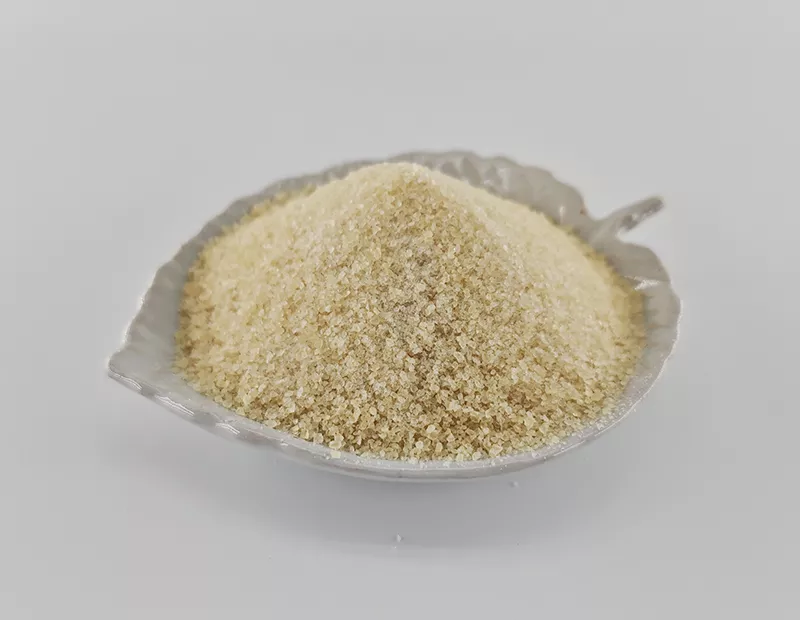
Understanding standard parameters helps buyers evaluate quality. Below are commonly accepted industry ranges. Note: these are typical ranges; final values should be confirmed per Certificate of Analysis (COA) or sample.
| Product Type | Key Parameter | Typical Range |
|---|---|---|
| Edible Gelatin | Bloom (gel strength) | 50–300 g (pharma/gummies: 150–260 Bloom) |
| Edible Gelatin | Viscosity | 2.0–5.5 mPa·s |
| Edible Gelatin | Mesh size | 8–60 |
| Edible Gelatin | Moisture | ≤14% |
| Collagen Peptides | Molecular weight | 2,000–5,000 Da (fish: lower end) |
| Collagen Peptides | Protein content | ≥90% |
| Plant Protein Peptides | Protein content | 80–90% |
| Plant Protein Peptides | Molecular weight | Commonly |
High solubility and low odor are quality markers for collagen peptides. For plant-based versions, the allergen profile depends on the source (pea, rice, soy).
Selection depends on your target market and formulation needs. Here is a breakdown by industry:
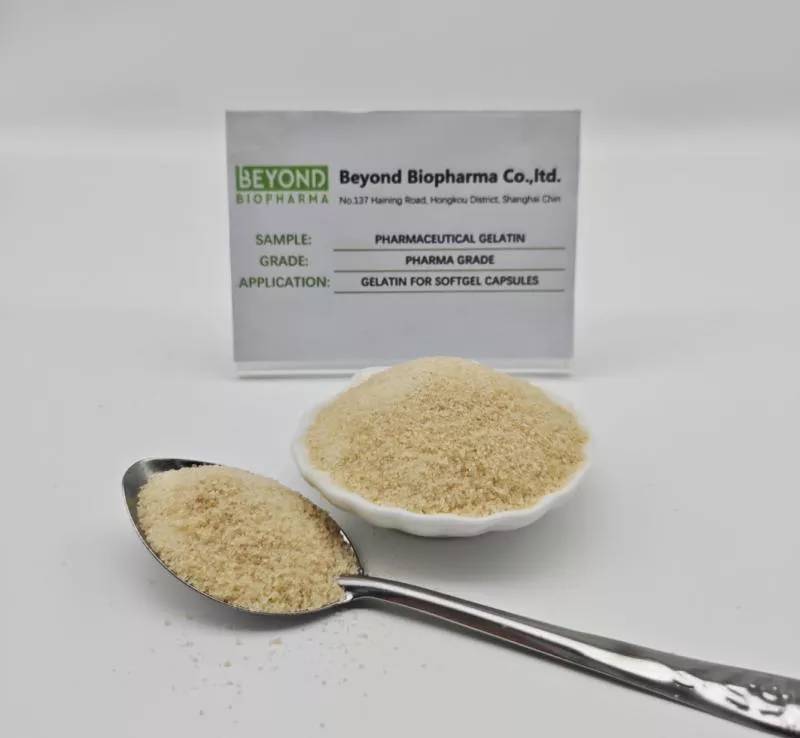
Beyond Biopharma, headquartered in Shanghai, China, is a B2B manufacturer specializing in collagen peptides, gelatin, and plant protein peptides. With over 10 years in the food-ingredient industry, our products are exported to 50+ countries. Our facility has an annual capacity of approximately 3,000 MT for collagen and 5,000 MT for gelatin, supported by a fully automatic production line, GMP clean workshop, stainless-steel sealed piping, and automated temperature/pH control. We hold ISO 9001 certification, US FDA registration, and select products carry Halal or Kosher certification (e.g., fish gelatin). Our bovine bone gelatin is BSE-free. An in-house lab conducts heavy-metal and microbiological testing, with a dedicated QA/QC team. We offer three grades—food, pharmaceutical, and cosmetic—and provide free samples along with formulation and selection support. Our product lines include fish collagen peptide for skin health supplements, edible gelatin (bovine, porcine, fish), pharmaceutical gelatin, undenatured collagen type II, plant protein peptides, and joint health ingredients like chondroitin sulfate and hyaluronic acid.
Q: What is the difference between collagen peptides and gelatin?
A: Gelatin is partially hydrolyzed collagen with gel-forming ability (measured in Bloom), used in capsules and gummies. Collagen peptides are more fully hydrolyzed, with lower molecular weight, making them cold-water soluble and faster absorbing for supplements.
Q: How do I choose between fish and bovine collagen peptides?
A: Fish collagen typically has lower molecular weight (2,000–3,000 Da) and is preferred for skin health and faster absorption. Bovine collagen is higher in molecular weight and often used for joint health and general protein supplementation. Both are compatible with most formulations.
Q: What certifications should I look for when sourcing nutraceutical peptides?
A: Key certifications include ISO 9001 for quality management, FDA registration for US market entry, and Halal/Kosher for specific dietary requirements. BSE-free certification is critical for bovine-derived products. Always request a COA for each batch.
Q: Can plant protein peptides match the functionality of animal-derived peptides?
A: Plant protein peptides (pea, rice, soy) offer good solubility and a clean allergen profile, but they lack the gel-forming ability of gelatin. They are best suited for vegan supplements and protein fortification, not for capsule shells or gummy textures.
Q: How can I ensure batch-to-batch consistency in peptide supply?
A: Work with manufacturers that use fully automatic production lines with controlled temperature and pH. Request a pre-shipment sample and compare COAs. Beyond Biopharma provides free samples and dedicated QA/QC support to verify specs before bulk orders.
Q: What is the typical lead time for bulk nutraceutical peptide orders?
A: Lead times vary by product and quantity. For standard collagen peptides and gelatin, 15–25 working days is common after order confirmation and sample approval. Custom formulations or specialized grades may require additional time. Contact the supplier for exact timelines.
Ready to source high-quality nutraceutical peptides for your next product? Share your application details with Beyond Biopharma. Provide the required grade (food, pharmaceutical, or cosmetic), target quantity or MOQ, and key specifications such as Bloom, mesh size, molecular weight, or certifications needed. Also include your destination country so we can prepare accurate shipping and documentation. We will send free samples and a competitive quote tailored to your formulation requirements. Contact our team today to start the conversation.

We provide you with comprehensive foreign trade solutions to help enterprises achieve global development
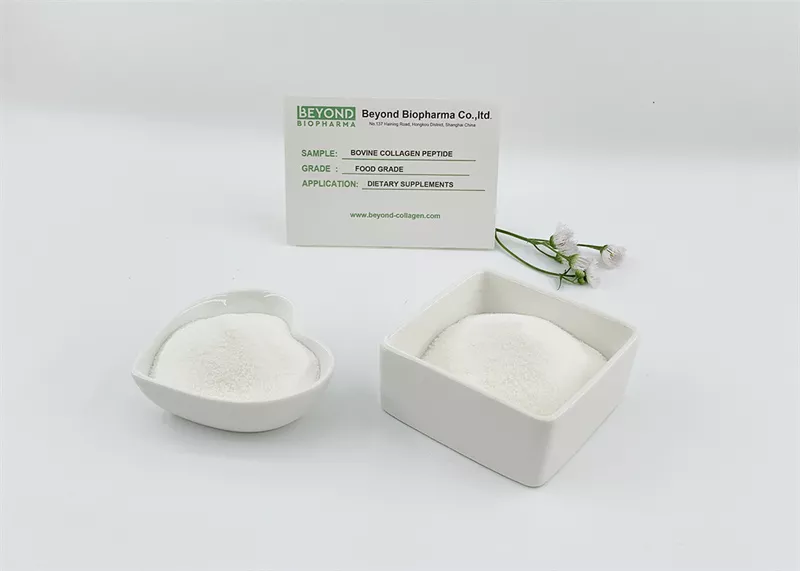
Manufacturer of bovine collagen peptide, shipping in containers all around the world
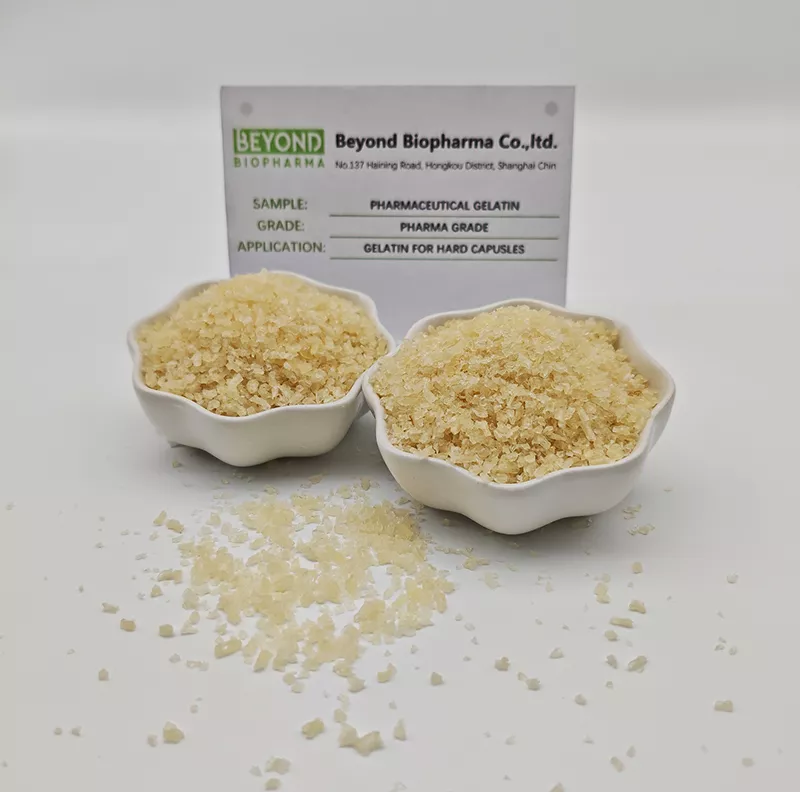
Precision, Purity, and Optimal Machinability
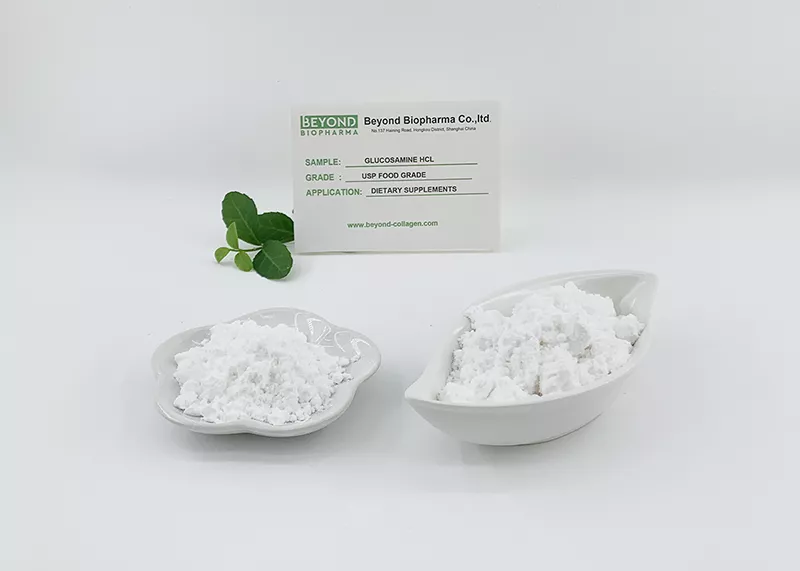
The Purest Plant-Based Joint Support Solution
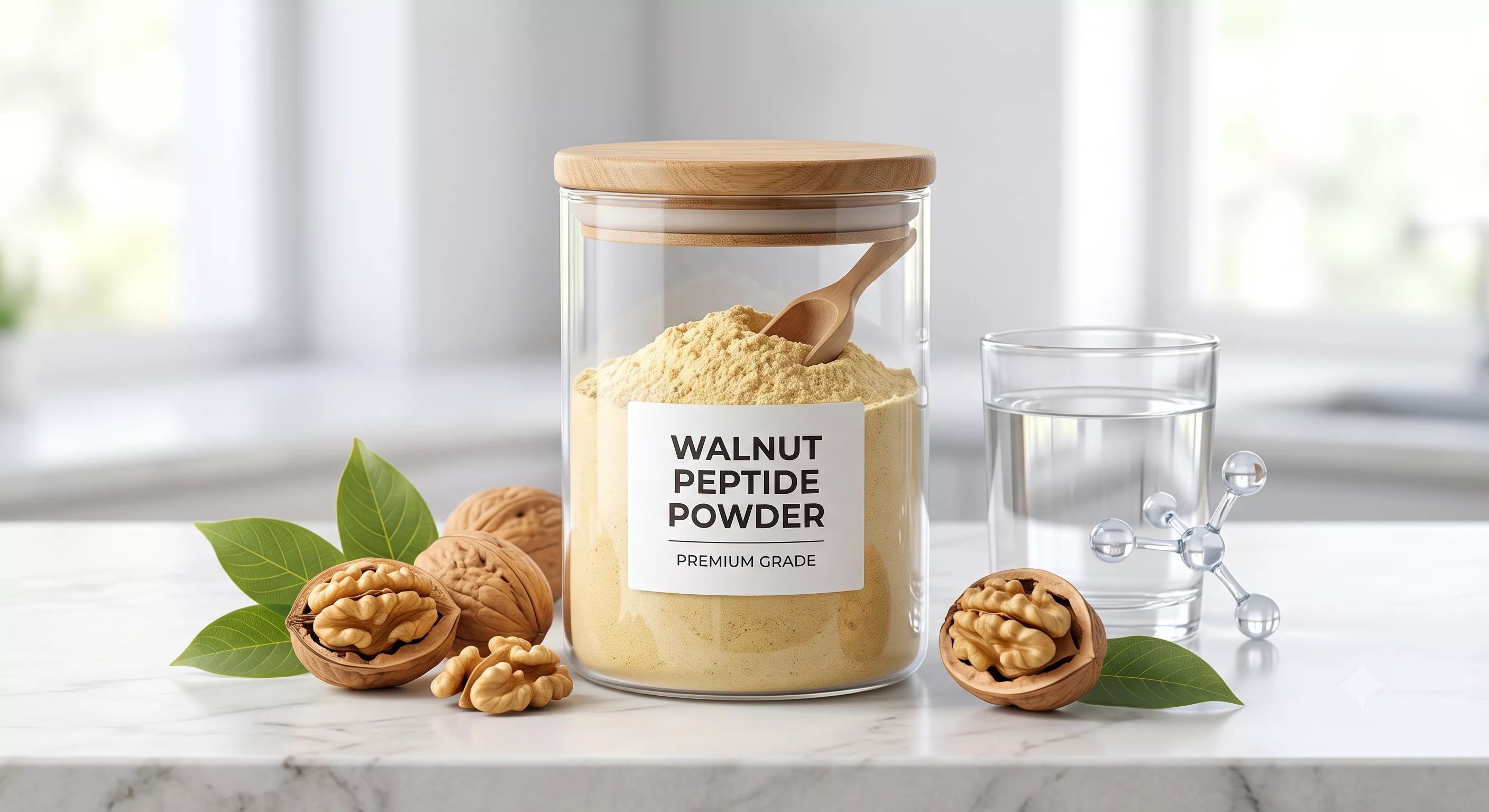
Source wholesale hydrolyzed walnut protein peptide powder in bulk. Over 85% low-molecular-weight oligopeptides rich in Glutamic Acid. Perfect for cognitive formulas and sleep aid supplements.
Select the most popular foreign trade service products to meet your diverse needs
Source wholesale hydrolyzed walnut protein peptide powder in bulk. Over 85% low-molecular-weight oligopeptides rich in Glutamic Acid. Perfect for cognitive formulas and sleep aid supplements.
The Purest Plant-Based Joint Support Solution
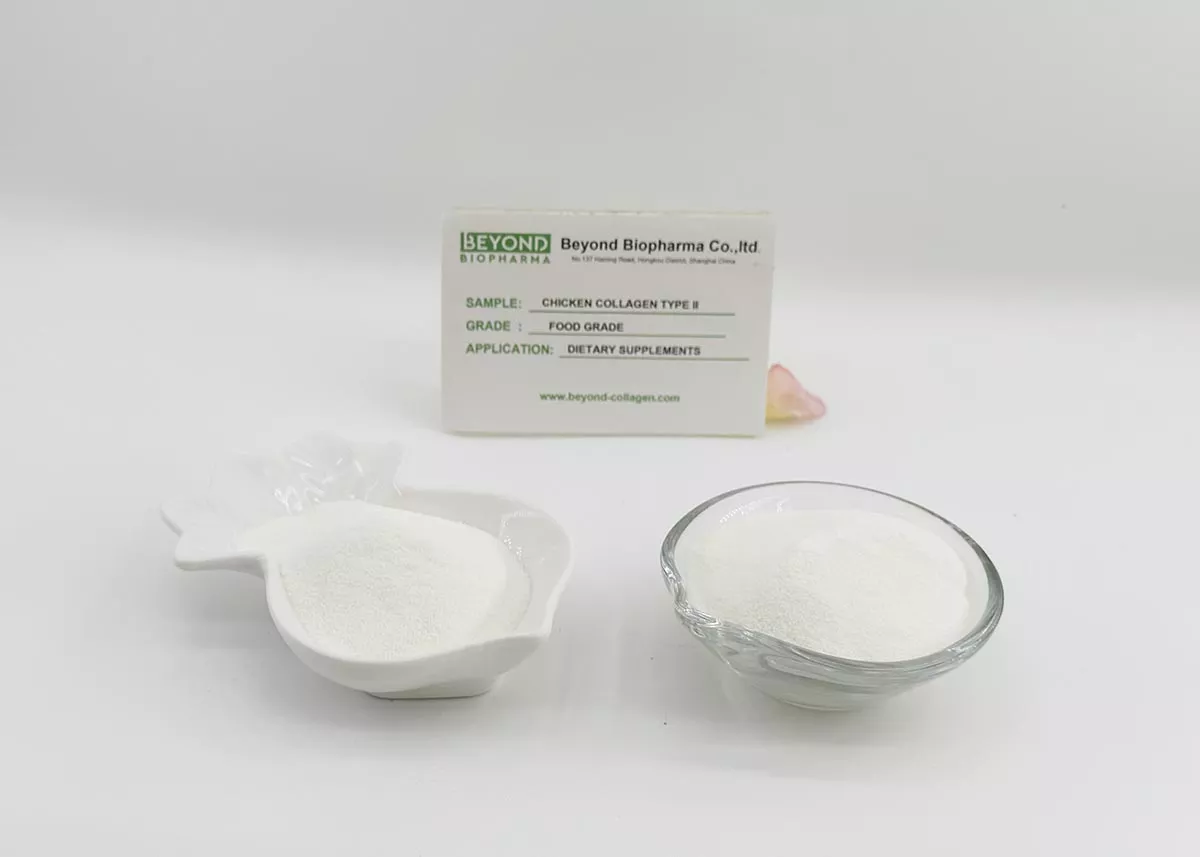
BEYOND BIOPHARMA is a specialized manufacturer of highly purified Hydrolyzed Collagen Type II. Through advanced enzymatic hydrolysis, we create low-molecular-weight collagen peptides that are highly bioavailable, offering foundational nutritional support for cartilage repair, joint function, and skin health. Our product is designed for rapid absorption and maximum efficacy in oral supplements.
Tel:+86 21 65010906
Cell/Whatsapp/Wechat:
+86 13482884055
+86 18657345785
Email: sales@beyondbiopharma.com





User Comments
Service Experience Sharing from Real Customers
Maya Chen
Clinical DietitianI’ve been using these nutraceutical peptides for about three months now with my post-surgery recovery patients. The absorption seems noticeably better than standard collagen powders, and several clients reported less joint stiffness. Not a miracle cure, but definitely a solid tool in the toolbox.
Tomás Rivera
Strength & Conditioning CoachHonestly, I was skeptical at first—another peptide supplement, right? But after a six-week trial with a few of my amateur athletes, I saw measurable improvements in muscle recovery time. The taste is mild, mixes easy in a shake. Only giving 4 stars because the price point is a bit steep for bulk orders.
Elena Kowalski
Senior Research ScientistAs someone who actually studies bioactive peptides in a lab setting, I’m picky about what I put in my body. This product has a well-documented hydrolysis profile and a decent concentration of di- and tripeptides. I’ve been taking it for gut lining support and noticed less bloating after meals. Legit stuff.
Raj Patel
Small Business OwnerBought these on a whim after a friend recommended them for skin elasticity. I’ve been taking them for a month and can’t say I’ve seen dramatic changes yet—maybe a slight improvement in nail strength. The packaging is nice and the capsules are easy to swallow, but I’ll need to finish the bottle before I decide if it’s worth the money.