 English EN


Why Molecular Weight Matters: Low-MW Plant Peptides & Faster Recovery
Low molecular weight plant peptide supplements absorb quickly, delivering amino acids for faster muscle recovery and improved post-exercise results.
More
When training intensity increases, so does the demand for efficient recovery. Muscle recovery peptides — specifically collagen peptides and plant protein hydrolysates — have become a staple in sports nutrition and functional food formulations. For overseas buyers, the challenge is not just finding a supplier, but ensuring batch consistency, low odor, high solubility, and the right molecular weight for absorption. Whether you are formulating a post-workout powder, a joint health gummy, or a plant-based recovery drink, understanding the ingredient science is key.
Muscle recovery peptides are short-chain amino acid sequences derived from hydrolyzed proteins. They are designed to be rapidly absorbed by the body, supporting muscle repair, reducing soreness, and promoting connective tissue health. Common sources include bovine collagen peptide and fish collagen peptide, as well as plant protein peptides from pea, rice, or soy. The key differentiator is molecular weight — lower molecular weight peptides (typically 2,000–5,000 Da) are linked to faster absorption and better bioavailability.
The production process relies on enzymatic hydrolysis, where specific enzymes break down native collagen or plant protein into smaller peptide fragments. This process is carefully controlled for temperature, pH, and reaction time to achieve a consistent molecular weight profile. For collagen peptides, the source material (bovine hide, fish skin, or bone) is first cleaned and degreased, then hydrolyzed, filtered, spray-dried, and milled to a fine powder. Plant protein peptides undergo a similar enzymatic breakdown, with additional steps to remove anti-nutritional factors and improve solubility. The result is a highly soluble, low-odor powder that blends easily into beverages, bars, and gels.
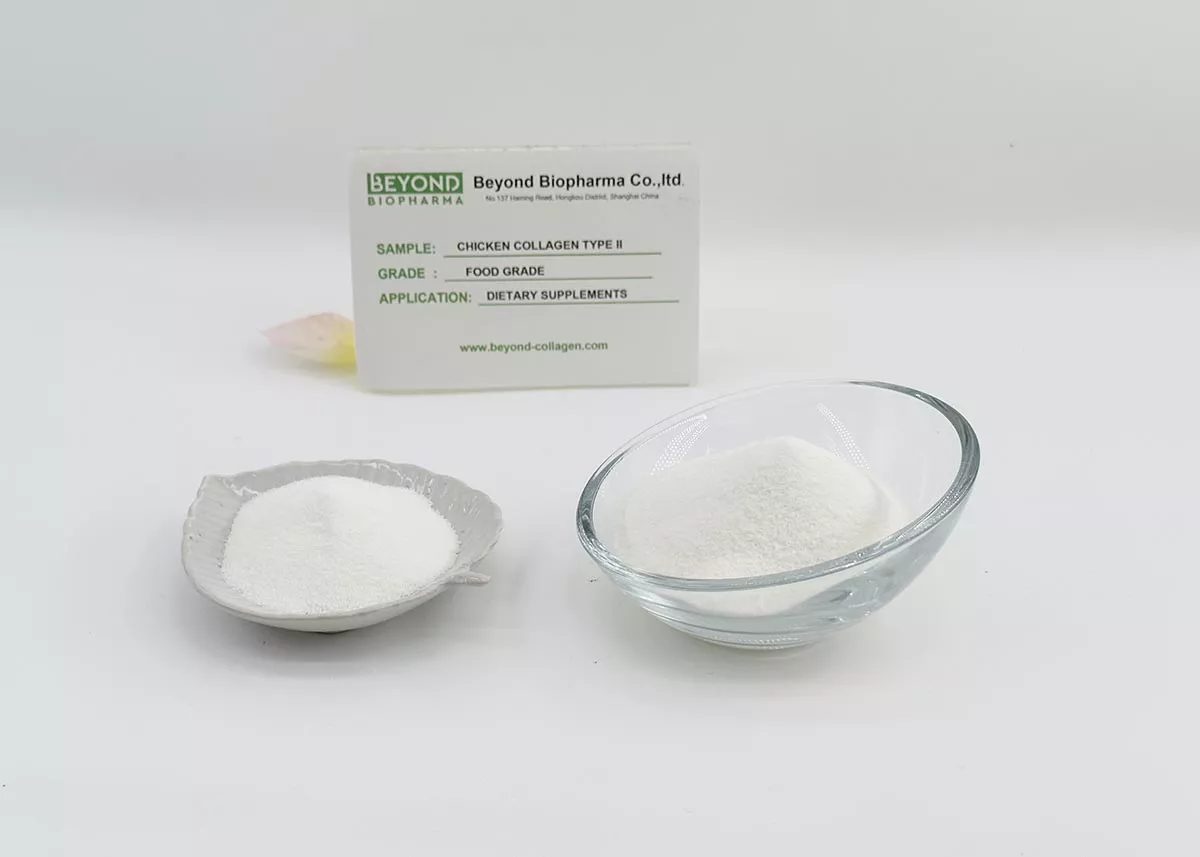
When evaluating muscle recovery peptides, buyers should focus on a few key parameters. The table below summarizes common industry ranges for collagen peptides and plant protein peptides. Note: these are typical ranges; final values should be confirmed per Certificate of Analysis (COA) or sample.
| Parameter | Collagen Peptides (Fish/Bovine) | Plant Protein Peptides (Pea/Rice/Soy) |
|---|---|---|
| Molecular Weight | 2,000–5,000 Da (fish typically lower) | Commonly <5,000 Da |
| Protein Content | ≥90% | 80–90% |
| Solubility | High (cold water soluble) | Good (varies by source) |
| Odor | Low odor (quality marker) | Neutral to mild (source-dependent) |
| Moisture | ≤8% | ≤8% |
Typical industry range; final values per COA / sample.
Muscle recovery peptides are versatile across multiple product categories. Here is a quick selection guide:
Beyond Biopharma is a Shanghai-based manufacturer specializing in collagen peptides, gelatin, and plant protein peptides. With over 10 years in the food-ingredient industry, we export to 50+ countries. Our facility produces approximately 3,000 MT of collagen and 5,000 MT of gelatin annually, using fully automatic production lines, GMP clean workshops, and stainless-steel sealed piping with automated temperature and pH control. We hold ISO 9001, US FDA registration, and select products carry Halal or Kosher certification (e.g., fish gelatin). Our bovine bone gelatin is BSE-free. An in-house lab conducts heavy-metal and microbiological testing, supported by a dedicated QA/QC team. We offer free samples, formulation support, and three grades: food, pharmaceutical, and cosmetic.
Q: What is the difference between collagen peptides and plant protein peptides for recovery?
A: Collagen peptides are rich in glycine, proline, and hydroxyproline, which support connective tissue and joint recovery. Plant protein peptides offer a complete or complementary amino acid profile and are ideal for vegan formulations. Both are hydrolyzed for fast absorption.
Q: How do I ensure low odor and high solubility in my final product?
A: Request a sensory evaluation and solubility test from your supplier. Quality markers include a neutral smell, fine mesh size, and cold water solubility. Reputable manufacturers provide COAs and can send samples for your own testing.
Q: What certifications should I look for when sourcing muscle recovery peptides?
A: Common requirements include ISO 9001, FDA registration, Halal, Kosher, and BSE-free certification for bovine products. For plant-based peptides, allergen-free and non-GMO certifications are often requested.
Q: Can I get custom molecular weight or mesh size for my formulation?
A: Yes, many manufacturers offer custom specifications. Discuss your target molecular weight (e.g., 2,000–3,000 Da for faster absorption) and mesh size with your supplier. Minimum order quantities may apply.
Q: Are muscle recovery peptides compatible with gummy and softgel manufacturing?
A: Absolutely. Collagen peptides can be incorporated into gummy formulations, while gelatin (e.g., high-bloom bovine hide gelatin) is used for gummy texture. For softgels, ultra-high-viscosity gelatin is recommended for encapsulation.
Q: What is the typical lead time for bulk orders of muscle recovery peptides?
A: Lead times vary by supplier and order size. For standard grades, 2–4 weeks is common. Custom formulations or certifications may extend this. Always confirm with your supplier before placing an order.
Ready to source muscle recovery peptides for your next formulation? Tell us your application, required grade (food, pharmaceutical, or cosmetic), estimated quantity or MOQ, target specifications (bloom, mesh, molecular weight, certifications), and destination country. Beyond Biopharma will send free samples and a competitive quote. We are here to support your product development with consistent quality and reliable supply.

We provide you with comprehensive foreign trade solutions to help enterprises achieve global development
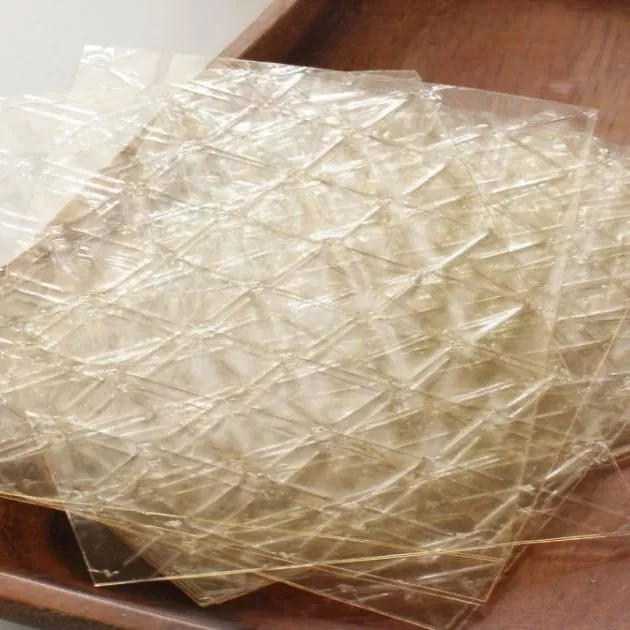
Our Gelatin Sheets are produced to precise standards, ensuring consistency and reliability across different Bloom grades (Silver being the most common professional choice).
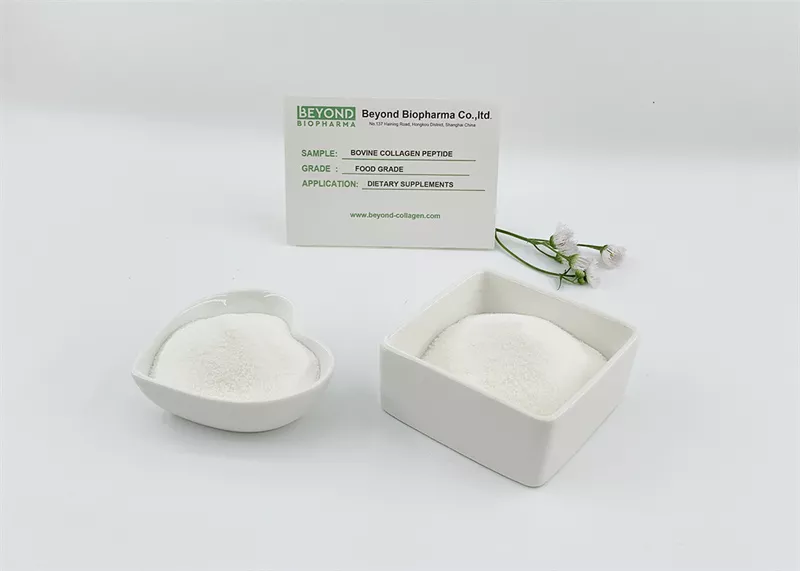
Manufacturer of bovine collagen peptide, shipping in containers all around the world
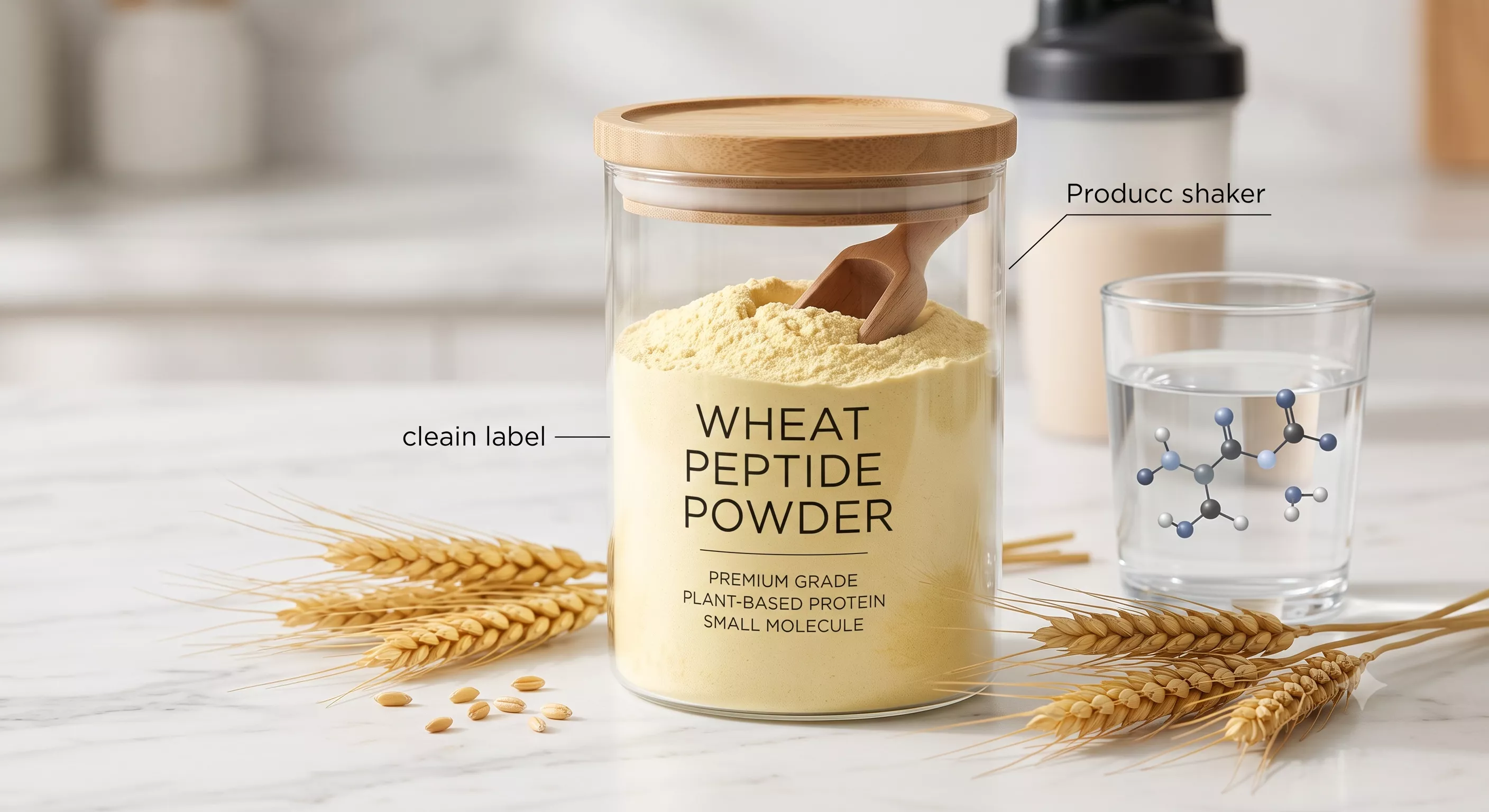
Source ultra-pure, high-solubility wholesale hydrolyzed wheat gluten peptide in bulk. Rich in plant-bound Glutamine ($\ge 25\%$) for muscle recovery and gut barrier health.
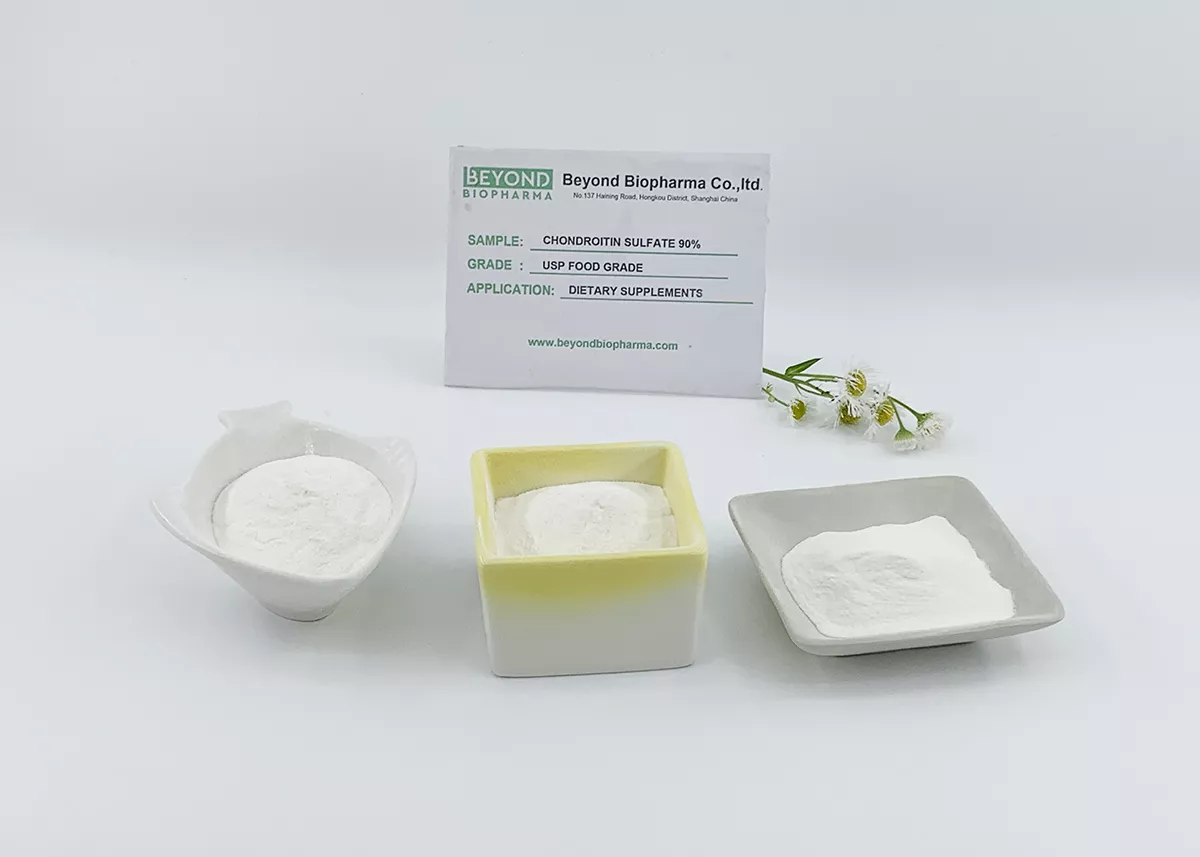
High Purity and Efficacy for Joint Health Formulations
Select the most popular foreign trade service products to meet your diverse needs
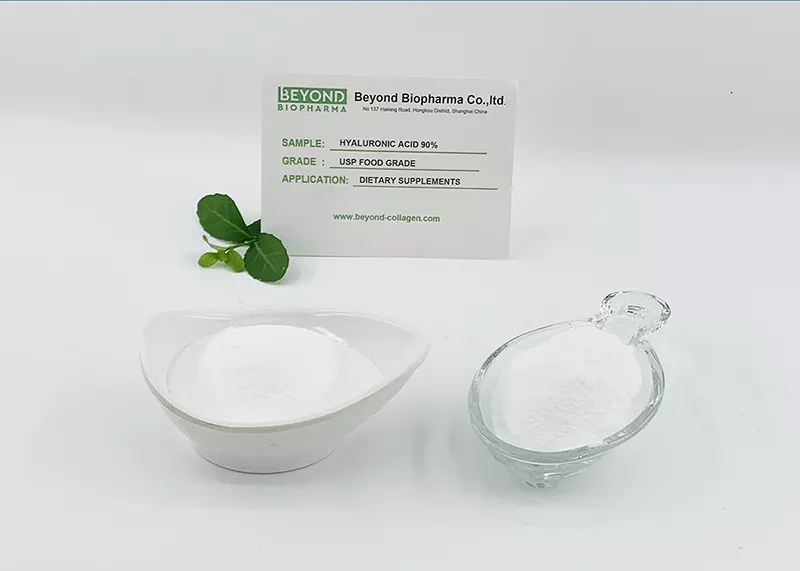
High Molecular Weight for Superior Joint, Skin, and Eye Health.
Fish Gelatin for foods is increasingly recognized as the premium alternative to traditional mammalian sources, meeting the growing global demand for clean-label ingredients that align with diverse dietary and religious requirements. Derived from the skin and scales of fish like cod and tilapia, fish gelatin offers unique functional benefits that make it an exceptional gelling, stabilizing, and texturizing agent.
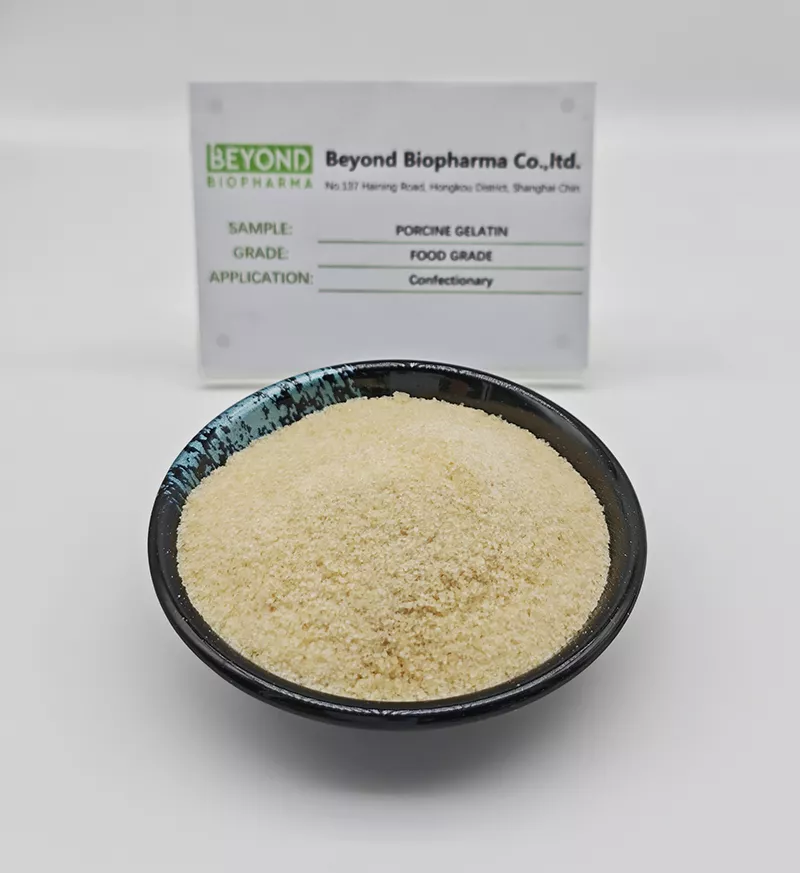
Food-grade porcine gelatin is a highly versatile and cost-effective natural protein derived from the collagen found in pig skin and bones. It is a premier gelling agent known for its exceptional clarity, neutral taste, and thermal reversibility.
Tel:+86 21 65010906
Cell/Whatsapp/Wechat:
+86 13482884055
+86 18657345785
Email: sales@beyondbiopharma.com





User Comments
Service Experience Sharing from Real Customers
Liam
CrossFit CoachBeen using these peptides for about three weeks post-WOD and the difference in my DOMS is night and day. I used to hobble around for two days after heavy squat cycles; now I’m back on the rig the next morning. No weird side effects, just solid recovery. My athletes are asking what I’m on.
Sophie
Registered NurseI’m on my feet 12 hours a shift and started taking these for my aching knees and shoulders. Not a miracle cure, but I definitely wake up less stiff. Took about a week to notice. Only reason it’s not 5 stars is the taste when you mix it—kinda bitter. But the recovery is real.
Marcus
Construction ForemanHonestly was skeptical because I’ve tried every supplement under the sun. But after a 10-hour day of framing and drywall, my lower back used to lock up. Been on these for two months and I can actually play catch with my kid after work without wincing. Solid stuff.
Elena
Graduate Researcher (Exercise Physiology)I’m literally studying muscle repair mechanisms, so I had to try these out of curiosity. The formulation looks legit based on the peptide sequences listed. After my marathon training blocks, I’ve noticed less inflammation and faster return to baseline HRV. Would recommend cycling off every 8 weeks though.