Key Takeaways
Rice protein peptide offers significantly higher digestibility and absorption rates compared to standard rice protein, making it a superior choice for muscle recovery formulations.
Enzymatic hydrolysis reduces molecular weight, improving solubility and dispersibility in high-protein beverages and gels.
As a vegan and hypoallergenic ingredient, it meets the growing demand for plant-based sports nutrition without common allergen concerns.
Formulators benefit from enhanced clarity and reduced bitterness, enabling cleaner label products with better mouthfeel.
The plant protein market has expanded rapidly, yet many manufacturers still face a fundamental challenge: traditional plant proteins, including rice protein, often suffer from limited solubility, poor dispersibility, and lower digestibility. These issues directly impact the development of high-protein beverages, bars, and recovery powders where texture and absorption are critical. Rice protein peptide addresses these pain points by breaking down intact protein into smaller peptide chains through controlled enzymatic hydrolysis. Unlike standard rice protein concentrates or isolates, these peptides offer a more flexible ingredient profile for formulators targeting muscle recovery and growth. This article examines the science behind rice protein peptide, its functional advantages, and how it fits into modern sports nutrition and nutraceutical product development.
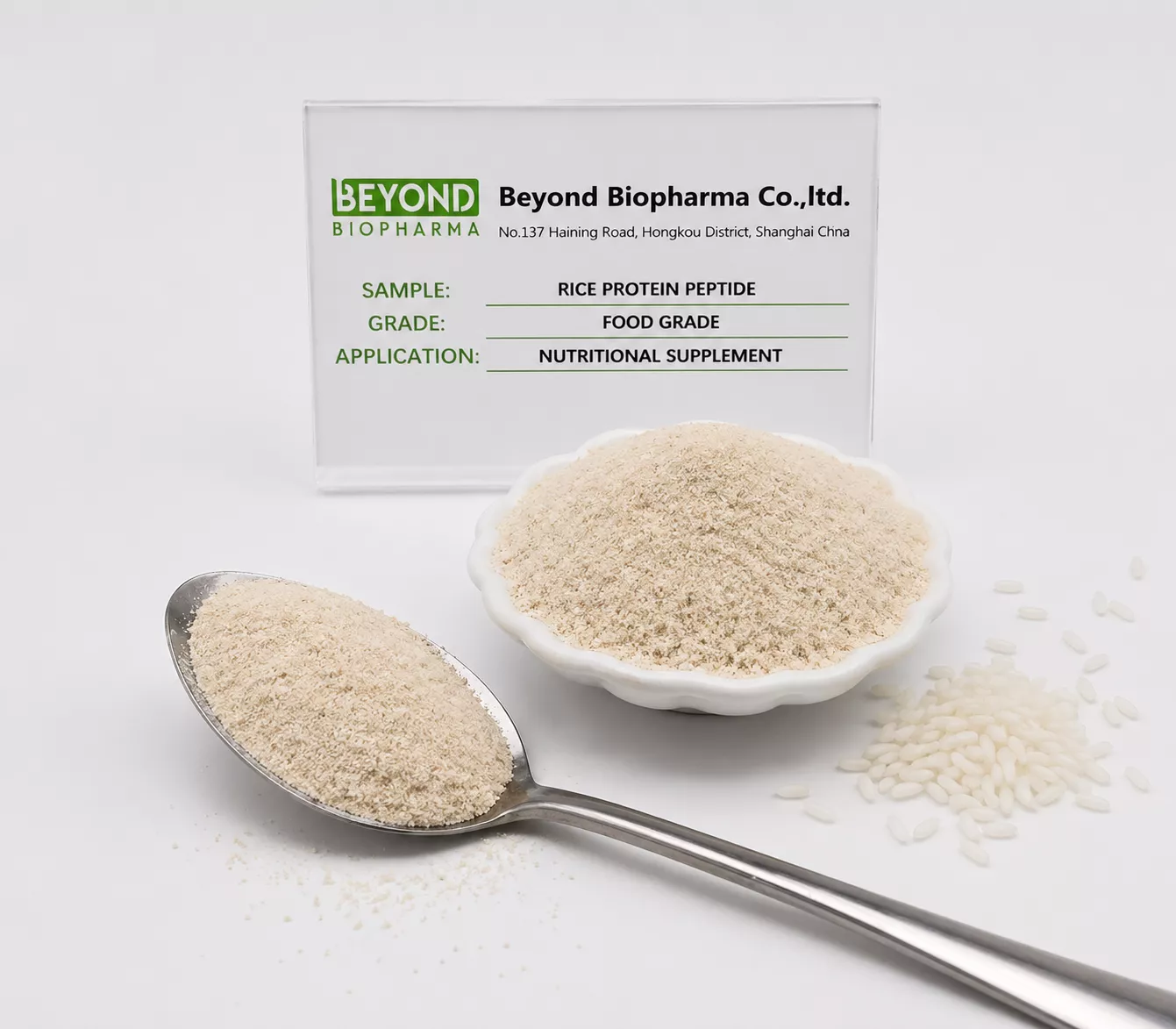
Rice protein peptide is derived from whole grain rice, typically using enzymatic hydrolysis to cleave the long protein chains into shorter peptide fragments. The starting material is often rice protein concentrate or isolate, which itself is produced by grinding rice, separating the starch, and concentrating the protein fraction. The key transformation occurs during hydrolysis: food-grade proteases (enzymes) are added under controlled temperature and pH conditions to break peptide bonds, resulting in a mixture of dipeptides, tripeptides, and oligopeptides with an average molecular weight ranging from 500 to 3000 Daltons.
This reduction in molecular size directly improves several physical and biological properties. First, solubility in water increases dramatically—often exceeding 90% at neutral pH—compared to intact rice protein which can be poorly soluble. Second, dispersibility in cold water becomes practical, eliminating the need for high-shear mixing or hot processing. Third, the peptide profile enhances digestibility because smaller peptides are more readily absorbed by the intestinal epithelium via peptide transporters. From a formulation standpoint, rice protein peptide also exhibits lower viscosity at high concentrations, allowing manufacturers to create protein-dense liquids without a gritty or chalky texture.
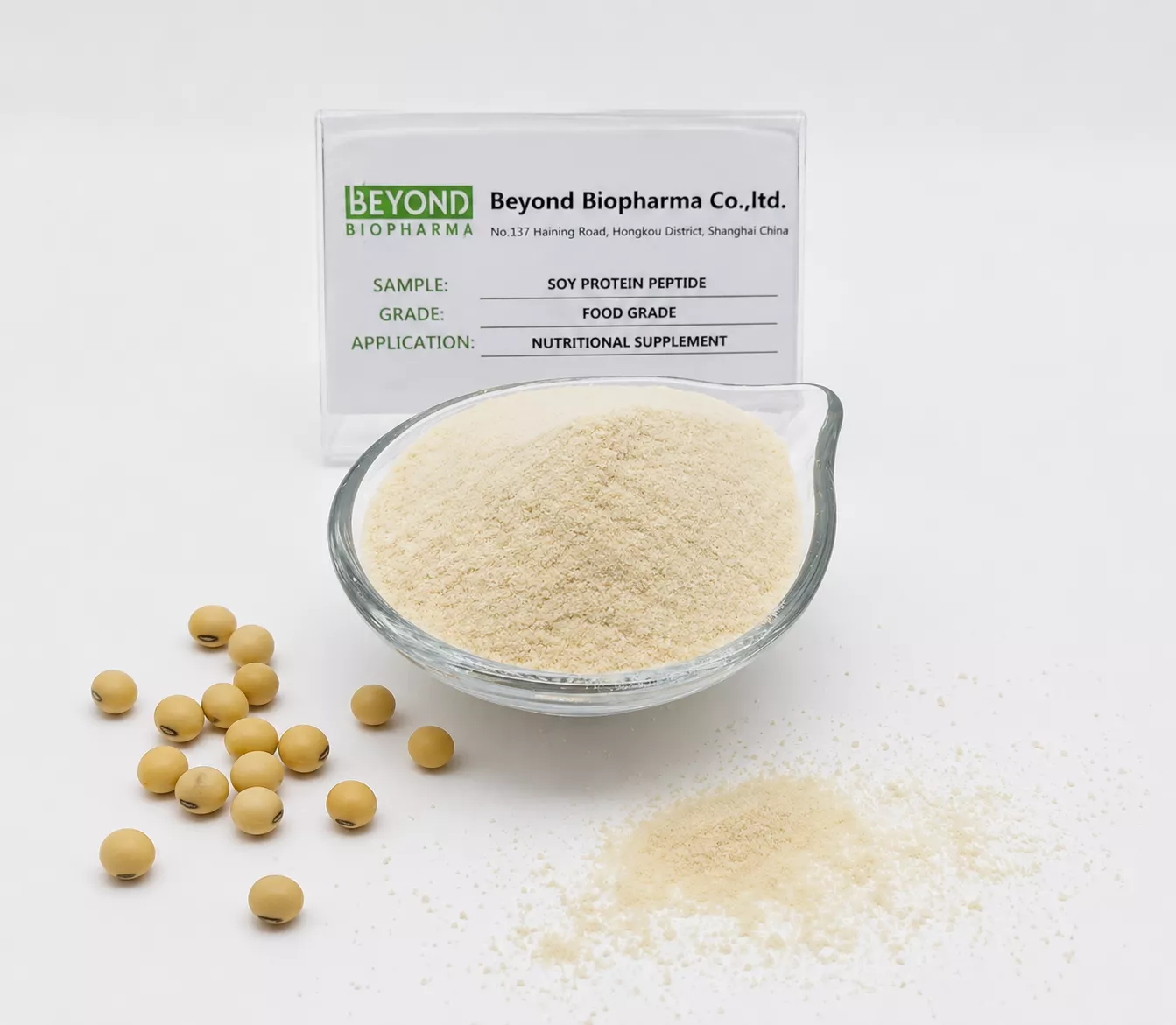
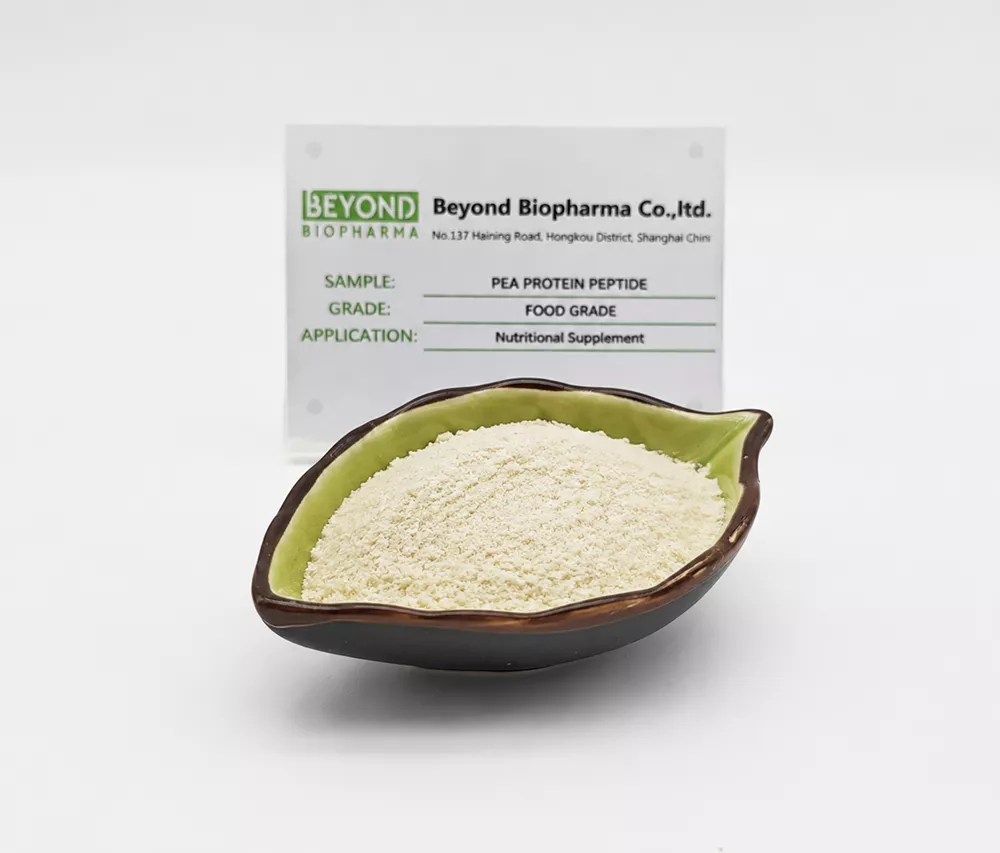
Common plant sources for protein peptides include pea, soy, wheat, corn, potato, mung bean, sunflower seed, and pumpkin seed. Rice stands out for its neutral flavor profile and hypoallergenic nature, making it a preferred base for clean-label and allergen-free products. The production process typically involves protein extraction, enzymatic hydrolysis, separation (filtration or centrifugation), and spray drying to yield a free-flowing powder with consistent particle size.
The transition from intact plant protein to hydrolyzed peptide form brings measurable improvements across several functional dimensions. Higher digestibility is one of the most cited benefits. Research suggests that enzymatic hydrolysis pre-digests the protein, reducing the workload on the gastrointestinal tract. This is particularly relevant for athletes and active individuals who require rapid amino acid delivery post-exercise to support muscle protein synthesis. The smaller peptide chains are absorbed more quickly than whole proteins or free amino acids, potentially leading to a faster recovery response.
Better solubility is a direct consequence of molecular weight reduction. Standard rice protein isolates often form suspensions that settle over time, especially in acidic beverages. Rice protein peptide, depending on the degree of hydrolysis, remains soluble across a wider pH range (pH 3–8). This property is critical for formulating clear or low-turbidity protein waters and isotonic drinks, where visual clarity is a consumer expectation.
Improved formulation flexibility means that product developers can incorporate higher protein loads without compromising mouthfeel or stability. In bar applications, peptides contribute to a softer texture and reduce hardening over shelf life. In powdered mixes, they disperse quickly with minimal clumping. Industry experience indicates that replacing 30–50% of intact plant protein with its peptide counterpart can significantly improve the overall sensory profile of a finished product.
From a nutritional standpoint, rice protein peptide retains a balanced amino acid profile, though it is naturally lower in lysine compared to animal proteins. This is commonly addressed by blending with complementary plant proteins such as pea or pumpkin seed. Additionally, some bioactive peptides generated during hydrolysis may contribute to antioxidant or ACE-inhibitory activities, depending on the enzyme specificity and hydrolysis conditions. While these effects are not therapeutic claims, they represent an area of ongoing research interest for functional ingredient development.
Rice protein peptide is used across multiple product categories where high protein content, clean taste, and plant-based positioning are required. Below is a comparison of its performance against traditional plant protein in typical formulation scenarios.
| Property | Traditional Plant Protein | Plant Protein Peptide |
|---|---|---|
| Digestibility | Moderate (PDCAAS 0.7–0.9) | High (PDCAAS >0.9 typical) |
| Solubility | Low to moderate, pH dependent | High across pH 3–8 |
| Formulation Flexibility | Limited by viscosity and texture | High; allows clear drinks, gels, bars |
| Mouthfeel | Gritty or chalky at high levels | Smooth, low sediment |
| Application Range | Powders, bars, some RTD | Clear beverages, isotonics, gels, high-protein liquids |
In post-workout recovery powders and ready-to-drink shakes, the primary challenge is achieving a high protein dose (20–30g per serving) without a thick, unpleasant texture. Rice protein peptide disperses rapidly in water and remains suspended, reducing the need for stabilizers. ✅ Product positioning: Market as a fast-absorbing, plant-based recovery peptide. ✅ Recommended application: Use at 15–25% of total formula weight for a 25g protein serving. ✅ Formulation considerations: Pair with a small amount of pea protein isolate to balance the amino acid profile, especially lysine. ✅ Ingredient selection: Choose a peptide with a degree of hydrolysis between 15–20% for optimal solubility and minimal bitterness.
Clear protein waters are a growing segment, particularly among consumers who find milky shakes unappealing. The low turbidity of rice protein peptide makes it suitable for transparent formulations. ✅ Product positioning: Light, refreshing hydration with added protein. ✅ Recommended application: 10–15g protein per 500ml bottle. ✅ Formulation considerations: Adjust pH to 3.5–4.0 for stability and clarity; add natural flavors like lemon or berry to mask any residual peptide taste. ✅ Ingredient selection: Opt for a highly hydrolyzed peptide (DH >20%) to ensure maximum clarity.
Protein bars often suffer from hardening over time due to moisture migration and protein aggregation. Replacing a portion of intact protein with rice protein peptide can improve softness and shelf stability. ✅ Product positioning: Soft, chewy, high-protein bars with plant-based peptides. ✅ Recommended application: Replace 20–40% of total protein content with peptide. ✅ Formulation considerations: Combine with humectants like glycerin to maintain moisture. ✅ Ingredient selection: Use a medium-hydrolysis peptide (DH 12–18%) to balance binding and softness.
Older adults and individuals with compromised digestion benefit from pre-digested protein sources. Rice protein peptide is commonly used in meal replacement powders and senior nutrition formulas. ✅ Product positioning: Gentle on the stomach, easy to digest. ✅ Recommended application: 10–20g per serving in powder blends. ✅ Formulation considerations: Add digestive enzymes if further breakdown is desired. ✅ Ingredient selection: Prioritize peptides with low molecular weight (<2000 Da) for maximum absorption.
Selecting the right supplier for rice protein peptide requires technical scrutiny beyond standard certificates. The quality of the starting raw material—typically non-GMO rice grown without excessive pesticide use—directly influences the final product's purity and flavor. Suppliers should provide a full specification sheet including protein content (typically >80% on a dry basis), degree of hydrolysis, molecular weight distribution, and solubility data.
Enzymatic hydrolysis technology is a differentiator. Look for suppliers that use food-grade, non-animal-derived enzymes and can demonstrate consistent batch-to-batch peptide profiles. Molecular weight control is critical: a narrow distribution (e.g., 80% of peptides between 500–2000 Da) indicates a well-controlled process. Product stability under accelerated storage conditions (40°C/75% RH for 6 months) should be documented.
Quality management systems such as ISO 22000, FSSC 22000, or GMP certification are standard in the industry. Halal and Kosher certifications may be required depending on target markets. A responsible supplier will also provide application development support, including suggested usage levels, compatibility data, and sensory evaluation reports.
Procurement checklist:
✅ Raw material traceability (source, harvest year, non-GMO status)
✅ Technical specification completeness (protein content, DH, solubility, pH, ash, heavy metals)
✅ Certificate of analysis (COA) for each batch
✅ Application development support (formulation guidance, stability data)
✅ Supply chain stability (lead times, minimum order quantities, backup production sites)
Standard rice protein is intact protein with a molecular weight typically above 20,000 Daltons. Rice protein peptide is produced by enzymatic hydrolysis, reducing the molecular weight to a range of 500–3000 Daltons. This results in significantly higher solubility, faster digestibility, and better dispersibility in cold water, making it more suitable for liquid and high-protein formulations.
Yes. A higher degree of hydrolysis (DH) generally improves solubility and clarity but may increase bitterness due to the exposure of hydrophobic amino acid residues. For most sports nutrition applications, a DH of 15–20% offers a good balance between functional performance and sensory acceptability. For clear beverages, a DH above 20% is often preferred.
Yes. Rice is naturally free from gluten, dairy, and soy, making rice protein peptide suitable for allergen-free and vegan product lines. It is also non-GMO when sourced from certified suppliers. However, always verify that the production facility handles only plant-based ingredients to avoid cross-contamination.
Request a full technical datasheet including protein content, degree of hydrolysis, molecular weight distribution, solubility at pH 3, 5, and 7, and a sensory description. Conduct a simple dispersion test: add 10g of powder to 100ml of water at 20°C and stir gently. A high-quality peptide should disperse with minimal clumping and remain suspended without rapid sedimentation.
Rice protein peptide offers a clear technical upgrade over conventional plant proteins for manufacturers focused on muscle recovery and growth products. Its enhanced solubility, faster digestibility, and formulation flexibility address long-standing challenges in the sports nutrition and nutraceutical sectors. By integrating this ingredient into your product pipeline, you can develop cleaner labels, better textures, and higher protein concentrations without compromising on sensory quality.
For R&D teams evaluating new protein sources, we recommend starting with a small-scale trial in your existing formula, replacing 25–50% of the intact protein with rice protein peptide. Compare solubility, viscosity, and mouthfeel against your current benchmark. If you would like to explore technical specifications or request a sample for evaluation, our application engineers are available to discuss your specific formulation needs.



Tel:+86 21 65010906
Cell/Whatsapp/Wechat:
+86 13482884055
+86 18657345785
Email: sales@beyondbiopharma.com


 English EN