Key Takeaways: This article explores why conventional plant proteins often fall short in absorption and formulation, and how pea protein peptide emerges as a superior functional ingredient. We break down the science of enzymatic hydrolysis, compare solubility and digestibility metrics, and outline commercial applications across sports nutrition, beverages, and clinical products. For R&D and procurement professionals, we also provide a practical supplier evaluation checklist based on degree of hydrolysis, molecular weight distribution, and manufacturing quality systems.
The plant-based protein market has grown rapidly, yet product developers and formulators consistently face a core challenge: how to deliver a protein ingredient that is both highly digestible and functionally versatile. Standard pea protein isolates, while popular, often exhibit limited solubility in acidic beverages, a gritty mouthfeel, and slower absorption kinetics compared to animal-derived proteins. These limitations can hinder muscle recovery outcomes for athletes and create formulation hurdles for ready-to-drink (RTD) shakes and clear protein waters.
Enter pea protein peptide — a functional ingredient produced through controlled enzymatic hydrolysis that breaks down intact pea protein into smaller peptide chains. This process dramatically improves solubility, digestibility, and bioavailability, making it an increasingly preferred choice for sports nutrition, functional foods, and clinical nutrition applications. In this article, we examine the technical underpinnings, commercial advantages, and practical considerations for sourcing high-quality pea protein peptides.
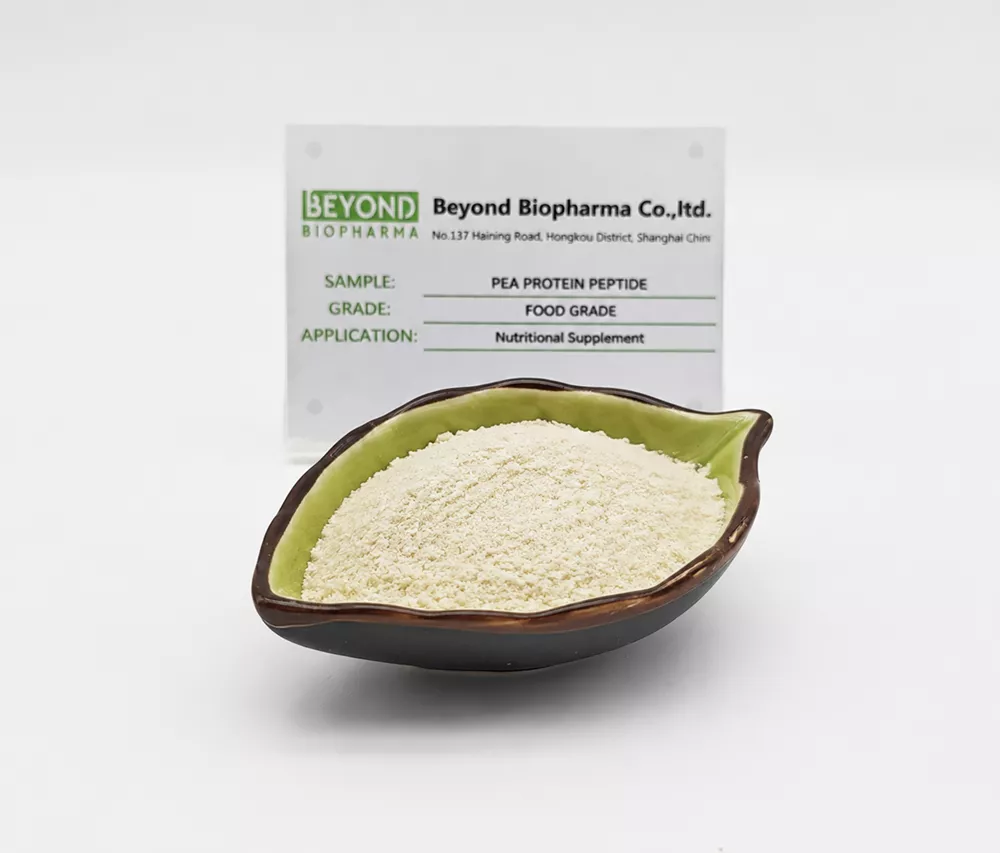
Pea protein peptide is derived from yellow peas (Pisum sativum), a sustainable and non-GMO plant source. The raw material undergoes a multi-step process: first, protein is extracted from dehulled yellow peas via wet fractionation or dry milling, yielding a protein concentrate or isolate. This base protein is then subjected to enzymatic hydrolysis using food-grade proteases (such as alcalase, papain, or bromelain) under controlled temperature and pH conditions. The enzymes cleave peptide bonds, reducing large protein molecules into shorter-chain peptides with an average molecular weight typically ranging from 500 to 3,000 Daltons.
The resulting pea protein hydrolysate (or peptide) possesses several distinct functional characteristics:
Improved solubility: Peptides remain soluble across a wide pH range (pH 2–8), including the acidic conditions of sports drinks and fruit juices.
Enhanced digestibility: Pre-digested peptides are rapidly absorbed in the small intestine, bypassing the need for extensive gastric breakdown.
Reduced viscosity: Lower molecular weight leads to thinner solutions, enabling higher protein concentrations in liquid formulations without thickening.
Better formulation flexibility: Peptides blend easily with other ingredients, resist heat-induced aggregation, and produce clear or low-turbidity solutions.
These attributes make hydrolyzed pea protein a versatile building block for product developers seeking clean-label, plant-based protein solutions.
The shift from intact proteins to peptides is grounded in protein chemistry and gastrointestinal physiology. Here are the key scientific advantages:
Intact proteins require significant gastric acid and pepsin digestion before entering the small intestine. In contrast, bioactive pea peptides are small enough to be absorbed directly via peptide transporters (PepT1) in the intestinal brush border. Research suggests that di- and tripeptides are absorbed more rapidly than free amino acids or intact proteins, leading to a faster post-exercise aminoacidemia — a critical factor for muscle protein synthesis and recovery.
The protein digestibility-corrected amino acid score (PDCAAS) of conventional pea protein isolate is approximately 0.82–0.89, which is good but not as high as whey (1.0). However, enzymatic hydrolysis can increase the digestibility of pea protein by breaking down protease inhibitors and exposing cleavage sites. Under typical application conditions, pea protein hydrolysate achieves a digestibility value approaching that of animal proteins, making it a viable option for populations with compromised digestive function.
Beyond basic nutrition, specific peptide sequences released during hydrolysis may exhibit bioactive properties. For instance, certain plant protein peptides have been shown in vitro to possess antioxidant, ACE-inhibitory, and anti-inflammatory activities. While these effects are not yet fully validated in human clinical trials, they suggest that pea protein peptides may contribute to broader health benefits beyond muscle recovery, depending on the degree of hydrolysis and enzyme specificity.
Pea protein is naturally rich in branched-chain amino acids (BCAAs), particularly leucine, which is the primary trigger for mTOR-mediated muscle protein synthesis. Hydrolysis does not alter the amino acid profile but enhances the rate at which these amino acids become available systemically. This makes peptide nutrition from pea sources particularly attractive for post-workout recovery formulations.
The functional profile of pea protein peptides opens up a wide range of commercial applications. Below we examine key sectors and the specific formulation advantages.
Formulation challenge: Athletes require rapid protein absorption post-exercise, but conventional plant proteins often cause bloating or settle out in shakes. Solution: Pea protein peptides dissolve instantly in water or milk alternatives, produce smooth textures, and deliver amino acids quickly. They are commonly used in recovery powders, RTD shakes, and protein bars where high solubility and low viscosity are critical.
Formulation challenge: Clear protein waters and enhanced juices require a protein ingredient that does not cause cloudiness or sedimentation. Solution: Hydrolyzed pea protein remains transparent at low pH (e.g., pH 3.0–4.0), making it ideal for clear protein beverages. Its low viscosity also allows higher protein loading (up to 10–15 g per serving) without a thick or chalky mouthfeel.
Formulation challenge: Older adults often experience sarcopenia and reduced digestive efficiency. Solution: Pea protein peptides offer a highly digestible, low-allergen protein source that is easy on the stomach. Their rapid absorption may help counteract age-related anabolic resistance. Products targeting this demographic include high-protein meal replacements, soups, and nutritional gels.
Formulation challenge: Patients with gastrointestinal disorders or post-surgical recovery need protein that is easily assimilated without causing distress. Solution: Pea protein peptides are well-tolerated and can be incorporated into enteral feeding formulas, oral nutritional supplements, and clear liquid diets. Their neutral flavor profile also allows easier masking in medical nutrition products.
Formulation challenge: Meat and dairy alternatives often struggle with texture and protein content. Solution: Pea protein peptides can improve the emulsification and water-holding capacity of plant-based burgers, yogurts, and cheeses. They also reduce bitterness compared to some other hydrolysates, depending on the enzyme system used.
| Attribute | Conventional Pea Protein | Pea Protein Peptide |
|---|---|---|
| Solubility | Moderate; precipitates near isoelectric point (pH 4–5) | High; soluble across pH 2–8 |
| Digestibility | PDCAAS ~0.85; requires gastric digestion | PDCAAS ~0.95+; pre-digested, rapid absorption |
| Flavor Impact | Beany, earthy notes; often requires masking | Milder flavor; bitterness depends on hydrolysis degree |
| Formulation Flexibility | Limited in acidic or high-concentration systems | Excellent for clear beverages, gels, and high-protein liquids |
| Application Range | Powders, bars, baked goods | RTD beverages, clinical nutrition, sports gels, clear proteins |
For B2B buyers, selecting the right supplier is critical to product consistency and performance. Here are key evaluation criteria:
Degree of Hydrolysis (DH): A DH of 10–20% is typical for functional peptides. Higher DH yields smaller peptides but may increase bitterness. Request a DH specification and ensure it aligns with your application.
Peptide Molecular Weight Distribution: Look for a high proportion (≥60%) of peptides below 1,000 Da for rapid absorption. Suppliers should provide gel permeation chromatography (GPC) data.
Protein Content: Minimum 80% protein (on dry basis) is standard for peptide concentrates. Verify via Kjeldahl or Dumas methods.
Manufacturing Quality Systems: ISO 22000, FSSC 22000, or GMP certifications indicate robust process control. Ask about allergen management and cross-contamination protocols.
Traceability and Documentation: Full supply chain transparency from yellow pea sourcing to final peptide batch. Request certificates of analysis (COA) and stability data.
Supplier Checklist:
Raw material sourcing: Non-GMO, sustainably farmed yellow peas
Production technology: Enzymatic hydrolysis with defined enzyme profiles
Quality certifications: ISO 22000, FSSC 22000, Kosher, Halal (as required)
Application support capability: Technical team available for formulation troubleshooting
Supply chain stability: Consistent volume capacity and lead times
Pea protein is the intact protein isolate or concentrate extracted from yellow peas, consisting of large globulin and albumin fractions. Pea protein peptide is produced by enzymatic hydrolysis, which breaks these large proteins into smaller peptide chains (typically 2–20 amino acids long). The peptide form offers significantly higher solubility, faster digestibility, and lower viscosity compared to the intact protein.
Enzymatic hydrolysis uses proteases to cleave peptide bonds, reducing molecular weight and exposing hydrophilic amino acid residues. This increases solubility by preventing aggregation, enhances digestibility by creating pre-digested peptides, and lowers viscosity by reducing the protein's hydrodynamic volume. The process also can reduce antigenicity by breaking down epitopes responsible for allergic reactions.
Yes, pea protein peptide is particularly well-suited for beverages. Its high solubility across a wide pH range (including acidic conditions around pH 3–4) allows for clear or low-turbidity formulations. It also maintains low viscosity at high protein concentrations (up to 15% w/v), enabling the production of protein-fortified waters, juices, and RTD shakes without a thick or gritty texture.
Pea protein peptides are widely used in sports nutrition (recovery powders, RTD shakes), functional beverages (clear protein waters, enhanced juices), clinical nutrition (enteral formulas, oral supplements), healthy aging products (meal replacements, high-protein soups), and plant-based food applications (meat and dairy alternatives). Their clean-label profile and high digestibility make them suitable for vegan and allergen-free product lines.
Pea protein peptide represents a significant advancement in plant-based protein technology. By addressing the core limitations of conventional pea protein — poor solubility, slow digestibility, and formulation inflexibility — it offers a functional ingredient that meets the demands of modern sports nutrition, functional beverages, and clinical products. The scientific basis is clear: controlled enzymatic hydrolysis produces smaller, more bioavailable peptides that are rapidly absorbed and easily incorporated into a wide range of product formats.
For product developers and procurement specialists evaluating plant protein ingredients, pea protein peptide provides a compelling combination of performance, sustainability, and clean-label appeal. To explore how this ingredient can enhance your next formulation, request technical specifications and formulation support from qualified suppliers. Evaluate samples for your specific application needs and discuss customized hydrolysis profiles to optimize functionality for your target market.



Tel:+86 21 65010906
Cell/Whatsapp/Wechat:
+86 13482884055
+86 18657345785
Email: sales@beyondbiopharma.com


 English EN




