Article Summary: This guide provides a technical framework for evaluating pea peptide powder as a functional protein ingredient for muscle recovery applications. It covers the science of enzymatic hydrolysis, key quality parameters, formulation advantages over conventional plant proteins, and practical criteria for selecting a reliable B2B supplier. Written for product developers, R&D scientists, and procurement professionals in the sports nutrition and nutraceutical industries.
Key Takeaways
Pea peptide powder offers significantly higher digestibility and solubility compared to standard pea protein isolate, making it ideal for ready-to-drink and high-protein formulations.
The degree of hydrolysis (DH) and molecular weight distribution are critical technical specifications that directly influence bioavailability and functional performance.
Enzymatic hydrolysis using food-grade proteases is the preferred production method, as it preserves amino acid integrity while breaking down proteins into smaller bioactive peptides.
Supplier evaluation should prioritize raw material traceability, enzyme technology capability, and third-party certifications such as ISO 22000, GMP, and non-GMO verification.
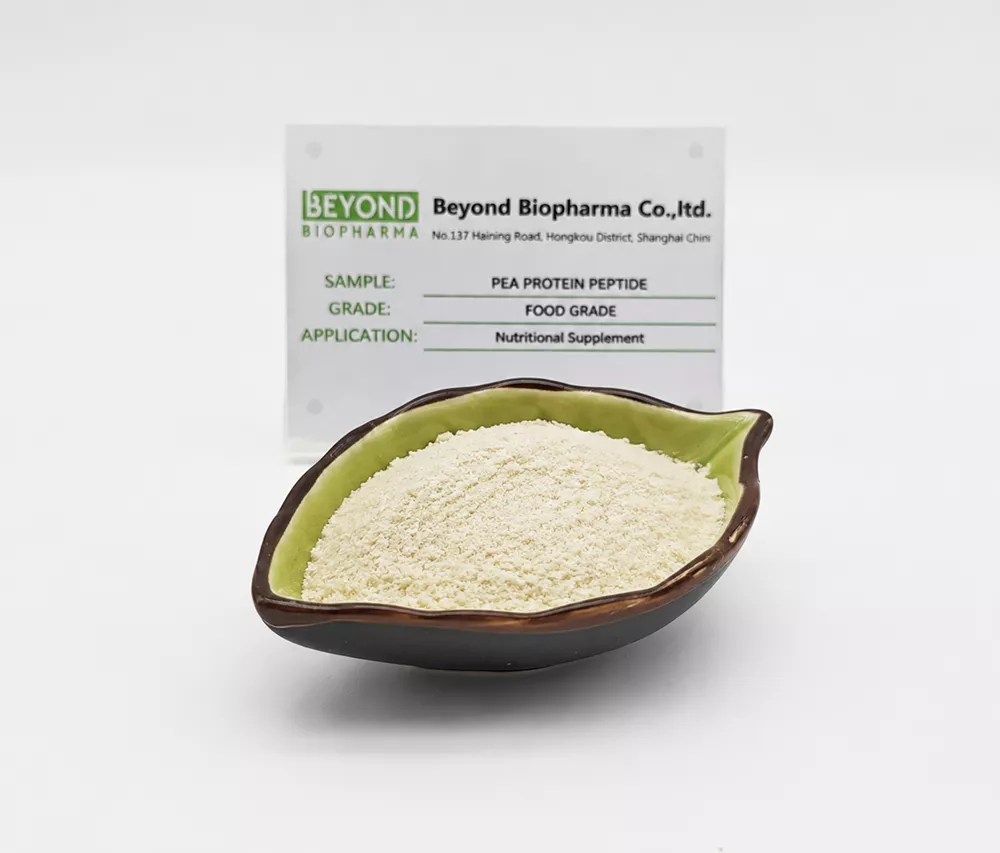
Pea peptide powder is a specialized protein ingredient produced by breaking down pea protein isolate or concentrate into smaller peptide chains through controlled enzymatic hydrolysis. Unlike intact pea protein, which consists of large globulin and albumin fractions with molecular weights typically above 50 kDa, pea peptides range from 500 to 5000 Daltons. This reduction in molecular size dramatically alters the ingredient's physical and biological properties.
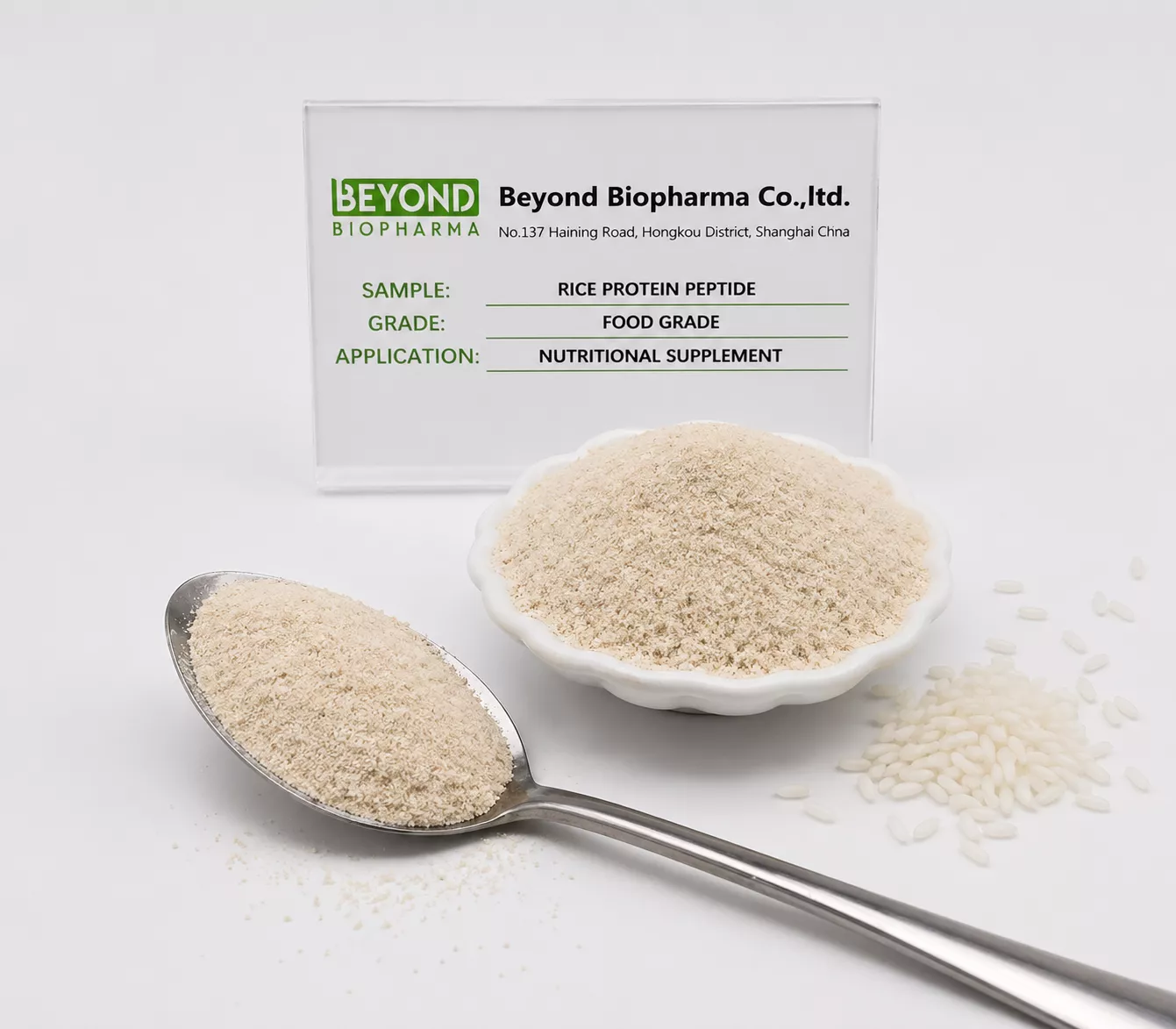
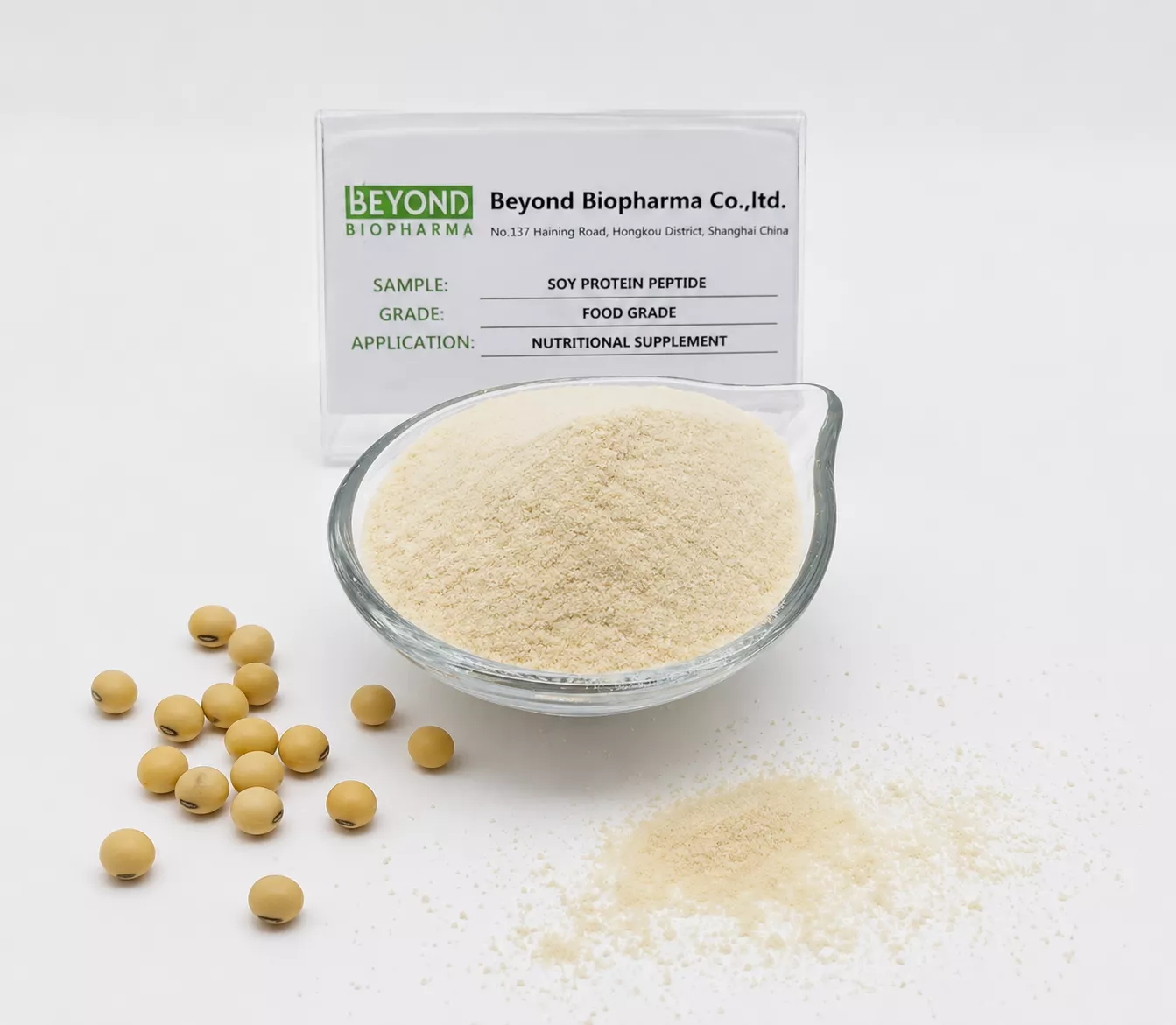
Raw Material Sources: While pea is the most common legume base for this product category, similar plant protein hydrolysates are also produced from soy, rice, wheat, corn, potato, mung bean, sunflower seed, and pumpkin seed. For muscle recovery applications, pea is particularly valued due to its balanced amino acid profile, including a relatively high arginine content, which supports nitric oxide synthesis and blood flow.
Production Process: The manufacturing of pea peptide powder typically involves five key stages:
Protein extraction — Yellow peas are milled, and the protein fraction is separated from starch and fiber via air classification or wet fractionation.
Enzymatic hydrolysis — Food-grade proteases (e.g., alcalase, papain, or bromelain) are added under controlled pH and temperature conditions to cleave peptide bonds. The degree of hydrolysis is carefully monitored to achieve the desired molecular weight profile.
Enzyme inactivation — Heat treatment is applied to stop the enzymatic reaction and ensure product stability.
Purification and concentration — Filtration or centrifugation removes insoluble residues and concentrates the peptide fraction.
Drying — Spray drying converts the liquid hydrolysate into a free-flowing powder with controlled particle size and moisture content.
Core Physical and Chemical Properties: Compared to standard pea protein isolate, pea peptide powder exhibits distinct characteristics that are directly relevant to formulation work:
Molecular weight distribution: Typically 80% or more of the peptides are below 3000 Da, which correlates with faster gastric emptying and intestinal absorption.
Solubility: Over 90% soluble across a pH range of 3 to 8, compared to pea protein isolate which shows minimum solubility around pH 4.5.
Dispersibility: Low viscosity even at high concentrations (e.g., 15–20% w/v), allowing for higher protein loading in liquid systems.
Digestibility: The PDCAAS (Protein Digestibility Corrected Amino Acid Score) of pea protein hydrolysates is typically higher than that of the intact protein, often approaching 1.0 when supplemented with methionine.
Flavor profile: Hydrolysis can reduce the characteristic "beany" or "grassy" notes of pea protein, although excessive hydrolysis may introduce bitterness depending on the enzyme used and DH level.
The transition from whole protein to peptide form is not merely a processing step — it fundamentally changes how the ingredient interacts with the human digestive system and with other components in a finished product. Understanding these differences is essential for making informed ingredient choices.
Higher Digestibility and Absorption Rate: Intact pea protein requires gastric pepsin and pancreatic proteases to break it down into absorbable di- and tripeptides. This process takes time and can be incomplete, especially in individuals with compromised digestive function. Pea peptide powder, by contrast, already contains a high proportion of short-chain peptides that can be directly absorbed via the intestinal peptide transporter PEPT1. Industry experience indicates that peptide-based protein ingredients can achieve peak plasma amino acid levels 30–60 minutes faster than intact protein sources, which is particularly relevant for post-exercise recovery timing.
Superior Solubility and Formulation Flexibility: One of the most practical advantages of pea peptide powder is its solubility behavior. Standard pea protein isolate has an isoelectric point around pH 4.5, where it precipitates and forms gritty sediments in acidic beverages. Peptide hydrolysates remain soluble even at this pH, making them suitable for sports drinks, protein waters, and fruit-flavored shakes. Under typical formulation conditions, pea peptide powder can be incorporated at levels up to 20% without causing unacceptable viscosity increases, which is a significant improvement over intact protein concentrates.
Potential Bioactive Value: Research suggests that certain peptide sequences derived from pea protein may exhibit antioxidant and ACE-inhibitory activities. While these effects are not a substitute for clinical treatment, they add a layer of functional value for brands looking to position their products as offering more than just macronutrient support. It is important to note that bioactivity depends heavily on the specific enzyme used and the degree of hydrolysis — not all pea peptide powders will deliver the same peptide profile.
Clean Label and Plant-Based Alignment: As consumer demand for plant-based and vegan protein ingredients continues to grow, pea peptide powder fits naturally into clean-label formulations. It is typically produced without chemical solvents, and the enzymatic hydrolysis process is considered a physical modification rather than a chemical one, which aligns with "minimally processed" positioning.
Pea peptide powder is not a one-size-fits-all ingredient. Its performance characteristics make it particularly well-suited for specific product categories where conventional plant proteins fall short. Below is a breakdown of the most relevant application scenarios for muscle recovery and sports nutrition.
Formulation challenge: Ready-to-drink (RTD) protein beverages require a protein source that remains suspended, does not form a gritty sediment, and maintains acceptable viscosity over shelf life. Standard pea protein isolate often fails in acidic pH or when combined with fruit flavors.
Solution with pea peptide powder: Its high solubility across a broad pH range allows for clear or low-turbidity beverages. The low viscosity at high concentrations enables protein levels of 20–30 grams per serving without a "thick" mouthfeel.
✅ Recommended application direction: Isotonic protein waters, clear protein drinks, and shelf-stable RTD shakes targeting athletes and active consumers.
Formulation challenge: Incorporating high levels of protein into bars, gels, or puddings often leads to textural issues such as chalkiness, stickiness, or excessive hardness over time.
Solution with pea peptide powder: The smaller peptide size reduces water binding capacity compared to intact protein, which helps maintain a softer, more palatable texture in bars and gels. It also blends more uniformly with fats and carbohydrates.
✅ Formulation consideration: For bar applications, a blend of pea peptide powder with a small percentage of intact protein or hydrocolloid may be needed to achieve the desired chewiness.
Formulation challenge: Older adults often have reduced digestive capacity and may experience sarcopenia. They require protein sources that are easy to digest and rapidly absorbed.
Solution with pea peptide powder: The pre-digested nature of peptides places less demand on gastric function. Additionally, the neutral flavor profile makes it easier to incorporate into soups, broths, and oral nutritional supplements.
✅ Product positioning suggestion: Market as a "gentle on digestion" protein source suitable for elderly nutrition and post-surgery recovery formulas.
Formulation challenge: Achieving a meat-like texture in plant-based products often requires protein ingredients with good emulsification and water-binding properties.
Solution with pea peptide powder: While not a direct replacement for texturized protein, pea peptide powder can be used as a functional binder in burger patties, sausages, and cheese alternatives, improving moisture retention and mouthfeel.
✅ Raw material selection note: For this application, a lower degree of hydrolysis (DH 10–15%) may be preferred to retain some emulsifying capacity.
| Property | Standard Pea Protein Isolate | Pea Peptide Powder |
|---|---|---|
| Digestibility (PDCAAS) | 0.82–0.89 (limiting in methionine) | 0.92–0.98 (depending on supplementation) |
| Solubility at pH 4.5 | <20% | >90% |
| Viscosity at 15% solution | High (paste-like) | Low (free-flowing liquid) |
| Flavor profile | Beany, earthy, sometimes bitter | Milder, may have slight savory notes |
| Application range | Powders, bars, baked goods | RTD beverages, clear drinks, gels, soups, medical nutrition |
| Max protein loading in liquid (without stabilizers) | ~5–8% | ~15–20% |
Selecting the right supplier for pea peptide powder is a technical decision that directly impacts product performance, consistency, and regulatory compliance. Below are the key criteria to consider during the evaluation process.
1. Raw Material Quality and Traceability: The starting pea protein should be sourced from non-GMO yellow peas with documented agricultural practices. A reputable supplier will provide full traceability from farm to finished powder, including certificates of analysis for heavy metals, pesticides, and microbial contaminants.
2. Enzyme Technology and Hydrolysis Control: The choice of enzyme and the precision of the hydrolysis process determine the peptide profile. Suppliers should be able to specify the degree of hydrolysis (DH) and molecular weight distribution (e.g., % below 1000 Da, % below 3000 Da). Ask for a typical peptide size distribution chart and information on the enzyme system used.
3. Product Stability and Shelf Life: Peptide powders can be hygroscopic and may clump under humid conditions. Evaluate the supplier's packaging (e.g., aluminum foil bags with nitrogen flushing) and request accelerated stability data showing solubility, color, and free amino acid content over 12–24 months.
4. Quality Management Systems and Certifications: Look for facilities that operate under recognized food safety standards. Common certifications in the industry include ISO 22000, FSSC 22000, GMP (Good Manufacturing Practice), HACCP, and where applicable, Halal and Kosher certifications. These are not just marketing badges — they indicate that the supplier has robust process controls and audit trails.
5. Technical Support and Application Data: A supplier with strong R&D capability can provide formulation guidance, solubility curves, viscosity data, and sensory evaluation results. This is particularly valuable when adapting the ingredient to a specific product format or processing condition.
✅ Supplier Evaluation Checklist
Raw material traceability documentation (origin, variety, non-GMO status)
Complete technical specification sheet (protein content, DH, molecular weight profile, solubility, pH, ash, moisture)
Third-party certificate of analysis for each batch
Certifications: ISO 22000, GMP, HACCP, Halal, Kosher (as applicable)
Stability data (ambient and accelerated conditions)
Application support (sample formulations, solubility curves, sensory data)
Supply chain reliability (lead times, minimum order quantities, backup production sites)
1. What is the main difference between pea peptide powder and standard pea protein isolate?
Pea peptide powder is produced by enzymatic hydrolysis, which breaks the large protein molecules into smaller peptide chains. This results in higher solubility, faster digestion, and lower viscosity in solution. Standard pea protein isolate consists of intact proteins that are less soluble at acidic pH and require more digestive effort.
2. Does the degree of hydrolysis (DH) affect product performance?
Yes, significantly. A higher DH (e.g., 20–30%) produces very short peptides with excellent solubility and rapid absorption, but may increase bitterness. A lower DH (e.g., 8–15%) retains more functional properties like emulsification and foaming, and typically has a milder taste. The optimal DH depends on the target application and desired sensory profile.
3. Can pea peptide powder be used in clear protein beverages?
Yes, this is one of its primary advantages. Due to its small molecular size and high solubility across a wide pH range, pea peptide powder can be formulated into transparent or low-turbidity beverages. Depending on the application requirements, it may be necessary to use a specific grade with very low molecular weight distribution for maximum clarity.
4. What should I look for when evaluating the quality of a pea peptide powder sample?
Key parameters include protein content (typically >80% on a dry basis), degree of hydrolysis, molecular weight distribution, solubility at pH 4.5, bulk density, microbial counts, and sensory attributes (color, taste, odor). A reputable supplier will provide a complete technical data sheet and certificate of analysis for each batch.
Pea peptide powder represents a meaningful evolution in plant-based protein technology. Its combination of high digestibility, superior solubility, and formulation flexibility addresses many of the practical limitations that have historically restricted the use of plant proteins in sports nutrition and functional food products. For manufacturers looking to develop high-performance muscle recovery products with clean-label appeal, this ingredient offers a technically sound and commercially viable solution.
The key to success lies in selecting the right grade for your specific application and working with a supplier who can provide the technical documentation and support needed to optimize your formulation. Whether you are developing a clear protein water, a high-protein recovery bar, or a medical nutrition supplement, the peptide profile, solubility characteristics, and sensory properties of the raw material will directly influence the final product's performance.
For product development teams and ingredient buyers evaluating pea peptide powder for upcoming projects, requesting a technical data sheet and a sample for in-house testing is a practical first step. Many suppliers also offer application support to help tailor the ingredient to your specific processing conditions and target market.



Tel:+86 21 65010906
Cell/Whatsapp/Wechat:
+86 13482884055
+86 18657345785
Email: sales@beyondbiopharma.com


 English EN