 English EN


How Are Collagen Peptides Applied In Modern Industries
Collagen peptides are applied in food, pharma, cosmetics, and eco-materials, supporting joint health, skin, and sustainable industrial solutions.
More
Bioactive peptides are short chains of amino acids that exert specific biological functions when applied topically or ingested. In cosmetic science, they are prized for their ability to stimulate collagen synthesis, improve skin elasticity, and reduce signs of aging. However, sourcing these ingredients comes with real pain points: batch-to-batch consistency, off-odors (especially fishy smell in fish-derived peptides), solubility challenges, and navigating certification barriers such as Halal, Kosher, or vegan requirements. For purchasing managers and product developers, these issues directly impact product quality and market acceptance.
The production of bioactive peptides typically involves enzymatic hydrolysis of larger proteins—such as collagen, gelatin, or plant proteins—under controlled conditions. This process breaks down the protein into smaller, more bioavailable fragments. For collagen peptides, the raw material (bovine, fish, or porcine skin/bone) is first cleaned and then treated with specific enzymes at precise temperatures and pH levels. The resulting hydrolysate is filtered, concentrated, and spray-dried into a fine powder. The molecular weight of the final product is a key factor: lower molecular weight peptides (e.g., 2,000–5,000 Da) are generally absorbed more efficiently by the body. In cosmetic applications, these peptides work by signaling skin cells to produce more collagen and elastin, thereby improving firmness and hydration.
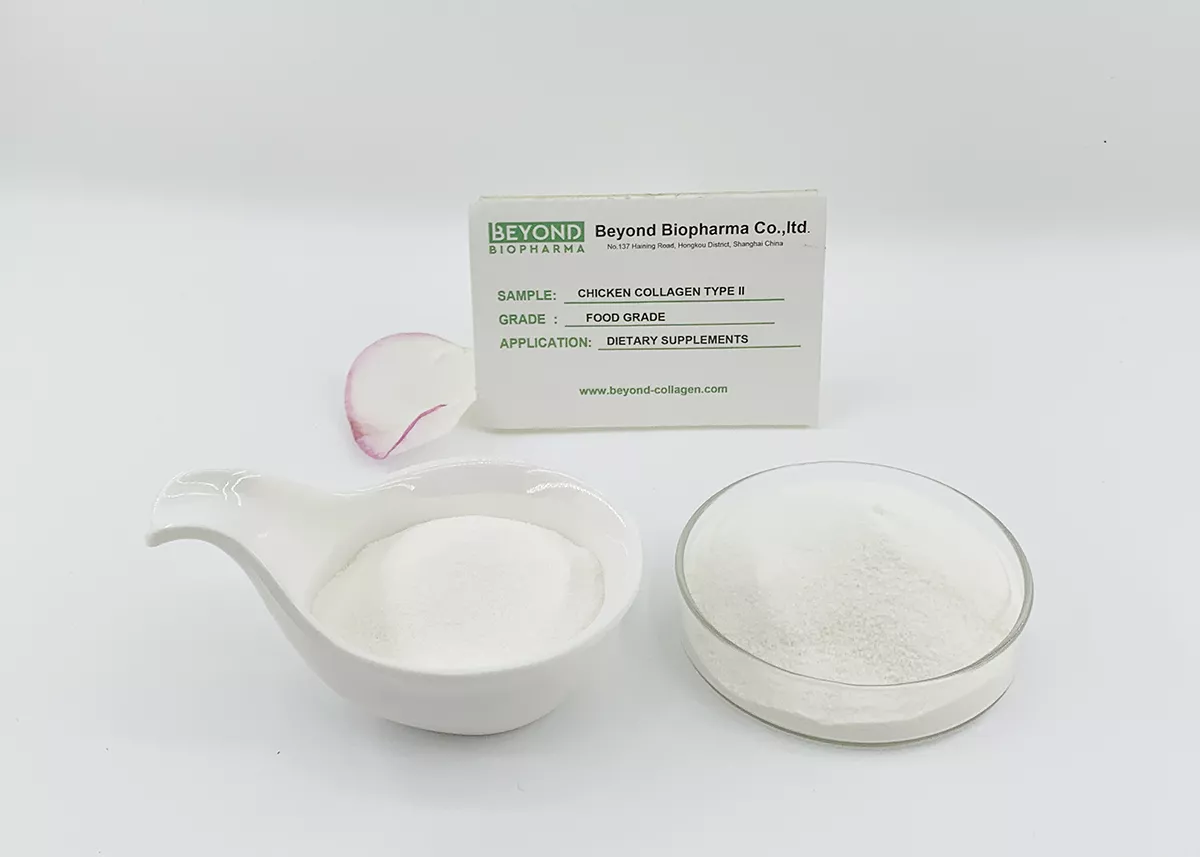
When evaluating bioactive peptides for cosmetic or nutraceutical use, buyers should focus on several key specifications. The table below summarizes common industry ranges for collagen peptides, gelatin, and plant protein peptides. Note: these are typical industry ranges; final values should be confirmed per Certificate of Analysis (COA) or sample.
| Parameter | Collagen Peptides (Fish/Bovine) | Edible Gelatin (Bovine/Porcine/Fish) | Plant Protein Peptides (Pea/Rice/Soy) |
|---|---|---|---|
| Molecular Weight | 2,000–5,000 Da (fish typically lower) | N/A (Bloom 50–300 g) | Commonly <5,000 Da |
| Protein Content | ≥90% | ≥85% (typical) | 80–90% |
| Solubility | High solubility in cold water | Soluble in warm water | Good solubility (varies by source) |
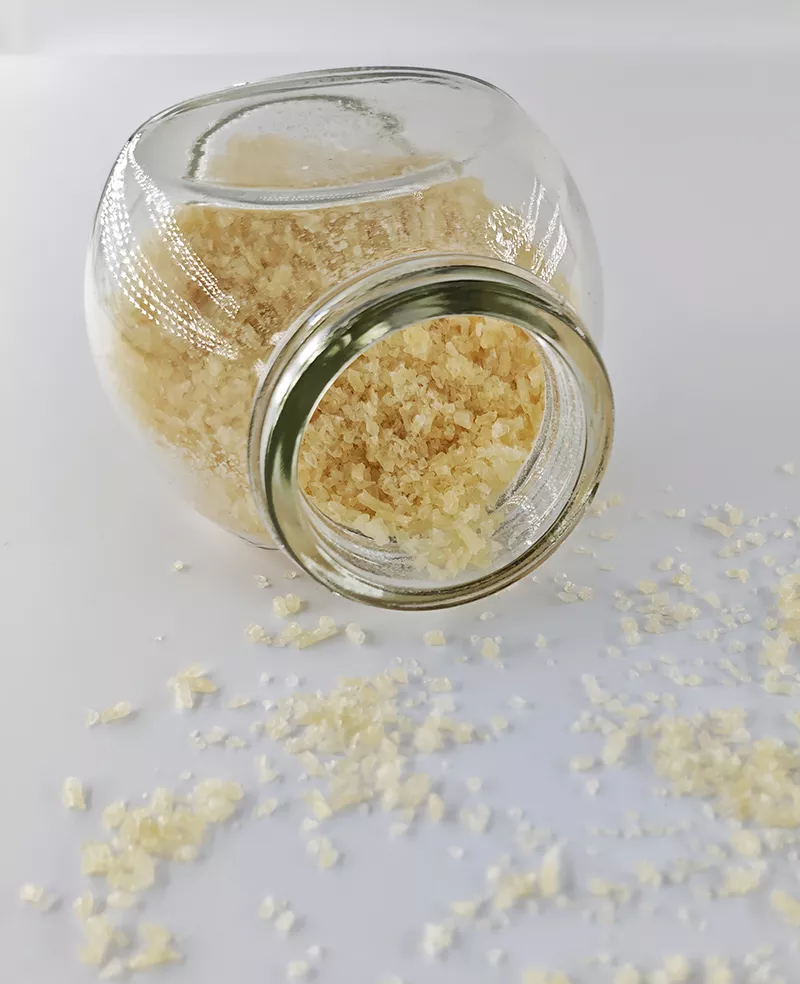
| Mesh Size | 8–60 mesh (typical) | 8–60 mesh | Varies |
| Moisture | ≤8% | ≤14% | ≤10% |
Selecting the correct bioactive peptide grade depends on your target application. Here is a breakdown by industry:
Beyond Biopharma is a Shanghai-based manufacturer with over 10 years of experience in the food-ingredient industry. Our products are exported to more than 50 countries, and we specialize in collagen peptides, gelatin, and plant protein peptides. Our facility has an annual capacity of approximately 3,000 MT for collagen and 5,000 MT for gelatin. We operate a fully automatic production line with GMP clean workshops, stainless-steel sealed piping, and automated temperature/pH control. Our certifications include ISO 9001, US FDA registration, and select products carry Halal or Kosher certification (e.g., fish gelatin). Our bovine bone gelatin is BSE-free. We maintain an in-house lab for heavy-metal and microbiological testing, supported by a dedicated QA/QC team. Whether you need food, pharmaceutical, or cosmetic grade, we offer free samples and formulation support to help you find the right match.
Q1: What is the difference between collagen peptides and gelatin?
Collagen peptides are fully hydrolyzed, meaning they are broken down into smaller peptides that dissolve in cold water and are easily absorbed. Gelatin is partially hydrolyzed; it requires warm water to dissolve and forms a gel upon cooling. Gelatin is often used for gummies and capsules, while collagen peptides are used in powders and beverages.
Q2: How can I ensure batch-to-batch consistency for my formulations?
Request a Certificate of Analysis (COA) for each batch. Look for consistent molecular weight, protein content, solubility, and microbial counts. Working with a manufacturer that has in-house QA/QC, like Beyond Biopharma, helps ensure stability.
Q3: Are there vegan options for bioactive peptides?
Yes. Plant protein peptides derived from pea, rice, or soy are vegan-friendly and allergen-free. They offer a comparable amino acid profile and are suitable for plant-based cosmetic and nutraceutical formulations.
Q4: What certifications should I look for when sourcing collagen peptides?
Common certifications include ISO 9001, FDA registration, Halal, Kosher, and BSE-free certification for bovine products. For vegan claims, look for plant-based sourcing and third-party vegan certification.
Q5: How do I address fishy odor in fish collagen peptides?
Fishy odor is often a sign of poor processing or oxidation. Choose a supplier that uses low-temperature enzymatic hydrolysis and deodorization steps. Beyond Biopharma offers low-odor fish collagen peptides suitable for sensitive formulations.
Q6: Can I get free samples for testing before placing a bulk order?
Yes. Beyond Biopharma offers free samples for evaluation. Provide your application, required grade (food/pharma/cosmetic), target specifications (bloom, mesh, molecular weight, certifications), quantity/MOQ, and destination country to receive a sample and quote.
Ready to source bioactive peptides for your next product? Contact Beyond Biopharma with the following details: your specific application, required grade (food, pharmaceutical, or cosmetic), target quantity/MOQ, desired specifications (bloom, mesh size, molecular weight, certifications), and destination country. We will provide a tailored quote and free samples for evaluation. Our team is ready to support your formulation needs with reliable, high-quality ingredients.

We provide you with comprehensive foreign trade solutions to help enterprises achieve global development
The Purest Plant-Based Joint Support Solution
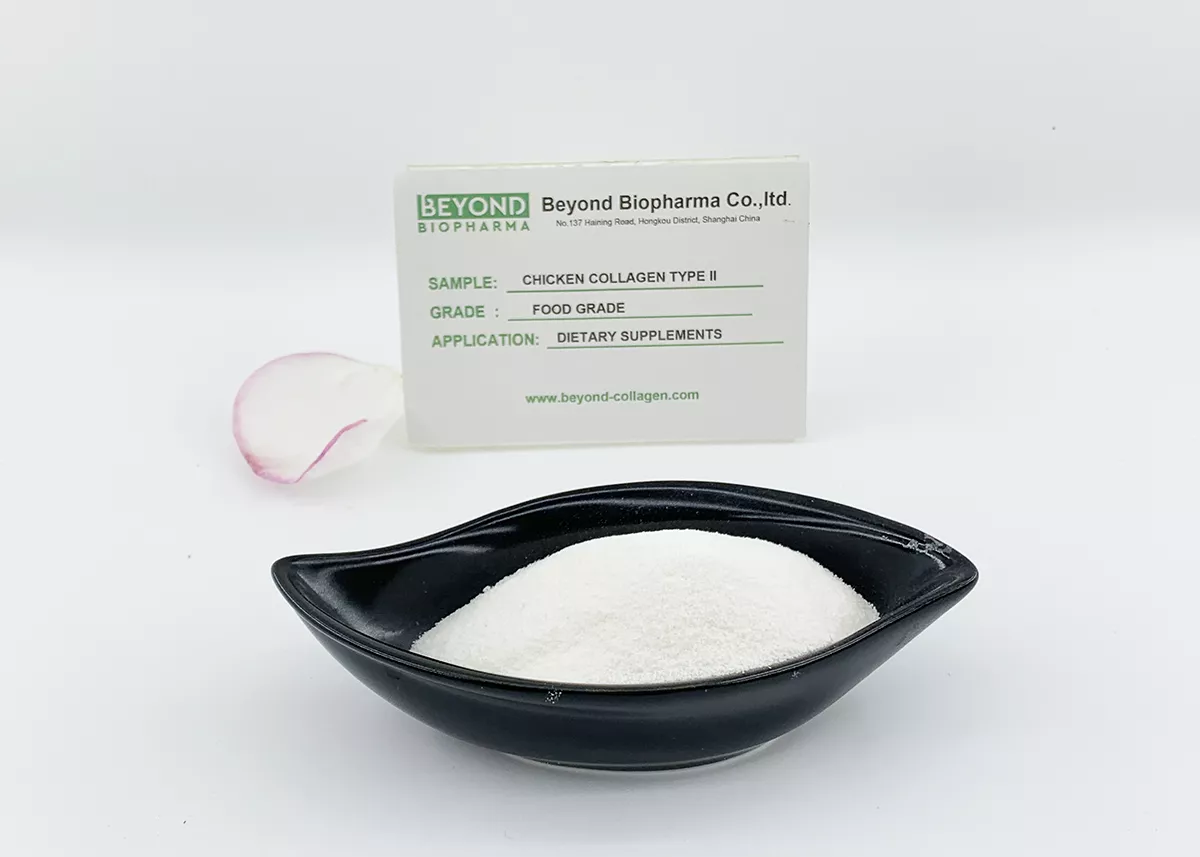
BEYOND BIOPHARMA is a specialized manufacturer of high-quality Undenatured Collagen Type II. Utilizing low-temperature, non-enzymatic extraction methods, our Undenatured Collagen Type II retains its native, triple-helix structure, essential for modulating the immune system's response to joint health and providing superior support for mobility, flexibility, and overall joint comfort.
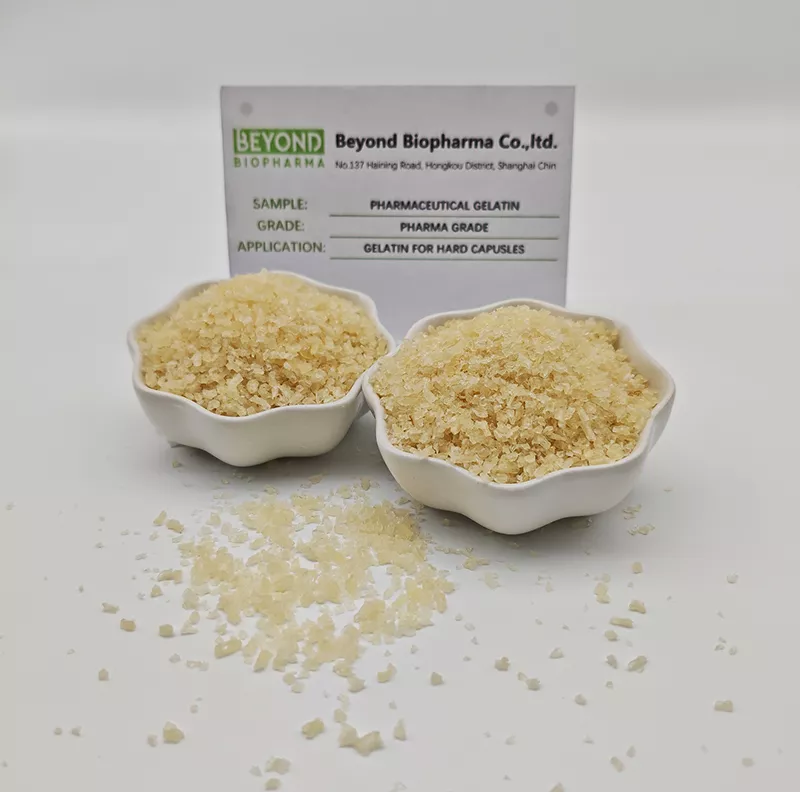
Precision, Purity, and Optimal Machinability
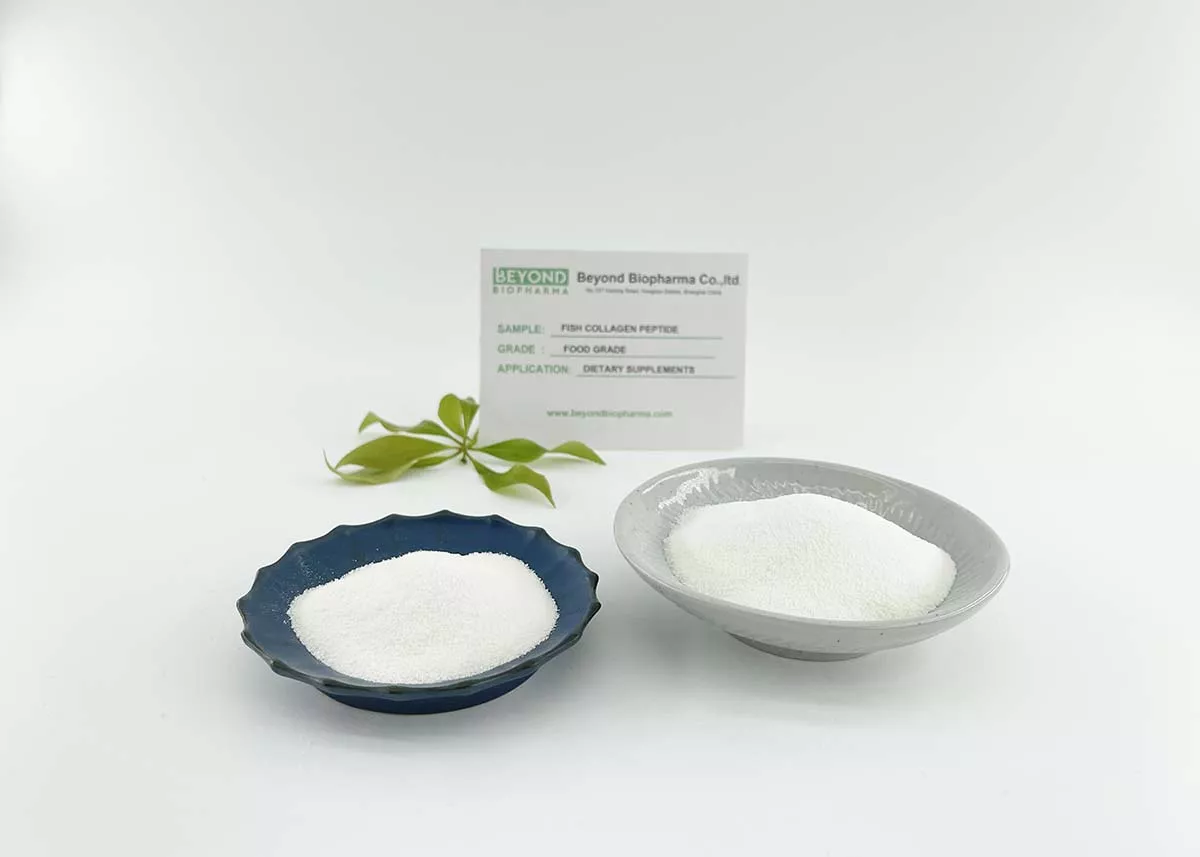
Premium marine-sourced collagen peptides with >90% protein content and low molecular weight (1000-3000 Da) for superior bioavailability. Sustainably sourced, neutral taste, and fully soluble—ideal for nutricosmetics and functional foods.
Select the most popular foreign trade service products to meet your diverse needs
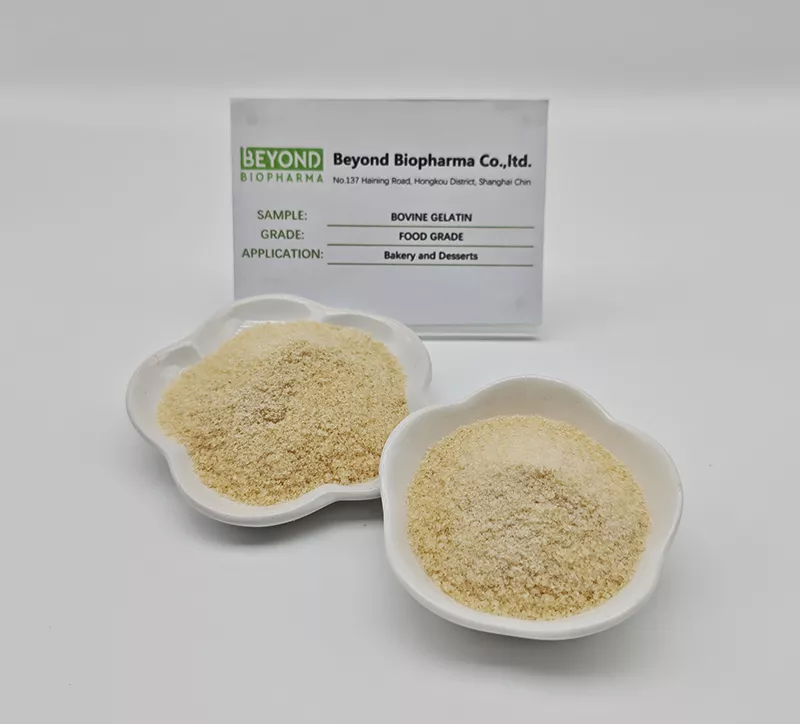
20 years experiences, 5000 ton/year capacity, Sustained supply with stable quality
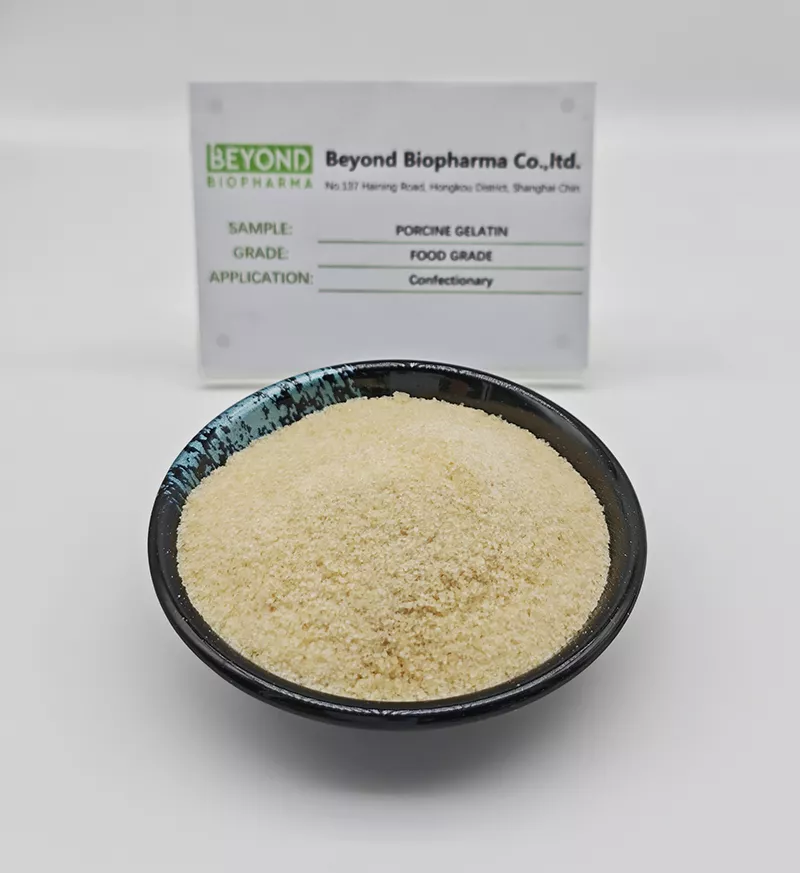
Food-grade porcine gelatin is a highly versatile and cost-effective natural protein derived from the collagen found in pig skin and bones. It is a premier gelling agent known for its exceptional clarity, neutral taste, and thermal reversibility.
Precision, Purity, and Optimal Machinability
Tel:+86 21 65010906
Cell/Whatsapp/Wechat:
+86 13482884055
+86 18657345785
Email: sales@beyondbiopharma.com





User Comments
Service Experience Sharing from Real Customers
Mike
Senior Formulation ScientistI’ve been testing these bioactive peptides in our new skincare line for six months now. The stability in aqueous solutions is impressive—no degradation even after accelerated aging tests. My team noticed a significant boost in collagen synthesis markers during in vitro trials. Definitely a game-changer for anti-aging formulations.
Lisa
Sports Nutrition CoachStarted taking these peptides post-workout about three weeks ago. Recovery time seems shorter—I’m not as sore the next day after heavy leg days. Taste is neutral, mixes easily in my shake. Only reason I’m not giving 5 stars is I want to see how it holds up over a full month. So far, so good.
Tom
R&D ManagerWe sourced this batch for a clinical trial on gut health. The purity levels ( >98% by HPLC) are exactly what we needed. No unexpected peaks in the chromatogram. My lab techs were impressed with the solubility in PBS buffer. Will reorder for the next phase of the study.
Emma
Holistic NutritionistI’ve tried several peptide supplements with clients, and this one is decent but not miraculous. A few clients reported better sleep quality after two weeks, but others didn’t notice any change. The price point is a bit high for the concentration offered. Might work better for some than others.