 English EN


How Are Collagen Peptides Applied In Modern Industries
Collagen peptides are applied in food, pharma, cosmetics, and eco-materials, supporting joint health, skin, and sustainable industrial solutions.
More
For procurement managers and product developers sourcing sports nutrition peptides, the challenge often comes down to three things: batch consistency, solubility, and a clean sensory profile. Whether you are formulating a post-workout recovery drink or a protein-rich gummy, the quality of your peptide ingredient directly impacts athlete satisfaction and brand trust. This article breaks down how sports nutrition peptides work, what specs matter most, and how to select a reliable supplier.
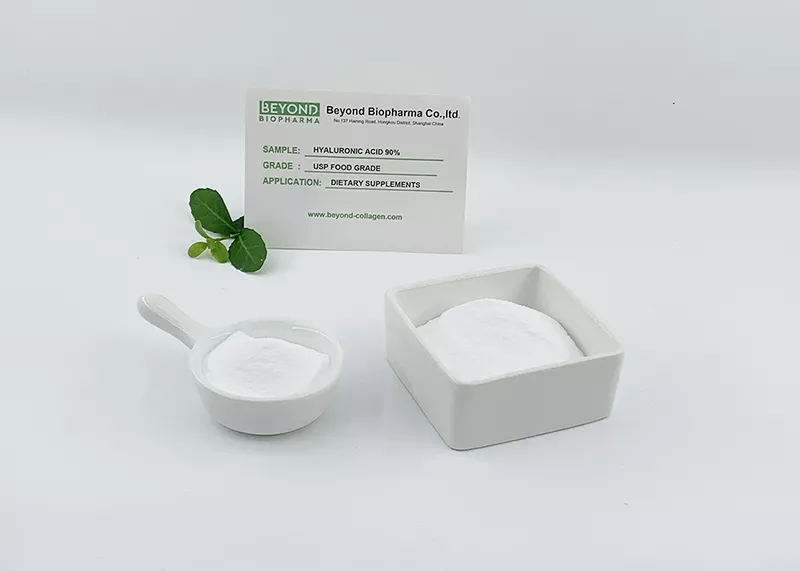
Sports nutrition peptides are short-chain amino acid sequences derived from hydrolyzed proteins, typically from collagen or plant sources. They are designed for rapid absorption and targeted physiological benefits, such as muscle repair, joint support, and reduced exercise-induced inflammation. For overseas buyers, the sourcing pain points are real: inconsistent batch quality, fishy or unpleasant odors, poor solubility in cold water, and lack of third-party certifications. A reliable sports nutrition peptide ingredient must address all these issues.
The production process relies on enzymatic hydrolysis, where specific enzymes break down native proteins into smaller peptides. This controlled process determines molecular weight, solubility, and bioactivity. For collagen peptides, lower molecular weight (typically 2,000–5,000 Da) correlates with faster absorption and higher bioavailability. Fish collagen peptides, for instance, often have a lower average molecular weight compared to bovine sources, making them a preferred choice for rapid recovery formulas. Bloom and gel strength are irrelevant for collagen peptides, but for gelatin-based sports gummies or softgels, bloom values between 150–260 g are standard. Plant protein peptides, like pea or rice hydrolysates, offer a complete or complementary amino acid profile for vegan athletes, with molecular weight typically below 5,000 Da and protein content of 80–90%.
Below is a table of common parameters for sports nutrition peptides. Note: these are typical industry ranges; final values should be confirmed per Certificate of Analysis (COA) or sample.
| Parameter | Collagen Peptides (Fish/Bovine) | Plant Protein Peptides (Pea/Rice/Soy) | Edible Gelatin (for gummies/softgels) |
|---|---|---|---|
| Molecular Weight | 2,000–5,000 Da (fish often lower) | Typically <5,000 Da | N/A (gelatin is not hydrolyzed) |
| Protein Content | ≥90% | 80–90% | N/A (gelatin is protein but measured differently) |
| Solubility | High solubility in cold water | Good solubility, varies by source | Soluble in warm water |
| Bloom (for gelatin) | N/A | N/A | 50–300 g (sports gummies: 150–260) |
| Mesh Size | N/A (powder) | N/A (powder) | 8–60 mesh |
| Moisture | ≤8% | ≤8% | ≤14% |
Typical industry range; final values per COA / sample.
Sports nutrition peptides are versatile across multiple product formats. Here is how to choose the right grade for your application:
Beyond Biopharma is a Shanghai-based manufacturer with over 10 years of experience in the food-ingredient industry. We specialize in collagen peptides, gelatin, and plant protein peptides for B2B buyers. Our products are exported to more than 50 countries. Our facility has an annual capacity of approximately 3,000 MT for collagen and 5,000 MT for gelatin, supported by a fully automatic production line, GMP clean workshop, stainless-steel sealed piping, and automated temperature/pH control. We hold ISO 9001 certification, US FDA registration, and select products carry Halal or Kosher certification (e.g., fish gelatin). Our bovine bone gelatin is BSE-free. Each batch undergoes in-house heavy-metal and microbiological testing by our dedicated QA/QC team. We offer three grades—food, pharmaceutical, and cosmetic—and provide free samples along with formulation and selection support.
Q: What is the difference between collagen peptides and gelatin for sports nutrition?
A: Collagen peptides are hydrolyzed for rapid solubility and absorption, ideal for drinks and powders. Gelatin is not fully hydrolyzed; it forms a gel and is better suited for gummies and softgels. Both support joint and connective tissue health.
Q: How do I ensure my sports nutrition peptide ingredient has low odor and high solubility?
A: Request a sample and test it in your target application. For fish collagen, look for low-molecular-weight options (2,000–3,000 Da) from reputable suppliers. High-quality peptides dissolve completely in cold water with minimal to no fishy smell.
Q: Can I use plant protein peptides in sports nutrition formulas?
A: Yes. Pea, rice, and soy protein hydrolysates are excellent for vegan or allergen-free products. They offer good solubility and amino acid profiles, though you may need to blend sources for a complete EAA profile.
Q: What certifications should I look for when sourcing sports nutrition peptides?
A: Key certifications include ISO 9001, FDA registration, GMP, and Halal/Kosher if required. For bovine gelatin, BSE-free certification is critical. Always request a COA for heavy metals and microbiological safety.
Q: What is the typical MOQ for sports nutrition peptides from a manufacturer?
A: MOQs vary by supplier and product. For collagen peptides and gelatin, 500–1,000 kg is common for bulk orders. Many manufacturers, including Beyond Biopharma, offer free samples for evaluation before committing to larger volumes.
Q: How do I compare different suppliers of sports nutrition peptides?
A: Evaluate batch consistency, molecular weight distribution, solubility, sensory profile, and certifications. Request a COA and a sample for your specific application. Also consider production capacity, lead time, and communication responsiveness.
Ready to source high-quality sports nutrition peptides for your next product? Tell us about your application, required grade (food, pharmaceutical, or cosmetic), estimated quantity or MOQ, target specifications (molecular weight, bloom, mesh, certifications), and destination country. Beyond Biopharma will send you free samples and a competitive quote. Contact our team today to start the conversation.

We provide you with comprehensive foreign trade solutions to help enterprises achieve global development
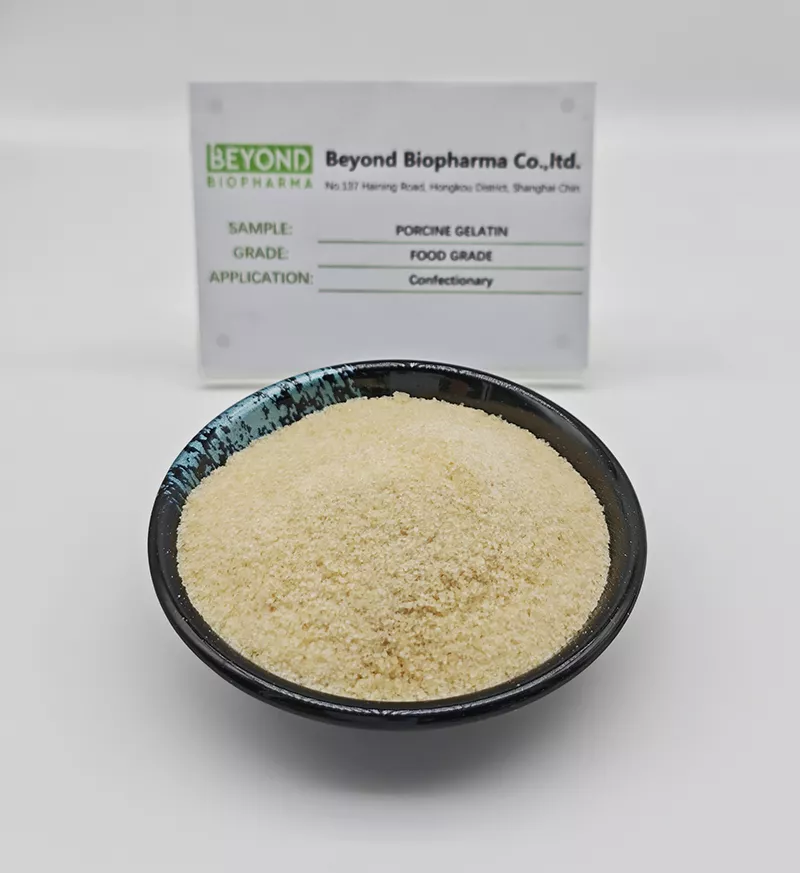
Food-grade porcine gelatin is a highly versatile and cost-effective natural protein derived from the collagen found in pig skin and bones. It is a premier gelling agent known for its exceptional clarity, neutral taste, and thermal reversibility.
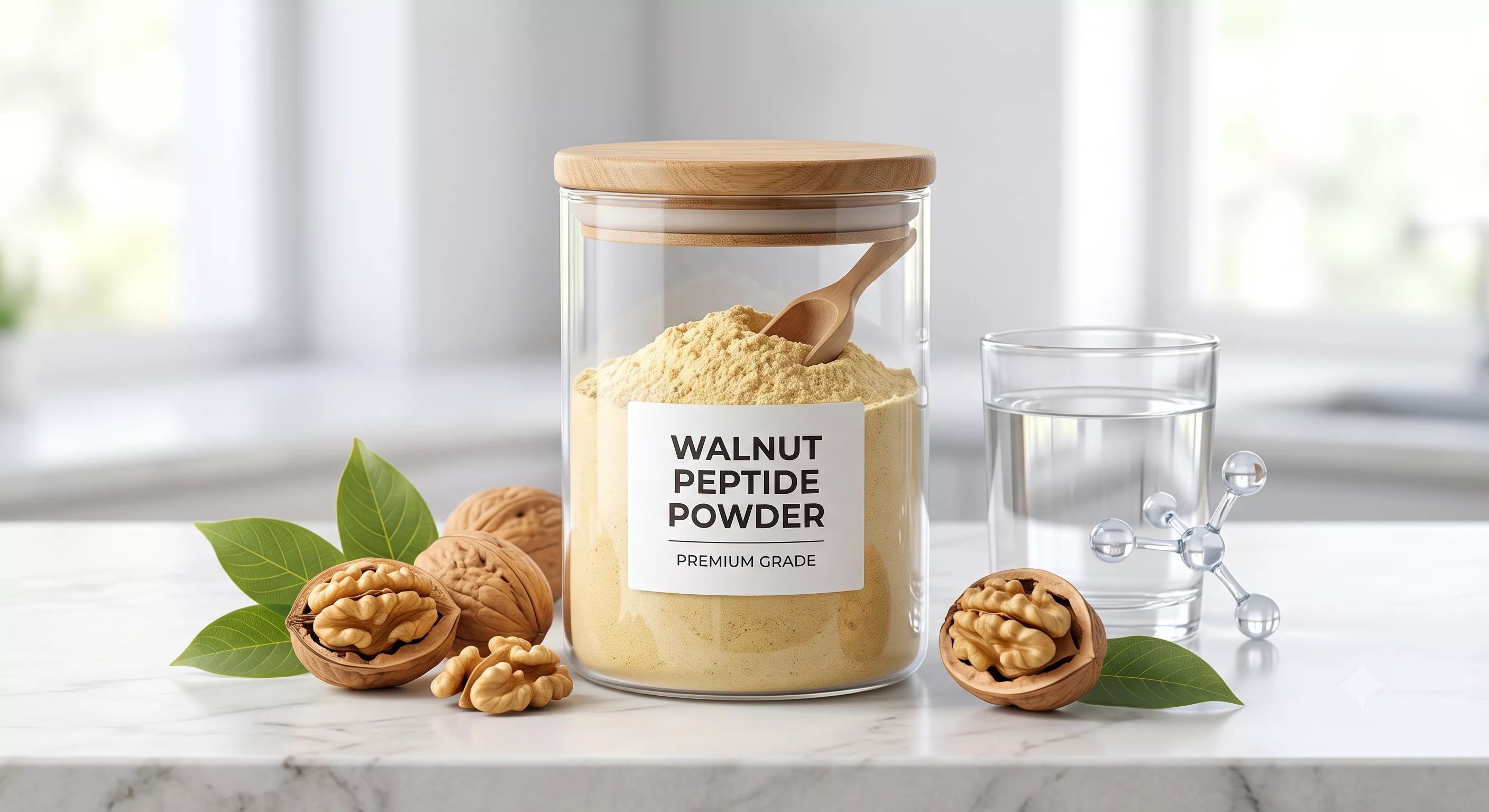
Source wholesale hydrolyzed walnut protein peptide powder in bulk. Over 85% low-molecular-weight oligopeptides rich in Glutamic Acid. Perfect for cognitive formulas and sleep aid supplements.
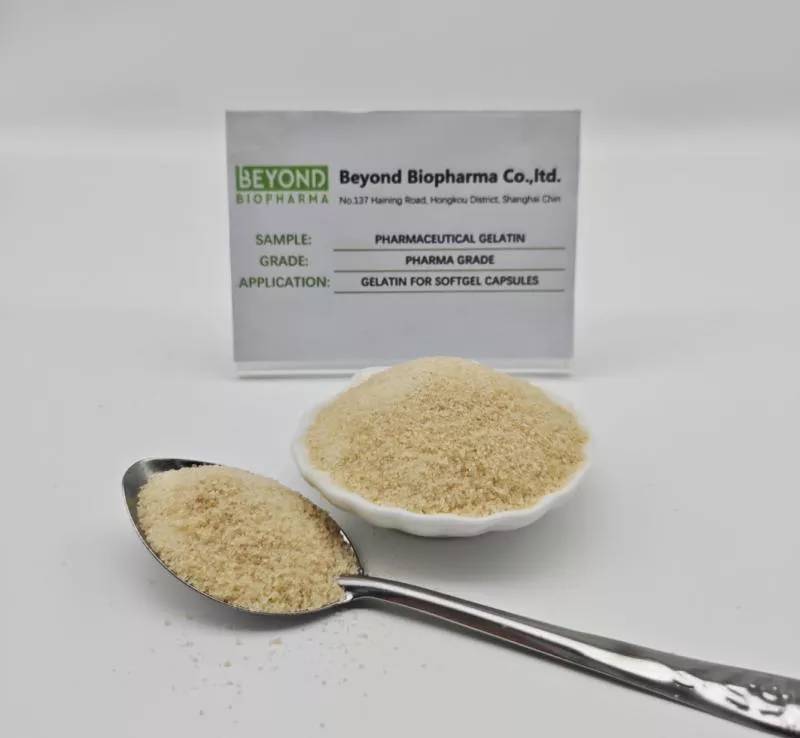
Softgel encapsulation demands a gelatin with unique physical attributes to perform optimally during the high-speed manufacturing process
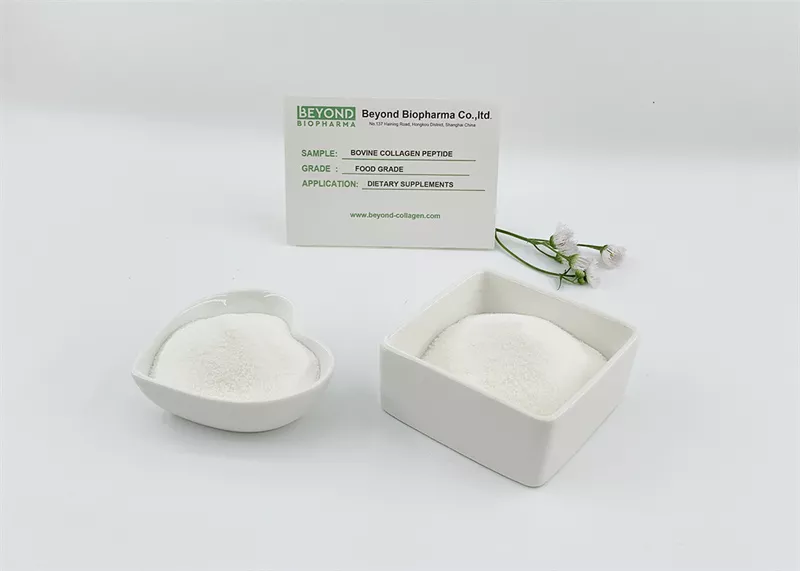
Manufacturer of bovine collagen peptide, shipping in containers all around the world
Select the most popular foreign trade service products to meet your diverse needs
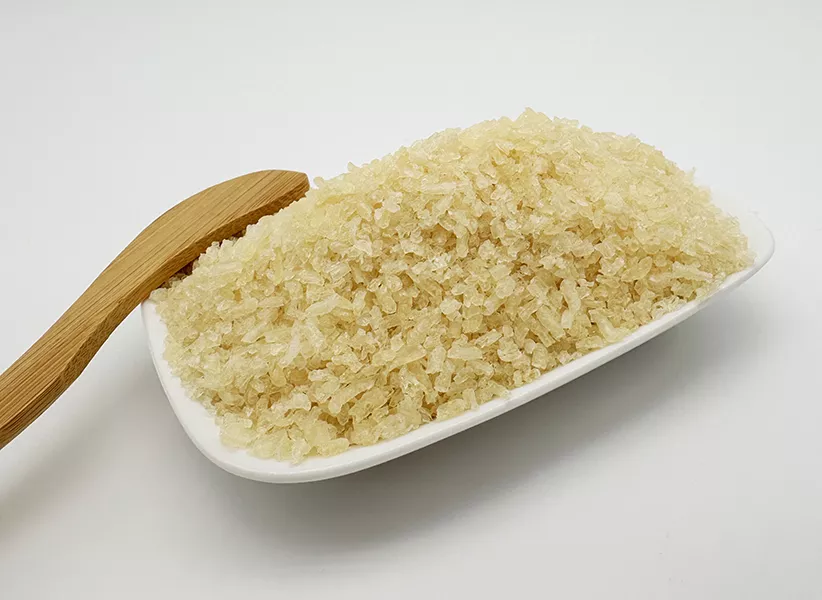
Our Bovine Hides Gelatin is engineered for versatility and compliance, ensuring performance across various applications.
Food-grade porcine gelatin is a highly versatile and cost-effective natural protein derived from the collagen found in pig skin and bones. It is a premier gelling agent known for its exceptional clarity, neutral taste, and thermal reversibility.
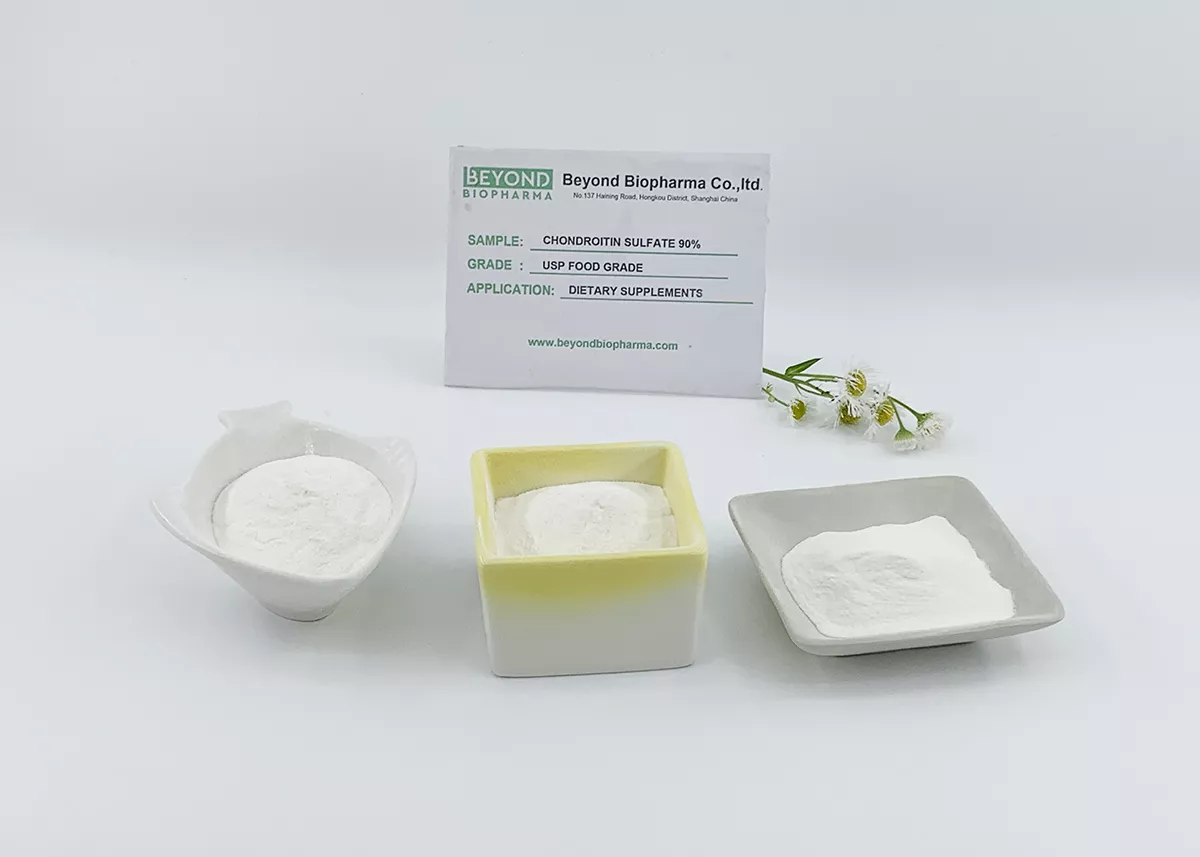
High Purity and Efficacy for Joint Health Formulations
Tel:+86 21 65010906
Cell/Whatsapp/Wechat:
+86 13482884055
+86 18657345785
Email: sales@beyondbiopharma.com





User Comments
Service Experience Sharing from Real Customers
Mike
High School Track CoachBeen using these Sports Nutrition Peptides for about three weeks now, and I’ve noticed a real difference in how fast my sprinters bounce back after hard intervals. I’m not a supplement guy myself, but the kids who tried it said their muscle soreness dropped way off. Solid stuff.
Elena
Freelance Triathlon CoachI was skeptical at first because peptides usually sound too good to be true, but these actually helped with my recovery after long brick sessions. Only gave 4 stars because the taste could be better—kind of a metallic aftertaste. But performance-wise, no complaints.
Tom
Construction Project ManagerNot your typical gym bro here—I do heavy lifting on job sites, not in a gym. These peptides saved my lower back after a 12-hour concrete pour. I mix it in my morning shake and feel less wrecked by Friday. Wife noticed I’m not complaining as much, ha.
Priya
Registered DietitianI recommend these to a few of my active clients who need extra support for tendon repair. The amino profile is solid, and I like that there’s no weird filler. Personally tried it post-marathon and felt my knees thanked me. Would love if they offered an unflavored version.