 English EN


Pea Protein Peptide vs. Whey: Can Plant Protein Build Comparable Muscle?
Pea protein peptide can build muscle comparable to whey when intake is sufficient, offering a plant-based, hypoallergenic option for muscle growth.
More
Sourcing a reliable, high-solubility plant protein peptide that meets clean-label and allergen-free demands without compromising on functional performance is a growing challenge for food-ingredient buyers. Pea protein peptides, produced through controlled enzymatic hydrolysis, offer a solution with superior dispersibility, neutral taste, and a complete amino acid profile — making them a strategic alternative to traditional animal-derived hydrolyzed proteins in vegan and hypoallergenic formulations.
Pea protein peptides are short-chain amino acid fragments derived from yellow pea protein isolate via enzymatic hydrolysis. This process breaks down large protein molecules into smaller peptides, typically with a molecular weight below 5,000 Da. The result is a highly soluble, low-viscosity ingredient that mixes easily in liquids and digests rapidly. For formulators, this means fewer issues with grittiness, sedimentation, or off-flavors — common pain points with standard pea protein concentrates. As plant-based and vegan markets expand, pea protein peptides provide a clean-label, non-GMO, and allergen-free protein source compatible with sports nutrition, meal replacements, and functional beverages.
The production process begins with dehulled yellow peas, which are milled and air-classified to concentrate protein. This protein isolate undergoes enzymatic hydrolysis using food-grade proteases under controlled temperature and pH. The hydrolysis time and enzyme ratio determine the final peptide chain length and functional properties. After hydrolysis, the solution is filtered, concentrated, and spray-dried into a fine powder. The entire process is carried out in GMP clean workshops with stainless-steel sealed piping to ensure batch consistency and microbiological safety. At Beyond Biopharma, our fully automatic production line supports precise control over these parameters, delivering pea protein peptides with consistent solubility and amino acid profiles.
When evaluating pea protein peptides for your application, the following parameters are commonly referenced. Note that these are typical industry ranges; final values should be confirmed per Certificate of Analysis (COA) and sample testing.
| Parameter | Typical Range | Notes |
|---|---|---|
| Protein Content | 80–90% (dry basis) | High purity for functional formulations |
| Molecular Weight | Lower MW enhances absorption and solubility | |
| Solubility | ≥95% (in water at pH 7.0) | Key for clear beverages and liquid supplements |
| Moisture | ≤8% | Ensures shelf stability |
| Ash | ≤6% | Low mineral residue |
| Heavy Metals | Compliant with USP/EP limits | In-house lab tested |
Typical industry range; final values per COA / sample.
Pea protein peptides are often compared to rice or soy protein hydrolysates. Pea offers a more balanced amino acid profile, particularly higher lysine content, and is free from common allergens like soy and gluten. In terms of functionality, pea protein peptides exhibit lower viscosity at high concentrations compared to soy hydrolysates, making them easier to incorporate into high-protein beverages. They also have a milder flavor profile, reducing the need for masking agents. For formulators seeking a plant-based alternative to animal-derived collagen peptides, pea protein peptides provide a vegan-compatible option with comparable solubility and rapid absorption characteristics.
Pea protein peptides are versatile across multiple industries. Here is selection guidance by application:
For gummies and softgels, pea protein peptides can be combined with ultra-high-viscosity gelatin to create hybrid formulations that meet both vegan and traditional consumer preferences.
Beyond Biopharma, based in Shanghai, China, brings over 10 years of experience in the food-ingredient industry, exporting to more than 50 countries. Our facility has an annual production capacity of approximately 3,000 MT for collagen and 5,000 MT for gelatin, with a dedicated line for plant protein peptides. We operate a fully automatic production line in a GMP clean workshop, using stainless-steel sealed piping and automated temperature/pH control to ensure batch-to-batch consistency.
Our quality system is ISO 9001 certified and US FDA registered. Select products carry Halal and Kosher certifications. Our in-house lab conducts heavy-metal and microbiological testing, supported by a dedicated QA/QC team. We offer three grades — food, pharmaceutical, and cosmetic — and provide free samples along with formulation and selection support. For buyers looking for a reliable source of food-grade porcine gelatin or plant-based alternatives, our portfolio covers both traditional and vegan ingredient needs.
1. Are pea protein peptides suitable for vegan and allergen-free formulations?
Yes. Pea protein peptides are 100% plant-based, free from dairy, soy, gluten, and egg allergens. They are an excellent choice for vegan, hypoallergenic, and clean-label products.
2. How does the solubility of pea protein peptides compare to standard pea protein?
Pea protein peptides have significantly higher solubility, typically above 95% at neutral pH, compared to around 70–80% for standard pea protein concentrate. This makes them ideal for clear beverages and liquid supplements.
3. What is the typical molecular weight of pea protein peptides?
Common industry ranges are below 5,000 Da, with many products falling between 500 and 3,000 Da. Lower molecular weight correlates with faster absorption and better solubility.
4. Can pea protein peptides be used in combination with gelatin or collagen peptides?
Yes. They can be blended with standardized gelatin sheets or bovine collagen peptides to create hybrid formulations that offer both plant-based and animal-derived protein benefits.
5. What certifications do pea protein peptides from Beyond Biopharma carry?
Our plant protein peptides are produced in an ISO 9001 and US FDA registered facility. We can provide Halal and Kosher certifications upon request, along with full COAs for each batch.
6. How do I request a sample for evaluation?
Contact our team with your application details, required grade, target quantity, and destination country. We provide free samples and formulation support to help you select the right pea protein peptide for your product.
To evaluate pea protein peptides for your next formulation, please provide the following details: your specific application (e.g., sports beverage, plant-based meat, nutricosmetic), required grade (food, pharmaceutical, or cosmetic), estimated quantity or MOQ, target specifications (protein content, molecular weight, solubility), and destination country. Our team will send you free samples and a competitive quote tailored to your needs. Beyond Biopharma is committed to supporting your product development with consistent quality and reliable supply.

We provide you with comprehensive foreign trade solutions to help enterprises achieve global development
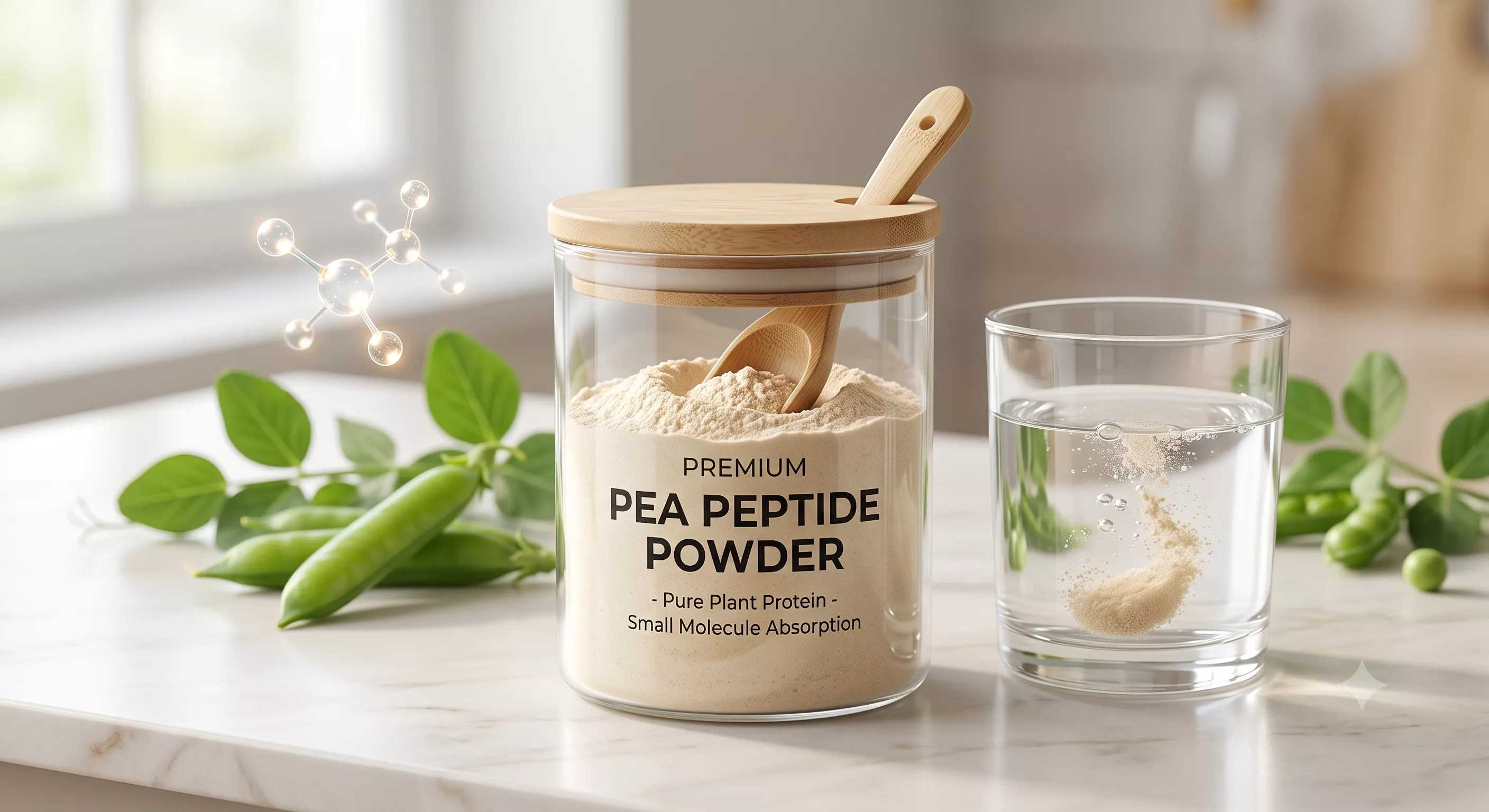
Source high-purity, hypoallergenic hydrolyzed pea peptide powder in bulk. Complete water solubility, rich in BCAAs, ideal for vegan recovery formulas.
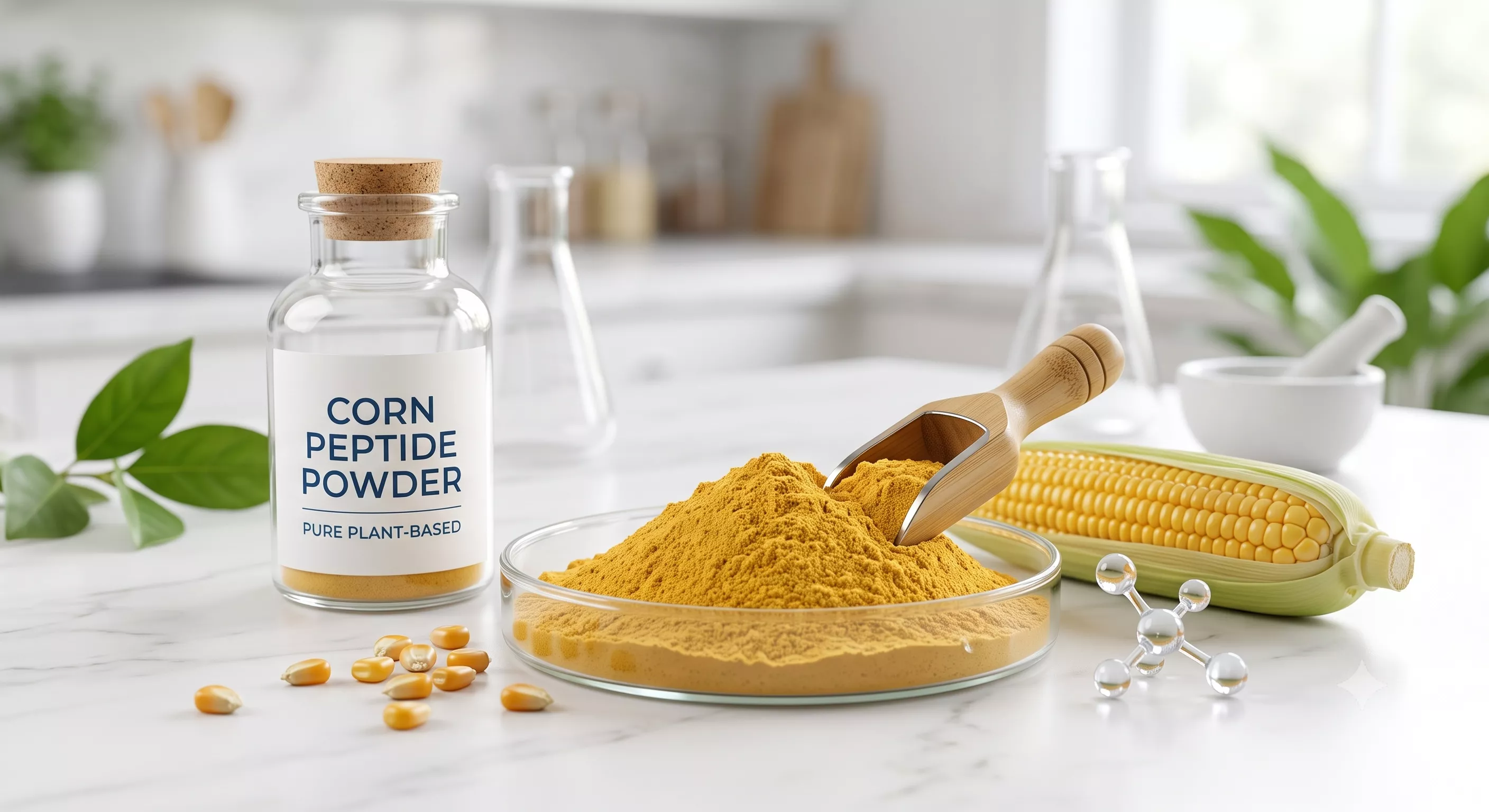
Source high-purity wholesale hydrolyzed corn protein peptide powder in bulk. Over 85% oligopeptides under 1000 Da. Rich in Alanine and Leucine for liver support and sobriety formulas.
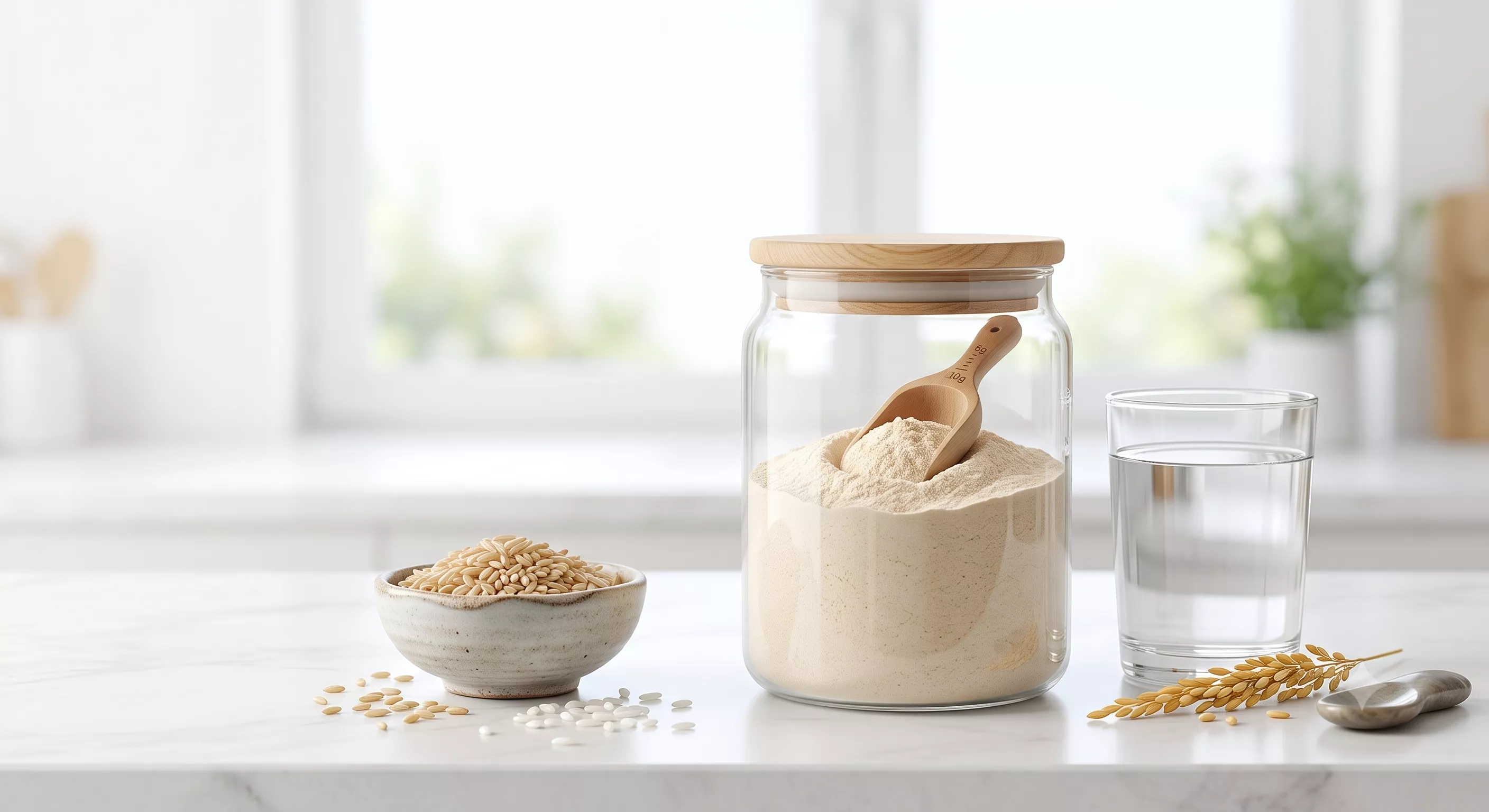
Source ultra-pure, 100% water-soluble wholesale hydrolyzed rice protein peptide in bulk. Over 85% molecules under 1000 Da. Ideal for infant nutrition, clean-label sports formulas, and sensitive skincare.
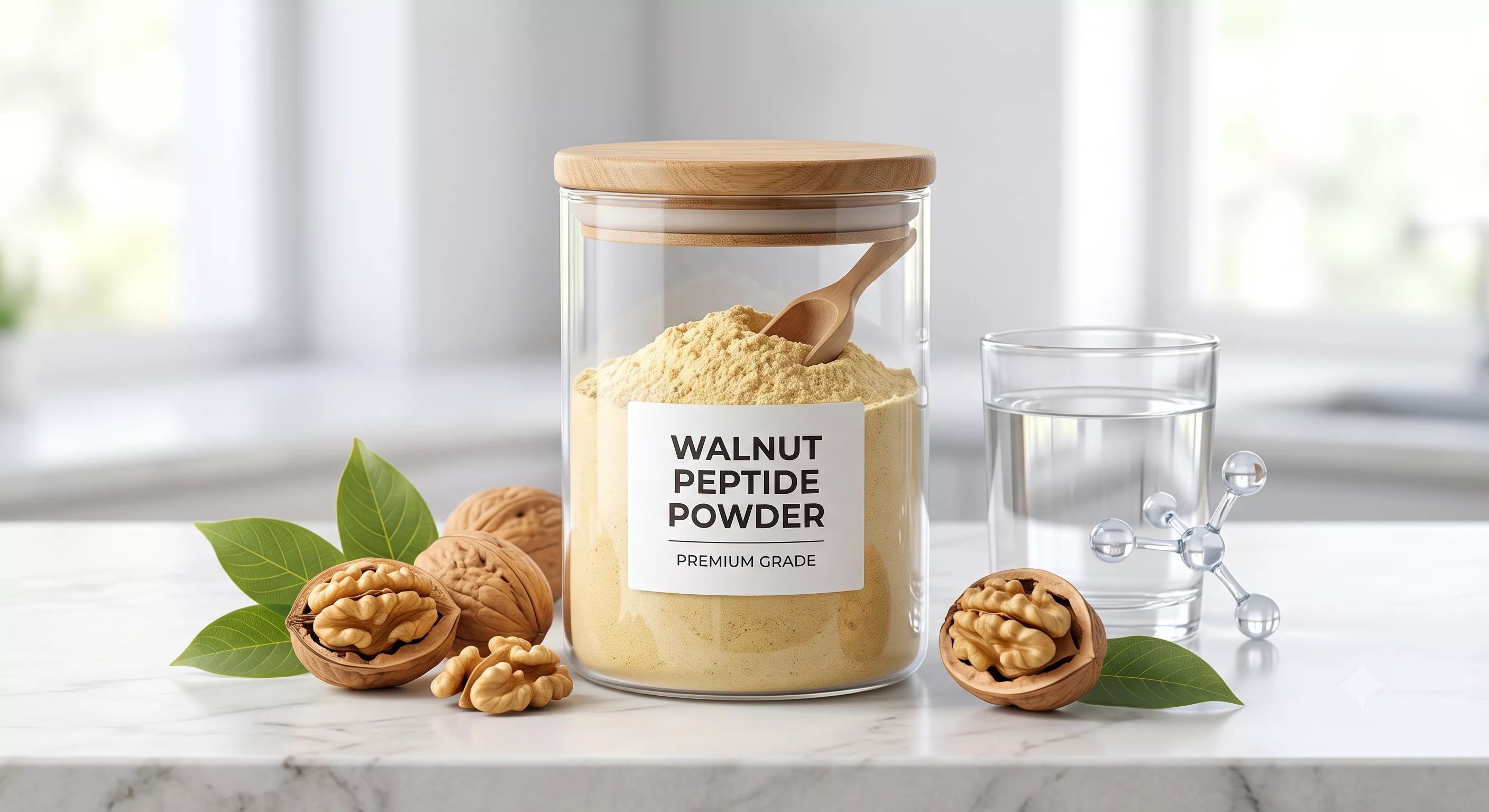
Source wholesale hydrolyzed walnut protein peptide powder in bulk. Over 85% low-molecular-weight oligopeptides rich in Glutamic Acid. Perfect for cognitive formulas and sleep aid supplements.
Select the most popular foreign trade service products to meet your diverse needs
Source high-purity wholesale hydrolyzed corn protein peptide powder in bulk. Over 85% oligopeptides under 1000 Da. Rich in Alanine and Leucine for liver support and sobriety formulas.
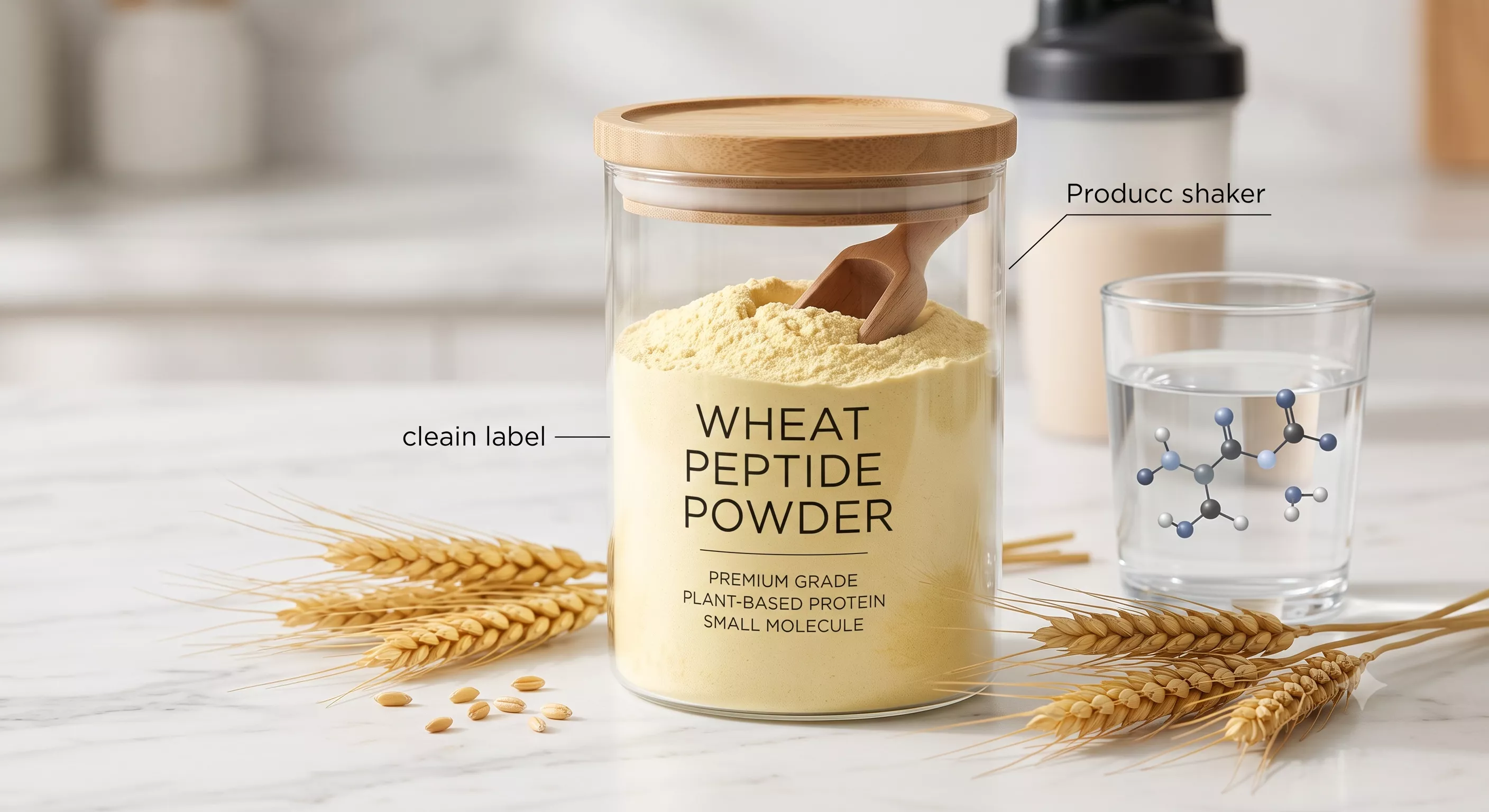
Source ultra-pure, high-solubility wholesale hydrolyzed wheat gluten peptide in bulk. Rich in plant-bound Glutamine ($\ge 25\%$) for muscle recovery and gut barrier health.
Source wholesale hydrolyzed walnut protein peptide powder in bulk. Over 85% low-molecular-weight oligopeptides rich in Glutamic Acid. Perfect for cognitive formulas and sleep aid supplements.
Tel:+86 21 65010906
Cell/Whatsapp/Wechat:
+86 13482884055
+86 18657345785
Email: sales@beyondbiopharma.com





User Comments
Service Experience Sharing from Real Customers
Mike
CrossFit CoachI've been using this pea protein peptide powder for about three months now to help with recovery after heavy WODs. Honestly, it's the first plant-based protein that doesn't leave me bloated or tasting like cardboard. I mix it with my morning oats or just water post-workout, and my joints feel less achy the next day. Big fan.
Samantha
Clinical DietitianI recommend these peptides to clients who struggle with dairy sensitivities but need a fast-absorbing protein source. The amino acid profile is solid, and the solubility is impressive—no clumps even in cold almond milk. Only four stars because I wish the unflavored version was a bit more neutral, but it's still a staple in my pantry.
Ethan
Graduate Student (Biochemistry)Been experimenting with different protein hydrolysates for my lab's sports nutrition side project. This pea peptide batch showed really consistent low molecular weight distribution. As a personal user, I've noticed my muscle soreness after long runs is way down. Tastes fine on its own, but I usually throw it in a smoothie with banana.
Olivia
Yoga Instructor & Wellness BloggerI'm super picky about supplements because my stomach is sensitive to anything too processed. This pea protein peptide is gentle and doesn't give me that weird heavy feeling. I love adding it to my post-yoga green smoothie for a little extra recovery. Only downside is the price per serving is a bit steep compared to standard pea protein, but the quality shows.