 English EN


Pea Protein Peptide vs. Whey: Can Plant Protein Build Comparable Muscle?
Pea protein peptide can build muscle comparable to whey when intake is sufficient, offering a plant-based, hypoallergenic option for muscle growth.
More
Sourcing plant-based protein ingredients that deliver both functional performance and clean-label appeal is a growing challenge for food and supplement manufacturers. Pumpkin seed protein peptides offer a solution: a vegan, allergen-friendly hydrolyzed protein with high solubility and a well-rounded amino acid profile. This article explores how these peptides work, their typical specifications, and how to select the right grade for your application.
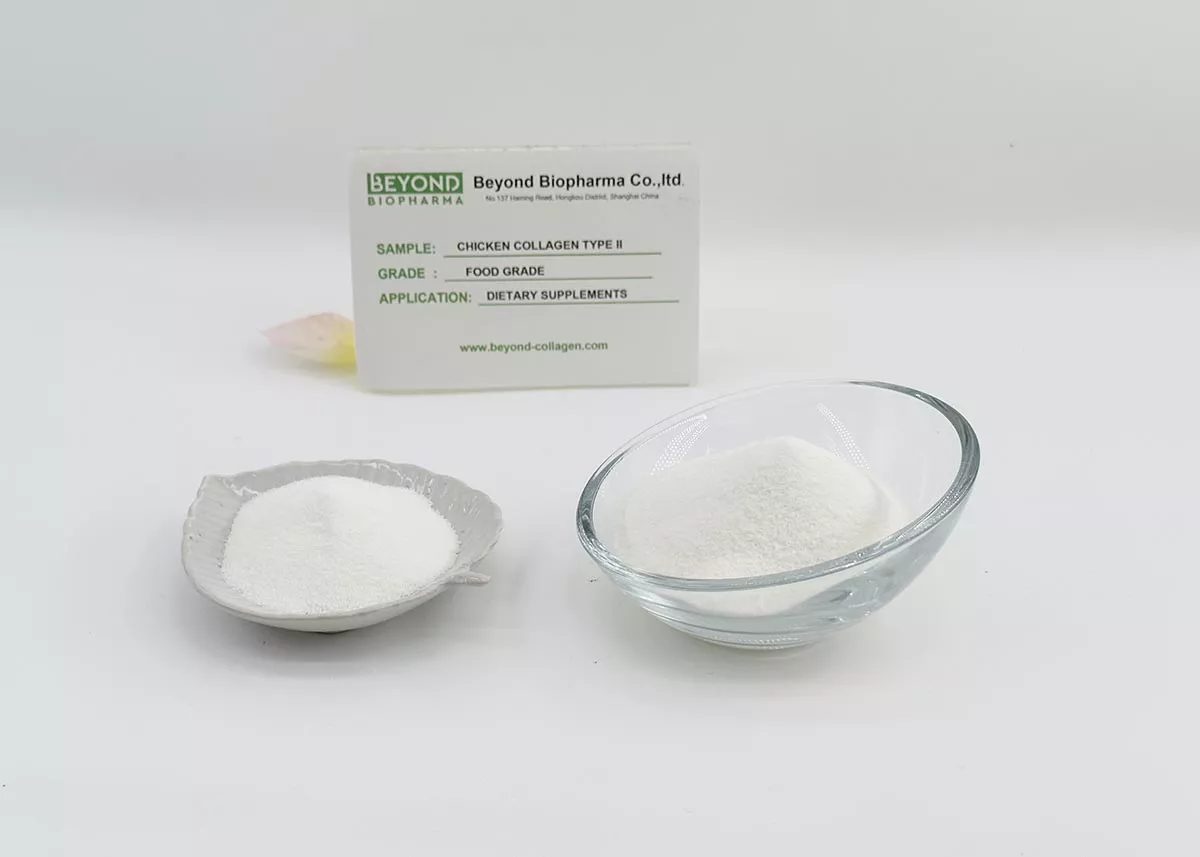
When you are evaluating new protein sources for your next product line, batch consistency and functional performance are non-negotiable. Pumpkin seed protein peptides are produced through controlled enzymatic hydrolysis, breaking down intact pumpkin seed protein into smaller peptide chains. This process improves solubility in water and reduces bitterness compared to whole protein isolates, making them easier to incorporate into beverages, bars, and powders. The resulting ingredient typically has a protein content of 80–90% and a molecular weight below 5,000 Da, which supports faster absorption in the body.
Manufacturing begins with cold-pressed pumpkin seed meal, which is then subjected to enzymatic hydrolysis using food-grade proteases. The process is carefully controlled for temperature and pH to achieve a consistent peptide profile. After hydrolysis, the liquid is filtered, concentrated, and spray-dried into a fine powder. The result is a product with high solubility across a wide pH range (typically pH 3–8) and a neutral flavor profile that does not overpower finished formulations.
The table below outlines common parameter ranges for commercial pumpkin seed protein peptides. These are typical industry values; final specifications should always be verified against the Certificate of Analysis (COA) provided by your supplier.
| Parameter | Typical Range |
|---|---|
| Protein Content | 80–90% |
| Molecular Weight | Below 5,000 Da |
| Solubility | ≥ 95% (in water at 20°C) |
| Moisture | ≤ 8% |
| Ash | ≤ 7% |
| Heavy Metals | Compliant with food-grade limits |
Note: These are typical industry ranges. Final values per COA / sample.
Pumpkin seed protein peptides are versatile across several market segments. Here is a quick selection guide by industry:
Beyond Biopharma, based in Shanghai, China, has over 10 years of experience in the food-ingredient industry, exporting to more than 50 countries. Our facility operates with a fully automatic production line, GMP clean workshop, and stainless-steel sealed piping with automated temperature and pH control. We produce approximately 3,000 MT of collagen and 5,000 MT of gelatin annually, alongside our standardized gelatin sheets and plant protein peptide lines.
Our pumpkin seed protein peptides are manufactured under ISO 9001 and US FDA registered facilities. Select products carry Halal or Kosher certifications. We maintain an in-house lab for heavy-metal and microbiological testing, with a dedicated QA/QC team ensuring every batch meets your target specs. We offer three grades: food, pharmaceutical, and cosmetic, along with free samples and formulation support.
Q: Are pumpkin seed protein peptides suitable for vegan and allergen-free formulations?
A: Yes. Pumpkin seed protein peptides are plant-based and free from common allergens like soy, dairy, and gluten. They are an excellent choice for vegan and hypoallergenic product lines.
Q: How does the solubility of pumpkin seed protein peptides compare to other plant proteins?
A: Due to enzymatic hydrolysis, these peptides typically achieve over 95% solubility in water at room temperature, outperforming many intact plant protein isolates that can form gritty textures.
Q: What is the typical molecular weight range, and why does it matter?
A: The molecular weight is usually below 5,000 Da. Lower molecular weight peptides are absorbed more quickly by the body, making them ideal for sports nutrition and rapid recovery products.
Q: Can pumpkin seed protein peptides be used in hot-fill or acidic beverages?
A: Yes. They maintain solubility across a pH range of 3 to 8 and can withstand short-term heat exposure, making them suitable for both hot-fill and cold-process beverages.
Q: Do you offer samples for formulation testing?
A: Yes. Beyond Biopharma provides free samples along with formulation and selection support. Contact us with your application details to request a sample.
Q: What certifications are available for pumpkin seed protein peptides?
A: Our products are manufactured in ISO 9001 and US FDA registered facilities. Select batches can carry Halal or Kosher certifications upon request.
Ready to evaluate pumpkin seed protein peptides for your next formulation? Share your application, required grade (food, pharmaceutical, or cosmetic), estimated quantity or MOQ, target specifications (protein content, molecular weight, certifications), and destination country. Beyond Biopharma will provide free samples and a competitive quote tailored to your needs.
Contact our team today to start the conversation.

We provide you with comprehensive foreign trade solutions to help enterprises achieve global development
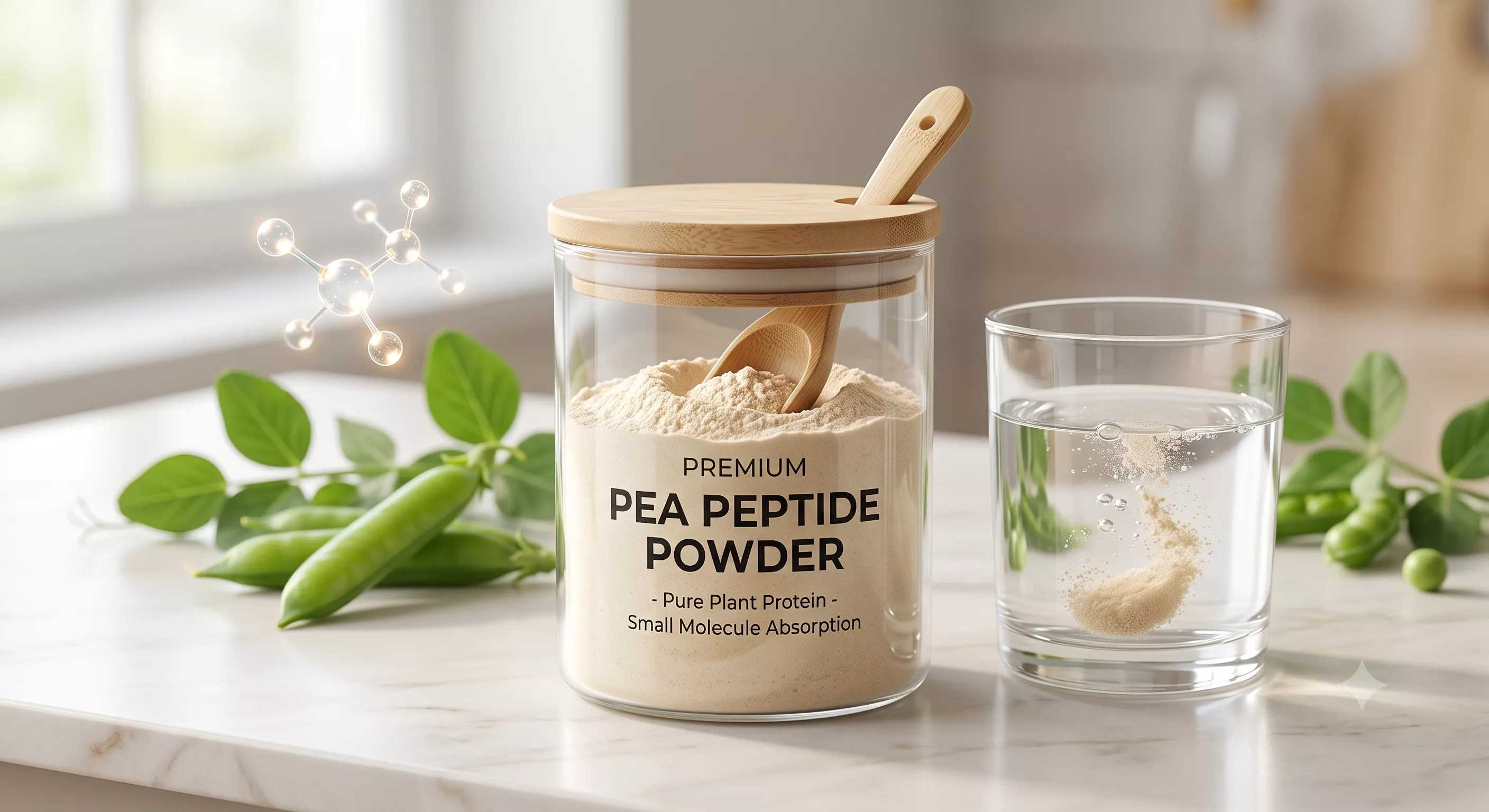
Source high-purity, hypoallergenic hydrolyzed pea peptide powder in bulk. Complete water solubility, rich in BCAAs, ideal for vegan recovery formulas.
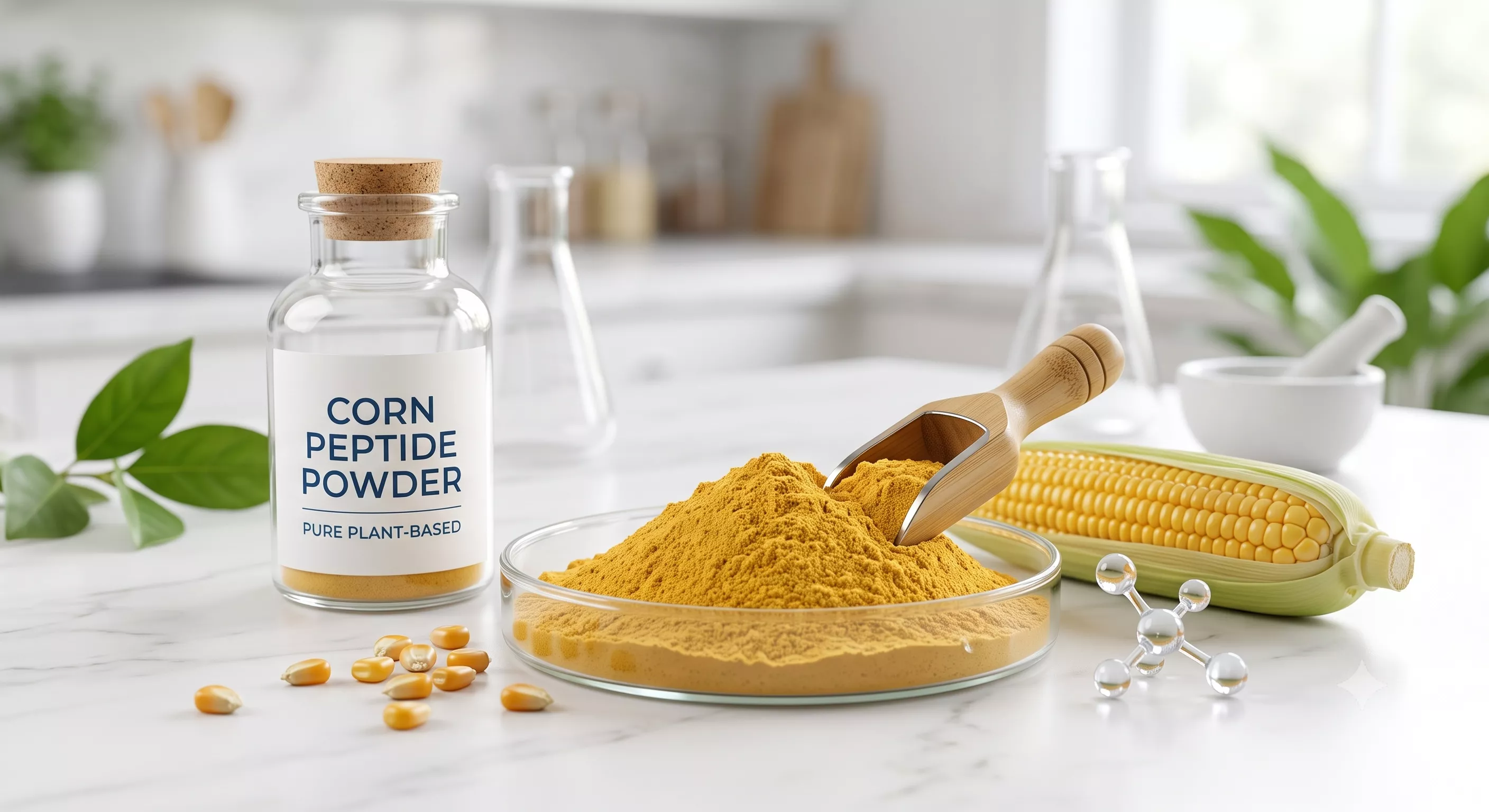
Source high-purity wholesale hydrolyzed corn protein peptide powder in bulk. Over 85% oligopeptides under 1000 Da. Rich in Alanine and Leucine for liver support and sobriety formulas.
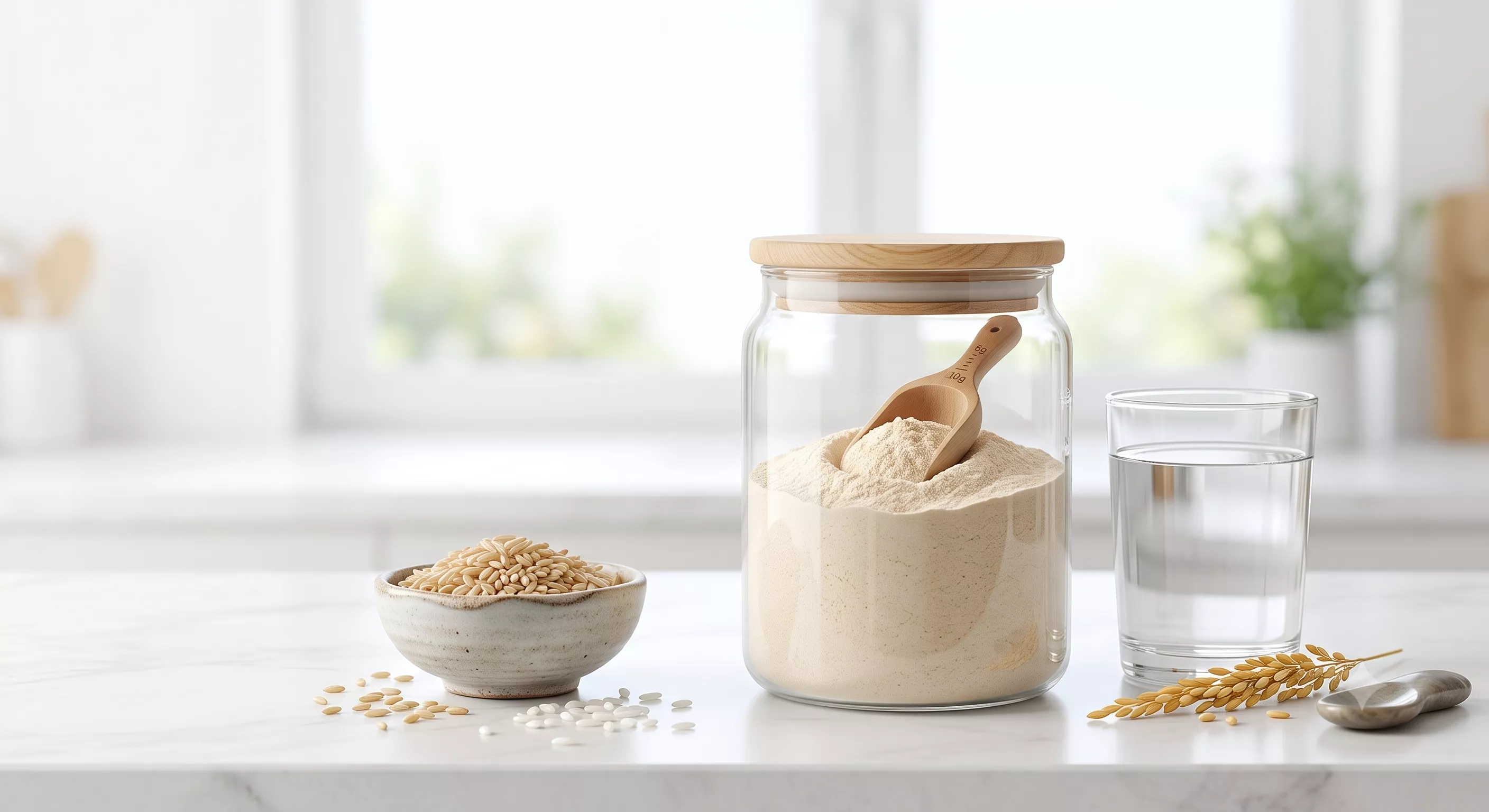
Source ultra-pure, 100% water-soluble wholesale hydrolyzed rice protein peptide in bulk. Over 85% molecules under 1000 Da. Ideal for infant nutrition, clean-label sports formulas, and sensitive skincare.
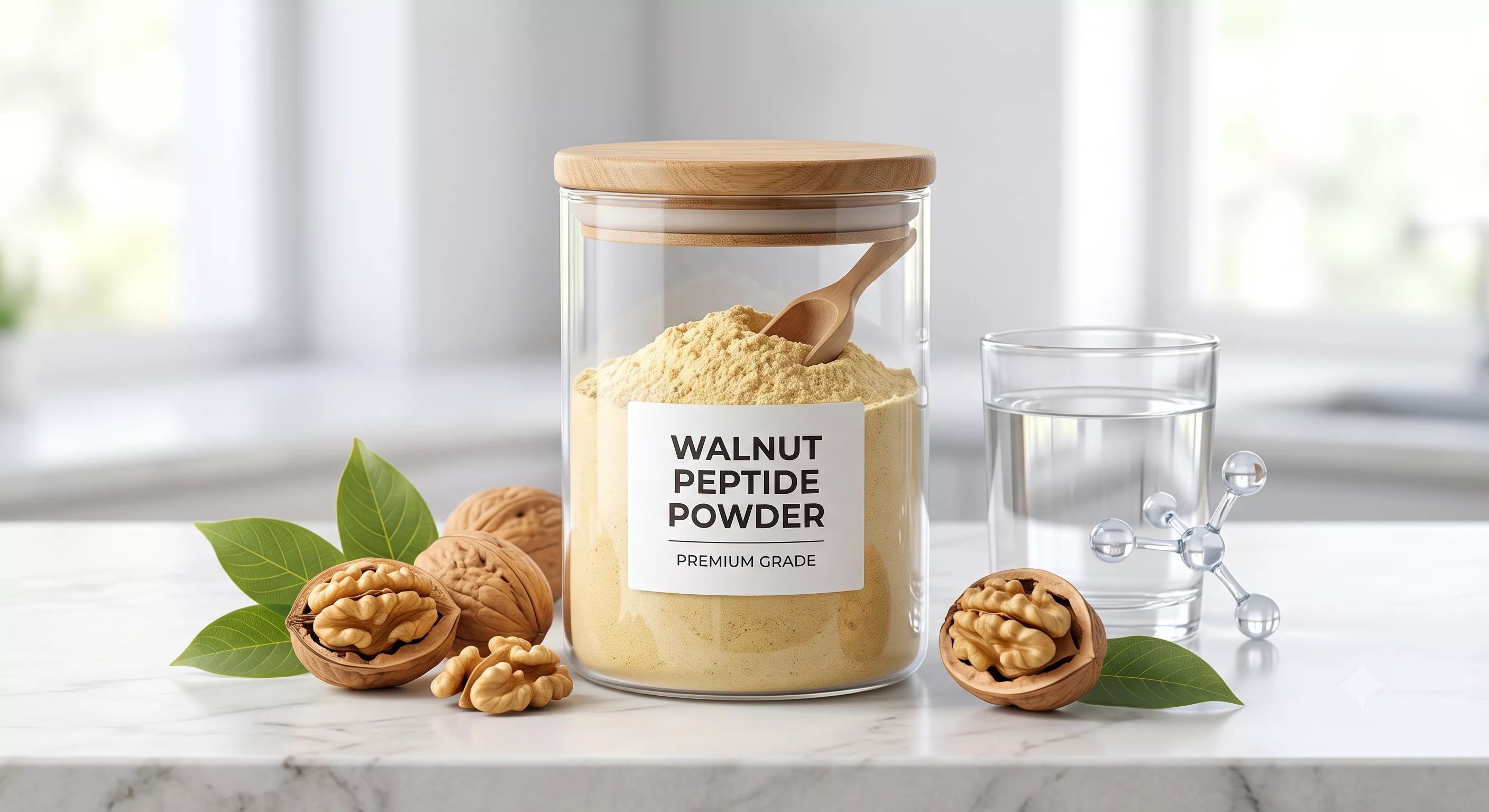
Source wholesale hydrolyzed walnut protein peptide powder in bulk. Over 85% low-molecular-weight oligopeptides rich in Glutamic Acid. Perfect for cognitive formulas and sleep aid supplements.
Select the most popular foreign trade service products to meet your diverse needs
Source high-purity wholesale hydrolyzed corn protein peptide powder in bulk. Over 85% oligopeptides under 1000 Da. Rich in Alanine and Leucine for liver support and sobriety formulas.
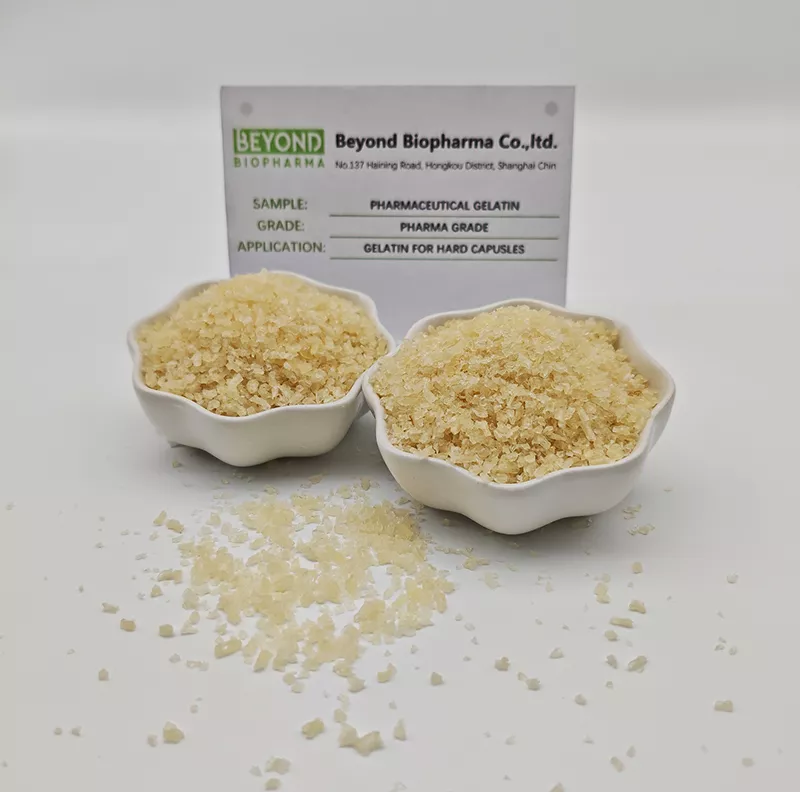
Precision, Purity, and Optimal Machinability
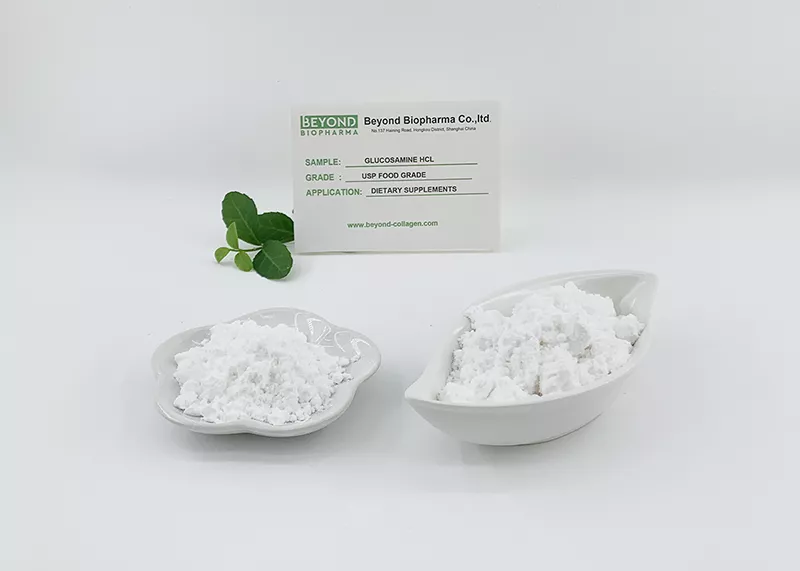
The Purest Plant-Based Joint Support Solution
Tel:+86 21 65010906
Cell/Whatsapp/Wechat:
+86 13482884055
+86 18657345785
Email: sales@beyondbiopharma.com





User Comments
Service Experience Sharing from Real Customers
Elena M.
Holistic Nutrition CoachI’ve been experimenting with plant-based protein sources for years, and these pumpkin seed peptides are a game-changer. They dissolve completely in my morning smoothie without that gritty texture most powders have. My clients who struggle with digestion have reported less bloating compared to whey. Plus, the earthy taste is mild enough to pair with berries or cocoa. Definitely stocking up.
Marcus T.
Senior Formulation ScientistAs someone who develops supplements for a living, I’m picky about raw materials. These peptides have a consistent amino acid profile and good solubility across different pH levels—rare for a non-dairy source. I deduct one star only because the packaging could use a resealable zipper for lab storage. Otherwise, solid product for functional food applications.
Jamie-Lynn R.
CrossFit Coach & Gym OwnerHonestly, I was skeptical—pumpkin seeds? But after a month of adding these to my post-workout shakes, I notice way less joint soreness the next day. I’ve got a few athletes on my team who are dairy-sensitive, and they’re all switching to this. No chalky aftertaste, mixes fast, and doesn’t upset my stomach like some pea proteins do. Big win.
Priya K.
Clinical Dietitian (Renal Specialty)I recommend low-phosphorus protein options for some of my kidney patients, and these peptides fit the bill without sacrificing quality. The bioavailability seems decent, and it’s gentle on the gut. Only caveat: the flavor is a bit too nutty for plain water mixing—better in oatmeal or soup. Still, a versatile tool in my dietary toolkit.