Understanding the Unique Advantages of Soy Protein Peptides in Modern Nutrition
Sourcing high-quality soy protein peptides that deliver consistent solubility, low bitterness, and a clean allergen profile is a common challenge for overseas buyers. This article explores the functional benefits, typical specifications, and practical applications of soy protein peptides, and explains how Beyond Biopharma supports global formulators with reliable supply and custom solutions.
Soy protein peptides are hydrolyzed plant proteins derived from soybeans, broken down into smaller peptide chains through controlled enzymatic processes. For purchasing managers and R&D teams in the nutraceutical, food, and pharmaceutical industries, these peptides offer a versatile, allergen-friendly alternative to animal-derived proteins. Their rapid absorption, high solubility, and neutral flavor profile make them a preferred choice in plant-based and vegan formulations.
What Are Soy Protein Peptides and Why Do They Matter?
Soy protein peptides are created by enzymatically hydrolyzing soy protein isolate, reducing large protein molecules into peptides with a molecular weight typically below 5,000 Da. This process enhances digestibility and bioavailability, allowing the body to absorb amino acids more efficiently. Unlike intact soy protein, these peptides dissolve easily in cold water, resist precipitation in acidic beverages, and exhibit reduced bitterness when properly processed. For formulators targeting sports nutrition, meal replacements, or functional foods, soy protein peptides deliver a clean label and consistent performance.
How Are Soy Protein Peptides Produced?
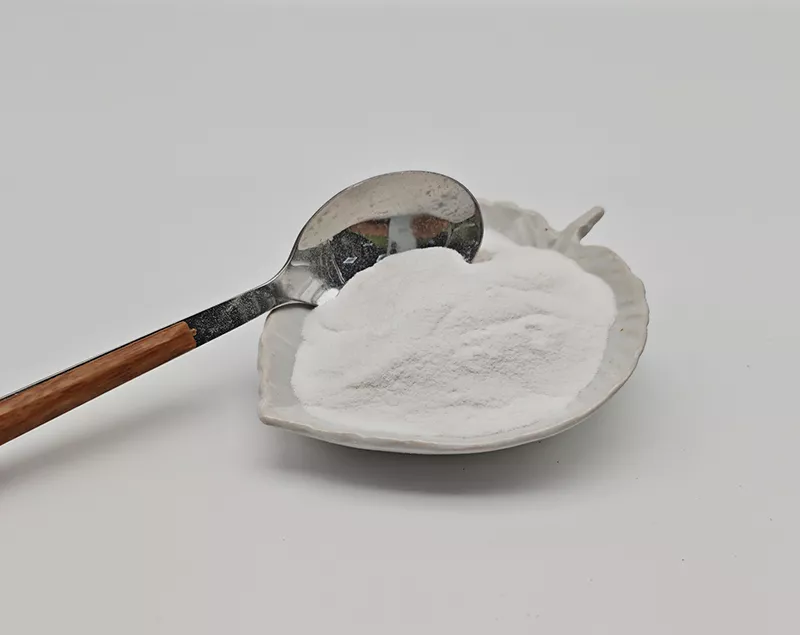
Production begins with non-GMO soybeans that are dehulled, defatted, and processed into soy protein isolate. This isolate is then subjected to enzymatic hydrolysis using food-grade proteases under controlled temperature and pH conditions. The resulting hydrolysate is filtered, concentrated, and spray-dried into a fine powder. Key quality markers include low molecular weight distribution, high protein content (≥90%), and minimal residual bitterness. Reputable manufacturers like Beyond Biopharma employ GMP clean workshops and automated temperature/pH control to ensure batch-to-batch consistency.
Typical Specifications for Soy Protein Peptides
The table below lists common parameter ranges for commercial soy protein peptides. These are typical industry ranges; final values should be confirmed per Certificate of Analysis (COA) and sample testing.
| Parameter |
Typical Range |
Notes |
| Protein Content |
≥90% (dry basis) |
High purity for efficient formulation |
| Molecular Weight |
| Lower MW enhances absorption |
| Solubility |
≥98% (in water at 25°C) |
Excellent for clear beverages |
| Moisture |
≤7% |
Ensures shelf stability |
| Ash |
≤8% |
Low mineral residue |
| pH (1% solution) |
6.0–7.5 |
Neutral, compatible with most systems |
What Are the Key Applications for Soy Protein Peptides?
Soy protein peptides serve multiple roles across food, supplement, and pharmaceutical segments. Below are common use cases and selection guidance.
- Sports Nutrition & Protein Fortification: Ideal for protein powders, RTD shakes, and bars. Their rapid absorption supports muscle recovery. Look for low molecular weight (
- Functional Beverages: Clear, acidic drinks benefit from soy protein peptides’ excellent solubility and neutral taste. A molecular weight around 1,000–2,000 Da minimizes bitterness.
- Plant-Based & Vegan Formulations: As a hydrolyzed plant protein, soy peptides fit allergen-free and vegan labels. They can replace animal-derived collagen or gelatin in certain applications. For more options, explore vegan-friendly joint health ingredients.
- Pharmaceutical Excipients: Used as a binder or filler in tablets and capsules. Their consistent particle size and flow properties are critical. For capsule-grade materials, consider gelatin for micro-encapsulation.
- Beauty-from-Within: Soy peptides are increasingly used in nutricosmetics for skin elasticity and hydration. A low-odor, high-purity grade is preferred.
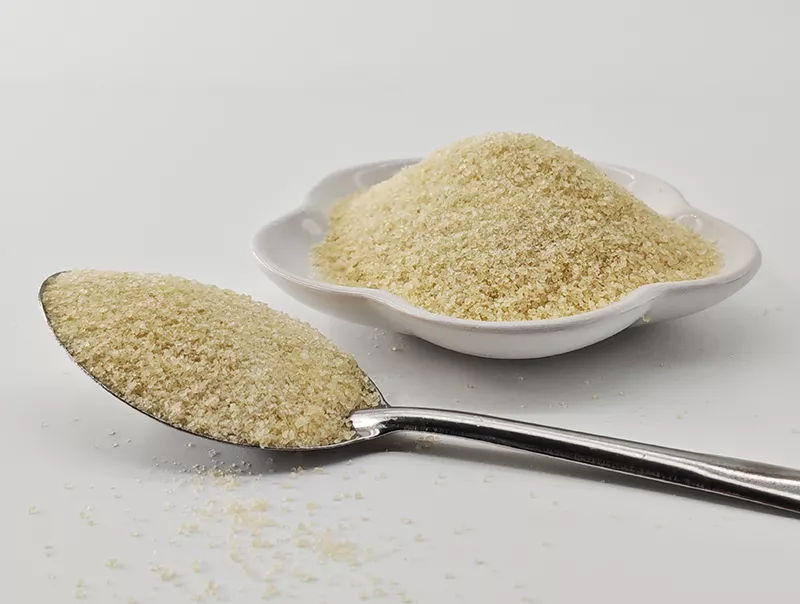
How Do Soy Protein Peptides Compare to Animal-Based Peptides?
Soy protein peptides offer a plant-derived alternative to fish or bovine collagen peptides. While collagen peptides are rich in glycine and proline for joint and skin support, soy peptides provide a complete amino acid profile with higher levels of branched-chain amino acids (BCAAs). They are compatible with vegan and kosher diets and avoid common allergens like fish or bovine proteins. For formulators seeking a versatile, allergen-free protein source, soy peptides are comparable to pea or rice protein hydrolysates from suppliers such as Roquette or ADM, but with a more neutral flavor profile.
Why Choose Beyond Biopharma for Soy Protein Peptides?
Beyond Biopharma, based in Shanghai, China, brings over a decade of experience in the food-ingredient industry. Our facility produces approximately 3,000 MT/year of collagen and 5,000 MT/year of gelatin, alongside a dedicated line for plant protein peptides. We operate a fully automatic production line with GMP clean workshops, stainless-steel sealed piping, and automated temperature/pH control to ensure consistent quality. Our products are ISO 9001 certified, US FDA registered, and select items carry Halal or Kosher certification. An in-house lab performs heavy-metal and microbiological testing on every batch, supported by a dedicated QA/QC team.
We offer three grades (food, pharmaceutical, cosmetic) and provide free samples along with formulation and selection support. Whether you need soy protein peptides for sports nutrition, functional beverages, or pharmaceutical excipients, we can tailor molecular weight, solubility, and particle size to your spec. Our export network spans 50+ countries, and we support custom bulk supply and OEM projects. For additional plant-based options, explore our fish collagen peptide and food-grade hyaluronic acid lines.
Frequently Asked Questions About Soy Protein Peptides
1. Are soy protein peptides suitable for vegan and allergen-free formulations?
Yes. Soy protein peptides are 100% plant-derived and free from animal components. They are naturally gluten-free and do not contain common allergens like dairy, fish, or egg. Always verify the specific allergen statement on the COA.
2. What is the typical molecular weight of soy protein peptides?
Commercial soy protein peptides generally have a molecular weight below 5,000 Da, with many grades falling between 500 and 3,000 Da. Lower molecular weight peptides offer faster absorption and reduced bitterness. This is a typical industry range; final values per COA.
3. How do soy protein peptides compare to pea or rice protein hydrolysates?
Soy peptides provide a more complete amino acid profile, especially higher BCAAs, and have a milder flavor. Pea and rice hydrolysates are also plant-based but may have different solubility or taste characteristics. Selection depends on your target allergen profile and sensory requirements.
4. Can soy protein peptides be used in clear beverages?
Yes. High-solubility soy protein peptides (≥98%) dissolve readily in cold water and remain clear in acidic conditions (pH 3–5). This makes them suitable for sports drinks and flavored waters. Low molecular weight grades minimize haze and sedimentation.
5. What certifications are available for soy protein peptides?
Beyond Biopharma’s soy protein peptides are produced in an ISO 9001 and US FDA registered facility. Select products carry Halal or Kosher certification. We can provide documentation for non-GMO and allergen-free claims upon request.
6. Do you offer free samples for evaluation?
Yes. Beyond Biopharma provides free samples for qualified buyers. Please share your application, required grade, target specs, and destination country to receive a sample and quote.
Request a Quote and Free Sample
To evaluate soy protein peptides for your next project, contact Beyond Biopharma with the following details: your specific application (e.g., sports drink, protein bar, capsule filler), required grade (food, pharmaceutical, or cosmetic), estimated quantity or MOQ, target specifications (molecular weight, solubility, mesh size, certifications), and destination country. Our technical team will recommend the optimal grade and send free samples along with a competitive quote. We look forward to supporting your formulation needs with reliable, high-quality plant protein peptides.

 English EN








User Comments
Service Experience Sharing from Real Customers
Liam
CrossFit CoachI've been cycling through different plant proteins for years, but these soy peptides are a game changer. Mixes insanely smooth in my post-workout shake—no clumps, no weird aftertaste. My recovery time feels noticeably shorter, and my joints aren't yelling at me after heavy squat sessions. Highly recommend for anyone who trains hard.
Emma
Registered DietitianI recommend these to clients who struggle with dairy-based proteins. The peptide form really does seem to improve absorption. I tried a batch myself—no bloating, and it kept me full through a long clinic morning. Only gave 4 stars because the unflavored version has a very mild beany note, but it's totally manageable in a smoothie.
Mason
Plant-Based Food DeveloperFinally, a soy protein that doesn't ruin my product texture. I've been using these peptides in a line of vegan jerky prototypes, and the solubility and neutral flavor profile are exactly what I needed. No gritty mouthfeel, no bitter finish. My R&D team is stoked. Will be ordering bulk for commercial trials.
Olivia
Marathon Runner (Amateur)I was skeptical about switching from whey, but my stomach has been so much happier since I made the switch. I add a scoop to my oatmeal before long runs and recovery shakes after. No cramps, no gas, and my times are actually improving. It's also way easier on my wallet than some fancy pea blends.