 English EN


Pea Protein Peptide vs. Whey: Can Plant Protein Build Comparable Muscle?
Pea protein peptide can build muscle comparable to whey when intake is sufficient, offering a plant-based, hypoallergenic option for muscle growth.
More
Sourcing a reliable, high-performance plant protein peptide is no longer just a trend—it is a strategic necessity for brands targeting vegan, allergen-free, and clean-label markets. Potato protein peptides offer a unique amino acid profile, excellent solubility, and a neutral sensory profile that solves common formulation headaches like bitterness or gritty texture. This article provides a practical, data-backed overview of potato protein peptides as a functional ingredient, covering production methods, key specifications, application guidance across food, nutraceutical, and pharmaceutical segments, and how Beyond Biopharma supports global buyers with consistent quality and custom supply.
Potato protein peptides are hydrolyzed protein fragments derived from potato tuber protein. Through controlled enzymatic hydrolysis, the native potato protein is broken down into smaller peptide chains, typically with a molecular weight below 5,000 Da. This process dramatically improves solubility across a wide pH range (pH 2–10), reduces bitterness, and enhances digestibility compared to intact potato protein isolates. For purchasing managers and R&D teams, the key advantage is batch-to-batch consistency in solubility, molecular weight distribution, and amino acid profile—critical for scaling from bench to production without reformulation surprises.
Potato protein is a byproduct of starch manufacturing, making it a highly sustainable protein source with a lower environmental footprint than soy or pea. It is also free from the top eight allergens (soy, dairy, gluten, egg, peanut, tree nut, fish, shellfish), which is a major selling point for hypoallergenic and vegan product lines. As a functional ingredient, potato protein peptides are compatible with a wide range of applications—from sports nutrition and meal replacements to gummy supplements and pharmaceutical excipients.
The production process for potato protein peptides typically follows these steps:
At Beyond Biopharma, we apply the same rigorous GMP clean workshop standards and automated process control used in our collagen peptide production to ensure consistent quality for plant protein peptides. Our in-house QA/QC team performs heavy-metal and microbiological testing on every lot.
The table below summarizes common parameter ranges for potato protein peptides available in the market. Please note these are typical industry ranges; final values should be confirmed per Certificate of Analysis (COA) and sample testing.
| Parameter | Typical Range | Notes |
|---|---|---|
| Protein content (dry basis) | 80–90% | Measured by Kjeldahl (N x 6.25) |
| Molecular weight (average) | Lower MW improves solubility and absorption | |
| Solubility (pH 7, 25°C) | ≥ 95% | High solubility across pH 2–10 |
| Moisture | ≤ 6% | Low moisture ensures microbial stability |
| Ash | ≤ 6% | Depends on raw material and processing |
| Heavy metals (Pb, As, Cd, Hg) | Compliant with food-grade limits | Tested per USP/EP or FDA guidelines |
| Microbiological (TPC, yeast, mold, Salmonella, E. coli) | Compliant with food-grade limits | GMP clean workshop production |
Typical industry range; final values per COA / sample. Beyond Biopharma provides full COA with each shipment, including molecular weight distribution data.
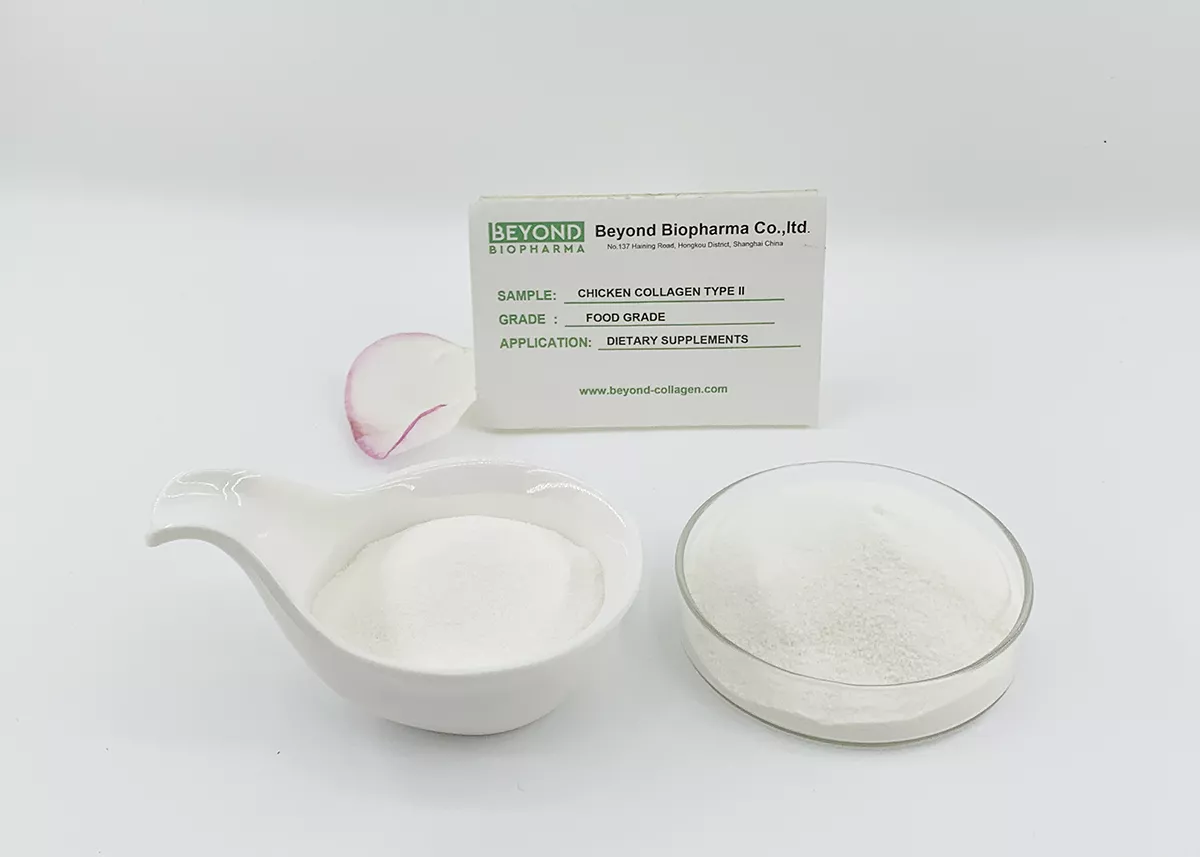
Potato protein peptides are versatile enough to serve multiple industries. Below is a practical guide by application segment:
In protein bars, ready-to-drink shakes, and meal replacements, potato protein peptides offer a clean taste profile with minimal bitterness. They are an excellent alternative to soy or pea hydrolysates for brands targeting allergen-free claims. For gummy and softgel manufacturers, potato protein peptides can serve as a plant-based alternative to gelatin in certain formulations, though they do not replicate the same gel strength. For traditional gelling applications, we recommend our edible gelatin range (bovine, porcine, or fish) with Bloom values from 150–260 g.
For post-workout recovery powders and vegan protein blends, potato protein peptides provide a rapid-digesting amino acid source. Their low molecular weight (collagen peptides. They are also compatible with joint health formulations when combined with ingredients like bovine chondroitin sulfate or glucosamine HCl.
As a plant-based excipient, potato protein peptides can be used in tablet binders, capsule fillers, and controlled-release matrices. Their high solubility and neutral taste make them suitable for oral powders and pediatric formulations. For hard capsule production, we recommend our pharmaceutical gelatin (bovine bone gelatin) for its excellent film-forming properties and BSE-free certification.
Beyond Biopharma is a Shanghai-based manufacturer with over 10 years of experience in the food-ingredient industry. We supply collagen peptides, gelatin, and plant protein peptides to buyers in more than 50 countries. Our facility operates with a fully automatic production line, GMP clean workshop, stainless-steel sealed piping, and automated temperature/pH control. We hold ISO 9001 certification, are US FDA registered, and select products carry Halal or Kosher certification (e.g., fish gelatin). Our bovine bone gelatin is BSE-free, and our in-house lab performs heavy-metal and microbiological testing on every batch. We offer three product grades—food, pharmaceutical, and cosmetic—and provide free samples along with formulation and selection support.
For plant-based and vegan formulations, our plant protein peptide line includes pea, rice, and soy hydrolysates, in addition to potato protein peptides. All are produced under the same quality system, ensuring batch-to-batch consistency and full traceability.
Q1: Is potato protein peptide suitable for vegan and allergen-free formulations?
Yes. Potato protein peptides are 100% plant-based and free from the top eight allergens. They are an excellent choice for vegan, hypoallergenic, and clean-label products.
Q2: How does the solubility of potato protein peptides compare to soy or pea hydrolysates?
Potato protein peptides typically exhibit solubility of 95% or higher across a wide pH range (pH 2–10), which is comparable to or better than many pea and soy hydrolysates. This makes them ideal for acidic beverages and low-pH formulations.
Q3: What is the typical molecular weight of potato protein peptides, and why does it matter?
The average molecular weight is typically below 5,000 Da, with many products in the 1,000–3,000 Da range. Lower molecular weight correlates with faster absorption and higher solubility, which is critical for sports nutrition and nutraceutical applications.
Q4: Can potato protein peptides replace gelatin in gummy or softgel formulations?
Not directly. Potato protein peptides do not form a gel network like gelatin. They can be used as a protein fortifier or texturizer in gummy bases, but for traditional gelling, we recommend using edible gelatin with Bloom values between 150–260 g.
Q5: What certifications are available for potato protein peptides from Beyond Biopharma?
Our plant protein peptides are produced in an ISO 9001 and US FDA registered facility with a GMP clean workshop. Halal and Kosher certifications are available for select products. Please inquire about specific certification needs for your target market.
Q6: How do I request a sample and what information should I provide?
We offer free samples for qualified buyers. Please provide your intended application, required grade (food, pharmaceutical, or cosmetic), target quantity/MOQ, desired specifications (molecular weight, solubility, certifications), and destination country. Our team will match the best product and send a sample for evaluation.
If you are evaluating potato protein peptides for your next formulation, we invite you to contact Beyond Biopharma with the following details so we can provide a tailored recommendation and free sample:
Our team of application specialists will review your requirements and send a product datasheet, COA, and free sample for your evaluation. We support custom bulk supply and formulation/OEM services. Potato protein peptides are a reliable, sustainable functional ingredient that can help you meet the growing demand for plant-based, allergen-free, and high-performance formulations. Let us help you find the right solution for your product line.

We provide you with comprehensive foreign trade solutions to help enterprises achieve global development
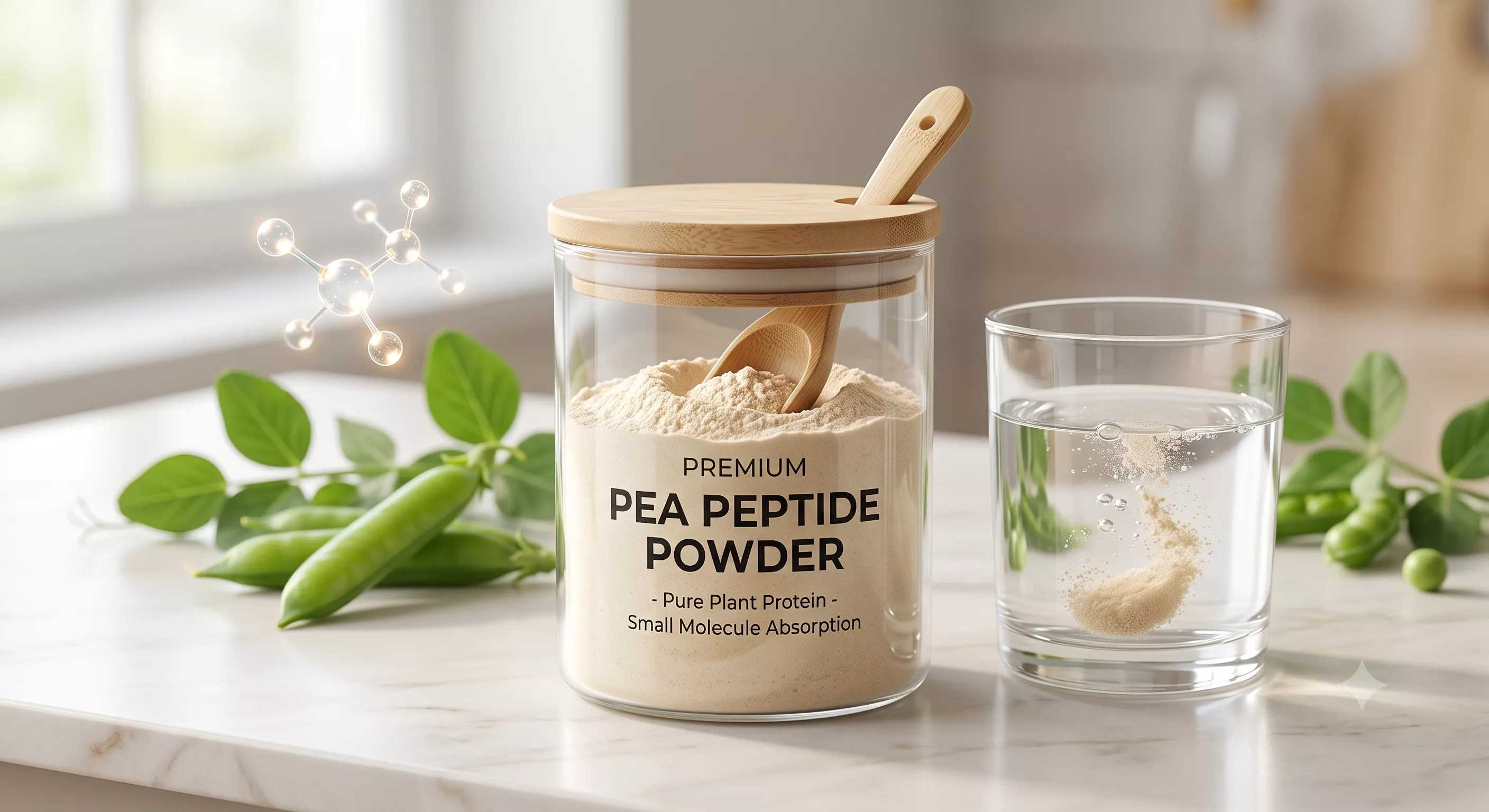
Source high-purity, hypoallergenic hydrolyzed pea peptide powder in bulk. Complete water solubility, rich in BCAAs, ideal for vegan recovery formulas.
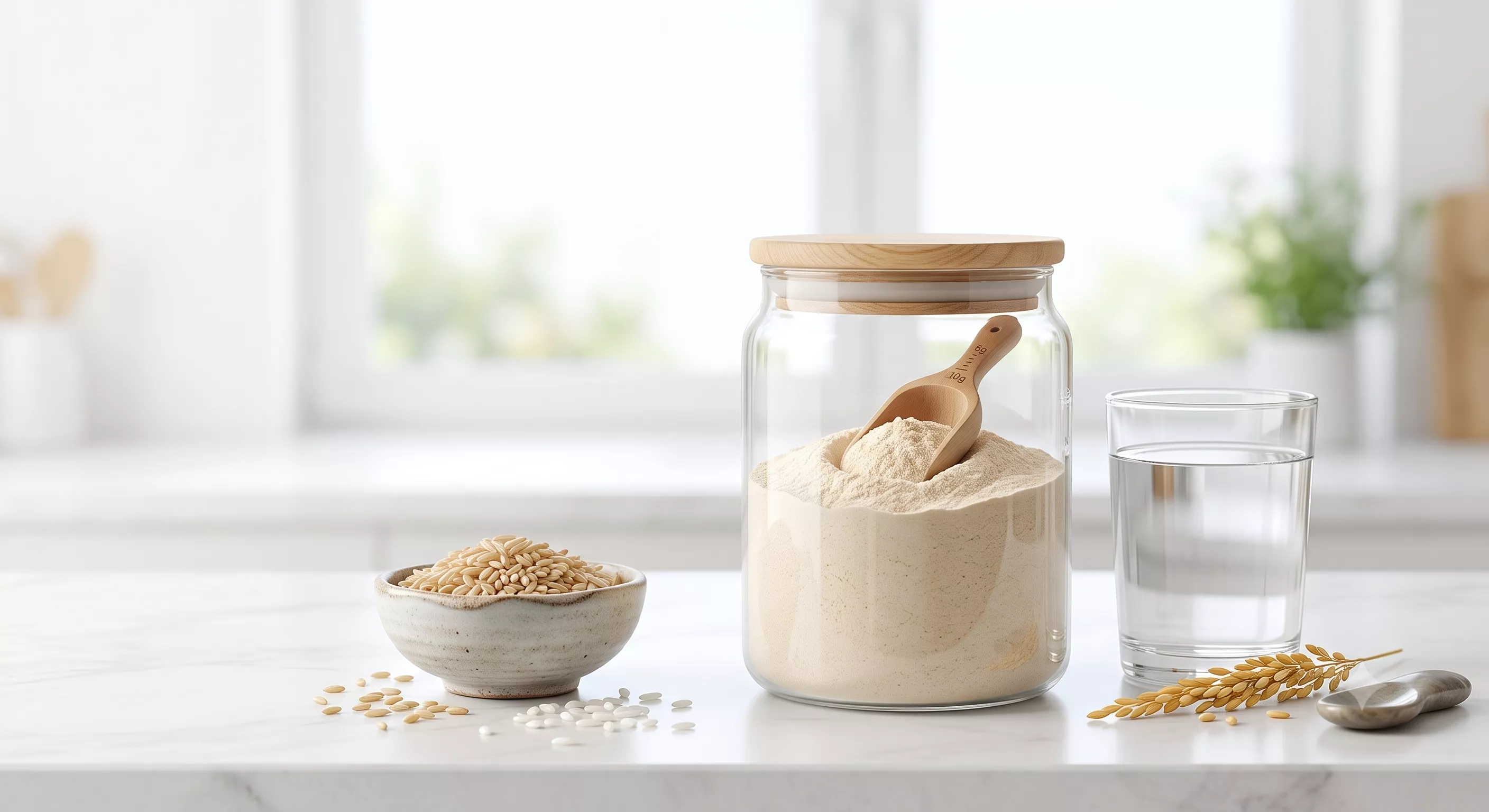
Source ultra-pure, 100% water-soluble wholesale hydrolyzed rice protein peptide in bulk. Over 85% molecules under 1000 Da. Ideal for infant nutrition, clean-label sports formulas, and sensitive skincare.
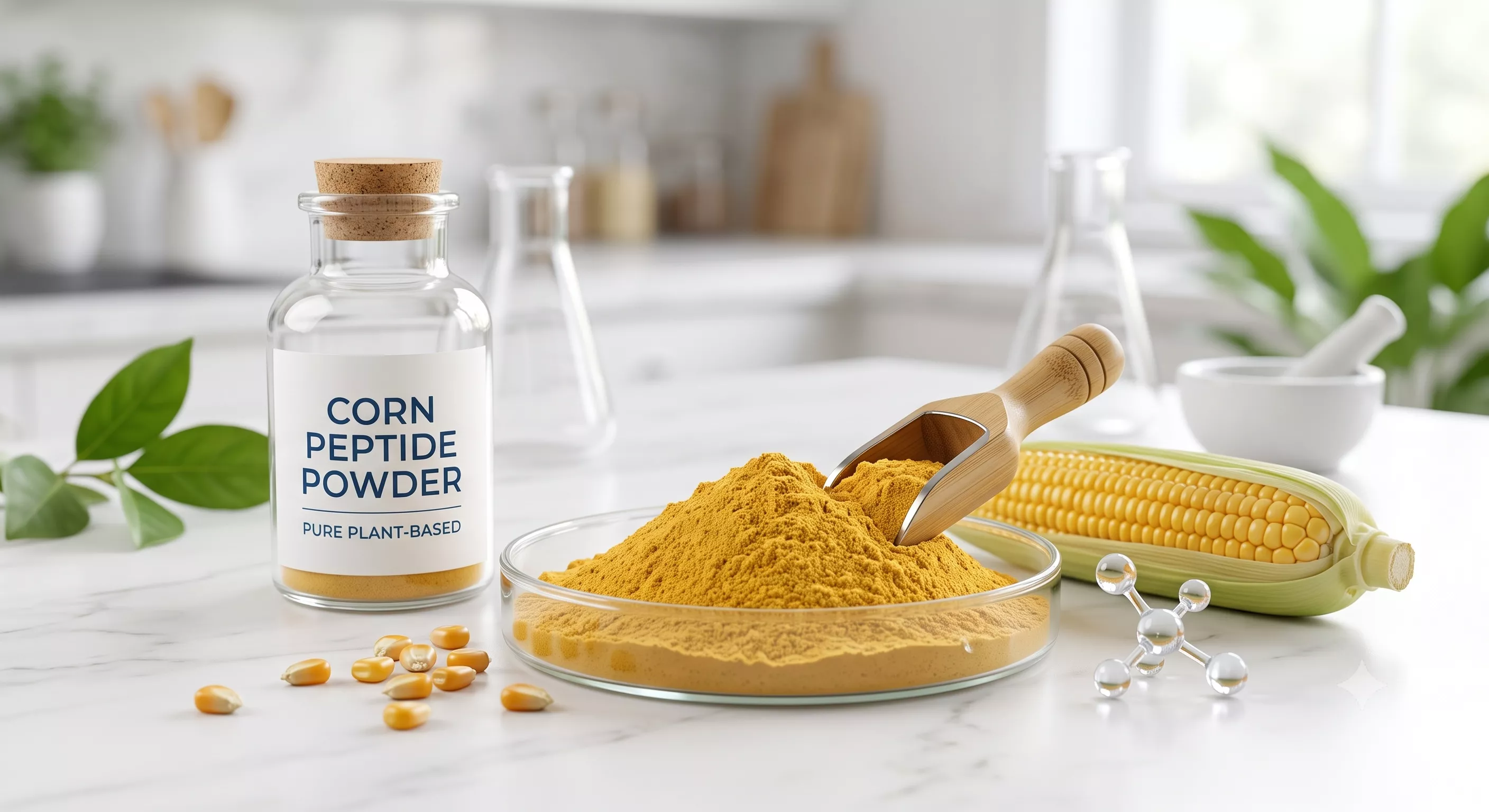
Source high-purity wholesale hydrolyzed corn protein peptide powder in bulk. Over 85% oligopeptides under 1000 Da. Rich in Alanine and Leucine for liver support and sobriety formulas.
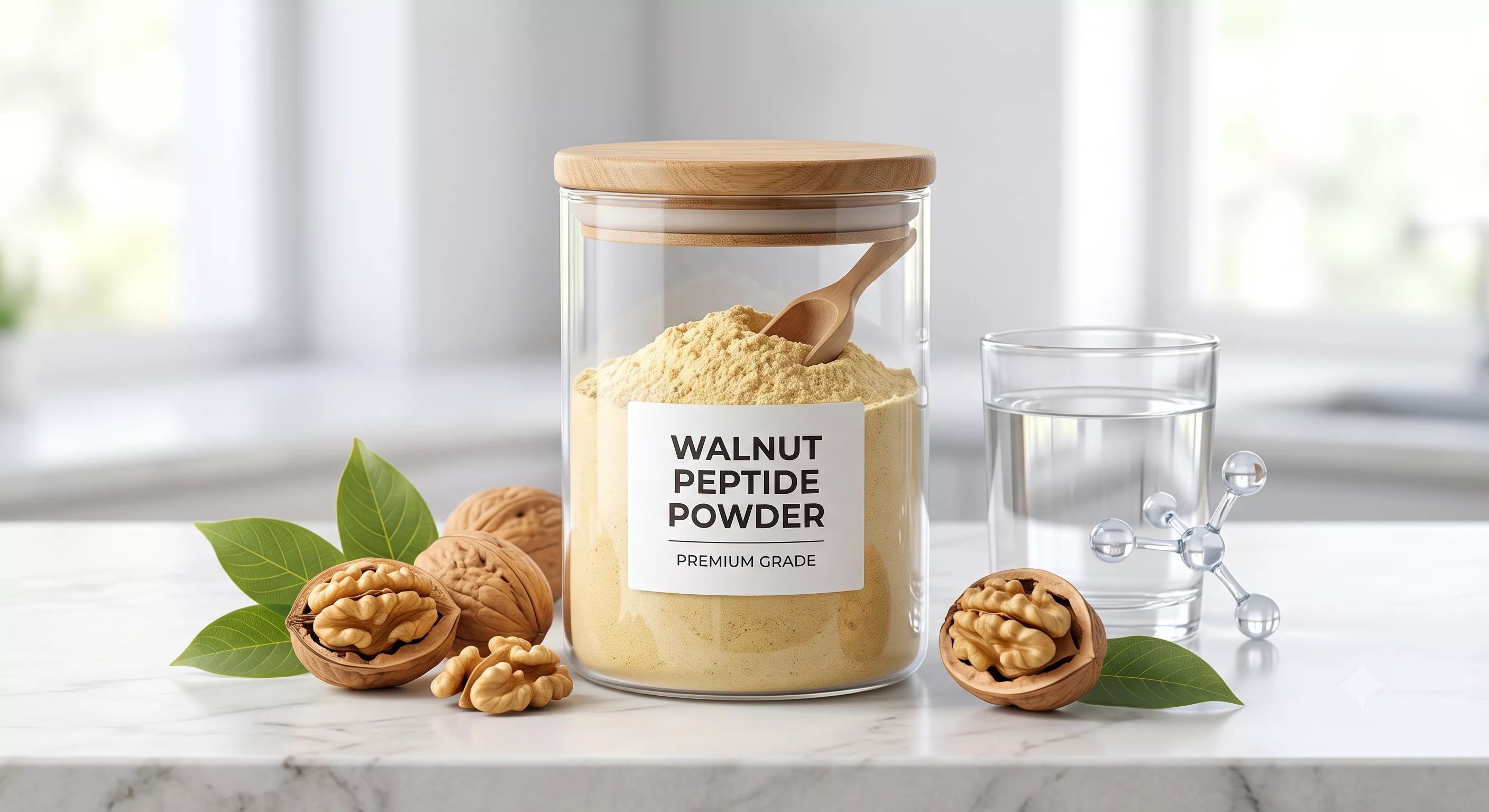
Source wholesale hydrolyzed walnut protein peptide powder in bulk. Over 85% low-molecular-weight oligopeptides rich in Glutamic Acid. Perfect for cognitive formulas and sleep aid supplements.
Select the most popular foreign trade service products to meet your diverse needs
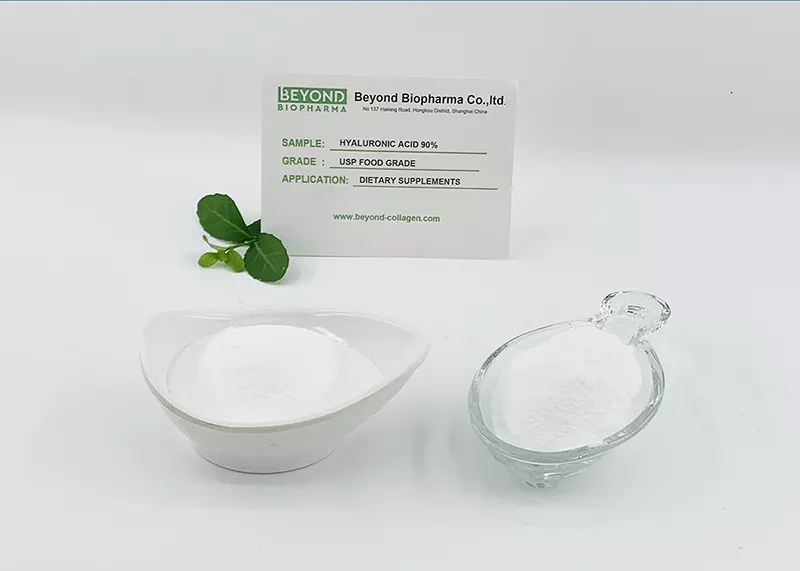
High Molecular Weight for Superior Joint, Skin, and Eye Health.
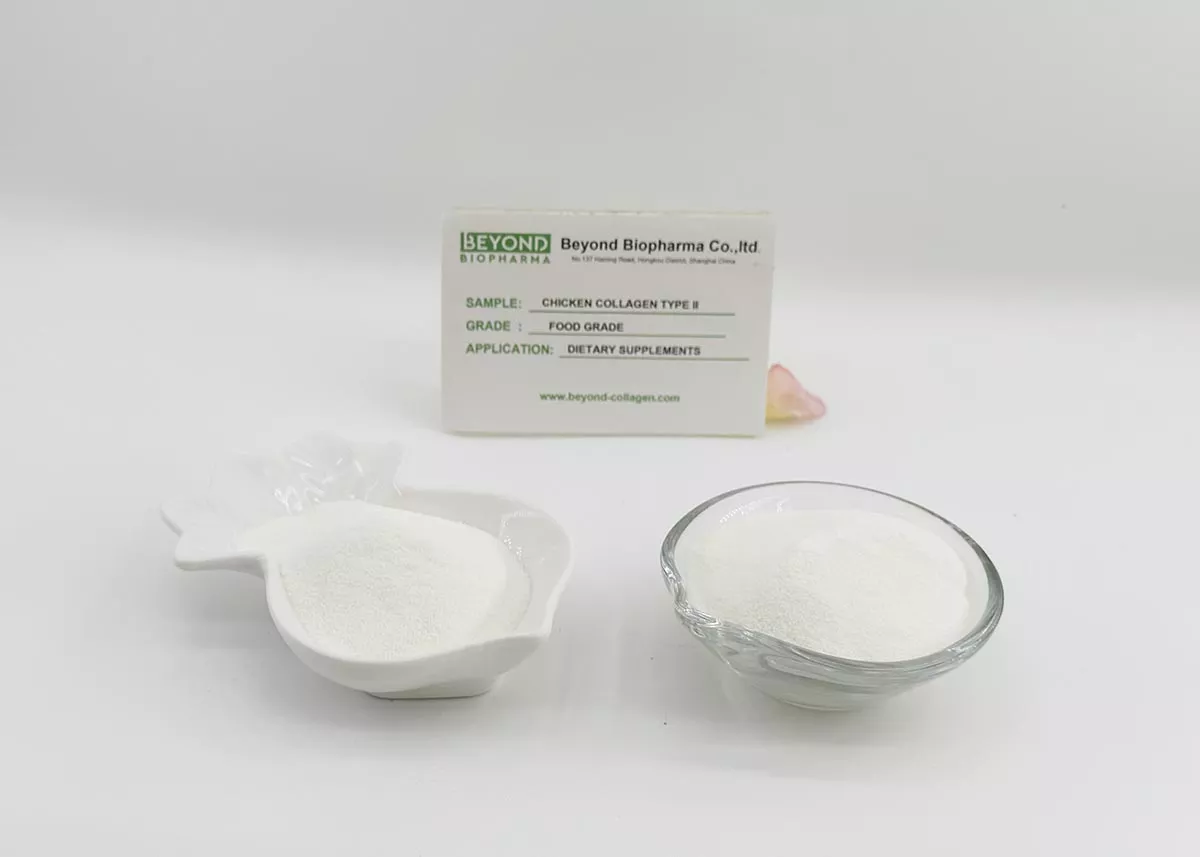
BEYOND BIOPHARMA is a specialized manufacturer of highly purified Hydrolyzed Collagen Type II. Through advanced enzymatic hydrolysis, we create low-molecular-weight collagen peptides that are highly bioavailable, offering foundational nutritional support for cartilage repair, joint function, and skin health. Our product is designed for rapid absorption and maximum efficacy in oral supplements.
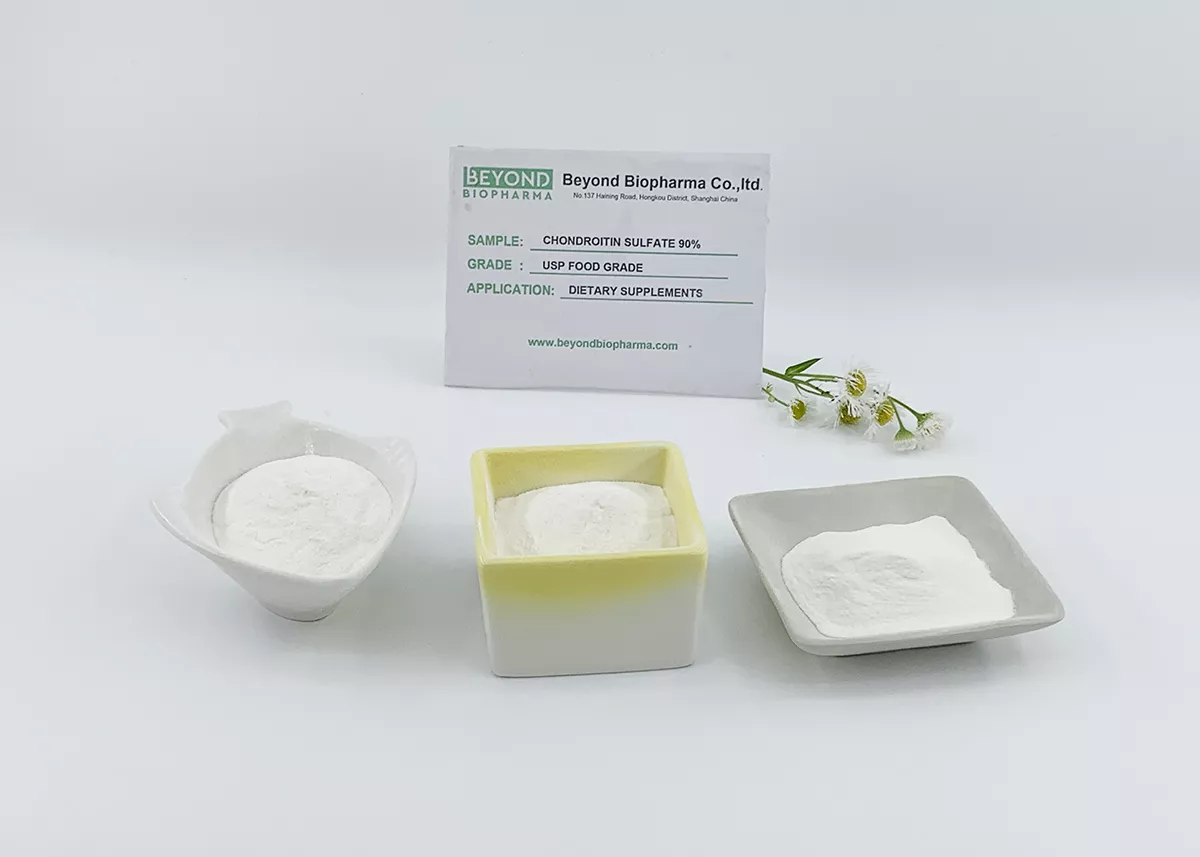
High Purity and Efficacy for Joint Health Formulations
Tel:+86 21 65010906
Cell/Whatsapp/Wechat:
+86 13482884055
+86 18657345785
Email: sales@beyondbiopharma.com





User Comments
Service Experience Sharing from Real Customers
Mike
Senior Food ScientistI've been testing plant-based protein alternatives for years, and these Potato Protein Peptides are a game-changer. The solubility is outstanding, no gritty aftertaste, and the amino acid profile is surprisingly robust for a non-soy source. We're using it in our new line of sports nutrition bars and the texture is perfect. Highly recommend for any R&D team.
Elena
Personal Trainer & Nutrition CoachA client with a soy allergy recommended these peptides, and I've started using them myself post-workout. Mixes easily in my morning smoothie without clumping, and I feel less bloated compared to whey. Only gave 4 stars because the unflavored version has a faint earthy taste, but for a clean, allergen-friendly protein source, it's top-notch.
Tom
Home Baker & Recipe BloggerI was skeptical about using potato protein in gluten-free baking, but wow. These peptides give my bread a lovely springy crumb and a subtle nutty flavor that complements whole grain flours. Even my picky kid couldn't tell the difference. A must-try for anyone experimenting with alternative flours.
Sarah
University Researcher (Plant Biochemistry)As a researcher, I'm interested in the functional properties. The peptide yield is decent, and the extraction process seems efficient. For lab-scale work, it's reliable. However, I've noticed slight batch-to-batch variation in solubility at neutral pH, which could be an issue for precise formulations. Good for general use, but needs tighter quality control for high-end applications.