 English EN


Pea Protein Peptide vs. Whey: Can Plant Protein Build Comparable Muscle?
Pea protein peptide can build muscle comparable to whey when intake is sufficient, offering a plant-based, hypoallergenic option for muscle growth.
More
Sports nutrition is shifting. Buyers sourcing protein ingredients for protein drinks now face real challenges: batch consistency, off-odors, poor solubility, and growing demand for allergen-free, vegan-friendly options. Plant peptides for protein drinks offer a clean-label solution that meets these needs without compromising performance. This article explains how plant-based hydrolyzed peptides work, what specs matter, and how to source them reliably from a manufacturer like Beyond Biopharma.
Plant peptides for protein drinks are short-chain amino acid sequences derived from plant sources such as pea, rice, or soy through enzymatic hydrolysis. Unlike whole protein powders, these peptides are partially broken down, which improves solubility in water and accelerates absorption in the body. For sports nutrition formulators, this means a protein drink that mixes easily, has a clean taste profile, and delivers amino acids quickly to muscles post-workout. The key pain point they solve: eliminating the gritty texture and beany aftertaste often associated with standard plant proteins.
The production process starts with selecting high-protein plant raw materials. These are milled, then treated with food-grade enzymes under controlled temperature and pH conditions to break proteins into smaller peptide chains. The resulting hydrolysate is filtered, concentrated, and spray-dried into a fine powder. This enzymatic hydrolysis reduces molecular weight, typically below 5,000 Da, which enhances solubility even in cold water and speeds up gastric emptying. For athletes, faster absorption means quicker muscle recovery. For manufacturers, it means a stable, easy-to-use ingredient that blends without clumping.
When evaluating plant peptides for protein drinks, buyers should focus on these common specifications. Note: these are typical industry ranges; final values should be confirmed per Certificate of Analysis (COA) or sample.
| Parameter | Typical Range | Notes |
|---|---|---|
| Protein Content | 80–90% | Dry basis; higher is better for cost efficiency. |
| Molecular Weight | Lower MW improves solubility and absorption. | |
| Solubility | ≥95% (in water at 20°C) | Key for ready-to-drink formulations. |
| Moisture | ≤8% | Low moisture ensures shelf stability. |
| Allergen Profile | Source-dependent | Pea and rice are typically allergen-free; soy contains soy allergen. |
*Typical industry range; final values per COA / sample.
Plant peptides for protein drinks are versatile. Here is selection guidance by industry:
Beyond Biopharma, based in Shanghai, China, has over 10 years of experience in the food-ingredient industry. Our products are exported to more than 50 countries. We operate a fully automatic production line with GMP clean workshops, stainless-steel sealed piping, and automated temperature/pH control. Our annual capacity is approximately 3,000 MT for collagen and 5,000 MT for gelatin, with dedicated lines for plant protein peptides. We hold ISO 9001 certification, are US FDA registered, and select products carry Halal or Kosher certification. Our in-house lab conducts heavy-metal and microbiological testing with a dedicated QA/QC team. We offer free samples and formulation support across food, pharmaceutical, and cosmetic grades.
Q: Are plant peptides for protein drinks suitable for vegan athletes?
A: Yes. Plant peptides derived from pea, rice, or soy are 100% plant-based and vegan-friendly. They provide a complete or complementary amino acid profile when blended, making them an excellent choice for vegan sports nutrition.
Q: How do plant peptides compare to whey protein in terms of absorption?
A: Hydrolyzed plant peptides with molecular weight below 5,000 Da are absorbed quickly, comparable to whey hydrolysate. However, the amino acid profile differs. Blending pea and rice peptides can achieve a leucine content close to whey for muscle protein synthesis.
Q: What certifications should I look for when sourcing plant peptides?
A: Look for ISO 9001, FDA registration, and GMP certification. For vegan claims, ensure no animal-derived enzymes are used in processing. Halal and Kosher certifications are also available from some suppliers like Beyond Biopharma.
Q: Can plant peptides cause allergic reactions?
A: It depends on the source. Pea and rice peptides are generally hypoallergenic. Soy peptides contain soy allergen. Always check the allergen declaration on the COA. Beyond Biopharma provides clear labeling for all sources.
Q: What is the typical shelf life of plant peptide powder?
A: When stored in a cool, dry place, plant peptide powders typically have a shelf life of 24 months from the date of manufacture. Proper packaging in sealed, moisture-proof bags is essential to maintain quality.
Q: Do plant peptides have a strong taste or odor?
A: High-quality plant peptides undergo deodorization and debittering processes. Rice and pea peptides have a very mild, neutral flavor, making them suitable for flavored protein drinks without masking agents.
If you are sourcing plant peptides for protein drinks or other applications, Beyond Biopharma is ready to support your project. To receive a customized quote and free samples, please provide the following details in your inquiry: your specific application (e.g., protein drink, gummy, capsule), required grade (food, pharmaceutical, or cosmetic), estimated quantity or MOQ, target specifications (protein content, molecular weight, mesh size, certifications needed), and destination country. Our team will respond with a tailored solution and COA. Contact us today to start the conversation.
Plant peptides for protein drinks represent a growing segment in sports nutrition. With the right supplier, you can deliver clean, effective, and sustainable products to your customers. Beyond Biopharma combines manufacturing expertise, quality certifications, and global logistics to meet your sourcing needs.

We provide you with comprehensive foreign trade solutions to help enterprises achieve global development
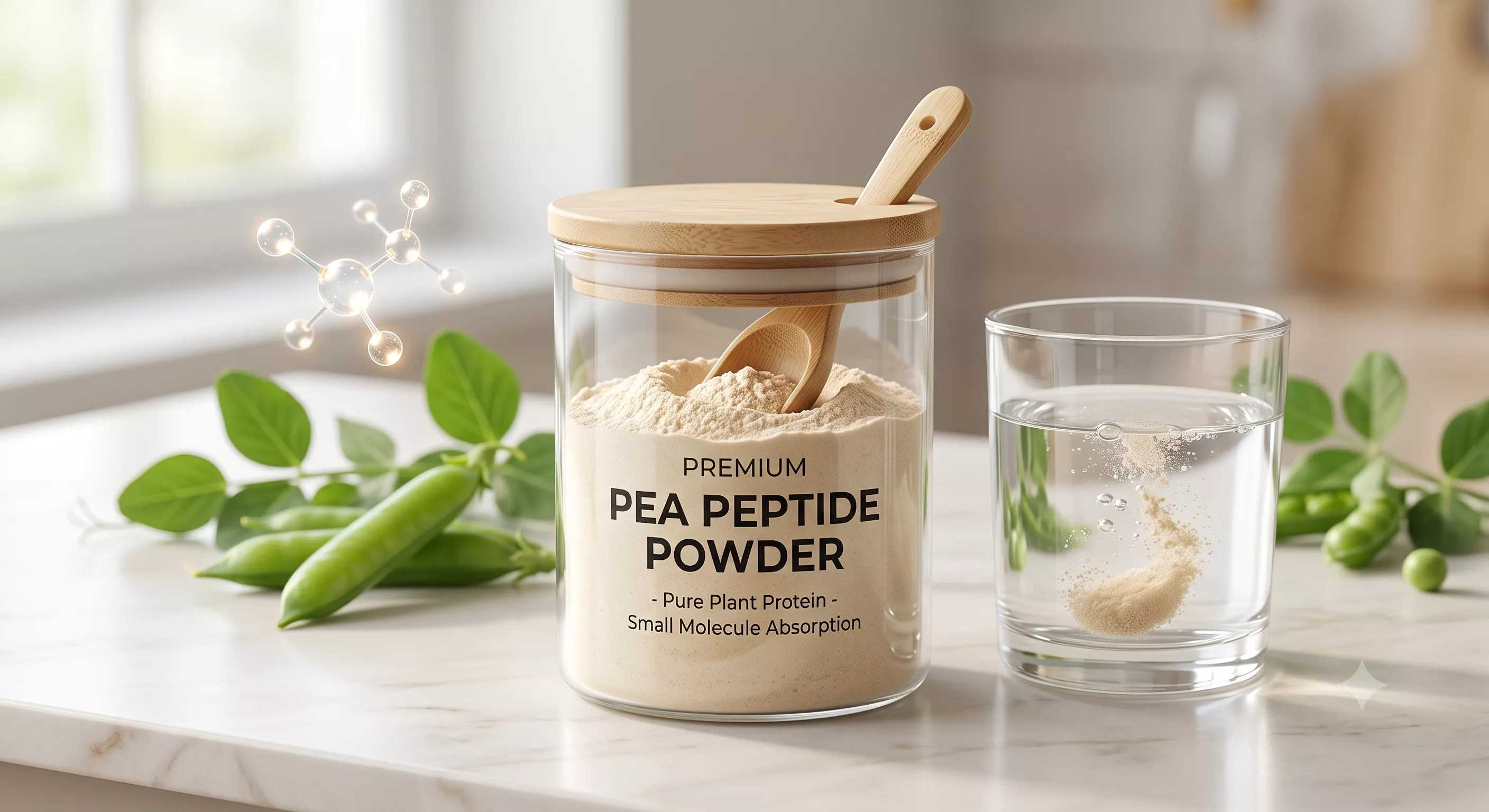
Source high-purity, hypoallergenic hydrolyzed pea peptide powder in bulk. Complete water solubility, rich in BCAAs, ideal for vegan recovery formulas.
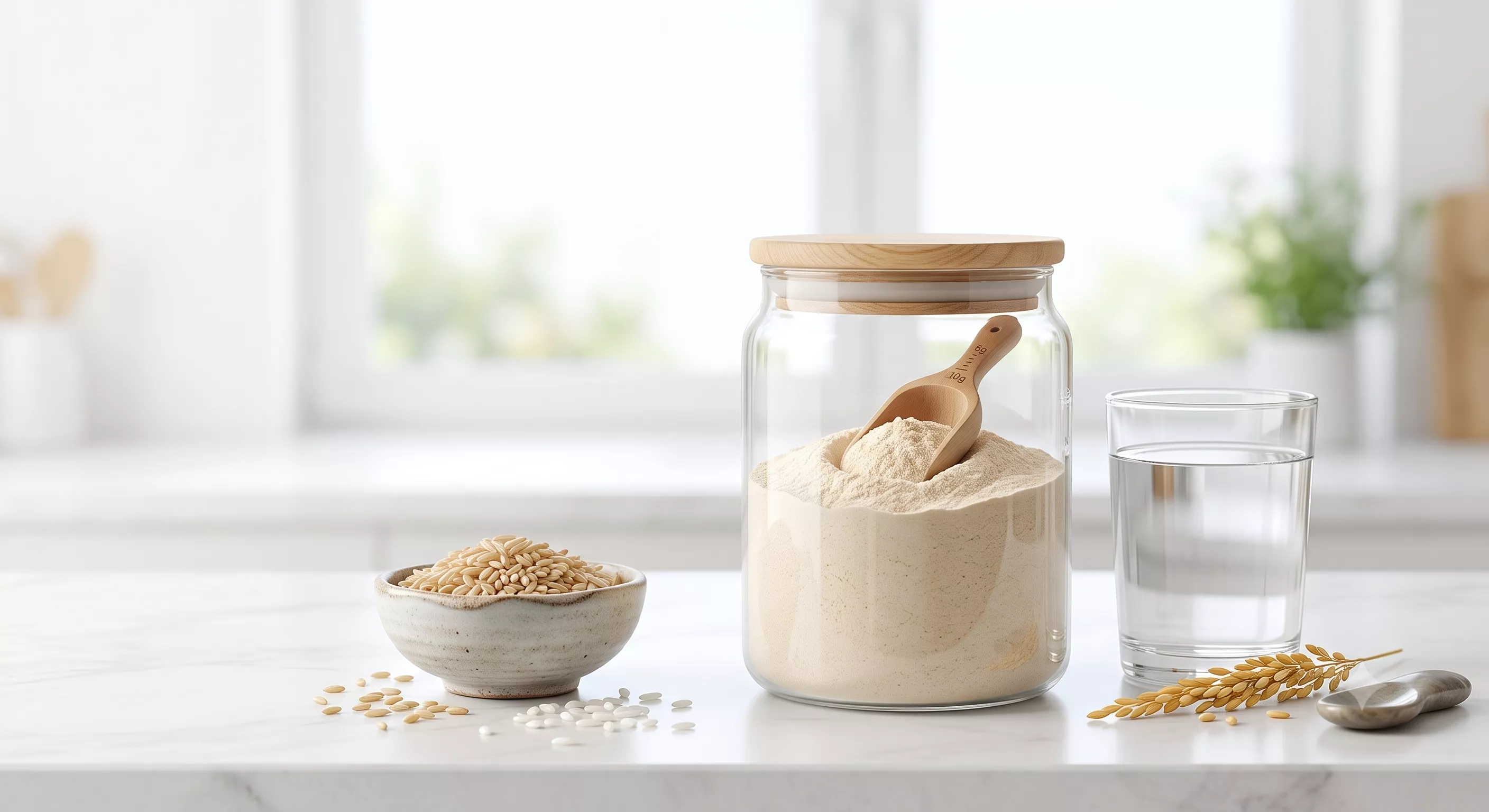
Source ultra-pure, 100% water-soluble wholesale hydrolyzed rice protein peptide in bulk. Over 85% molecules under 1000 Da. Ideal for infant nutrition, clean-label sports formulas, and sensitive skincare.
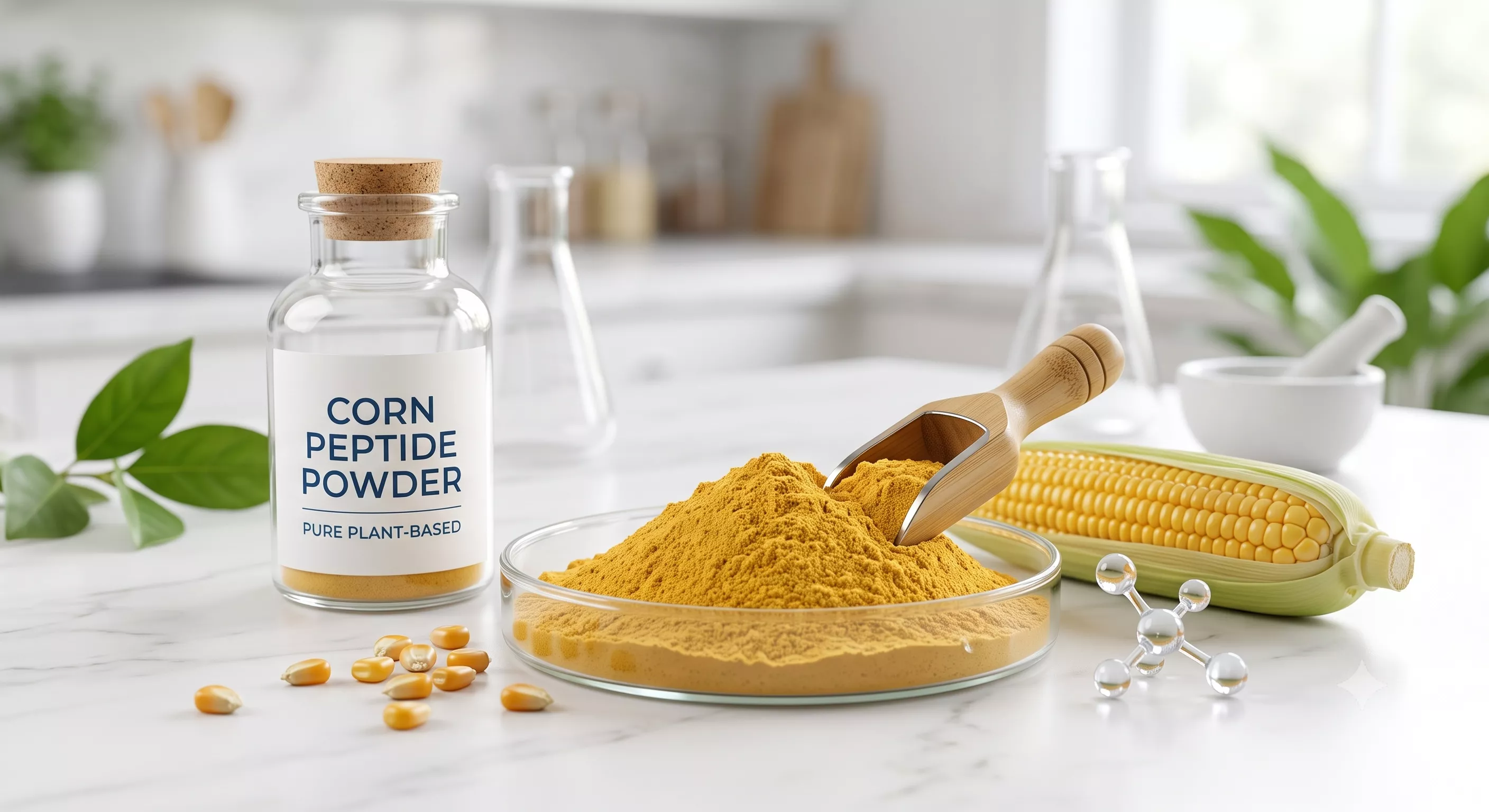
Source high-purity wholesale hydrolyzed corn protein peptide powder in bulk. Over 85% oligopeptides under 1000 Da. Rich in Alanine and Leucine for liver support and sobriety formulas.
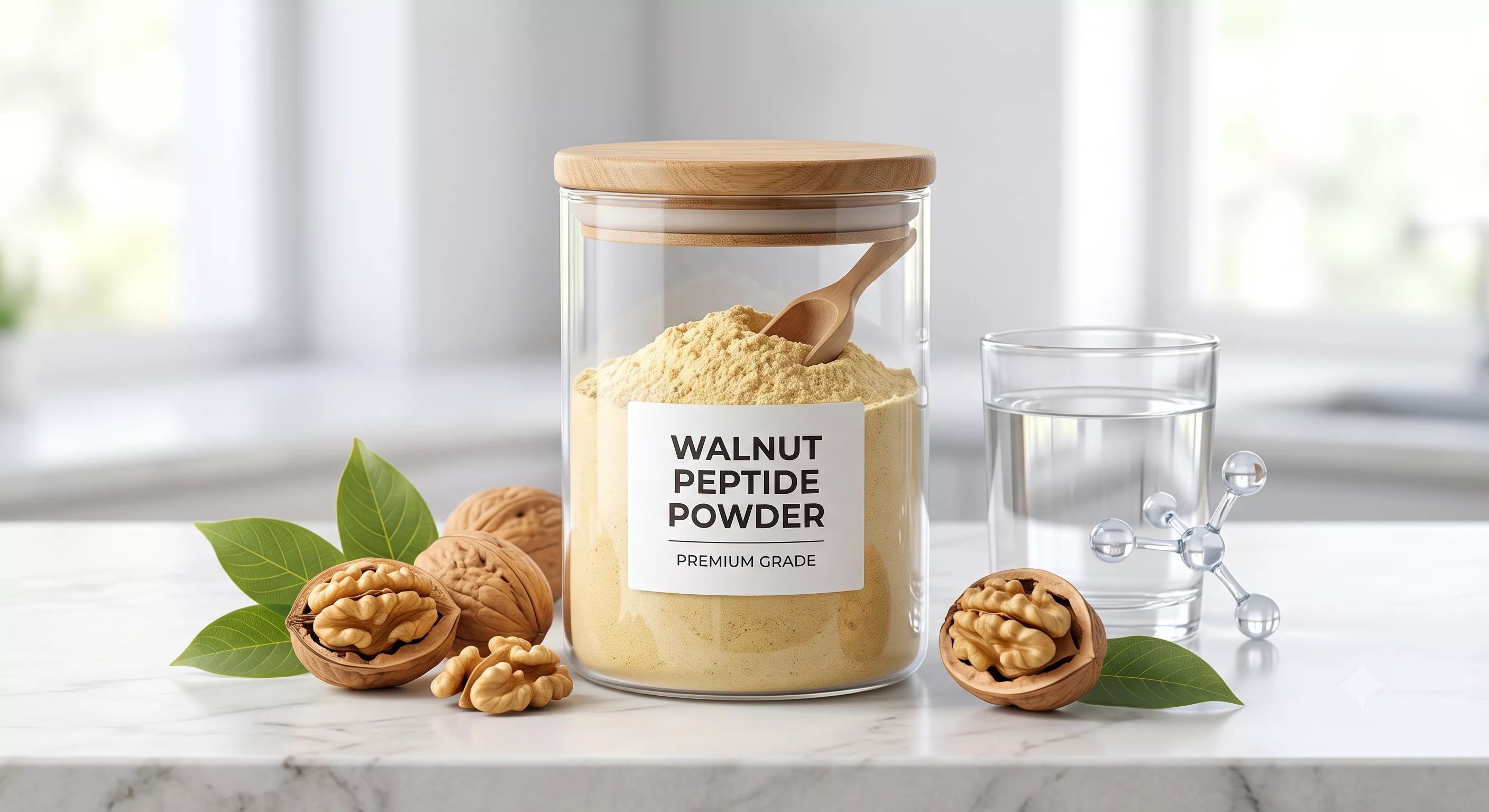
Source wholesale hydrolyzed walnut protein peptide powder in bulk. Over 85% low-molecular-weight oligopeptides rich in Glutamic Acid. Perfect for cognitive formulas and sleep aid supplements.
Select the most popular foreign trade service products to meet your diverse needs
Source wholesale hydrolyzed walnut protein peptide powder in bulk. Over 85% low-molecular-weight oligopeptides rich in Glutamic Acid. Perfect for cognitive formulas and sleep aid supplements.
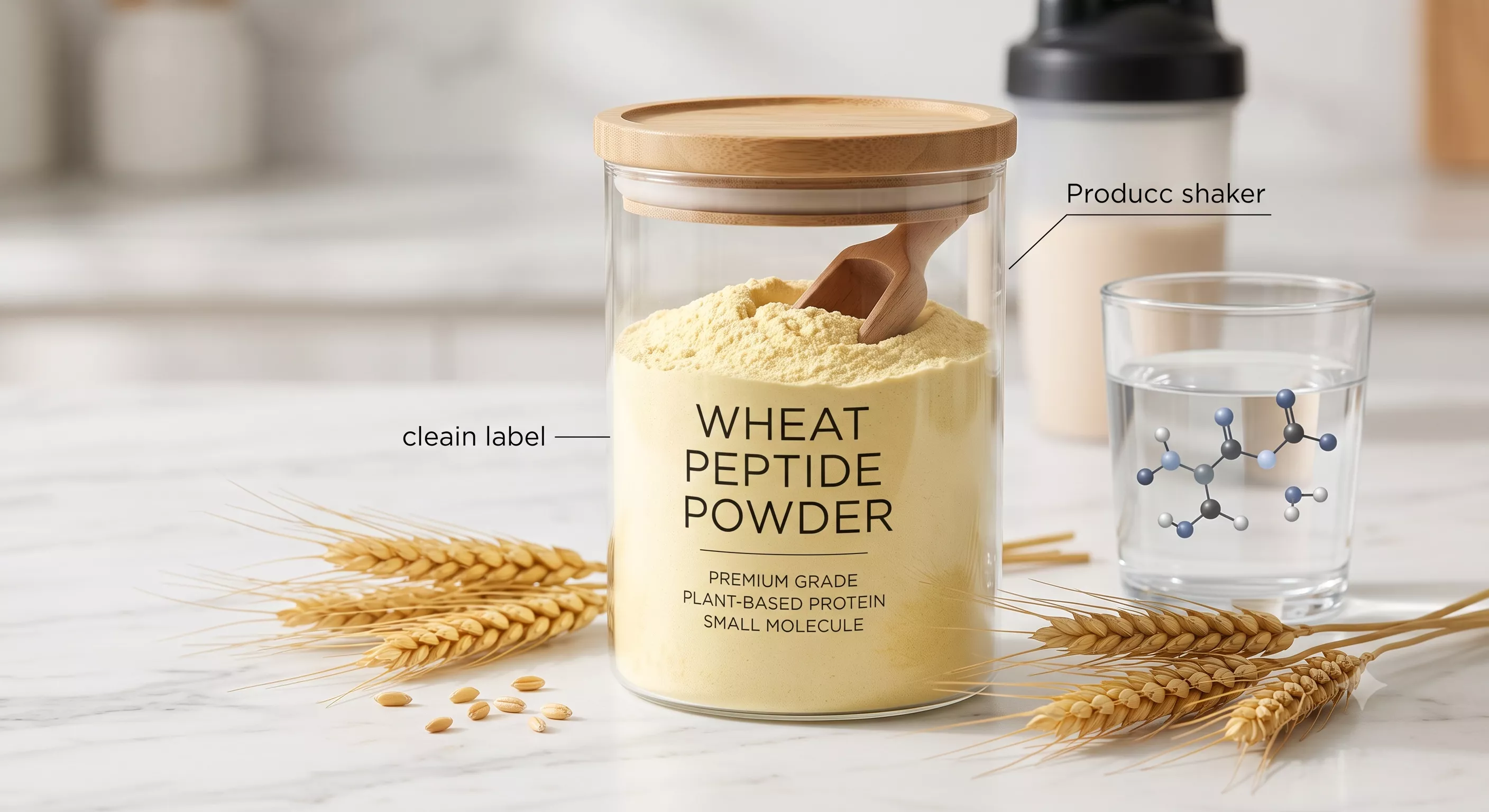
Source ultra-pure, high-solubility wholesale hydrolyzed wheat gluten peptide in bulk. Rich in plant-bound Glutamine ($\ge 25\%$) for muscle recovery and gut barrier health.
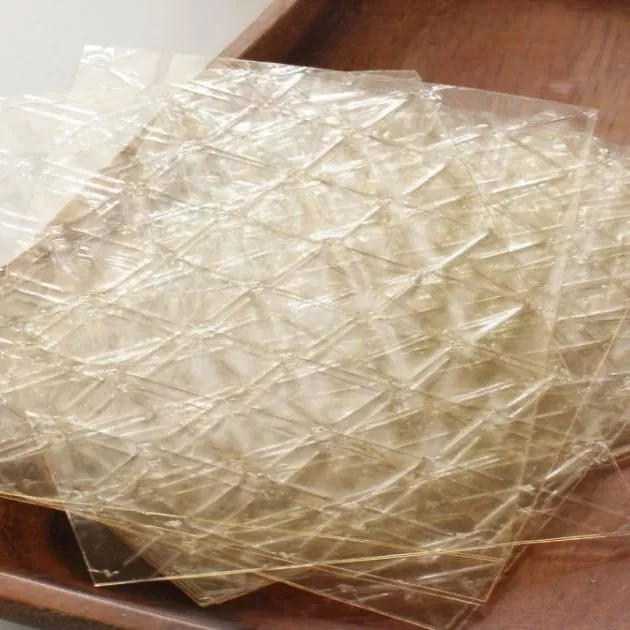
Our Gelatin Sheets are produced to precise standards, ensuring consistency and reliability across different Bloom grades (Silver being the most common professional choice).
Tel:+86 21 65010906
Cell/Whatsapp/Wechat:
+86 13482884055
+86 18657345785
Email: sales@beyondbiopharma.com





User Comments
Service Experience Sharing from Real Customers
Sarah
Product Development ManagerFinally, a plant-based protein that doesn't taste like cardboard. I've been testing this peptide blend for our new line of vegan recovery drinks, and the solubility is insane—no clumps, no grit. My colleagues are actually asking for samples. It's a game-changer for clean label formulations.
Marcus
CrossFit Coach / Nutrition ConsultantI recommended this to a few clients who struggle with bloating from whey. Two weeks in, they're reporting better digestion and steadier energy during WODs. Only reason I'm not giving 5 stars is the price point—it's a bit steep for daily use on a regular budget. But quality-wise? Top notch.
Priya
Senior Regulatory Affairs SpecialistWe evaluated this peptide ingredient for a new medical nutrition product targeting muscle wasting in elderly patients. The amino acid profile is remarkably close to whey, and the low allergen risk is a huge plus. Passed our heavy metal and microbial tests with flying colors. Very impressed.
Tom
Barista & Shift LeadI've been adding this unflavored peptide powder to my morning oat milk latte instead of my usual collagen. It froths up surprisingly well—no weird separation or chalkiness. Keeps me full until lunch. Just wish the scoop was a bit bigger, I end up doing two scoops anyway.