 English EN


Pea Protein Peptide vs. Whey: Can Plant Protein Build Comparable Muscle?
Pea protein peptide can build muscle comparable to whey when intake is sufficient, offering a plant-based, hypoallergenic option for muscle growth.
More
For overseas purchasing managers and R&D teams, sourcing a reliable plant protein hydrolysate often comes down to three pain points: batch-to-batch consistency, solubility in cold water, and the ability to mask or eliminate bitter flavors. These challenges are not trivial—they directly impact product texture, shelf life, and consumer acceptance. Plant protein hydrolysates, produced through controlled enzymatic hydrolysis, break down native plant proteins into smaller peptides and free amino acids. This process dramatically improves functional performance in food systems, from emulsification and foaming to rapid digestion and hypoallergenic profiles.
Plant protein hydrolysates are derived from sources like pea, rice, and soy. Through enzymatic hydrolysis, large protein molecules are cut into smaller peptide chains, typically with a molecular weight below 5,000 Da. This process enhances solubility across a wide pH range, improves heat stability, and reduces allergenicity compared to intact proteins. For food formulators, this means cleaner labels, better mouthfeel, and faster nutrient delivery. Whether you are developing a vegan sports drink or a plant-based yogurt, hydrolysates offer a functional edge that native flours or concentrates cannot match.
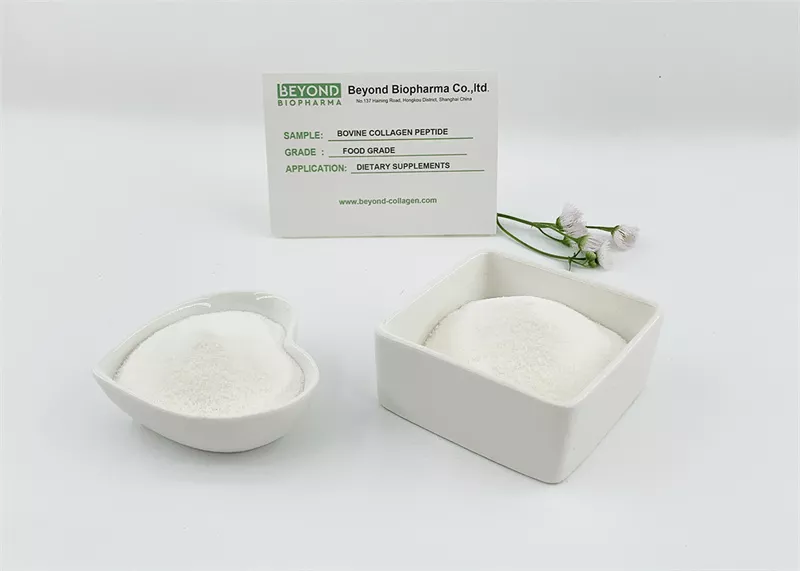
The working principle is straightforward: specific food-grade enzymes cleave peptide bonds at controlled temperatures and pH levels. This reduces molecular weight, exposes hydrophilic and hydrophobic groups, and increases surface activity. The result is a hydrolysate with superior emulsifying capacity—ideal for salad dressings and plant-based meats—and enhanced foaming properties for baked goods and whipped toppings. Additionally, the smaller peptides are absorbed more rapidly in the gut, making them perfect for sports nutrition and clinical supplements. The degree of hydrolysis (DH) can be tailored: a lower DH preserves some functional structure, while higher DH yields maximum solubility and bioactivity.
When evaluating plant protein hydrolysates, buyers should focus on protein content, molecular weight distribution, solubility, and sensory profile. Below is a table of common industry parameters. Note: these are typical ranges; final values should be confirmed per Certificate of Analysis (COA) and sample testing.
| Parameter | Typical Range | Notes |
|---|---|---|
| Protein Content (N x 6.25) | 80–90% | Dry basis; higher is preferred for clean label |
| Molecular Weight | Lower MW improves solubility and absorption | |
| Solubility (pH 7, 25°C) | ≥ 95% | Key for clear beverages and liquid supplements |
| Degree of Hydrolysis (DH) | 10–25% | Adjustable per application |
| Moisture | ≤ 8% | Ensures shelf stability |
| Heavy Metals (Pb, As, Cd, Hg) | Meets global food safety standards |
Typical industry range; final values per COA / sample.
Plant protein hydrolysates are versatile across multiple food and nutraceutical categories. Here is a breakdown by industry with selection guidance:
Beyond Biopharma, based in Shanghai, China, has over 10 years of experience in the food-ingredient industry, exporting to more than 50 countries. Our facility operates with a fully automatic production line, GMP clean workshop, and stainless-steel sealed piping with automated temperature and pH control. We produce approximately 3,000 MT/year of collagen and 5,000 MT/year of gelatin, alongside our undenatured collagen type II and high bloom gelatin for hard capsules lines. Our plant protein peptides—derived from pea, rice, and soy—are designed for allergen-free and vegan formulations. We hold ISO 9001, US FDA registration, and select Halal/Kosher certifications. Our in-house QA/QC lab conducts heavy-metal and microbiological testing on every batch. We offer three grades (food, pharmaceutical, cosmetic) and provide free samples with formulation support.
Q: What is the main difference between plant protein hydrolysates and intact plant protein isolates?
A: Hydrolysates are partially broken down into smaller peptides, offering higher solubility, faster absorption, and reduced allergenicity compared to isolates. They also exhibit better emulsifying and foaming properties, making them more functional in complex food systems.
Q: How do I avoid bitter off-flavors in my final product?
A: Bitterness is often caused by hydrophobic peptides released during hydrolysis. Selecting a hydrolysate with a controlled degree of hydrolysis (DH 10–15%) and using debittering enzymes or masking flavors can help. Many suppliers, including Beyond Biopharma, offer neutral-tasting variants.
Q: Are plant protein hydrolysates suitable for vegan and allergen-free certifications?
A: Yes. Pea and rice hydrolysates are naturally vegan and free from common allergens like soy, gluten, and dairy. Always verify with the supplier’s COA and allergen statement. Beyond Biopharma’s plant protein peptides are produced in dedicated lines to avoid cross-contamination.
Q: What molecular weight is best for clear beverage applications?
A: For clear beverages, a molecular weight below 3,000 Da is recommended. This ensures complete solubility at neutral pH and prevents haze formation. Fish collagen peptides are often used for similar clarity, but plant-based options are now equally effective.
Q: Can I combine plant protein hydrolysates with gelatin or collagen peptides?
A: Absolutely. Blending plant hydrolysates with bovine collagen peptide or fish collagen can create a complete amino acid profile. This is common in sports nutrition bars and joint health supplements. Beyond Biopharma offers both categories for custom formulations.
Q: What certifications should I look for when sourcing plant protein hydrolysates?
A: Key certifications include ISO 9001, GMP, Halal, Kosher, and US FDA registration. For organic claims, look for USDA Organic or EU Organic. Beyond Biopharma holds ISO 9001, US FDA registration, and select Halal/Kosher certifications for applicable products.
If you are evaluating plant protein hydrolysates for your next product line, we invite you to reach out. To help us provide the most accurate recommendation, please include the following details in your inquiry:
Beyond Biopharma can provide free samples and a competitive quote tailored to your needs. Our team is ready to support your formulation with technical data sheets and application guidance. Contact us today to start the conversation.

We provide you with comprehensive foreign trade solutions to help enterprises achieve global development
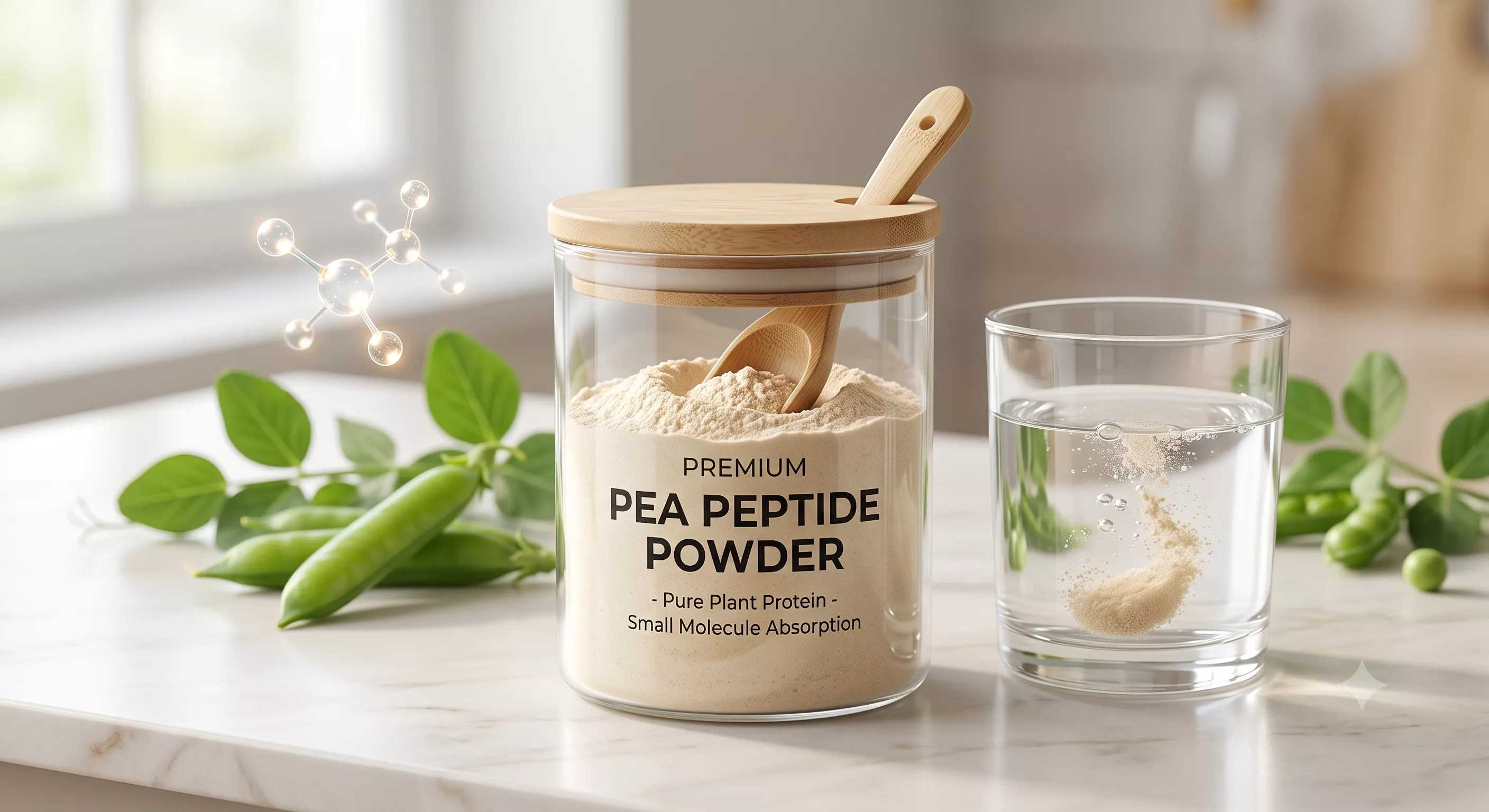
Source high-purity, hypoallergenic hydrolyzed pea peptide powder in bulk. Complete water solubility, rich in BCAAs, ideal for vegan recovery formulas.
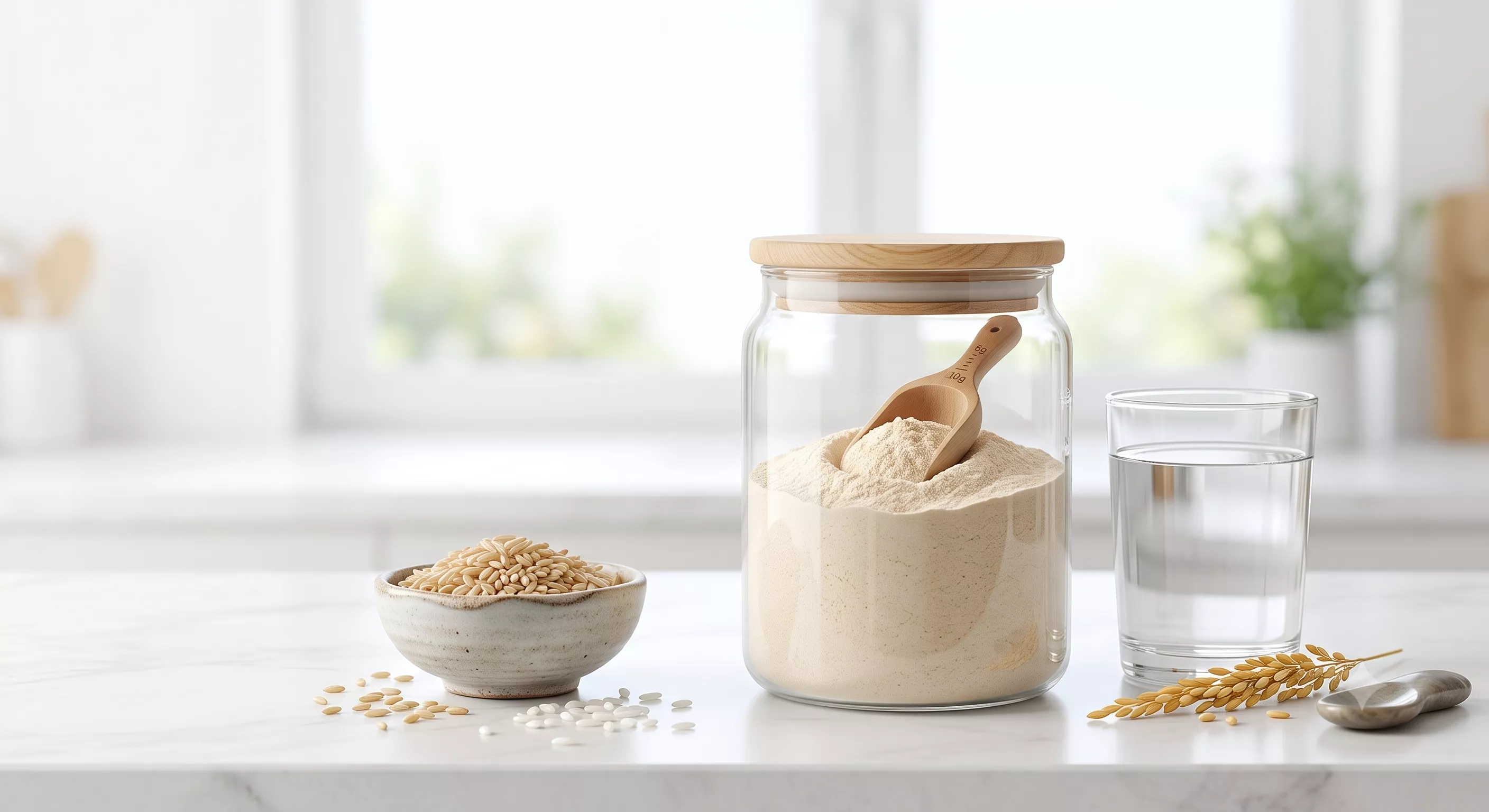
Source ultra-pure, 100% water-soluble wholesale hydrolyzed rice protein peptide in bulk. Over 85% molecules under 1000 Da. Ideal for infant nutrition, clean-label sports formulas, and sensitive skincare.
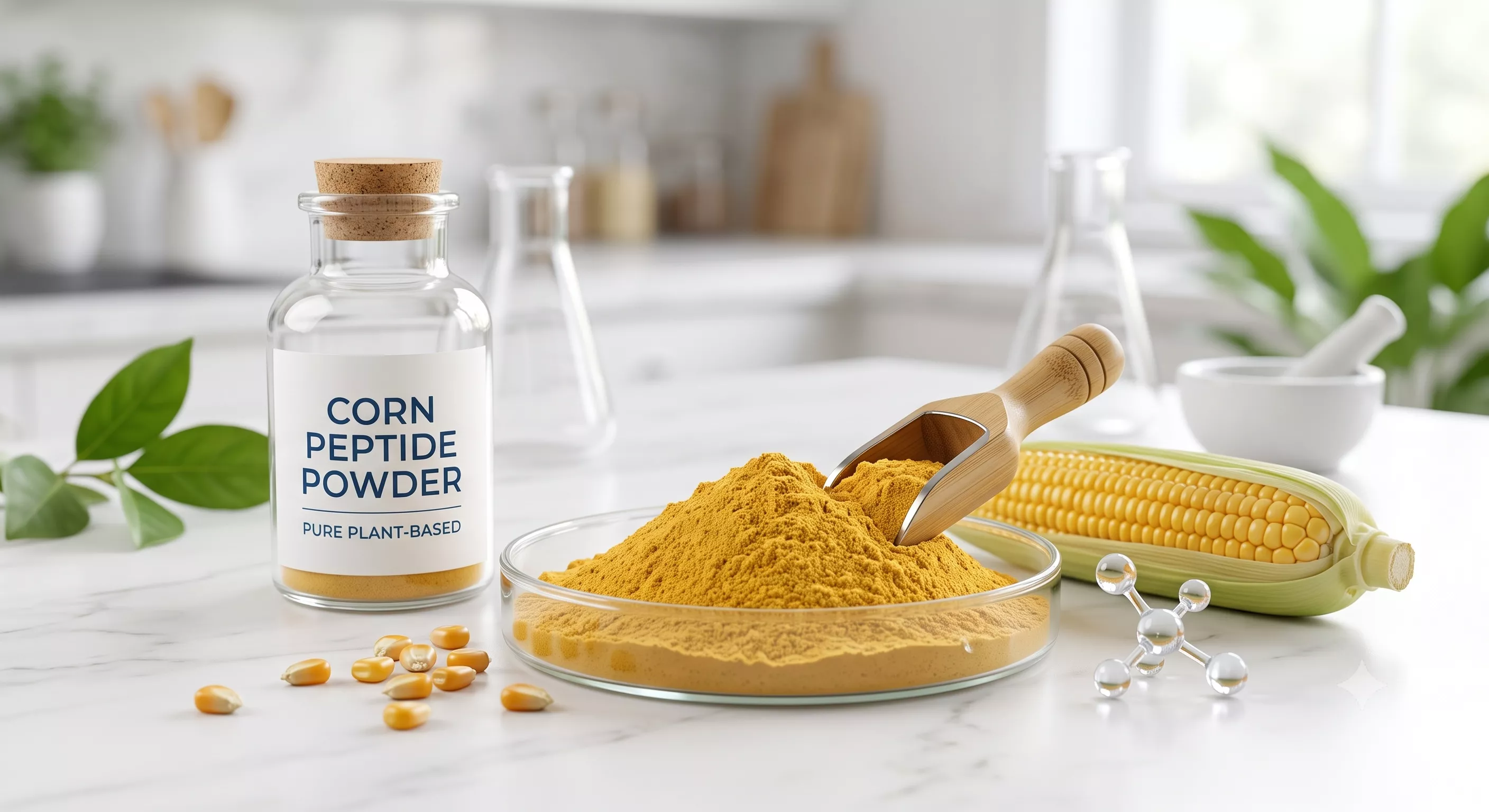
Source high-purity wholesale hydrolyzed corn protein peptide powder in bulk. Over 85% oligopeptides under 1000 Da. Rich in Alanine and Leucine for liver support and sobriety formulas.
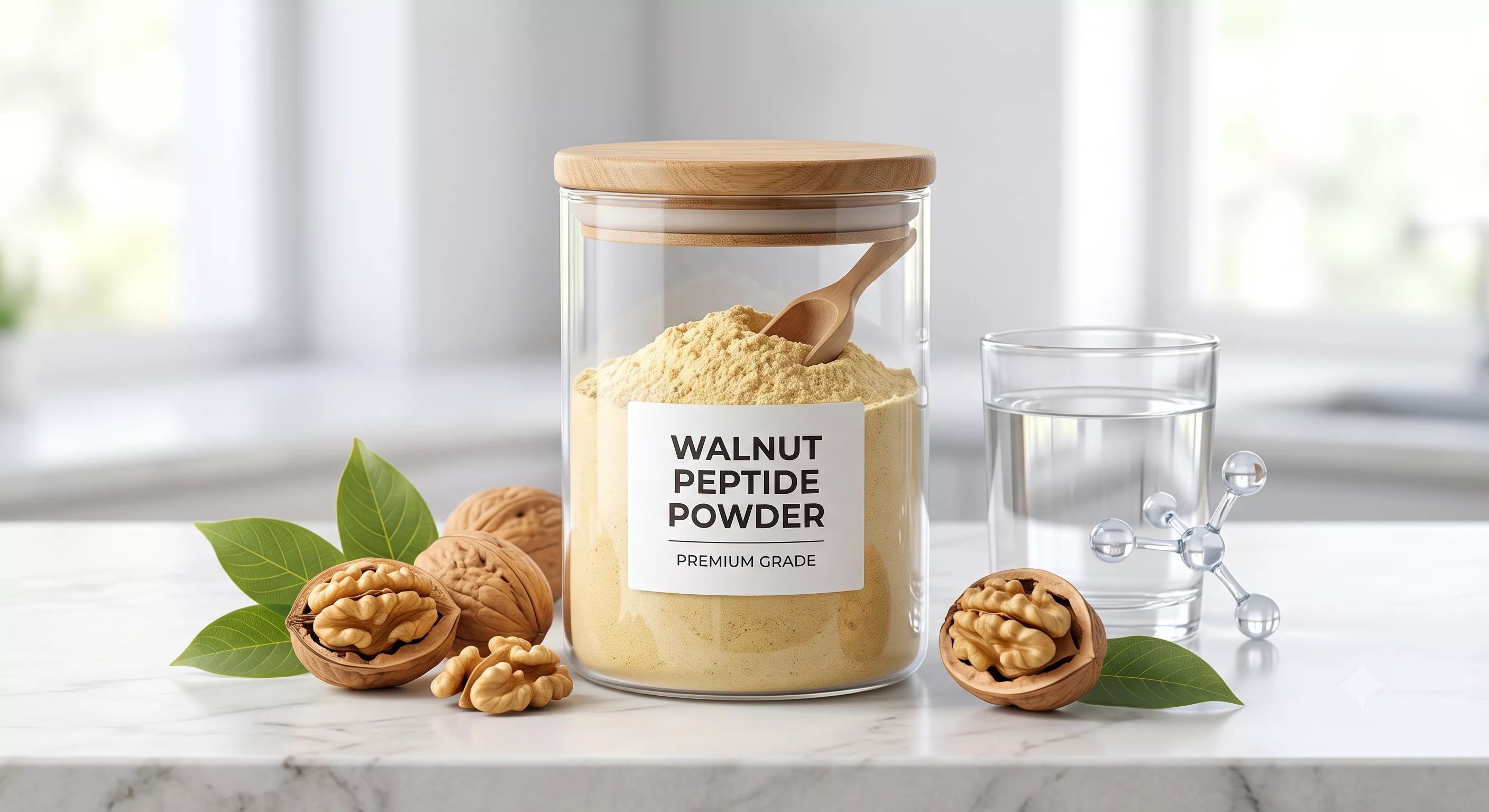
Source wholesale hydrolyzed walnut protein peptide powder in bulk. Over 85% low-molecular-weight oligopeptides rich in Glutamic Acid. Perfect for cognitive formulas and sleep aid supplements.
Select the most popular foreign trade service products to meet your diverse needs
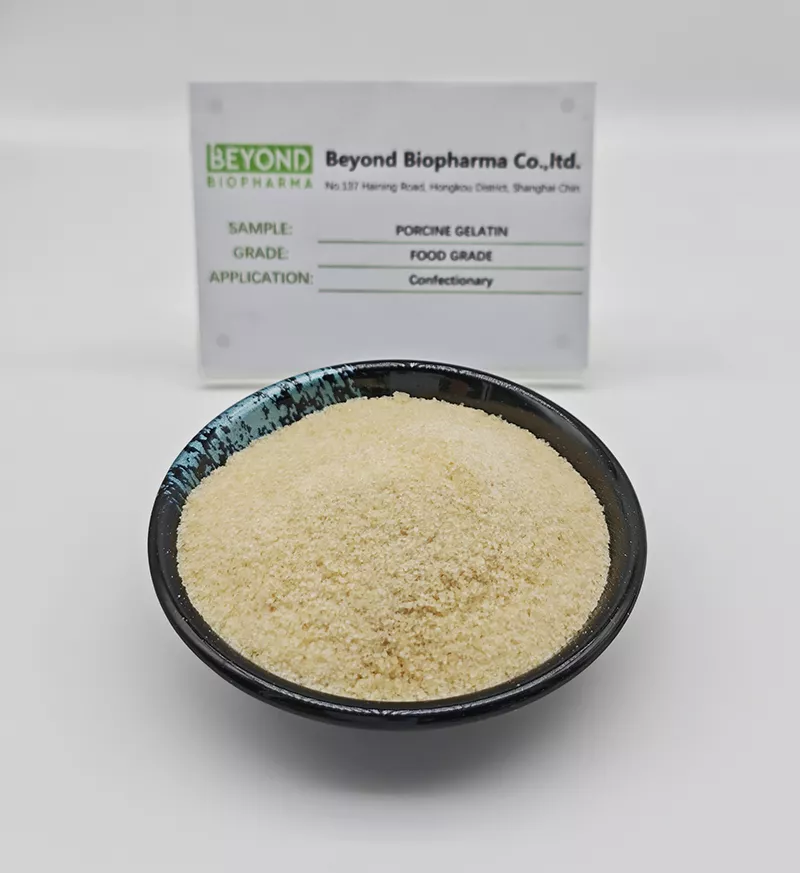
Food-grade porcine gelatin is a highly versatile and cost-effective natural protein derived from the collagen found in pig skin and bones. It is a premier gelling agent known for its exceptional clarity, neutral taste, and thermal reversibility.
Source wholesale hydrolyzed walnut protein peptide powder in bulk. Over 85% low-molecular-weight oligopeptides rich in Glutamic Acid. Perfect for cognitive formulas and sleep aid supplements.
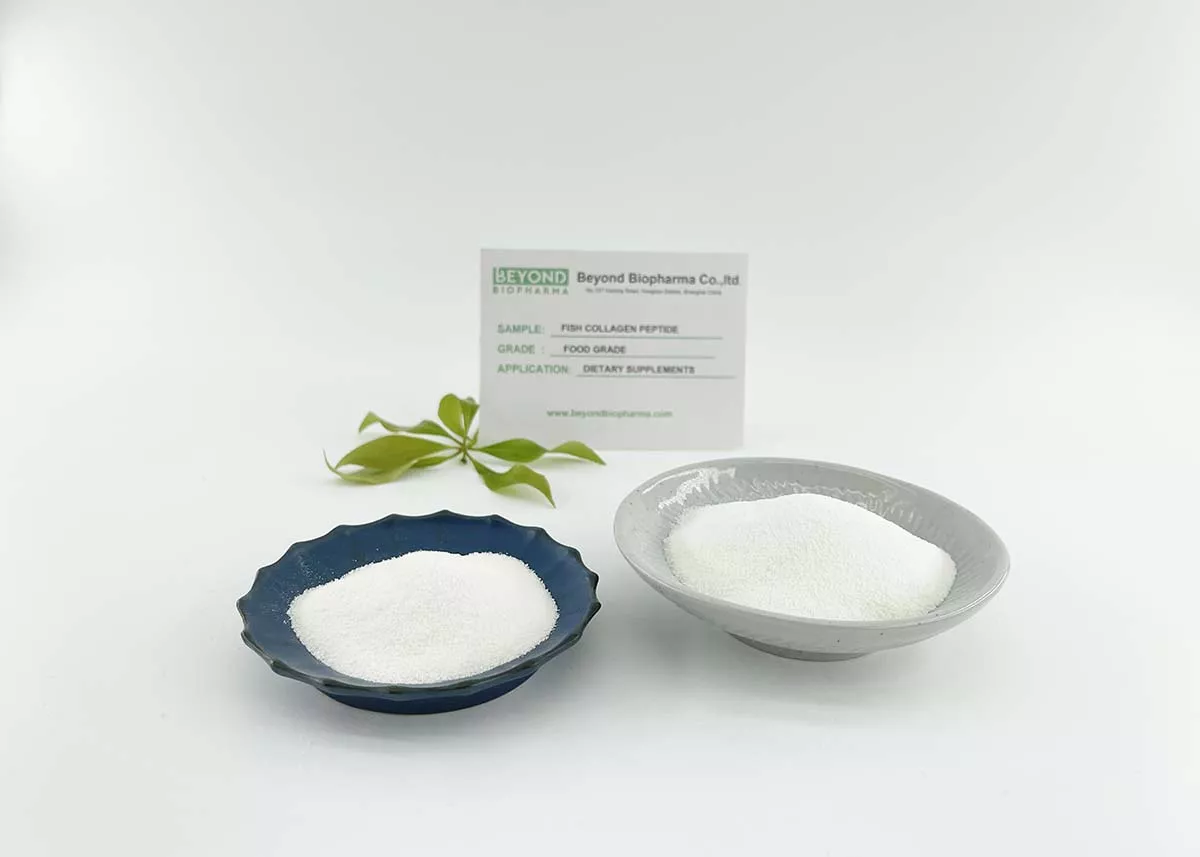
Premium marine-sourced collagen peptides with >90% protein content and low molecular weight (1000-3000 Da) for superior bioavailability. Sustainably sourced, neutral taste, and fully soluble—ideal for nutricosmetics and functional foods.
Tel:+86 21 65010906
Cell/Whatsapp/Wechat:
+86 13482884055
+86 18657345785
Email: sales@beyondbiopharma.com





User Comments
Service Experience Sharing from Real Customers
Mike
配方研发主管之前试过好几个牌子的植物水解蛋白,要么苦味压不下去,要么溶解度差。这个批次我们拿来做高蛋白即饮饮料,口感干净得让我意外,冷冲也不结块。已经在内部配方里把它列为标准原料了,成本控制也比预期好。
Emma
素食食品博主说实话,我买来纯粹是想在家复刻一下那种网红高蛋白芝士酱。结果成品拉丝效果居然很不错,而且没有那种豆腥味。唯一扣一星是因为包装袋封口设计不太友好,倒的时候容易洒出来。但产品本身绝对值得回购。
Tom
运动营养产品经理我们实验室测试了不同水解度的样品,这款在模拟胃液环境下的肽释放曲线非常理想。氨基酸谱也很全面,支链氨基酸含量高。已经推荐给采购部门作为下一批植物蛋白粉的候选原料。对于植物基运动补剂来说,这是目前性价比最高的选择。
Sophie
家庭烘焙爱好者我主要想用它来给全麦面包增加蛋白质含量,按照说明替换了10%的面粉。面包烤出来确实更软,但有一股淡淡的类似青草的味道,不是所有人都能接受。家人觉得还行,我自己更喜欢无味型的。可能更适合做咸味糕点或者能量球,不适合直接做甜面包。