Unlocking Functional Potential: Plant Peptides for Beverage Formulation
Article Summary: This article explores the role of plant peptides in modern beverage formulation, addressing common sourcing pain points like solubility, allergen compliance, and batch consistency. It covers production processes, typical specifications, application guidance, and how Beyond Biopharma supports buyers with custom plant peptide solutions. The content is designed for purchasing managers, R&D teams, and QA professionals seeking reliable, vegan-friendly protein ingredients.
When formulating functional beverages, sourcing a consistent, soluble, and allergen-free protein ingredient is a real challenge. Many buyers face issues with off-odors, poor dispersion, or limited certification options. Plant peptides offer a clean-label solution, providing hydrolyzed protein from sources like pea, rice, or soy, with improved bioavailability and neutral taste profiles. For overseas food-ingredient purchasing managers and nutraceutical R&D teams, understanding how to select and apply these peptides is key to product success.
How Are Plant Peptides Produced and Why Do They Work?
Plant peptides are typically produced through enzymatic hydrolysis, a controlled process that breaks down plant proteins into smaller peptide chains. This method enhances solubility in cold water and improves absorption in the human body. The amino acid profile varies by source—pea protein is rich in branched-chain amino acids (BCAAs), while rice protein offers a hypoallergenic option. For beverage formulators, this means faster mixing, reduced sedimentation, and a smoother mouthfeel compared to intact proteins.
What Are the Typical Specifications for Plant Peptides?
Buyers evaluating plant peptides should look at protein content, molecular weight, solubility, and allergen profile. Below is a table of common industry parameters (typical ranges; final values per COA and sample):
| Parameter |
Typical Range |
Notes |
| Protein Content |
80–90% |
Dry basis, varies by source |
| Molecular Weight |
Below 5,000 Da |
Hydrolyzed for fast absorption |
| Solubility |
High (≥95%) |
In cold water, pH 3–7 |
| Allergen Profile |
Source-dependent |
Pea/rice are allergen-free; soy contains soy allergen |
| Odor |
Low to neutral |
Key quality marker for beverages |
Note: These are typical industry ranges; final values should be confirmed via COA and sample testing.
What Are the Best Applications for Plant Peptides in Beverages?
Plant peptides are versatile and can be used across several beverage categories:
- Sports Nutrition: Ready-to-drink protein shakes and recovery drinks benefit from high BCAA content and rapid solubility.
- Plant-Based & Vegan Formulations: Pea and rice peptides are ideal for vegan protein waters and meal replacements, compatible with clean-label trends.
- Functional & Wellness Beverages: Add to immunity shots or beauty-from-within drinks for amino acid support without altering flavor.
- Pharmaceutical & Nutraceutical Applications: Use as a carrier or active ingredient in liquid supplements, especially where allergen-free certification is required.
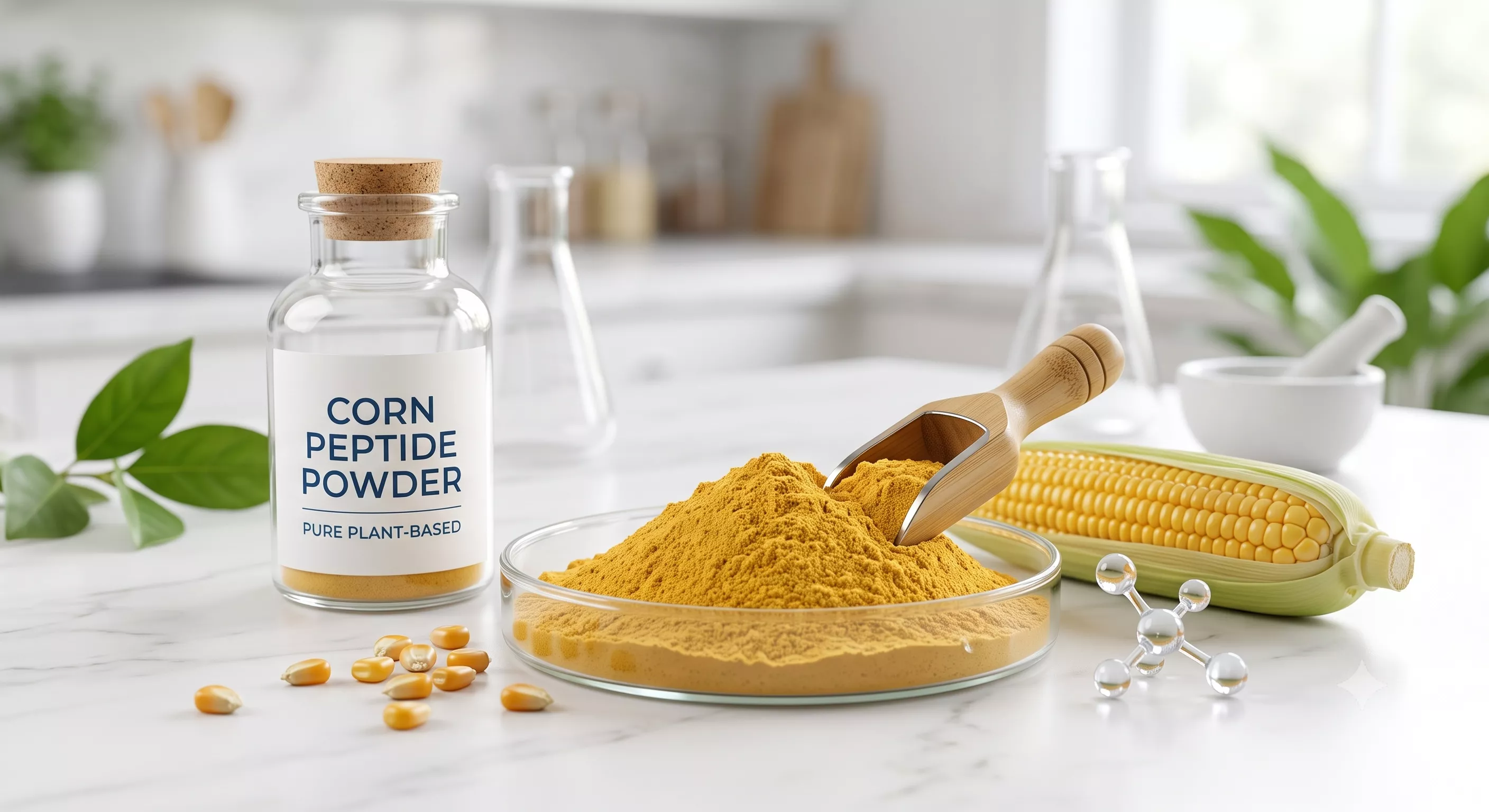
For selection guidance, consider your target market: if you need a vegan, non-GMO option, pea or rice peptides are strong choices. For cost-effective bulk formulations, soy peptides may work, but verify allergen labeling. Beyond Biopharma offers custom Plant Protein Peptide solutions tailored to your application needs.
Why Choose Beyond Biopharma for Plant Peptides?
Beyond Biopharma, based in Shanghai, China, has over 10 years of experience in the food-ingredient industry, exporting to more than 50 countries. Our facility produces approximately 3,000 MT of collagen peptides and 5,000 MT of gelatin annually, with a fully automatic production line, GMP clean workshop, and stainless-steel sealed piping. We hold ISO 9001 certification, are US FDA registered, and select products carry Halal or Kosher certifications. Our in-house lab performs heavy-metal and microbiological testing, supported by a dedicated QA/QC team. For plant peptides, we offer food-grade hydrolyzed options from pea, rice, and soy, compatible with vegan and allergen-free formulations. We also provide free samples and formulation support across three grades: food, pharmaceutical, and cosmetic. Explore our Edible Gelatin and Food Applications for complementary ingredients.
Frequently Asked Questions About Plant Peptides
1. What is the difference between plant peptides and collagen peptides?
Plant peptides are derived from plant sources like pea or rice, making them vegan-friendly and allergen-free. Collagen peptides come from animal sources (bovine, fish) and offer different amino acid profiles. Both are hydrolyzed for solubility, but plant peptides are preferred for plant-based formulations.
2. Are plant peptides soluble in cold water?
Yes, most hydrolyzed plant peptides are highly soluble in cold water, typically achieving over 95% solubility. This makes them ideal for ready-to-drink beverages and powdered mixes that require quick dispersion without heating.
3. Can plant peptides be used in clear beverages?
Yes, with proper processing. Low-molecular-weight plant peptides (below 3,000 Da) can produce clear or slightly opalescent solutions. For fully transparent beverages, filtration or specific enzymatic treatments may be needed. Always test with your specific formulation.
4. What certifications are available for plant peptides?
Beyond Biopharma offers plant peptides that are ISO 9001 certified and US FDA registered. Depending on the source, we can provide Halal and Kosher certifications. We also support non-GMO and allergen-free claims through documentation and COA.
5. How do I choose between pea, rice, and soy peptides?
Pea peptides offer high BCAA content and are allergen-free, ideal for sports nutrition. Rice peptides are hypoallergenic and neutral in taste, good for sensitive formulations. Soy peptides are cost-effective but contain soy allergen. Consider your target market, allergen labeling, and flavor profile.
6. What is the typical molecular weight for plant peptides?
The typical molecular weight for plant peptides is below 5,000 Da, with many products averaging 2,000–3,000 Da. Lower molecular weight means faster absorption and better solubility, but may also affect bitterness. Your supplier can adjust hydrolysis conditions to match your application.
Request a Quote and Free Samples
Ready to evaluate plant peptides for your next beverage project? Contact Beyond Biopharma with your application details, required grade (food, pharmaceutical, or cosmetic), estimated quantity or MOQ, target specifications (protein content, molecular weight, certifications), and destination country. We will provide free samples and a competitive quote tailored to your needs. Our team is here to support your formulation and selection process with technical data and bulk supply options. Plant peptides can unlock new functional potential for your products—reach out today to get started.

 English EN








User Comments
Service Experience Sharing from Real Customers
Megan
Senior Beverage DeveloperI've been testing plant peptide blends for over a year now, and this formulation is a game-changer. The solubility is exceptional—no grit, no off-flavors. Our sports drink line finally has a clean-label protein boost that actually tastes good. My team was skeptical, but after the first blind taste test, they were sold. Highly recommend for anyone looking to bridge the gap between functional and delicious.
Raj
R&D ChemistWe used these peptides in a new ready-to-drink tea concept. The stability under acidic conditions (pH 3.5) was surprisingly solid—no precipitation after two weeks of accelerated shelf-life testing. Only dropped a star because I wish the peptide concentration options were a bit more flexible for our specific dosage targets, but the customer support team was quick to help us tweak the blend. Would buy again.
Lena
Wellness Brand FounderAs a small brand owner, finding a peptide source that doesn't require a chemistry degree to incorporate into a simple juice blend is a miracle. This stuff mixes into cold-pressed green juice with zero clumping and barely any flavor impact. Our customers love the added satiety without the chalky aftertaste. It’s become our best-seller. Shipping was fast and the batch consistency has been spot-on.
Tommy
Quality Assurance ManagerWe ran these peptides through our full panel—micro, heavy metals, allergen cross-contact—and everything came back clean. Very impressed with the supplier's transparency on the source material. The only reason I'm not giving a full 5 is that the powder is a bit dusty during mixing if you don't wet it first, but that's common with high-purity peptides. Great for our plant-based protein water line.