This article explores the science behind plant-derived peptides and their role in skin health formulations. For nutraceutical manufacturers, functional food brands, and product developers, understanding how hydrolyzed plant proteins differ from traditional plant proteins is critical. We examine key benefits, application scenarios, and sourcing considerations to help you make informed ingredient decisions.
Plant-derived peptides offer superior digestibility and solubility compared to intact plant proteins, addressing common formulation challenges.
Enzymatic hydrolysis technology enables precise molecular weight control, enhancing bioavailability and functional performance.
These ingredients are versatile across sports nutrition, functional foods, dietary supplements, and aging-related nutrition products.
Evaluating supplier quality through raw material traceability, technical specifications, and regulatory certifications is essential for consistent results.
Plant-derived peptides are short chains of amino acids produced through the enzymatic hydrolysis of plant proteins. Unlike intact plant proteins, which consist of long polypeptide chains that require extensive digestion, peptides are pre-digested fragments with lower molecular weights. This structural difference directly impacts their functional properties in food and supplement formulations.
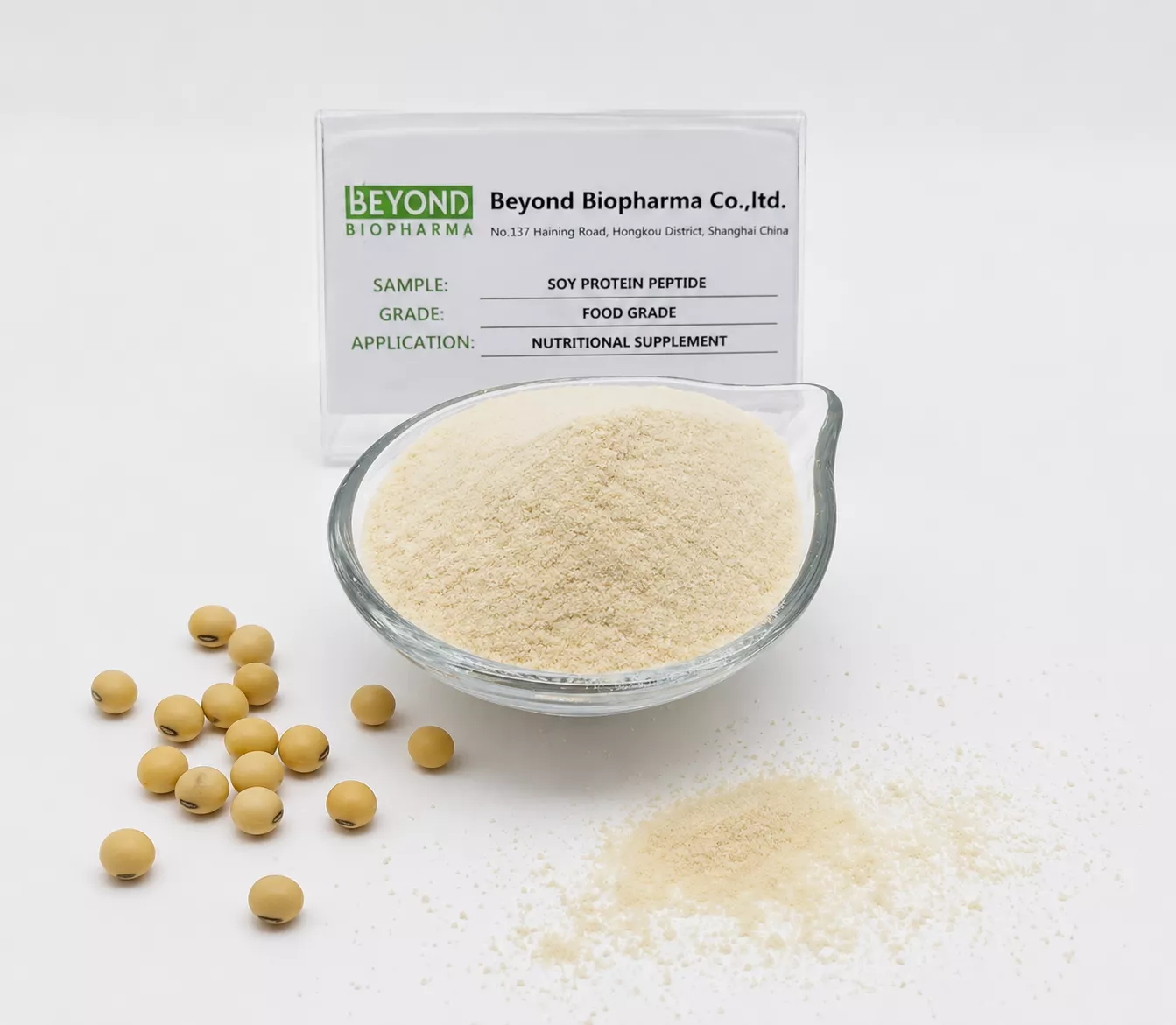
Common raw material sources include pea, soy, rice, wheat, corn, potato, mung bean, sunflower seed, and pumpkin seed. Each source offers a unique amino acid profile and functional characteristics. For example, rice protein peptides are known for their neutral flavor and high digestibility, while pea peptides provide a balanced amino acid profile suitable for vegan protein ingredients.
The production process typically involves protein extraction, followed by controlled enzymatic hydrolysis using food-grade proteases. The hydrolysate is then purified, concentrated, and spray-dried into a fine powder. The degree of hydrolysis (DH) is a critical parameter that determines peptide chain length, solubility, and bioactivity. Industry experience indicates that peptides with molecular weights between 500 and 3000 Da often exhibit optimal functional properties for nutraceutical applications.
Key characteristics of plant-derived peptides include high solubility across a wide pH range, excellent dispersibility in aqueous systems, and improved digestibility compared to intact proteins. These properties make them valuable for formulating clear protein beverages, high-protein snacks, and liquid nutritional supplements where traditional plant proteins may cause sedimentation or poor mouthfeel.
The transition from intact plant proteins to plant protein peptides represents a significant advancement in ingredient technology. The primary advantage lies in enhanced digestibility and absorption. Intact proteins require gastric acid and pepsin for initial breakdown, followed by pancreatic enzymes for further hydrolysis. Peptides, being smaller, can be absorbed more rapidly through peptide transporters in the intestinal lining. Research suggests that di- and tripeptides may be absorbed more efficiently than free amino acids or intact proteins.
Improved solubility is another critical benefit. Traditional plant proteins often exhibit poor solubility near their isoelectric point (pH 4-5), leading to precipitation in acidic beverages. Hydrolyzed plant protein, however, maintains solubility across a broader pH range, enabling formulation in sports drinks, fruit juices, and other acidic products without compromising clarity or stability.
From a formulation perspective, plant protein hydrolysates offer greater flexibility. They can be incorporated into clear liquids, gels, bars, and powders with minimal impact on texture. Their lower viscosity at high concentrations also allows for higher protein loading in ready-to-drink products. Under typical formulation conditions, replacing 30-50% of intact protein with peptides can significantly improve mouthfeel and reduce chalkiness.
Beyond basic nutrition, bioactive peptides derived from plant sources may contribute to specific physiological functions. Depending on the parent protein and hydrolysis conditions, peptides can exhibit antioxidant, ACE-inhibitory, or opioid-like activities. While these effects are concentration-dependent and require further clinical validation, they represent an area of growing interest for functional food development.
Plant-derived peptides find application across multiple product categories. Below is a comparison of their performance relative to traditional plant proteins in common formulation scenarios:
| Property | Traditional Plant Protein | Plant Protein Peptides |
|---|---|---|
| Digestibility | Moderate; requires complete enzymatic breakdown | High; pre-hydrolyzed for rapid absorption |
| Solubility | Poor near isoelectric point; limited pH range | Excellent across pH 2-8; stable in acidic systems |
| Formula Flexibility | Limited; often requires stabilizers or emulsifiers | High; compatible with clear liquids, gels, and bars |
| Mouthfeel | Chalky or gritty at high concentrations | Smooth; minimal texture impact |
| Application Scope | Powders, bars, some baked goods | Beverages, gels, supplements, functional foods |
In sports nutrition, rapid protein absorption is critical for post-exercise recovery. Plant protein peptides provide a fast-acting amino acid source without the digestive burden associated with intact proteins. They are commonly used in recovery shakes, intra-workout drinks, and protein gels. ✅ Product positioning advice: Market as "fast-absorbing plant protein" for vegan athletes. ✅ Recommended application: Ready-to-drink beverages at 5-10% peptide concentration. ✅ Formulation considerations: Monitor bitterness, as extensive hydrolysis can produce bitter peptides. Blending with flavors or using debittering enzymes may be necessary.
Clear protein beverages are a growing category, but traditional plant proteins cause turbidity. Hydrolyzed plant protein, with its high solubility, enables transparent formulations. ✅ Product positioning advice: Highlight "clarity and clean label." ✅ Recommended application: Fruit-flavored waters, isotonic drinks at 2-5% protein. ✅ Formulation considerations: Use peptides with molecular weight below 1000 Da for optimal clarity. Adjust pH to 3-4 for stability.
For general wellness products, peptides offer a convenient way to increase protein content without altering texture. They are used in meal replacement powders, nutrition bars, and fortified snacks. ✅ Product positioning advice: Emphasize "easy digestion" and "plant-based nutrition." ✅ Recommended application: Powder blends at 10-20% peptide inclusion. ✅ Formulation considerations: Ensure peptide source complements the overall amino acid profile. Rice and pea blends are common for balanced nutrition.
Older adults often have reduced digestive capacity. Peptides provide an easily assimilated protein source that supports muscle maintenance. ✅ Product positioning advice: Target "senior nutrition" with "gentle on the stomach." ✅ Recommended application: Liquid nutritional supplements at 3-6% peptide content. ✅ Formulation considerations: Use low-viscosity peptides to maintain drinkability. Consider adding digestive enzymes for further support.
In meat and dairy alternatives, peptides can improve texture and nutritional profile. They act as emulsifiers and can enhance water-binding capacity. ✅ Product positioning advice: Highlight "functional clean-label ingredient." ✅ Recommended application: Plant-based yogurts, cheeses, and meat analogs at 1-3% peptide addition. ✅ Formulation considerations: Select peptides with neutral flavor to avoid off-notes. Test compatibility with other hydrocolloids.
Selecting a reliable supplier is crucial for consistent product quality. Key evaluation criteria include:
Raw material quality: Verify the source and traceability of plant proteins. Non-GMO, organic, or sustainably sourced materials may be preferred depending on market positioning.
Enzymatic hydrolysis technology: Assess the supplier's ability to control degree of hydrolysis and molecular weight distribution. Consistent batch-to-batch performance is essential.
Product stability: Evaluate shelf-life data, including solubility, flavor, and microbiological stability under accelerated conditions.
Quality management systems: Look for certifications such as ISO 22000, FSSC 22000, GMP, HACCP, Halal, and Kosher. These indicate robust quality control processes.
Regulatory compliance: Ensure the product meets relevant food safety regulations in target markets, including GRAS status in the US or Novel Food approval in the EU.
A practical procurement checklist includes:
✅ Raw material traceability documentation
✅ Complete technical data sheet with molecular weight profile
✅ Certificate of analysis for each batch
✅ Application development support and formulation guidance
✅ Supply chain stability and lead time information
Plant protein peptides are produced by enzymatic hydrolysis, breaking long protein chains into shorter fragments. This results in higher solubility, faster digestibility, and better formulation flexibility compared to intact plant proteins.
Yes. A higher degree of hydrolysis produces shorter peptides with improved solubility and digestibility but may increase bitterness. Optimal performance depends on the intended application. For clear beverages, a DH of 15-25% is common; for general supplementation, 10-15% may be preferred.
They are ideal for clear protein beverages, sports nutrition drinks, liquid supplements, and functional foods where solubility and mouthfeel are critical. They also work well in high-protein bars and powders where texture improvement is desired.
Key indicators include molecular weight distribution, solubility profile, amino acid composition, and microbiological purity. Request a certificate of analysis and technical data sheet from the supplier. Look for certifications like ISO, GMP, and Halal to ensure consistent quality.
Plant-derived peptides represent a technically advanced ingredient category that addresses key limitations of traditional plant proteins. Their enhanced solubility, digestibility, and formulation versatility make them valuable for sports nutrition, functional foods, dietary supplements, and aging-related products. For manufacturers and product developers, integrating plant protein hydrolysates into new or existing formulations can improve product performance and meet growing consumer demand for plant-based nutrition.
To move forward, consider requesting technical documentation from qualified suppliers, including molecular weight profiles and application guides. Engaging with an application engineer early in the development process can help optimize peptide selection for your specific product requirements. For those exploring plant-derived peptides from rice or other sources, evaluating supplier capabilities against the criteria outlined above will support informed sourcing decisions.



Tel:+86 21 65010906
Cell/Whatsapp/Wechat:
+86 13482884055
+86 18657345785
Email: sales@beyondbiopharma.com


 English EN




