The Role of Plant Peptides for Clinical Nutrition in Modern Dietary Protocols
Plant peptides are emerging as a key ingredient in clinical nutrition, offering a sustainable, allergen-friendly protein source for modern dietary protocols. For overseas buyers—whether you are a purchasing manager sourcing ingredients for nutraceutical brands or a pharmaceutical QA evaluating excipient options—understanding the functional benefits and quality benchmarks of plant peptides is essential. This article explores how plant peptides for clinical nutrition can address common sourcing pain points like batch consistency, solubility, and certification barriers, while providing practical guidance for formulation.
What Are Plant Peptides and Why Do They Matter in Clinical Nutrition?
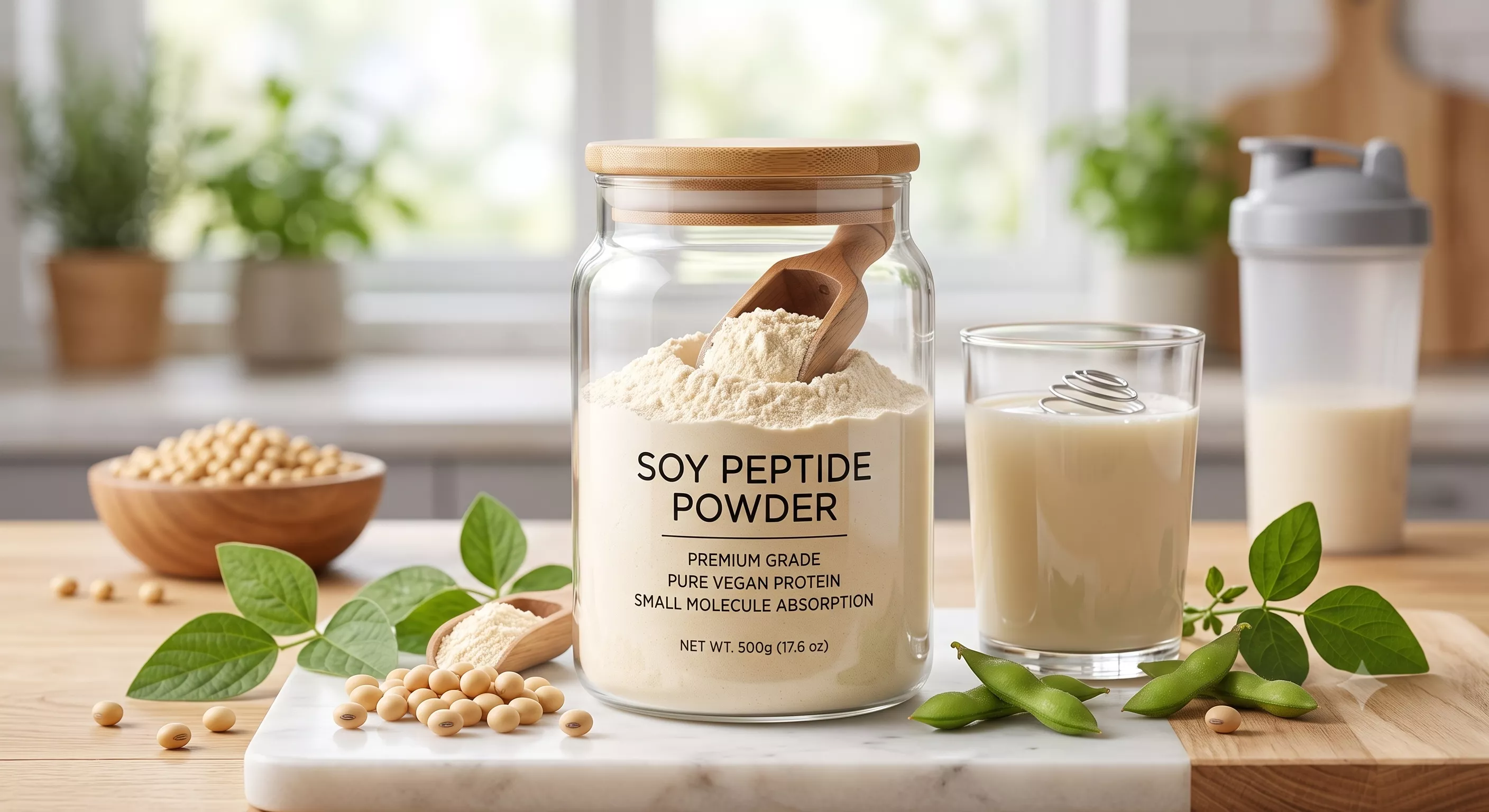
Plant peptides are short-chain amino acid sequences derived from plant proteins like pea, rice, or soy through enzymatic hydrolysis. They are designed to be easily absorbed by the body, making them ideal for clinical nutrition applications where rapid protein delivery is critical—such as post-surgery recovery, sports nutrition, and medical foods. Unlike whole proteins, plant peptides have a molecular weight typically below 5,000 Da, which enhances solubility and digestibility. For buyers, this means fewer issues with grittiness or poor mixing in liquid formulations, a common pain point when working with standard plant proteins.
How Are Plant Peptides Produced for Clinical Use?
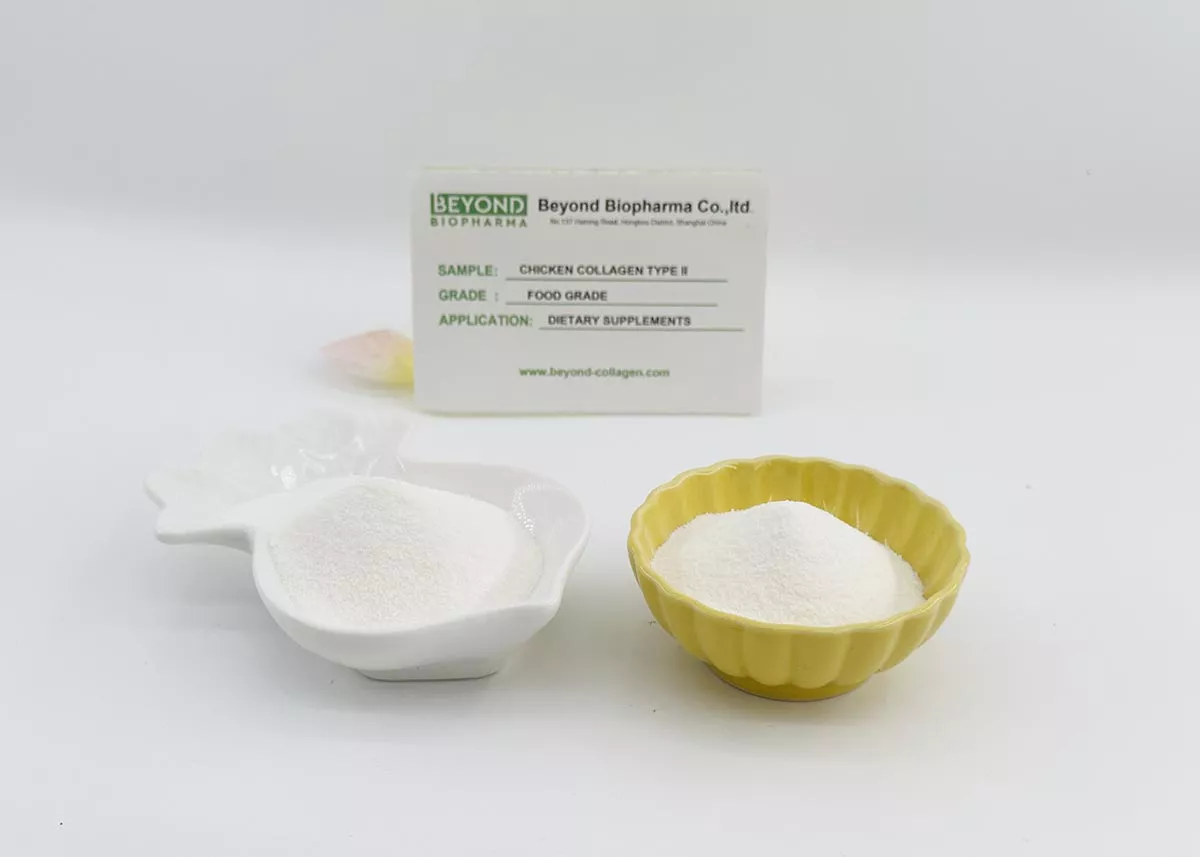
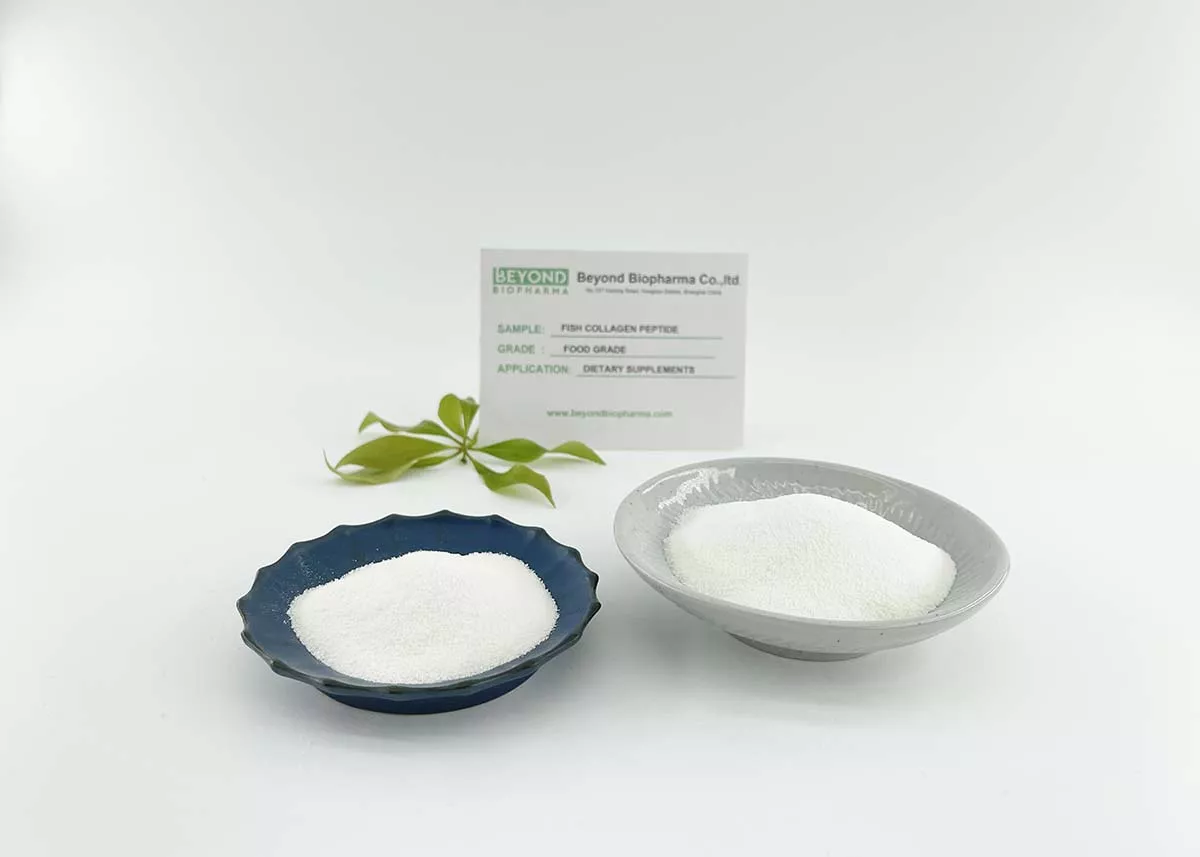
The production process involves selecting a plant protein source—such as pea, rice, or soy—and breaking it down using controlled enzymatic hydrolysis. This process is similar to how bovine collagen peptide is produced, but tailored for plant-based inputs. Key parameters include temperature, pH, and enzyme type, which determine the final peptide profile. For clinical nutrition, manufacturers aim for a consistent molecular weight distribution to ensure predictable absorption rates. The resulting powder is highly soluble in cold water, neutral in taste, and free from common allergens like dairy or gluten when sourced properly.
What Are the Typical Specs for Plant Peptides in Clinical Nutrition?
Below is a table of common parameter ranges for plant peptides used in clinical nutrition. These are typical industry ranges; final values should be confirmed per Certificate of Analysis (COA) or sample.
| Parameter |
Typical Range |
Notes |
| Protein Content |
80–90% |
High purity for clinical efficacy |
| Molecular Weight |
| Ensures rapid absorption |
| Solubility |
≥95% in cold water |
Key for liquid formulations |
| Moisture |
≤8% |
Standard for shelf stability |
| Allergen Profile |
Varies by source |
Pea and rice are hypoallergenic |
Note: These are generic industry parameters. Always request a COA from your supplier for exact specifications.
Applications of Plant Peptides in Clinical Nutrition
Plant peptides for clinical nutrition are versatile and can be integrated into various dietary protocols. Here are key application areas with selection guidance:
- Sports Nutrition: Plant peptides support muscle recovery and repair. Look for low molecular weight (edible gelatin for gummy formulations.
- Medical Foods: For patients with digestive issues, plant peptides are easier to tolerate than whole proteins. Rice-based peptides are often preferred for their neutral flavor and hypoallergenic profile.
- Vegan and Plant-Based Formulations: Plant peptides are essential for vegan clinical nutrition products. They can be used in ready-to-drink shakes, bars, and powders. Pea and soy peptides offer a complete amino acid profile.
- Beauty-from-Within: While collagen peptides are more common for skin health, plant peptides can be combined with undenatured collagen type II for joint and skin support in vegan-friendly products.
Why Choose Beyond Biopharma for Plant Peptides?
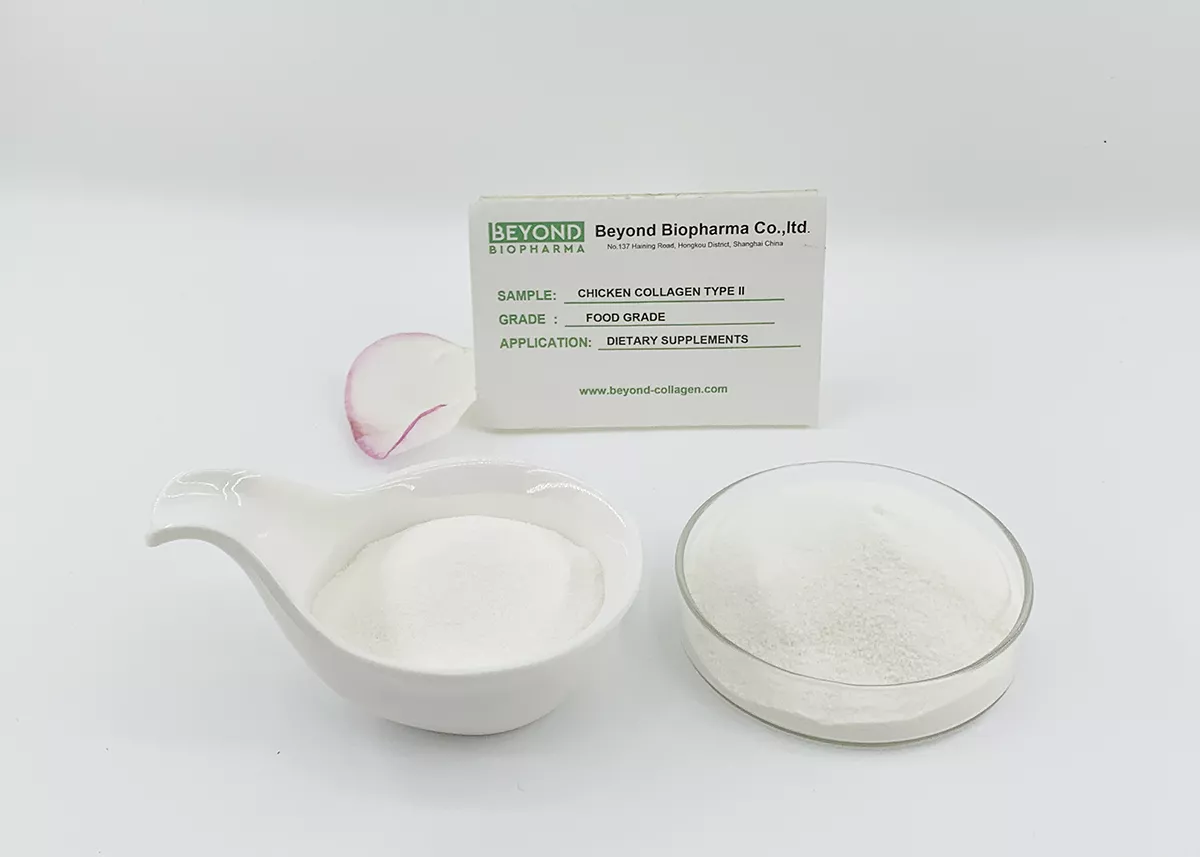
Beyond Biopharma, based in Shanghai, China, is a manufacturer with over 10 years of experience in the food-ingredient industry, exporting to 50+ countries. Our standardized gelatin sheets and peptide products are produced in a GMP clean workshop with fully automatic production lines and stainless-steel sealed piping. We hold ISO 9001 certification and are US FDA registered. Select products carry Halal or Kosher certifications, and our bovine bone gelatin is BSE-free. Our in-house lab conducts heavy-metal and microbiological testing, supported by a dedicated QA/QC team. For plant peptides, we offer food, pharmaceutical, and cosmetic grades, with custom bulk supply and formulation/OEM support. We provide free samples and selection assistance to help you find the right fit for your clinical nutrition needs.
Frequently Asked Questions About Plant Peptides for Clinical Nutrition
Q: What is the difference between plant peptides and plant protein isolates?
A: Plant peptides are hydrolyzed into smaller chains (typically
Q: Are plant peptides suitable for vegan and allergen-free formulations?
A: Yes. Pea and rice peptides are naturally free from common allergens like dairy, gluten, and soy. They are ideal for vegan clinical nutrition products and can be certified vegan upon request.
Q: How do I ensure batch consistency when sourcing plant peptides?
A: Work with a manufacturer that uses automated temperature and pH control during hydrolysis, like Beyond Biopharma. Always request a COA for each batch to verify molecular weight, protein content, and solubility.
Q: Can plant peptides replace collagen peptides in clinical nutrition?
A: Not directly, as they have different amino acid profiles. Plant peptides are rich in branched-chain amino acids (BCAAs) for muscle support, while collagen peptides are high in glycine and proline for joint and skin health. They can complement each other in formulations.
Q: What certifications should I look for in plant peptide suppliers?
A: Look for ISO 9001, FDA registration, and GMP compliance. For specific markets, Halal or Kosher certifications may be required. Beyond Biopharma offers these for select products.
Q: How do I test the quality of plant peptide samples?
A: Evaluate solubility in cold water, taste neutrality, and molecular weight distribution via lab analysis. Beyond Biopharma provides free samples and can share COA data for your review.
Request a Quote for Plant Peptides
If you are sourcing plant peptides for clinical nutrition, we invite you to share your requirements. Please provide your application (e.g., sports nutrition, medical food, vegan formulation), required grade (food, pharmaceutical, or cosmetic), estimated quantity or MOQ, target specifications (molecular weight, protein content, solubility), and destination country. Beyond Biopharma will send free samples and a tailored quote. Contact us to start the process and see how our plant peptides can support your modern dietary protocols.

 English EN








User Comments
Service Experience Sharing from Real Customers
Emily Carter
Registered DietitianI’ve been recommending plant-based peptide supplements for post-surgery recovery in my practice for about six months now. The bioavailability is genuinely impressive—my patients report less bloating compared to whey, and the amino acid profile holds up well in clinical settings. A solid 5 stars from someone who’s picky about sourcing.
Carlos Mendez
Sports Nutrition ConsultantHonestly, I was skeptical at first—thought plant peptides wouldn’t cut it for high-demand athletes. But after trying this on a few endurance clients, I’ve seen faster recovery times and less GI distress. Not perfect (taste could be better), but for clinical nutrition it’s a real game-changer.
Sarah Lin
Senior Research ScientistWe ran a small internal trial comparing this to standard animal-based peptides for elderly patients with swallowing difficulties. The solubility and neutral flavor made it much easier to incorporate into liquid feeds. Data shows comparable nitrogen retention. Very promising for geriatric clinical nutrition.
Jack Morrison
Critical Care NurseI work in the ICU, and we’ve started using these plant peptides for enteral feeding in patients with dairy allergies. The nursing staff noticed fewer formula interruptions due to intolerance. Downside: it clumps a bit if you don’t mix fast enough. But overall, a solid option for sensitive patients.