
EN
Blending pea, rice, and soy peptides creates a complete source of essential amino acids. Vegan protein peptides represent a major advancement in nutrition, offering high-quality options for those who avoid animal products. Beyond Biopharma’s Plant Protein Peptide delivers a reliable, plant-based solution with a full amino acid profile. Essential amino acids support muscle health, growth, and overall wellness. Demand for vegan and allergen-conscious proteins continues to rise.
The global plant-based protein market is projected to reach USD 90.06 billion by 2034, with a growth rate of 14.1% from 2026 to 2034.
About 68% of people worldwide have lactose malabsorption, increasing interest in vegan alternatives.
Blending pea, rice, and soy proteins creates a complete source of essential amino acids, supporting muscle health and overall wellness.
Essential amino acids are crucial for growth, tissue repair, and maintaining health; they must be obtained from food sources.
Combining different plant proteins ensures a balanced amino acid profile, making it easier for vegans to meet their nutritional needs.
Hydrolyzed vegan protein peptides improve digestibility and absorption, making nutrients more available for muscle recovery and energy.
Choosing high-quality, allergen-conscious vegan protein products supports both personal health and environmental sustainability.
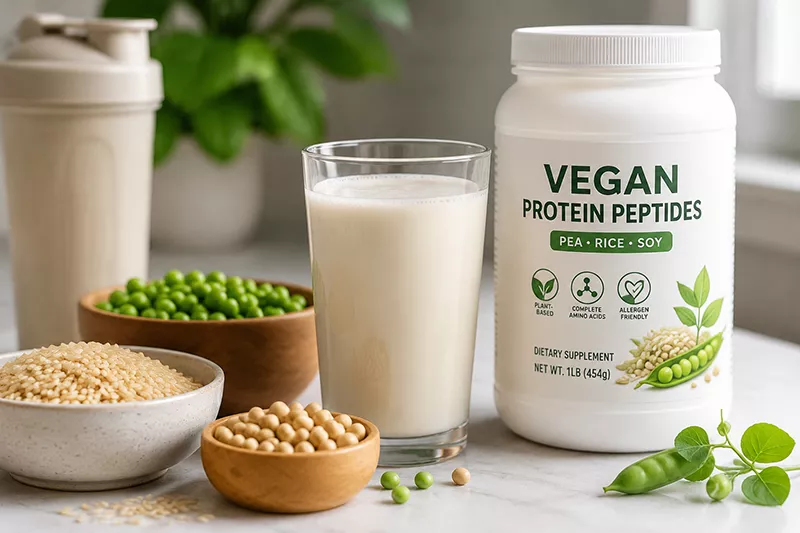
Essential amino acids are nutrients that the human body cannot produce on its own. People must get these amino acids from food sources. These nutrients play a key role in growth, tissue repair, and maintaining overall health. Each essential amino acid supports a specific function in the body. For example, some help build muscle, while others aid in metabolism or support the nervous system.
Here is a table showing the nine essential amino acids and their main functions:
Essential Amino Acids | Description |
|---|---|
Histidine | Important for growth and tissue repair |
Isoleucine | Helps with muscle metabolism |
Leucine | Stimulates muscle protein synthesis |
Lysine | Essential for protein synthesis |
Methionine | Important for metabolism and detoxification |
Phenylalanine | Precursor for neurotransmitters |
Threonine | Important for protein balance |
Tryptophan | Precursor for serotonin |
Valine | Important for muscle growth and repair |
Amino acids are vital for many reasons:
They support proper growth in children.
Older adults need them to maintain muscle mass.
Athletes rely on amino acids for muscle repair after exercise.
Some amino acids help regulate sleep and support immune and cognitive functions.
A complete protein contains all nine essential amino acids in the right amounts. Foods like fish, poultry, eggs, beef, pork, dairy, and whole soy products are examples of complete proteins. Plant-based proteins often lack one or more essential amino acids. This makes it important for vegans to combine different plant sources to get a full range of amino acids.
Complete proteins are crucial for vegans and active people. These proteins help with muscle repair and support the immune system. Many plant proteins are missing some essential amino acids, so blending sources like pea, rice, and soy can fill the gaps. Eating a variety of plant-based foods ensures that the body gets enough amino acids for health and performance.
Tip: Nutrition experts recommend that vegans aim for about 1 gram of protein per kilogram of body weight each day. A balanced diet with diverse plant proteins can help meet this goal.
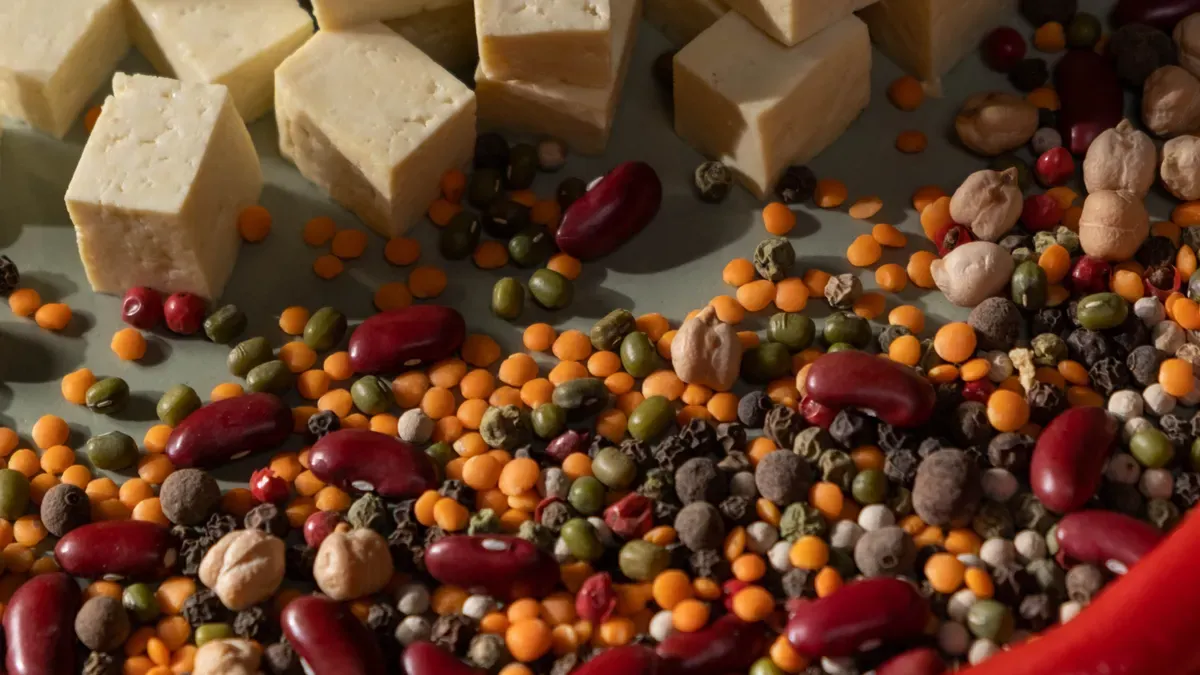
Pea protein is a popular plant-based protein source. It contains all nine essential amino acids, which makes it a valuable option for those seeking complete nutrition. However, pea protein is lower in methionine compared to other sources. This means it is not considered a complete protein by itself, but it comes very close. Many people choose pea protein because it is easy to digest and gentle on the stomach. It is also free from the top eight allergens, making it a safe choice for most individuals.
Pea protein is rich in branched-chain amino acids (BCAAs), especially arginine, which helps with muscle growth and recovery.
It is often used in protein powders and supplements for athletes and active people.
Pea protein works well for those with dairy, gluten, or soy sensitivities.
Beyond Biopharma selects high-quality peas and uses advanced enzymatic hydrolysis to create pea protein peptides. This process improves digestibility and absorption, making the nutrition more available to the body.
Rice protein is another important plant-based protein. It contains many essential amino acids, such as leucine, valine, and phenylalanine. However, rice protein is low in lysine, which is an essential amino acid. Because of this, rice protein is not a complete protein on its own. When combined with pea protein, which is high in lysine, the two proteins complement each other and provide a full amino acid profile.
Rice protein supplies sulfur-containing amino acids like methionine and cysteine.
It is hypoallergenic and easy to digest.
The combination of rice protein and pea protein creates a balanced and complete protein source.
Beyond Biopharma uses premium rice and advanced processing methods to ensure rice protein peptides are pure, highly soluble, and easy to use in many foods and drinks.
Soy protein stands out as a complete vegan protein. It contains all nine essential amino acids in the right amounts. This makes soy protein a strong choice for those who want to meet their protein needs without animal products.
Protein Source | Complete Protein | Key Strengths |
|---|---|---|
Pea | Nearly | High in BCAAs, allergen-friendly |
Rice | No | High in methionine, easy to digest |
Soy | Yes | All essential amino acids, versatile |
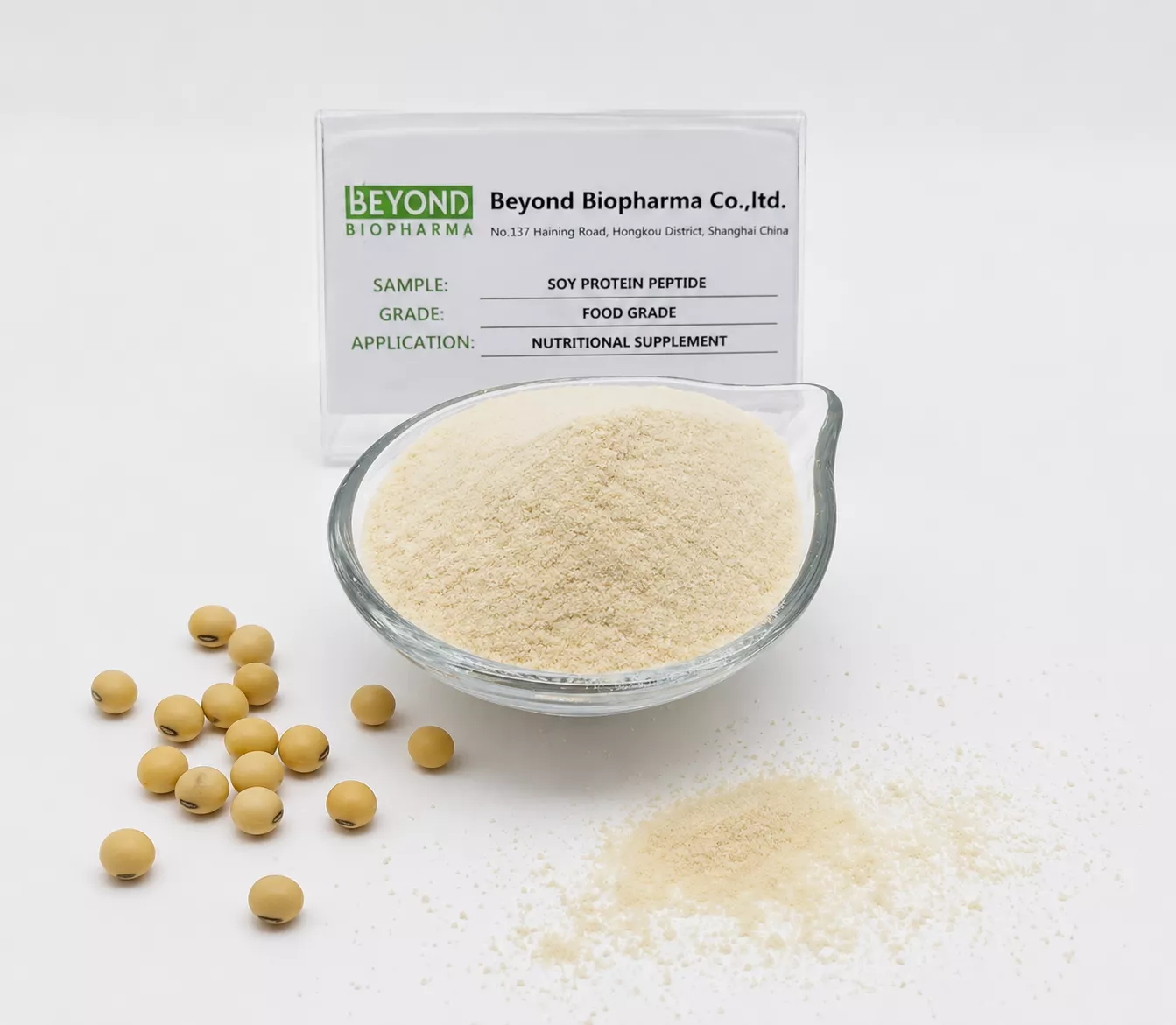
Soy protein is widely used in many plant-based foods. Beyond Biopharma sources non-GMO soy and uses gentle hydrolysis to create soy protein peptides with excellent solubility and a neutral taste. This ensures that the final product is suitable for a wide range of applications and dietary needs.
Blending different plant proteins is a smart way to achieve a complete protein. Pea protein is rich in lysine but low in methionine. Brown rice protein powder is high in methionine but lacks lysine. Soy protein contains all essential amino acids, making it a strong base for vegan protein peptides. When these sources are combined, their strengths fill each other's gaps. This approach creates a balanced amino acid profile that supports muscle growth, tissue repair, and overall health.
The table below shows how pea, brown rice protein powder, and soy protein complement each other:
Protein Source | Deficiency | Complementary Amino Acid |
|---|---|---|
Pea Protein | Low in Methionine | Rich in Lysine |
Brown Rice Protein | Low in Lysine | Rich in Methionine |
Combined | None | Complete Amino Acid Profile |
This blend forms the foundation of many vegan protein peptides. It ensures that people who choose plant-based diets receive all the essential amino acids their bodies need.
A blend of pea, brown rice protein powder, and soy protein creates a complete protein. Each source brings unique benefits. Pea protein adds lysine, which is important for muscle repair. Brown rice protein powder supplies methionine, which helps with metabolism and detoxification. Soy protein fills in any remaining gaps, making the blend suitable for everyone, including athletes and older adults.
Vegan protein peptides made from this blend offer a reliable source of nutrition. They support muscle health, immune function, and energy levels. This combination also helps people avoid common allergens found in dairy or eggs. Many consumers choose these blends for their clean label and focus on sustainability. Using plant-based proteins reduces the environmental impact compared to animal-based options. This supports a more sustainable food system for the future.
The following table shows how the blend of pea, brown rice protein powder, and soy protein covers all nine essential amino acids:
Essential Amino Acid | Pea Protein | Brown Rice Protein Powder | Soy Protein | Blend Coverage |
|---|---|---|---|---|
Histidine | ✔ | ✔ | ✔ | ✔ |
Isoleucine | ✔ | ✔ | ✔ | ✔ |
Leucine | ✔ | ✔ | ✔ | ✔ |
Lysine | ✔ | ✖ | ✔ | ✔ |
Methionine | ✖ | ✔ | ✔ | ✔ |
Phenylalanine | ✔ | ✔ | ✔ | ✔ |
Threonine | ✔ | ✔ | ✔ | ✔ |
Tryptophan | ✔ | ✔ | ✔ | ✔ |
Valine | ✔ | ✔ | ✔ | ✔ |
Note: ✔ means the protein source provides enough of the amino acid; ✖ means it is low.
This table makes it clear that the blend delivers a complete protein. It covers all essential amino acids, making it ideal for anyone seeking balanced nutrition from plants.
Hydrolyzed vegan protein peptides, like those in Beyond Biopharma’s Plant Protein Peptide, offer even more benefits. The hydrolysis process breaks proteins into smaller pieces called peptides. These smaller peptides are easier for the body to absorb. This means the nutrients reach muscles and tissues faster. Improved absorption helps with muscle recovery and overall wellness. Hydrolyzed vegan protein peptides also mix well in drinks and foods, making them convenient for daily use.
Choosing vegan protein peptides from blended sources supports both personal health and sustainability. These products use fewer resources and produce less waste than animal-based proteins. They help people meet their nutrition goals while caring for the planet.
Digestibility is a key factor when comparing protein sources. Plant-based foods often have lower digestibility than animal proteins. The protein digestibility corrected amino acid score (PDCAAS) shows that most plant-based foods score below 100%. Wheat gluten, for example, has a PDCAAS of only 25%. Processing methods, such as heat treatment and enzymatic hydrolysis, improve digestibility and protein quality. Hydrolyzed protein powders, like Beyond Biopharma’s Plant Protein Peptide, break down proteins into smaller peptides. This process increases digestibility and bioavailability, making nutrients easier to absorb. Brown rice protein, pea protein, and soy protein are blended to enhance protein digestibility and protein quality. These protein sources support muscle recovery and overall health. Many meat analogs and meat alternatives use hydrolyzed plant-based foods to boost digestibility.
Plant-based foods have lower digestibility compared to animal protein sources.
Processing methods increase digestibility and protein quality.
Hydrolyzed protein powders improve bioavailability.
Allergen-conscious protein sources are important for people with sensitivities. Non-GMO soy lecithin is gluten-free and suitable for allergen-conscious formulations. Soy lecithin comes from soybeans, making it a vegan ingredient. Brown rice protein and pea protein are also used in allergen-friendly protein powders and meat analogs. Beyond Biopharma’s Plant Protein Peptide uses non-GMO ingredients and avoids common allergens. This makes it a safe choice for those seeking clean label protein sources.
Non-GMO soy lecithin is gluten-free.
Soy lecithin is vegan and plant-based.
Brown rice protein and pea protein are allergen-friendly protein sources.
Blended plant-based foods, such as brown rice protein and pea protein, provide complete protein sources. Cooking, extrusion, and enzymatic hydrolysis increase digestibility and protein quality. These methods help protein powders and meat analogs meet nutritional guidelines. Brown rice protein and pea protein deliver lysine and methionine, creating a complete amino acid profile. Plant-based foods can meet nutritional needs when combined with high-quality protein sources. Meat alternatives and meat analogs use blended protein powders to support vegan and special diets.
Processing Method | Effect on Digestibility | Source |
|---|---|---|
Cooking | Increases digestibility | Sá et al., 2019 |
Extrusion | Increases digestibility | Sá et al., 2019 |
Enzymatic Hydrolysis | Increases digestibility | Sá et al., 2019 |
Tip: Blending brown rice protein and pea protein ensures a complete protein profile for vegan diets.
Plant-based diets have become more popular as people look for nutritious and sustainable options. Blended plant protein sources, such as pea, rice, and soy peptides, can be added to many meals and drinks. These peptides offer high bioavailability, which means the body absorbs and uses the nutrients quickly. This is important for anyone who wants to support muscle recovery or maintain energy throughout the day.
Here are some ways to include plant protein peptides in daily routines:
Add to smoothies or fruit juices for a protein boost with improved bioavailability.
Mix into oatmeal or breakfast cereals to support plant-based diets and increase bioavailability.
Stir into soups or stews for extra protein and better bioavailability.
Use in sports hydration beverages for rapid absorption and enhanced bioavailability.
Blend into plant-based yogurt or dairy-free desserts to improve texture and bioavailability.
Pea protein works well for those with allergies, while chickpea protein adds a creamy texture. Mung bean and faba bean proteins offer good solubility and taste. These plant protein sources help people on plant-based diets meet their nutritional needs with high bioavailability.
Tip: Choose recipes that highlight the neutral taste and solubility of hydrolyzed peptides for the best results.
Selecting the right protein product is important for people following plant-based diets. High-quality vegan protein products should offer complete amino acid profiles, high bioavailability, and low contamination levels. Many plant-based diets rely on plant protein sources, so safety and nutrition matter.
Protein Type | Contamination Level | Notes |
|---|---|---|
Plant-based | High | Check for third-party testing and certifications |
Whey-based | Low | Not suitable for plant-based diets |
Collagen-based | Low | Not suitable for plant-based diets |
When shopping, look for products that use hydrolyzed peptides. These offer superior bioavailability and are ideal for plant-based diets. Beyond Biopharma’s Plant Protein Peptide uses advanced processing to ensure high bioavailability, clean labels, and allergen-conscious ingredients. This makes it a strong choice for those who want the best from plant protein sources.
Note: Always review ingredient lists and certifications to ensure the product fits your plant-based diet and bioavailability needs.
Blending pea, rice, and soy peptides from plants creates a complete protein that supports muscle health and overall wellness. Vegan protein peptides offer sustainability advantages, including lower water consumption and a smaller carbon footprint. Consumers benefit from nutritious options that meet dietary needs and align with rising health consciousness. Advances in processing improve quality and digestibility. Explore innovative products like Beyond Biopharma’s Plant Protein Peptide for optimal plant-based nutrition. The future of plant-based, complete protein solutions looks promising as legumes and plants drive new quality standards.
Plant-based proteins can provide all essential amino acids when blended. Pea, rice, and soy peptides complement each other. This combination supports muscle health and overall wellness. Many milk analogs use these blends to match the nutritional value of animal proteins.
Milk analogs often use plant-based proteins to mimic the protein content of dairy. These products offer similar nutrition and digestibility. Many consumers choose milk analogs for their allergen-conscious and vegan-friendly qualities.
Yes. Plant-based proteins are ideal for milk substitutes. They deliver a complete amino acid profile and high bioavailability. Many milk analogs use plant-derived proteins to meet dietary needs and support sustainable production.
Plant-based proteins require fewer resources than animal proteins. They help reduce water usage and lower carbon emissions. Sustainable production supports environmental health and meets the growing demand for milk analogs and plant-based foods.
Athletes use plant-based proteins for muscle recovery and energy. Hydrolyzed peptides improve absorption. Many sports drinks and milk analogs include plant-based proteins to support performance and meet vegan dietary needs.



Tel:+86 21 65010906
Cell/Whatsapp/Wechat:
+86 13482884055
+86 18657345785
Email: sales@beyondbiopharma.com


 English EN