Harnessing Bioactive Plant Peptides for Functional Foods Development
Sourcing bioactive plant peptides for functional foods often brings real challenges: batch-to-batch consistency, solubility in finished products, and meeting vegan or allergen-free requirements. This article provides a practical guide to understanding plant protein peptides, their production, key specifications, and how to select the right ingredient for your application—whether you are developing sports nutrition, beauty-from-within drinks, or plant-based gummies.
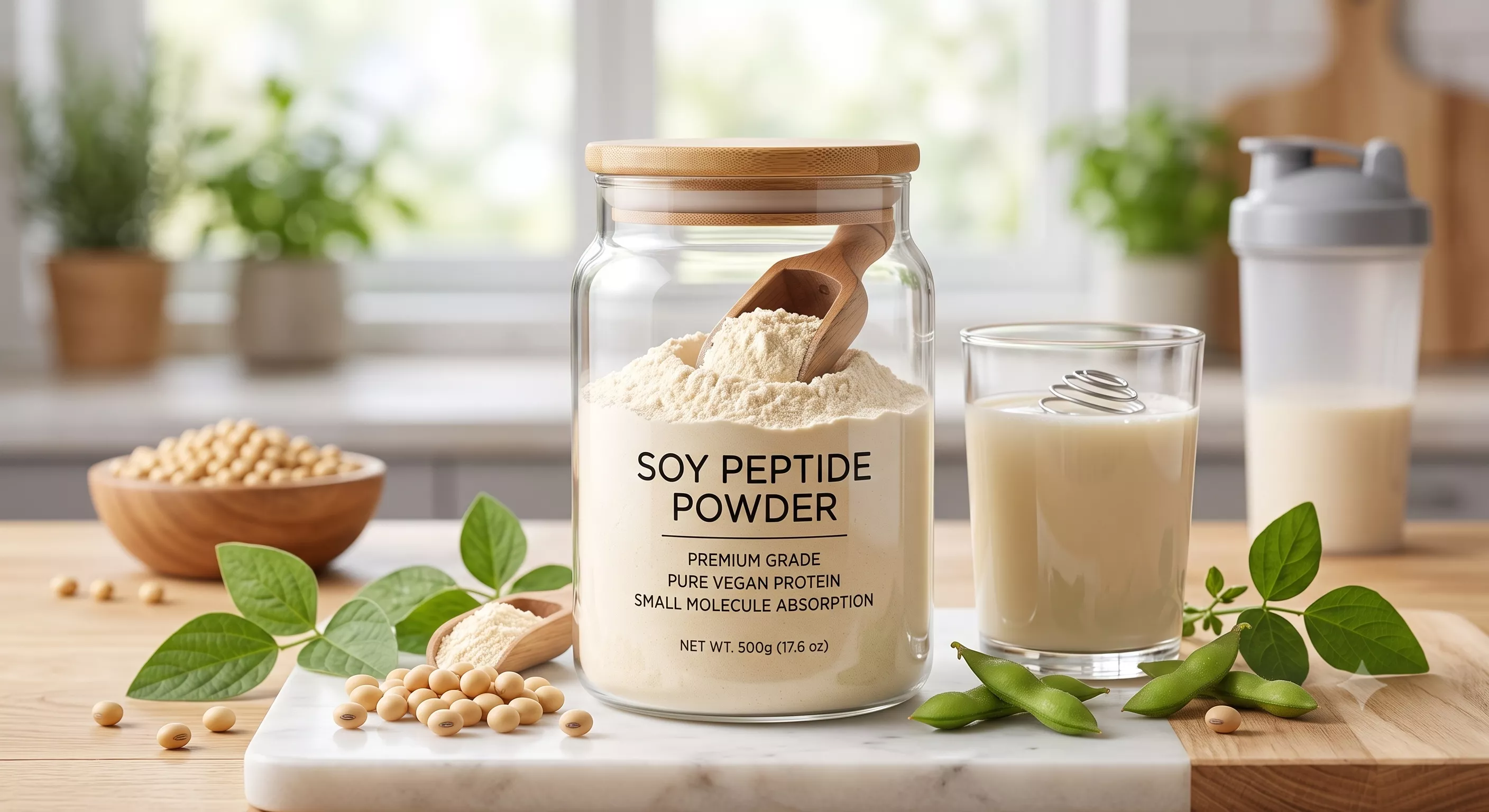
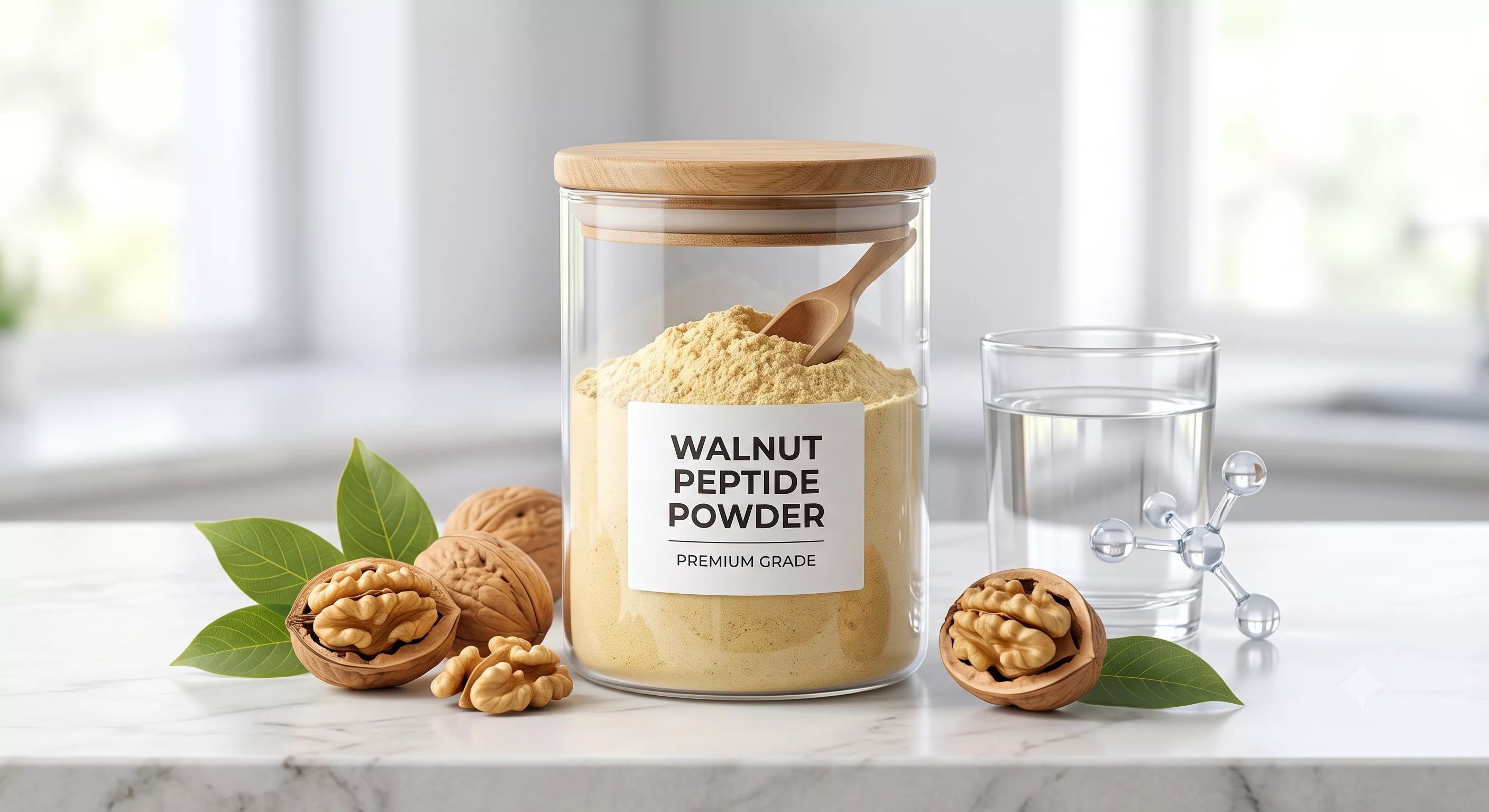
Bioactive plant peptides are short-chain protein fragments derived from plant sources like pea, rice, and soy. They are gaining traction in functional food development because they offer targeted health benefits—such as antioxidant activity, blood pressure regulation, or muscle recovery—without relying on animal-derived ingredients. For overseas buyers, the main pain points include ensuring consistent molecular weight profiles, eliminating bitter off-notes, and verifying certifications for clean-label claims. Understanding how these peptides are produced and what parameters matter can simplify your sourcing decisions.
How Are Bioactive Plant Peptides Produced?
The production process typically involves enzymatic hydrolysis. Plant proteins—such as pea protein isolate, rice protein concentrate, or soy flour—are treated with specific food-grade enzymes under controlled temperature and pH. This breaks down long protein chains into smaller peptides with molecular weights commonly below 5,000 Da. The result is a powder that dissolves readily in water, has a neutral flavor profile, and is easily absorbed by the body. Key quality markers include high solubility (often >95% in water), low odor, and a consistent amino acid profile. For manufacturers like Beyond Biopharma, the process is carried out in GMP clean workshops with automated temperature and pH control, ensuring each batch meets the same standard.
What Are the Typical Specifications for Plant Protein Peptides?
When evaluating plant peptides, buyers should look at protein content, molecular weight distribution, solubility, and allergen information. Below is a table of common parameter ranges. Note: these are typical industry ranges; final values should be confirmed per Certificate of Analysis (COA) and sample testing.
| Parameter |
Typical Range |
Notes |
| Protein Content |
80–90% |
Dry basis, varies by source (pea, rice, soy) |
| Molecular Weight |
Typically
| Lower MW often means faster absorption |
| Solubility |
≥95% (in water at 20°C) |
High solubility is a quality marker |
| Moisture |
≤8% |
Standard for powder stability |
| Allergen Profile |
Depends on source |
Pea and rice are generally allergen-free; soy contains allergens |
These parameters directly influence how the peptide performs in your final product. For example, a lower molecular weight peptide dissolves faster and is ideal for ready-to-drink beverages, while a higher protein content is preferred for protein bars.
What Are the Key Applications for Bioactive Plant Peptides?
Plant peptides are versatile. Here is a breakdown by industry:
- Sports Nutrition: Used in protein powders, recovery drinks, and bars. Pea and rice peptides offer a complete amino acid profile comparable to whey, but without dairy allergens. They are compatible with vegan formulations.
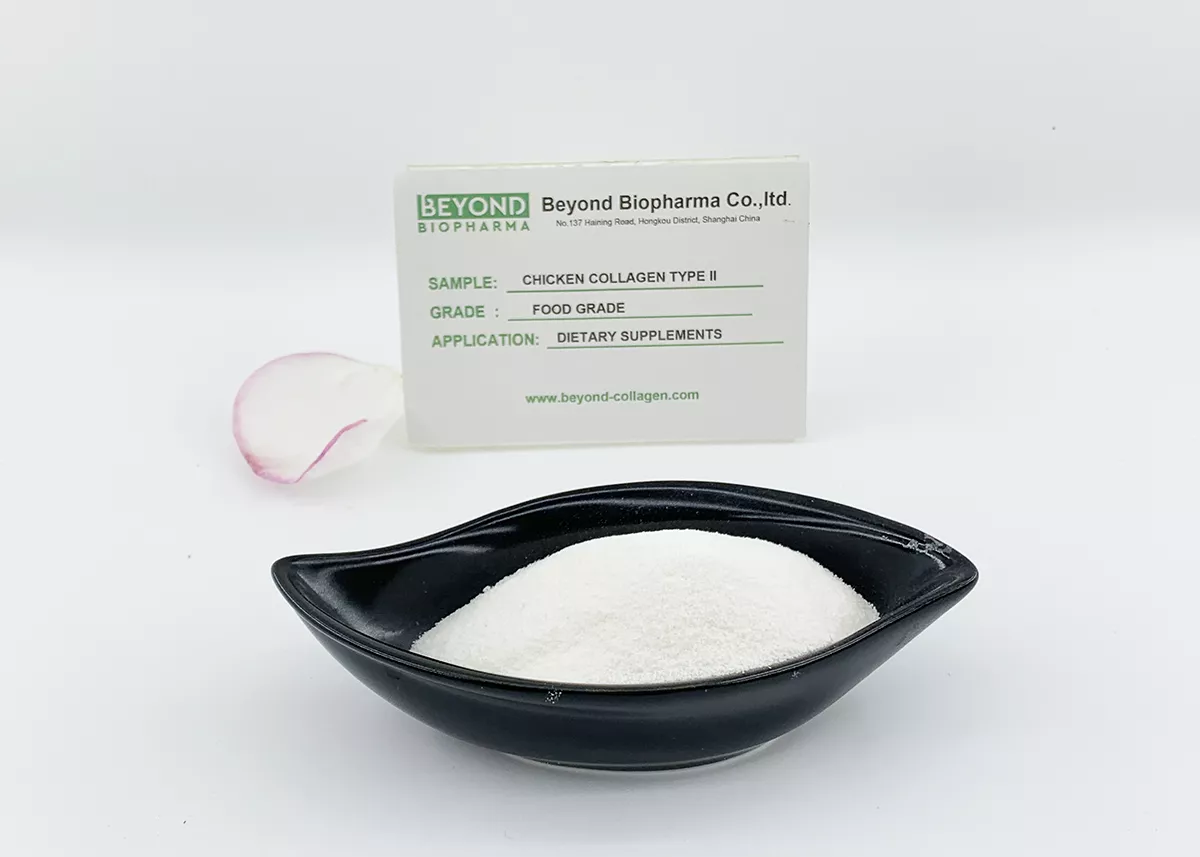
- Beauty-from-Within: Low-molecular-weight plant peptides can support skin elasticity and hydration. They are often blended with bovine collagen peptide or fish collagen for synergistic effects.
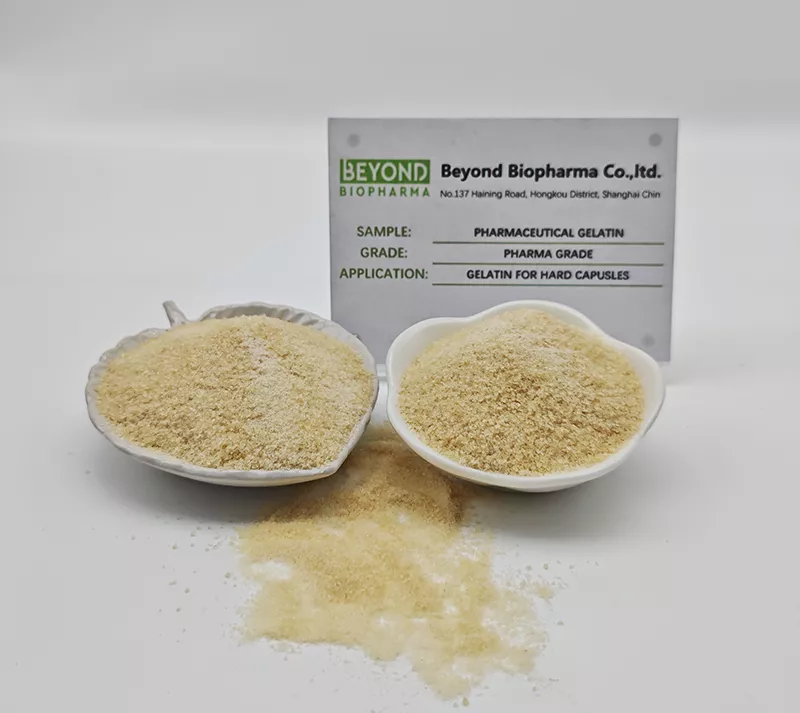
- Plant-Based Gummies and Softgels: For gummy manufacturers, plant peptides can be used alongside food-grade porcine gelatin or fish gelatin to create halal or kosher-certified products.
- Functional Beverages: High solubility and neutral taste make plant peptides ideal for clear, shelf-stable drinks. They can be fortified with high-bloom gelatin for texture modification.
- Joint Health: While undenatured collagen type II is the gold standard for joint support, plant peptides can serve as a vegan-friendly alternative in combination with ingredients like glucosamine HCl or chondroitin sulfate.
Why Choose Beyond Biopharma for Your Plant Peptide Supply?
Beyond Biopharma, based in Shanghai, China, has over 10 years of experience in the food-ingredient industry. Our edible gelatin and collagen peptide lines are well known, and we have extended our expertise to plant protein peptides. Key differentiators include:
- Production Capacity: Approximately 3,000 MT/year for collagen and 5,000 MT/year for gelatin, with fully automatic production lines and GMP clean workshops.
- Quality Assurance: ISO 9001 certified, US FDA registered, and select products carry Halal or Kosher certification. Our in-house lab conducts heavy-metal and microbiological testing on every batch.
- Customization: We support custom bulk supply and formulation/OEM. Whether you need a specific molecular weight, mesh size, or allergen-free profile, we can adjust.
- Global Reach: Products exported to over 50 countries. We offer free samples and formulation support to help you select the right grade—food, pharmaceutical, or cosmetic.
Frequently Asked Questions
1. What is the difference between plant protein peptides and collagen peptides?
Plant peptides are derived from sources like pea or rice and are vegan-friendly. Collagen peptides come from animal sources (bovine, fish, porcine). Both are hydrolyzed for better absorption, but plant peptides offer a different amino acid profile and are suitable for allergen-free or plant-based formulations.
2. How do I ensure batch-to-batch consistency for plant peptides?
Request a Certificate of Analysis (COA) for each batch. Look for consistent protein content, molecular weight distribution, and solubility. Working with a manufacturer like Beyond Biopharma, which uses automated production lines and in-house QA/QC, reduces variability.
3. Can plant peptides be used in gummy formulations?
Yes, but they require careful formulation. Plant peptides do not have the same gelling properties as gelatin. For gummies, you may need to blend them with gelatin or use a hydrocolloid system. Our team can provide guidance based on your target texture.
4. Are plant peptides suitable for kosher or halal certification?
Yes, plant peptides are inherently kosher and halal-friendly since they are not animal-derived. However, the manufacturing facility must be certified. Beyond Biopharma offers select products with Halal and Kosher certification.
5. What is the typical shelf life of plant protein peptides?
When stored in a cool, dry place (below 25°C, away from direct sunlight), plant peptides typically have a shelf life of 24 months from the date of manufacture. Always check the COA for specific storage recommendations.
6. How do I request a sample for evaluation?
Contact us with your application details—such as the intended product type, required grade (food, pharma, or cosmetic), target specifications (molecular weight, solubility, certifications), estimated quantity or MOQ, and destination country. We will send free samples and a competitive quote.
Request a Quote and Free Samples
If you are evaluating bioactive plant peptides for your next functional food product, we invite you to reach out. Please provide the following details so we can match the right ingredient to your needs:
- Your specific application (e.g., sports drink, protein bar, gummy)
- Required grade: food, pharmaceutical, or cosmetic
- Estimated quantity or minimum order quantity (MOQ)
- Target specifications: molecular weight, protein content, mesh size, certifications (Halal, Kosher, organic)
- Destination country for shipping
Beyond Biopharma will provide free samples, a detailed COA, and a tailored quotation. We are here to support your product development with reliable, high-quality plant protein peptides and over a decade of industry expertise.

 English EN








User Comments
Service Experience Sharing from Real Customers
Megan
R&D Food TechnologistI was skeptical about plant peptides at first, but after incorporating them into a new line of protein bars, the texture and amino acid profile were surprisingly clean. No bitter aftertaste like some hydrolyzed options. Our test panel actually preferred these over whey blends.
Carlos
Holistic Nutrition ConsultantStarted recommending these pea-derived peptides to clients with digestive sensitivities who struggled with traditional protein powders. Feedback has been mostly positive—one guy said his post-workout bloating vanished. Only reason for 4 stars is the price point is a bit steep for regular consumers.
Priya
Senior Product DeveloperWe’ve been reformulating our plant-based yogurt alternative and these peptides solved the gelation issue we kept hitting. They integrate smoothly without messing with the pH balance. Honestly, this ingredient is a game-changer for clean-label functional foods. Already planning our next order.
Leo
Home Baker & Small Batch ProducerTried adding these peptides into my gluten-free muffin mix to boost protein content. The functional benefits are there—better crumb structure—but the flavor profile changed slightly, giving a faint earthy note that might not suit every recipe. Not bad, just not a universal fit for all baked goods.