 English EN


Pea Protein Peptide vs. Whey: Can Plant Protein Build Comparable Muscle?
Pea protein peptide can build muscle comparable to whey when intake is sufficient, offering a plant-based, hypoallergenic option for muscle growth.
More
Sourcing functional protein ingredients that deliver both clean label appeal and consistent performance is a growing challenge for food and nutraceutical buyers. Corn protein peptides, derived from non-GMO corn gluten meal through controlled enzymatic hydrolysis, offer a plant-based, allergen-friendly solution with high digestibility and a balanced amino acid profile. This article examines the production process, key specifications, and practical applications of corn protein peptides, and explains how Beyond Biopharma supports global buyers with reliable bulk supply and formulation expertise.
Corn protein peptides are short-chain amino acid fragments obtained by breaking down corn gluten meal using food-grade proteases. Unlike whole corn protein, which has limited solubility and a gritty mouthfeel, these peptides dissolve readily in water, have a mild flavor, and are rapidly absorbed by the body. For formulators, they address common pain points such as batch-to-batch inconsistency, unpleasant odor, poor solubility, and the need for vegan or allergen-free protein sources. They also serve as an alternative to soy or whey hydrolysates in applications where clean taste and high nitrogen solubility are critical.
The manufacturing process begins with corn gluten meal, a co-product of wet-milling. After defatting, the protein concentrate undergoes enzymatic hydrolysis under controlled temperature and pH. This step cuts large protein chains into smaller peptides, typically between 500 and 5,000 Daltons. The hydrolysate is then filtered, concentrated, and spray-dried into a fine powder. Key quality markers include degree of hydrolysis (DH), molecular weight distribution, and residual bitterness. Modern facilities, such as those at Beyond Biopharma, use fully automatic production lines with stainless-steel sealed piping and automated temperature/pH control to ensure consistent output.
The table below lists common parameter ranges for commercial corn protein peptides. Note that these are typical industry ranges; final values should be confirmed per Certificate of Analysis (COA) and sample testing.
| Parameter | Typical Range | Notes |
|---|---|---|
| Protein content (N x 6.25) | 80 – 90% | Dry basis; higher values indicate better purity. |
| Molecular weight | Lower MW correlates with faster absorption and higher solubility. | |
| Solubility | ≥ 95% (at pH 7, 25°C) | Key for clear beverages and liquid formulations. |
| Moisture | ≤ 8% | Low moisture ensures microbial stability. |
| Ash | ≤ 7% | Indicates mineral content; low ash preferred for neutral taste. |
| pH (10% solution) | 5.0 – 7.0 | Neutral pH range for broad compatibility. |
| Heavy metals (Pb, As, Cd, Hg) | Compliant with USP/EP limits | In-house lab testing at Beyond Biopharma. |
Corn protein peptides are versatile across several industries. Below is selection guidance by application area.
Beyond Biopharma, headquartered in Shanghai, China, has over 10 years of experience in the food-ingredient industry, exporting to more than 50 countries. Our production facility has an annual capacity of approximately 3,000 metric tons of collagen and 5,000 metric tons of gelatin, with a fully automatic production line housed in a GMP clean workshop. For corn protein peptides, we apply the same rigorous quality standards: ISO 9001 certification, US FDA registration, and in-house heavy-metal and microbiological testing by our dedicated QA/QC team. We offer three grades (food, pharmaceutical, cosmetic) and support custom bulk supply and formulation/OEM. Free samples are available upon request.
Yes. Corn protein peptides are plant-based, free from dairy, soy, and gluten. They are also compatible with halal and kosher requirements, making them a versatile choice for clean-label and allergen-conscious formulations.
Corn peptides have a more neutral flavor and lower bitterness compared to many soy hydrolysates. They also offer a different amino acid profile, being richer in leucine and glutamic acid. Pea protein hydrolysates are comparable in solubility but may have a slightly higher molecular weight distribution.
The majority of corn protein peptides fall below 2,000 Daltons, with a significant portion under 1,000 Da. This low molecular weight contributes to rapid absorption and high solubility in cold water.
Yes. Due to their high solubility (≥95% at neutral pH) and low turbidity, corn protein peptides are well-suited for clear or lightly colored protein drinks. They do not form gels or precipitates under typical beverage conditions.
Our facility is ISO 9001 certified and US FDA registered. Select products carry Halal and Kosher certifications. All batches are tested in-house for heavy metals and microbiology, and we provide a COA with each shipment.
Store in a cool, dry place below 25°C, away from direct sunlight and moisture. Keep the container sealed after use. Under proper conditions, the shelf life is typically 24 months from the date of manufacture.
To evaluate corn protein peptides for your specific formulation, please provide the following details to Beyond Biopharma: intended application (food, nutraceutical, or pharmaceutical), required grade (food/pharma/cosmetic), estimated quantity or MOQ, target specifications (protein content, molecular weight, solubility, certifications needed), and destination country. Our technical team will send free samples and a competitive quote tailored to your project.

We provide you with comprehensive foreign trade solutions to help enterprises achieve global development
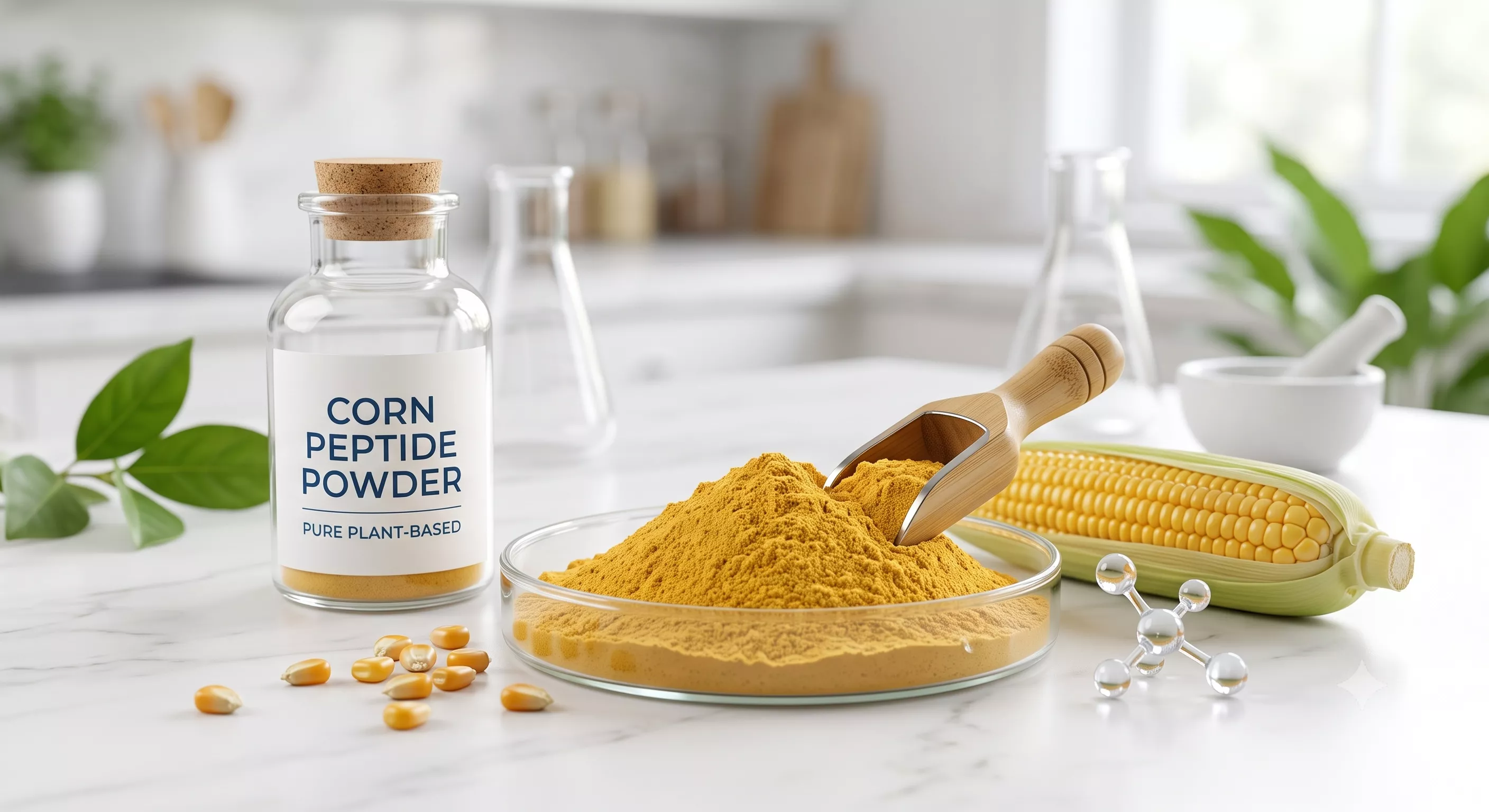
Source high-purity wholesale hydrolyzed corn protein peptide powder in bulk. Over 85% oligopeptides under 1000 Da. Rich in Alanine and Leucine for liver support and sobriety formulas.
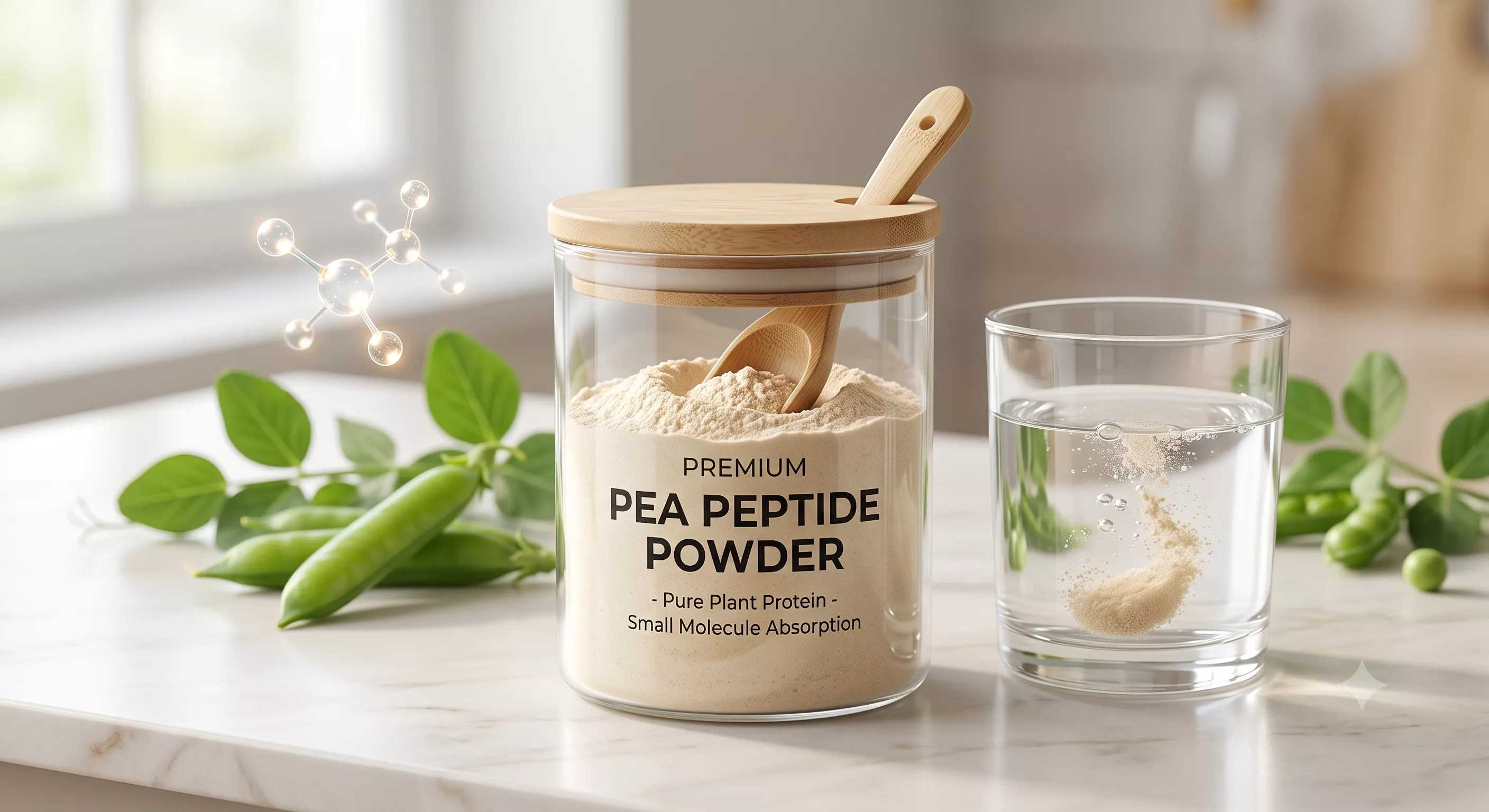
Source high-purity, hypoallergenic hydrolyzed pea peptide powder in bulk. Complete water solubility, rich in BCAAs, ideal for vegan recovery formulas.
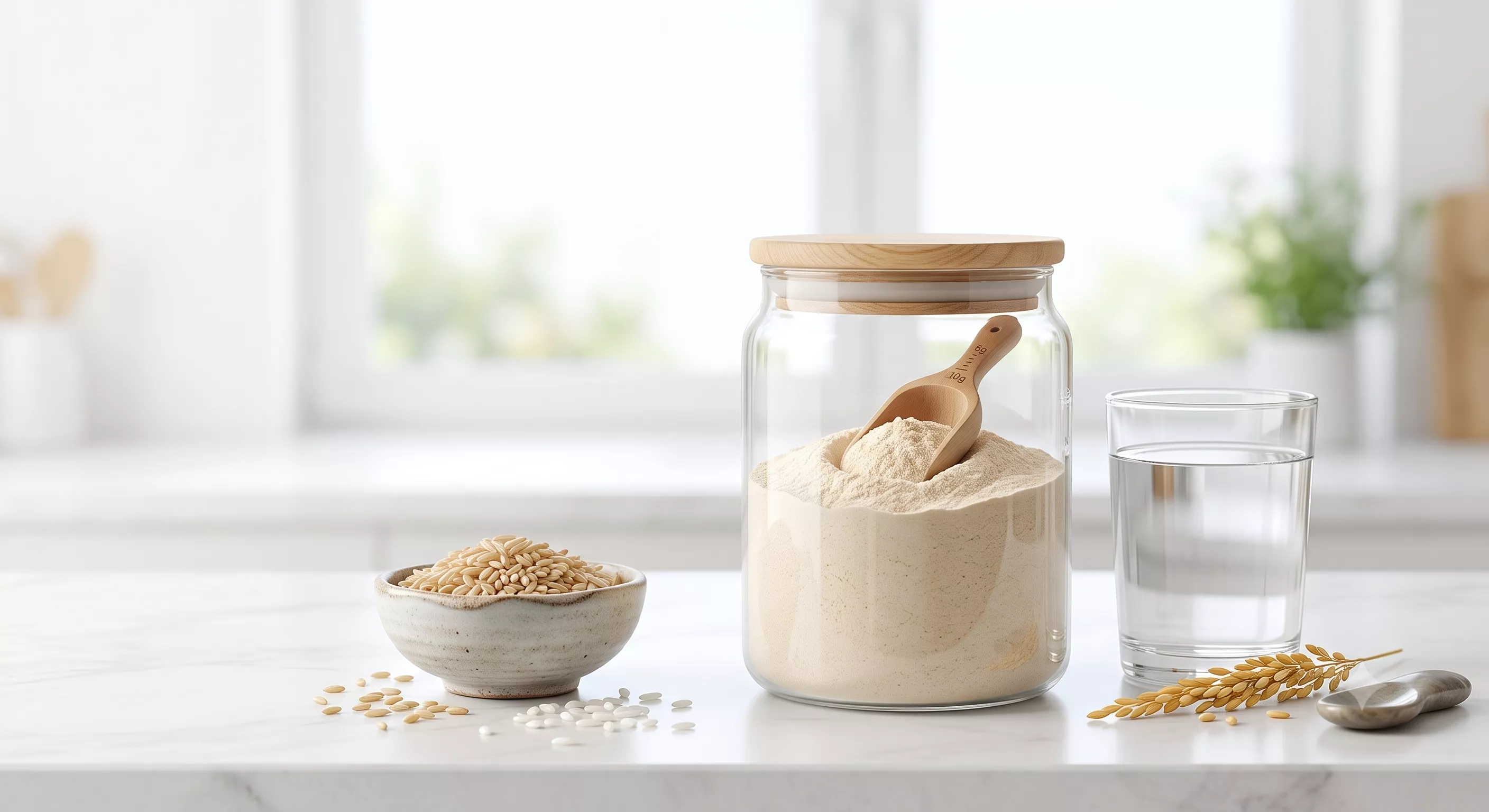
Source ultra-pure, 100% water-soluble wholesale hydrolyzed rice protein peptide in bulk. Over 85% molecules under 1000 Da. Ideal for infant nutrition, clean-label sports formulas, and sensitive skincare.
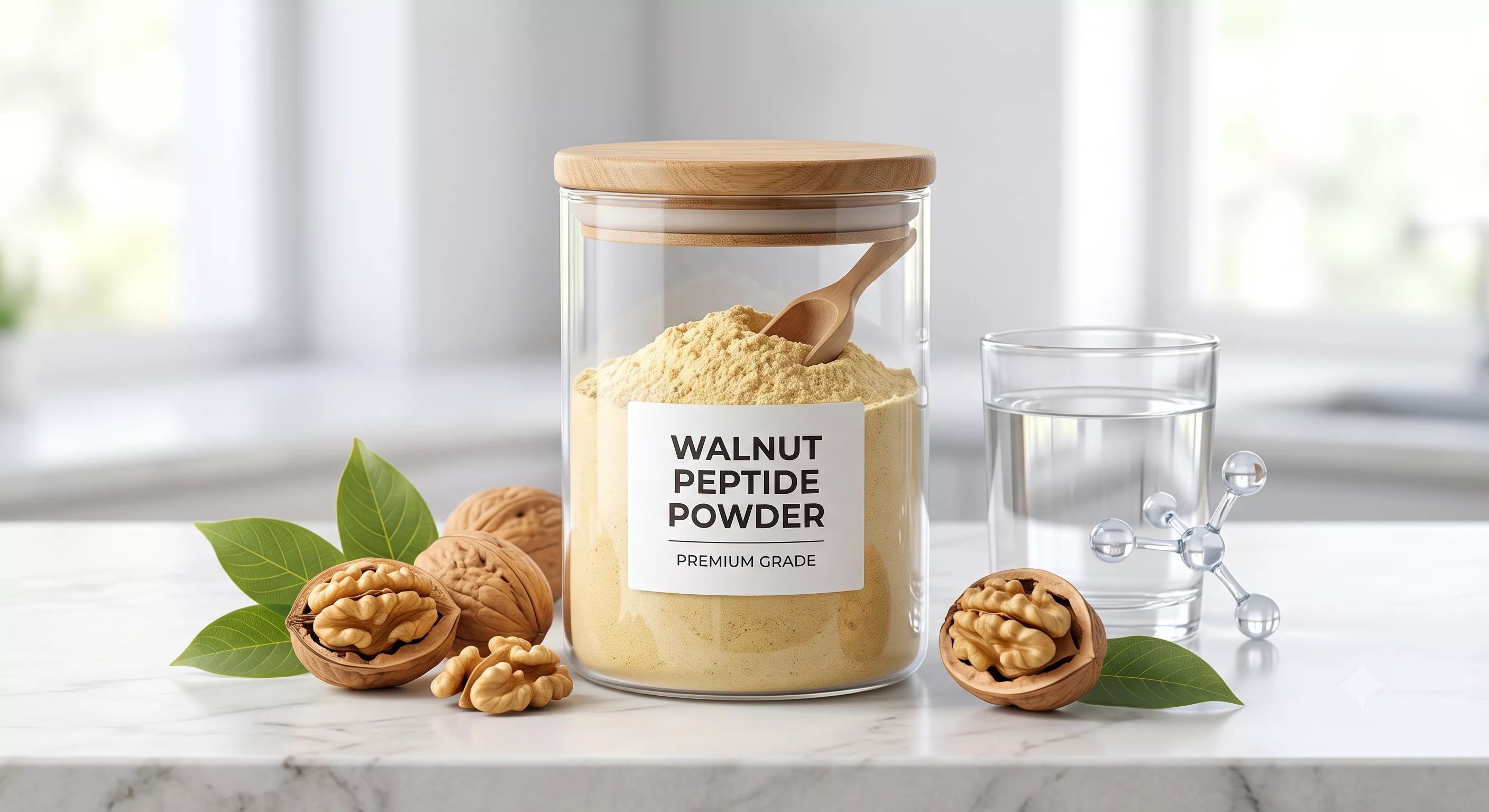
Source wholesale hydrolyzed walnut protein peptide powder in bulk. Over 85% low-molecular-weight oligopeptides rich in Glutamic Acid. Perfect for cognitive formulas and sleep aid supplements.
Select the most popular foreign trade service products to meet your diverse needs
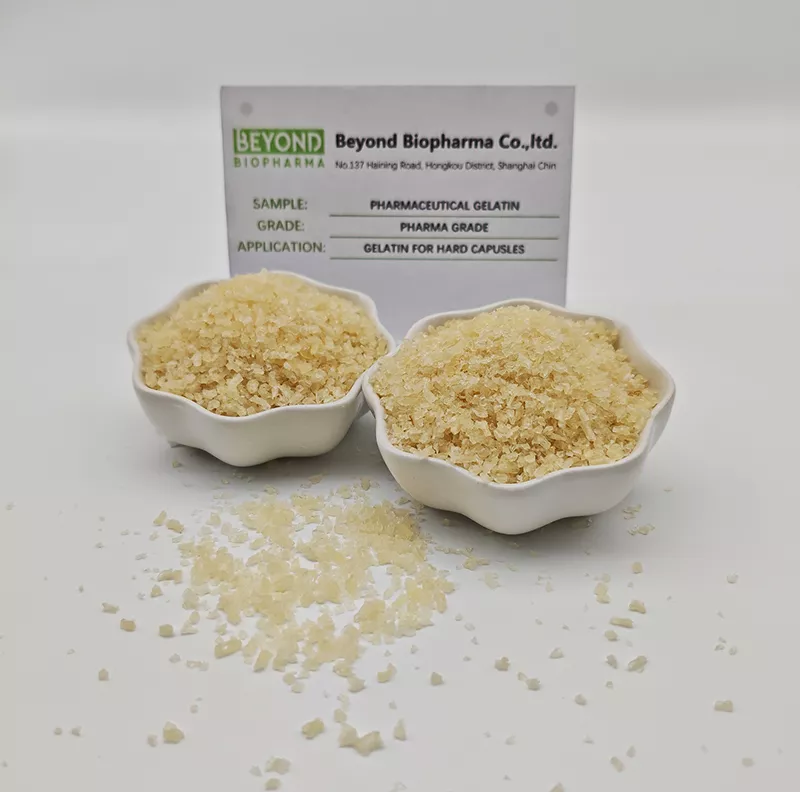
Precision, Purity, and Optimal Machinability
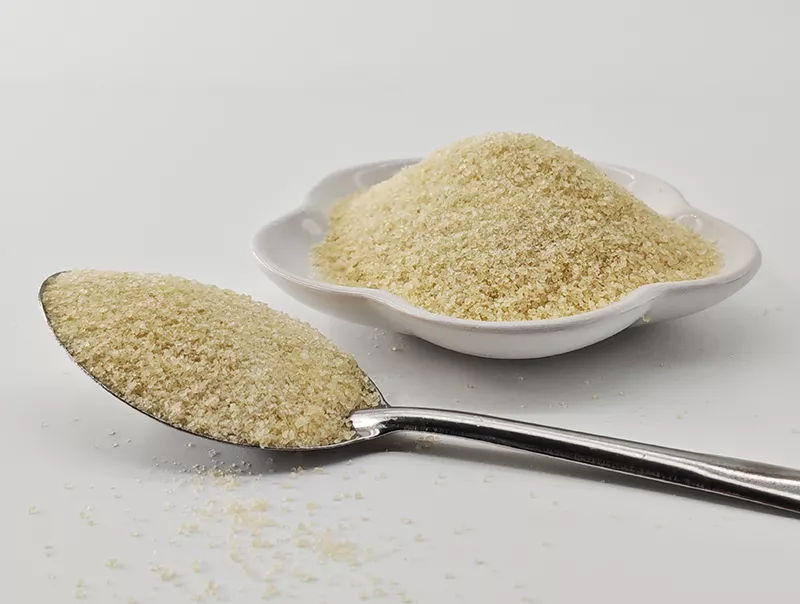
The High-Performance Barrier for Core Material Protection and Controlled Release.
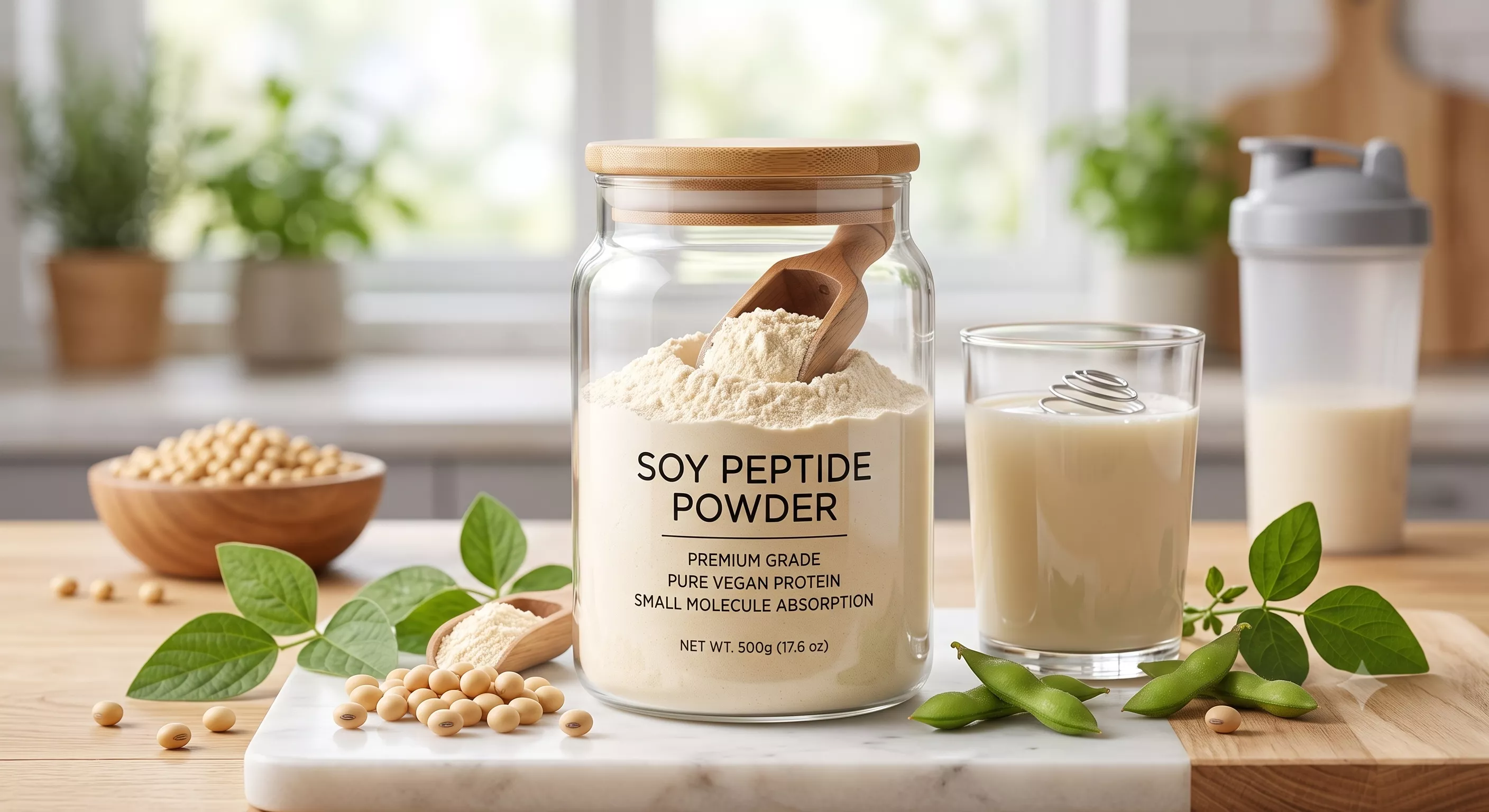
Source ultra-pure, non-GMO hydrolyzed soybean oligopeptide powder in bulk. Complete water solubility, over 80% peptides under 1000 Da. Ideal for sports nutrition and immune recovery formulas.
Tel:+86 21 65010906
Cell/Whatsapp/Wechat:
+86 13482884055
+86 18657345785
Email: sales@beyondbiopharma.com





User Comments
Service Experience Sharing from Real Customers
Megan
Senior Formulation ChemistI've been testing Corn Protein Peptides in our plant-based sports nutrition line for about three months now. The solubility and clean taste are a game-changer compared to soy or pea isolates. Our athletes reported less bloating and faster recovery. Honestly, this is the most promising alternative protein source I've worked with in 12 years.
Liam
Research ChefWas skeptical at first because corn protein usually has that gritty mouthfeel, but this peptide version blended into my vegan cheese sauce prototypes without any chalkiness. Needed a bit of extra emulsifier to stabilize the texture, but the flavor profile is neutral enough to work with smoked paprika and nutritional yeast. Solid ingredient for plant-based comfort foods.
Priya
Quality Assurance ManagerWe ran a full batch analysis on this Corn Protein Peptide shipment for our pet treat manufacturing line. Consistent particle size, low heavy metal levels, and the amino acid profile matched the COA perfectly. No off-odors during processing, which is rare for hydrolyzed proteins. My team switched from rice protein concentrate because this delivers higher digestibility at a lower cost per kilo.
Elena
Fitness Coach & Nutrition BloggerTried adding this to my post-workout shakes for a month. It mixes well with a shaker bottle and doesn't have that weird aftertaste some plant proteins have. However, I didn't notice a huge difference in my recovery compared to my usual pea-rice blend. Might work better for people with sensitive stomachs. Decent option but not a miracle ingredient.