 English EN


Pea Protein Peptide vs. Whey: Can Plant Protein Build Comparable Muscle?
Pea protein peptide can build muscle comparable to whey when intake is sufficient, offering a plant-based, hypoallergenic option for muscle growth.
More
For purchasing managers and R&D teams developing clean-label products, sourcing a functional protein ingredient that meets both performance and label simplicity is a constant challenge. Wheat protein peptides — produced through controlled enzymatic hydrolysis — deliver high solubility, neutral taste, and a strong amino acid profile, making them a direct answer to the demand for plant-based, allergen-friendly formulations without sacrificing texture or nutritional value.
Wheat protein peptides are short-chain amino acid fragments derived from wheat gluten through a controlled enzymatic hydrolysis process. Unlike intact wheat gluten, which can be viscous and difficult to work with in liquid systems, these peptides offer significantly improved solubility in water, even at neutral pH. This makes them ideal for beverages, bars, and emulsified products where a clean, smooth mouthfeel is required.
From a sourcing perspective, the main pain points buyers face include batch-to-batch consistency in molecular weight distribution, off-flavors or bitter notes, and certification barriers for organic, non-GMO, or allergen-free claims. High-quality wheat protein peptides, produced under GMP conditions with strict temperature and pH control, directly mitigate these issues.
The manufacturing process begins with wheat gluten, which is then subjected to food-grade enzymes that break the protein into smaller peptide chains. The reaction is carefully monitored for temperature, pH, and time to achieve a target molecular weight profile — typically below 5,000 Da for rapid absorption and high solubility. After hydrolysis, the solution is pasteurized, filtered, and spray-dried into a fine powder.
This method ensures a product that dissolves quickly in cold water, has a low viscosity even at high concentrations, and exhibits a clean, neutral flavor profile. For manufacturers, this translates into easier processing and fewer formulation adjustments.
The table below lists commonly accepted industry ranges for wheat protein peptides. Please note these are typical ranges; final values should be confirmed per Certificate of Analysis (COA) and sample testing.
| Parameter | Typical Range | Notes |
|---|---|---|
| Protein Content | 80 – 90% | Dry basis, nitrogen factor 6.25 |
| Molecular Weight | Lower MW correlates with faster absorption | |
| Solubility | ≥ 95% | In water at 20°C, pH 7 |
| Moisture | ≤ 6% | Ensures shelf stability |
| Ash | ≤ 7% | Low ash indicates purity |
| pH (10% solution) | 6.0 – 7.5 | Neutral range for most applications |
* Typical industry range; final values per COA / sample.
Wheat protein peptides are highly adaptable across several product categories. Here is a breakdown of key applications and recommended selection criteria:
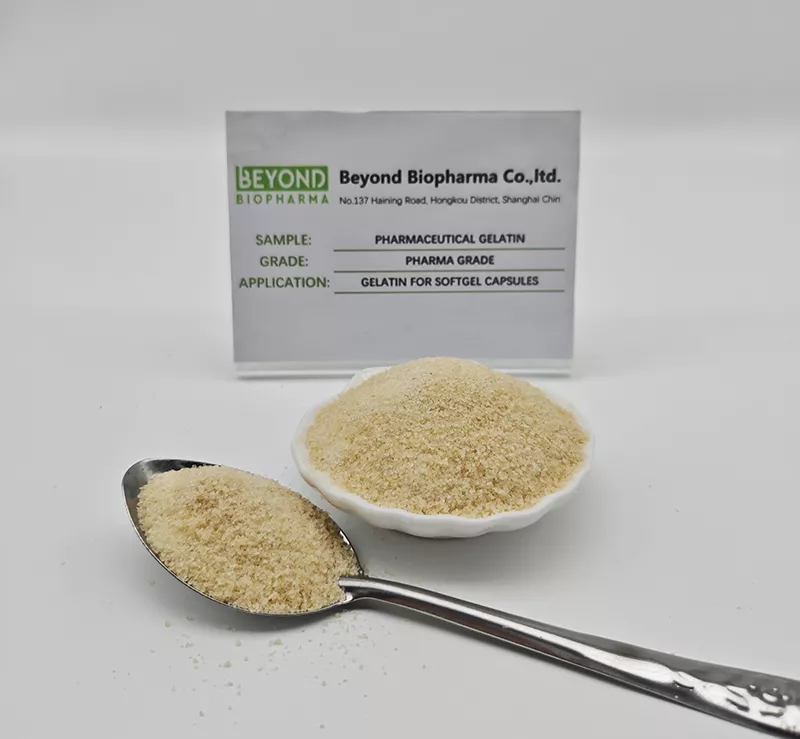
When compared to animal-derived collagen peptides or gelatin, wheat protein peptides offer a vegan, allergen-friendly alternative. They are comparable to pea or rice protein hydrolysates in terms of solubility and amino acid profile, but often present a more neutral flavor. For formulators targeting a clean label, wheat protein peptides are an alternative to ingredients from suppliers like Roquette or ADM, providing similar functional benefits with a simpler supply chain. They also pair well with Pharmaceutical Gelatin in capsule applications where a plant-based protein is desired.
Beyond Biopharma, based in Shanghai, China, has over 10 years of experience in the food-ingredient industry, exporting to more than 50 countries. Our wheat protein peptides are manufactured in a GMP clean workshop with fully automatic production lines, stainless-steel sealed piping, and automated temperature and pH control, ensuring batch-to-batch consistency. We hold ISO 9001 certification and are US FDA registered. Our in-house lab conducts heavy-metal and microbiological testing on every batch, supported by a dedicated QA/QC team.
We offer three grades — food, pharmaceutical, and cosmetic — and provide free samples along with formulation and selection support. Whether you need a standard product or a custom specification, our team can help you select the right Plant Protein Peptide for your application.
Q: Are wheat protein peptides suitable for gluten-free formulations?
A: No. Wheat protein peptides are derived from wheat gluten and contain gluten. They are not suitable for gluten-free products. For allergen-free applications, consider plant protein peptides from pea or rice.
Q: What is the typical shelf life of wheat protein peptides?
A: When stored in a cool, dry place away from direct sunlight, wheat protein peptides typically have a shelf life of 24 months from the date of manufacture. Always refer to the COA for specific storage recommendations.
Q: Can wheat protein peptides be used in clear beverages?
A: Yes. Due to their high solubility and low molecular weight, wheat protein peptides dissolve completely in cold water and produce a clear to slightly opalescent solution, making them suitable for transparent beverages.
Q: Do wheat protein peptides have a bitter taste?
A: High-quality wheat protein peptides produced through controlled enzymatic hydrolysis have a neutral, clean flavor. Bitterness can occur if hydrolysis is not carefully controlled, which is why we emphasize strict process monitoring.
Q: What certifications are available for your wheat protein peptides?
A: Our products are manufactured in an ISO 9001 certified and US FDA registered facility. We can provide Halal and Kosher certifications upon request for select product lines. Please inquire about specific certification needs.
Q: What is the minimum order quantity (MOQ) for wheat protein peptides?
A: MOQ varies by grade and specification. Typically, food-grade peptides have a lower MOQ, while custom formulations may require larger volumes. Contact us with your target application and quantity for a precise quote.
To evaluate how wheat protein peptides can fit into your next clean-label product, we invite you to reach out with the following details:
Beyond Biopharma will provide free samples, a detailed COA, and a competitive quote tailored to your needs. Our team is ready to support your product development with reliable, high-quality wheat protein peptides.

We provide you with comprehensive foreign trade solutions to help enterprises achieve global development
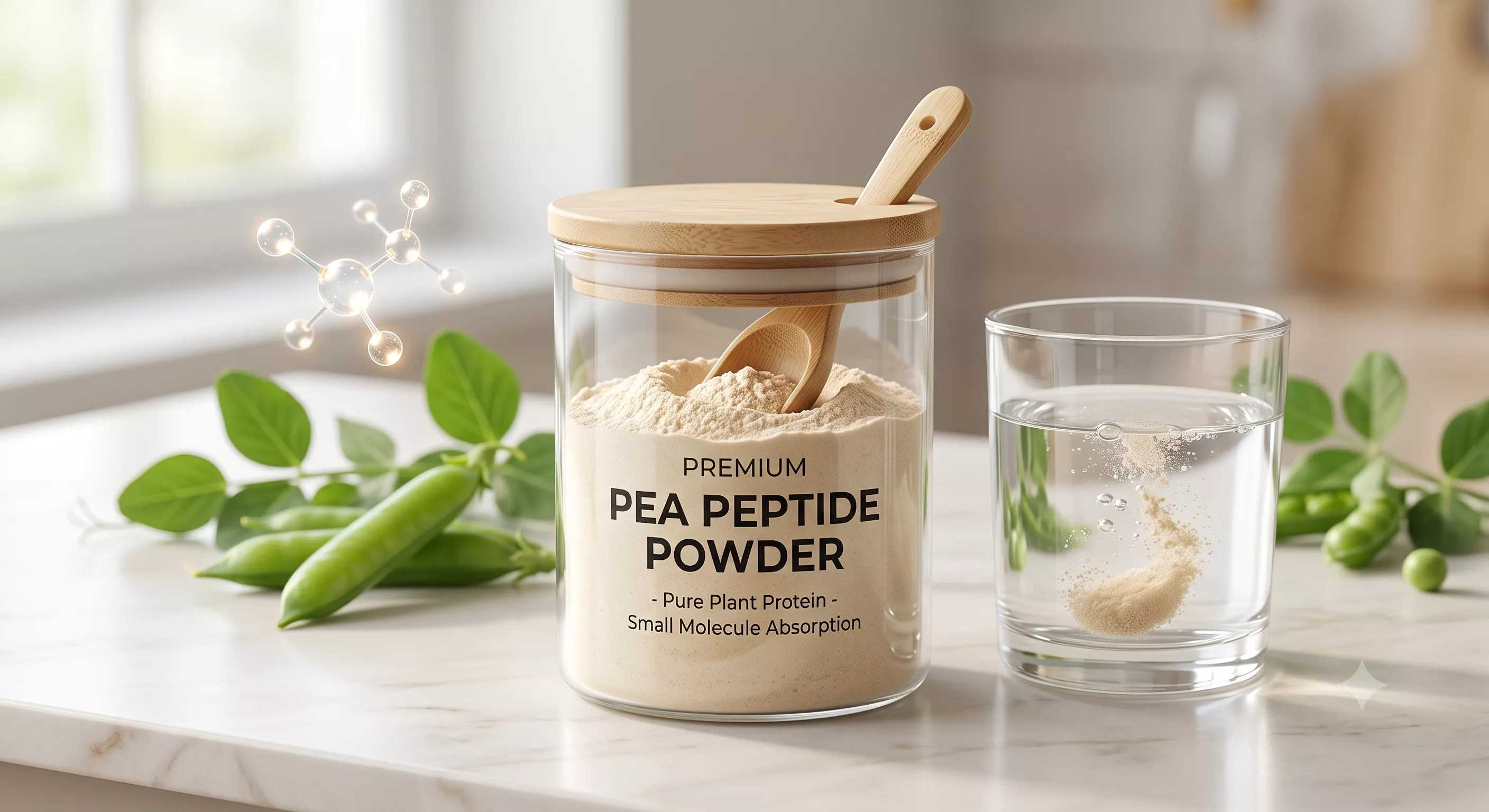
Source high-purity, hypoallergenic hydrolyzed pea peptide powder in bulk. Complete water solubility, rich in BCAAs, ideal for vegan recovery formulas.
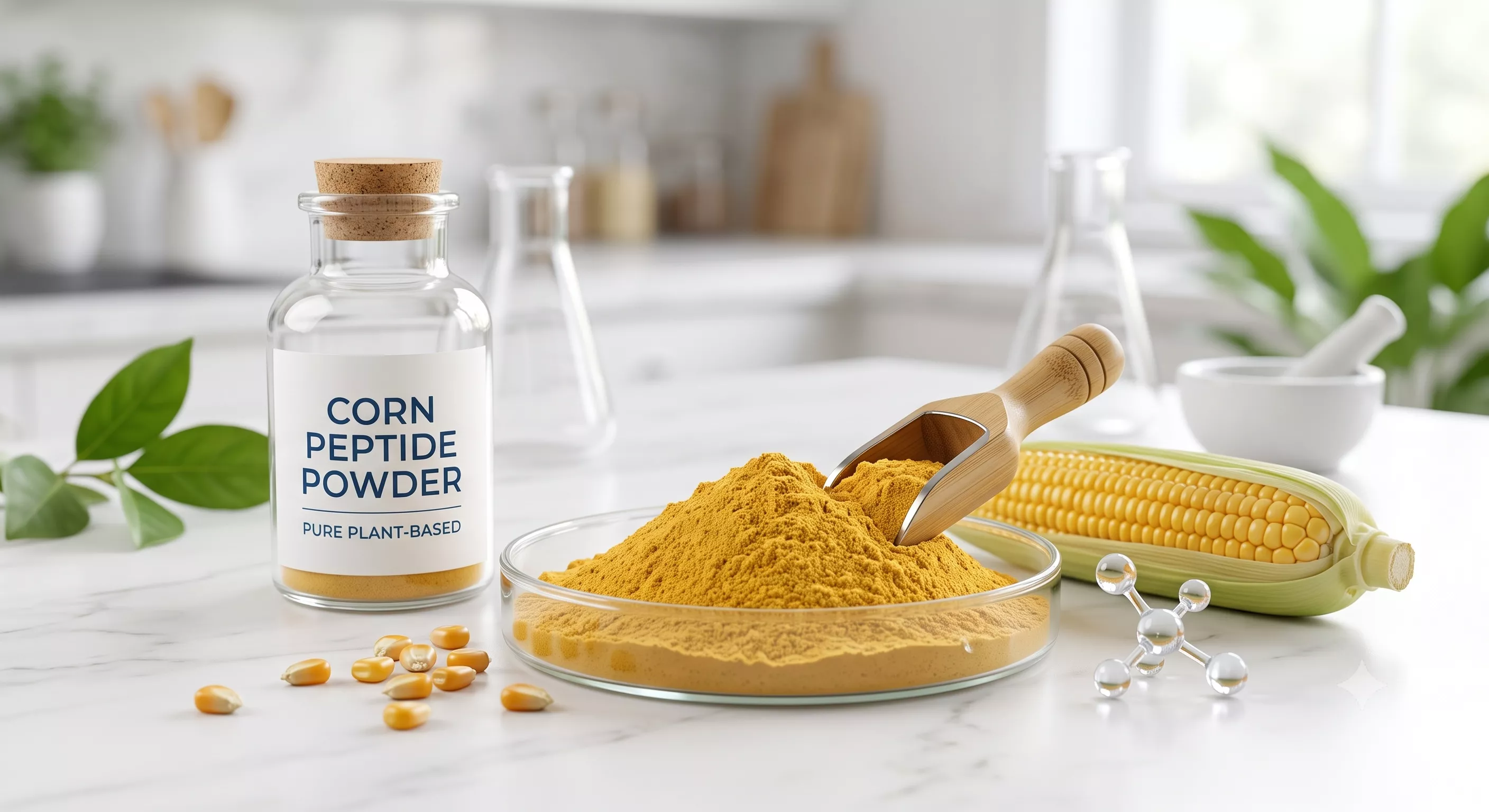
Source high-purity wholesale hydrolyzed corn protein peptide powder in bulk. Over 85% oligopeptides under 1000 Da. Rich in Alanine and Leucine for liver support and sobriety formulas.
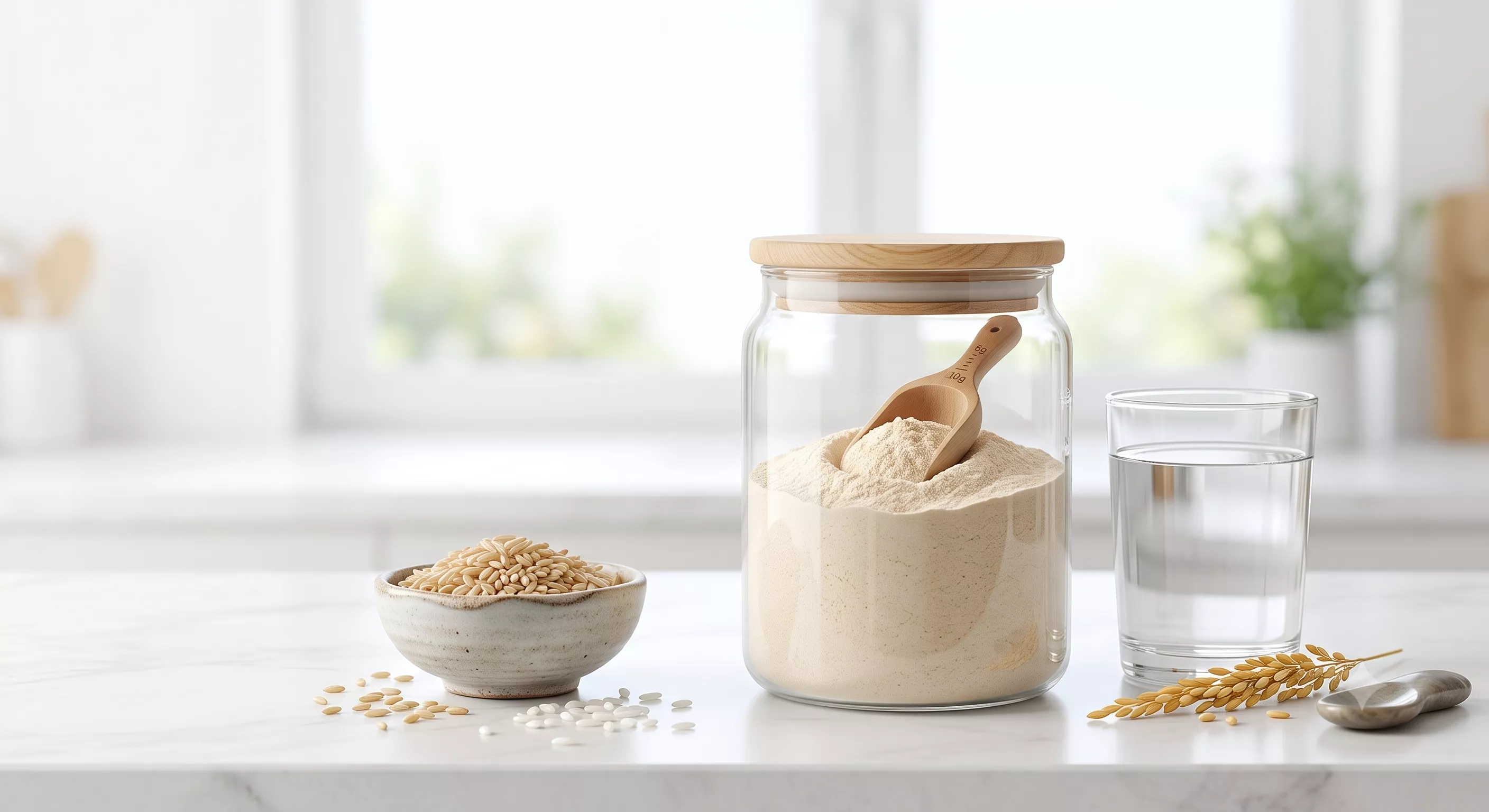
Source ultra-pure, 100% water-soluble wholesale hydrolyzed rice protein peptide in bulk. Over 85% molecules under 1000 Da. Ideal for infant nutrition, clean-label sports formulas, and sensitive skincare.
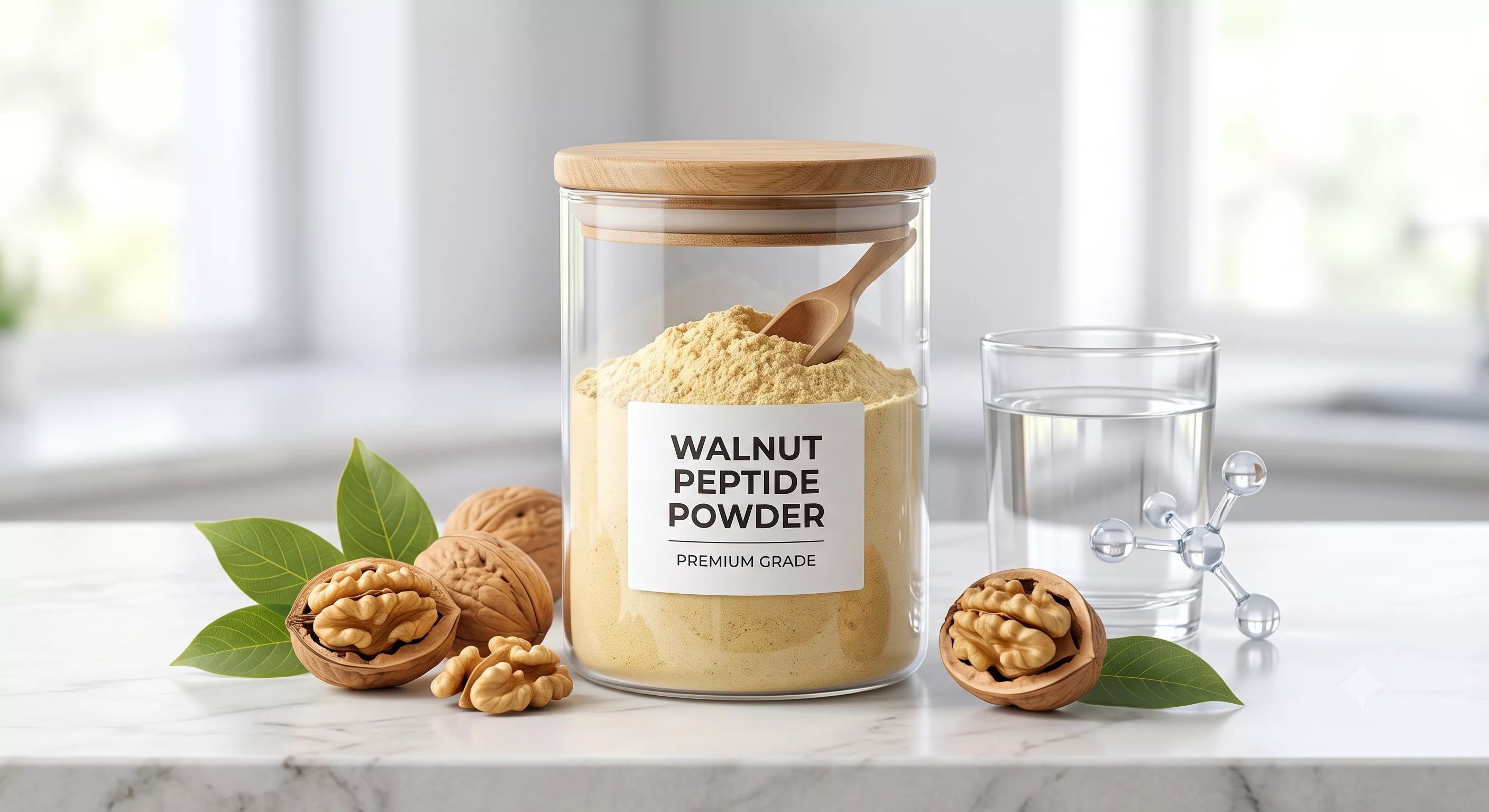
Source wholesale hydrolyzed walnut protein peptide powder in bulk. Over 85% low-molecular-weight oligopeptides rich in Glutamic Acid. Perfect for cognitive formulas and sleep aid supplements.
Select the most popular foreign trade service products to meet your diverse needs
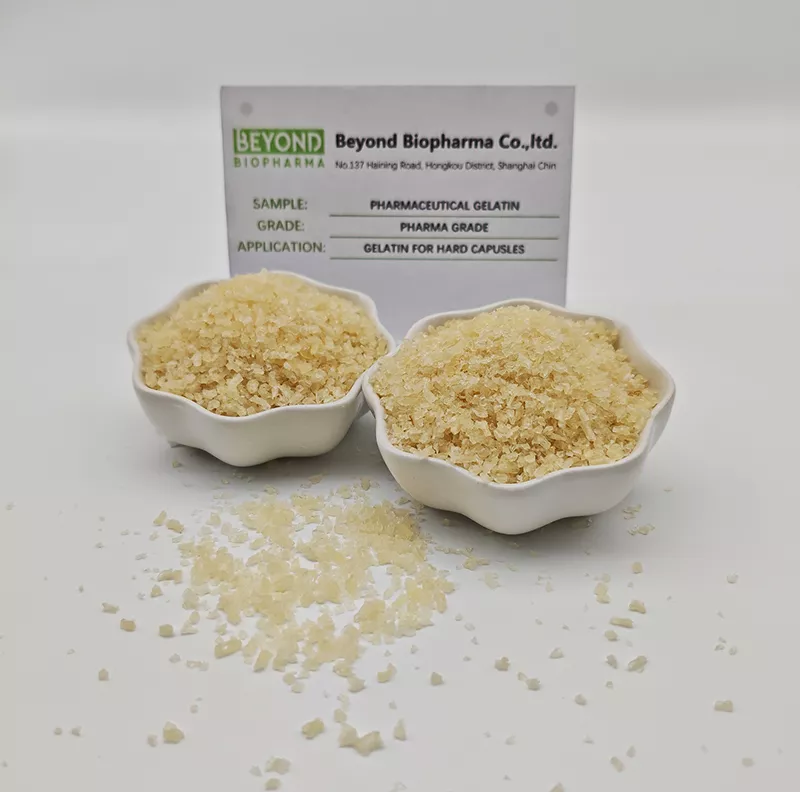
Precision, Purity, and Optimal Machinability
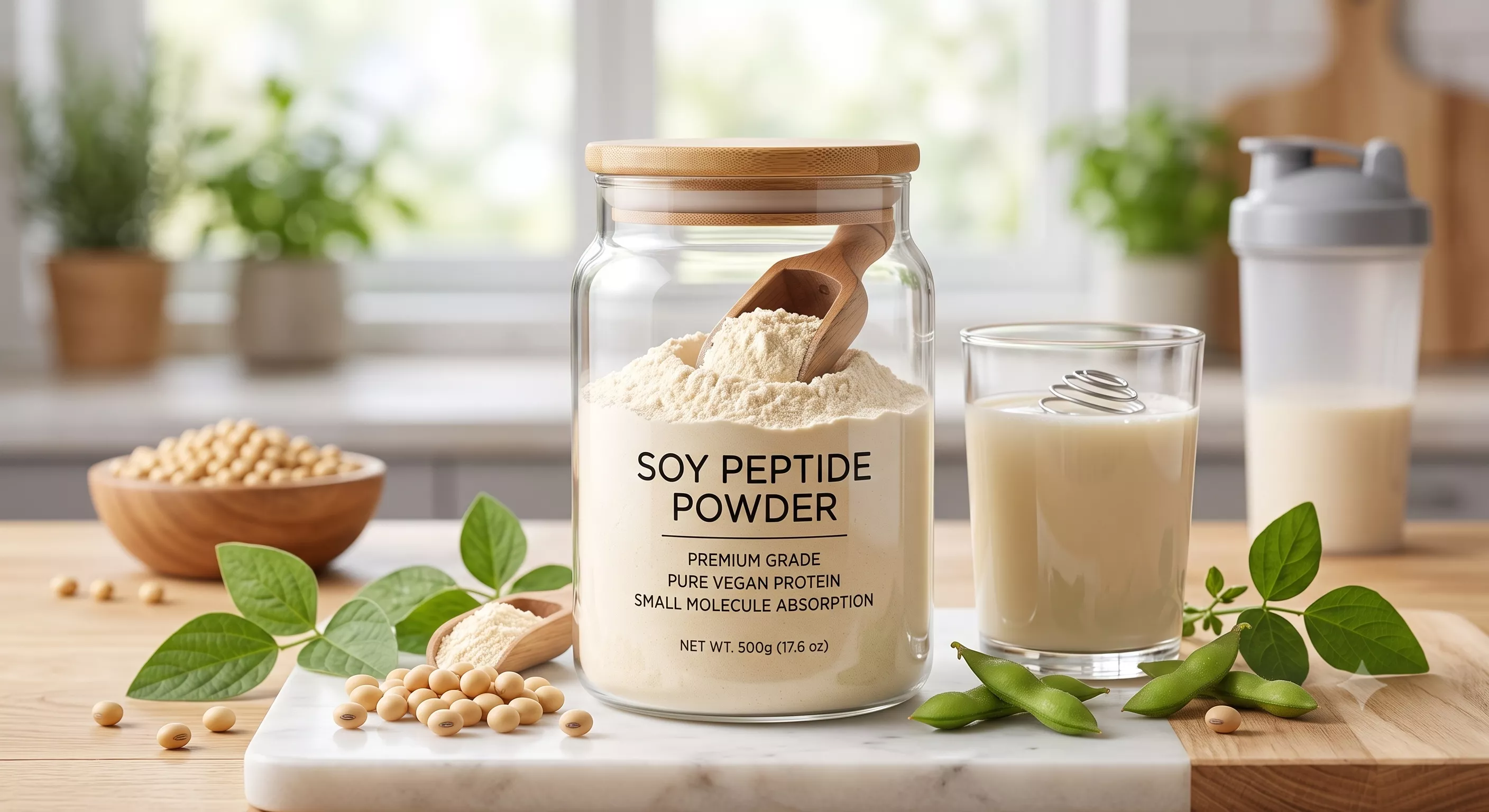
Source ultra-pure, non-GMO hydrolyzed soybean oligopeptide powder in bulk. Complete water solubility, over 80% peptides under 1000 Da. Ideal for sports nutrition and immune recovery formulas.
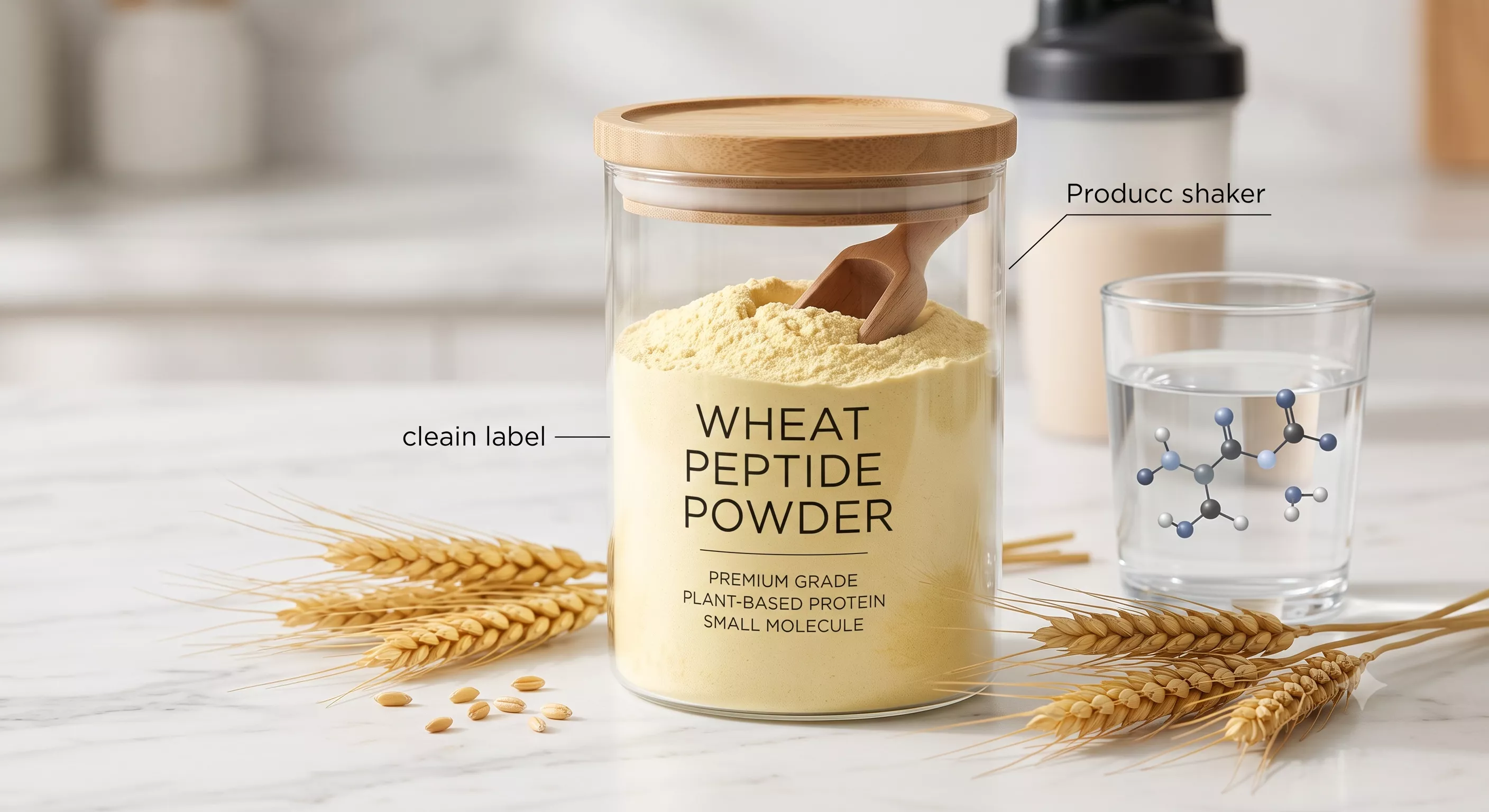
Source ultra-pure, high-solubility wholesale hydrolyzed wheat gluten peptide in bulk. Rich in plant-bound Glutamine ($\ge 25\%$) for muscle recovery and gut barrier health.
Tel:+86 21 65010906
Cell/Whatsapp/Wechat:
+86 13482884055
+86 18657345785
Email: sales@beyondbiopharma.com





User Comments
Service Experience Sharing from Real Customers
Sarah
Certified NutritionistI’ve been recommending wheat protein peptides to my clients who struggle with post-workout recovery. The amino acid profile is surprisingly well-balanced for a plant-based source. One client noticed less muscle soreness within a week of switching from whey. Just wish the solubility in cold water was a bit better, but overall it’s a solid product.
Mike
Baker & Product DeveloperUsed this in a batch of high-protein artisan bread for a local café. The peptides gave a nice, slightly nutty flavor and the dough handled really well—no weird stickiness like some other plant proteins. The crumb texture was surprisingly soft. Only gave 4 stars because the price point is a bit high for large-scale commercial use, but for small batches it’s fantastic.
Jenna
Freelance Fitness BloggerHonestly, I was skeptical because I’ve tried so many ‘natural’ protein powders that taste like cardboard. This one mixes into my morning oatmeal and smoothies without any chalky aftertaste. I’ve been tracking my recovery times and I feel less beat up after leg day. Plus, my stomach doesn’t get upset like it did with dairy-based options. Total win for me.
Tom
Veterinarian & Pet Food FormulatorI was curious about using wheat protein peptides as a functional binder in hypoallergenic pet treats. It worked okay structurally, but the palatability in dogs was hit or miss—about half the test group turned up their noses. For human consumption it’s probably great, but I wouldn’t recommend it for finicky pets unless you mask the taste heavily. Decent product for its intended use.