How Plant-Based Peptides Support Healthy Skin and Hair Naturally
For overseas buyers in the nutraceutical and food-ingredient space, sourcing a reliable plant-based peptide that delivers consistent quality, high solubility, and clean label appeal is often a challenge. This article explores how plant-based peptides support skin and hair health naturally, covering production processes, typical specifications, and practical selection guidance for formulators and procurement managers.
What Are Plant-Based Peptides and Why Do Buyers Face Sourcing Pain Points?
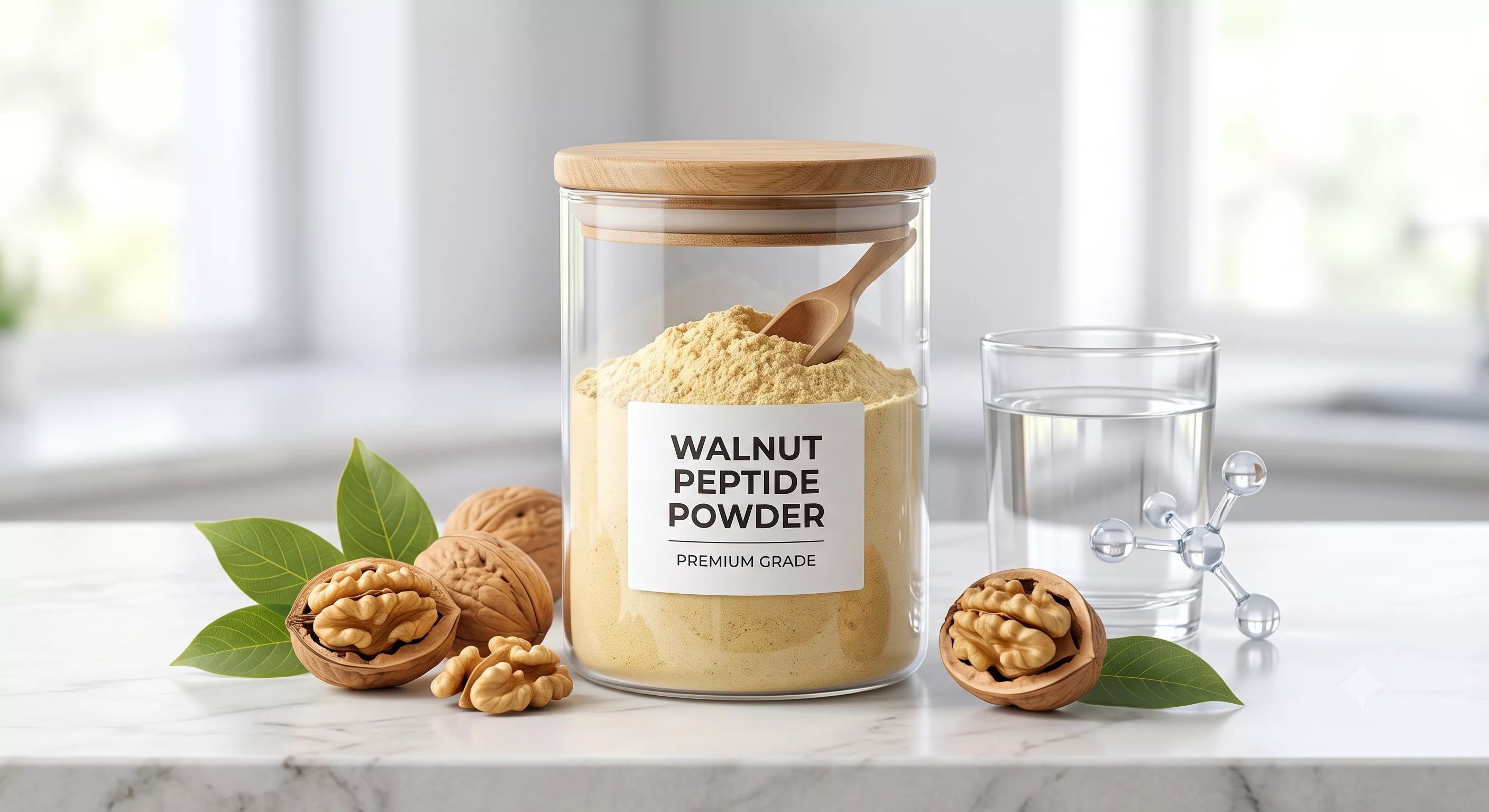
Plant-based peptides are short-chain amino acid sequences derived from hydrolyzed plant proteins such as pea, rice, or soy. They are increasingly popular in beauty-from-within formulations because they offer a vegan, allergen-friendly alternative to animal-derived collagen peptides. However, procurement managers often struggle with batch-to-batch consistency, off-notes or bitterness, poor solubility in cold water, and the lack of reliable certifications for vegan or allergen-free claims. A high-quality plant-based peptide supplier addresses these issues through controlled enzymatic hydrolysis and rigorous quality testing.
How Are Plant-Based Peptides Produced and How Do They Work for Skin and Hair?
The production of plant-based peptides typically involves enzymatic hydrolysis of plant protein isolates under controlled temperature and pH conditions. This process breaks down large protein molecules into smaller peptides with a molecular weight commonly below 5,000 Da. Smaller peptides are more easily absorbed in the gastrointestinal tract and can reach the dermis and hair follicles, where they stimulate collagen synthesis and provide antioxidant protection. For skin, this means improved elasticity, hydration, and reduced fine lines. For hair, it supports keratin production and reduces breakage. The amino acid profile of the source protein—such as high arginine and glutamine in pea protein—plays a key role in these benefits.
What Are the Typical Specifications of Plant-Based Peptides?
When evaluating plant-based peptides for beauty formulations, buyers should look at key parameters. Below is a table of common industry ranges:
| Parameter |
Typical Range |
Notes |
| Protein Content |
80–90% |
Higher protein indicates fewer impurities. |
| Molecular Weight |
Below 5,000 Da |
Lower MW improves absorption and solubility. |
| Solubility |
≥ 95% in cold water |
High solubility is a quality marker for clean formulations. |
| Allergen Profile |
Source-dependent |
Pea and rice are common allergen-free options. |
Note: These are typical industry ranges. Final values should be confirmed per Certificate of Analysis (COA) or sample testing.
What Are the Key Applications of Plant-Based Peptides in Beauty and Wellness?
Plant-based peptides are versatile ingredients for a range of product categories. Here is how they fit into specific applications:
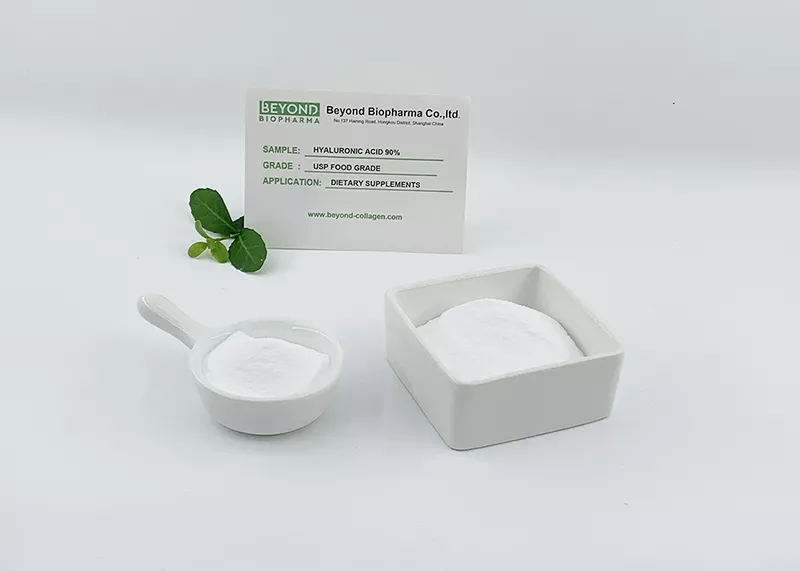
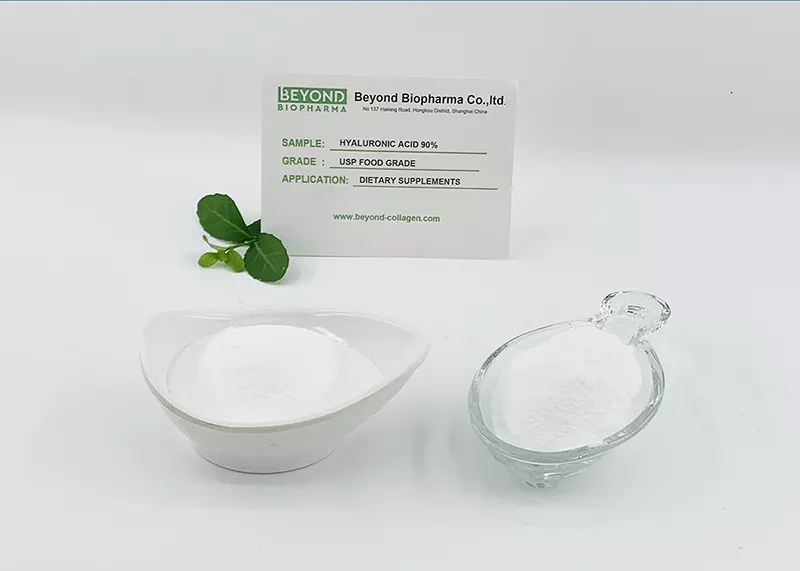
- Nutraceutical Applications: Ideal for beauty supplements targeting skin hydration, elasticity, and hair strength. Often combined with food-grade hyaluronic acid powder for synergistic effects.
- Food Applications: Used in protein bars, smoothie mixes, and functional beverages where a clean label and vegan claim are required.
- Pharmaceutical Applications: Suitable for medical nutrition products that require allergen-free protein sources.
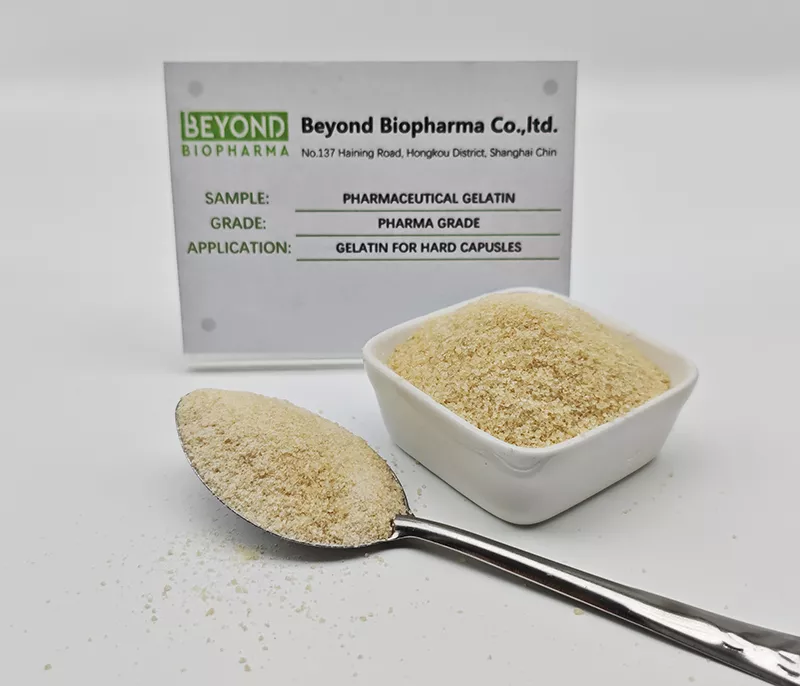
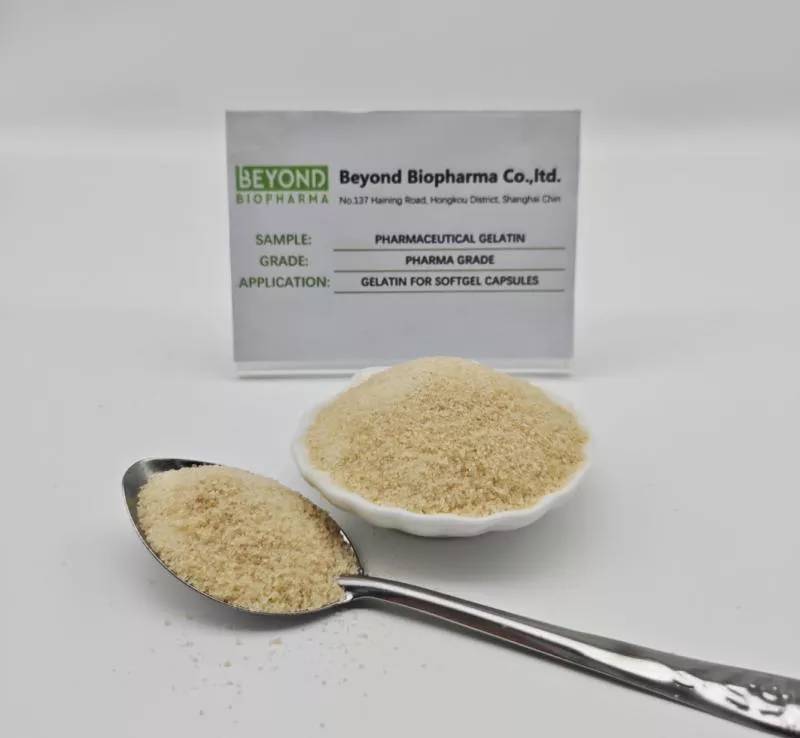
- Plant-Based and Vegan Formulations: A direct alternative to animal-derived edible gelatin or pharmaceutical gelatin for capsule shells and gummies.
Why Choose Beyond Biopharma for Your Plant-Based Peptide Supply?
Beyond Biopharma, based in Shanghai, China, has over 10 years of experience in the food-ingredient industry. We manufacture collagen peptides, gelatin, and plant protein peptides for B2B clients worldwide. Our products are exported to more than 50 countries. Our facility has an annual capacity of approximately 3,000 MT for collagen and 5,000 MT for gelatin, with fully automatic production lines, GMP clean workshops, and stainless-steel sealed piping with automated temperature and pH control. We are ISO 9001 certified, US FDA registered, and select products carry Halal or Kosher certifications. Our in-house lab conducts heavy-metal and microbiological testing, supported by a dedicated QA/QC team. We offer three grades—food, pharmaceutical, and cosmetic—and provide free samples along with formulation and selection support.
Frequently Asked Questions About Plant-Based Peptides
Are plant-based peptides as effective as animal-derived collagen for skin and hair?
Yes, plant-based peptides can be equally effective. They provide a similar amino acid profile that supports collagen synthesis and antioxidant activity. Studies show that peptides from pea and rice protein improve skin hydration and elasticity, comparable to fish or bovine collagen peptides.
What is the typical molecular weight of plant-based peptides for beauty applications?
The molecular weight is typically below 5,000 Da, with many products in the 2,000–3,000 Da range. Lower molecular weight peptides are absorbed more efficiently, which is critical for reaching the skin and hair follicles.
Can plant-based peptides be used in gummies or softgels?
Yes, they can be incorporated into gummies and softgels, but the formulation may require adjustments. For gummies, you might combine them with food-grade porcine gelatin or use plant-based gelling agents. For softgels, ultra-high-viscosity gelatin is often used as a carrier.
What certifications should I look for when sourcing plant-based peptides?
Look for ISO 9001, US FDA registration, and GMP certification. For vegan or allergen-free claims, request third-party testing reports. Halal or Kosher certifications may also be required depending on your target market.
How do I ensure batch-to-batch consistency in plant-based peptides?
Work with a supplier that has automated production lines and in-house QA/QC labs. Request a COA for each batch, and consider a pre-shipment sample for testing. Beyond Biopharma provides dedicated QA/QC support and free samples for evaluation.
What is the typical shelf life of plant-based peptide powders?
When stored in a cool, dry place away from direct sunlight, plant-based peptide powders typically have a shelf life of 24 to 36 months. Always check the expiration date on the COA or product label.
Request a Quote and Free Sample for Your Plant-Based Peptide Needs
If you are looking for a reliable supplier of plant-based peptide for your next beauty or wellness product, we invite you to reach out. Please provide your intended application, required grade (food, pharmaceutical, or cosmetic), estimated quantity or MOQ, target specifications (such as molecular weight, protein content, and certifications), and destination country. Beyond Biopharma will send you free samples and a competitive quote. Our team is ready to support your formulation and sourcing needs with professional, data-driven guidance.

 English EN








User Comments
Service Experience Sharing from Real Customers
Marcus
Clinical NutritionistI’ve been recommending plant-based peptide supplements to my clients for gut repair, and this one actually delivers. The amino profile is clean—no bloating like with some dairy-based ones. A few of my patients reported better recovery after switching to this brand. Solid product.
Lena
Yoga Instructor & Meal Prep CoachHonestly, I was skeptical at first because most plant proteins taste like dirt to me. But these peptides mix into my morning smoothie without any weird aftertaste. I’ve noticed less muscle soreness after back-to-back classes. Would love if they came in a bigger tub, though.
Omar
Biomedical Engineering StudentI’m doing a small personal project on alternative protein sources for athletic recovery, and these peptides have been my go-to. The solubility is impressive—no clumps even in cold water. Plus, the ingredient list is short and recognizable, which is rare in this space.
Priya
Restaurant Owner & Plant-Based ChefI bought this to test for a new recovery smoothie on our menu. The texture is great, and it blends well with oat milk. But the flavor is a bit too neutral—almost chalky if you don’t add fruit. Works decently in savory applications though. Might tweak the recipe.