The Science and Sourcing of Plant Peptides for Supplements
Sourcing high-quality plant peptides for supplements means navigating batch consistency, solubility, and allergen-free requirements. This article breaks down the production science, key specifications, and practical selection guidance for overseas buyers, with a focus on how Beyond Biopharma delivers reliable plant protein peptide solutions.
What Are Plant Peptides and Why Do They Matter for Supplement Formulations?
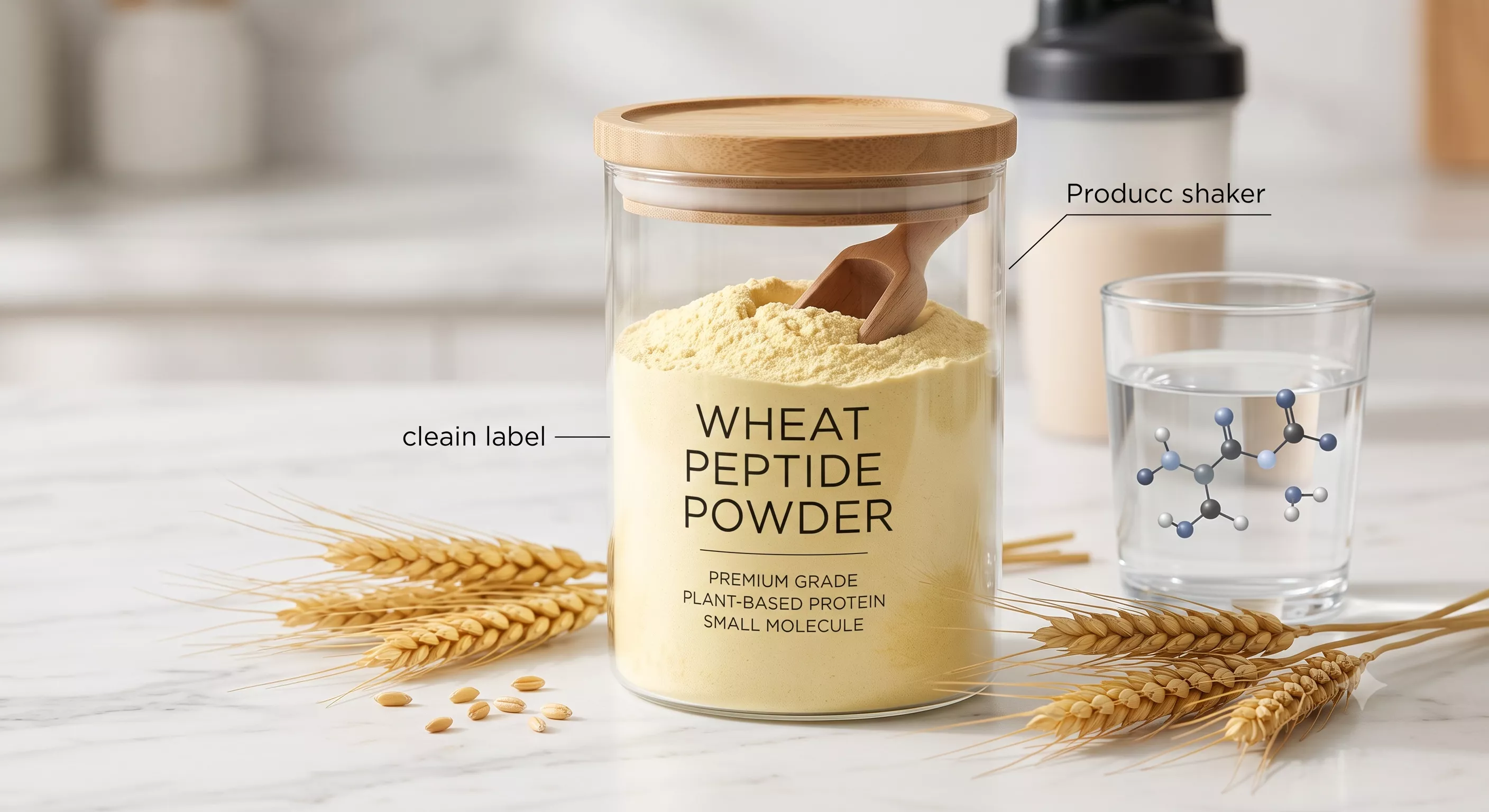
Plant peptides are short-chain amino acid sequences derived from hydrolyzed plant proteins, such as pea, rice, or soy. For supplement developers, they offer a vegan-friendly, allergen-conscious alternative to animal-derived collagen or gelatin peptides. The real sourcing pain point? Achieving consistent solubility, low bitterness, and a molecular weight profile that supports rapid absorption — without compromising on clean-label requirements.
When you work with a supplier like Beyond Biopharma, you get plant protein peptide options that are produced under strict GMP conditions, with full traceability from raw material to finished powder. This matters because supplement brands targeting plant-based or hypoallergenic markets need ingredients that perform predictably in gummies, powders, or capsules.
How Are Plant Peptides Produced? A Look at Enzymatic Hydrolysis and Quality Control
The production of plant peptides typically starts with a protein-rich plant source — pea, rice, or soy isolates. Through controlled enzymatic hydrolysis, the long protein chains are broken into smaller peptide fragments. This process is critical: it determines the final molecular weight, solubility, and taste profile. For example, a lower molecular weight (below 5,000 Da) generally means faster absorption in the body, which is ideal for sports nutrition or beauty supplements.
At Beyond Biopharma, we apply the same rigorous approach used for our bovine collagen peptide and fish collagen peptide lines. Our fully automatic production line features stainless-steel sealed piping and automated temperature/pH control, ensuring every batch of plant protein peptide meets consistent specs. In-house QA/QC teams test for heavy metals and microbiology, so you get a clean, safe ingredient every time.
What Are the Typical Specifications for Plant Peptides in Supplements?
When evaluating plant peptides, buyers look at protein content, molecular weight, solubility, and allergen profile. Below is a table of common parameter ranges. Note: these are typical industry ranges; final values should be confirmed per Certificate of Analysis (COA) and sample.
| Parameter |
Typical Range |
Notes |
| Protein Content |
80–90% |
Varies by source; pea and rice typically on the higher end. |
| Molecular Weight |
Below 5,000 Da |
Lower MW supports faster absorption; fish collagen peptides often lower. |
| Solubility |
High (≥95% in cold water) |
Key for clear beverages and smooth formulations. |
| Allergen Profile |
Source-dependent |
Pea and rice are generally allergen-free; soy contains allergens. |
| Odor/Taste |
Low to neutral |
Quality markers; enzymatic hydrolysis reduces bitterness. |
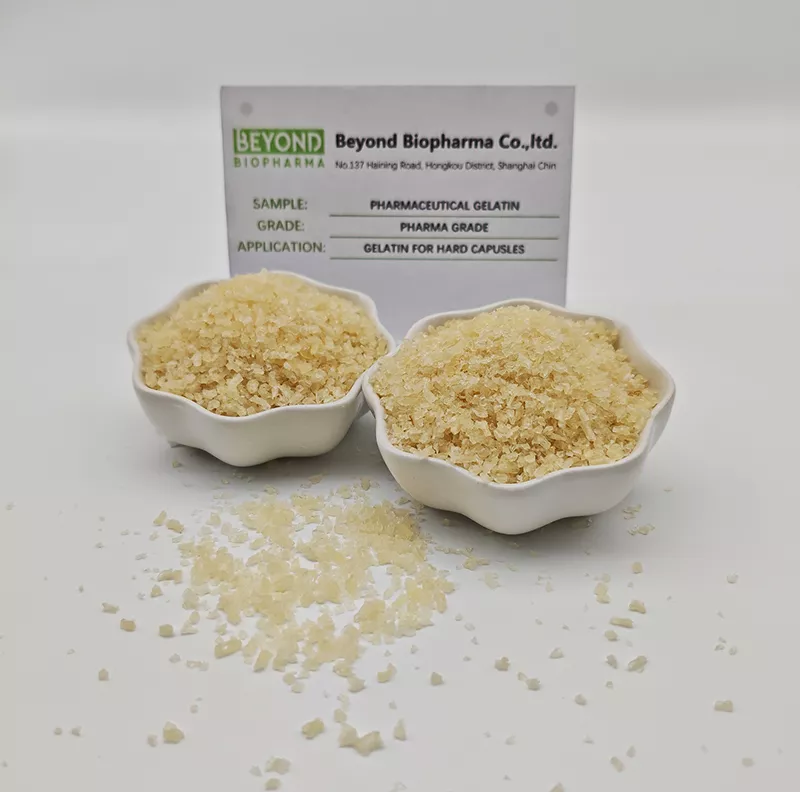
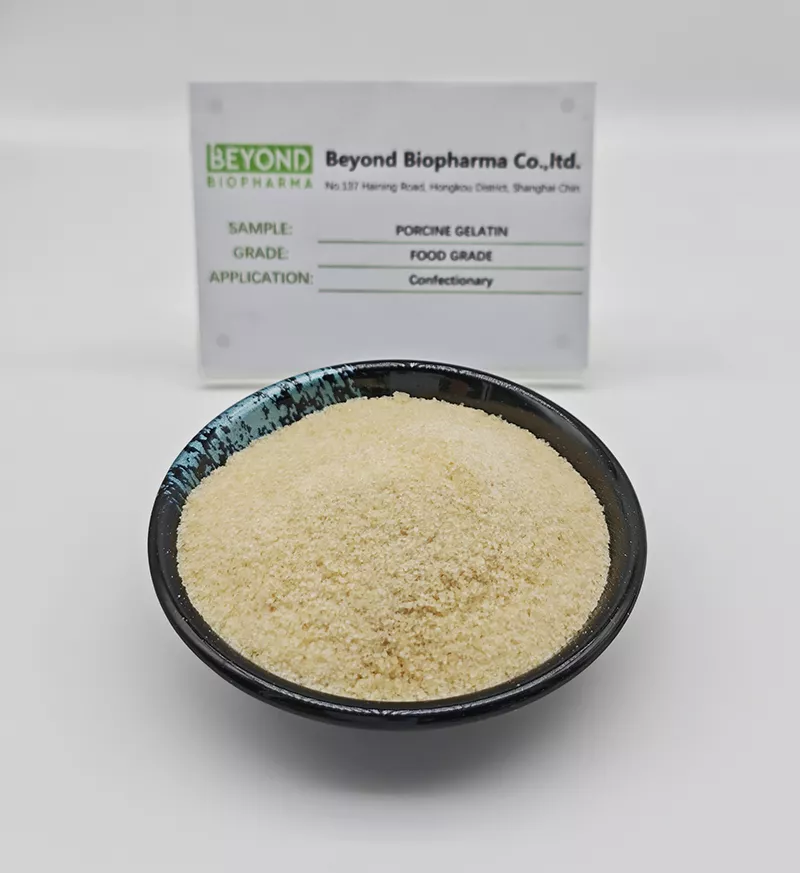
For comparison, our edible gelatin and porcine gelatin lines follow similar quality protocols, with Bloom values ranging from 50–300 g for gelatin applications.
Applications and Selection Guidance: Which Plant Peptide Grade Fits Your Product?
Choosing the right plant peptide grade depends on your target application. Here is a breakdown by industry:
- Food & Beverage: For protein powders, bars, and clear drinks, opt for a plant protein peptide with high solubility and low odor. Pea and rice peptides work well here.
- Gummies & Softgels: While gelatin is the standard gelling agent, plant peptides can be used in vegan gummy formulations when combined with alternative gelling systems. Our ultra-high-viscosity gelatin remains a top choice for softgels, but plant peptides offer a plant-based alternative for encapsulation.
- Sports Nutrition: Fast-absorbing peptides with molecular weight below 3,000 Da are ideal for post-workout recovery. Fish collagen tripeptide is a comparable option for non-vegan lines.
- Beauty-from-Within: Plant peptides with a balanced amino acid profile support skin and hair health. They are a direct alternative to bovine or fish collagen peptides for vegan consumers.
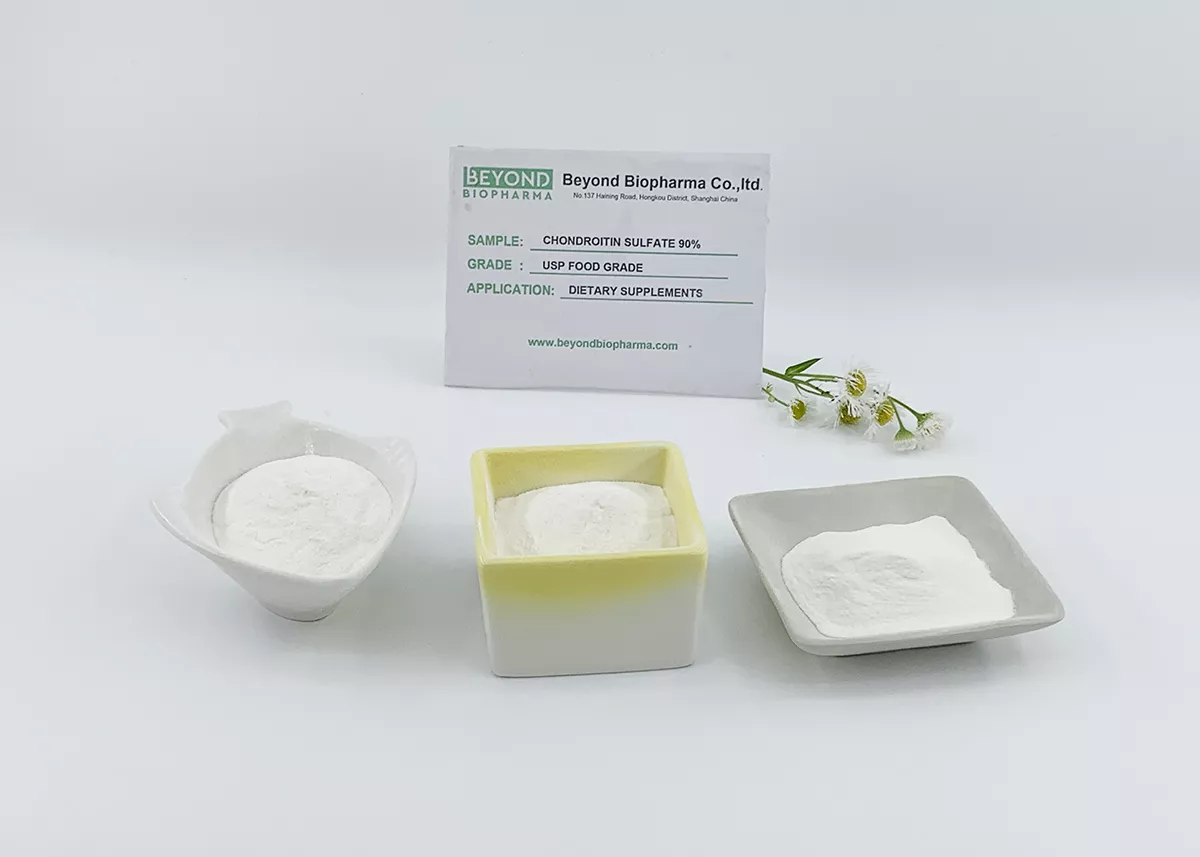
- Joint Health: For joint formulations, consider undenatured collagen type II or our joint health ingredients like chondroitin and glucosamine, alongside plant peptides for a hybrid approach.
Beyond Biopharma offers three grades — food, pharmaceutical, and cosmetic — so you can match the purity and spec level to your regulatory needs. Our team provides formulation support to help you integrate plant peptides seamlessly.
Why Beyond Biopharma for Your Plant Peptide Supply?
Based in Shanghai, China, Beyond Biopharma has over 10 years of experience in the food-ingredient industry. We manufacture collagen peptides, gelatin, and plant protein peptides for B2B clients, with exports to more than 50 countries. Our facility capacity is approximately 3,000 MT/year for collagen and 5,000 MT/year for gelatin, supported by a fully automatic production line, GMP clean workshop, and stainless-steel sealed piping with automated temperature and pH control.
We hold ISO 9001, US FDA registration, and GMP certification. Select products carry Halal or Kosher certification (e.g., fish gelatin), and our bovine bone gelatin is BSE-free. Our in-house lab conducts heavy-metal and microbiological testing, with a dedicated QA/QC team ensuring every batch meets spec. Whether you need plant protein peptide for vegan formulations or high-bloom gelatin for hard capsules, we offer free samples and formulation support.
Frequently Asked Questions About Plant Peptides for Supplements
Q: Are plant peptides comparable to animal-derived collagen peptides in terms of absorption?
Yes. Plant peptides with a molecular weight below 5,000 Da are absorbed similarly to collagen peptides. However, their amino acid profile differs — plant peptides lack the high glycine and proline content found in collagen. They are best used as a complementary ingredient in vegan formulations.
Q: What certifications should I look for when sourcing plant peptides?
For global markets, prioritize ISO 9001, GMP, and FDA registration. If targeting Halal or Kosher markets, ensure the supplier offers certified options. Beyond Biopharma provides these certifications for select products, along with BSE-free documentation for bovine lines.
Q: How do I test plant peptide quality before committing to bulk orders?
Request free samples and a Certificate of Analysis (COA). Test for solubility, odor, and protein content in your own formulation. Beyond Biopharma offers free samples and can provide spec sheets for comparison.
Q: Can plant peptides be used in gummy supplements?
Yes, but they require a different gelling system than gelatin. Plant peptides work best in combination with pectin or agar for vegan gummies. Our team can advise on formulation adjustments based on your target texture.
Q: What is the typical lead time for custom plant peptide orders?
Lead times vary by volume and spec. For standard plant protein peptide grades, expect 2–4 weeks. Custom formulations may take longer. Contact Beyond Biopharma with your MOQ and destination country for a precise timeline.
Q: How do plant peptides compare to soy protein hydrolysates from suppliers like Roquette or ADM?
Plant peptides from Beyond Biopharma are compatible with products from Roquette, Ingredion, or ADM in terms of functionality. We position our offerings as a reliable alternative with consistent quality, GMP production, and flexible bulk supply options.
Request a Quote and Free Samples for Your Plant Peptide Needs
Ready to source plant peptides for your next supplement line? Tell us about your application, required grade (food, pharmaceutical, or cosmetic), quantity and MOQ, target specifications (molecular weight, protein content, solubility), and destination country. Beyond Biopharma will send free samples and a competitive quote tailored to your needs.
Our team is here to help you select the right plant protein peptide — whether you are developing vegan protein powders, allergen-free sports nutrition, or clean-label beauty supplements. Contact us today to start the conversation.

 English EN








User Comments
Service Experience Sharing from Real Customers
Liam
Clinical NutritionistI've been recommending these plant peptides to my clients who struggle with digestion and muscle recovery. The quality is consistent, and the amino acid profile actually holds up against whey. One client even reported better sleep after switching. Solid stuff.
Emma
Yoga Instructor & Part-Time BloggerNot gonna lie, I was skeptical at first because I've tried so many 'natural' supplements that taste like dirt. But these peptides mix super smooth in my morning smoothie and don't leave that weird chalky aftertaste. Been using them for a month and my joints feel happier during flows.
Oscar
Biomedical ResearcherI analyzed the lab report on these peptides before even trying them. The molecular weight distribution is well-controlled, and the bioavailability markers look promising. For a plant-based option, this is surprisingly close to what you'd expect from hydrolyzed collagen. Will continue using.
Sophie
Freelance Graphic Designer & Weekend HikerI bought these hoping they'd help with my post-hike muscle soreness. They do help a bit, but I didn't notice a huge difference compared to just eating more beans and lentils. The taste is neutral which is good, but honestly for the price I expected faster results. Might repurchase if they go on sale.