 English EN


How Are Collagen Peptides Applied In Modern Industries
Collagen peptides are applied in food, pharma, cosmetics, and eco-materials, supporting joint health, skin, and sustainable industrial solutions.
More
Sourcing pea peptides for your next plant-based formulation? You are not alone. Many overseas buyers face real challenges: batch-to-batch consistency, off-notes or bitterness, poor solubility in finished products, and navigating allergen or vegan certification requirements. Pea peptides offer a clean-label, allergen-free alternative to animal-derived hydrolyzed proteins, but only when sourced from a reliable manufacturer. This article breaks down the composition, functional specs, and application advantages of pea peptides, helping you make an informed purchasing decision.
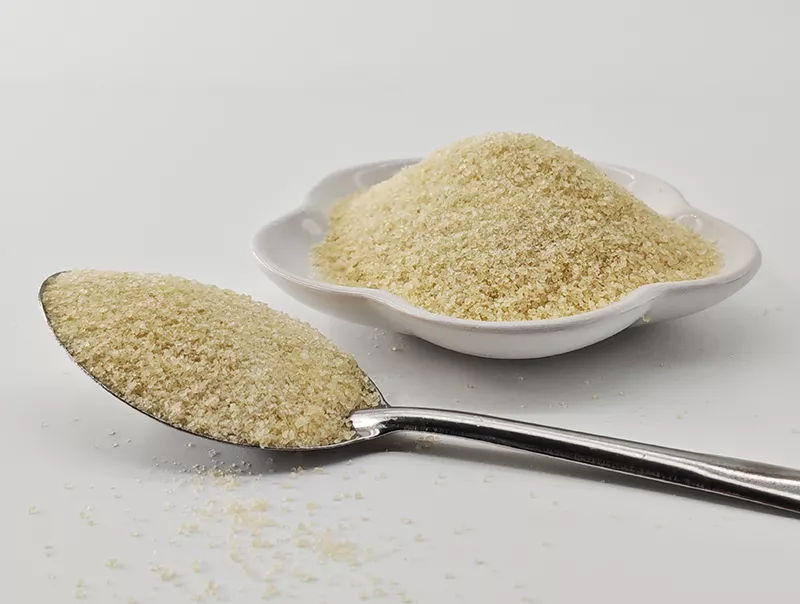
Pea peptides are short-chain amino acid sequences derived from yellow pea protein through controlled enzymatic hydrolysis. Unlike whole pea protein isolates, which have larger molecular structures, pea peptides are broken down into smaller fragments — typically under 5,000 Daltons — making them easier for the body to absorb and more soluble in liquid formulations.
The production process starts with high-quality yellow peas. After protein extraction, food-grade enzymes are used to cleave the protein chains at specific peptide bonds. The hydrolysis conditions — temperature, pH, and enzyme-to-substrate ratio — are precisely controlled to achieve a consistent molecular weight profile. The resulting hydrolysate is then spray-dried into a fine powder with low moisture content. This process ensures that the final pea peptide product has high solubility, a neutral taste profile, and excellent functional properties for a wide range of applications.
When evaluating pea peptides for your supply chain, you need to look at several critical parameters. The table below summarizes the typical industry ranges for pea peptides. Please note that these are generic ranges; final values should always be confirmed with a Certificate of Analysis (COA) from your supplier.
| Parameter | Typical Industry Range | Notes |
|---|---|---|
| Protein Content | 80 – 90% | Dry basis; higher protein means less filler. |
| Molecular Weight | Typically < 5,000 Da | Lower MW improves absorption and solubility. |
| Solubility | ≥ 95% (in water at 20°C) | High solubility is a key quality marker. |
| Moisture | ≤ 8% | Low moisture ensures stability and shelf life. |
| Allergen Profile | Free from soy, gluten, dairy, and egg | Pea is a non-allergenic source; ideal for clean labels. |
Typical industry range; final values per COA / sample.
Pea peptides offer several distinct advantages over other protein hydrolysates, especially for plant-based and allergen-free products:
Pea peptides are versatile ingredients that work well across multiple industries. Here is a quick selection guide:
Beyond Biopharma is a Shanghai, China–based manufacturer specializing in collagen peptides, gelatin, and plant protein peptides — including pea peptides. With over 10 years of experience in the food-ingredient industry, our products are exported to more than 50 countries. Our facility operates a fully automatic production line within a GMP clean workshop, featuring stainless-steel sealed piping and automated temperature and pH control. We maintain an annual production capacity of approximately 3,000 MT for collagen and 5,000 MT for gelatin. Quality is our priority: we hold ISO 9001 certification, are US FDA registered, and our select products carry Halal and Kosher certifications (for example, our fish gelatin). Our in-house lab conducts heavy-metal and microbiological testing, supported by a dedicated QA/QC team. We offer three grades — food, pharmaceutical, and cosmetic — and provide free samples along with formulation and selection support.
Q: Are pea peptides suitable for people with soy or gluten allergies?
Yes. Pea peptides are naturally free from soy, gluten, dairy, and egg. They are an excellent choice for hypoallergenic and clean-label formulations.
Q: What is the typical molecular weight of pea peptides?
The molecular weight is typically below 5,000 Daltons, with many products falling in the 2,000–5,000 Da range. Lower molecular weight supports faster absorption and higher solubility.
Q: Can pea peptides be used in clear beverages?
Yes. Pea peptides have high solubility in cold water and a neutral taste, making them suitable for clear protein beverages and fortified waters.
Q: Do pea peptides have a strong taste or odor?
No. Compared to other plant protein hydrolysates like soy or rice, pea peptides have a much milder flavor and lower odor. This reduces the need for masking agents.
Q: What certifications are available for pea peptides?
Pea peptides from Beyond Biopharma are produced in a GMP-certified facility with ISO 9001 and US FDA registration. Specific certifications like Halal or Kosher can be discussed based on your requirements.
Q: How do I request a sample or get a quote for pea peptides?
Simply contact us with your application, required grade (food, pharmaceutical, or cosmetic), target quantity/MOQ, desired specs (molecular weight, solubility, certifications), and destination country. We will send free samples and a competitive quote.
Ready to source high-quality pea peptides for your next product? Tell us about your application, required grade (food / pharmaceutical / cosmetic), target quantity or MOQ, desired specifications (molecular weight, solubility, certifications), and your destination country. Beyond Biopharma will provide free samples and a tailored quote. We look forward to supporting your formulation needs with reliable, plant-based protein peptides.

We provide you with comprehensive foreign trade solutions to help enterprises achieve global development
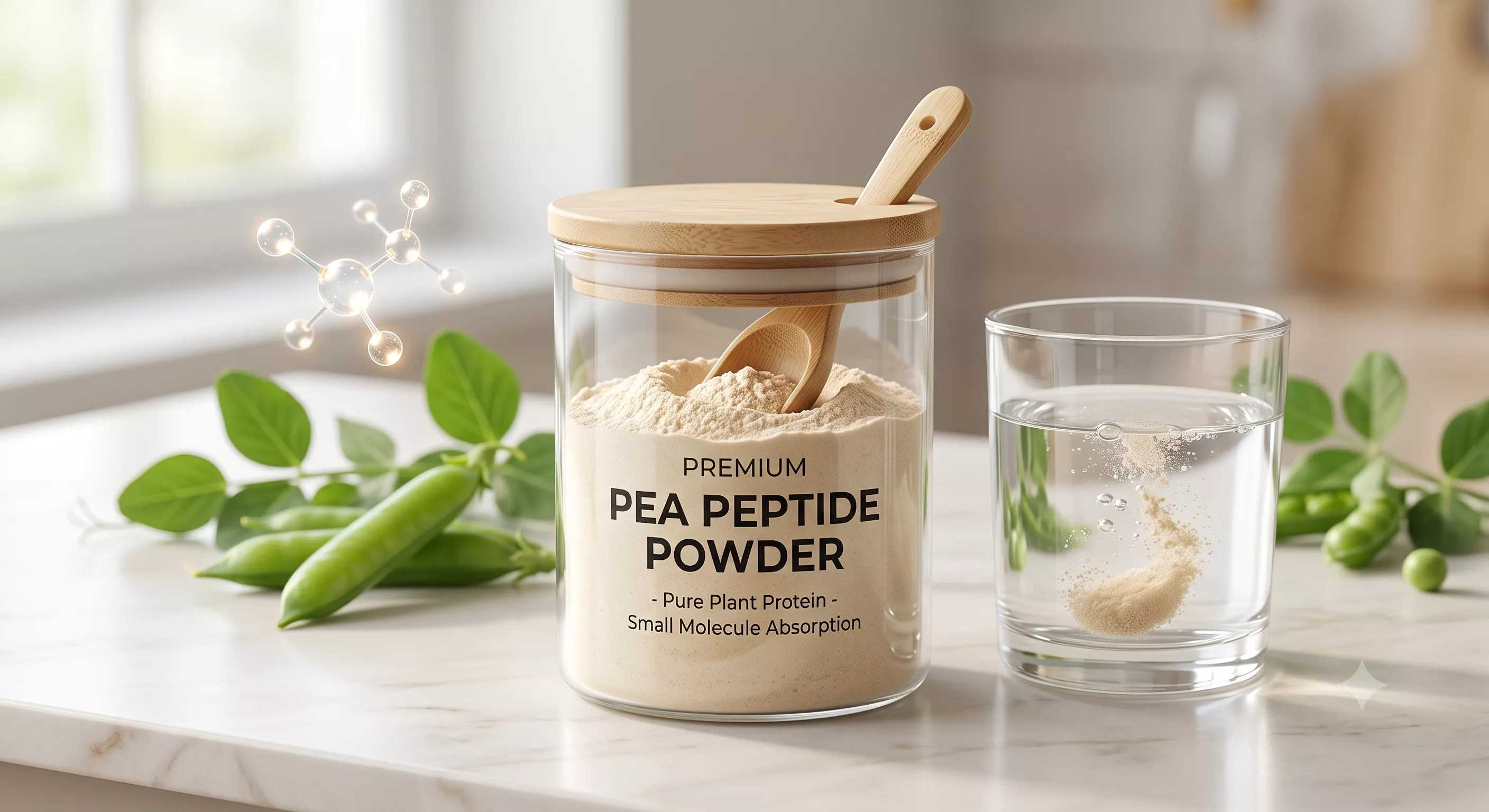
Source high-purity, hypoallergenic hydrolyzed pea peptide powder in bulk. Complete water solubility, rich in BCAAs, ideal for vegan recovery formulas.
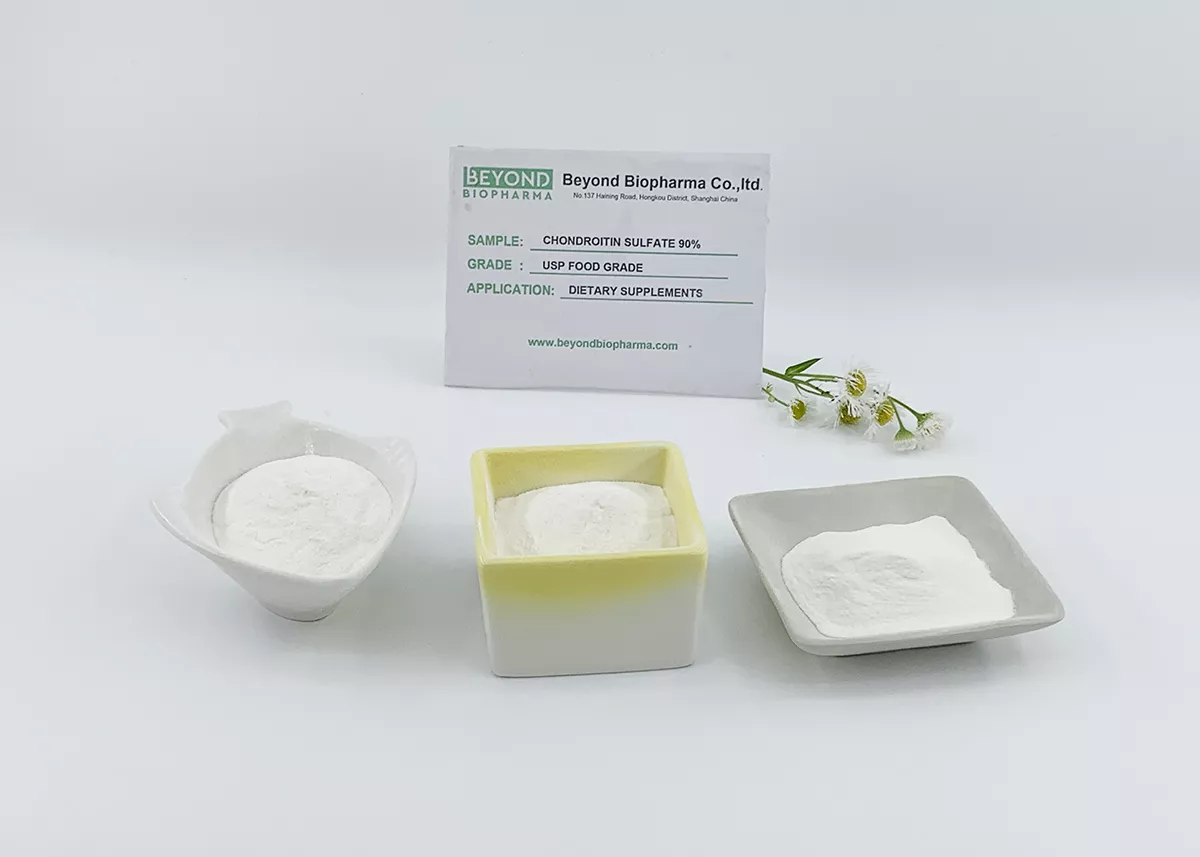
High Purity and Efficacy for Joint Health Formulations
The High-Performance Barrier for Core Material Protection and Controlled Release.
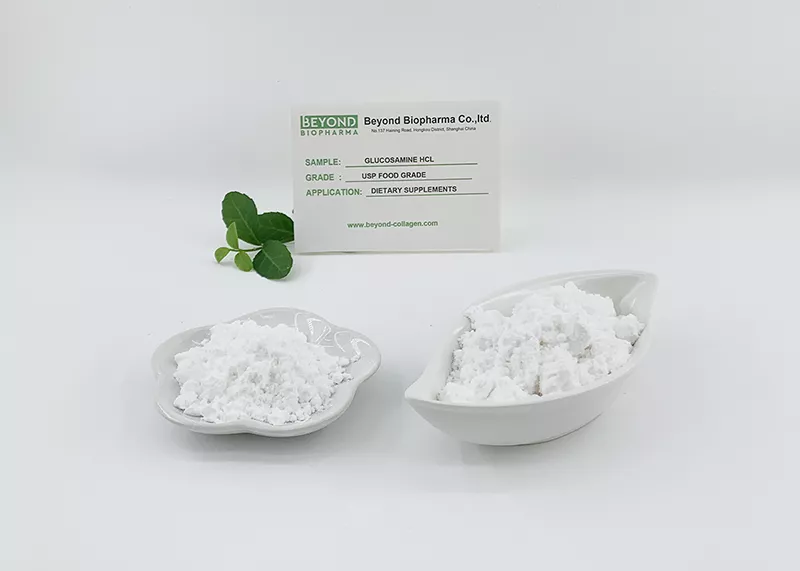
The Purest Plant-Based Joint Support Solution
Select the most popular foreign trade service products to meet your diverse needs
The Purest Plant-Based Joint Support Solution
High Purity and Efficacy for Joint Health Formulations
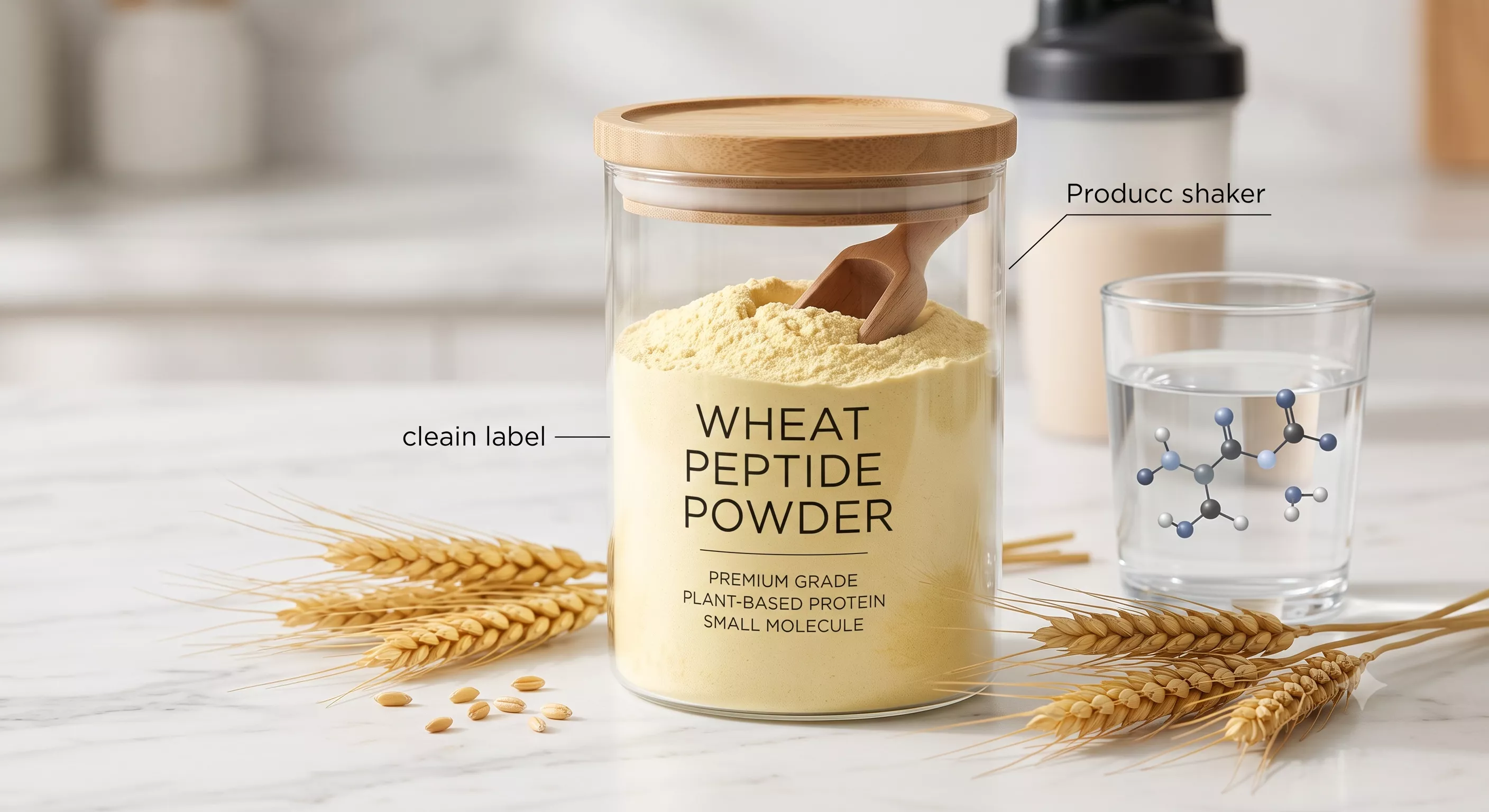
Source ultra-pure, high-solubility wholesale hydrolyzed wheat gluten peptide in bulk. Rich in plant-bound Glutamine ($\ge 25\%$) for muscle recovery and gut barrier health.
Tel:+86 21 65010906
Cell/Whatsapp/Wechat:
+86 13482884055
+86 18657345785
Email: sales@beyondbiopharma.com





User Comments
Service Experience Sharing from Real Customers
Ethan
Landscape DesignerI started adding pea peptides to my recovery shake after heavy planting days, and honestly, the difference in muscle soreness is night and day. No bloating like with dairy-based powders, and it mixes clean. Highly recommend for anyone on their feet all day.
Mia
Yoga InstructorWas skeptical at first because I've tried so many plant proteins that taste like dirt. This one is actually smooth in my morning smoothie. I feel it helps with my post-flow recovery without weighing me down. Not a miracle, but solid.
Oscar
Biomedical ResearcherI analyze protein supplements for a living, so I'm picky. The amino acid profile on these pea peptides is well-balanced, especially the branched-chain amino acids. I've personally seen better nitrogen retention in my own training logs. Legit stuff.
Chloe
High School Soccer CoachBought it for my daughter who's a vegetarian and struggling to get enough protein. She says the taste is okay—not great, not terrible. She's been a bit more energetic at practice, but it's too early to tell if it's the peptides or just placebo. Decent for the price.