This article explores how plant protein hydrolysates, derived from enzymatic hydrolysis of plant sources like pea, soy, and rice, are transforming agricultural practices by enhancing soil health, nutrient uptake, and crop resilience. We break down the science behind these bioactive peptides, their role in sustainable farming, and how leading brands leverage them to boost yields naturally—without synthetic inputs.
Plant protein hydrolysates improve nitrogen assimilation and root development, leading to higher crop yields.
Enzymatic hydrolysis creates low-molecular-weight peptides that are readily absorbed by plants, outperforming traditional protein sources.
These ingredients support stress tolerance in crops, reducing the need for chemical fertilizers.
Top brands focus on molecular weight control, enzyme specificity, and raw material traceability to ensure consistent performance.
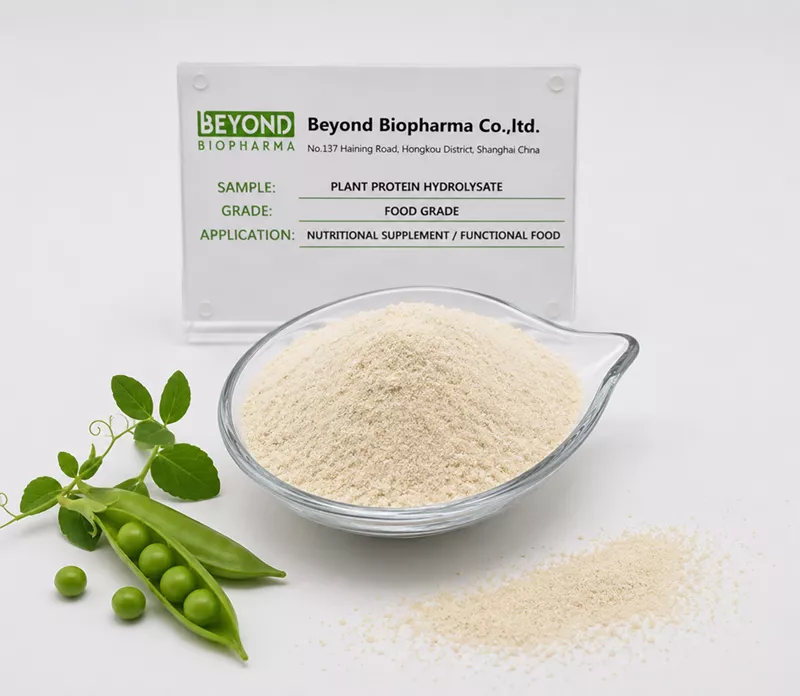
Plant protein hydrolysates are a class of functional ingredients produced by breaking down whole plant proteins into smaller peptide chains and free amino acids through controlled enzymatic hydrolysis. Unlike intact proteins, which require significant energy for plants to metabolize, these hydrolysates offer a more bioavailable form of nitrogen and carbon skeletons.
Common raw materials include pea protein, soy protein, rice protein, wheat gluten, corn zein, potato protein, mung bean protein, sunflower seed protein, and pumpkin seed protein. Each source offers a distinct amino acid profile, influencing the hydrolysate's functionality in agricultural applications.
The production process typically involves: (1) protein extraction via aqueous or alkaline methods, (2) enzymatic hydrolysis using food-grade proteases (e.g., Alcalase, Flavourzyme, or papain), (3) separation of insoluble fractions, and (4) spray drying or freeze drying to obtain a stable powder. The degree of hydrolysis (DH) is carefully controlled to achieve a target molecular weight distribution, often between 500 and 3000 Daltons, which correlates with enhanced plant uptake.
Key characteristics of high-quality plant protein hydrolysates include: high solubility across a wide pH range (2–10), low viscosity even at high concentrations, rapid dispersion in water, and excellent compatibility with other agrochemical inputs like fertilizers and biostimulants. These properties make them ideal for foliar sprays, fertigation systems, and seed treatments.
The primary advantage of plant protein hydrolysates over intact plant proteins lies in their higher digestibility and absorption efficiency. In soil or hydroponic systems, plants absorb amino acids and small peptides directly through root transporters, bypassing the energy-intensive process of protein breakdown. Research suggests that peptides with a molecular weight below 1000 Da are particularly effective in stimulating root elongation and nutrient uptake.
Better solubility is another critical factor. Traditional plant proteins often form aggregates or gels under acidic or high-salt conditions, limiting their use in liquid formulations. Hydrolysates, due to their reduced molecular size and exposed hydrophilic groups, remain soluble even at concentrations above 20% w/v, enabling stable liquid biostimulant products.
Enhanced formulation flexibility allows manufacturers to incorporate hydrolysates into complex blends with micronutrients, humic acids, and beneficial microbes without precipitation or phase separation. This is particularly valuable for precision agriculture, where uniform application is essential.
From a plant-based nutrition perspective, these ingredients align with the growing demand for sustainable, non-synthetic crop inputs. They are derived from renewable agricultural by-products (e.g., pea starch processing, soybean oil extraction), reducing waste and supporting circular economy principles.
Industry experience indicates that bioactive peptides in hydrolysates may also act as signaling molecules, triggering plant defense responses against abiotic stresses like drought, salinity, and heat. While not a substitute for proper agronomic practices, they contribute to overall crop resilience under typical field conditions.
Plant protein hydrolysates are used across multiple agricultural segments, each with specific formulation challenges and performance requirements.
Foliar application is the most common route, as peptides are rapidly absorbed through leaf cuticles. Formulation challenge: maintaining stability under UV exposure and varying pH. Hydrolysates with low molecular weight (500–1500 Da) show superior leaf penetration and translocation to growing points. They are often combined with micronutrients like zinc, manganese, and iron to enhance chlorophyll synthesis and photosynthesis.
In drip irrigation, hydrolyzed plant protein provides a steady supply of organic nitrogen and amino acids. Formulation challenge: preventing clogging of emitters. High-solubility hydrolysates with low viscosity (< 50 cP at 10% solution) are preferred. They also chelate metal ions, improving micronutrient availability in alkaline soils.
Coating seeds with hydrolysates improves germination rates and early seedling vigor. Formulation challenge: ensuring even coating without causing seed damage. Hydrolysates with high film-forming ability and low hygroscopicity are ideal. They also promote beneficial rhizosphere bacteria colonization.
In soilless systems, plant-derived peptides serve as a clean, soluble nitrogen source. Formulation challenge: maintaining consistent nutrient ratios. Hydrolysates with a balanced amino acid profile (e.g., high glutamine and glycine) support rapid vegetative growth and fruit set.
For certified organic farms, vegan protein ingredients like pea or sunflower hydrolysates are compliant alternatives to animal-based hydrolysates. They contribute to soil organic matter and microbial activity without synthetic residues.
| Property | Traditional Plant Protein | Plant Protein Hydrolysate |
|---|---|---|
| Digestibility | Low to moderate (60–80%) | High (90–95% as free amino acids/peptides) |
| Solubility | Poor at acidic pH; forms gels | Excellent across pH 2–10; no precipitation |
| Formulation Flexibility | Limited; requires stabilizers | High; compatible with most agrochemicals |
| Mouthfeel/Tactile (in liquid) | Gritty or viscous | Smooth, low viscosity |
| Application Range | Soil amendment only | Foliar, fertigation, seed, hydroponics |
For brands targeting high-value crops (e.g., tomatoes, berries, leafy greens), position hydrolysates as a premium biostimulant that enhances yield and quality. For commodity crops (e.g., corn, wheat), emphasize cost-effectiveness and stress tolerance benefits.
Foliar sprays at 0.5–2% concentration (w/v) during vegetative and flowering stages. Fertigation at 2–5 L/ha per application. Seed coating at 0.5–1% of seed weight.
Optimize degree of hydrolysis (DH 15–25%) for balanced bioactivity and stability. Use low-temperature spray drying to preserve peptide integrity. Avoid excessive heat during mixing.
Choose non-GMO, allergen-free sources (e.g., pea or rice) for organic and clean-label products. Verify amino acid profile via HPLC to ensure consistency.
Selecting the right supplier is critical for consistent product performance. Key evaluation criteria include:
Raw material quality: Traceability to source farms, non-GMO certification, and absence of pesticide residues.
Enzymatic hydrolysis technology: Use of food-grade enzymes with documented specificity; ability to control DH and molecular weight distribution.
Molecular weight control: Suppliers should provide GPC (gel permeation chromatography) data showing consistent peptide profiles.
Product stability: Accelerated shelf-life testing (e.g., 40°C/75% RH for 6 months) to ensure no loss of solubility or bioactivity.
Quality management systems: ISO 9001, HACCP, FSSC 22000, and GMP certifications indicate robust manufacturing practices. Halal and Kosher certifications may be required for specific markets.
Regulatory compliance: Ensure the hydrolysate meets local regulations for biostimulants (e.g., EU Fertilizing Products Regulation, US EPA FIFRA exemptions).
A practical procurement checklist includes:
✅ Raw material traceability documentation
✅ Technical data sheet with molecular weight distribution, solubility, and pH
✅ Certificate of analysis (COA) for each batch
✅ Application development support (e.g., formulation guidance, stability data)
✅ Supply chain reliability (lead times, safety stock, contingency plans)
Intact proteins are large molecules (10–100 kDa) that require enzymatic breakdown by plants before absorption. Hydrolysates are pre-digested into small peptides (0.5–3 kDa) and free amino acids, which are directly taken up by roots and leaves, leading to faster nitrogen assimilation and growth response.
Yes. A higher degree of hydrolysis (above 25%) produces very small peptides and free amino acids, which are rapidly absorbed but may lack signaling activity. A moderate DH (15–25%) balances quick uptake with bioactive peptide content, making it suitable for both foliar and soil applications.
High-value horticultural crops (tomatoes, peppers, strawberries, lettuce) show the most pronounced yield and quality improvements. However, field crops like corn, wheat, and soy also respond positively, especially under stress conditions such as drought or low soil fertility.
Request a technical data sheet and COA. Key parameters to check: molecular weight distribution (by GPC), solubility at pH 6.5 (should be >95%), free amino acid content (by HPLC), and heavy metal levels (should be below regulatory limits). A simple solubility test in water at 10% concentration can indicate product consistency.
Plant protein hydrolysates represent a scientifically validated, sustainable approach to improving crop yields and resilience. Their ability to deliver bioavailable nitrogen and bioactive peptides directly to plants, combined with excellent solubility and formulation flexibility, makes them a valuable tool for modern agriculture. For manufacturers and formulators, selecting a supplier with robust enzyme technology, molecular weight control, and quality certifications is essential for consistent product performance.
If you are evaluating plant protein hydrolysate for your product line, consider requesting technical documentation and application support from experienced suppliers. Understanding the specific peptide profile and its interaction with your target crop system will help you maximize the agronomic and commercial benefits.



Tel:+86 21 65010906
Cell/Whatsapp/Wechat:
+86 13482884055
+86 18657345785
Email: sales@beyondbiopharma.com


 English EN