 English EN


Comparing Popular Collagen Peptide Brands and Ingredients
Compare top collagen peptide brands by ingredients, types, and certifications to find the best option for skin, joints, and dietary preferences.
More
For overseas buyers in the nutraceutical and cosmetic ingredient space, sourcing a reliable plant peptide ingredient often comes down to solving a few persistent pain points: batch-to-batch consistency, unpleasant odor or taste, poor solubility, and the growing demand for vegan and allergen-free certifications. Plant peptide ingredients, derived from sources like pea, rice, and soy, are hydrolyzed proteins that offer a clean-label solution for modern cosmetic and supplement formulations.
Plant peptide ingredients are produced through enzymatic hydrolysis of plant proteins. This process breaks down large protein molecules into smaller peptides, typically with a molecular weight below 5,000 Da. The result is a highly soluble powder that the skin can absorb more effectively. Unlike animal-derived collagen, plant peptides are suitable for vegan and vegetarian formulations, and they avoid common allergens like fish or bovine proteins.
The production process involves selecting high-quality raw plant materials, followed by controlled hydrolysis using food-grade enzymes. The hydrolysate is then filtered, concentrated, and spray-dried into a fine powder. This method ensures a consistent amino acid profile and functional properties, such as high solubility and low bitterness, which are critical for cosmetic applications.
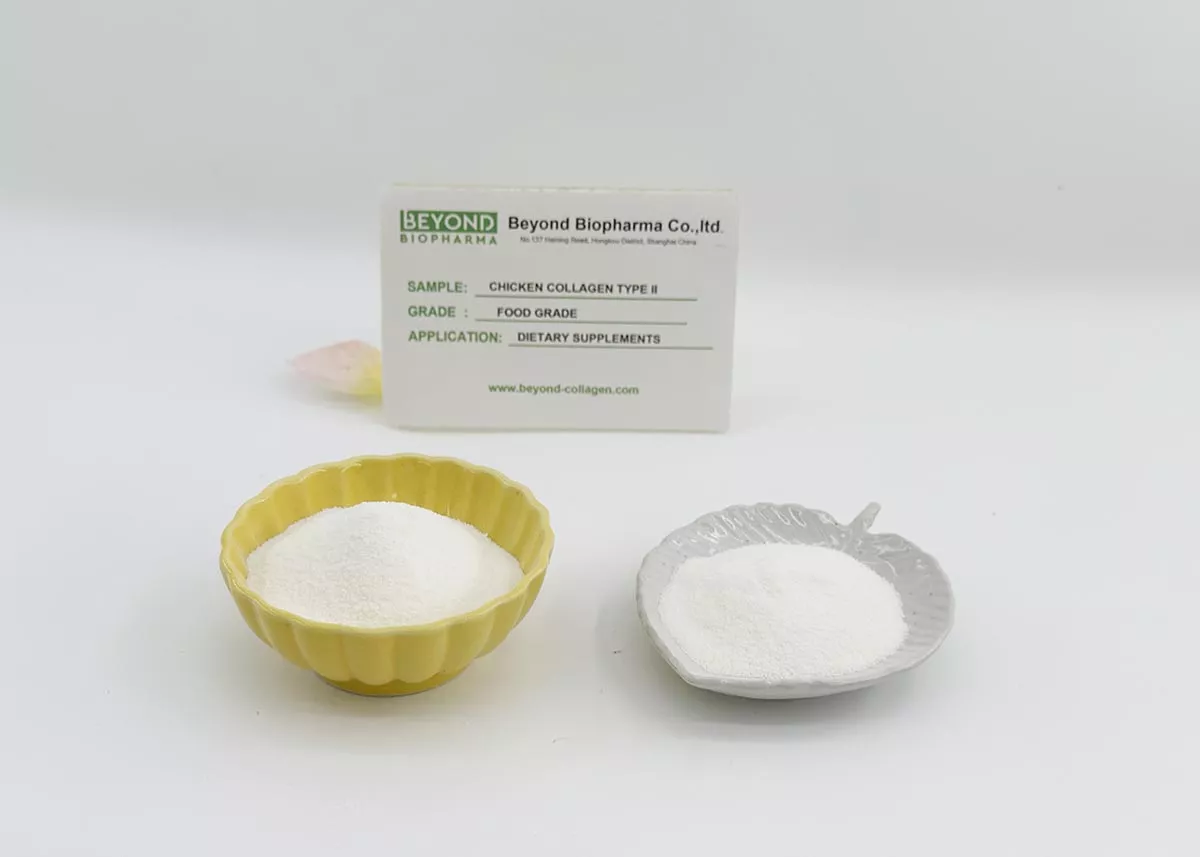
The shift toward plant-based beauty is driven by consumer demand for sustainable, cruelty-free, and hypoallergenic products. Plant peptide ingredients offer several advantages: they are free from animal-borne pathogens, have a lower environmental footprint, and are compatible with clean-label trends. Additionally, they provide a comparable amino acid profile that supports skin hydration, elasticity, and anti-aging benefits.
For formulators, plant peptides are easier to incorporate into water-based serums, creams, and masks due to their high solubility. They also have a neutral odor, which reduces the need for masking fragrances. This makes them an ideal alternative to traditional collagen peptides for brands targeting vegan or allergen-conscious consumers.
When sourcing plant peptide ingredients, buyers should evaluate key parameters that affect performance in cosmetic formulations. Below is a table of common industry ranges. Note: these are typical industry ranges; final values should be confirmed per Certificate of Analysis (COA) or sample.
| Parameter | Typical Range | Notes |
|---|---|---|
| Protein Content | 80–90% | Higher protein content indicates better purity. |
| Molecular Weight | Less than 5,000 Da | Lower MW improves absorption and solubility. |
| Solubility | High (≥98% in water) | Critical for clear serums and liquid formulations. |
| Moisture | ≤8% | Low moisture ensures longer shelf life. |
| Allergen Profile | Free from common allergens | Depends on source (pea, rice, soy are generally hypoallergenic). |
Choosing the correct plant peptide ingredient depends on your target market and formulation type. For cosmetic applications, such as anti-aging creams or hydrating serums, a low-molecular-weight peptide (below 3,000 Da) is preferred for better skin penetration. For nutraceutical applications, such as beauty-from-within supplements, a higher protein content and neutral taste are essential.
Beyond Biopharma offers a range of plant protein peptide options, including pea, rice, and soy hydrolysates. These are suitable for vegan formulations and can be customized for specific molecular weight or solubility requirements. For joint health products, consider combining plant peptides with joint health ingredients like glucosamine or chondroitin for a comprehensive approach.
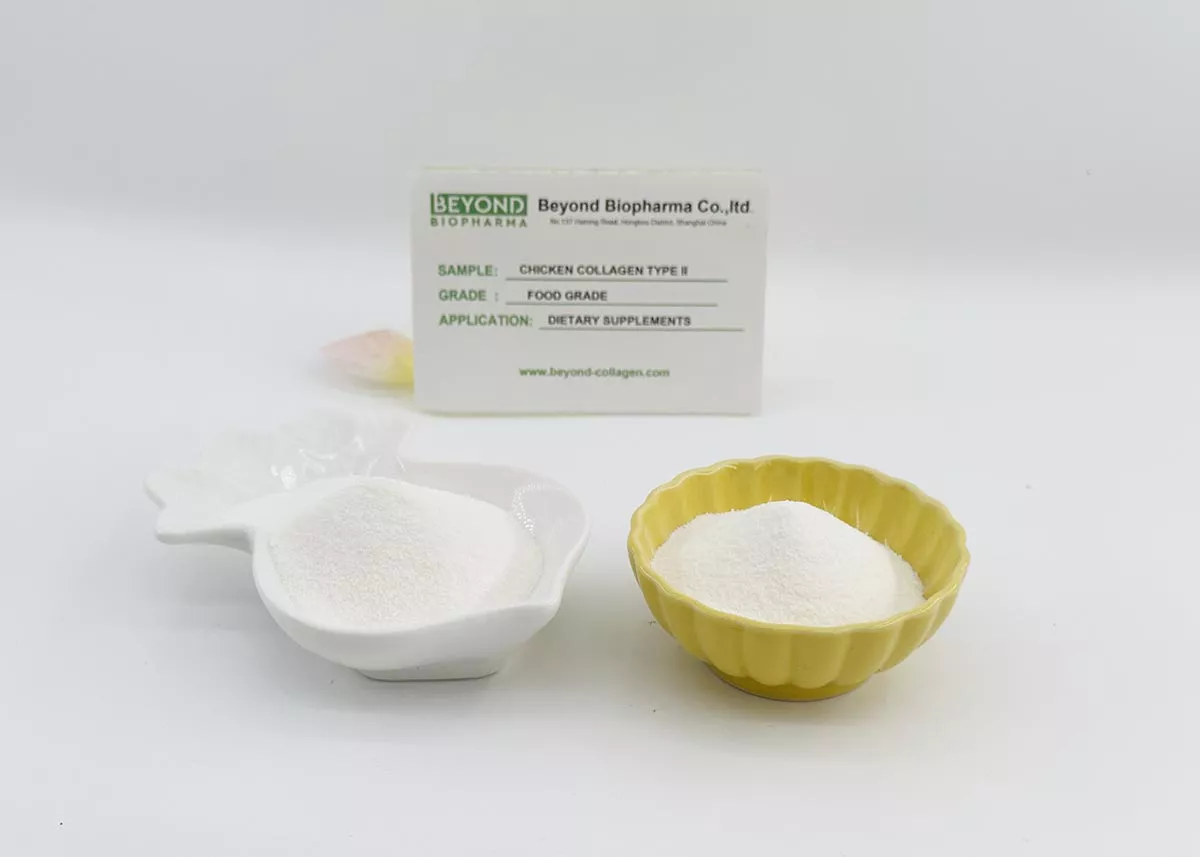
Beyond Biopharma, based in Shanghai, China, has over 10 years of experience in the food-ingredient industry. We manufacture plant peptide ingredients alongside collagen peptides and gelatin, with an annual capacity of approximately 3,000 MT for collagen and 5,000 MT for gelatin. Our facility features fully automatic production lines, GMP clean workshops, and stainless-steel sealed piping with automated temperature and pH control.
We hold ISO 9001 certification, are US FDA registered, and maintain a GMP clean workshop. Select products carry Halal or Kosher certification, such as our fish gelatin. Our bovine bone gelatin is BSE-free. We also have an in-house lab for heavy-metal and microbiological testing, supported by a dedicated QA/QC team. We offer three grades: food, pharmaceutical, and cosmetic, along with free samples and formulation support.
Q: Are plant peptide ingredients suitable for all skin types?
A: Yes, plant peptides are generally hypoallergenic and gentle, making them suitable for sensitive skin. They are free from common animal allergens and are often used in formulations for eczema-prone or reactive skin.
Q: How do plant peptides compare to fish collagen peptides in terms of absorption?
A: Both are highly bioavailable, but plant peptides typically have a molecular weight below 5,000 Da, comparable to fish collagen. The absorption rate depends on the specific peptide profile, but plant peptides are an excellent alternative for vegan consumers.
Q: Can plant peptide ingredients be used in hot-process formulations?
A: Yes, they are heat-stable up to moderate temperatures. However, prolonged high heat may degrade some peptides. It is best to add them at the cooling phase of formulation to preserve bioactivity.
Q: What certifications are available for plant peptide ingredients?
A: Beyond Biopharma offers plant peptides that are produced in ISO 9001 and FDA-registered facilities. Halal and Kosher certifications are available for select products. We also provide COA for each batch.
Q: What is the typical shelf life of plant peptide powder?
A: When stored in a cool, dry place away from direct sunlight, plant peptide powder typically has a shelf life of 24 months. Proper packaging in sealed containers is recommended to maintain freshness.
Q: Do plant peptides have any taste or odor issues?
A: High-quality plant peptides have a neutral to mild flavor and low odor. This makes them easy to incorporate into both cosmetic and nutraceutical products without requiring heavy masking agents.
If you are interested in sourcing plant peptide ingredients for your cosmetic or nutraceutical formulations, we invite you to contact Beyond Biopharma. Please provide the following details: your specific application (e.g., anti-aging serum, supplement powder), required grade (food, pharmaceutical, or cosmetic), estimated quantity or minimum order quantity (MOQ), target specifications (molecular weight, solubility, certifications), and destination country. We will send you free samples and a competitive quote.
Our team is ready to support your product development with formulation advice and bulk supply. Whether you need a fish collagen peptide alternative or a vegan bovine collagen peptide substitute, we have the right solution for your brand.

We provide you with comprehensive foreign trade solutions to help enterprises achieve global development
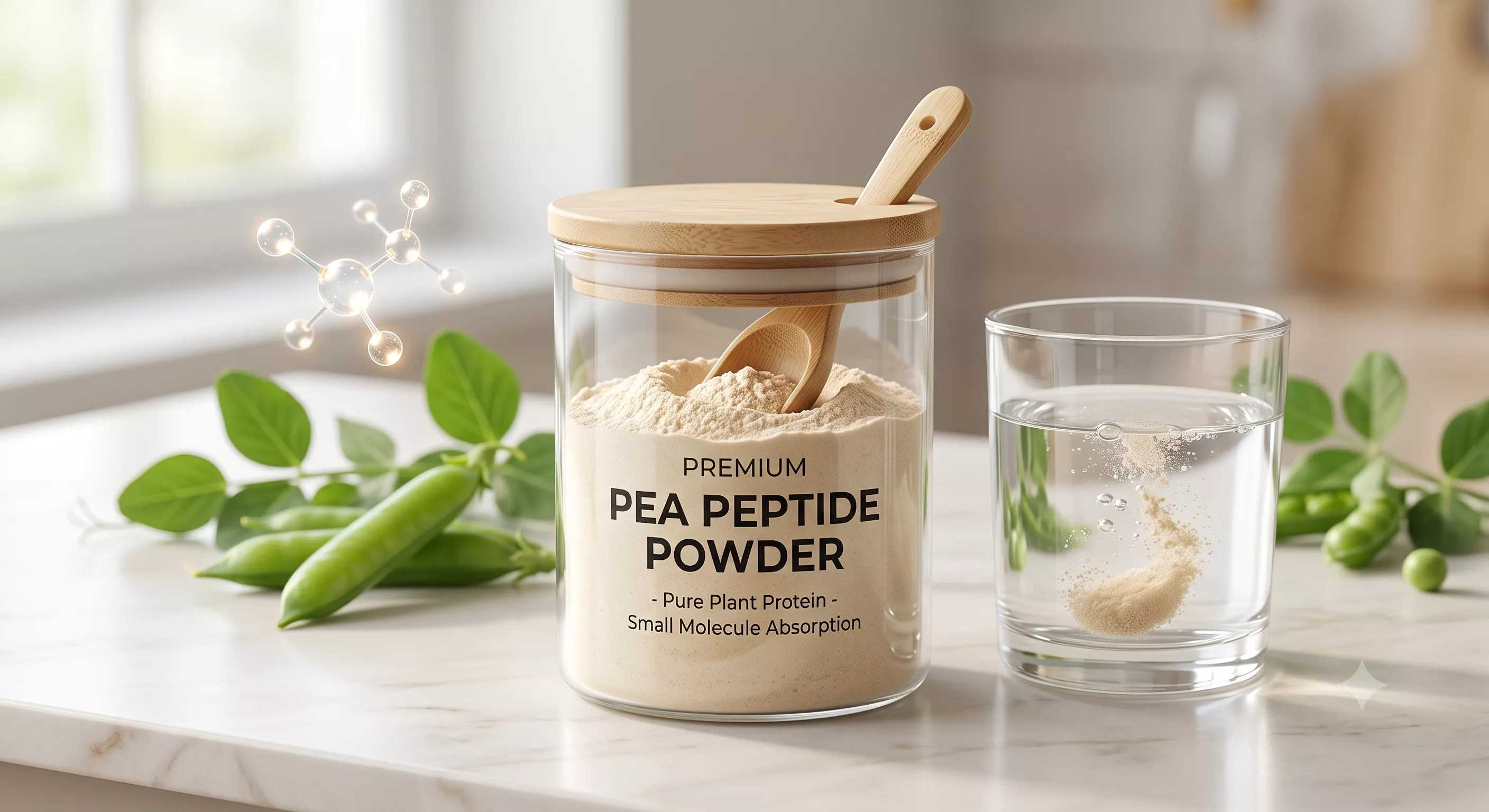
Source high-purity, hypoallergenic hydrolyzed pea peptide powder in bulk. Complete water solubility, rich in BCAAs, ideal for vegan recovery formulas.
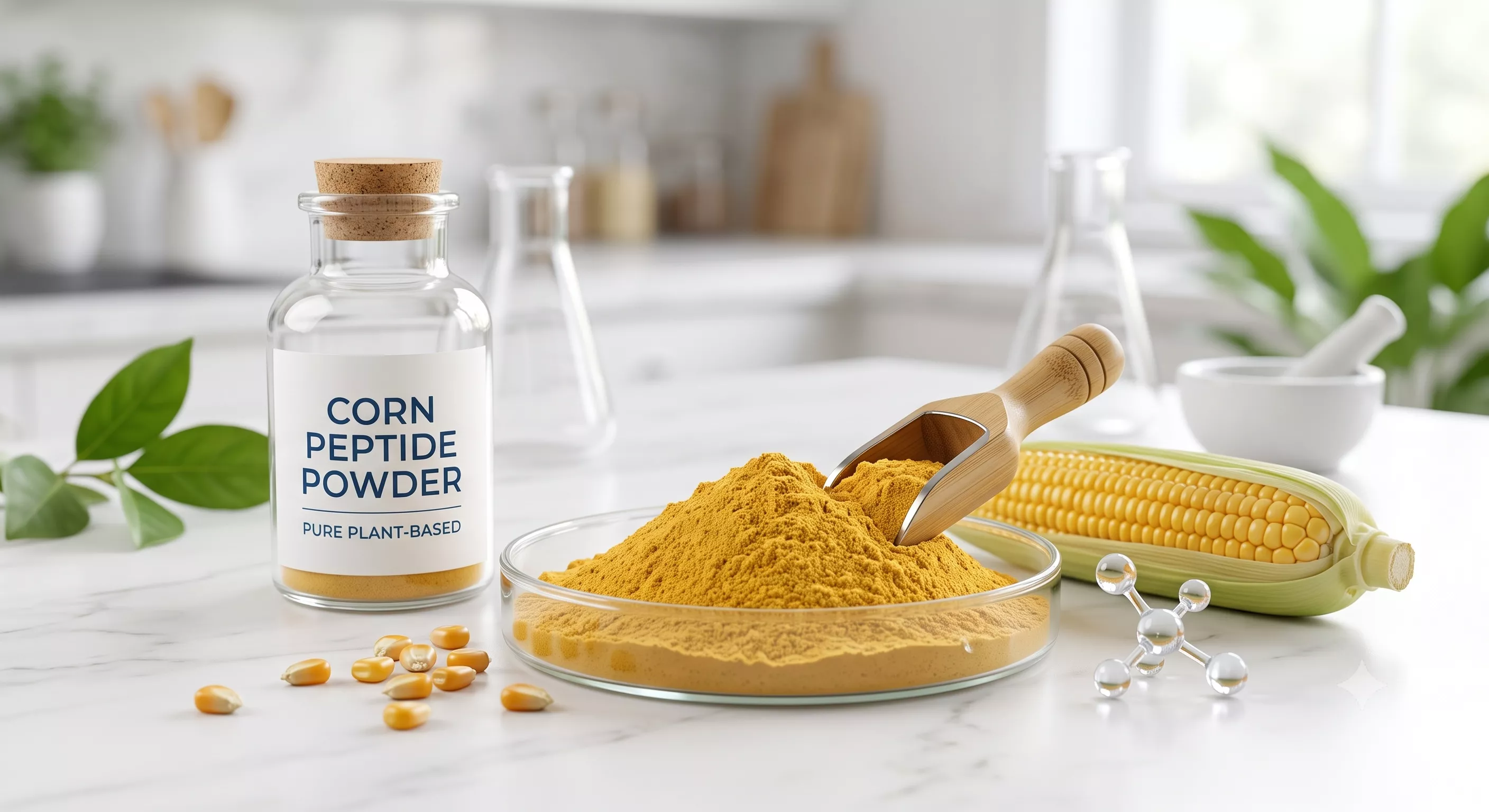
Source high-purity wholesale hydrolyzed corn protein peptide powder in bulk. Over 85% oligopeptides under 1000 Da. Rich in Alanine and Leucine for liver support and sobriety formulas.
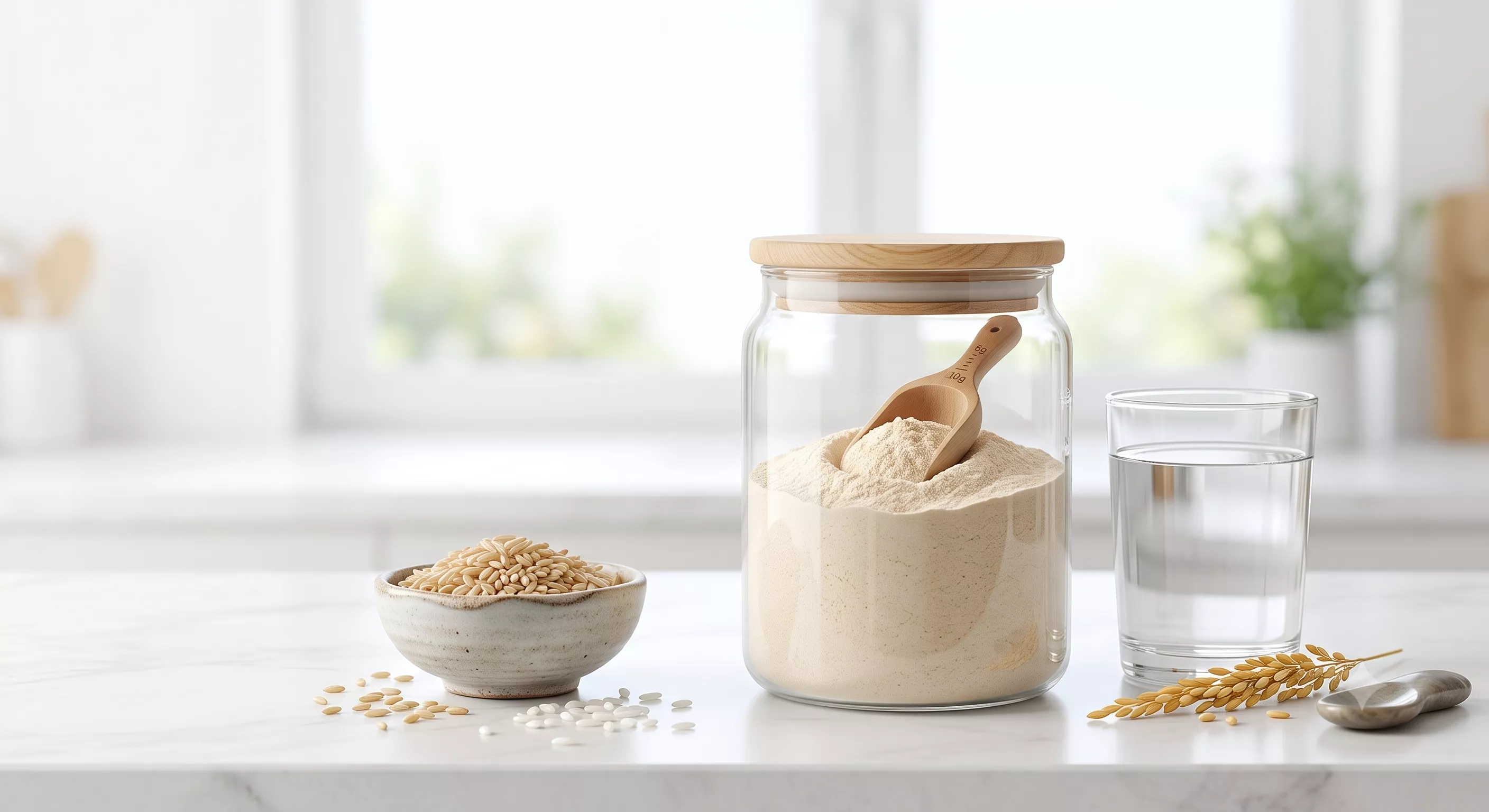
Source ultra-pure, 100% water-soluble wholesale hydrolyzed rice protein peptide in bulk. Over 85% molecules under 1000 Da. Ideal for infant nutrition, clean-label sports formulas, and sensitive skincare.
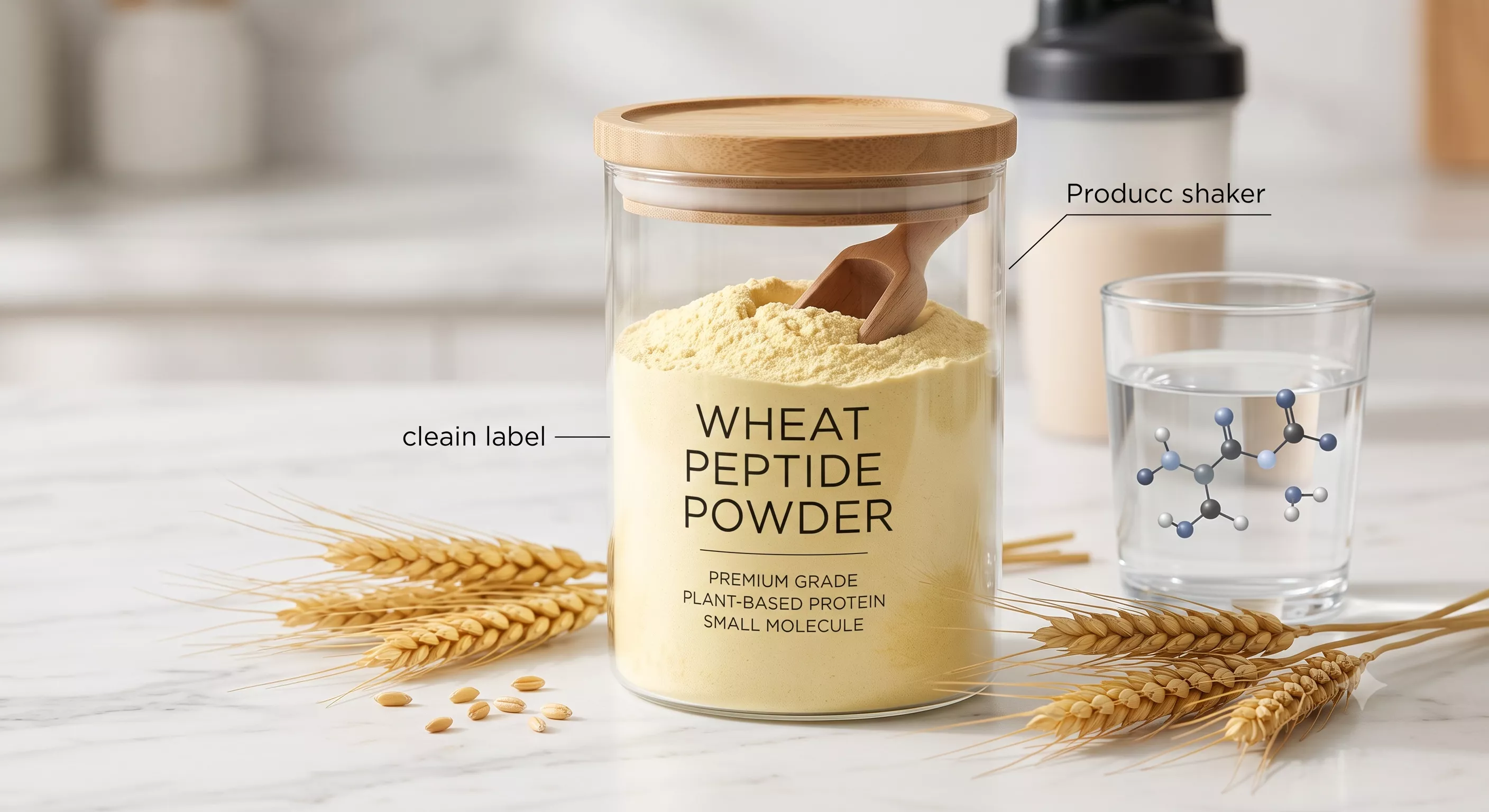
Source ultra-pure, high-solubility wholesale hydrolyzed wheat gluten peptide in bulk. Rich in plant-bound Glutamine ($\ge 25\%$) for muscle recovery and gut barrier health.
Select the most popular foreign trade service products to meet your diverse needs
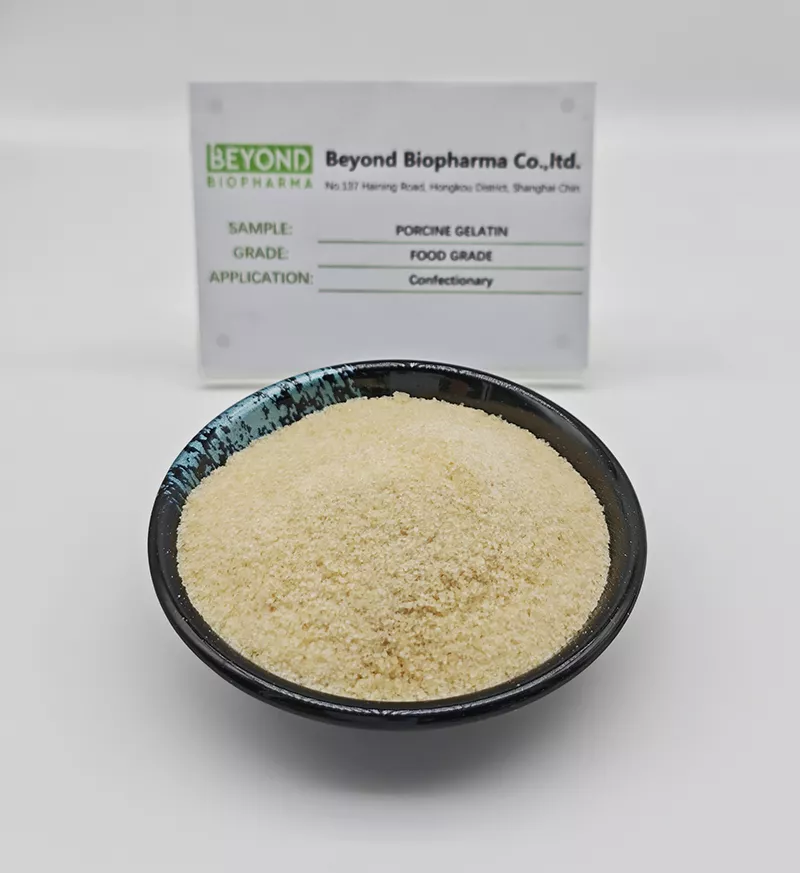
Food-grade porcine gelatin is a highly versatile and cost-effective natural protein derived from the collagen found in pig skin and bones. It is a premier gelling agent known for its exceptional clarity, neutral taste, and thermal reversibility.
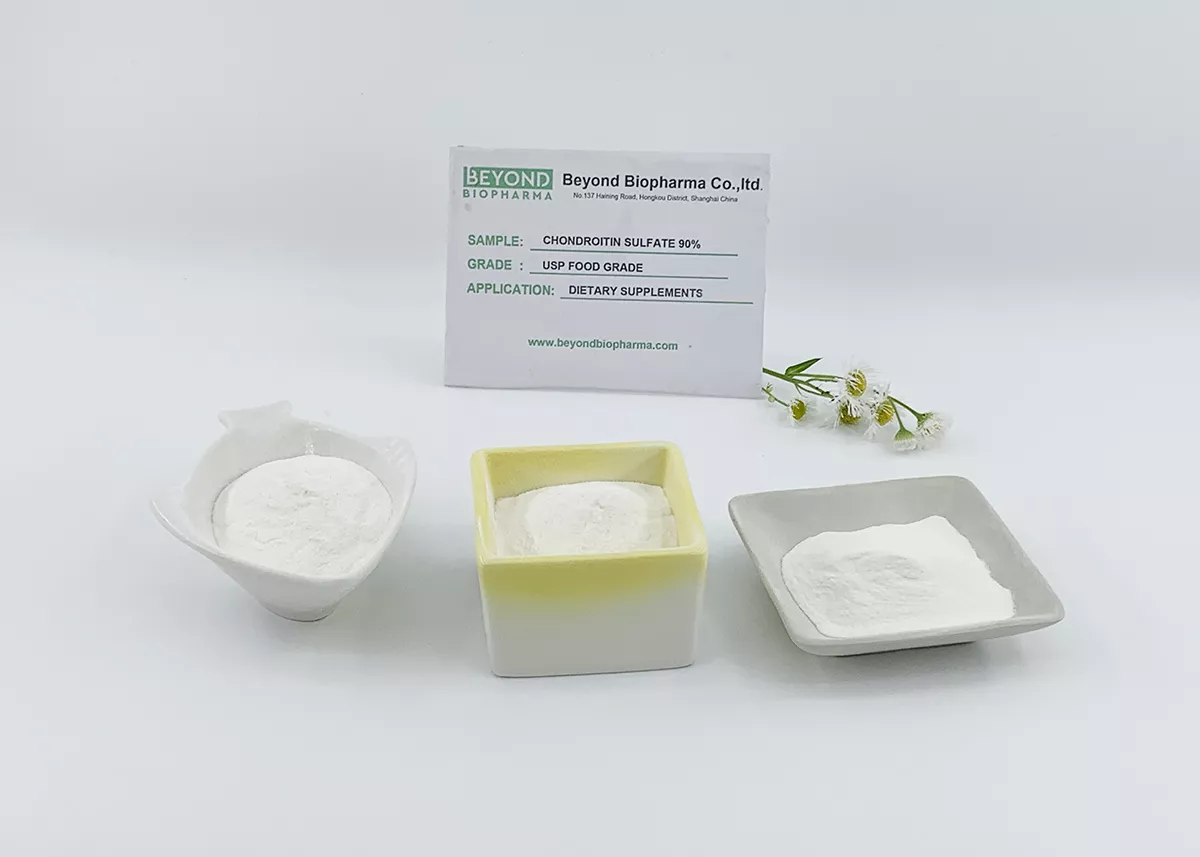
High Purity and Efficacy for Joint Health Formulations
Source ultra-pure, 100% water-soluble wholesale hydrolyzed rice protein peptide in bulk. Over 85% molecules under 1000 Da. Ideal for infant nutrition, clean-label sports formulas, and sensitive skincare.
Tel:+86 21 65010906
Cell/Whatsapp/Wechat:
+86 13482884055
+86 18657345785
Email: sales@beyondbiopharma.com





User Comments
Service Experience Sharing from Real Customers
Ethan
Senior Formulation ScientistI’ve been testing plant peptide ingredients for our new anti-aging line, and the results are honestly impressive. The stability in aqueous solutions is way better than I expected, and the bioactivity data from our trials shows a noticeable uptick in collagen synthesis. Definitely switching more of our formulas to these.
Priya
R&D TechnicianWe started using these plant peptides in a couple of our sports recovery balms. They mix easily and don’t separate even after weeks on the shelf. Only reason I’m not giving 5 stars is that the sourcing paperwork took a bit longer than I’d like, but the ingredient itself is solid.
Liam
Product Development ManagerHonestly, I was skeptical at first because plant-based peptides can be hit or miss. But these have been a game-changer for our vegan protein blends. The solubility is excellent and the amino acid profile is surprisingly complete. My team is already planning two new product launches around them.
Sofia
Clinical Research CoordinatorWe’re running a small-scale human trial on a topical formulation containing these plant peptides for wound healing. Early data shows reduced inflammation markers and faster epithelial closure compared to our standard placebo base. I’d like to see more peer-reviewed studies, but so far it’s promising.