 English EN


Porcine gelatin always protects vaccines from harm
Porcine gelatin stabilizes vaccines, ensuring safety and effectiveness. Most people tolerate it well, with rare allergic reactions and strict quality controls.
More
When sourcing food ingredients globally, purchasing managers often encounter gelatin listed under various technical or trade names. This article clarifies the common synonyms and alternative terms for gelatin used in food, nutraceutical, and pharmaceutical applications, helping you navigate ingredient labels, specifications, and supplier communications with confidence. Whether you are developing gummy supplements, hard capsules, or plant-based alternatives, understanding these names ensures you source the correct functional protein.
Gelatin is a versatile, high-protein ingredient derived from collagen, widely used as a gelling agent, stabilizer, thickener, and film-former. Overseas buyers often ask: what are the other names for gelatin in food ingredients? The answer depends on the source animal, processing method, and intended application. Common synonyms include hydrolyzed gelatin, collagen hydrolysate, edible gelatin, pharmaceutical gelatin, and branded terms like Peptan or Verisol. In the European Union, gelatin may be labeled as E441. Understanding these names is essential for batch consistency, regulatory compliance, and avoiding allergen or certification issues.
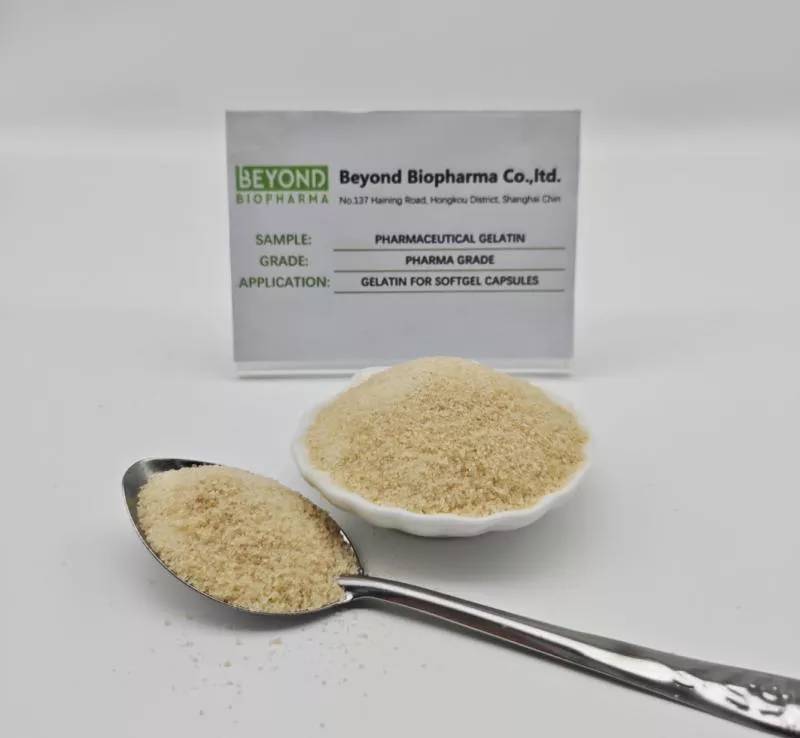
On ingredient declarations, gelatin may appear as "gelatine," "hydrolyzed collagen," "collagen peptides," or "E441." For kosher or halal markets, you may see "fish gelatin," "bovine gelatin," or "porcine gelatin." In sports nutrition and beauty supplements, terms like "collagen hydrolysate" or "marine collagen peptides" are common. These names all refer to gelatin or its hydrolyzed form, but they differ in molecular weight, gel strength (bloom), and solubility. When sourcing, always confirm the exact specification: bloom value, mesh size, and viscosity.
Gelatin is produced by partial hydrolysis of collagen from animal hides, bones, or fish skin. The process involves acid or alkaline treatment, followed by extraction, filtration, and drying. The resulting product can be labeled as "Type A gelatin" (acid-processed, typically from porcine skin) or "Type B gelatin" (alkaline-processed, from bovine sources). Hydrolyzed gelatin, also called collagen peptides, undergoes further enzymatic breakdown to achieve lower molecular weight (typically 2,000–5,000 Da) for cold-water solubility. This distinction matters for applications: high-bloom gelatin (150–260 g) is ideal for gummies and softgels, while low-molecular-weight collagen peptides are preferred for rapid absorption in nutraceuticals.
| Parameter | Typical Range (Industry Standard) |
|---|---|
| Bloom (gel strength) | 50–300 g (common for pharma/gummies: 150–260 Bloom) |
| Viscosity | 2.0–5.5 mPa·s |
| Mesh size | 8–60 mesh |
| Moisture | ≤14% |
| Collagen peptides molecular weight | 2,000–5,000 Da (fish typically lower) |
| Protein content (collagen peptides) | ≥90% |
| Plant protein peptides protein | 80–90% |
Note: These are typical industry ranges; final values per COA / sample.
Selecting the correct gelatin depends on your application. For food gummies and jellies, a high-bloom Edible Gelatin (150–260 Bloom) provides firm texture and clarity. For hard capsules, Pharmaceutical Gelatin with controlled viscosity ensures consistent fill weight. Softgel manufacturers require ultra-high-viscosity gelatin to maintain shell integrity. In sports nutrition and beauty-from-within products, Bovine Collagen Peptide or fish collagen tripeptide offers rapid solubility and neutral taste. For plant-based and vegan formulations, Plant Protein Peptide alternatives (pea, rice, soy) are compatible with allergen-free requirements. Joint health formulations often combine gelatin with Bovine Chondroitin Sulfate Sodium and glucosamine.
Beyond Biopharma, based in Shanghai, China, is a manufacturer with over 10 years of experience in the food-ingredient industry. We produce collagen peptides, gelatin, and plant protein peptides for B2B buyers worldwide. Our facility has an annual capacity of approximately 3,000 MT for collagen and 5,000 MT for gelatin, supported by fully automatic production lines, GMP clean workshops, and stainless-steel sealed piping with automated temperature and pH control. We hold ISO 9001, US FDA registration, and select products carry Halal or Kosher certification. Our bovine bone gelatin is BSE-free, and our in-house lab conducts heavy-metal and microbiological testing. We offer three grades: food, pharmaceutical, and cosmetic, with free samples and formulation support.
Yes, hydrolyzed collagen is gelatin that has been further broken down into smaller peptides. It dissolves in cold water and does not form a gel, making it ideal for powdered supplements and beverages.
E441 is the European food additive number for gelatin. It is recognized in the EU and many other regions, but not all countries use this labeling system. Always check local regulations.
Type A gelatin is acid-processed, typically from porcine skin, with an isoelectric point around pH 7–9. Type B is alkaline-processed, usually from bovine sources, with an isoelectric point around pH 4.7–5.4. This affects solubility and compatibility in formulations.
Yes, plant-based alternatives include agar-agar, pectin, carrageenan, and plant protein peptides from pea, rice, or soy. These are suitable for vegan and allergen-free formulations but have different gelling and solubility properties.
Key certifications include ISO 9001, US FDA registration, Halal, Kosher, and BSE-free documentation. For pharmaceutical use, GMP compliance is essential. Always request a Certificate of Analysis (COA) for each batch.
Work with a manufacturer that has automated production lines, in-house QA/QC labs, and a dedicated team. Request pre-shipment samples and compare bloom, viscosity, and microbiological data against your target specs.
To ensure you source the correct gelatin for your application, please provide the following details: intended application (food, pharmaceutical, or cosmetic), required grade, target specifications (bloom, mesh, molecular weight, viscosity), quantity or MOQ, certifications needed (Halal, Kosher, BSE-free), and destination country. Beyond Biopharma will send free samples and a competitive quote. Contact us today to start your sourcing process.
Understanding the other names for gelatin in food ingredients helps you avoid mislabeling and ensures you select the right functional protein for your product. Whether you need edible gelatin for gummies, pharmaceutical gelatin for capsules, or collagen peptides for nutraceuticals, Beyond Biopharma offers reliable supply with full traceability.

We provide you with comprehensive foreign trade solutions to help enterprises achieve global development
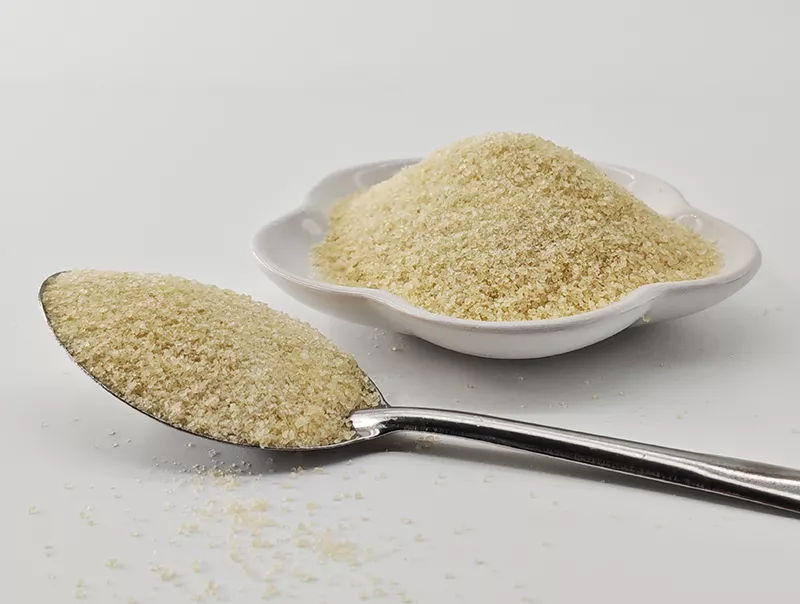
The High-Performance Barrier for Core Material Protection and Controlled Release.
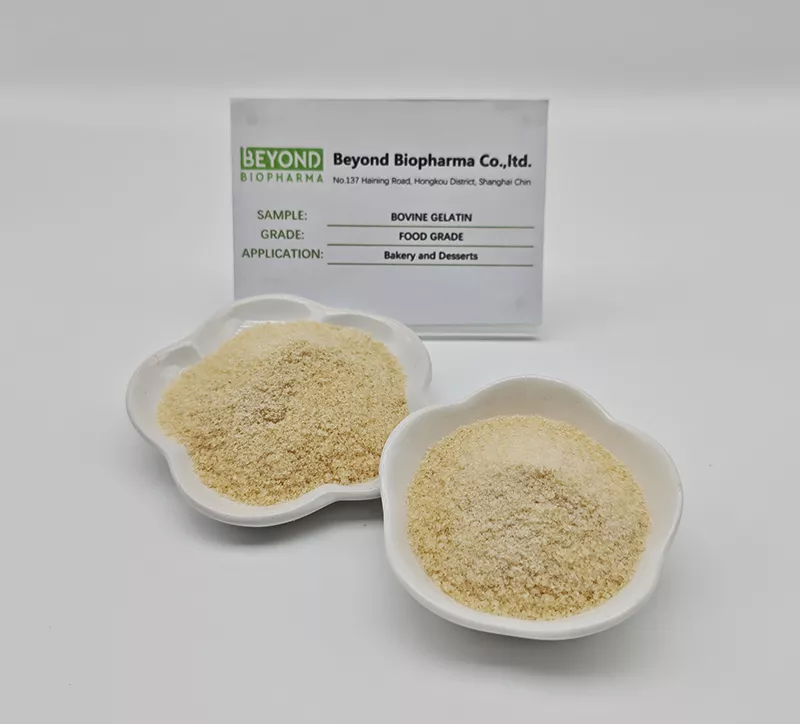
20 years experiences, 5000 ton/year capacity, Sustained supply with stable quality
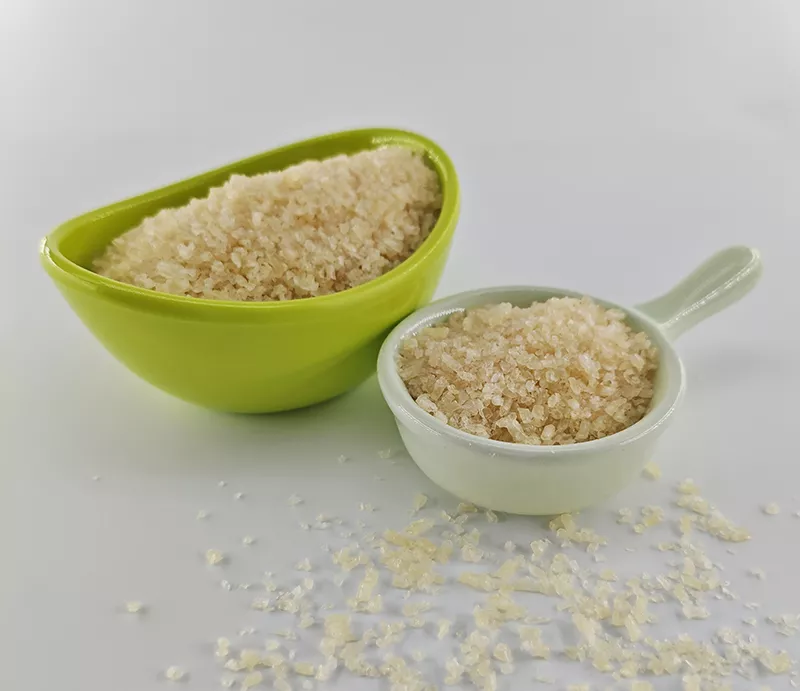
Stability, Swallowing Enhancement, and Controlled Release
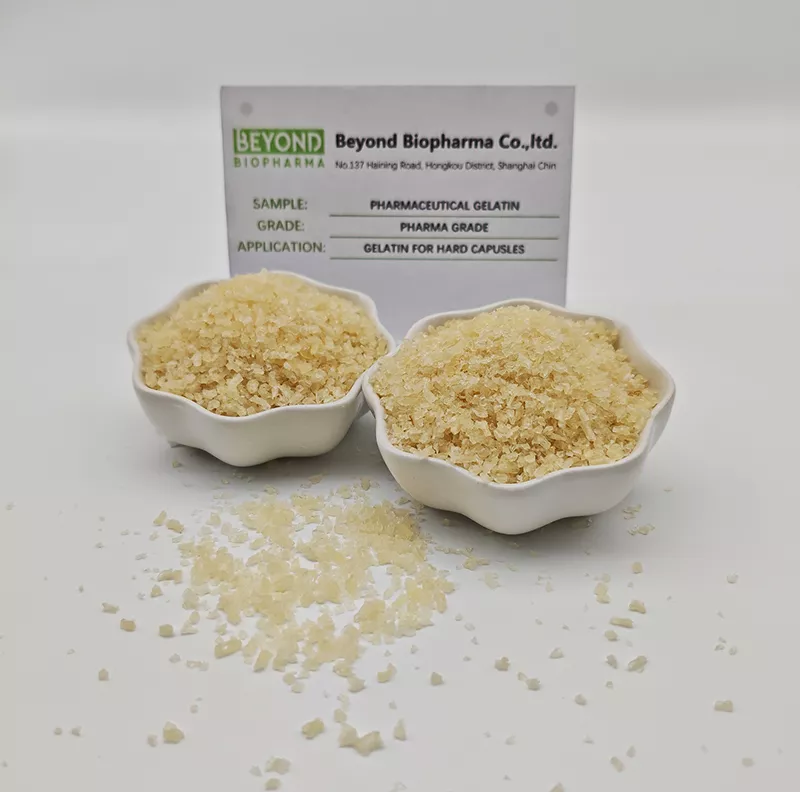
Precision, Purity, and Optimal Machinability
Select the most popular foreign trade service products to meet your diverse needs
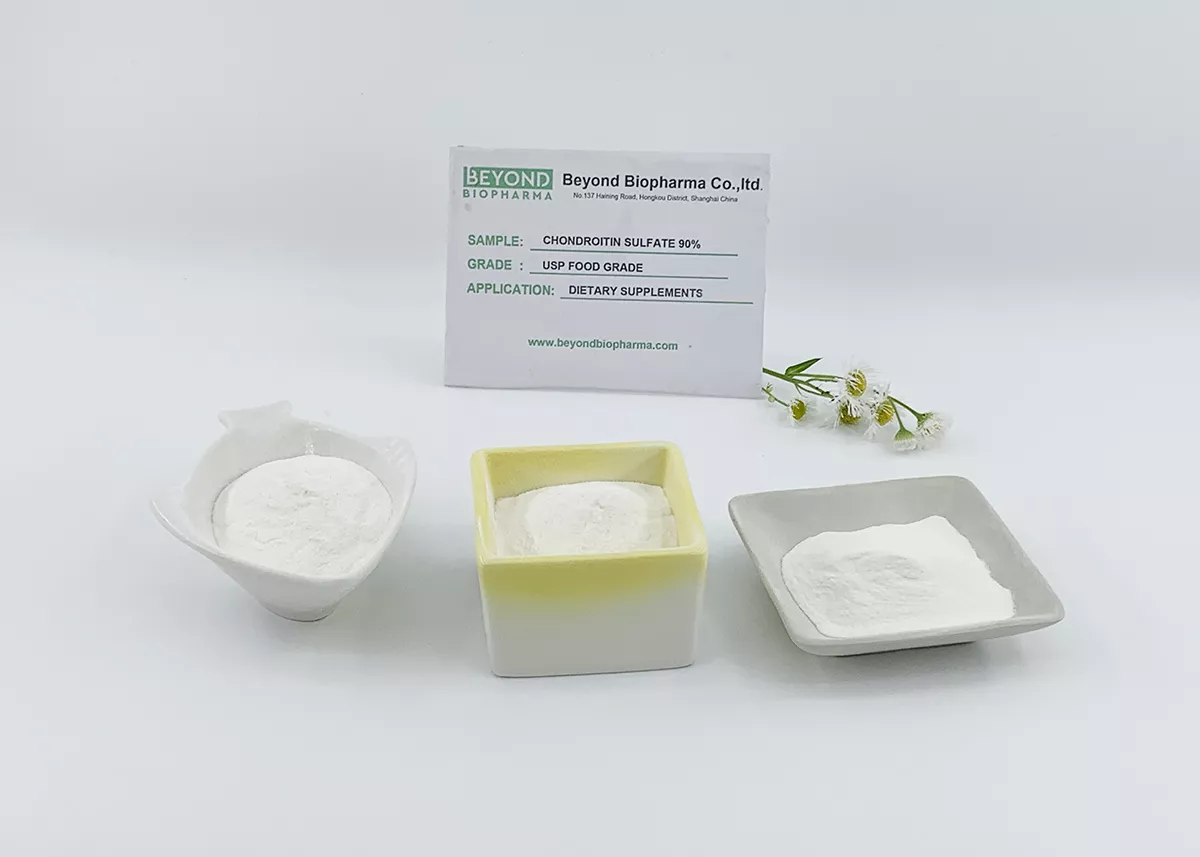
High Purity and Efficacy for Joint Health Formulations
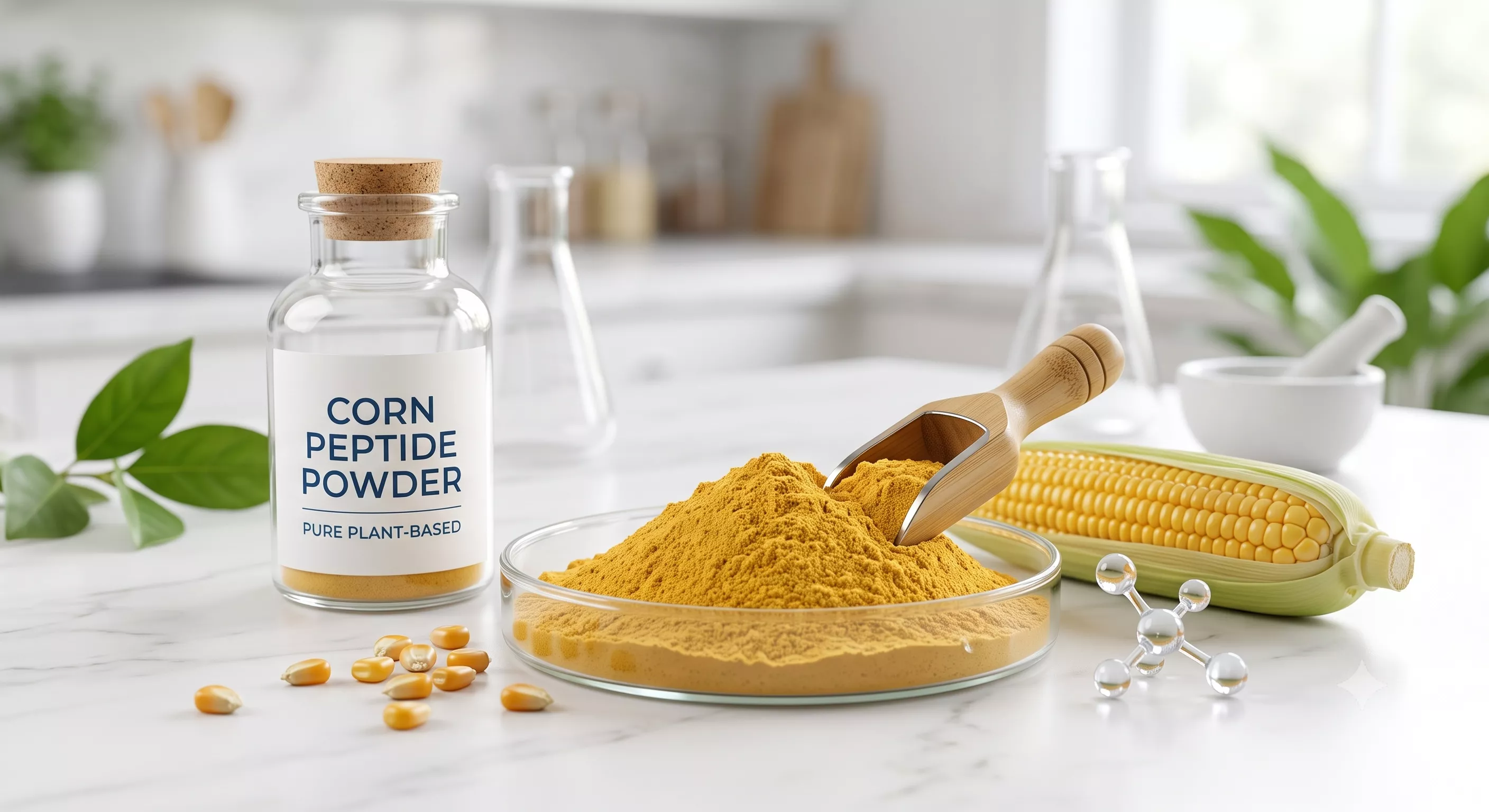
Source high-purity wholesale hydrolyzed corn protein peptide powder in bulk. Over 85% oligopeptides under 1000 Da. Rich in Alanine and Leucine for liver support and sobriety formulas.
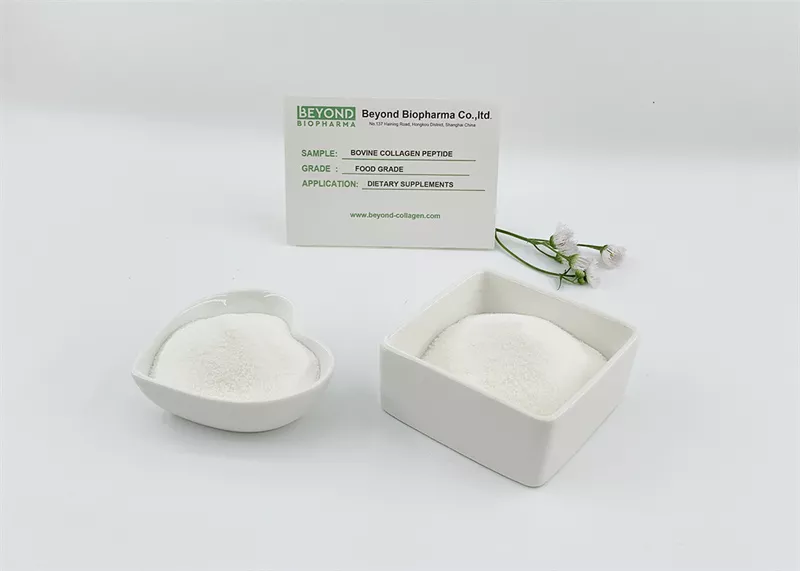
Manufacturer of bovine collagen peptide, shipping in containers all around the world
Tel:+86 21 65010906
Cell/Whatsapp/Wechat:
+86 13482884055
+86 18657345785
Email: sales@beyondbiopharma.com





User Comments
Service Experience Sharing from Real Customers
Mackenzie
Pastry ChefAs someone who's worked in kitchens for 12 years, I'm always checking labels. Knowing that 'hydrolyzed collagen' and 'collagen hydrolysate' are just other names for gelatin saved me so much time when developing a vegan-alternative menu. This clarity helps me communicate better with suppliers too. Finally, a resource that speaks the industry language!
Jax
Fitness InstructorHonestly, I used to just skim ingredient lists for 'gelatin'. After reading this, I spotted 'E441' on my protein bar wrapper and knew exactly what it was. It's a game-changer for my clients with dietary restrictions. The explanation was straightforward—no confusing jargon. One star off because I wish there were more examples of plant-based alternatives mentioned.
Jackie
Stay-at-Home ParentTrying to navigate my son's allergies has been a nightmare. I never realized that 'food glue' or even some 'stabilizers' could mean gelatin was hiding in his favorite gummies. This breakdown in plain English (not scientist-talk!) finally helped me make safer choices at the grocery store. Lifesaver for busy parents like me.
Jackson
Food Science StudentFor my uni project on food additives, this was a solid starting point. Covering terms like 'gelatine' (the British spelling) and 'gelling agent' showed a good global perspective. It's concise and accurate. Would have loved a bit more depth on the chemical distinctions between types, but for most consumers, this is perfect. Great practical reference.